

Meghalaya is expanding community-led tourism, accommodation and cultural experiences as it looks to encourage longer stays and attract more international visitors
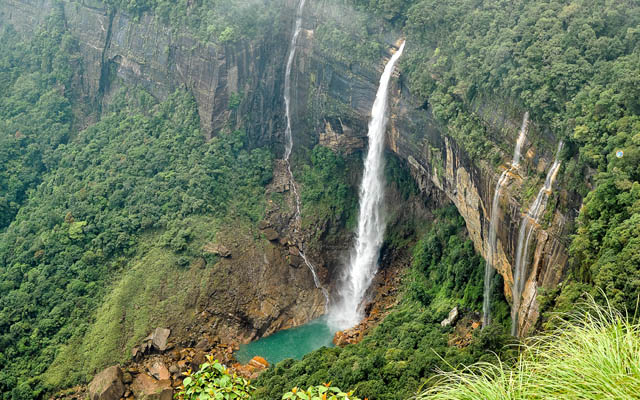
Meghalaya is stepping up efforts to develop its tourism sector by expanding community participation, developing new tourism products and strengthening infrastructure, as the north-eastern state seeks to turn its natural and cultural assets into longer-stay and higher-value experiences.
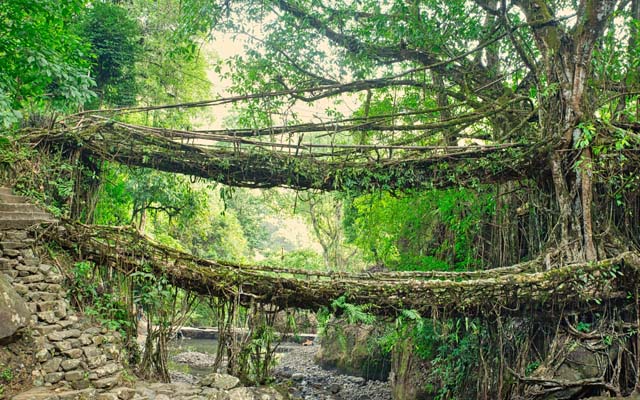
Known for its hills, waterfalls, living root bridges and Khasi culture, Meghalaya has identified community participation as a key pillar of its tourism development strategy. The state government introduced its Tourism Homestay Scheme in 2023 to address the shortage of accommodation while enabling local communities to participate directly in the tourism economy. Since its launch, around 500 homestays have become operational across the state.
Under the Chief Minister’s Meghalaya Homestay Mission, launched last year, the government is targeting the creation of 3,000 new homestays and more than 15,000 jobs by 2028.
“Meghalaya occupies a fascinating but underexploited position in North-east India’s tourism landscape. The state’s true differentiation lies in what I call ‘raw, immersive authenticity’. The waterfalls, the living root bridges and the monsoon landscape make the state an attractive tourist destination,” said Sumit Mitruka, founder and CEO of Summit Hotels & Resorts.
The state is simultaneously developing a number of tourism projects. Speaking at a tourism event earlier this year at Orchid Lake Resort, Umiam, Meghalaya chief minister Conrad K Sangma said the tourism sector would undergo a major transformation over the next two to three years with the implementation of several projects, including the Shillong Ropeway and Rain Museum in Mawsynram.
Sustainability and community-led development are also components of the state’s tourism strategy. In August, Sangma inaugurated Meghalaya’s first eco-sustainable habitat, the Pine Home project at Mawlangwir Village in South West Khasi Hills.
The project combines international architectural practices with local expertise and traditional approaches. Constructed by local masons and artisans, Pine Home incorporates indigenous design elements while using contemporary engineering and technology.
Meghalaya is also seeking to expand its cultural and archaeological tourism offerings. The state government has launched the Twahlongwar Open-Air Museum in Mawsynram, showcasing the remains of an early Khasi settlement that was once a centre of trade and community life.
The archaeologically validated site preserves a mid-18th-century settlement comprising more than 20 structures, including an ancient market, an iron furnace and historic trade routes. The project aims to preserve Khasi history and culture while developing the site as a destination for archaeological tourism.
By combining conservation with interpretation, the museum is expected to provide visitors with a deeper understanding of the region’s history, indigenous communities and cultural legacy.
“Meghalaya has a unique culture, history and traditions. Meghalaya’s diverse flora and fauna are also contributing to its distinctive tourism appeal. The annual Shillong Cherry Blossom Festival, which coincides with the blooming of cherry blossoms, is drawing both domestic and international tourists,” said Arun Anand, managing director of Midtown Travels.
This year, the Shillong Cherry Blossom Festival is scheduled to take place on November 20 and 21 at the New Shillong Highland Grounds in Mawkhanu, with artistes from India and overseas expected to perform.
Growing interest in Meghalaya is also reflected in online travel searches. Shillong was identified as India’s most searched travel destination in Skyscanner’s 2025 report.
However, industry stakeholders believe the next phase of Meghalaya’s tourism growth will depend on the state’s ability to encourage visitors to stay longer and spend more on experiences.
According to Mitruka, Meghalaya attracts a range of travellers, including adventure and active travellers, wellness and retreat seekers, and nature enthusiasts. However, most visitors currently spend only two to three nights in the state before moving on to other destinations. He believes there is scope to develop deeper and longer-duration experiences around the state’s natural and cultural assets.
International visitors currently reach Meghalaya through specialised channels, including adventure travel operators from Europe and Australia, South-east Asian backpackers and cultural tourism groups from Japan and South Korea.
“What’s missing isn’t natural beauty or adventure infrastructure, it is thoughtfully designed experiential stays, farm-to-table offerings and genuine cultural immersion with local communities. The demand is there. The product offerings simply haven’t matured to meet it,” said Mitruka.
Improving Meghalaya’s international market reach is another area that industry stakeholders believe requires greater attention.
“Participation in international travel trade shows and marketing campaigns in key inbound source markets like the UK and Europe will help to capture international markets. Moreover, in terms of infrastructure, the state needs more branded hotel rooms supply across segments. This will help to tap the opportunity lying in the domestic corporate travel market which is interested in exploring the north-east region of India,” said Debjit Dutta, director and CEO of Impression Tourism Services.
The accommodation sector itself presents opportunities for further investment. Mitruka said hotel companies could develop smaller properties with around 20 to 40 rooms positioned as gateways to specific experiences such as trekking, waterfalls and wellness.
“There are several independent properties across Shillong, Cherrapunji and other key locations that are struggling with poor management, weak brand positioning or operational inefficiency. We believe that a disciplined acquisition and repositioning strategy could unlock significant value here,” he added.
Connectivity, however, remains an important consideration for the state’s international tourism ambitions. While Meghalaya has been attracting increasing attention from overseas travellers, stakeholders believe stronger international marketing and improved air connectivity will be necessary to increase inbound arrivals.
“A strong branding and improving infrastructure like direct international connectivity in the state is key to grow international arrivals in the state. At present, there are no direct international flight connectivity and this has to be addressed,” said Anand.