
APAC hotel pipeline remains robust through Q2
While Covid-19 has dealt a hammer blow to the hospitality industry, the Asia-Pacific hotel construction pipeline, excluding China, shows continued growth in 2Q2020, according to a recent report by Lodging Econometrics (LE).
Asia Pacific’s total construction pipeline, excluding China, grew to 1,906 projects and 404,520 rooms, up six per cent and three per cent respectively, year-over-year.
Currently, the region has 996 projects – a cyclical peak for the region – and 225,734 rooms under construction. As well, 415 projects with 82,122 rooms are scheduled to start construction in the next 12 months; while 495 projects with a combined 96,664 rooms are in the early planning stage, up a remarkable 19 per cent by projects and 12 per cent by rooms year-over-year.
Additionally, during 2Q2020, the Asia-Pacific region, excluding China, saw 39 new hotels accounting for 8,863 rooms open.
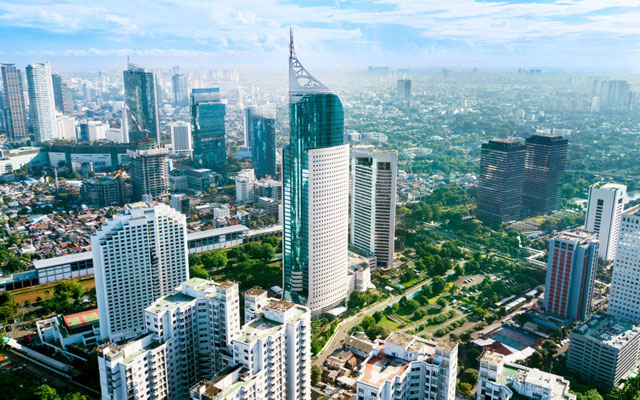
Countries with the largest pipelines in Asia-Pacific, excluding China, are led by Indonesia with 345 projects (56,373 rooms), followed by India with 263 projects (35,839 rooms), and Japan with 243 projects (46,852 rooms). These three countries account for 45 per cent of the projects in the Asia-Pacific, excluding China, total pipeline. Next are Australia with 179 projects (33,672 rooms), and Vietnam with 157 projects (62,085 rooms).
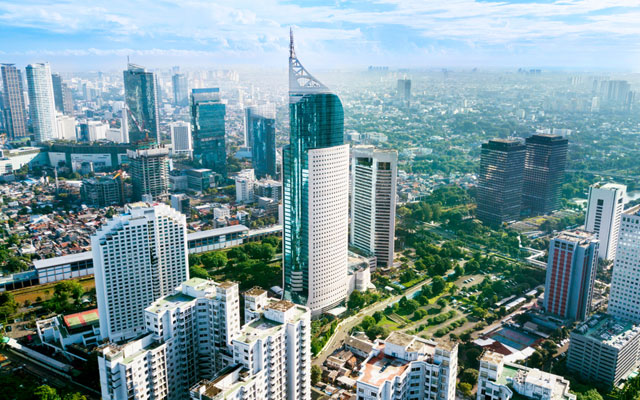
Asia-Pacific cities with the largest construction pipelines are led by Jakarta, Indonesia with 78 projects (13,508 rooms); followed by Seoul, South Korea with 67 projects (13,233 rooms); and Tokyo, Japan with 59 projects (14,216 rooms). Next are Kuala Lumpur, Malaysia with 50 projects (13,325 rooms) and Bangkok, Thailand with 50 projects (12,711 rooms).
The top four franchise companies in the region are: Marriott International, at an all-time high, with 294 projects (63,558 rooms); AccorHotels with 214 projects (45,407 rooms); InterContinental Hotels Group (IHG) with 160 projects (33,721 rooms); and Hilton Worldwide, also at an all-time high, with 99 projects (22,797 rooms).
Top brands in Asia-Pacific’s construction pipeline, excluding China, are Marriott International’s Fairfield Inn with 51 projects (7,495 rooms) and Courtyard with 40 projects (8,295 rooms), both at record highs by project count. AccorHotels’ Ibis brands have 46 projects (9,080 rooms), and Novotel has 41 projects (9,973 rooms).
IHG’s top brands are Holiday Inn with 58 projects (12,100 rooms) and Holiday Inn Express with 30 projects (6,063 rooms). This is followed closely by IHG’s InterContinental Hotels, having record high counts, with 21 projects (4,986 rooms).
Hilton Worldwide’s top brands include Hilton Hotel & Resort, at a record high, with 34 projects (9,464 rooms); and DoubleTree by Hilton with 32 projects (6,446 rooms). Additionally, Hilton’s Garden Inn brand has hit a record high this quarter with 22 projects (4,560 rooms).
As Asia-Pacific was among the world’s first regions to successfully control the spread of Covid-19, this allowed for hotel construction to gradually restart at the end of April, causing only slight delays to project timelines.
Analysts at LE reported that while the region has begun to see a resurgence of Covid-19 in some areas, it has not had a significant impact on hotel development and most developers are optimistic that projects will continue as planned.
Trips that matter
Transformational travel was slated to be the new buzz-word in the luxury market pre-pandemic. But even with the travel freeze today, experts predict that demand will soar once tourism resumes, fuelled by greater keenness among high-end travellers on curated magical experiences away from the crowds.
Christopher Lund, head of hotels at Colliers International, said there would be a huge shift in focus to itineraries that go the extra mile in allowing travellers to escape and have meaningful experiences.

destination experience in demand today
He noted: “There will be much more of a focus on experiences. Holidays where travellers can take something away, especially around eco-tourism, wellness and conservation, as these all conform with the social distancing that has now become the norm.”
Pre-pandemic, Asia’s luxury tourism players had already been going the extra mile to curate experiences that money cannot buy. From accompanying a private butler to his village, to helping plant coral reefs and meditating with monks, ultra-wealthy travellers no longer mind roughing it if it means securing an extra-special experience that pushes personal growth.
Andreas Grosskinsky, general manager at Destination Asia Indonesia, said for the last decade, luxury travel has been moving into the experiential arena, with more high-end travellers willing to splash out to enjoy authentic local experiences in style. That has changed with the pandemic, with guests becoming more willing than ever to trade in traditional luxury comforts for an incredible once-in-a-lifetime transformational experience.
Grosskinsky noted that “it’s taken some time to educate travel consultants on this”.
Tim Cordon, Radisson Hotel Group’s area senior vice president, agreed that transformational experiences will be in high demand, and that hotels and travel companies should work together to make the most of this trend.
Curating bespoke experiences for high-end guests is high on the agenda at The Pavilions Hotels and Resorts, which crafts a range of Curated Journeys for guests, covering a range of niches, including culinary, adventure, recreation, wellness and family.
Simona Chimenti, general manager at The Pavilions Bali, said: “The big next step is somewhere in between experiential and transformational travel. Guests want to mix with locals and get a real feeling of local life. It’s still luxury but there’s an emphasis on experiences. I call it laidback luxury.”
She added the desires of luxury travellers are changing from simply seeking five-star accommodation and high-end restaurants and transport, to experiencing each destination and the lives of the people who call it home.
Noted Chimenti: “The definition of luxury is shifting, it used to be about sitting in a golden cage and not going outside. Today, people are more interested in genuine service and creating memories to take back home and less about that standard luxury version.”
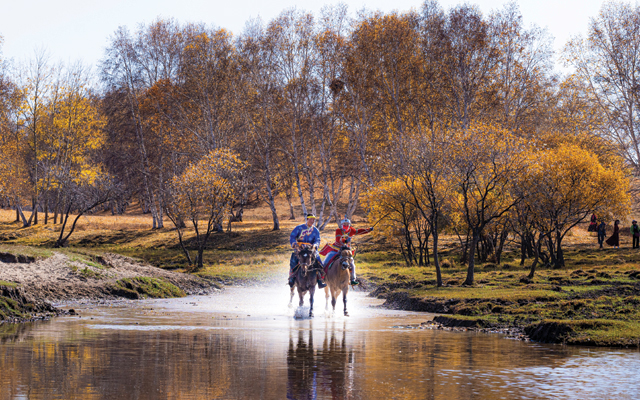
For example, The Pavilions Himalayas customises hikes for guests to meet monks at a monastery. At other properties in Asia, guests can go with their private butler back to his/her home village, and join a horse whisperer for a horseback adventure across Mongolia’s plains.
Chimenti said: “We really want to capture the essence of a destination and offer something that goes off the traditional beaten path.”
Climate change concerns are also shaping the transformational travel trend, with high-end clients wanting to leave as little impact on the environment as possible while helping to create a better world during their stay – another area Lund expects to see an uptick in demand within the luxury arena.
Five-star resort The Datai Langkawi gives transformational experiences an environmental twist. Located in a remote alcove at the foot of a 10 million-year-old rainforest, the resort has recruited naturalists and marine biologists to curate a series of nature-based experiences.
Spokesperson Celine Maginel said luxury travellers now sought more than the usual “bling bling”, and the property could inject something extra from its presence among nature and biodiversity.
The resort works with local NGOs and involves guests in conservation and community work. This includes helping to transport coral from onsite nurseries and joining local artists in upcycling waste.
Rascal Voyages has also tapped into the conservation movement, curating transformational experiences onboard its exclusive floating villas while embracing the shift away from traditional luxury.
CEO Stephen Ebsworth said: “We’re trying to move away from privilege and stuffiness.
“Exclusive, private, remote experiences that are close to nature will be well positioned for luxury travel in the near future.”
As part of offerings, Rascal Voyages operates bespoke exploration cruises that team up with environmental NGO Conservation International to deliver unforgettable experiences with three of the world’s best marine biologists. Guests can help to tag sea turtles, follow their migration path, and help marine biologists with their work.
During the first five exploration cruises, 25 new species of fish and a walking shark were discovered. Guests can even get to name any species they find.
Said Ebsworth: “By very definition, travel should be submerging visitors in an experience and be educational. People want to learn something and take that away.”
Sense and sensibility

Days are starting to look brighter across the region’s tourism and hospitality industry, with more countries resuming economic activities and campaigning for a return of domestic travel.
More industry players are also restarting their engines and announcing fresh developments. Our newsdesk is once again welcoming announcements on new hotel openings and new signings, new tourism products in the marketplace, flights being resumed; and new partnerships being forged to bring companies and the industry forward.

However, the pandemic is still forcing governments into a dreaded cha-cha, where one step forward in returning to normalcy is followed by more steps back because of resurgence in community infections.
Sri Lanka has delayed the August 1 reopening of her international airport indefinitely due to new community cases. Hong Kong has held back the launch of her Spend-to-Redeem Free Local Tours programme for residents due to a spike in local infections.
Australia, which was among the few countries in the region to cope so well with the pandemic and was able to progress far into her reopening plans, is now fighting an outbreak in Melbourne and Sydney.
These days, conversations with industry peers lead us to ask: What will it take for travel and tourism to recover, without multiple frustrating stops and starts?
The easy answer is: a vaccine!
But our reality is a vaccine that is still out of reach.
Complete suppression of economic activities cannot be our solution while we wait for a reliable – and sufficiently lasting – cure to be accessible.
We have to restart. Many tourism and hospitality players are returning to business the right way, with limited capacity and advanced bookings to ensure safe distancing and tracing needs; with contactless technology and altered service processes to minimise risk of transmissions; with enhanced and audited sanitisation and disinfection measures that satisfy government’s requirements.
Equally critical for the sustainable success of our battle against the pandemic is improved public consciousness because the best of health and safety protocols adopted by organisations and governments are useless when people are complacent, careless and ready to leap back into crowds.
At the same time, paranoia over every single, new infection is also detrimental. We saw how a single reported infection in Thailand’s Rayong province in July resulted in domestic travellers retreating and causing hotels bookings there as well as in neighbouring Koh Samet to plunge 80-100 per cent.
The world has to be practical and learn to live sensibly with Covid-19. Only with this can the tourism and hospitality industry begin to recover in a more stable manner.
Near-term outlook for APAC hotels remains dim
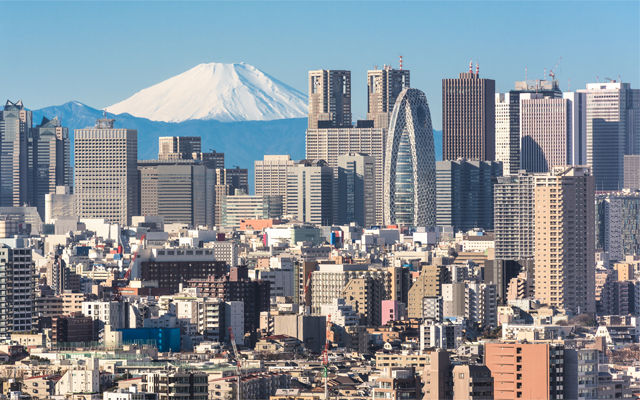
Battered by the coronavirus pandemic, hotels across Asia-Pacific continued to perform poorly in Q2, with a gradual U-shaped recovery likely, according to Colliers International’s Hotel Insights 3Q2020 report.
The report showed that overall room occupancy and average daily rate (ADR) for hotels in the region decreased to 33.9 per cent and US$60.32, respectively. Revenue per available room (RevPAR) for the region declined by some 69.9 per cent year-on-year.
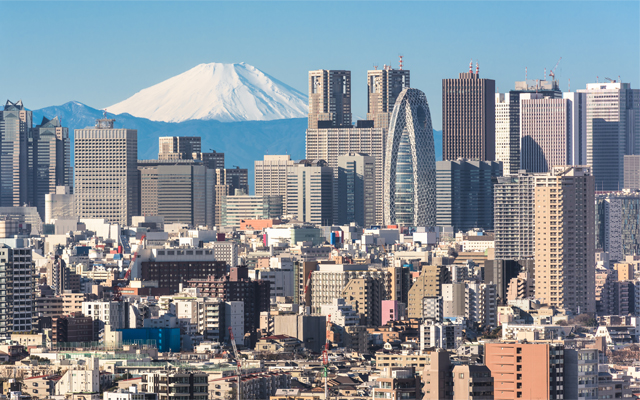
In terms of room occupancy, most markets witnessed year-on-year declines in excess of 40.0 per cent, while Singapore only declined by 14.5 per cent. Japan, Thailand, Hong Kong and Vietnam led the field in being the top five lowest performers.
In local currency terms, Thailand and New Zealand are the only markets that witnessed year-on-year increases in ADR in excess of 2.0 per cent in Q2. Meanwhile, Singapore’s growth gaming revenue (GGR) is expected to drop between 65-75 per cent this year.
Govinda Singh, executive director and head of hotels & leisure for valuation & advisory services, Asia, commented: “The global economic outlook is expected to remain subdued in the near term given the ongoing uncertainty and risks of new waves of Covid-19. Therefore, the outlook for the hospitality industry in the region is expected to be dimmed in the near term.
“Nonetheless, we believe the hospitality industry will rebound when travel returns, given its legacy of resilience and agility. To prepare for hotels reopening, hoteliers will need to take a cross-disciplinary approach so that hotels are well-positioned to build public trust and offer compelling product and service offerings, enabling hotels to thrive in the new operating environment with an evolving customer mix and preferences.”
Domestic travel will return first while international travel, particularly if it involves air travel, will take a longer time to recover. The weekend leisure segment is expected to lead the recovery, driven by the pent-up demand for travel as international travel restrictions and quarantine measures remain largely in place globally.
Underpinned primarily by essential business travel, the corporate travel segment should be next to return, followed by the extended leisure segment, as consumers’ confidence increases over time alongside the lifting of international travel restrictions. Corporate and group segments will likely be last to recover given the high adoption of technology as an effective platform for business activities.
As markets start to recover, consumers will prioritise health, safety and hygiene when it comes to travel planning and decision making. Personal space will also be more important; instead of large tour groups, independent travel will take precedence and people will likely prefer bespoke holidays and seek out travel experiences with a purpose (such as health and wellness, eco-travel, etc.).
Technology will also take on a more critical role in the traveller ecosystem and be a key tool in the revival of travel. Robots, chatbots, automation, recognition technology, artificial intelligence, internet of things, and virtual reality will become increasingly commonplace.
The gradual lifting of restrictions and the implementation of the Chinese government’s stimulus plans, alongside the promotional initiatives to spur growth and consumption, have encouraged the return of domestic tourism in China. This was reflected in the tourism receipts generated from domestic tourism during the Labour Day holiday in May, which was RMB47.6 million (US$6.8 million), as compared to that of RMB8.3 million (US$1.2 million) during the Tomb Sweeping Day holiday in April.
In line with the improving trend of domestic tourism, the hotel industry in China saw an uptick in occupancy levels month-on-month after bottoming out in February. China has also been in discussions with several countries on the easing of borders for essential business travel.
The most liquid markets in Q2 were Japan and South Korea, while markets such as Hong Kong SAR, China and Taiwan saw little investment sales during the quarter. With international travel restrictions in place, domestic investors remain the dominant group in investment transactions.
In the coming months, investment activity is expected to gain pace as investors move to take advantage of any opportunities that will emerge, although cautious sentiment and stricter underwriting remain key given the evolving situation.
For value-add investors and those looking to create a presence in the region’s key city and resort markets, this may be the right time to explore. With access to mainstream financing likely to be limited in the near term, cashed-up investors who can transact quickly will be in prime position.
Agoda lends a hand to WWF’s tree planting project

More than 50 Agoda employees, including CEO John Brown, recently worked alongside the local Chiang Mai community to kick-start the planting of 6,000 trees, as part of its CSR sustainability initiative in collaboration with World Wildlife Fund (WWF) Thailand.
In what was its first venture with WWF, Agoda pledged to plant trees on behalf of its hotel partners in Thailand and China. Agodans, some of its hotel partners, alongside local community volunteers, and students from the School of Forest Industry Organization No. 13 pitched in to plant some of the 6,000 trees on August 14.

The teams prepared the fertilisers and planted seedlings, as part of the WWF effort which also incentivises ten farming families that manage this land to shift from mono-agriculture farming to the ‘three forests, four benefits’ way of managing the land – an agroforestry strategy by Thailand’s late King Bhumibol Adulyadej referring to how trees will produce wood, firewood, fruit, and construction materials. By following that principle, the farmers can help restore the environment and stop topsoil destruction.
The project is part of WWF’s Forest Landscape Restoration Fund 349, based on the ‘three forests, four benefits’ principle. Its mission is to restore the ecosystem, and create a sustainable food system to help farmers escape the debt cycle arisen from monoculture, while conserving the soil, watersheds, and natural forest which helps in flood mitigation.
Bringing up NDC


Airlines are generally in a bad state during this travel crisis but at a recent Amadeus webinar on the NDC-X programme, you spoke of continued work and investment in NDC projects by your team and airline partners. What is the state of NDC adoption by airlines, particularly those in Asia-Pacific?
We haven’t had any partners stop their projects. Some have slowed down a little because, as you know, they are facing bigger problems – they want to get back in the air and have passengers onboard, which are their top focus.
I think everybody is seeing NDC as the medium- to long-term future. The oil tank has started to turn, and it may take a while to make that complete change in direction but it is not going to stop now.
Most airlines see the advantages for themselves and want to move to this future of retailing. Those who can are continuing. In Asia-Pacific, we’ve had a number of large airlines, like Singapore Airlines, that are using our NDC tools.
But it isn’t just Amadeus that is doing NDC; there are other aggregators in the market that is taking NDC content from airlines.
How is the progress in Asia-Pacific compared to the rest of the world?
I’m seeing airlines in this region really wanting to put differentiating content in NDC, whereas there are some airlines in other regions that are still trying to get the plumbing in place, or are replicating what they are doing now on EDIFACT, perhaps with slight alterations for NDC.
We’ve got other things happening in this region too. When we start to make a big travel agency roll-out of our products, I get the feeling that Asia-Pacific will be in a really strong position (for NDC adoption) and to achieve an essential airline-agency collaboration (for mutual benefits from an improved buying and selling process).
Speaking of that essential buy-in from both seller and buyer for NDC’s success, what is the level of adoption and acceptance today from both parties?
It is still quite low at the moment. We are piloting a few things in the market. We will need all the airlines in the region to be ready, you know, to be fully behind us and in the same way. Although the level of adoption is still low, I expect the next few months to see a great lift-off.
NDC is a two-sided thing and relies on the network effect. What we see on our side is that travel agencies are very demanding about what they want with NDC. What’s the point of (going through the changes) if they are going to get the same air content that they do through EDIFACT channels?
On the other side, airlines need to be ready to put their content (on NDC) and bring something more, something special, or something targeted to the table.
There is still a sense of apprehension among travel agents about NDC, stemming largely from its complexity, the cost of having to alter their processes to accommodate NDC, and fear of losing GDS incentives just so they can access NDC content. Is NDC really as difficult and restrictive?
When NDC was first announced, it was a great, new idea started by IATA with all the airlines pushing for it. It sounded like it was going to be a plug-and-play solution, and the guy programming in his garage will be able to do NDC messaging and create fantastic new apps (to facilitate it).
The reality is that while there is an NDC Standard, it can be interpreted by airlines in different ways. And that’s really where the complexity lies. We face that every day at Amadeus, so I can fully understand why a travel agency doesn’t want to do five different flavours of NDC with five top airlines, and another four flavours with the next tier.
(The differences could come from) NDC version 18.2 from one airline and 19.1 from another. The data can also be different.
Today, the prime booking flow is relatively standard. We are finding that the important (functions) now are servicing, ticketing and payment, and that would include schedule changes and cancellations. These processes can be different from airline to airline, partly due to messaging and partly due to the business practices of the airline. These differences are the ones causing travel agencies to go, “Whoa, I don’t really want to manage all that, just let me get my NDC content from someone with a simplified flow.”
There are a bunch of travel agencies that don’t book (air content) that frequently (and therefore do not see the need to deal with the complexities), but even some of the really large travel management companies are not building direct NDC connections themselves. They are waiting for an aggregator like Amadeus to be in the middle and handle all that complexity in the backend.
Now, at Amadeus, we focus on making it simple for the travel counsellor who can always follow the shop, order, pay workflow no matter which airline he is buying from.
As you can imagine, we are doing a lot of work behind-the-scenes to normalise all that data so that everything (the interface) looks the same and travel agencies are not confused.
We have three common interfaces today – the travel API, Amadeus Selling Platform Connect, and Amadeus cytric corporate booking tool. All handle NDC and traditional traffic. With Amadeus cytric in particular, (NDC and traditional) content looks exactly the same because it is normal people booking and they don’t know anything about NDC and want content as straight-forward as possible.
What about the loss of incentives in booking NDC content?
The thing is, a lot of airlines are using NDC as an opportunity to change their commercial model. There are some travel aggregators in the market that can offer NDC content and are charging travel agencies for accessing their content directly.
From the airlines’ perspective, they see that there is less work for GDSs to do in the middle, so they feel they should not be paying as much. These are commercial discussions that go on between the airlines and us. That might lead to some adjustments to the model, and with that, some adjustments to incentives too.
At Amadeus, we try the best we can to retain the model that is in place and has been very successful for a very long time. We believe the current model can continue to work and bring value to all parties.
The pandemic has led to some significant transformations in the travel and tourism industry. Does the crisis have an effect on NDC progress, perhaps in emphasising certain advantages of NDC that were never before appreciated?
There has been a big focus on NDCs being primarily a selling tool, but it is more than that.
One good thing about NDC is that it can bring along a wealth of information to travel agencies, not just pertinent to the sales process. There is now a lot of talk about rebuilding passenger confidence in the post-Covid phase. Airlines could share information (that helps educate and reassure passengers) on NDC, such as their social distancing rules, their enhanced hygiene and sanitisation procedures on the aircraft or at their lounges, etc. NDC has the capability to convey such information all through the different stages to the sellers and onwards to the customers.
The pandemic (and travel crisis) has also emphasised the importance of servicing. Amadeus has been working hand in hand with travel agencies since the day it was formed, so we know that the servicing side, such as duty of care, emergency support for corporate customers, flexible changes due to shifting meeting plans, etc, are just as important as the price point. In fact, a low price point isn’t enough to make a sale.
At the same time, the use of vouchers was previously not well supported by NDC, but we are starting to discuss how vouchers could be best used going forward.
Are there already airline partners using NDC for such communications?
Not yet. NDC has the rich media capability, but airlines need to understand how they intend to use it (alongside other current communication channels like the press and online) and how to craft their message.
What is Amadeus doing to get the NDC story right with its travel agency community?
It differs with each market segment. Generally though, once travel agencies start looking at the tools Amadeus has put in place (to access NDC content), they will understand that NDC is not a scary thing.
We also take feedback from our travel management and agency community to heart, and invest in making sure the servicing capability works. We cannot do this on our own, so we are sharing feedback with our airline partners and IATA.
Consistency key to air travel resumption: aviation leaders

- Frameworks and certifications to guide coordinated airline recovery
- Rigid quarantine requirements must go
- Coordinated global approach to safety regulations is critical to facilitate business travel
As the aviation sector readies for take-off again, experts assert that authorities must implement a consistent system of protocols and policies across borders, or the rate of travel recovery will be significantly stifled.

To set a precedent, industry bigwigs have rallied behind the International Civil Aviation Organization’s (ICAO’s) Takeoff: Guidance for Air Travel through the COVID-19 Public Health Crisis, an authoritative and comprehensive framework detailing a series of risk-based measures for air transport operations during the Covid-19 crisis.
Pushing this framework, IATA has joined hands with Airports Council International to develop a manual that can help airports and airlines integrate ICAO’s guidelines into their own operational manuals. IATA is also developing a certification to ensure that aviation players are properly implementing the guidelines.

Conrad Clifford, IATA’s regional vice president for Asia Pacific, said: “(We need to) ensure airlines can safely restart passenger flights in a harmonised manner. The priority now is for governments to facilitate the restart of air connectivity in line with the ICAO guidance and principles.”
He impressed that it is pertinent for “the entire travel and tourism sector to send an aligned message” about the new measures adopted by the industry.
Marco Navarria, global content director, CAPA – Centre for Aviation, agreed: “The most important measure would be for this coordinated intergovernmental approach. Meanwhile, there is in fact some useful interaction among industry bodies like IATA, ACI and WTTC towards producing ground-rules to encourage travellers back into the sky. But so long as governments are unilaterally closing borders, without any consultation, the situation makes for little prospect of sensible progress.”
This situation must be addressed before travel can approach any prospect of recovery. Subhas Menon, director general of the Association of Asia Pacific Airlines (AAPA), added that an united message would “inspire public confidence in air travel”.
He noted: “Each government has imposed its own version of travel bans so much so we are faced with a labyrinthian patchwork of restrictions that suppresses demand and stymies travel confidence. For flights to resume, the most important factor is for governments to mutually agree on favourable conditions to facilitate cross-border travel.”

Evaluate quarantine needs
One of these favourable conditions is reasonable quarantine policies. Even for countries that have reopened their borders, rigid quarantine requirements are a strong barrier to entry, opined experts.
Clifford shared that an analysis has found that 83 per cent of travellers “would not even consider traveling if quarantine measures were imposed at their destination”.
He stressed: “Mandatory quarantine measures stop people from travelling. We urge governments to avoid quarantine measures when reopening their economies.”
The EU has set a good example of this by implementing ICAO’s guidelines to remove travel restrictions and quarantine requirements within union countries. It is also looking at opening its borders to third-party countries that are at a similar or better level of containment of the virus.
Coordinated rebound
The top priority for stimulating corporate travel – which may see quicker recovery than leisure traffic, thanks to fast lanes and relaxed travel restrictions between borders – is coordination and transparency on safety standards and quarantine requirements, said Navarria.
He shared: “While no one has the secret sauce to lure executives back into corporate travel, it is restoring traveller confidence, and not stimulating pricing, that should be the top priority for airlines and our wider industry. Travellers need to know what to expect from the entire travel experience. This will require wide collaboration and coordination to ensure consistent quarantine requirements, airline safety standards, hotel protocols and beyond.”
Safe restart of tourism is possible: UNWTO
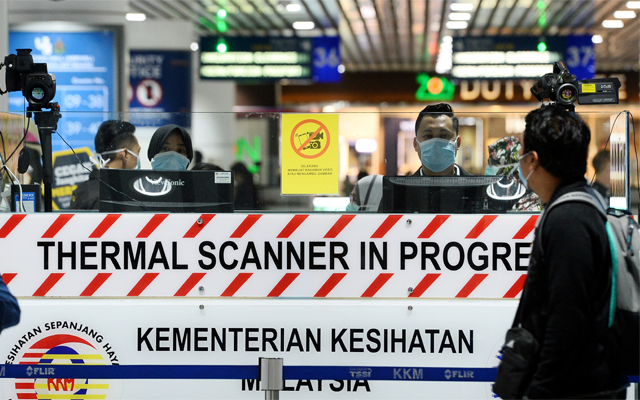
UNWTO is urging governments around the world to get the tourism sector back on track, with stringent health and safety protocols in place, stressing that this is “no time for timid leadership”.
According to UNWTO, Covid-19 travel restrictions have cost the tourism industry dearly. Between January and May, the sudden and rapid fall in tourist arrivals cost an estimated US$320 billion – three times the impact of the 2007-2009 Great Recession on the tourism sector.
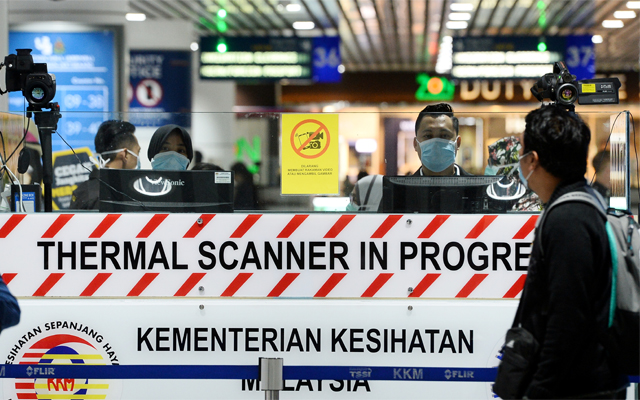
In an open letter, UNWTO secretary-general Zurab Pololikashvili said: “The reopening of borders to tourism is a welcome relief to millions who depend on our sector. But this alone is not enough, especially in view of recent announcements and measures which seem further and further away from the international coordination that UNWTO has been calling for since the pandemic erupted.
“In these uncertain times, people around the world need strong, clear and consistent messages. What they don’t need are policy moves which ignore the fact that only together are we stronger and able to overcome the challenges we face.”
Stressing on the importance of tourism for jobs and economies, Pololikashvili urged global leaders to do everything they can to get people travelling again, while keeping to safety protocols as part of the new norm.
He added: “As UNWTO has said from the start of this crisis, governments have a duty to put the health of their citizens first. However, they also have a responsibility to protect businesses and livelihoods. For too long, and in too many places, the emphasis has overly focused on the former. And we are now paying the price.
“It doesn’t have to be this way. As a sector, tourism has a long history of adapting and responding to challenges head-on.”
Noting how countries around the world have implemented solutions to adapt to the new reality as a vaccine remains elusive, Pololikashvili said that rapid but rigorous testing at ports and airports, as well as contract tracing efforts have the potential to drive the safe restart of tourism.
He continued: “These solutions need to be fully embraced, not just cautiously explored. To delay will be a catastrophe and risk undoing all the progress we have made to establish tourism as a true pillar of sustainable and inclusive development.
“Moreover, it will be the most vulnerable members of our societies who will be hit the hardest as those most shielded from the economic and social consequences of tourism’s standstill urge continued caution.
“Short-sighted unilateral actions will have devastating consequences in the long run. By and large, people have learned how to behave in a responsible way. Businesses and services have put protocols in place and adapted their operations. Now it’s time for those making the political decisions to close the gaps, so that we all can advance together.”
Beijing Capital Airport gets digital makeover
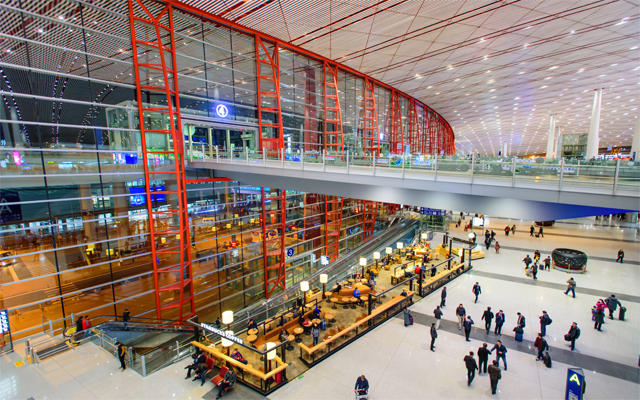
Beijing Capital International Airport (BCIA) has introduced a new completely contactless experience for its passengers, in what SITA has called its most extensive biometric deployment to date.
BCIA joins the many airports around the world, including Singapore’s Changi Airport, which are undergoing digital makeovers to create touch-free experiences in a bid to reduce the risk of Covid-19 transmission.
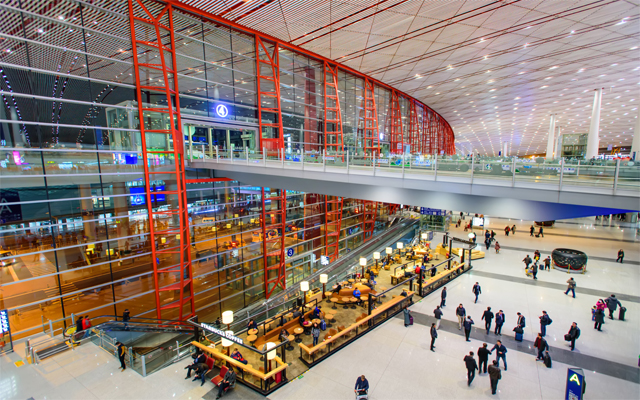
As the busiest airport in China and the second busiest in the world, BCIA has completely automated the entire passenger journey using SITA technology – from check-in and bag drop to immigration, security, and boarding.
Passengers only need to enroll once during check-in, before enjoying a seamless, contactless journey through the airport enabled by facial recognition. Improved processing efficiency also means shorter queuing time and allowing for more social distancing among passengers.
SITA Smart Path can significantly speed up passenger processing at BCIA, processing over 400 passengers boarding an Airbus A380 in less than 20 minutes. As well, SITA Smart Path enables hands-free and touchless duty-free payment, enabling quicker processing by removing the need to retrieve and show a boarding pass at check-out.
The deployment included the implementation of over 600 biometric checkpoints through the airport including 250 lanes of automatic gates, 80 kiosks, and 30 self-bag drop stations which will process passengers from international flights.
The biometric technology is currently activated across multiple checkpoints at BCIA including manual check-in, self-service check-in, bag drop, restricted access, security, and boarding.








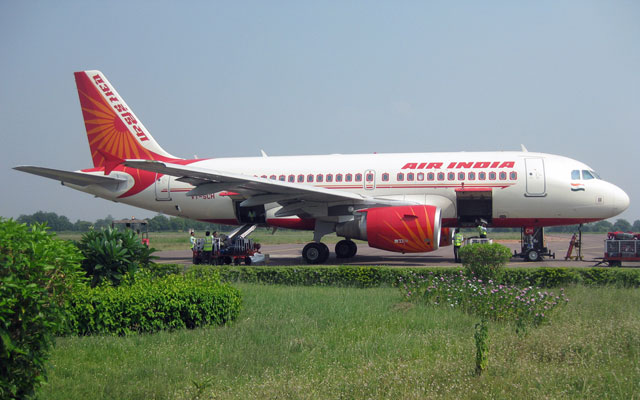
The Indian government’s biggest repatriation operation dubbed Vande Bharat Mission, which is being operated by Air India, has created a deep rift between the national carrier and Indian travel agents.
The national carrier has been warning consumers through its social media platforms against purchasing tickets from travel agents, which it said are overpriced as compared to rates published on Air India’s website.
In retaliation, travel agents have termed the move as meddling between their relationship with clients.
In a strongly worded letter addressed to India’s civil aviation minister and AirIndia’s chairman and managing director earlier this month, the Travel Agents Association of India (TAAI), which represents over 2,500 travel agent companies, asked the airline to withdraw such social media posts.
“The airline should inform consumers of any malpractices and manipulations if (they are) happening, but it should also understand that the agents and customers have a direct relationship, and for any additional services provided, the former can levy a charge,” it read.
Air India’s hostility towards travel agents came after a few were found to have sold air tickets issued under the Vande Bharat Mission at a high premium. In a social media post, the airline said that it had suspended transactions through three New Delhi-based travel agents – Air View Services, Real Fly Tour & Travels and Friends Ticketing Hub – over malpractices.
Since then, Air India has blocked travel agents on select routes, citing complaints of overcharging by consumers.
However, travel agents pointed out that a few black sheep in the market should not ruin the name of the entire community, most of whom have been working ethically.
“We are strictly against any unethical practices in the business. However, at a time when airlines are offering no commissions to the travel agents, it is within our right to charge a transaction fee or a consultancy fee,” said Naveen Manchanda, president, Indian Association of Travel and Tourism Experts.
A section of the travel agents also rued a lack of clarity in the distribution of air tickets under the Vande Bharat Mission initiative.
Pradip Lulla, acting president, Travel Agents Federation of India, said: “About 90 per cent of air ticket sales in India is still through IATA agents – both offline and online. Whenever the booking window opens and we (travel agents) try to book a ticket through GDS or Air India’s website, the message we get mostly is that they have been sold out.”
Moreover, travel agents can only book tickets on certain sectors under the Vande Bharat Mission, he said, adding that Air India should conduct a transparent investigation to ensure that a certain number of seats are allocated to agencies, and not booked out by the IATA fraternity.