
Asia/Singapore Sunday, 12th April 2026
Page 306
0

IHG Hotels & Resorts has revealed the senior leadership team at voco Orchard Singapore ahead of the hotel’s rebrand from Hilton Singapore on January 1, 2022.

The appointments will see Mark Winterton return to Singapore as general manager, and see Sahil Rahat step into the role of director of sales & marketing. Walid Ouezini will also start as hotel manager in January 2022.

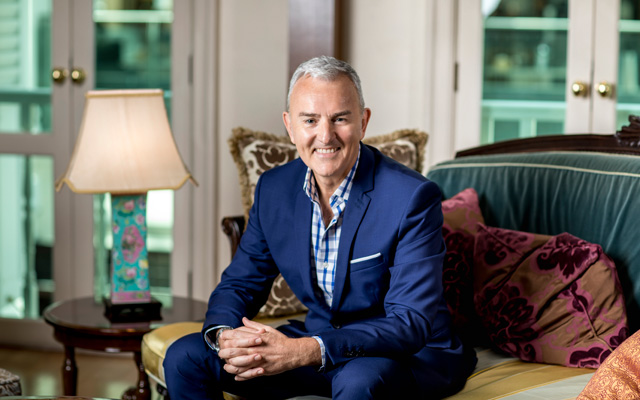
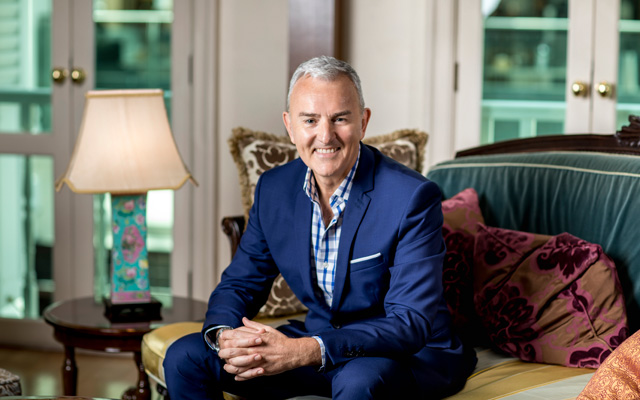
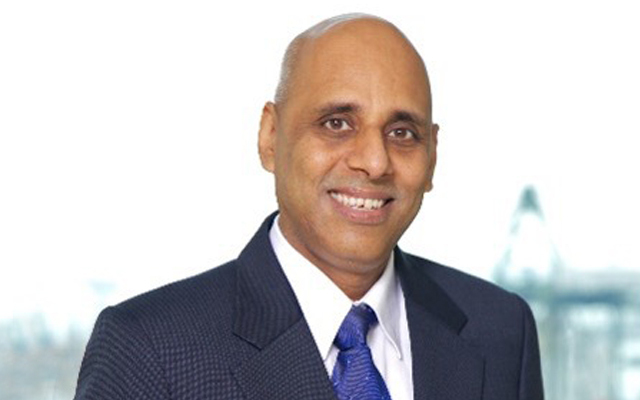
From left: Mark Winterton, Walid Ouezini and Sahil Rahat

Winterton returns to Singapore after a three-year stint with IHG Australia, to spearhead the pre-opening conversion operations.

He first moved to Asia in 2007, and has since successfully launched new IHG hotels such as Crowne Plaza Changi Airport, Holiday Inn Express Singapore Clarke Quay and InterContinental Singapore Robertson Quay, and rebranded the Crowne Plaza Bangkok Lumpini Park in Thailand.

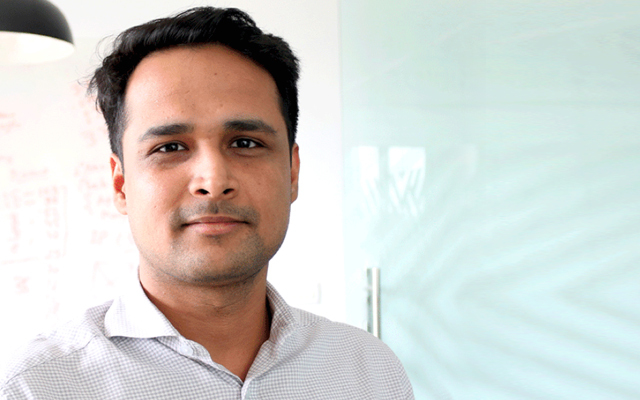
Next, Rahat will lead the charge of developing and executing the overall commercial strategies of the hotel. Prior to joining voco Orchard Singapore, Rahat held dual responsibilities as director of sales, marketing and revenue, and acting director of operations at Holiday Inn Singapore Orchard City Centre. Having been with IHG for more than 10 years, he brings a wealth of experience across the different markets and all aspects of commercial deliverables.

Lastly, Ouezini has led operations at the Orchard Road Hotel since he joined as hotel manager in 2019. He has been instrumental in spearheading major projects for the hotel. Post-rebranding, he will continue to take on the role as hotel manager effective January 1, 2022, and lead daily hotel operations.

Ouezini started his career in F&B and has over 18 years of hospitality experience across luxury and lifestyle brands in France, Tunisia, Maldives and South-east Asia.

Marking the brand’s debut in South-east Asia when it opens on January 1, 2022, voco Orchard Singapore will offer 423 contemporary rooms, four restaurants and bars, and more than 1,750m2 of meeting and event space.

Voco Orchard Singapore will be IHG’s 12th hotel in Singapore and its seventh brand in the country where it joins Regent, InterContinental, Crowne Plaza, Hotel Indigo, Holiday Inn and Holiday Inn Express.


Azerai Can Tho welcomes new GM

0

Azerai Can Tho in the Mekong Delta has appointed Nicolas Pillet as its new general manager.

The French national brings a strong culinary background to Azerai Can Tho, having studied cuisine as part of his hospitality education in Nantes. Pillet has worked with several internationally recognized brands in his career, including the Eastern & Oriental Express, where he was general manager of South-east Asia’s only luxury sleeper train, and most recently as the general manager of Amanoi, the Aman property in Ninh Thuan, Vietnam.

Bruce Ryde to lead Kimpton Margot Sydney as GM

0

Australia’s first Kimpton property, Kimpton Margot Sydney has announced that Bruce Ryde has joined the hotel as general manager.

Ryde has a long history of both operating hotels and leading global brands across Asia Pacific. Most recently, Ryde worked with owners John and Karina Stewart on their holistic wellness brand, Kamalaya, in Thailand, where he helped expand Kamalaya’s diverse range of solutions, improving its digital reach and launching an online platform, Kamalaya Connect.

Previously, the Australian managed the luxury brand strategy for Marriott International’s brands, amongst them The Ritz-Carlton, St. Regis, JW Marriott, The Luxury Collection and W Hotels as vice president Asia Pacific. Prior to that, Ryde held the same position with IHG, overseeing the InterContinental brand as well as the launch of the Hotel Indigo and Kimpton brands in Asia Pacific.

Ryde will also act as the brand guardian for Pro-invest Group’s growing luxury and lifestyle portfolio.

Booking.com highlights sustainable stays

0

Booking.com is making it easier for travellers to search for sustainable accommodation with the launch of its Travel Sustainable badge, which recognises any kind of properties that has implemented a combination of sustainable practices that meet the requisite impact threshold for their destination.

The goal of the badge is to make credible recognition of impactful sustainability efforts attainable for more properties worldwide and to provide travellers with a transparent, consistent and easy-to-understand way to identify a wider range of more sustainable stays.

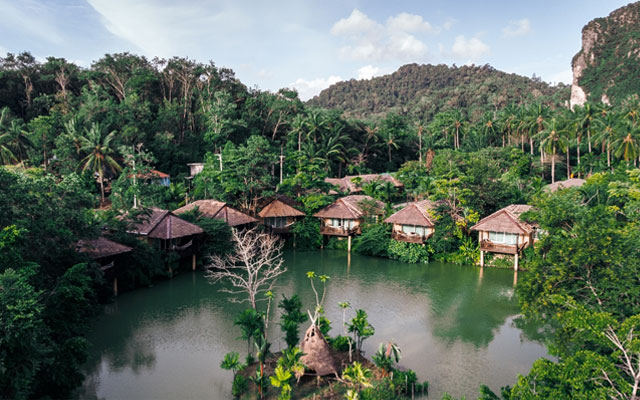
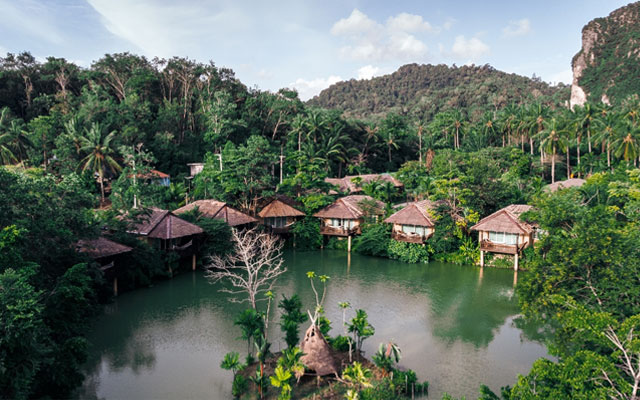
Sustainable accommodation like Ban Sainai Resort (above) get Travel Sustainable badge on Booking.com

According to a new study by EY Parthenon and Booking.com, 81 per cent of global travellers and 98 per cent of Thai travellers want to stay in a sustainable accommodation in the upcoming year.

In addition, 73 per cent of global travellers and 83 per cent of Thai travellers indicate that they would be more likely to choose a specific accommodation if they knew it was implementing sustainable practices.

As such, the Travel Sustainable badge and programme helps reward and further encourage all accommodation providers to take the next steps on their individual sustainability journeys, ultimately increasing the overall amount of sustainable accommodation options available.

During this first phase of launch, the Travel Sustainable badge and an overview of individual property sustainability efforts will initially be visible to travellers on property pages across the Booking.com app and website globally.

Over the coming weeks, the Travel Sustainable icon will also start to appear on property listings on the search results page, along with a Travel Sustainable filter to help travellers identify more sustainable options from the beginning of their search experience on Booking.com.

More detailed information on how individual properties around the world have achieved the badge is available here.

Private pleasures

0
Centara Mirage Resort Mui Ne

Wild wild wet
Centara Mirage Resort Mui Ne is the second location of Centara Hotels & Resorts’ family-themed resort brand, after Thailand. Located a few hours’ drive from Ho Chi Minh City, the Spanish Mediterranean-themed waterpark resort has 984 keys across rooms and villas. The 603 standalone villas are ideal for groups and multigenerational holidays. The resort’s waterpark features a lazy river, water slides, splash pad, cliff jumping pool and kids’ pool. Other facilities include diverse dining, a 100m observation deck, sports club, indoor entertainment centre, teenager zone, family lounge, spa, and the kid-focused Spa Candy.

Avana Retreat, Vietnam

Luxury meets nature
Avana Retreat in Vietnam boasts forty-one bungalows, suites and private pool villas perched on the mountainside, backdropped by terraced rice fields, dense forest and a waterfall. Spanning 15ha, the luxury retreat also features a spa and four heated infinity pools. Each living space opens to a mountain landscape, and has been designed to ensure privacy. Inspired by ethnic stilt houses, the villas boast rattan ceilings, earth walls and thatched roofs. The 229m2 Hilltop Pool Villa, which sleeps up to eight guests, features two separate bedrooms, each with an ensuite bathroom; a lounge and deck; and a two-level infinity pool – the first and only private heated pool in Vietnam. F&B venues Green Chili Restaurant and Cloud Pool Bar source local, seasonal produce to create one-of-a-kind menus.

The Ritz-Carlton Maldives, Fari Islands

Fun for the whole family
Located on the Fari Islands, an archipelago on the north-eastern tip of North Malé Atoll, The Ritz-Carlton Maldives, Fari Islands features 100 one- to three-bedroom villas, each offering spacious living spaces, and a sun deck with a private infinity pool. Seven culinary venues are on offer, ranging from high-end dining to wellness-centered menus; in addition to a spa, salon and boutique. Ideal for guests seeking a holiday of discovery or exploration for the whole family, the property offers an array of culturally immersive activities, including a family cooking class, a bike safari around the resort, and a Wonders of Water ocean mystery programme facilitated by a resident naturalist.

Pullman Khao Lak Resort Beach Villa

Beach paradise
Nestled on the Bang Muang Beach, north of Phang Nga province, Pullman Khao Lak Resort features 253 rooms, suites and villas, all of which boast high-speed Wi-Fi, a sofa bed, balcony and an oversized shower. The Family Suites come complete with bunk beds, while the Beachfront Pool Villas feature private plunge pools. Resort facilities include four F&B outlets, a beach club, spa, 24-hour fitness centre, kids club, and a lagoon-style swimming pool. Beachfront platforms can be used for outdoor activities such as yoga, while cycling trails allow guests to explore their surroundings. For teambuilding activities, social soirées and weddings, the resort also has a 260m2 ballroom and two breakout rooms.

Hotel Metropolitan Premier Taipei

Buy out an entire hotel floor
As part of Preferred Hotels & Resorts’ Where Next? global campaign promoting hotel buyout experiences, the 288-key Hotel Metropolitan Premier Taipei is offering a full-floor buyout option where guests can book all accommodations on a specific level of the property. Centrally located in Taiwan’s capital, the hotel offers seven F&B options, including all-day dining, a Japanese restaurant, a cigar bar and patisserie. Other facilities are a spa, fitness centre, indoor pool, hot tub and sauna.

Amadeus highlights six travel trends for 2022

0

As travel begins to resume, data from travel technology company Amadeus has shown substantial increases in searches for trips to once-in-a-lifetime destinations as people begin to release their pent-up passion for travel.

Some interesting new search and flight locations are emerging: from flight searches up by one third to Tanzania, a country famous for safaris; to flights doubling to cities close to the home of the Incas, Machu Picchu, Amadeus is seeing a boom in demand for statement tourism.

From friendcations to active eco-tourism, travel is returning and back on the agenda

The Amadeus 2022 Travel Trends identify six new developments which will shape the future of the market.

Travellers will look to make that trip of a lifetime, with Amadeus seeing substantial increases in searches for travel to epic destinations or experiences. Searches for Tanzania – where travellers can see the Big Five in the wild – are up by 36 per cent. Bookings to the Peruvian cities of Lima and Cusco, near Machu Picchu, are up by nearly 50 per cent, and flights to Petra in Jordan – of Indiana Jones fame – are up by 22 per cent.

According to Amadeus, 2022 will be the year of grand reunions, with friendcations and group holidays to see loved ones on the rise.

Amadeus data showed that searches for travel to Cancun, Mexico, and Cartagena, Colombia – both popular destination for groups of friends – have more than doubled year-on-year, and Hawaii has seen a similar spike in interest. Meanwhile, searches for Las Vegas trips are up 61 per cent; and in Europe, Barcelona and Ibiza have seen healthy double-digit increases.

Active ecotourism is another rising trend. Today’s travellers are interested in taking action, with a growing demand for trips supporting diverse global communities.

A recent Amadeus-commissioned survey found that two-thirds of consumers consider sustainable travel a priority, and 37 per cent of respondents think opportunities for travellers to be involved in the preservation of tourist destinations will help the industry to become more sustainable in the long-term.

According to data from the company, searches for travel from the US to the eco-paradise of Costa Rica are up by 234 per cent year-on-year; and in Europe, visitors to carbon-neutral Iceland are up by a healthy 11 per cent.

Business travel is set to return in 2022, with Amadeus data showing that 72 per cent of business travellers are eager to travel in the next year. Changes are on the way for the business sector, with technology ushering in expense-free mobile travel payments, according to the company.

Wanderlust streaming is another growing trend, as travellers dream of going to new destinations, inspired by their viewing habits. Meanwhile, technology is transforming these dreams into real-life transactions, noted Amadeus.

Finally, the return of supersonic flights and hyperloop travel links, leveraging vacuum technology, will make lightning-quick travel accessible to an increasing number of people.

Dan Batchelor, vice president, global corporate communications & social responsibility, Amadeus, said: “As the travel sector recovers, we are seeing some truly exciting trends emerge that will shape the industry. Imagine a world where you finish watching an amazing Netflix series and your smart speaker immediately recommends a trip to visit those locations in real life. That technology is available now.

“Not only are the new industry technologies exciting, but they also give us the power to travel in a sustainable way, revolutionise the way we travel for business, and travel long distances in lightning-quick time. Supersonic flights are going to happen, almost two decades after Concorde dropped its nose for the final time. It is an incredibly exciting time for the industry.”

The full report can be read here.

Reviving the hospitality industry by plugging into connectivity

0

The deployment of contactless and connected services, and the Internet of Things (IoT) has typically been gradual in the hospitality industry.

However, with the pandemic accelerating a shift in regulations and consumer priorities on safety and hygiene, hoteliers have been forced to undergo an overnight pivot towards digitally driven models.

Simultaneously, the rapid digitalisation in everyday lives has also led to higher consumer expectations of hotel experience.

Heading into 2022, the anticipated resurgence of the travel industry and new dimensions of tourism will irrevocably transform how hotels operate and interact with its guests. As travelling restarts, and consumers are eager to make up for lost vacation time, digitalisation is empowering an era of new contactless guest experience in the hospitality industry.

A contactless era
Mobile devices have become crucial in the evolving hotel-customer dynamic, and targeted notifications that convey essential experiential services, such as automated check-in guides or booking of amenities like the gym or swimming pools to consumers’ personal smartphones will continue to be even more commonplace in 2022.

Such methods not only provide hyper-personalised attention but can allow staff to provide services from a safe distance as people learn to adjust everyday activities around Covid-19. Contactless technologies can even do away with access cards and allow mobile applications to open electronic door locks.

Similarly, with people now demanding integration of services into popular daily applications, hotels will be leveraging its property management system (PMS) to collect user information to offer tailored services and products.

Such collected data can even be used to develop applications that detect users’ location and then provide timely location-related services in response. For example, alerting staff to attend to guests who can then tip through QR codes on the staff’s badges without making physical contact, or even enforcing proper safe distancing measures in an overcrowded space.

Smarter facility management
Hotels will also increasingly use a wider range of connected sensors, lights and devices to provide more efficient and “smarter” facilities management.

For instance, the use of IoT applications will allow smart doors connected over the network to automatically adjust a room’s air conditioning if a door is left open for some time, or even activate nearby security cameras when unsuccessful attempts to unlock the door are detected.

Ideally, management of such smart facilities should be through a single integrated network platform, which can enable more granular control of other essential protocols like guests’ experiences and staff operations that are also empowered by IoT.

Great experience starts with great connectivity
Reliable high speed internet access will be at the centre of guest experience for both business and leisure travel. Merely offering free internet access is no longer enough, as customers expect their chosen accommodations to provide similar speed, dependability, and convenience that their office or home network provides.

In most cases, a good Wi-Fi connection is one of the determining factors whether someone chooses to stay in a hotel, or to be a returning guest. Good connectivity in the hotel not only ensures customer satisfaction, but also enables the efficient processing of user data between the IoT applications and connected devices for the hotel to deliver improved guest services.

With the increasing bandwidth demand, investing in next-generation Wi-Fi 6 is critical for hotels to be able to support large-scale and high-speed connectivity. This includes faster performance, with speeds up to four times faster than Wi-Fi 5, bringing the maximum throughput speed to 9.6 Gbps up from Wi-Fi 5’s 3.5 Gbps.

With the IoT market expected to grow to US$398.6 trillion by 2023 in Asia-Pacific alone, we can expect an increasing adoption of connected devices. Wi-Fi 6 deployments can help hotels leverage this exponentially growing trend, by enabling the connection to remain robust and seamless even if multiple devices are connected, ensuring optimal network performance in crowded or remote areas within the premises.

Providing improved and fuss-free guest experiences with heightened standards of connectivity and safety will be key in the economic revival of the hospitality sector. Underpinning this is effective digital transformation and the adoption of new technologies that will no doubt be vital for the success of the industry, while ensuring better preparedness for the future.

Maldives aims to attract more Indian tourists

0

Guest experience platform Xperium grows despite pandemic, looks to double portfolio by end-2022

0

Since the launch of its guest experience management platform Xperium in 2018, India-based RepUp has seen its portfolio grow to nearly 30,000 rooms across South-east Asia, South Asia, the Middle East, and the US.

Xperium leverages AI to deliver analytics and automation that drive revenue, increase guest satisfaction and streamline operations for hospitality businesses.

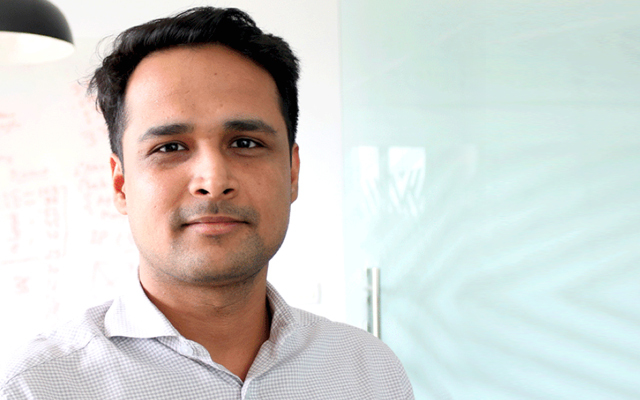
The company plans to add another 30,000 rooms to its Xperium platform by end-2022: Prashar

Unlike most similar products on the market that only have transactional data about the guest, Xperium provides data such as the number of visits, average spend, average feedback score, online reviews, and more.

This data, along with the company’s in-house machine learning models, enable hotels to personalise guest experience based on purchase behaviour, past visits, feedback and guest preferences. This allows hotels to maximise revenue per guest through upselling and to offer relevant offers that have higher conversion rates through targeted omnichannel marketing.

“We have seen three to seven per cent additional revenue generated for our clients as a result of targeted marketing campaigns, upsells and direct bookings,” said Pranjal Prashar, CEO and co-founder at RepUp.

“Hotels use our solution in many ways, from highly specific campaigns like sending a freebie to guests on their fifth visit to simple upsells like room upgrades, spa packages, etc. Hotels have also been using the platform for remarketing to past guests or selling use-later vouchers during the Covid-19 pandemic.”

Many of the company’s hotel clients used the platform to promote staycation/daycation packages, F&B offerings to customers within driving distance, and spa packages during the pandemic, shared Prashar.

And, despite the pandemic, the company expects to double its portfolio by the end of next year.

“We have a very healthy sales pipeline in these markets because of new partnerships and integrations built during the pandemic, and we expect to add another 30,000 rooms by the end of 2022,” said Prashar.

“In 2022, the markets of US, Middle East and South-east Asia are going to bring in an additional 15,000 rooms, whereas 10,000 are going to come from previously churned customers that stopped subscription due to the pandemic.”

He added the company has partnered with Guesty and a few other platforms to venture into a new vertical – vacation rentals, which is expected to contribute another 5,000 rooms.

Creating multiple local PMS partnerships is key to growing the company’s business since a lot of hotels prefer to use regional PMS players, explained Prashar.

During the pandemic, the company integrated with many PMS and strengthened its partnerships in target markets with key players, including Oracle, WINHMS, IDS, Cloudbeds and Hotelogix.

RepUp was among nine companies picked to be the pioneer cohort of the Singapore Tourism Accelerator, launched in October 2019 by the Singapore Tourism Board. The company’s participation in the programme pushed it to expand to other industry verticals, revealed Prashar.

“We opened up a new vertical dedicated to covering attractions, and the Singapore Tourism Board was a key part of this initiative. Customer experience and reputation is a larger problem for not just hospitality, but any customer facing brand,” he said, adding that the company has also ventured into the luxury retail segment which it is “highly optimistic” about.

Prashar said he is “cautiously optimistic” about the hospitality sector’s recovery, and has plans to strengthen the company’s presence across the globe over time.

He noted that the markets in which Xperium has a presence in are starting to see a pick-up in activity, and that global hotel occupancy has reached 60 per cent, almost double the occupancy figures in 2020 – which, though far from 2019 numbers, are “a big improvement”.

“Our direct focus is going to be in the Middle East, Africa and South-east Asian markets because we have a good presence there and the growth opportunity is immense. We are also expanding in the US through a partnership model with existing players in micro markets,” he said.

Maldives airport to complete seaplane terminal, new runway by 2022

0

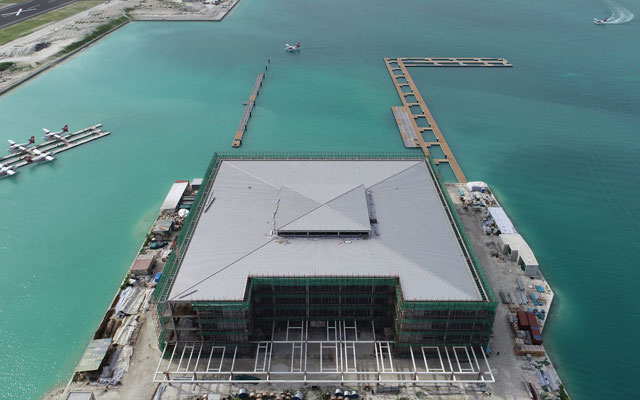
A new seaplane terminal at the Maldives’ Velana International Airport is scheduled to open next year, followed by a second runway, officials said.

State-owned Maldives Airports Company general manager Hassan Areef said while there may have been delays, work is progressing in these two major developments at the country’s main international airport.

Construction of seaplane terminal at Velana International Airport delayed

The Maldives, with a fleet of over 55 planes, has one of the largest seaplane operations in the world as the over 200 resorts in the archipelago are all accessible only by sea or air. “We are hoping to open the new seaplane terminal next year followed by the new runway,” said Areef.

The tourism industry has expressed concerns over delays at the airport due to overcapacity and long waiting times for incoming aircraft.

According to Ahmed Karam, a guesthouse owner and former president of the Guesthouse Association of the Maldives, the delay in opening the second runway at the airport is affecting the growth of tourism.

“The capacity at the airport has increased over the years and more airlines are flying in. Planes have to circle the airport for 20-30 minutes before landing due to the traffic,” he said.

However, Areef said while seasonal traffic has increased – with Maldives expecting a solid winter season of arrivals – these delays are nothing new and seen in most international airports including Heathrow in the UK.

“Once when I was travelling to Turkey, we had to circle several times over Istanbul airport. This is a common occurrence in many airports,” he told TTG Asia.

He also pointed out that the airport delays are due to European carriers arriving at the same time and not according to arrival slots allocated. “Some of them arrive earlier than the scheduled times which then creates some delays,” he said.

Abdulla Ghiyas, former president of the Maldives Association of Travel Agents and Tour Operators, said there has been an increase in scheduled flights operated by airlines like Emirates, Flydubai, Qatar Airways, Etihad and British Airways. “There are also several charter flights operating,” he added.

The airport caters to some 35 international airlines connecting the Maldives to over 40 destinations. Passenger capacity has been increasing, with the airport currently catering to three million people annually. A new terminal being built, which is scheduled to be ready by 2023, will cater to 7.5 million passengers.

Meanwhile, a new apron, part of the airport redevelopment project covering an area of 35,000m2, was opened this month. It can accommodate a maximum of nine aircraft.

The Maldives is targeting 1.3 million tourists this year, with operators saying this figure would be easily achieved due to steady arrivals and a positive winter season in spite of the pandemic.