The Tourism Promotions Board (TPB) Philippines, the marketing and promotions arm of the Department of Tourism (DOT), has appointed Maria Margarita Montemayor Nograles as chief operating officer, effective from October 4.
Nograles was recently appointed member of the TPB Board of Directors on September 15.
In her new role, Nograles will lead TPB to implement strategic domestic and international marketing and promotional efforts to revitalise the Philippine tourism industry as a sustainable, dynamic, world-class tourism, MICE and investment destination. She will also support stakeholders following the multidimensional tourism approach under the seven-point agenda of Tourism Secretary Christina Garcia Frasco.
The co-living model is an investor magnet and the space is getting crowded in Asia, especially in saturated hotel markets such as Singapore.
Already, consolidation is happening, as seen in the share swap merger between Singapore’s Hmlet and European co-living player Habyt in April. A month earlier, another co-living player, Singapore’s Assembly Place, share-swapped with Libeto, which operates Commontown.
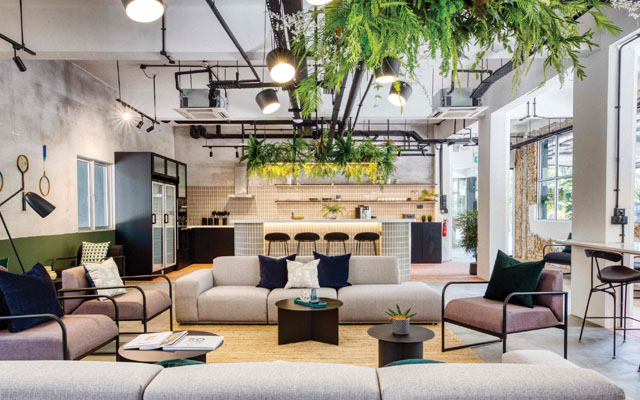
Boutique co-living experiences through shared facilities are offered at Hmlet Cantonment
Hmlet’s consolidation, however, is widely attributed to brazen growth by the start-up, which started with strata units in 2016 and grew to 1,500 units in Singapore, Hong Kong, Australia and Japan. In May, Hmlet’s troubles came to light when Australian media reported its exit from the market with unpaid debts amounting to more than A$500,000 (US$350,670).
On the other hand, the Assembly Place/Commontown merger shows that increasingly, scale is needed in the co-living segment as more competitors enter the market. It gives Assembly Place a portfolio of 600 units, including 120 rebranded Commontown units.
Hmlet and Habyt boast 8,000 units and gain global presence post-merger.
Giselle Makarachvili, CEO of Hmlet, said the Australian exit was largely driven by the prolonged closure of borders (see next story).
Brazen or not, the co-living space is set to expand further post-lockdown. JLL’s Hotels & Hospitality Group reported that Singapore, one of the first Asian countries to lift most travel restrictions, bounced back the quickest with transaction volumes approaching US$900 million in 1H2022. Most active was the mid-market space where investors identified opportunities to convert properties into a co-living product to boost performance, JLL said.
In diverse company
Aside from pure co-living players, serviced residences giant Ascott wants a hand in the next-gen product too. Ascott has eight Lyf properties in operation and 10 under development, four of which will open this year. The 18 Lyf properties represent 3,400 units in nine countries.
Ascott is targeting to have 150 Lyf properties with 30,000 units by 2030. Scale matters for operational effectiveness to drive better margins, said Kevin Goh, CEO for lodging,
CapitaLand Investment, in an interview.
“In addition to growing the Lyf brand via management contracts, we also see attractive opportunities for our private funds and our hospitality trust, Ascott Residence Trust, to deploy more investments into this product class,” he said.
Global hotel chain Accor also wants to play, fielding its co-living concept, Jo & Joe. In the game too is Singapore-listed Katrina Group, whose subsidiary ST Hospitality (formerly Straits Organization) operates four co-living properties in the city, branded ST Signature.
Then there is a string of small independent players. There are at least 10 in Singapore alone, such as Colliwoo, Hei Homes, Cove and Figment.
“I think it’s natural for serviced apartment players to try and maximise yield by generating some shorter stay income, and likewise for hotel operators to tap the more reliable income and certainty offered by longer stay products. So, we should expect to see both sides reaching into each other’s pocket,” said Robert Williams, head of hotels & hospitality Asia Pacific, Watson Farley & Williams.
“Ultimately it’s all lodging, and it is about capital that likes the space and operators plus brands that can truly demonstrate performance.”
The question is whether small players can withstand an onslaught from larger players in future.
“Niche players play a part in pioneering trends. But sooner or later it’s a matter of eat or be eaten,” said Bill Barnett, managing director, C9 Hotelworks, Thailand.
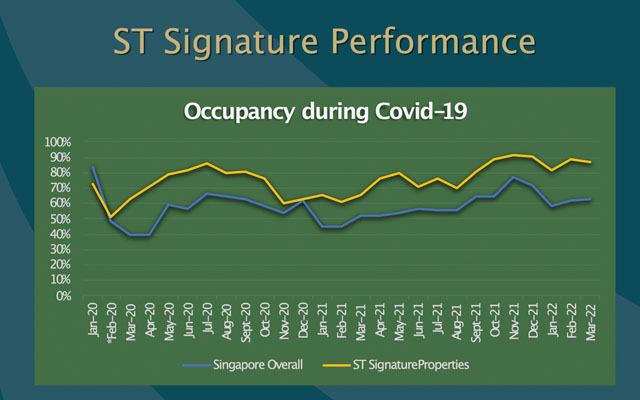
ST Signature properties outperformed the market in occupancies
Jackpot
Co-living, as its name suggests, is all about staying in the same place and making new connections at shared communal facilities in a property. It hits a sweet spot with the next-gen and budget travellers, and a jackpot with Covid-19, which has fuelled trends such as work-from-anywhere and fewer trips but longer stays.
Co-living’s appeal to travellers also hinges on it being anything but cookie-cutter. No two co-living concepts, designs or spaces are alike, but all tend to be trendy and more affordable than a hotel room or serviced apartment. Most are high-tech with check-in/out and distribution (direct or via OTAs), and try to connect guests with one another and to local communities.
ST Signature, for instance, has 24-hour hosts to guide guests on where to find the best chicken rice and other destination insider tips.
The rate for the lowest category unit at ST Signature is from S$80 (US$58) a night, said Katrina Group’s COO of accommodation business, Andreas Lorenz.
During Covid-19, ST Signature properties outperformed the market in occupancies, he said (see chart).
“The market has been on the rebound since Singapore lifted restrictions (late last year). Millennials haven’t travelled for two years due to Covid-19 and we’re seeing demand returning from the neighbouring countries and Europe,” said Lorenz.
Bulk of the market
According to a McKinsey report, millennials and Gen-Zs will form half of consumers in Asia-Pacific by 2025, surely a factor that puts co-living development in the minds of investors.
As well, in an era of labour shortage, co-living properties, like serviced apartments, are “low maintenance” compared with traditional hotels. Fewer transient guests check-in and out, and they tend to take better care of their home-away-from-home, Goh said.
Despite its potential, sexiness and cost-effectiveness, lodging investment consultants and hospitality CEOs doubt co-living would challenge the dominance of serviced apartments.
Said Robert Hecker, managing director Pacific Asia, Horwath: “It’s a reaction to perceived opportunities in the younger generation market or emerging demand segments (such as longer stays and work-from-anywhere). There’s nothing particularly more favourable about co-living than serviced apartments in profitability and returns.
“Perhaps the per square foot revenue is better in a three-bedroom co-living apartment than a three-bedroom in a traditional serviced apartment (occupied by one family), but I don’t see the cost structure being any different. Or perhaps the need for slightly larger common areas in a co-living situation ultimately spreads out the revenue so there’s no difference in revenue per square foot.
“I think co-living has its limits, so it may outpace for a bit, but ultimately serviced apartments serve a perennial need/demand.” Arthur Kiong, CEO of Far East Hospitality, said he is not seeing co-living as a more favourable investment than serviced residences.
“Yes, co-living is very popular and something we are also looking into. However, we are careful if this is just a passing trend or it will endure. And if it does, what the long-term market expectation with regards to product, services and technology, is” said Kiong.
“My mantra has always been, what sounds good may not actually be sound. So, we are still watching this space with an open mind.”
Co-living operators beg to differ, of course.
Said Hmlet’s Makarachvili: “We are of the view that co-living or what we call ‘flexible living’ at Hmlet, whether it resides in serviced apartments or residential buildings, will continue to gain traction as a new generation of renters come of age and enter the market.
“Ironically, as we emerge from lockdowns and Covid-19, we have never been more connected online via Zoom and other social media platforms, yet we have never felt more alone. This generation of consumers are tired of isolated and antiquated lodging products. There is increasing demand for the option of a seamless housing solution that also offers a sense of belonging and community. Flexible living opens a new way of housing and lifestyle for all generations – from students, working professionals to families to seniors.”
Brij Hotels has appointed Shiv Kumar Mehan as chief executive officer. He joins the senior leadership team to forefront operational excellence, innovation in brand building efforts and strategic development for the company.
His in-depth industry knowledge and expertise spans across three decades, having successfully launched and operated many hotels, resorts and various hospitality models. Over the years, he has led dynamic hospitality teams and has been instrumental in establishing multiple ventures in markets across the country.
Prior to joining Brij Hotels, he was the chief operating officer at Leisure Hotels Group.
Vietjet has launched two new routes connecting Hanoi and Ho Chi Minh City with India’s Ahmedabad. The carrier will operate four weekly return flights every Tuesday, Thursday, Saturday, and Sunday for each route.
With these, Vietjet now covers 17 direct services from Vietnam’s key cities of Hanoi, Ho Chi Minh City, Danang and Phu Quoc to India’s New Delhi, Mumbai, Ahmedabad, Hyderabad and Bangalore.
Vietjet now flies from Hanoi and Ho Chi Minh City to Ahmedabad
Passengers can also connect to other Asian destinations on Vietjet’s flights.
Brij Hotels has appointed Shiv Kumar Mehan as chief executive officer. He joins the senior leadership team to forefront operational excellence, innovation in brand building efforts and strategic development for the company.
His in-depth industry knowledge and expertise spans across three decades, having successfully launched and operated many hotels, resorts and various hospitality models. Over the years, he has led dynamic hospitality teams and has been instrumental in establishing multiple ventures in markets across the country.
Prior to joining Brij Hotels, he was the chief operating officer at Leisure Hotels Group.
Koh Samui, with its glut of five-star hotels, glamorous boutique properties, well-maintained roads and manicured public spaces, has earned a reputation as the country’s posh island. Posh or not, Koh Samui was profoundly affected by the Covid-19 pandemic and has only recently begun to bounce back, but not without some changes.
Lynn Grebstad, vice-president PR & communications of Skål International Thailand, details the pandemic’s impact on the fortunes of the once popular Chaweng Beach area: “One of the most notable changes is the shift of the island’s social centre towards the Bophut (Fisherman’s Village) and Bangrak areas, which now form the main attraction for visitors. Both locations are thriving with great new restaurants, chic beach clubs and boutique hotels.
Stunning sunsets on Koh Samui
“Bangrak, in particular, survived the pandemic fairly well, thanks to the growing international community on the island. People have been moving to the island from all over Asia for the past couple of years, providing a continued source of income for local businesses.
“Another plus for Fisherman’s Village is the continued popularity of Coco Tam’s, a vivacious beach haunt of Samui’s young people and hip Thai tourists who pack the place out almost every night, even during the pandemic. Fisherman’s Village and Bangrak are teeming with activity, with even local favourite Friday Walking Street extending their opening to Mondays and Wednesdays.”
Susan Field, co-owner of Tembo Beach Club & Resort, said Koh Samui is benefitting from the return of international travel and removal of most restrictions.
“The UK market, in particular, has shown healthy recovery, as have northern European countries,” Field told TTG Asia.
Field, too, has observed the emergence of several new resorts, beach clubs, restaurants and activities across the destination.
These add “significantly to the guest offering”, she opined.
“Koh Samui looks beautiful after two years of inactivity, and locally based companies and groups are striving to preserve the environment, taking a more sympathetic and eco-sensitive approach to building and renovating commercial and residential properties. The greatly enhanced infrastructure makes the island more pleasant and easy to move around,” she added.
Already home to the largest concentration of five-star branded hotels outside of Bangkok and Phuket, Koh Samui continues to welcome even more top-end properties. Brands such as Kimpton, Hyatt Regency and Melia are latest additions. These add to the posh island’s growing allure among travellers who favour the finest things in life.
Cleofe Albiso has been promoted to managing director at Megaworld Hotels. She was previously a group general manager.
Prior to joining Megaworld Hotels, Albiso held various positions with Marriott International, including director of sales and marketing at the Marriott Cebu City, and general manager of Courtyard by Marriott Iloilo.
With effect from October 1, inbound travellers to South Korea will no longer be required to take an on-arrival PCR test.
Currently, incoming visitors need to perform the PCR test within the first 24 hours of their entry into the country.
Travellers arriving in South Korea from October 1 will no longer need to take a PCR test; Gangwon pictured
This decision by the government was made due to the recent gradual decline in infections.
This follows the removal of the pre-departure testing requirement for travellers bound for South Korea earlier this month.
However, South Korea could reinforce restrictions regarding foreign entrants if it sees the emergence of risky virus variants and the global virus situation changes.
Second vice health minister Lee Ki-il said in a virus response meeting: “We are at the final stage of the Covid-19 pandemic. We expect another wave in winter, but we will finally overcome the virus through thorough preparations.”
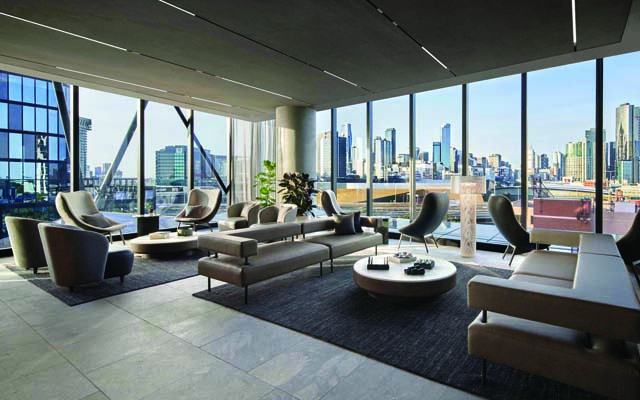
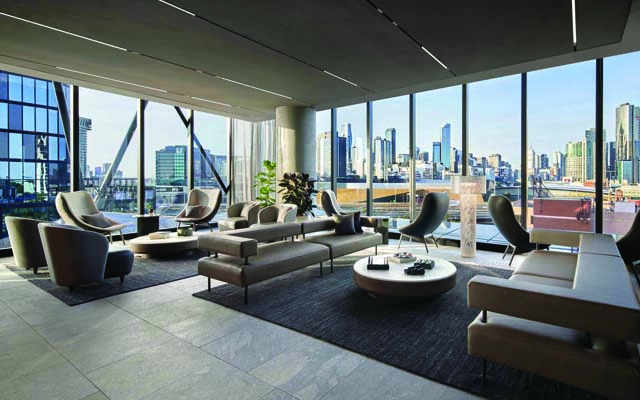
AC Hotel by Marriott Melbourne Southbank, Australia
Opened in July, the 205-key AC Hotel by Marriott Melbourne Southbank brings a touch of European soul and Spanish roots to a vibrant part of Melbourne.
The design-focused property features 576m2 of flexible meeting space, which comes with floor-to-ceiling windows providing natural light, along with an outdoor covered terrace and pool bar. Planners are welcome to craft pre-function socials on the terrace for up to 200 guests in a cocktail format.
Event attendees residing in the hotel will enjoy the AC Lounge, a signature of the lifestyle brand. This modern co-working space is ideal for creative gatherings in the day and transforms into a social hub offering European-style tapas at night.
Intimate gatherings over a shared meal can be hosted at various dining venues – Sorolla, Triana Bar, and Bar de Buceo by the pool. The signature AC Gin Tonic experience is not to be missed.
For recreation, the hotel offers an outdoor, infinity-edge swimming pool spanning the width of the building, and a 24-hour fitness centre.
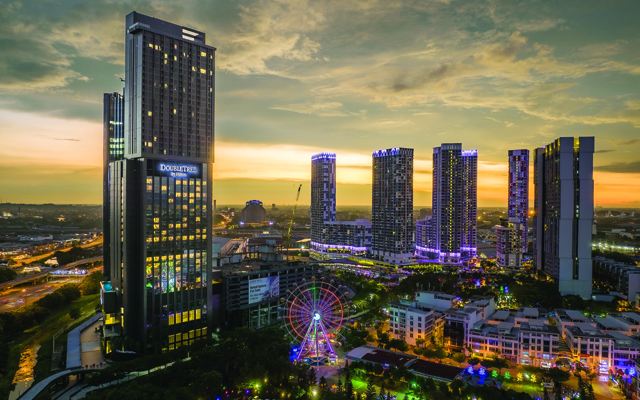
DoubleTree by Hilton Shah Alam i-City, Malaysia
Located a 10-minute drive from i-City Convention Center and offering easy access to the city’s prime manufacturing hubs and recreational destinations, DoubleTree by Hilton Shah Alam i-City is an ideal hotel for business meetings.
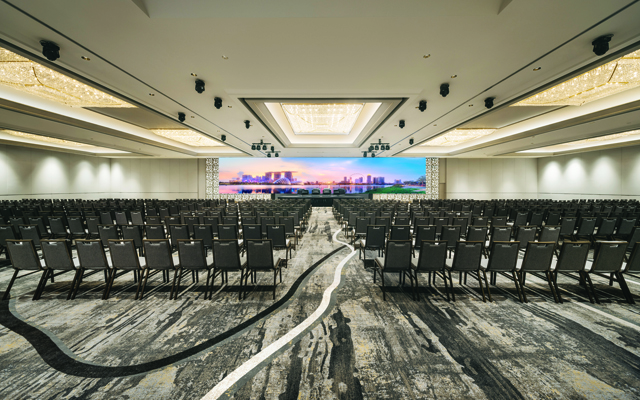
The 300-room hotel offers nearly 1,600m2 of function space, with the largest venue being the 1,170m2 grand ballroom for up to 1,000 guests. Planners looking to host smaller meetings can choose from 10 flexible function rooms that are outfitted with advanced audio-visual and technical capabilities as well as high-speed Internet.
Dining destinations in the hotel include Makan Kitchen, Tosca Italian restaurant, Axis Lounge, and The Koffee.
Hilton Singapore Orchard
Armed with 1,080 keys and 2,400m2 of function space spread across 16 venues, the new Hilton Singapore Orchard is Hilton’s largest hotel in Asia-Pacific.
Taking over from the former Mandarin Orchard Singapore, the hotel underwent a S$150 million (US$110.2 million) comprehensive renovation to give it a new look.
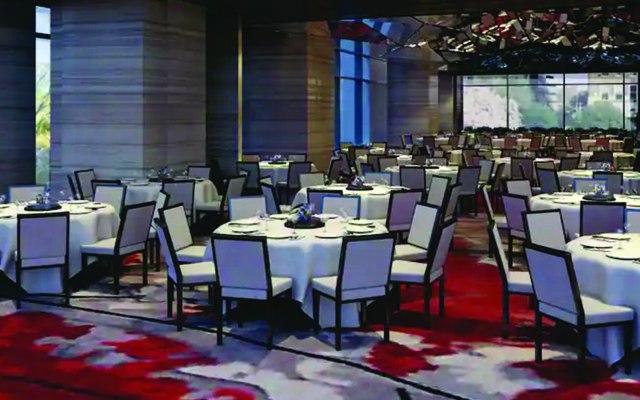
Planners have two pillarless ballrooms to choose from – the Grand Ballroom which accommodates up to 900 guests, and the multi-tiered amphitheatre-style Imperial Ballroom which comes with city views. Both are fitted with state-of-the-art LED walls, and lighting and sound technologies to create memorable event experiences.
The hotel is home to five F&B concepts – Osteria Mozza by celebrity chef Nancy Silverton; all-day dining restaurant Estate; the Ginger.Lily lounge for afternoon tea and cocktails; two-Michelin-star Shisen Hanten by Chen Kentaro; and Chatterbox restaurant, known for its elevated take on local Singapore dishes.
Park Hyatt Jakarta, Indonesia
Occupying the top 17 floors of the 37-storey Park Tower within Jakarta’s CBD, the 220-key Park Hyatt Jakarta boasts a prime address, especially for planners of business events.
The hotel takes in 10 function rooms, where each space features an open kitchen and bars in the welcome foyers. Spread over four levels, spaces include the Ballroom duplex on levels two and three, and the level 22 Salons overlooking Menteng. The Observatory on level 36 boasts open-air terraces and panoramic views of Jakarta.
Planners can spill social gatherings into Park Hyatt Jakarta’s Kita Restaurant & Bar where Japanese dining and cocktails are served from its perch on level 37. Kita also offers private rooms, including tatami rooms and a large VIP room with a private kitchen. The bar is located on level 36, where drinks and a DJ spinning live sets can be found.
Attendees of residential meetings can look forward to unwinding at the hotel’s spa and fitness centre.
Radisson Hotel Danang, Vietnam
The new-build Radisson Hotel Danang is the brand’s debut in the Vietnamese city, and the latest offering for meetings and events in the destination.
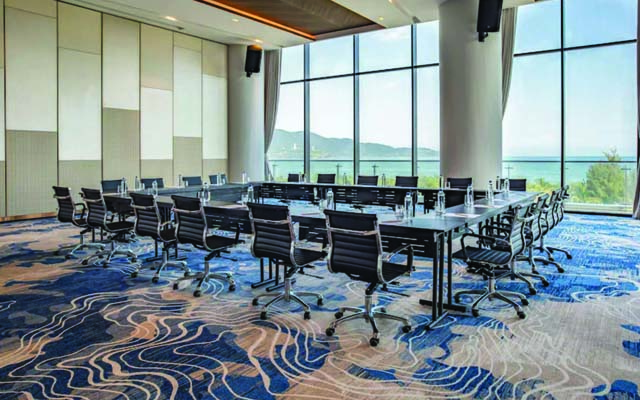
The 270m2 Cyan Ballroom is supported by state-of-the-art audio-visual technology and set against a backdrop of tropical palms and ocean views. The space can comfortably accommodate 300 people in theatre-style or be divided into two smaller venues.
For social gatherings, planners can consider the Vivid Rooftop Bar & Pool. Team dinners can be hosted at The Market Place where authentic Vietnamese dishes are served.
Radisson Hotel Danang features 182 rooms and suites with views of the city, ocean or peninsula, across seven room categories. Event attendees with accompanying family will find the hotel’s 70m² Family Room to be a comfortable retreat.
For the convenience of guests, the hotel operates an airport shuttle to the nearby Da Nang International Airport.
The Westin Yokohama, Japan
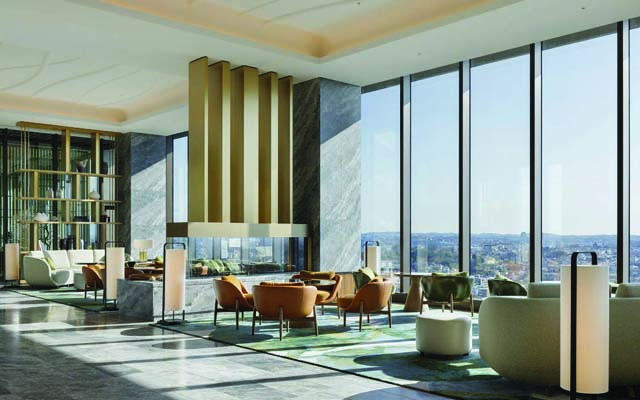
The Westin Yokohama is one of the newest hotels to rise in the Japanese port city, taking a spot in the new Minatomirai CBD.
The hotel’s collection of event venues spans more than 1,000m2 of space, comprising a Grand Ballroom, four meeting rooms, and The Westin Garden with the city’s skyline as backdrop.
With 373 guestrooms, the hotel is suitable for residential meetings.
There are five F&B venues on-site, including signature restaurant Iron Bay which offers a private dining venue.
Resident event guests are assured of continuity in their healthy pursuits, as the hotel features a dedicated wellness floor of 900m2, which includes Japan’s first Heavenly Spa by Westin with four treatment rooms. There is also a heated indoor swimming pool, state-of-the-art gym, as well as a RunWestin programme that provides jogging routes around the Minatomirai waterfront area.


 In her new role, Nograles will lead TPB to implement strategic domestic and international marketing and promotional efforts to revitalise the Philippine tourism industry as a sustainable, dynamic, world-class tourism, MICE and investment destination. She will also support stakeholders following the multidimensional tourism approach under the seven-point agenda of Tourism Secretary Christina Garcia Frasco.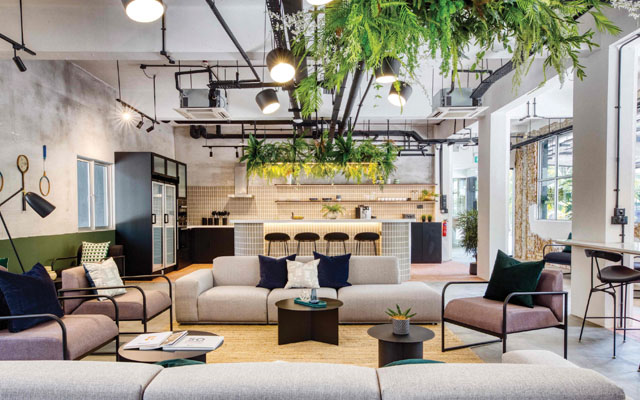

 Prior to joining Brij Hotels, he was the chief operating officer at Leisure Hotels Group.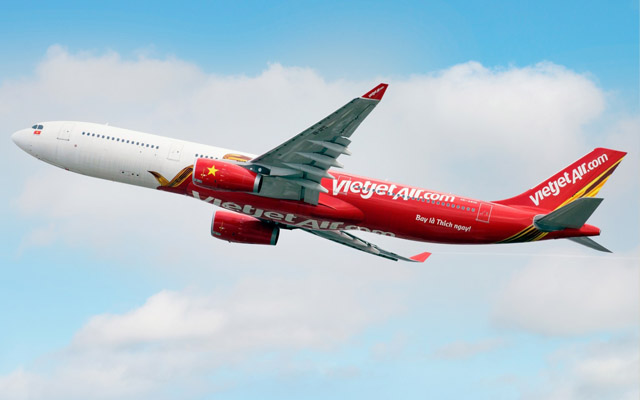
 Prior to joining Brij Hotels, he was the chief operating officer at Leisure Hotels Group.

 Prior to joining Megaworld Hotels, Albiso held various positions with Marriott International, including director of sales and marketing at the Marriott Cebu City, and general manager of Courtyard by Marriott Iloilo.
 Prior to his arrival in Davao, Toune opened Novotel in Quezon City, and was general manager of Banwa Private Island – an exclusive resort in Palawan.



With effect from October 1, inbound travellers to South Korea will no longer be required to take an on-arrival PCR test.
Currently, incoming visitors need to perform the PCR test within the first 24 hours of their entry into the country.
This decision by the government was made due to the recent gradual decline in infections.
This follows the removal of the pre-departure testing requirement for travellers bound for South Korea earlier this month.
However, South Korea could reinforce restrictions regarding foreign entrants if it sees the emergence of risky virus variants and the global virus situation changes.
Second vice health minister Lee Ki-il said in a virus response meeting: “We are at the final stage of the Covid-19 pandemic. We expect another wave in winter, but we will finally overcome the virus through thorough preparations.”