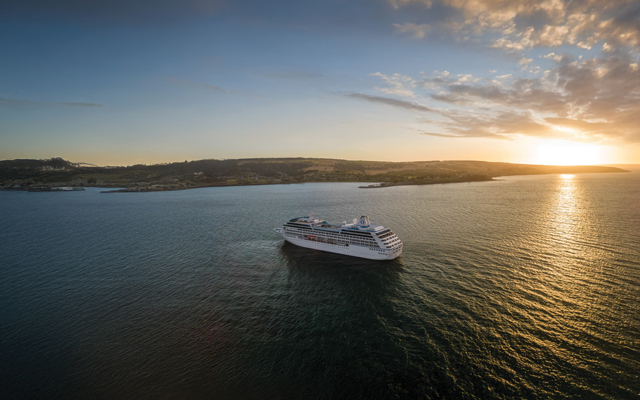

West Nusa Tenggara is developing sustainable and wellness experiences across Lombok and Sumbawa to attract more direct international flights
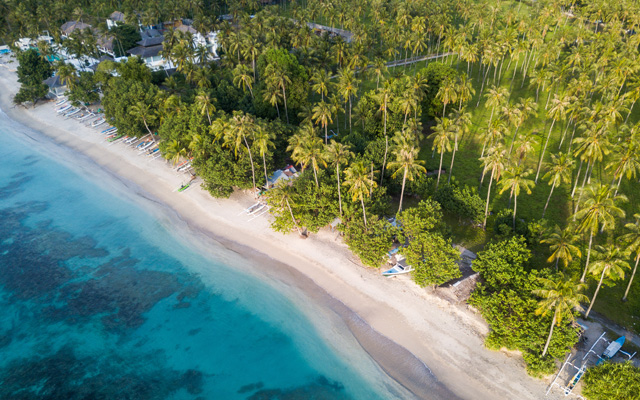
Tourism stakeholders in West Nusa Tenggara (NTB) are developing quality, sustainable and wellness-focused experiences across Lombok and Sumbawa to stimulate demand – a strategy they hope will ultimately encourage international airlines to establish direct routes.
While fast boats connect Bali with Lombok and the offshore islands of Gili Trawangan, Gili Air and Gili Meno, collectively known as the three Gilis in North Lombok, direct air access to the province remains a key bottleneck.
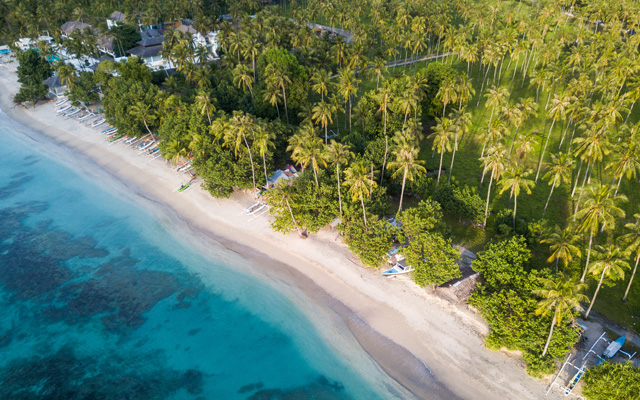
To build long-term destination appeal, local authorities and private operators are focusing on quality and sustainable tourism.
Ahmad Nur Aulia, head of the NTB Regional Tourism Office, outlined three priorities driving this strategy: enhancing the visitor experience, fostering community inclusivity, and ensuring social, environmental and cultural sustainability.
To achieve this, he said the government we have focusing development efforts on key hubs including the Gilis, Senggigi, provincial capital Mataram, Mandalika, and Sembalun, the base for Mount Rinjani.
The opening of the Mandalika Circuit in the island’s special economic zone has raised international awareness, prompting investment in upscale boutique properties over the past decade.
Sahlan Saleh, chairman of the NTB Regional Tourism Promotion Board, noted that approximately 30 to 50 premium properties now operate in Lombok.
“We want to push all hotel properties and restaurants to consistently adopt environmental and sustainable tourism concepts,” Sahlan emphasised. “We continue to advocate for this because sustainability in tourism is a growing global issue, and we are applying it here to ensure our environment remains preserved.”
Private operators are contributing to this shift.
At Selong Selo Resort & Villas, environmental management includes zero-waste systems, eco-gardens and reforestation projects in partnership with World Relief Australia. The resort also supports local Sasak communities through mobile health clinics, educational programmes and its Weave for Change initiative, which provides income to local artisans.
Similarly, Innit Lombok in Ekas Bay operates an on-site greenhouse, zero-waste recycling, shoreline clean-ups and a mangrove restoration project aiming to plant 100 seedlings.

“Our approach to sustainability is rooted in the belief that meaningful impact comes from consistency and collaboration,” said Matthew Angga, resort manager and executive chef at Innit Lombok.
“By working closely with the local community and engaging our guests in these initiatives, we hope to contribute to preserving the beauty and balance of Ekas Bay.”
Alongside sustainability, holistic wellness is another growth driver.
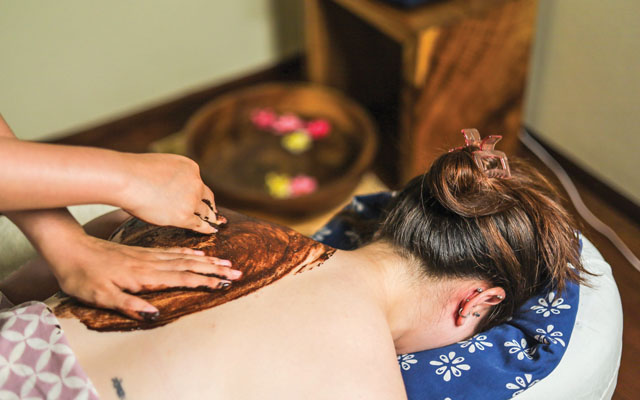
Qunci Villas in Senggigi recently introduced Ruqyah Healing, a restorative ritual rooted in local Muslim traditions designed to help guests restore emotional equilibrium.
General manager Vittorio Negri views this as part of a broader vision to position the resort as a wellness retreat through integrated mindfulness, nutrition and spa programmes.
“I believe this transformation reflects the direction in which Lombok tourism is moving,” Negri noted.
“The island has an extraordinary opportunity to establish itself as a destination where luxury is defined not only by beautiful accommodation but by well-being, authenticity, sustainability, and meaningful experiences.”
Demand for wellness travel across Lombok is growing, according to Nurul Hayani, assistant director of sales at Royal Avila Boutique Resort.
“Last year, we hosted a group from Australia that booked about 10 to 12 rooms on a single-occupancy basis for a 10-day stay. For those 10 days, their routine consisted entirely of yoga, meditation, and healing activities.
“We have another group from Australia this November – 12 rooms for a week-long stay,” Nurul said.
The property recently received an enquiry from Croatia for a 21-day, 20-room programme. Although the booking fell through due to budget constraints, Nurul noted that it reflected growing international interest in long-stay retreat packages on the island.
Island-hopping traffic remains strong. North Lombok handles up to 37 fast boat arrivals daily from more than 30 operators linking Bali with Lombok and the nearby Gilis.
Denda Dewi Tresni Budi Astuti, head of the North Lombok Tourism Office, observed that each island has developed its own market identity.
“Gili Trawangan centres on nightlife for younger travellers, with stays averaging three to four nights. Gili Air appeals to families seeking peace, where guests often stay for weeks. Gili Meno caters to honeymooners and older travellers looking for quiet. Gili Meno is a primary diving spot. The market segmentation has naturally divided itself,” she said.
Meanwhile, regional authorities are working to close the development gap between Lombok and nearby Sumbawa.
Driven by surfing eco-lodges and the Samota Circuit – which hosted the MXGP motorcycling championship in 2022 and 2023 – Sumbawa is seeing new private villas, guesthouses and homestays.
Key attractions include swimming with whale sharks in Saleh Bay, which is home to a resident population of 80 to 100 sharks, as well as Mata Jitu Waterfall on Moyo Island and Mount Tambora.
Ultimately, NTB tourism leaders hope this portfolio of experiences will help to resolve the region’s air connectivity challenge. While Lombok currently receives regional flights from Singapore via Scoot and Kuala Lumpur via Lion Air, Batik Air and AirAsia, expanding direct longhaul connectivity remains a priority.
Sahlan emphasised that Lombok’s most urgent priority is to establish direct Middle Eastern routes to capture European longhaul traffic.
“Another major push is securing direct flights from China – specifically Shenzhen, Guangzhou, and Beijing – given the high passenger potential,” he noted.