
Asia/Singapore Wednesday, 8th April 2026
Page 373

Experience discovery app Trell raises US$1.25 million in seed funding

0

Local experience discovery platform Trell has raised US$1.25 million in seed funding from multiple investors. The Bengaluru-based startup, which generates content via short videos and images, will use the funds to scale and strengthen its product, technology and data science capabilities.

The latest seed round was co-led by BeeNext and WEH Ventures. Sprout Venture Partners and individual investors, such as Rajan Anandan, managing director of Google India, and Anupam Mittal, founder of Shaadi.com, also participated in the round through LetsVenture platform.
Trell’s founders (from left) Bimal Kartheek Rebba, Pulkit Agarwal, Prashant Sachan, and Arun Lodhi

Earlier in March 2017, Trell had raised US$250,000 from existing investors including Aprameya Radhakrishna, founder of TaxiForSure; Nirav Choksi, chief executive of supply chain finance tech firm CredAble; Shanti Mohan, CEO of deals platform LetsVenture; Nitin Gupta, CEO of Ola Money and founder of payments firm PayU India; and Amit Lakhotia, former vice president of business at Indonesian e-commerce firm Tokopedia, among others.

Trell was launched in August 2017 as a platform designed for millennials to share their experiences of places and food, as well as discover those of others through user-generated short-form video content.

Prashant Sachan, Trell’s co-founder, said: “There is a rising trend of exploring local and travel experiences among the 230 million urban millennials in India. Their need to discover new experiences around them has to be served differently, as the existing platforms are using conventional and dated ways to do so.”

Co-founder Pulkit Agarwal added: “The content is all visual, geo-tagged and has a strong storytelling element, which makes it contextual and immersive, and this differentiates it from other competitors. It will offer an intuitive way for its users to discover real-life experiences around them.”

Trell – accessible on Andriod, iOS and Web – claims that it has already crossed half a million downloads and has over 200,000 monthly actives, within eight months of its product launch.

The platform is currently home to one million user-generated content uploads with experiences ranging from exploring local street food stalls to European backpacking trips.

According to Agrawal, users are creating over 10,000 original posts every day, a number which has been growing 1.5 times month-on-month since September 2017.


Asian cities take top spots in GlobalData’s arrivals ranking

0

Asian cities outnumbered their counterparts in Europe and America in a ranking of destinations by international tourist arrivals in 2017, according to GlobalData.

In the top 10, Asia was represented by seven cities – Bangkok, Singapore, Tokyo, Hong Kong, Seoul, Kuala Lumpur and Shenzhen. In comparison Europe, the Middle East and America were limited to one city each – London, Dubai and New York City respectively.

Bangkok was the top tourist destination by arrivals for the third consecutive year

According to GlobalData, depreciation of most of the Asian currencies (except the Chinese yuan) played a vital role in attracting international visitors to Asian cities.

Bangkok remains the top international tourist destination globally for the third consecutive year, with 20.8 million international visitors in 2017. Tourism-friendly visa policies, strong promotional efforts and low cost connectivity drove Bangkok to the top spot.

London was the second most preferred destination with 20.4 million international visitors riding on the back of depreciation in the value of the British pound since the Brexit referendum, followed by Singapore, Dubai and Hong Kong with 17.4 million, 15.8 million and 14 million, respectively.

However, despite lower hotel costs, the occupancy rate in most of the Asian cities was around 70 per cent, lower than cities in Europe and America in 2017. GlobalData attributed this to the growth in hotel development in recent years outstripping the increase in the number of travellers.

Exception is seen in Tokyo, Singapore and Seoul, where business purpose tourists helped maintain occupancy rates at more than 80 per cent. In terms of average daily rate, New York City leads the pack, followed by London.

GlobalData expects Asian cities to continue to dominate the top 10 arrivals ranking, primarily due to reasons such as the advent of LCCs and the development of highways and railways in the region.

Sri Lanka bolsters upcoming lean season with discounts, promotions to Asian markets

0

Three associations representing airlines, hotels and DMCs – along with Sri Lanka’s Tourism Promotion Bureau (SLTPB) – are banding together to spur off-season arrivals with discounted packages.

The authorities are hoping to increase arrivals by 30 per cent during the lean months of September-November and April-June, according to Sutheash Balasubramanian, managing director of the state-owned SLTPB.

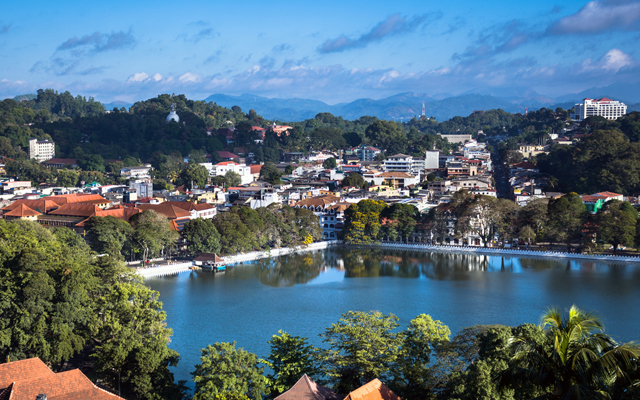
Kandy, a UNESCO World Heritage listed city in Sri Lanka

The target markets are India, China and the Middle East.

As part of the campaign running between September and November, participating hotels will offer a 4D3N package at US$99 per person, Harith Perera, president of the Sri Lanka Association of Inbound Tour Operators, told TTG Asia.

Jetwing Hotels chairman Hiran Cooray said these rates are a 40-50 per cent discount on current rates. Officials at an international airline, who declined to be named, also confirmed that participating airlines including SriLankan Airlines, Emirates and Qatar were offering special rates.

While the industry has already begun promoting these off-season packages, the SLTPB is also calling for bids from advertising agencies to ramp up the campaign in time for launch. “We are going through the procurement process and hope to complete it by late August,” Balasubramaniam said. The promotion campaign would cost around 90 million rupees (US$565,000) and be rolled out on multiple platforms in the targeted markets.

Arrivals up to June rose 15.3 per cent to 1.16 million. India topped the list of arrivals followed by China, the UK, Australia and Germany.

Bright spots in APAC’s hotel market in 2Q

0

Hotels in the Asia-Pacific region posted growth across the three key performance metrics during 2Q2018, according to data from STR, with notable peaks seen in Australia, Indonesia and Singapore.

The regional occupancy level was at 70.4%, up 1% from the previous quarter. Average daily rate (ADR) rose 3.1% to US$105, while revenue per available room (RevPAR) was up 4.1% to US$73.95.

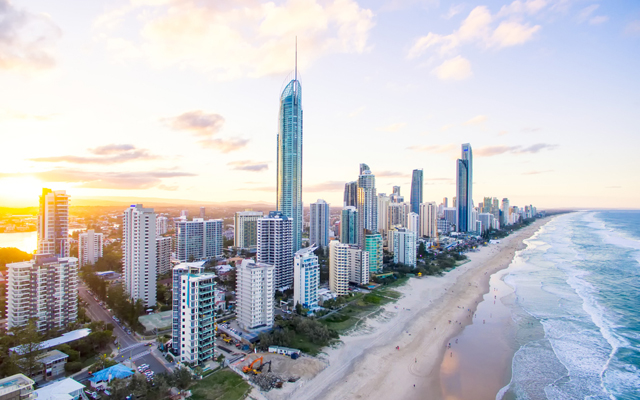
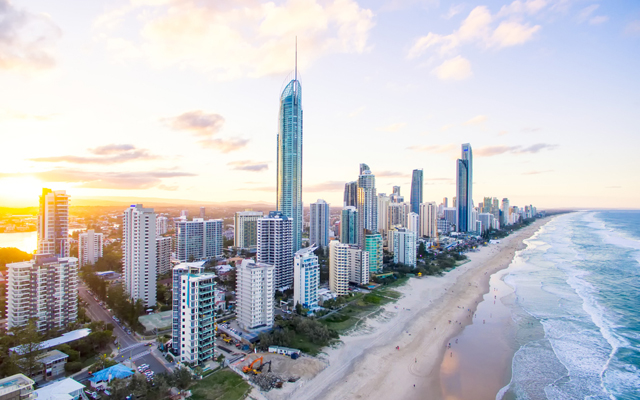
RevPAR in Gold Coast, host of the XXI Commonwealth Games in April, was up 24.2%

In Australia, the 73.2% (+1.3%) absolute occupancy level was the highest for any 2Q on record in the country, STR reported. That came even with 2.1% more room nights available compared with 2Q2017. ADR was at A$178.60 (US$131.70) (+1.5%) and RevPAR A$130.71 (+2.8%).

Gold Coast, host of the XXI Commonwealth Games in April, was the standout Australian market with RevPAR up 24.2% to A$138.40 for the quarter.

STR further observes that performance growth was stronger outside of the capital markets as supply growth had a greater effect on RevPAR comparisons in Perth (-4.5% to A$113), Sydney (-2.1% to A$174.70) and Hobart (-0.7% at A$125.50). However, in absolute values, Sydney remained the top performer in the country.

Another market with notable performance is Indonesia, whose 60.6% (+2.5%) absolute occupancy level was the best the country has since for 2Q since 2014. ADR grew 3.5% to over one million rupiah (US$69.40), and RevPAR was up 6.1% to 629,693 rupiah.

STR analysts note that performance increases were seen in Bali (+9.1%), Jakarta (+4.1%), Surabaya (+7.4%) and Yogyakarta (+8.7%). In June specifically, Bali’s RevPAR grew 15.9% to over Rp1.2 million rupiah, with demand lifted by Eid al-Fitr and the school holiday.

Turning to Singapore, occupancy rose 2.9% to 81.3% – the highest for 2Q the city has seen since 2013 – even with significant supply growth (+4.5%). ADR was up 0.9% to S$263.60 (US$193.40), and RevPAR grew 3.8% to reach S$214.40.

June was the strongest month of the quarter with RevPAR up 6.9% to S$217. According to STR analysts, the country’s demand was boosted by the North Korea-US Summit on June 12. Hotels in the Orchard Area, specifically, reported high ADR premiums and three consecutive days with double-digit RevPAR growth from June 10 to 12.

Indian hoteliers laud GST revision, but grievances linger

0

India’s Goods & Service Tax (GST) Council has decided to levy tax on transaction value of hotel rooms instead of published rates, bringing some relief to hoteliers who had been protesting the confounding taxation since its implementation.

Earlier, the tax council had pegged different slabs of GST rates on hotel room tariff – 18 per cent for tariff of Rs2,500 (US$36.40) to Rs7,500, and 28 per cent for tariffs of above Rs7,500.

Calculating GST rates for hotels in India is easier now, but hoteliers remain unhappy about the high taxation

“This is a very welcome change. GST being charged on published tariff was a let-down when the new tax structure came into effect. We have since then been lobbying against this anomaly. Even prior to the GST regime, tax was being levied based on the invoice value,” said Garish Oberoi, president, Federation of Hotel & Restaurant Associations of India (FHRAI), the apex body of hoteliers in the country.

Likewise, Vibhas Prasad, director of Leisure Hotels Group, said the change has come as a “big relief” to the hotel industry, as well as to the customers.

A section of hoteliers told TTG Asia the new notification of the GST Council will also help to reduce confusion among consumers who perceive that they were being charged a higher tax slab even when the invoice value is less.

Rajat Singhal, director, Leisure World Tours, added: “The hotel room tariffs vary as per seasonality or special rates for groups. But as GST was being charged on declared rates and not on the transaction value, it was making tour packages expensive even in low season or when we were getting special rates from hotel.

The revision brings greater tax clarity and transparency between hoteliers and travel agents, a win-win situation for all including customers, he remarked.

However, some hoteliers are disappointed as the high taxation of 28 per cent on room rates of above Rs7,500 is still not addressed by the GST Council.

“FHRAI have been asking the government to bring the entire hospitality industry under one tax bracket of 12 per cent. Nowhere in the world do we see this high rate of taxation. We are still pursuing with the government to do away with the 28 per cent taxation completely,” added Oberoi.

Edgy Chinese millennials push boundaries of international travel: Hotels.com

0

Chinese millennials born after 1990 are especially pushing the boundaries of international travel, increasing their travel expenditure by a staggering 80% in the past year to fund social media-influenced trips “full of edgy experiences, high-tech accommodation, exotic delicacies and taboo ticket-items”, according to recent research by Hotels.com.

The study, part of the Chinese International Travel Monitor, found that Chinese travellers overall spent 40% more in the past 12 months, compared to the previous year, with the majority (60%) planning to spend even more the next year.

Chinese travellers choosing ‘authentic local experiences’ over luxury, visiting places they have never been

One highlight of the research was that travel brag moments and selfies had a massive influence on the Chinese traveller experience in 2017, with almost two thirds of respondents (60%) posting three to five times a day.

The study also found that the Chinese are travelling farther afield, staying away longer and spending more money, with Europe, North America, Latin America and Australia sought after over the past 12 months. This year also saw travellers extending their trips by an average of one to two extra days compared with the previous year.

Next year, Europe, Africa and the Middle East are the top new destinations for more than half of travellers. North America will continue to be a hot favourite, and Latin America is also emerging as a popular choice, with 26% and 13% of travellers planning a first-time visit to these destinations in the next year respectively. Over a third of travellers plan to visit Oceania next year, with Australia topping the list for future visits.

Chinese travellers are also keen to travel further to new destinations. More than half of Chinese travellers (60%) intend to travel to a country they have not visited.

More than one third (37%) still intend to visit countries they’ve been to before but will go to different cities. Key locations in Asia are top of the list for these travellers. Japan is a standout, with 46% planning to revisit but travelling to different cities there. South Korea, Taiwan and Thailand are also high on the list.

Staying in atypical accommodation was important to over half of travellers, who opted for out-of-the-box and independent hotels with local flavour (55%) over star ratings. Another 33% booked boutique hotels, 23% eco-friendly hotels and 21% hotels with cutting-edge technology.

Chinese travellers are putting their money where their mouth is when it comes to getting down with authentic experiences – tasting exotic local delicacies (69%) and scouring the streets for authentic local items (43%) over shopping for luxury items (38%).

Connectivity and efficiency are key for Chinese on-the-go youngsters, with co-working spaces (39%), voice-activated technology (38%), virtual reality booking (38%), robotic customer service (32%), mobile phone operated room access (31%) and social media live lounges (26%) all desired additions to their accommodation.

The ability to QR code scan via WeChat and acceptance of mobile phone payment were particular points for development for Chinese travellers, according to Hotels.com. Booking and reservation methods were not up-to-scratch for a third of travellers, while local transport arrangements along with Mandarin-speaking guides and hotel staff were also areas for improvement.

India sails into top spot as cruise feeder market for Singapore

0

In 2017, India led visitor arrivals as Singapore’s number-one source market for cruises with 127,000 cruise passengers – a 25 per cent increase compared to 2016.

This contributed to a total Indian inbound traffic of nearly 1.3 million for the year, breaking previous records to become Singapore’s third-highest ranking source market for visitor arrivals, according to figures from the Singapore Tourism Board (STB).

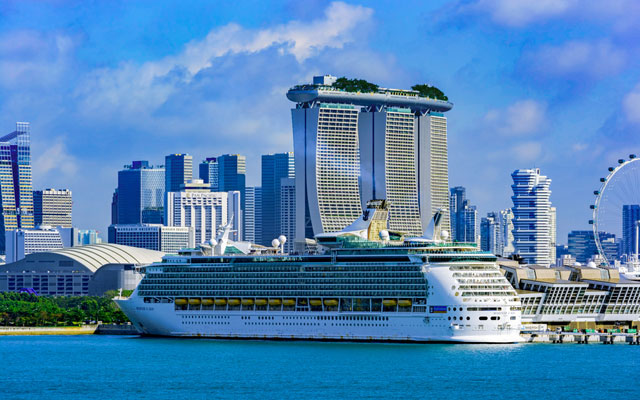
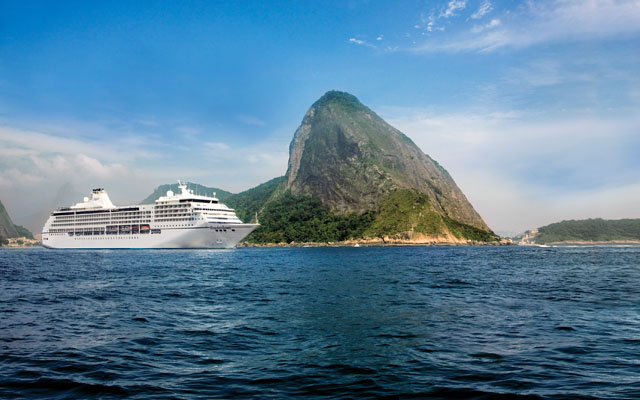
Royal Caribbean International’s Mariner of the Seas at Marina Bay Cruise Centre in Singapore

For Dream Cruises, the volume of Indian passengers on its cruise ships has seen “a steady growth with a healthy year-on-year increase throughout the years,” said Michael Goh, senior vice president – international sales, Genting Cruise Lines.

“India as a source market remains an important revenue contributor for Genting Cruise Lines, and we are optimistic of this steady growth with more Indian tourists opting for a cruise vacation from Singapore.”

Dream Cruises is currently deploying the Genting Dream to its homeport in Singapore, doubling the passenger capacity to 3,400, compared to previous Dream Cruises ships that homeported in Singapore.

Meanwhile, growth in the India market has doubled from 2016 to 2017 for Royal Caribbean, “driven by the increase in the summer sailings in Singapore that coincide with India’s peak travel season”, said Sean Treacy, managing director, Asia-Pacific, Royal Caribbean Cruises.

Treacy shared that cruises are especially appealing to Indian families, who “can group together to make cruises a friends-and-family gathering (while enjoying) the city as well”.

Karan Anand – head, relationships, Cox & Kings, noted that fly-cruise holidays are popular among Indian outbound travellers, with Singapore offering an attractive choice.

“The beauty of taking a cruise vacation from Singapore is because it’s a homeport for many cruise liners and travellers have a wide selection of cruise options. This makes it a highly desirable destination for Indian cruise travellers,” Anand said.

GB Srithar, STB’s regional director, South Asia, Middle East and Africa, said that cruise journeys are “gaining in popularity among (India’s) young adults or working millennials” due to being a “hassle-free, all-inclusive holiday choice”.

He said: “Singapore is regarded as a convenient cruise hub for Indians to not only visit the Lion City’s many attractions, but also the neighbouring South-east Asian countries.”

As cruise holidays are still a “nascent travel option” in India, STB sees room for promoting them as a compelling travel option for Indian travellers, said Srithar.

To promote Singapore’s cruise offerings, STB works with cruise lines and travel agents in India on joint marketing campaigns, training workshops and webinars, as well as to curate pre- and post-cruise experiences.

The board also supports industry players including cruise lines, travel agents and charterers under its Cruise Development Fund.

Asian cruise market sails to double-digit growth

0

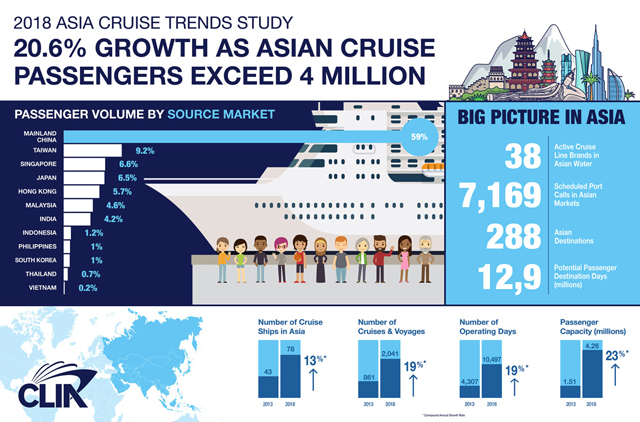
While Asian cruise passenger numbers surged 20.6% to hit another record high of over four million in 2017, overall cruise capacity deployed in the region is expected to decline marginally this year, according to the Asia Cruise Trends 2018 report recently released by Cruise Lines International Association (CLIA).

Between 2012 and 2017, Asian cruise passengers grew from 775,000 to nearly 4.1 million, an estimated 39% compound annual growth rate.

However, China, the main driver of passenger growth in Asia for the last few years, experienced a deceleration last year, adding 286,000 passengers compared to more than one million passengers in 2016.

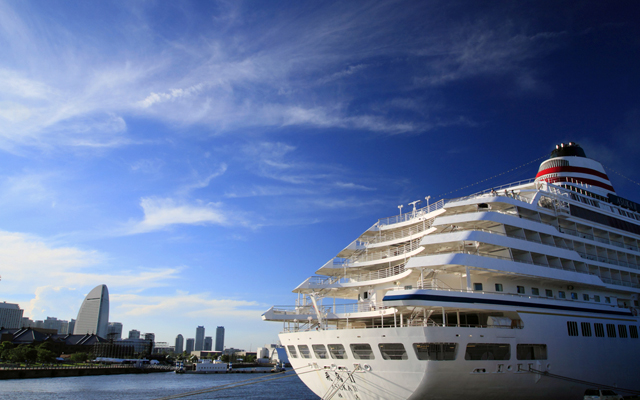
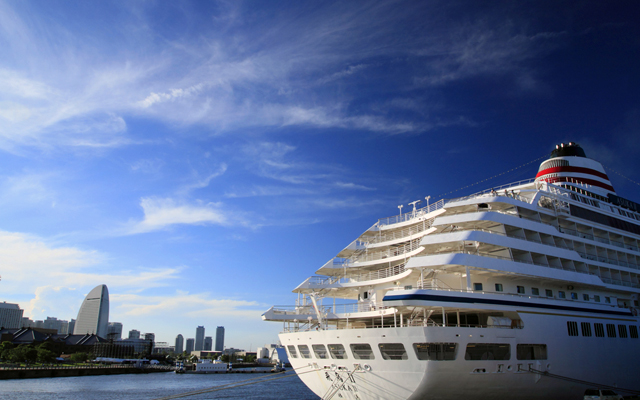
Japan is the Asian destination seeing the most cruise calls; pictured, ship at Japan’s Yokohama Osanbashi Pier

Still, it maintained its dominance, accounting for 59% of all Asian cruise passengers.

Asia’s other major passenger source markets were Taiwan (374,000), Singapore (267,000), Japan (262,000), Hong Kong (230,000), Malaysia (188,000) and India (172,000).

CLIA observes that the majority (91%) of Asian cruisers sailed within the region in 2017, with intra-regional cruising expected to continue dominating into 2018. For longhaul, inter-regional cruisers, Europe was top choice in 2017 with 25% travelling to the Western Mediterranean, and 9% and 8% respectively traveling to the Eastern Mediterranean and the Baltics.

The Caribbean and Alaska are also popular, accounting for 24% and 11% of Asian cruisers travelling outside Asia.

Shorter sailings were by far the most popular, with the greatest share of passengers sailing four to six nights (66%), followed by two to three nights (26%) and 7 to 13 nights (5%).

In 2018, CLIA estimates overall cruise capacity deployed in Asia will slide 2% versus the planned ship calls in the prior year – although there will be more ships and a broader variety of cruise products in Asian waters.

Most capacity is coming from mega and large ships with six and 19 of them deployed in Asia respectively. As for mid-size ships, 27 are being deployed in 2018.

Small upscale ships will also be active in the region with 21 deployed seasonally, while the expedition niche will have five ships deployed in limited seasons.

In 2018, 7,169 port calls are being made in the region, 27 less than last year. Some 288 different destinations in Asia will receive cruise ships this year, and 24 Asian ports will host 99 or more calls each.

Destination markets seeing the most calls are Japan (2,601), mainland China (1,012), and Thailand (581) in 2018. Top ports with over 300 total calls planned in 2018 include Baoshan/Shanghai (416), Singapore (374) and Keelung/Taipei (322).

In terms of potential for tourist visits, Japan, Mainland China and Singapore are expected to host the most passenger destination days, with their respective capacity for over 4.8 million, 2.4 million and 900,000 passengers.

The volume in South Korea came down from 1.8 million originally scheduled last year to less than 224,000 in 2018.

With the combination of more and larger ships, added cruises and multiple port call visits, the cruise industry will bring 12.9 million passenger destination days to localities across Asia. This will be about 600,000 (or 4%) less than in 2017, according to CLIA.

Indonesia in hot pursuit of Indian tourists

0

Reporting by Mimi Hudoyo and Tiara Maharani  

Indonesia is stepping up efforts to boost arrivals from India, a market where it has seen significant growth of late.

India is now among the top five markets to Indonesia, sending 485,000 visitors last year to post a growth rate of 30 per cent, the second highest after China.

In the first two months of 2018, arrivals from India numbered 87,000, surpassing the traditional markets of Japan (74,000) and South Korea (63,000), according to data from the Ministry of Tourism.

Indonesia’s Ministry of Tourism is stepping up efforts and has set a tall target of 700,000 arrivals from India this year

Garuda Indonesia, on the back on strong demand, has increased its Denpasar-Mumbai frequency from twice- to thrice-weekly in June, barely two months after the service was launched.

Within the first two months of operating the new route, Garuda has already seen an average load factor of 87 per cent, the airline’s president and CEO Pahala Mansury told TTG Asia.

Pahala said: “We’ve had fantastic response for Denpasar-Mumbai services, so we felt the time was right to add frequency to three flights per week.”

TTG Asia understands that Garuda has plans to add a fourth frequency by this year-end.

Recognising the growth potential of India, the Ministry of Tourism is stepping up efforts and has set a tall target of 700,000 arrivals from India this year, despite the still-limited direct air links between the two countries.

The ministry has rolled out a strategy making Singapore and Kuala Lumpur as hubs to attract travellers visiting these two countries to extend their stays to Indonesia, according to Nia Niscaya, deputy minister for tourism marketing development II (Asia, Africa, the Americas and Europe).

“We are promoting the Hot Deal packages to Batam-Bintan and Jakarta, as well as culture and heritage to Yogyakarta and beach resorts like Lombok.

“(The ministry) is not only working together with travel companies in Singapore and Malaysia, but also talking to tour operators in India selling Singapore and Malaysia,” Nia said.

To keep the growth momentum of the Indian market, Umberto Cadamuro, COO inbound of Pacto, opined that Garuda should open another destination from India to Indonesia.

“I hope Garuda will open New Delhi-Denpasar or New Delhi-Jakarta anytime soon. The New Delhi market is huge for both business and leisure travel,” Umberto said.

As well, more destinations in Indonesia should be promoted to the Indian market, acknowledged Sigit Witjaksana, director of tourism marketing for Southern and Central Asia, Middle East and Africa at the Ministry of Tourism.

“During our recent visit to India, (major Indian outbound travel companies) told us that Bali sells on its own and asked us to come up with other destinations for promotion, so we plan to meet their needs,” Sigit said.

Upsurge in customised travel demand for Chinese outbound market

0

Chinese demand for customised travel surged 300 per cent in 2017, with European destinations most favoured among those eschewing traditional package deals, according to a joint research by ForwardKeys and the China Outbound Tourism Research Institute (COTRI).

Summer bookings are ahead 13.5 per cent, and there are currently over 120,000 new orders a month, representing a market share of almost 15 per cent, according to the study.

Young Chinese tourists in Paris

Data from ForwardKeys, which predicts future travel patterns by analysing 17 million booking transactions a day, further shows that China bookings for Europe are ahead 10.5 per cent this summer.

Europe – and particularly the UK – are the destinations most favoured by the new breed of Chinese travellers opting for customised holidays.

This group of travellers tend to be younger than average, “money-rich and time-poor”, ForwardKeys observes. They are prepared to pay more than average for the chance, for instance, to stay in a glass igloo in Finland or propose to their partner in front of the Eiffel Tower.

And according to Chinese OTA Ctrip, travellers customising their holidays typically spend around US$400 per person per day, a number set to grow further.

Until recently, mass-market package tour groups from China drove inbound volumes for destinations, but their spending was limited to famous landmarks during high seasons. Ctrip says the trend is to make customised travel an “affordable luxury”, available to more Chinese.

Wolfgang Georg Arlt, COTRI founder, said: “Europe is a perfect example of destinations that have great potential to fulfil the demand for customised travel from China, owing to its rich history and broad cultural diversity.”

ForwardKeys CEO and co-founder, Olivier Jager, added: “There is a bright future for organisations involved in Chinese travel to Europe. As a longhaul destination, Europe has the largest market share of Chinese outbound travel, receiving 9.3 per cent of the market. Over six million Chinese citizens visited Europe as their first stop in 2017; and our figures show more growth this year.”

With the growing popularity of customised holidays, the demand for travel service providers has not waned, Arlt remarked.

“Visas, entry tickets and transport can be difficult for individual travellers to arrange by themselves and even more so in the face of language barriers. The time difference and varied ways of communicating can present complications to those travellers who are making their own arrangements. Accordingly, there is a strong demand for travel professionals to provide extensive travel services.”