
Oakwood turns residences into workspaces
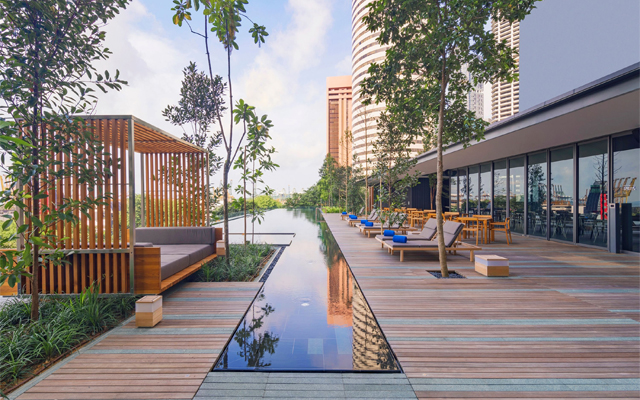
As the remote working trend gains pace, Oakwood is now offering a day-use room package across 17 properties in Asia-Pacific.
The Work from Oakwood package caters for guests who seek personal space and residential comfort, alongside conducive work areas and amenities. Guests can avail a well-equipped private kitchenette, as well as each property’s recreational facilities, such as the fitness centre and pool, where available.
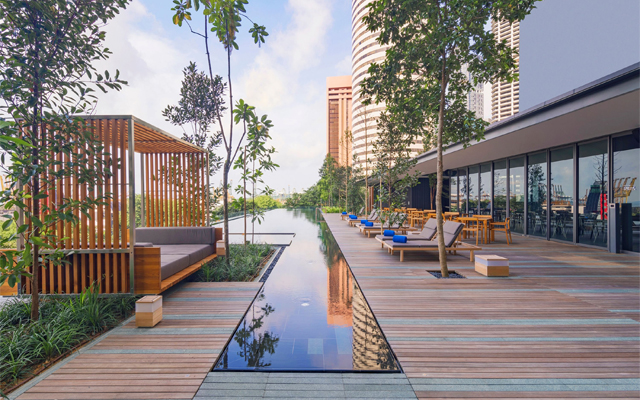
Available from 07:00 to 19:00 daily, each package is inclusive of complimentary Wi-Fi, complimentary morning and afternoon snacks alongside all-day coffee and tea; black and white printing of up to 30 sheets of documents daily (cumulative); 20 per cent off colour printing; and 20 per cent discount at the property’s owned restaurants, if any.
Participating properties are: Oakwood Hotel & Apartments Brisbane (Australia), Oakwood Residence Shanghai (China), Oakwood Apartments Sanya (China), Oakwood Premier Prestige Bangalore (India), Oakwood Residence Whitefield Bangalore (India), Oakwood Premier Cozmo Jakarta (Indonesia), Oakwood Apartments PIK Jakarta (Indonesia), Oakwood Hotel & Residence Surabaya (Indonesia), Oakwood Residence Cikarang (Indonesia), Oakwood Hotel & Residence Kuala Lumpur (Malaysia), Oakwood Hotel & Residence Sri Racha (Thailand), Oakwood Residence Sukhumvit Thonglor Bangkok (Thailand), Oakwood Suites Bangkok (Thailand), Oakwood Residence Sukhumvit 24 Bangkok (Thailand), Oakwood Residence Hanoi (Vietnam).
In Singapore, a package will be launched soon at the Oakwood Premier AMTD Singapore, while a day-use option at the Oakwood Studios Singapore comes with a minimum booking of seven days.
Luxury travellers ready to hit the road again: SLH survey

A segment of less risk-averse travellers are continuing to drive pent-up demand for luxury holidays this year, despite ongoing uncertainty over international travel restrictions, according to a recent survey by Small Luxury Hotels of the World (SLH).
Conducted in partnership with Liz Hall Hotel & Travel Consulting, the survey looked at the current travel sentiments of more than 6,000 members of the luxury brand’s Invited member loyalty programme.

The results show a desire to travel this year wherever possible, adapting travel plans to changes in governmental advice, and a preference for smaller hotels where their experience can be managed and customised.
The survey results split the recipients into three groups: the Travel Ready, those who have already booked and even travelled, taking increased safety precautions in their stride; the Travel Reserved, those who are keen to get away but still cautious about potential risk; and the Travel Reluctant who are unlikely to travel until things have returned to ‘normal’.
With over 46 per cent of recipients expecting that they will be in the same position financially next year, it comes as no surprise that over 30 per cent fall into the Travel Reserved group and are currently planning a holiday in 2021.
Short breaks take priority as only six per cent indicate they would reduce spending on short breaks over the next 12 months, with holidays prioritised above personal purchases such as clothes, electronics, furniture and even outings to bars, theatres and restaurants close to home.
Domestic travel takes the limelight, with 61 per cent of global members (44 per cent in Asia) planning to take a staycation, of which 17 per cent plan to do so during 4Q2020.
SLH reservations data for bookings originating from Asia-Pacific since August 1 reflects these numbers, with 93 per cent of reservations for local hotels. International bookings were mainly for 2Q2021 visits, with top destinations being Maldives and the UK. Most are also mindful of travelling safely, with a majority agreeing almost unanimously (93 per cent) to additional health checks at the airport.
In terms of selecting accommodation, over 90 per cent of recipients stated that they would feel most comfortable in a small hotel, while private residences were also popular. Location, flexible booking options and cleanliness were guests’ most important considerations.
Discounts and offers ranked least importantly to SLH guests – 28 per cent are of the view that there should be no discounts at all, with hotels investing in hotel services to ensure guests’ safety at luxury standards instead. In addition to cleanliness-related conditions such as capacity adjustments, accredited Covid-19 certification, enforced social distancing, face masks, guests would favour hotels which can also offer enjoyable activities safely as well as those with an outdoor focus.
Indian outbound agents in dire straits as local infections soar
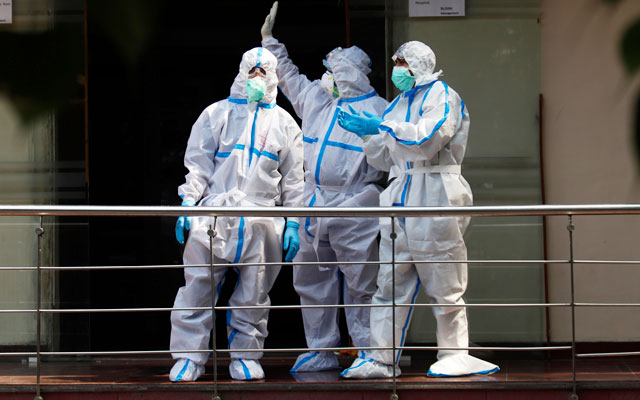
With over four million Covid-19 cases, India is now the second nation worst hit by the pandemic, rendering its residents among the least welcomed by overseas destinations and adding to the woes of India’s struggling outbound agents.
Indian travellers have been barred by most countries, including Malaysia which imposed a ban on September 1.
Outbound travel agents told TTG India that even if the Indian government were to allow scheduled international flights to operate, outbound possibilities would remain low.
K Vijay Mohan, managing director of India’s Holiday World added that the Indian outbound demand was also challenged by tougher travel requirements today. “Thailand will only allow in passengers who stay in the country for a minimum of 30 days, while Indonesia has further delayed her reopening till the year-end,” he elaborated, adding that most Indians would not be travelling overseas any time soon.
Stifled travel demand has forced some Indian outbound travel agents to seek revenue elsewhere, with some turning to the domestic tourism market or looking outside of the travel and tourism industry.
A travel agent, who has requested for anonymity, told TTG India that he is now dealing in household cleaning products which are in great demand today.
“What else is one supposed to do when there is hardly any chance of outbound sentiments improving in the near future?” he rued.
Mohan said: “It is a very challenging time for outbound travel agents who have had no income for the last nine months. Majority of them thought in March that things would open up come September. But now, things are still closed and may remain so for the whole year.
“To make things worse, the central government will be collecting five per cent income tax at source (TCS) from travellers buying an outbound tour package beginning October 1.”
Naveen Manchanda, president of the Indian Association of Travel and Tourism Experts, said: “If the government doesn’t announce a bailout soon, a large number of outbound travel agencies will be wiped out.”
Qatar Airways equips 100 aircraft with GX Aviation
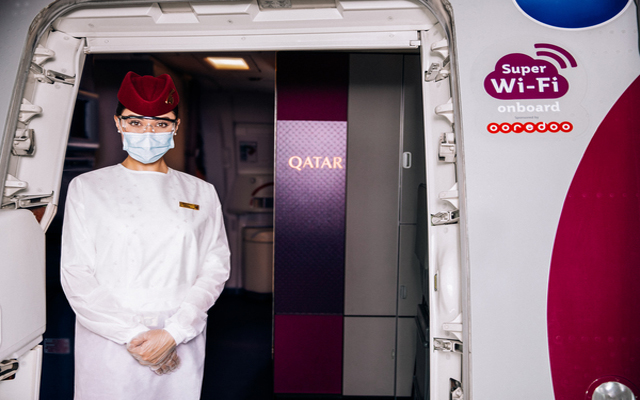
Qatar Airways has rolled out its Super Wi-Fi service across 100 aircraft, making it the airline with the largest number of aircraft in Asia to be equipped with high-speed broadband.
Airbus A350-900 aircraft A7-ALC became the 100th member of the Qatar Airways fleet to be fitted with the service using the GX Aviation technology from global mobile satellite communications provider, Inmarsat.
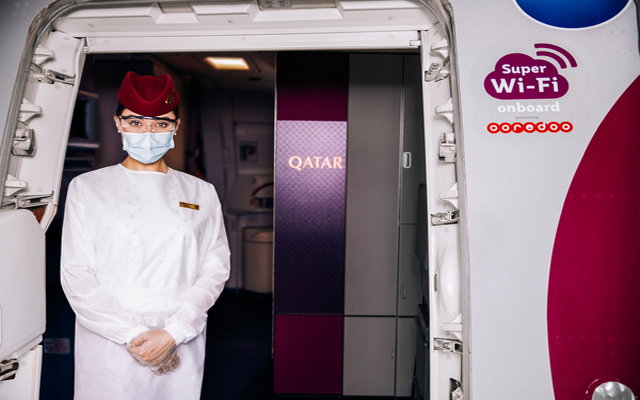
Set to be installed across the airline’s fleet, the feature which was launched in 2018 enables passengers to browse the internet, check social media, stream videos, and more.
Qatar Airways passengers on flights fitted with GX Aviation can receive up to one-hour free access to the Super Wi-Fi service, with the option to purchase full-flight access if needed.
India’s mid-market hotels projected to lead sector’s revival
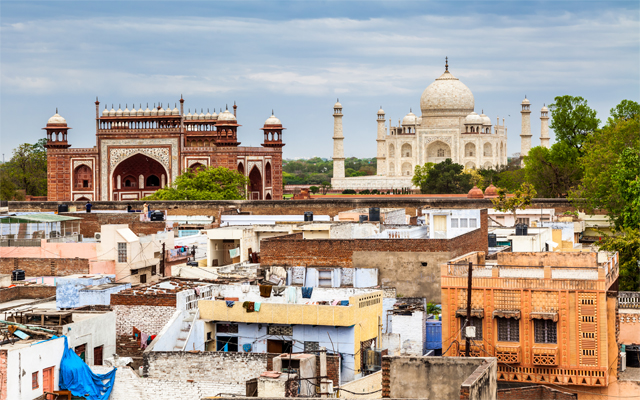
An increased focus on domestic tourism is expected to drive the growth of the midscale segment in India’s lodging industry, as the country further eases domestic travel restrictions, according to a HVS report.
As India enters the fourth stage of the government’s phased reopening, dubbed Unlock 4.0, it is expected that domestic leisure and business travel across the country will gradually recover.
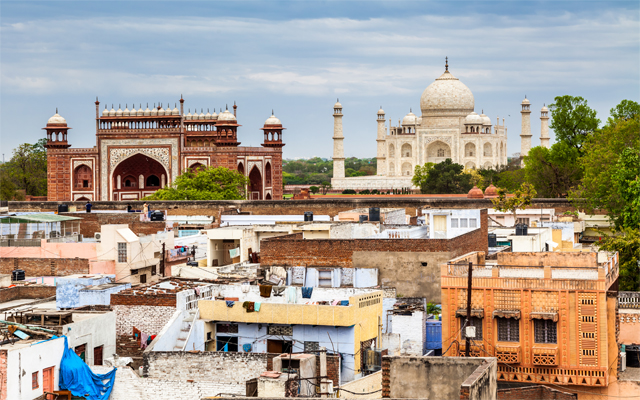
With safety being the key concern among post-pandemic travellers, Indian domestic tourists will pivot to “branded products” as they are perceived to be “safe”, said the report.
At the same time, it added, the ongoing economic headwinds are likely to drive the already value-driven customer seeking a full-service hotel more towards the midscale hotels.
Akash Datta, HVS senior vice president – consulting and valuation, and Dipti Mohan, senior manager – research with HVS South Asia, expect that a growing number of experiential travel-seekers will flock to fledgling leisure destinations in the country, where developing and managing a midscale hotel offers better value proposition.
The growth of this segment will also be fuelled by the rising demand from business travellers, driven by companies’ need to cut costs. Development of industrial corridors in the country has also resulted in increased captive demand for quality midscale hotels around highways, said the report.
Though supply growth is expected to be slower across segments in the current scenario, mid-market hotels will still be a more viable proposition as they require lower investments and can be developed on smaller land parcels, which has often been the limitation in the country for development of large format hotels.
Additionally, midscale hotels, unlike their upscale and luxury counterparts, have a higher ability to offer flexi-pricing and still be profitable due to lower operational costs.
Datta and Mohan said that the learnings from Covid will help future midscale hotels align to a more efficiently built product as contactless needs will lead to smaller public spaces, fewer restaurants and enhanced technology – all of which will help in reducing the capital costs, while increasing revenue generating areas like rooms and providing better returns on investment.
The key deterrents for the growth of this segment have been the high land and construction costs combined with high interest and short loan tenures, which make hotel projects unviable in India, said the report.
To help domestic tourism reach its full potential in India, it added, the government should facilitate the development of midscale hotels by allocating well located, fully zoned land parcels at viable prices or long-term leases.
According to the report, the midscale segment has become the largest sub-segment among the branded hotel supply in India, accounting for approximately 43 per cent of the total supply in the country in 2019.
Millions of jobs at risk as Indian tour operators cry for help
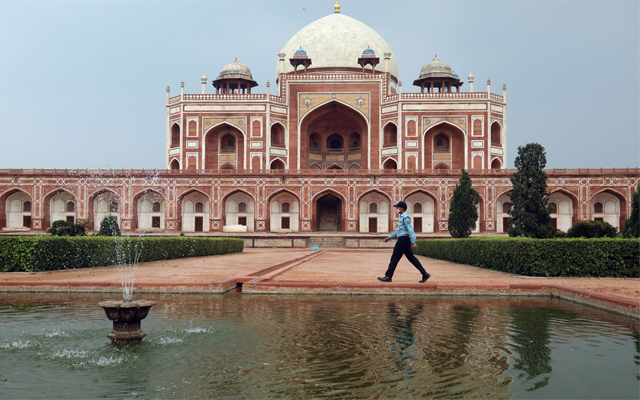
India’s tourism sector is in dire straits, and urgent relief from the government is needed to help tour operators survive the ongoing pandemic, urged Indian Association of Tour Operators (IATO).
IATO president Pronab Sarkar said that the sector, which contributes almost nine per cent to the country’s GDP, is tottering on the brink of collapse, putting millions of jobs at risk, reported Times of India.
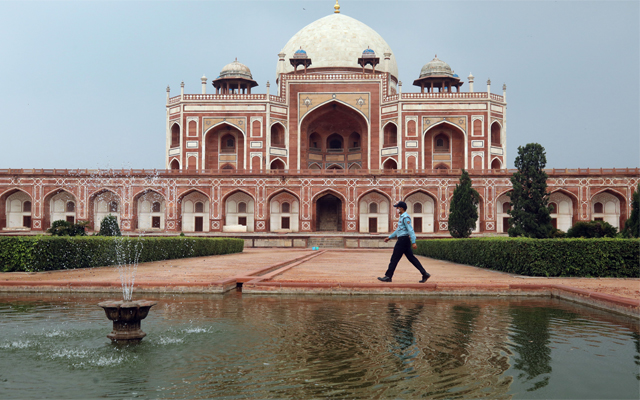
Waves of layoffs and furloughs have plagued the tourism industry, while remaining workers are getting less than 30 per cent salary, IATO said in a statement issued on Monday.
As such, IATO has appealed to the government for various relief measures, including a one-time financial grant of the gross salaries amount paid to the staff of tour operators on the basis of the balance sheet of fiscal year 2018-19 which has been submitted to the government authorities.
The industry body has also requested for the government to raise duty drawback under the Service Export India Scheme from seven to 10 per cent. “Such a measure would go a long way in alleviating the liquidity problem as the sector currently has zero billing and this would help tour operators to survive,” it said.
IATO has also sought amendment in rules with regards to granting of loans to MSMEs, as it claims that at present, only companies which have established relationships with banks are being offered loans.
“We understand the government finances are stretched, and therefore, the measures we have sought do not involve huge outgo from the government but if these relief (measures) can be given now, these can go a long way in providing succour to the stressed sector, failing which many tour operators would shut down,” Sarkar said.
On Monday, India surpassed Brazil to become the country with the second-highest number of Covid cases, recording more than 4.2 million confirmed infections. The high case tally, coupled with limited international flights, is keeping away inbound travellers, according to a GlobalData report.
The same report also stated that up until recently, even domestic tourism was not an option for most Indians as various states had restricted inter-state travel. While all restrictions on inter-state or inter-district movement have since been lifted, it will likely take a long time for tourist volumes to reach pre-Covid levels, it added.
Weighing in on IATO’s plea for government intervention, Animesh Kumar, director of travel and tourism consulting at GlobalData, said: “IATO comprises of 1,600 member businesses covering all segments of tourism industry and many of these businesses are smaller ones. The crisis poses existential risks to smaller players as they lack deep pockets to see them through the difficult times. A helping hand is indeed required for the survival of tourism industry in India.
“However, giving any type of direct financial aid may not be prudent. The Indian economy is not in a healthy state and it will put an additional burden. More importantly, the current cash flow crunch in the tourism industry is an issue created due to the crisis but it is not the root cause. The situation has arisen due to the pandemic and because people have almost stopped travelling. Instead of giving financial grant, it is more important for the government and the industry stakeholders to take steps to bring in inbound tourists.
Kumar cited examples of how travel-dependent economies across the globe have come up with innovative solutions like the SG Clean and Qatar Clean initiatives to boost consumer confidence, as well as implemented travel bubbles, pilot projects and incentive schemes to stir up travel demand.
He concluded: “Understanding and leveraging best practices from other countries/destinations is crucial for all stakeholders in India to come up with the right strategies for the survival and revival of the tourism industry. The government, on its part, must extend support to ease the immediate cash flow challenges through measures like interest-free loans, provident fund relief and GST exemption.”
Costa Cruises returns to sea
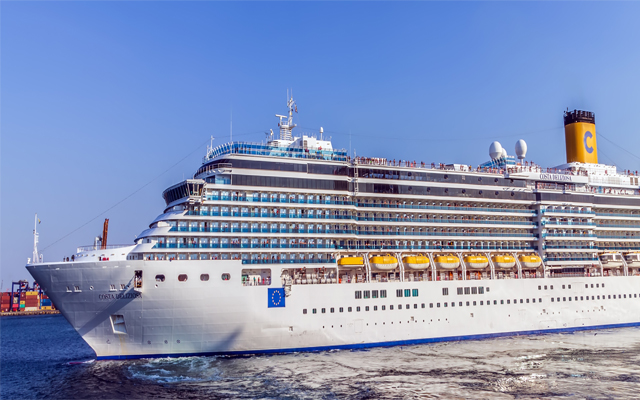
Italian cruise ship Costa Deliziosa is the latest liner to resume services, setting sail from the Adriatic port of Trieste on Sunday, more than five months after the pandemic put global sailings on pause.
This marks the return of the first Carnival-owned Costa Cruises ship to the sea, with a stringent set of health and safety protocols in place.
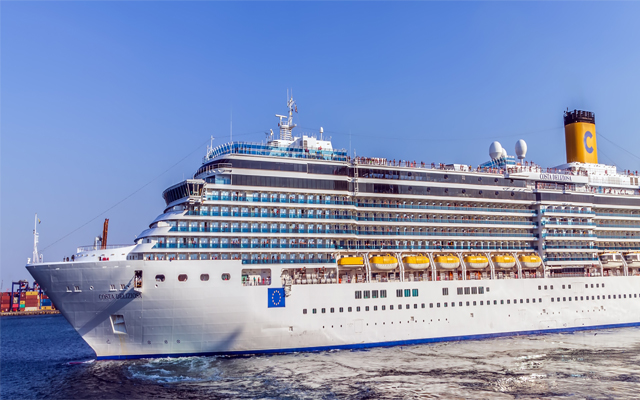
Michael Thamm, group CEO, Costa Group & Carnival Asia, said: “For the last few weeks, we’ve been working together with the authorities on implementation of the new health procedures that will allow our guests to make the most of their cruise experience while ensuring maximum safety.
“Meanwhile, we’re continuously monitoring the situation with a view to gradually reintroducing cruising on more ships from October, with itineraries extended also to include guests from our other markets.”
Costa Cruises said that its resumption arrangements and procedures have been fully advised by the Italian government and relevant health authorities, and are in accordance with the Costa Safety Protocol.
Safety measures for guests include staggered entry timings, online check-ins, temperature scanning, health questionnaires, and rapid swab tests. Guests will only be cleared for boarding once they have tested negative.
Prior to embarking, crew members have also been tested with molecular swab at intervals and been quarantined for 14 days. In addition, each member of crew will have a monthly swab test.
The destinations on Costa Deliziosa’s itinerary can be visited only by joining the protected excursions organised by the company for small groups of people on sanitised means of transport, and subject to temperature measurement before leaving and rejoining the ship.
In line with the safety protocols, the shipboard amenities and entertainment have also been redesigned. New measures include repeat performances of the live shows for smaller audiences; a switch from buffet restaurants to seated dining in the restaurants; a revision in seating capacity in theatres, bars and restaurants; as well as staggered entry timings and capacity caps for select facilities. Enhanced cleaning and sanitisation will also be implemented in all areas on board.
Other measures include increased sanitation frequency, hand sanitiser dispensers throughout the ship, the introduction of self-service clinical thermometer kiosks, as well as medical staff and supplies. Costa Cruises is also the first cruise company to obtain RINA Biosafety Trust Certification.
Costa Cruises said that it is now working closely with relevant national and local authorities to define the dedicated protocols for different countries and areas in Asia, to resume cruise travelling safely as soon as possible.
Rumours fly about Thomas Cook’s imminent return
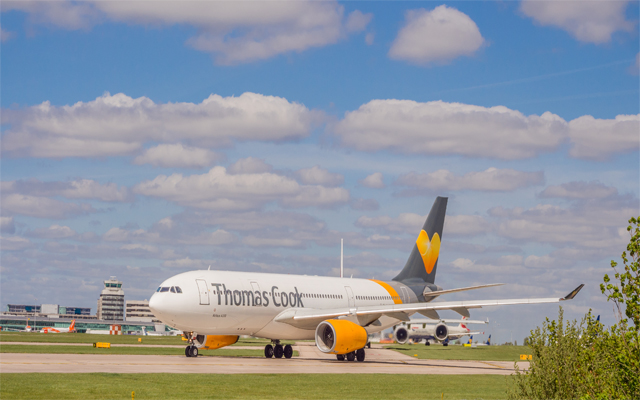
China’s Fosun Tourism Group, which bought the Thomas Cook’s trademark following its collapse last year, is planning to relaunch the famous British brand as an online travel agent.
An announcement of the rebirth of the 178-year-old tour operator is expected in the coming days, even as British travel companies battle headwinds posed by the pandemic, according to a Sky News report.
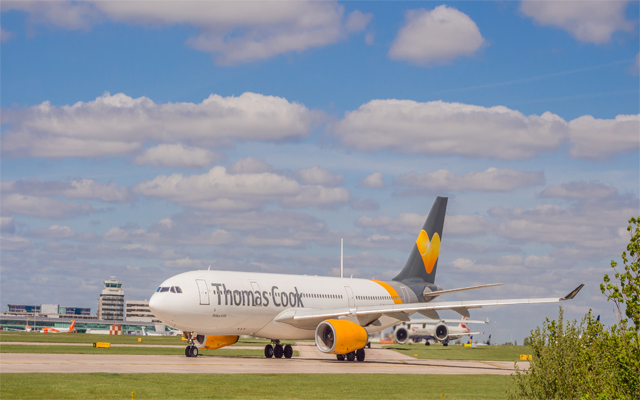
However, the report added, the relaunch would also hinge on Fosun securing regulatory approvals as well as the introduction of further quarantine measures on British citizens.
An insider told Sky News that the timing of the relaunch is uncertain, but that plans for Thomas Cook to be reborn as an online travel agency was at an advanced stage. According to the report, Fosun has recruited a number of former Thomas Cook executives to work on the brand’s relaunch.
Fosun, which had been Thomas Cook’s biggest shareholder prior to the agency’s demise, had acquired the brand’s name and other intellectual property assets for £11 million (US$14.3 million).
Ready for a rebound

The Maldives is among the first countries in Asia-Pacific to resume tourism. It reopened its borders to international visitors on July 15.
However, the pick-up in arrivals has been slow due to various reasons, including continued travel restrictions elsewhere. The general expectation among tourism players is that tourist numbers will only begin to rise from end October or early November.

As at July 31, the destination welcomed 1,769 visitors while 60 resort islands out of over 160 have reopened for business with stringent health and safety measures in place.
Thoyyib Mohamed, managing director of the state-owned Maldives Maldives Marketing & PR Corporation (MMPRC), emphasised that it was more important that the destination was able to sustain the momentum of returning tourists, and acknowledged that departure restrictions imposed by some governments could make it difficult for some travellers to leave for the Maldives.
With these challenges in mind, this year’s arrivals target has been lowered to 800,000, compared to 1.7 million arrivals in 2019.
However, that has not discouraged the destination of more than 1,000 islands from pulling out all the stops to attract visitors. Tourism authorities have also been promoting the Maldives as the safest place on earth to visit during the pandemic, as island resorts are located far apart which allows for natural safe distancing.
Furthermore, the destination has one of the most flexible Covid-19 prevention regimes. Visitors are given a 30-day free visa-on-arrival and are not subject to any testing on arrival. They are also allowed to be whisked to their resort straight from the airport.
Swab tests will be conducted at the airport only if a visitor shows some symptoms of an infection.
Mohamed said that the most important message to the world is that the country is open.
“We are doing a lot of online marketing particularly in Europe, the Middle East, China and India, and constantly engaging with tour operators,” he said, adding that nationals from the UK, Germany, the US and the Middle East were among the first people to set foot on the Maldives since reopening.
And as the destination restarts her tourism activities, a wave of wellness features have swept through the resorts to feed a growing desire for healthy living.
Suresh Dissanayake, assistant vice president for sales and marketing at Heritance Aarah & Adaaran Resorts – Maldives, noted that some resorts are offering vegan food in addition to wellness offerings like yoga and meditation.
Some resorts are also answering the growing call for seclusion, offering travelling groups the opportunity to rent the entire island for themselves.
W Maldives, for instance, is offering its 77 private suites from US$199,000 a night, with access to the entire island and all its amenities.
At press time, Milaidhoo Island Maldives and The Nautilus Maldives were due to exclusively charter a private jet to run a one-off flight from London to the Maldives this summer. The A340 aircraft, featuring 100 flatbed business-class seats, was due to depart from one of Stansted’s private terminals on August 16, flying direct to Male, and return to the UK on August 31.
Many resorts expect business to pick up next year, with Dissanayake saying that 70 per cent of his bookings are for 2021 arrivals.
Most of the main carriers to the Maldives, such as Emirates, Qatar and Etihad, have resumed flights.
To speed up tourism recovery, authorities are discussing a fast lane with China, the country’s biggest tourism source market. The plan is to enable Chinese visitors to avoid any quarantine on their return from the Maldives.
Also in discussion is an air bridge with India and a travel bubble with the UK – both key tourism markets as well.








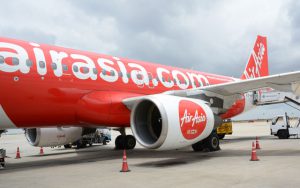
AirAsia Group has teamed up with Vision-Box, a company which specialises in biometrics, automated border management and electronic ID solutions, to implement identity management technology across its network of 152 airports.
The partnership will enable AirAsia to further enhance its digital identity management strategy across the group, with a single enrolment for services at key customer process points, so as to enable a more seamless and contactless travel experience.
The Vision-Box’s Orchestra Identity Management Platform, a collaborative digital platform of real-time data administration and end-to-end customer-centric service management tools, will provide instant analysis, monitoring, reporting and configuration ability.
Orchestra will interconnect with AirAsia’s network to regulate all virtual and physical security and data infrastructure in real-time, bridging and managing the information flow between traveller processing points, multi-source data streams, and relevant stakeholders.
The partnership entails the delivery of FACES (Fast Airport Clearance Experience System), a touchless identification and contactless clearance platform designed for mobile check-in; as well as network-wide digital identity management, a collaborative development to drive organisational data ecosystem expansion and technology enablers across AirAsia’s travel and finance platforms.
Deployment of seamless touchless and contactless experience traveller points across AirAsia’s 24 travel hubs will include mobile digital ID enrolment, biometric facial recognition devices at check-in (FACES), automated bag-drop self-service, roving VPoD for temperature checks, as well as security and boarding VPoD for seamless traveller identification and clearance.