
Is SE Asia ready for the Indian and European travel markets post-Covid?

- Travel spending of leisure and VFR travellers post-pandemic may be impacted due to declining incomes
- Receptivity of South-east Asian countries may influence Indian tourists’ willingness to travel abroad
- South-east Asia’s rural, nature offerings hold potential to attract European remote workers, special interest travellers

Europe and the UK are easing travel and social restrictions as summer approaches and people are venturing abroad. Meanwhile, many parts of Asia are battling a resurgence of Covid-19 infections and fatalities. When virulent strains abate and masses are vaccinated, will European and Indian tourists return to South-east Asian countries? Moreover, will South Asian travellers be welcomed?
These issues were addressed by the ASEAN Tourism Research Association in a webinar on May 6. Two professors described the characteristics of their respective markets and new travel trends that can be tapped to attract tourists back when the health situation stabilises.
Toney K Thomas, assistant professor, Mahatma Gandhi University Kerala, spoke on middle-class leisure tourists and those visiting friends and relatives. Leisure travellers range from millennials to families and retirees.
“Spending level is high relative to tourists from other countries,” he said. “However, income is expected to decline post-pandemic, with the middle-class shrinking by 32 million people.” The national economic stimulus policy will impact discretionary spending, such as on overseas travel. Indian inbound traffic to Thailand, Singapore and Malaysia numbered close to two million, 1.4 million and 600,000 visitors, respectively in 2019.
Individual decision-making will also be influenced by the ‘health belief’, noted Thomas. But it may be more important to watch destination attitude and receptivity towards Indian travellers. He said Covid-19 is unevenly distributed across India. However, much depends on governments deciding whether to “retain the Indian market”.
“Ultimately, what is the receptivity of South-east Asian countries to Indian tourists, given the current dire situation? There are perception issues. So the confidence of the receiving market could be more important than whether Indian tourists are willing to go abroad,” he concluded.
Fréderic Bouchon, associate professor, Institut Paul Bocuse, cited characteristics such as the preference in the UK and Germany for package holidays booked through tour operators, whereas French and Dutch tourists favour independent travel booked through OTAs.
“The pandemic has led to prioritised travel safety and proximity. European tourists also favour unique travel experiences and authenticity, especially in non-traditional destinations where they can mingle with locals,” said Bouchon.
Covid-19 has accelerated a trend towards a slower type of tourism, enabling stressed urban residents to reconnect with themselves, nature and a simpler lifestyle. Domestic rural tourism has soared in many countries. Longhaul destinations may benefit too.
He added: “People favour authentic experiences in different cultural and natural encounters, such as local cuisine and bird-watching. South-east Asia’s rural offer fits well with that trend. Slow-mode transportation and infrastructure are important, such as cycling trails, farmstays and low-density environments.”
Bouchon also proposed tapping into “digital nomadism and workation”.
The distance-work model provides opportunities to relocate permanently or temporarily to sunnier or more affordable places. Those ready to relocate like sunnier climates, while keeping a comfortable income. That has triggered a strong interest in destinations like Barbados and Madeira. South-east Asian countries with a rural hinterland could target this segment.
“However, this presents challenges for the hospitality industry. Hotels will need to rethink the room setting, including office space, and adjust their offer. Other considerations include immigration regulations, visa duration and level of income,” Bouchon said.
“Gig economy nomads have high mobility patterns. Salaried employees are the new opportunity, with more stable income and residence for ‘workation’ – even longer periods up to six months. That could benefit more remote places, especially with longer-term rentals: service apartments, condos and resorts,” he added.
It remains to be seen if South-east Asia’s big cities and rural areas in Indochina and Brunei, for instance, will be able to attract European workation and special interest travellers, respectively, as soon as this winter.
Absolute Hotel Services expands U brand to Karjat

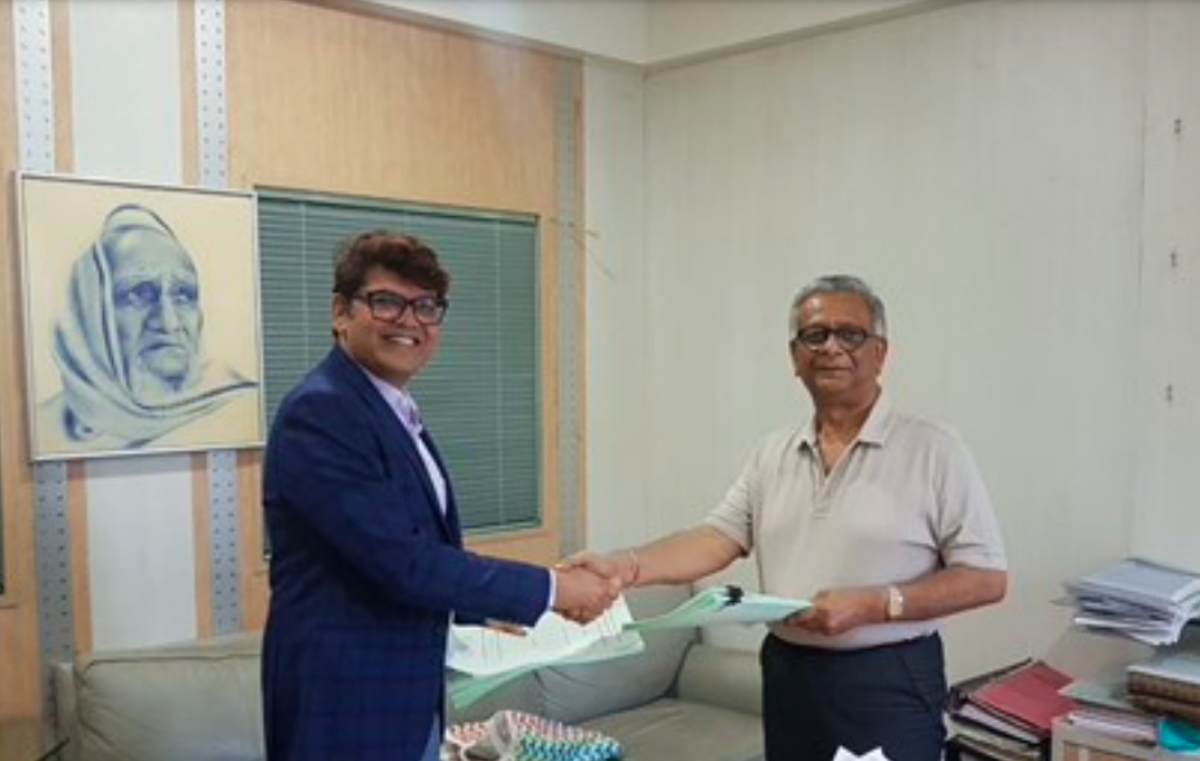
Absolute Hotel Services has signed a management agreement with Rivergate Resort India to open the first U Hotels & Resorts in Karjat, Maharashtra.
Targeted to open in late 2021, U Rivergate Karjat will comprise of 42 rooms and more than 100 individual gated villas.
Located a two-hour drive from Mumbai and Pune, U Rivergate Karjat will be nestled amidst an expanse of 24ha of lush green landscape, along the banks of River Pej.
The existing rooms at the resort will undergo an extensive makeover, while facilities will be upgraded to an international level. Amenities will include an all-day dining restaurant, lounge bar, open-air restaurant, banquets, lawn, gym, spa, games room, kids play area and adventure zone.
Jan Jansen returns to Conrad Hong Kong as GM
Conrad Hong Kong has hired Jan Jansen as its general manager.
Previously in 2016, Jansen first joined the hotel as the hotel manager, before being recruited as opening general manager of Conrad Hangzhou two years later.
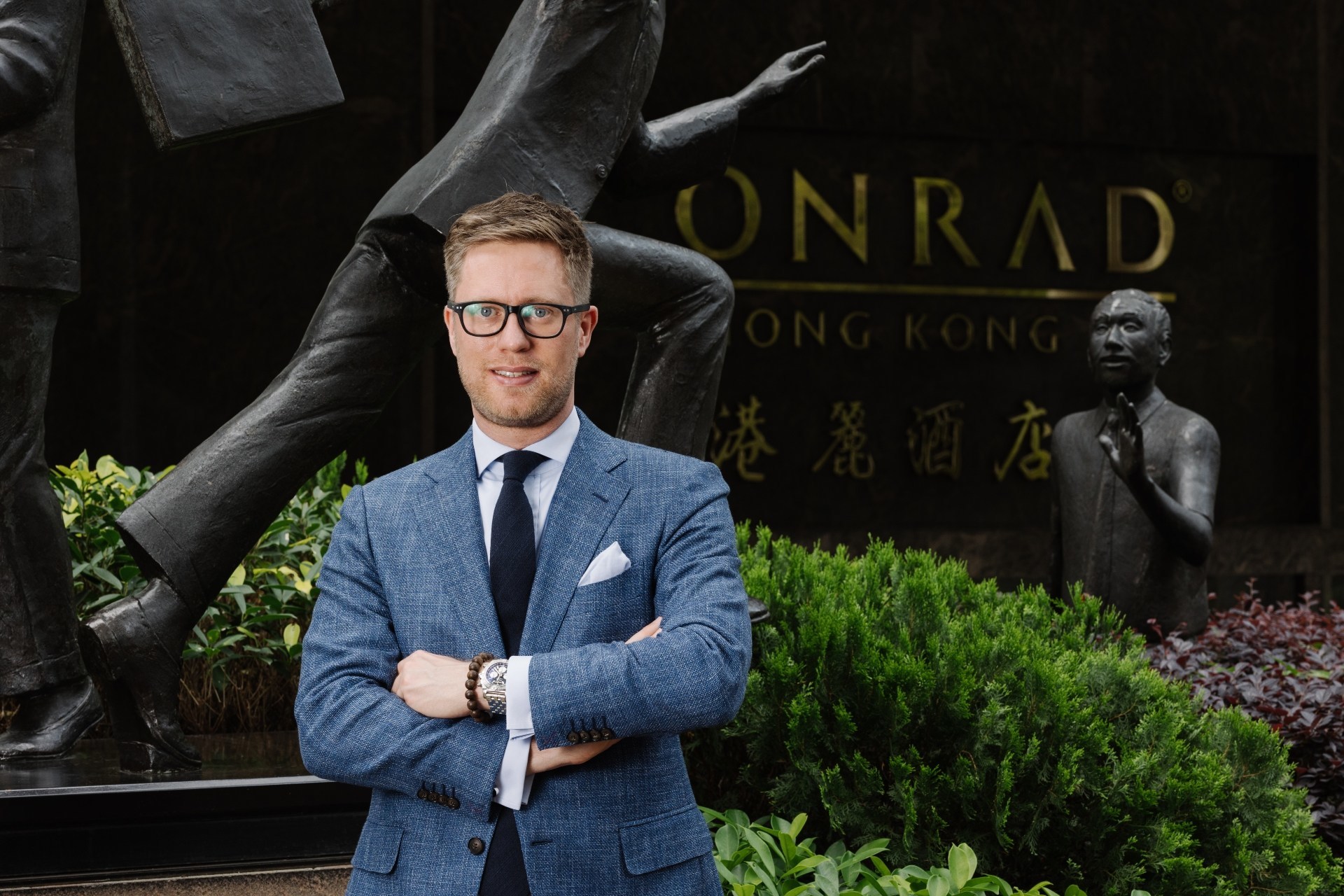
His return this year will play an instrumental role in leading the hotel in adapting to the new normal and creating business opportunities.
Prior to joining Hilton in 2012, Jansen cut his teeth in management at the Rezidor Hotel Group (presently known as the Radisson Hotel Group), particularly in the business development and commercial sectors.
Sharing the wonder of travel with underprivileged kids
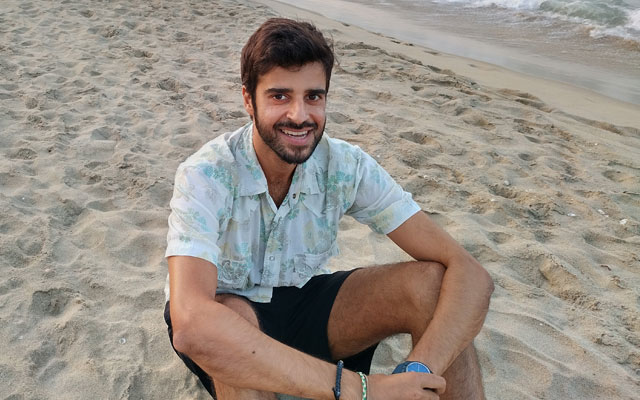
Sustainable tourism practitioner Ameer Virani is offering tourists the chance to spread the joys of travel to underprivileged children in the South-east Asian countries they visit with innovative social project, Share The Wonder.
Virani first came up with the idea of organising fun, educational day trips for poverty-stricken youngsters living in the region while working for EXO Myanmar three years ago.
“Originally, it was my passion for travel and the desire to share that with people in the countries I was promoting,” he said. “I was selling these great packages, and at the same time, thinking that travel is such a privilege. You get to meet new people and learn new things – something every young person should have the opportunity to do.”
Tour operators he spoke with said they often seek sustainable avenues to give back in the countries they sold. However, finding truly beneficial projects can be tough. Additionally, NGOs operating in the countries noted they lack the funds or time to organise trips for the children they work with.
“This is an interesting way for travellers to support children in the countries they’re visiting without having to interact with them, which I don’t think is the right way to go about it,” noted Virani. “It also still feels like it’s an experience as you’re not just donating directly to an NGO, but to a travel project that’s allowing young kids to enjoy some of the activities tourists themselves might be doing on their trip.”
After carefully selecting partner NGOs in Cambodia, Laos, Myanmar and Vietnam to put forward children to benefit from trips, Virani teamed up with EXO Foundation. It works as a fundraising and logistic partner, helping to organise trips on the ground.
In December, Share The Wonder officially launched. To date, it has operated trips in Cambodia, Laos and Vietnam.
“One of the key things is we don’t want to organise run-of-the-mill trips just to get the kids out for the day; we really want to create special experiences,” said Virani. “We put a lot of time into curating each itinerary depending on each NGO and their needs.”

For example, in Laos, Share The Wonder works with Luang Prabang Special Education School, who said its deaf and mute students would benefit from a visit to the nearby Laos Buffalo Dairy. The award-winning social enterprise was able to tailor-make a trip around their specific needs.
While launching mid-Covid has not been ideal, Virani noted it does present opportunities. “Now, a lot of people are talking about domestic travel, flying less in the future and how to travel more sustainably. People are thinking more about how they can do good when they start travelling again.”
In the short-term, Virani plans to organise one trip a month. In the long-term, he hopes to increase this to one monthly trip for each destination. He is currently looking for tour operators and other industry-related businesses to partner with. One trip costs US$25, with partner businesses offering clients the chance to donate or “add-on” the fee to their travels. “It’s like adding a fee for carbon offsetting when you fly somewhere,” Virani said.
All donors receive detailed reports on the trip they have helped finance.
“It’s important young people have the opportunity to learn about and appreciate their own culture,” said Virani. “People travel half way across the world to experience them and that opportunity should be passed on.”
For more information, visit https://www.sharethewonder.org/.
Malaysia Airlines teams up with ReveMax to drive revenue growth
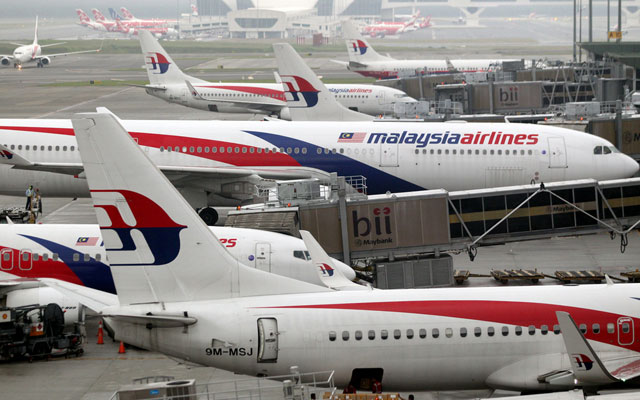
Malaysia Airlines has entered into a partnership with ReveMax to implement the Airline Revenue Maximization Solution (ARMS) to enhance and strengthen the airline’s commercial decision-making and business processes.
Powered by artificial intelligence and machine learning, the platform provides predictive and prescriptive intelligence, connecting different airline departments and guiding them in making smarter strategic decisions with the aim of profitability and sustained financial good health of the organisation.
The partnership allows ReveMAX to leverage its innovative ARMS Solution, a strategic decision support platform (SDSP), to provide a complete and comprehensive picture of the airline’s revenue and cost ecosystem. The system also enables airline personnel to see a transparent and comprehensive view of their airline’s day-to-day health and make an immediate revenue decision based on fact-based data.
Group CEO of Malaysia Airlines, Izham Ismail, said in a press release: “One year into the Covid-19 pandemic, we have seen the importance of having a business that is robust and sustainable, built upon a foundation of digitalisation which has allowed the business to operate as efficiently as possible given the circumstances.”
He added that the airline’s partnership with ReveMax will “create agility in maximising revenue and optimising cost with standardisation and transparency across all related departments”.
Skydive into the tropics at Niyama Private Islands
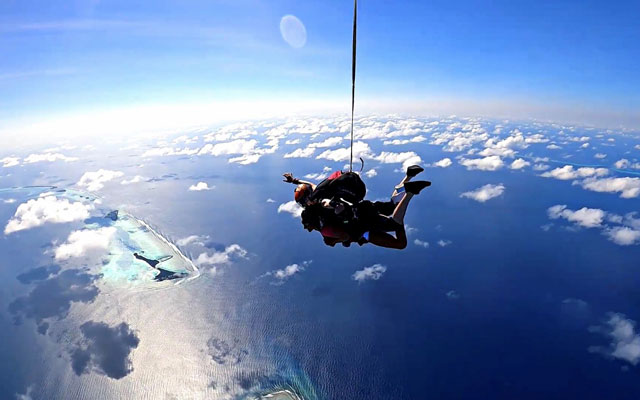
Skydiving has been introduced in the Maldives and can now be experienced by guests at Niyama Private Islands in the country’s southern Dhaalu Atoll.
Launched this month, the new tandem skydiving experience takes place from Dhaalu Airport just a short speedboat ride from the resort.
Tandem skydiving is the best way for first-timers to experience this thrilling, adrenaline-fuelled sport in the safest of environments, with the opportunity to descend over the tropical islands of the Indian Ocean. Guests play an active part in the jump, descending by freefall and parachute, with the seasoned instructor connected from the leap to the landing.
The experience begins with a seven-minute speedboat ride to Dhaalu Airport on a neighbouring island, followed by a short briefing before boarding the plane for a 20-minute ascent to 12,000 feet. The jump involves a one-minute freefall at the extreme speed of 200km/hour before the parachute opens for a five-minute ‘flight’ down to the white sand beaches, where guests can enjoy spectacular birds-eye views of the resort and the wider atoll.
The tandem sky-dive costs from US$639 per person (based on two people skydiving) including the roundtrip transfers to Dhaalu Airport. The dive can be captured by a hand camera for a small additional charge. For those wishing to document their full dare-devil experience, an outside camera can also be arranged with a separate skydiver.
Sri Lanka imposes travel restrictions amid Covid spike
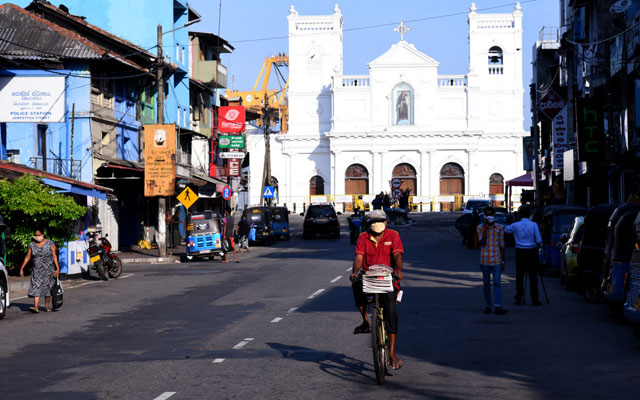
Sri Lanka has imposed islandwide travel restrictions, similar to a curfew, for a 77-hour period, which started from 23.00 on Thursday (May 13), in a bid to contain a surge in Covid-19 cases.
While the government has dubbed it as “travel restrictions”, the move is akin to a curfew and lockdown of the country which will last till Monday (May 17), 04.00. However, all essential services are allowed to continue operations, and international borders remain open, tourism officials said. The decision affected Sri Lanka’s minority Moslem community who celebrated the Ramazan festival on Friday.
The move is in response to a surge in Covid-19 cases, with the daily tally hitting 2,386 as at 13.00 on Thursday, bringing the total number of cases to 132,527 with 869 deaths. This is compared to 969 cases reported on April 23, which was then the second highest daily toll on record.
The spike was triggered by crowds thronging local markets and malls during the Sinhala and Tamil New Year period in mid-April, as well as commuters travelling in crowded buses and trains to their hometown during that week.
The government has announced a ban on all state and private events, meetings, and parties to curb the spread of the infection. Public gatherings such as exhibitions, conferences, indoor and outdoor events, carnivals, musical shows and processions are also prohibited.
Slow travel way forward for post-pandemic recovery
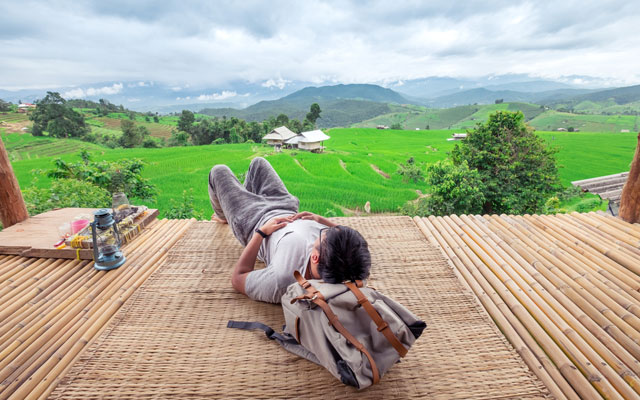
Regional tourism players are shaking up their marketing strategies post-Covid, predicting multi-country holidays will be traded in for slow travel in a single destination when tourism resumes.
“Multi-destination travel has always played a large role for travel in the region,” said Ruben Derksen, Exo Travel Thailand’s director of product and digital.
He cited typical 14-day itineraries from longhaul destinations taking in the cultural heritage sites of Luang Prabang in Laos, Cambodia’s Angkor Wat and Chiang Mai in Thailand before a few days on a Thai beach.
But he said while demand for multi-destination travel will prevail, the practicalities of moving from one country to another will make it unappealing to many tourists.
He added: “If countries allow vaccinated travellers to freely move between destinations, without quarantine on arrival and extensive paperwork, then the proportion of multi-destination travel could remain as it was. If not, then it’s feasible to think we’ll see a focus of travel within individual countries. People are, after all, on holiday and they won’t want to put themselves through any difficulties.”
This sentiment is being felt throughout the industry, as new itineraries and marketing strategies are drawn up to sell countries as single-destination packages.
Ronni Dalhoff, managing director of Diethelm Cambodia, said slow travel will be the new norm. In addition to sticking to one country, he predicts travellers will seek to restrict their movement within the destination.
“People will want to minimise the risk of anything happening,” he remarked. “They won’t be moving around too much.”
To cater to this predicted shift in demand, Vietnam-headquartered LUX Travel DMC has launched DMCs within each of the 10 South-east Asian countries, with each seen as a single destination. Additionally, in Vietnam, it is only selling north, central or south Vietnam tours, as opposed to the usual country combinations.
Pham Ha, CEO and founder, said: “People will want to slow down and choose one destination to feel it and focus on their travel experiences. They will discover, explore, relax, indulge and immerse themselves in local culture and nature.”
Derksen said this presents the opportunity for travel operators to get creative with tours and curate itineraries that dig deep into the essence of destinations.
He added: “Slow travel is better for the environment and allows people to enjoy more time absorbing the beauty of the destinations they travel through. Hopefully, this will (encourage) them to go more in-depth in each country, and explore mind-boggling beautiful destinations.”
Two government members join PATA Executive Board

The Pacific Asia Travel Association (PATA) has welcomed the election of two new government members to the PATA Executive Board.
Abdulla Mausoom, minister of tourism, Republic of Maldives, and Noredah Othman, general manager, Sabah Tourism Board, Malaysia were both elected for a two-year term beginning April 29, 2021.
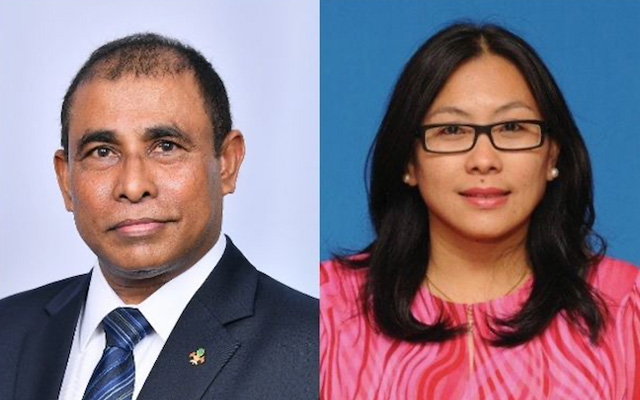
Before assuming minister on August 6, 2020, Mausoom served in the diplomatic corps of Maldives from February 2019 to August 2020. He was the High Commissioner of the Republic of Maldives to the Republic of Singapore and Non-Resident High Commissioner to New Zealand and Designated Non-Resident High Commissioner to Australia.
In his political affiliations, Mausoom previously served as Minister of Tourism & Civil Aviation and Minister of Environment, Energy and Water. Before joining the Cabinet in 2008, he was the Deputy Minister at the Ministry of Tourism and Civil Aviation.
He previously also sat on several boards such as the Maldives Association of Tourism Industry, and at one point in his career, was also general manager of the Sun Island Resort and Spa for four years from 2013.
Meanwhile, Othman wields over 30 years worth of tourism experience and is the longest-serving officer with Sabah Tourism Board. She is responsible for the marketing and promotion of the destination.
Othman has held various positions since October 1990 and served as deputy general manager (support services) from 2016. Prior to that, she was the senior marketing manager for the UK, Europe, Australia and the US markets from 2011 to 2015. She was the marketing manager for the UK, Europe and Australia from 2005-2010.
She started her career as a tourist assistant with the Sabah Tourism Promotion Corporation (STPC), the forerunner of STB, in 1990. Between 1991 and 2005, she held the position of assistant public affairs officer and later as communications manager. In 2015, Othman was awarded the PATA Foundation’s scholarship for Executive Development for Tourism (EDIT) Programme.
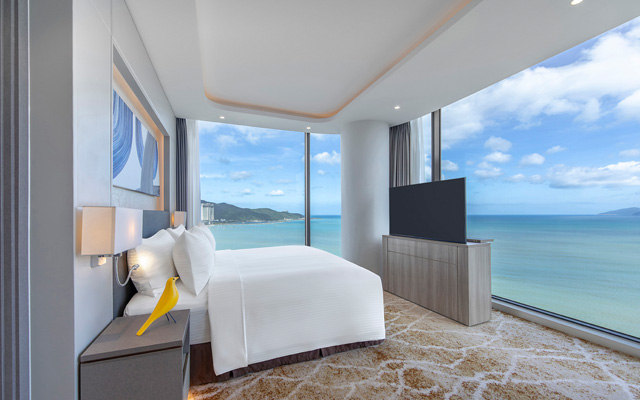








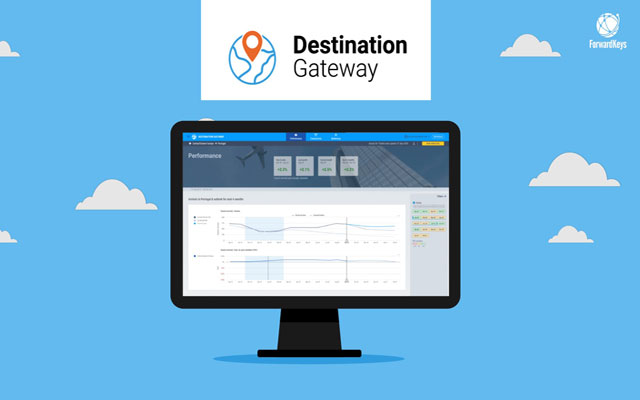
ForwardKeys has launched a new data platform to help tourism boards and DMOs use big data and air ticketing insights in real-time and in actionable ways to speed up the process of recovery planning.
Destination Gateway is an intuitive dashboard and provides for users and business departments with different skills to reach their respective business goals.
Tourism boards and DMOs can monitor their destination’s performance, marketing efforts, and air connectivity at the click of a mouse. A new feature has recently been added to monitor travel recovery more effectively due to the ever-changing travel restrictions and regulations.
“At all stages of development and testing, we included a handful of our DMO clients and partners for their additional perspective, making Destination Gateway unlike many other products available in the market,” said ForwardKeys’ CEO and co-founder, Olivier Jager.
Luis Millan, market researcher and co-developer of Destination Gateway, added: “Nowadays, it is very easy to get overwhelmed by the variety of data and tools out there for tourism bodies. The pressure to be a data-driven organisation is strong. So, this is why I think Destination Gateway will quickly become a favourite as it combines so many aspects relevant to DMOs in the one place and it is not hard to navigate and pretty enough to show in presentations and reports too.”