Asia/Singapore Saturday, 11th April 2026
Page 321

Building back better

0

Cambodia
Country-wide greening
By Marissa Carruthers
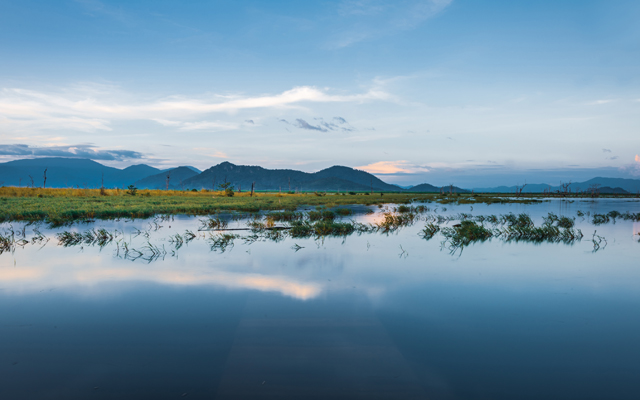
Eight provinces across Cambodia’s protected Cardamom Mountains (pictured) will get tourism development help from the World Bank

Huge efforts are being ploughed into developing Cambodia’s eco-offerings to lure visitors once borders open.

The World Bank has launched its biggest tourism investment in the country – the US$54 million Cambodia Sustainable Landscape and Eco-tourism project. This will span eight provinces across the protected area of the Cardamom Mountains up to the Tonle Sap Lake’s flooded forests and Phnom Kulen in Siem Reap.

As well as encouraging traditional community-based eco-tourism and eco-tourism projects, it aims to engage the private sector in protecting the area and sustainable work. Eco-lodges, adventure activities and camp sites are some of the developments being mooted, with each project given a maximum of 10 hectares in the protected areas.

The ultimate aim of the project is to build back a stronger tourism sector and supplement the income of remote communities to avoid illegal activities, such as wildlife trafficking and logging.

Nick Ray, Hanuman Travel’s product director, is involved with the project. He said: “In terms of recovery, eco-tourism is a very important element and has been growing well domestically here during Covid. When foreign tourists can come back, we expect to see a lot of demand for slow travel and Cambodia has a lot of opportunities for remote activities.”

Ray added the domestic drive has also opened up new opportunities and discovered new spots. For example, camping has proved popular with locals. As part of the World Bank project, a “golden standard” camp site will be created and the model then rolled out to other areas.

He noted: “Domestic travellers have unearthed exciting places, such as fringe areas of the Cardamoms home to grasslands perfect for camping, beautiful waterfalls and trekking. We need to develop these sustainably and ethically for the international market.”

Virginie Kury, Asian Trails general manager, said responsible travel is key to product development for post-pandemic visitors, and there is a wealth to be discovered in Cambodia. She added: “Responsible adventure at Shinta Mani Wild, Koh Dach by local transportation, or cycling on the hidden path of remote temples are just a few examples of what we can offer.”

In Siem Reap, a beautification project is underway. This includes 38 roads in the centre being renovated to make the destination more cyclist- and pedestrian-friendly.
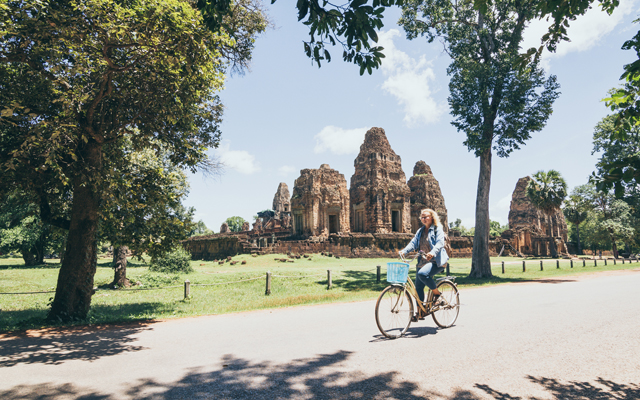
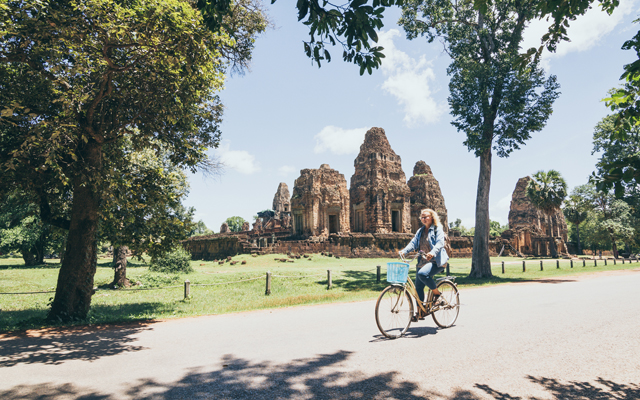
Explore Siem Reap’s temples in an environmentally-friendly way

Steve Lidgey, general manager of Travel Asia a la carte, said a cycling path has been created at Angkor Wat Archaeological Park in response to a huge hike in locals cycling there. When borders open, it is hoped this will encourage visitors to explore in a greener way than the traditional tour buses, tuk tuks and cars.

“It’s a positive development for tourists to visit the temples in an environmentally-friendly way,” he said.

Additionally, areas in Siem Reap province are using this down time to clean up their act. For example, Preah Dak in Banteay Srei district is becoming a model village, with waste disposal and management schemes and solar powered lighting for each household being developed.

Indonesia
Keeping sustainable tourism promises
By Mimi Hudoyo
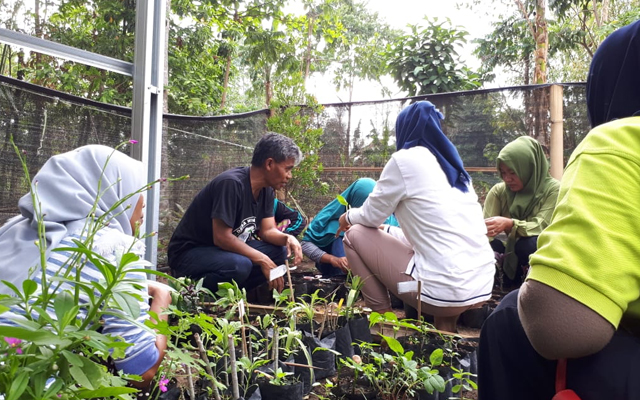
Herbs grown at Bilebante Lombok Tourism Village are sold to earn villagers an income

Indonesia’s Ministry of Tourism and Creative Economy (MoTCE) has made the development of quality and sustainable tourism its priority pre-pandemic, but the value of this quest has only become more apparent as new post-pandemic travel behaviours surface.

Travellers today expect travel to be more personalised, customised, localised and conducted in smaller groups. They also have a greater awareness of environmental conservation.

Sandiaga Uno, Indonesia minister of tourism and creative economy, said environmental social governance would be implemented across the country.
One of MoTCE’s goal is to have Bali tap into only new and renewable energy, deploy environmentally friendly waste management, and utilise electric car and solar panels by 2030.

Along with MoTCE’s responsible tourism development, the Indonesian government is running national campaigns – Bangga Buatan Indonesia to raise awareness of local-made products, and Beli Kreatif Lokal to encourage the purchase of local creative products.

Sandiaga said the campaigns also serve to encourage small- and medium-scale businesses to go digital, and to develop more innovative and competitive products by leveraging local wisdom.

To help small businesses along, especially those in F&B, fashion and craft, the minister provides guidance in drafting digital promotion strategy, developing sales network, building synergy with digital marketplaces, and creating legal entity and obtaining intellectual property rights.

In addition, MoTCE is also campaigning to develop and empower tourism villages – a product that meets the post-pandemic interest in personalised, customised, localised and small-sized tours.

Sandiaga revealed that the development strategy will include adoption of new health and hygiene protocol, digital innovation, and content creation with various parties.

To ensure that village tourism truly benefits the local community, Sugeng Handoko, activist at the Nglanggeran Tourism Village, Yogyakarta, said ownership and management must remain in the hands of the villagers. Relating his story, Sugeng said: “Nglanggeran is owned and managed by 154 locals and (tourism takings) benefit more than 700 community members.”

Pahrul Azim, director of Bilebante Lombok Tourism Village, agrees. He said: “When the community here realises that their daily activities attract visitors, they will appreciate what they are doing for a living.”

For example, Bilebante residents have seen how their traditional herbs – often consumed as medicine and health supplements – have been used to develop beauty and wellness treatments, with the help of renowned Indonesian cosmetic and traditional herbs producer, Martha Tilaar. Since 2019, the village has offered visitors treatments by certified therapists and the sale of herbal products.

Over in South Sumatera, visitors can visit Musi Banyuasin to see how plant-based food packaging and plates are produced. The initiative, a collaboration between the Community Driven Innovation of Conservation Areas and the Regency Government of Musi Banyuasin, uses locally grown areca nut leaves, known as plepah among the villagers, to manufacture compostable alternatives to plastic and Styrofoam food containers.

The production benefits Musi Banyuasin residents, as each plantation plot can take in 15 labourers and provides women folk with an additional source of income, noted Thia Yufada, head of Musi Banyuasin Family Empowerment and Welfare.

The Philippines
Playing up slow tourism and natural draws
By Rosa Ocampo

The Philippines has many natural destinations to explore, such as Asik-Asik Falls, Mindanao

Tourism rejuvenation across the Philippines comprises mainly of delectable sites and activities best served in their natural, raw state with extra dollops of care and concern for long-term sustainability and responsibility.

This approach gives in to what travellers want. Based on a Department of Tourism (DoT) survey, travellers’ preferences are evolving, with most choosing more personalised packages, outdoor activities in well-ventilated areas like beaches, hiking, and biking, and travel with family members for safety.

These preferences have presented opportunities for new products and services with these operative words: sustainable, responsible, CSR, community, interactive, slow tourism, back-to-basics, nature and natural.

Rajah Tours president Jojo Clemente said enquiries are on the rise for interactive or immersive activities, such as farm visits to indigenous communities and culinary tours.

“These are things that we can readily offer as destinations continued to develop these products despite the pandemic,” added Clemente.

He expected Eastern Visayas, Southern Luzon and some parts of Mindanao to be growth areas and to support the spread of income from sustainable tourism.
Better yet, responsibility and sustainability have been woven into tourism rules and regulations, such as the full implementation of the Sustainable Tourism Development Project (STDP) this year.

STDP is transforming tourism communities into resilient, inclusive and sustainable ones with projects that improve drainage, solid waste management and ecosystem-based tourism site management, as well as develop enterprise and skills, according to tourism secretary Bernadette Romulo-Puyat.

As more tourists are drawn to coastal areas, the DoT will conduct awareness seminars for stakeholders on sustainable and responsible marine tourism guidelines in 2H2021, while advocating to educate tourists on sustainable tourism.
“Respecting the ocean and its inhabitants must be the top priority of every tourist who wants to connect with marine wildlife. Learning how to properly engage with these species is a small but crucial step in protecting and sustaining our marine biodiversity,” Romulo-Puyat added.

Overland, the DOT has revised accreditation standards for hotels and resorts. Environmental indicators and sustainable practices are now included in the rating system, to encourage owners to be more environment-friendly in their daily operations.

“Our tourists are more likely to support tourism operators that care for the environment,” Romulo-Puyat said, emphasising the need to provide excellent services without compromising the country’s natural resources and the community.

Slow tourism is expected to gain ground, while community-based tourism programmes are being improved across the Philippines. These are factored in various tourism circuits that are being developed all over the country, including immersion in local and indigenous communities. Offerings include wellness and healing packages that feature various types of local massage, called hilot, and the use of indigenous herbs and virgin coconut oil; various types of cloth weaving or habi; endangered artistic practices; slippers or tsinelas crafting; and cooking local delicacies.

During the last Virtual Luzon Regional Consultative Meeting, Fanibeth Domingo, chief tourism operations officer of Cagayan Valley and Northern Philippine Islands Region, unveiled the New Normal Tourism Circuits that include adventure sports, culture and heritage, flora and food, and water sports.

Carolina Uy, Central Luzon tourism regional director, said that given Filipinos’ penchant for eating with family and friends, they are improving their tourism products with slow food and slow travel caravan to Pampanga and Bulacan, both known for their heirloom cuisine, combined with farm visits.

Thailand
Building destinations that support locals
By Suchat Sritama
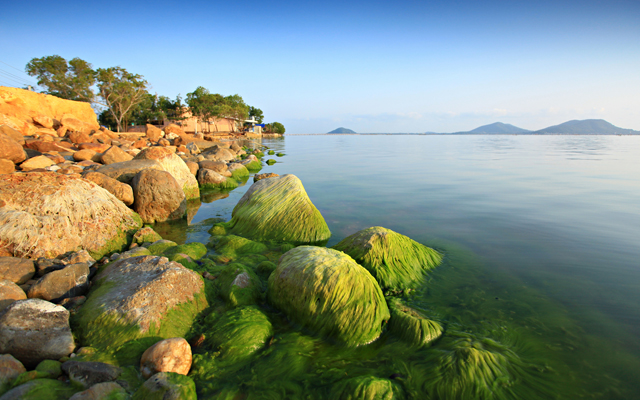
Songkhla Lake region in southern Thailand will be redeveloped sustainably for tourism

Thailand’s travel and tourism industry is determined to build back better post-Covid-19 through responsible tourism products and a stronger focus on distinctive sites that appeal to special interest groups.

Established in 2003 to fulfil the latter goal, the Designed Areas for Sustainable Tourism Administration (DASTA) will develop three destinations based on responsible tourism and community support over the next few years. The regions earmarked for this are: Songkhla Lake in the south, which straddles three provinces Songkhla, Phatthalung and Nakhon Si Thammarat; Chiang Rai province in the north; and Bang Kachao in Samut Prakan province, near Bangkok.

DASTA director-general Athikun Kongmee also revealed that the agency has plans to promote local culture and natural geology in the Nakhon Ratchasima, Buriram, Sisaket, Surin and Ubon Ratchathani province.

DASTA has achieved success in what it set out to do. In May this year, it launched the Korat Geopark project in Nakhon Ratchasima province, in hopes of bringing the site into UNESCO’s International Geosphere-Biosphere Programme.

Should the effort pay off, Nakhon Ratchasima will join Sakaerat Biosphere Reserve and World Natural Heritage Site of Dong Phayayen in donning UNESCO crowns.

Athikun believes that the Korat Geopark project will entice nature- and adventure-lovers from within and beyond Thailand, while the new elephant fossil park within will allow the destination to compete on a global scale.

Korat Geopark entices nature- and adventure-lovers

Beyond destination development, DASTA shoulders another critical responsibility – to drive increased income into local communities, preserve the local environment, and nurture local entrepreneurs.

In 2020, tourism revenue flowing into communities developed by DASTA rose by 10 per cent despite the pandemic.

As Thailand shapes its tourism future on home ground, efforts are also invested in destination promotions overseas. Yuthasak Supasorn, governor of the Tourism Authority of Thailand (TAT), said offices overseeing Europe, Africa and the Middle East are shining the spotlight on several regenerative responsible tourism routes that combine major and secondary cities. Each route caters to a niche interest – cultural route Kanchanaburi to Samut Songkhram; vegan route Chiang Mai to Mae Hong Son; gem and jewel route Chantaburi to Trat; and coffee route Chumphon to Ranong.

Dubai Tourism ropes in Hollywood stars Jessica Alba and Zac Efron for new global campaign

0

Raffles Hotels & Resorts marches on with global expansion

0

Raffles Hotels & Resorts continues to grow its global footprint, with the planned opening of flagship properties in Dubai, Udaipur, Bahrain and Macau later this year.

Set to open its doors in 4Q2021, Raffles the Palm Dubai will be the first Raffles resort on the Palm Jumeirah – the world’s largest man-made island and archipelago. Located across 100,000m² of landscape on the West Crescent, the 389-key property will feature eight bar and restaurant concepts.

Raffles is set to open flagship properties in Dubai, Udaipur, Bahrain and Macau later this year

Raffles Al Areen Palace, Bahrain is located near the island’s protected wildlife park and reserve, and will offer 78 opulent pool villas, and a spa. A collection of one- and two-bedroom villas will feature living and dining areas, an office, and master bedrooms with ensuite bathrooms.

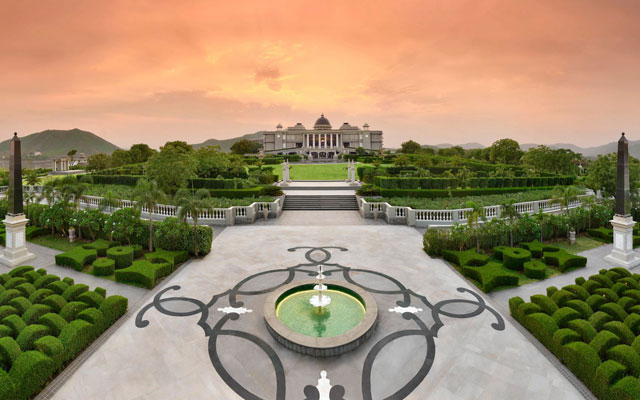
Raffles Udaipur, India’s first Raffles hotel, is set to open this year on a 8.4ha private island in Udai Sagar Lake. Surrounded by spectacular hills and a view of the 400-year-old temple in the background, the property has 101 rooms, each with a private pool.

Located on Galaxy Macau’s east promenade, Raffles at Galaxy Macau is an architectural landmark featuring a glass airbridge that connects the two towers on every floor. The property will be home to 450 suites, with some featuring private pools and gardens.

In 2022, Raffles will debut flagship locations in Doha and Jeddah.

A cultural tribute to Qatar’s heritage, the Iconic Towers in Lusail, a representation of Qatar’s national seal, will be home to the new Raffles Doha. A property with 132 suites and 49 apartments, the combo hotel will feature entertainment and recreational facilities, boutique shopping, movie theatres, restaurants and a cigar lounge, as well as meeting spaces.

Inspired by the rich history of Saudi Arabia and Jeddah’s old town architecture, Raffles Jeddah will have 181 guestrooms – including a wedding suite and penthouse suite – and 188 branded residences. Alongside six restaurants and lounges, there will be a library, spa and fitness club. The hotel’s meeting facilities include a 1,500m² ballroom overlooking the corniche and 1,000m² of conference rooms.

ACI World updates airport operations business recovery guidance

0

Malaysia’s largest Escape theme park to rise in Cameron Highlands

0

Orchid Haven opens at Gardens by the Bay’s Cloud Forest

0

Qantas to require digital health pass for international flights

0

Brewing a barrel of fun

0

Hong Kong
Sharper culture and heritage draws
Hong Kong’s tourism appeal continues to evolve, with a slew of new and iconic cultural attractions set to rise in the next six to eight months.

The long-awaited M+ in West Kowloon Cultural District is expected to steal the limelight. Scheduled to open in late-2021, this 60,000m2 world-class large-scale contemporary art museum will be the largest of all recent museum openings in the region.

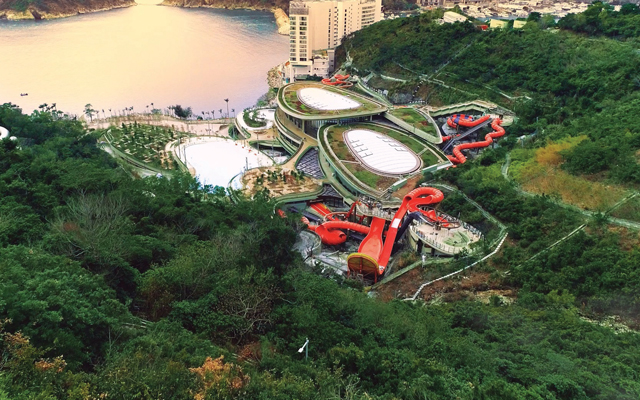
Ocean Park, Hong Kong’s Water World

In unison with the museum’s opening, the Hong Kong Tourism Board will extend its Hong Kong Neighbouhoods promotional campaigns to the West Kowloon Cultural District, which includes Yaumatei, Jordan and Tsimshatsui, to provide an all-encompassing art, cultural and historic experience.

On the other side of the harbour, the 82-year-old Bauhaus-style Central Market has been given a new lease on life as a new-age marketplace, set to open in 3Q2021. The 134-year Pokfulam Farm (Old Dairy Farm Senior Staff Quarters) is expected to reopen in July as a heritage hub bringing together the 60-plus historical spots around the Pokfulam neighbourhood.

That’s not all for culture vultures and history buffs – Tai Hang Fire Dragon Heritage Centre will launch in 4Q2021, tantalising visitors with exhibits that harness augmented and virtual reality technologies. It will also host workshops, seminars and talks.

Fun-seekers can also look out for the new Water World attraction within the Ocean Park water theme park this summer.

Discova’s country manager, Sandy Ho, said Hong Kong’s new attractions would inspire greater interest from longhaul markets and even encourage longer stays.

Gunther Homerlein, Destination China’s general manager/owner, is particularly excited about the M+ museum and the developments within the West Kowloon Cultural District. He said: “It will always be beneficial (for Hong Kong) to have a museum of international standard. Hopefully, it will have some signature pieces that can put it on the map.”

He added that the West Kowloon Cultural District has strong potential for events. – Prudence Lui

Japan
All-rounded additions
Post-pandemic travellers to Japan can look forward to more adventurous attractions and regional offerings than ever before as tourism development continues through 2021 and 2022.

A series of new launches will allow visitors to enjoy the outdoors, local experiences and unique accommodation, powering up Japan’s existing wellness and cultural appeal.

National Ainu Museum and Park Upopoy, Hokkaido, Japan/Courtesy of The Foundation for Ainu Culture Upopy

In Hokkaido, the National Ainu Museum and Park Upopoy, which are dedicated to Japan’s indigenous people, the Ainu, opened in July 2020.

Over in Kyushu, there is a spike in activities, resorts and glamping options. Simon Metcalfe, representative of Kyushu Tourism Promotion Organization, attributed these developments to Kyushu’s “steady preparations” for tourists pre-pandemic as well as its “lush nature, surrounding oceans and many islands.” He also noted the region’s “connection to and co-existence of nature and the locals”.

Many new cycling tours have been launched in Kyushu, including Hassenba in Hitoyoshi and Kumagawa. The three-hour, 4.5 km route takes in key sightseeing spots such as Hitoyshi Castle ruins.

Cycling tours are also poised for growth in other regions once inbound visitors return, thanks to an uptick in interest among domestic travellers during the pandemic.

Japan’s unique accommodation inventory is set for expansion, with several interesting openings to come.

Sea Cruise Glamping Kumamoto Amakusa, which offers ocean views from all rooms and dolphin-spotting, will open in July 2021.

Hoshino Resorts KAI Poroto will open its doors in January 2022. Located near Hokkaido’s Upopoy, the resort is designed to provide a place for guests to experience Ainu culture and “understand what co-living with different ethnic groups is,” according to the hotel company.

Treeful Treehouse, a sustainable resort powered by solar energy in the north of mainland Okinawa, is slated to open in the 12 months. The luxury riverside treehouses will boast panoramic views, beautiful interiors as well as modern comforts including air-conditioning.

Major theme parks are also joining Japan’s tourism portfolio. They include the newly opened Super Nintendo World in Osaka and Studio Ghibli Theme Park in Nagoya, which is expected to welcome visitors in 2022.

Popular local theme park Fuji-Q Highland has added another fun element – the 55m Fujiyama Tower, comprising a Sky Deck with sky walks and a Slider tube-type ride to the bottom. There is also an observatory offering views of Mount Fuji. – Kathryn Wortley

Macau
Bright lights, family delights
The glittery city of Macau is expanding its family fun repertoire, with unique museums, theme parks and adventure games to charm travellers of all ages.

Studio City Water Park debuted in May this year, showing off a variety of spectacular aquatic rides and adventures. The attraction is the result of a major revamp that Studio City Macau integrated resort undertook.

Studio City Water Park, Macau

The rejuvenated Macao Grand Prix Museum followed next, with an opening on June 1. Now occupying a larger space, the museum showcases the history and thrill of the Macau Grand Prix in an innovative way, with several interactive games and entertainment for everyone.

Coming up next, Lisboeta Macau will launch ZipCity, a zipline experience, and GoAirborne, an indoor skydiving facility.

Destination specialists are certain that Macau’s latest attractions will appeal to travellers from a younger age bracket as well as mainland Chinese travellers, who tend to gravitate towards novel offerings. – Prudence Lui

Singapore
Next play hub for young and young-at-heart
Singapore’s garden city reputation may have to make space on the pedestal for a new label, judging by the attractions that have opened this year as well as those coming up in 2022.

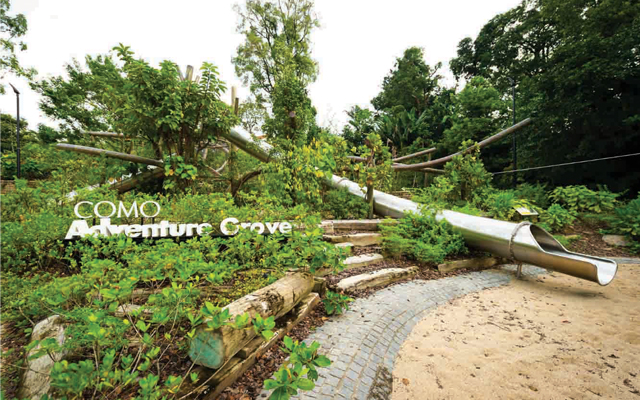
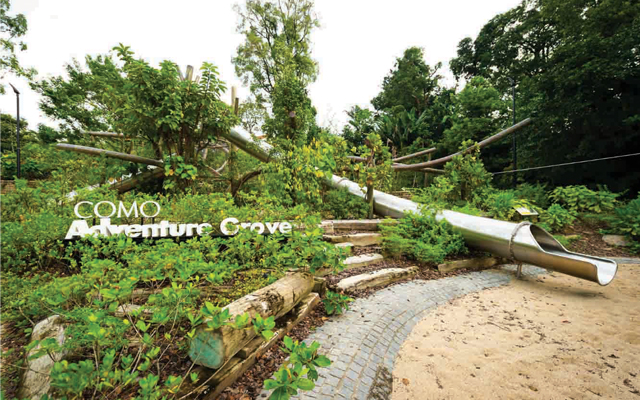
COMO Adventure Grove, Singapore

Fresh fun picks that have emerged this year, such as the COMO Adventure Grove nature playground at the Singapore Botanic Gardens, Coastal PlayGrove at East Coast Park and ForestPlay SG adventure park on Sentosa, are boosting Singapore’s family travel appeal. Their outdoor play approach also speaks to the growing preference for activities in open spaces that allow for good ventilation and safe distancing.

Adding to Singapore’s growing play hub status is US-based experiential attraction Museum of Ice Cream (MOIC), which will open its first international outpost in Singapore this August.

Located in Dempsey, MOIC will feature 14 never-before-seen installations dedicated to the celebration and experience of enjoying ice cream. These include a fully functional, Singapore-inspired Dragon Playground; a pink and yellow jungle with 10,000 bananas; and the largest MOIC sprinkle pool ever created.

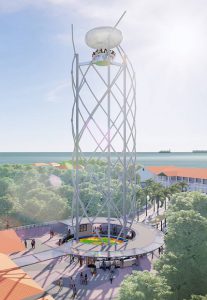
SkyHelix, Singapore

Later this year, Slingshot thrill ride will debut at Clarke Quay. It is said to be the tallest ride of its kind in Asia, with the ability to catapult riders almost 70m into the air at high speed.

Singapore’s attraction inventory will continue to grow in 2022, with Sentosa launching SkyHelix, the city-state’s first open-air panoramic attraction to offer scenic views of the resort island and Southern Waterfront. Guests can enjoy a drink as the rotating gondola gently ascends 35m above ground.

In revealing some of the new tourism developments back in April 2021, Singapore Tourism Board’s (STB) chief executive Keith Tan emphasised that Singapore was not in “hibernation mode” despite the pandemic, and the new products would “help us get ready for recovery” and the eventual return of international tourists.

In addition to new draws, work is also underway to update existing attractions and tourism precincts. A new event space is set to emerge on the Orchard Road shopping belt in 2022, while a vacant site in the same prime district has been earmarked for a new attraction concept.

To further strengthen the lifestyle appeal of the Orchard Road district, STB is working with the Orchard Road Business Association to scale up the programming of the annual Christmas on a Great Street and Orchard Road Black Friday events later this year.

Tan described these projects as “a welcome breath of fresh air among the Covid-19 negativity in the past year”. – Karen Yue

Vietnam
Fresh destinations to explore
The pandemic has failed to halt tourism development across Vietnam, as new destinations have sprung to life.

Secondary destinations such as Pu Luong, Mai Chau, Phu Yen and Yen Bai have become shining stars during the pandemic, as domestic travellers seek new spots to explore.

Centara Mirage Resort, Mui Ne, Vietnam

Pham Ha, CEO of Lux Travel DMC, said: “New destinations and resorts have become trendy with local travellers looking for authentic and unique experiences. This will provide new experiences for international visitors once they can travel.”

Exclusive Avana Retreat Mai Chau opened its doors in April, and is already proving popular.

In Mui Ne, the new Centara Mirage Resort, owned by Novaland, will appeal to families with its multiple pools, child-friendly zones, and gaming and technology-based entertainment for teenagers and young adults.

Linh Le, founding partner of Luxperia DMC, said ‘tween-agers’ are particularly drawn to indoor entertainment, and Vietnam’s destination operators will do well to offer such activities.

Sungroup has also rolled out multiple projects on Phu Quoc island. Most notable is Sun Premier Village Primavera, a destination built to resemble the Italian Amalfi coast – complete with shophouses, restaurants, residential properties and hotels.

Also on Phu Quoc, VinGroup officially launched its US$2.8 billion Phu Quoc United Center in April. It takes in VinWonders Phu Quoc, said to be Vietnam’s largest theme park; an animal conservation park; an 18-hole golf course; a shopping and entertainment precinct; business events facilities; multimedia shows; 24-hour street markets; and even a hospital.
With cruising gaining fans among the local crowd, Ha noted that Lan Ha Bay and Cat Ba archipelago now offer even more cruising options that will also benefit international visitors. – Marissa Carruthers

Empty Malaysia hotels get second life as long-stay lodgings

0

A few months into the pandemic that ravaged Malaysia’s hospitality industry, a pair of co-living space owners operating in the city centre was approached by a neighbourhood hotel in Kuala Lumpur to help fill up its vacant hotel rooms.

Leveraging on their co-living experience, the duo managed to help the hotel secure 30 guests staying for one month or longer within the first few months.

Liew: Hotel rental platform Roomah aims to deliver a seamless booking experience for customers

Buoyed by their success, the savvy pair, Jordan Liew and Henry Liu, got the idea to work alongside hotels in Malaysia to convert a portion of their rooms into medium and long-stay accommodation. Thus was born Roomah, a Malaysia-based rental accommodation startup focusing on providing flexible monthly stays to renters.

As movement restrictions and the remote working paradigm shift funnel guests towards extended-stay hotels, Roomah aims to capture this growing demand and help put heads in beds during the pandemic.

Liew, co-founder and chief experience officer of Roomah, said that he and Liu, co-founder and CEO, saw a gap in the market for hotel booking platforms that allow users to book longer stays, with existing platforms targeted at short-term stays.

Alongside the team’s CTO, Kevin Ong, they decided to create a rental platform for hotels to list their accommodation bookable on a monthly basis at affordable rates.

Roomah was launched in May 2021, after a year-long pilot test. Filling hotel rooms aside, Roomah also aims to make the booking process seamless for guests, allowing them to book move-in ready or plug-and-play hotels for long stays with just a few clicks.

Explained Liew: “We have designed our platform (such that the) user can complete the whole booking process in five minutes via a web page or soon-to-launch mobile app.”

“Unlike traditional year-long leases, we want to ensure users don’t have to go through various channels, multiple viewings, price comparison and lengthy negotiations to find a suitable accommodation for longer stays. We make this happen by providing a standardised renting experience, both online and offline.”

Besides giving detailed information on each hotel listing, Roomah also provides virtual tours of each property to give users the confidence to book immediately.

All listings on the Roomah platform come fully furnished, with weekly cleanings, 24/7 online concierge and high-speed Wi-Fi. Resident perks include special merchant discounts, complimentary laundry services, yoga mat and other amenities.

New opportunities, new challenges
With selling long-term hotel stays, the biggest challenge is to educate the market about hotel living as users are not accustomed to the idea of staying long-term in a hotel, opined Liew. “In general, renters finding a place to stay for long-term will only look for conventional accommodations such as apartments and landed houses,” he said.

Liew added that the team strives to bring about a mindset shift by promoting the benefits of hotel living such as having all-inclusive rentals, fully furnished space, weekly housekeeping and 24/7 concierge support.

The Roomah team is currently in discussions with several hotels to redesign their rooms for a better long-stay experience.

Amenities wise, Roomah operates a hybrid model, according to Liew. The company allows hotels to list on its platform just like Booking.com and Agoda, while at the same time providing these hotels some long-stay amenities at their own expense.

All hotels on Roomah are situated at locations offering great accessibility and convenience to guests

Converting hotel guestrooms designed for short-term stays into medium and long-stay accommodations come with its own set of challenges.

“We identified the lack of kitchen facilities and readily available laundry services as main challenges to welcome longer-stay guests,” said Liew. He added that the company partners with laundry providers to provide pick-up and drop-off laundry services to its residents, and is currently in discussion with several hotels to build a communal kitchen so residents have the option to cook.

“There is also an alternative to include an induction cooker and microwave in each hotel room, however, that will be subject to each hotel’s approval,” he said.

Roomah for growth
Opportunities to optimise hotel inventory in Malaysia existed even before the pandemic.

Liew noted that pre-pandemic statistics showed that the average occupancy rate of hotels in Malaysia hovers around the 65 per cent mark, with occupancy rates for even the best-performing hotels rarely exceeding 80 per cent.

“This means at any given time, there will be 20 per cent of hotel rooms left vacant, and we hope to work with hotels to continue unlocking values of these unutilised hotel rooms by accommodating long-stay guests,” he said.

The hybrid work format and tighter budgets as a result of Covid-19 have placed hotels in a sweet spot to capitalise on the growing extended-stay demand by marketing themselves as a cost-effective lodging option to price-sensitive renters.

Opined Liew: “The various lockdowns imposed by the (Malaysian) government have caused the depletion of cash reserves of many individuals. Now, renters would prefer lower upfront-cost accommodation options such as hotel living and co-living.”

Since its launch, Roomah has received about 100 bookings, with average length of stay about three months now. Liew observed that customers are staying longer in a hotel now as compared to when they were just starting out, with the platform’s guests largely made up of interns, new hires, digital nomads and contract workers.

Roomah typically charges between 10-18 per cent of commission for each hotel listing, depending on the types and prices of rooms being advertised.

While Roomah’s business has been battered by Malaysia’s protracted lockdowns, Liew said they are using this downtime to improve their product features and work closely with more hotels and new partners to prepare for the eventual upturn.

Currently, there are 10 hotels on the Roomah platform, ranging from three- to five-star properties, with all situated in the Klang Valley. The company aims to reach 20 hotels in the Klang Valley to cover all key areas in the short-term, said Liew.

“We also aim to form strategic partnerships with start-ups, corporates, or student organisations that could add value to the ecosystem such as job portals, smart locker providers, BPOs and co-working spaces,” he added.

The company also plans to expand into Penang and Johor Bahru by year-end, and beyond its home ground to other regional cities, starting with Bangkok and Ho Chi Minh City in 2022.

However, the team’s ambitions go beyond the extended hotel stay segment.

Said Liew: “Hotel living is just the beginning. We are constantly working with hotels to think of ways to create more product offerings that fit the needs of users.

“In addition, we plan to work with boutique hotel owners to convert their hotel into a co-living building. This will create more affordable and flexible options for renters to live within the cities.

“In a nutshell, our vision is to create a world where people have the freedom to choose where to live and work. Roomah does this by repurposing and unlocking spaces that were once difficult to access or unsuitable to become more accessible and convenient.”

Looking ahead, Liew predicts Malaysia’s tourism recovery will be “sluggish” for the next six months, after which a vaccine-led rebound will be steered by domestic tourism. “In terms of international travel, it will be harder to predict as it depends on vaccination progress and travel restrictions imposed by other countries,” he said.

Overall, Liew expects that tourism will not return to pre-pandemic levels until earliest 2023. As such, he believes “it is imperative for hotel owners to take a proactive approach in exploring new ideas and alternative approaches in running their hotels over the next few years, while waiting for full travel to return”.

UNWTO partners with Destination Capital to promote investments in sustainable hotels

0