Asia/Singapore Saturday, 11th April 2026
Page 312

New hotels: Centara Mirage Beach Resort Dubai, Oakwood Hotel Oike Kyoto, and more

0

Centara Mirage Beach Resort Dubai, the UAE
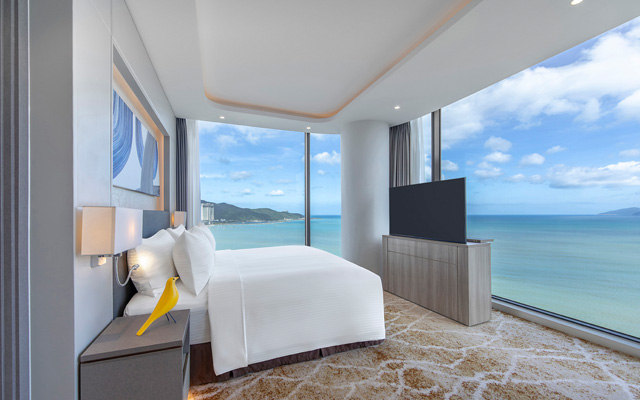
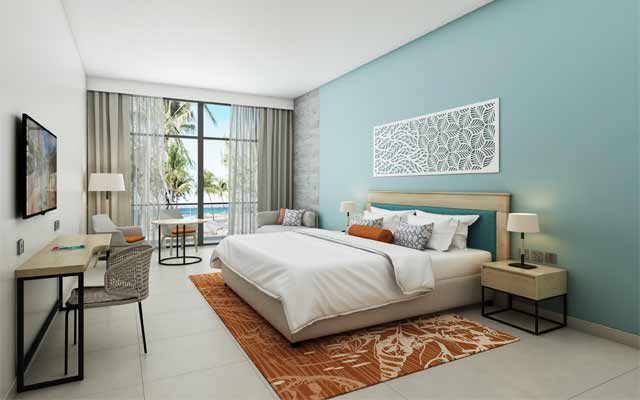
Thailand’s Centara Hotels & Resorts marks its debut in the Middle East with the opening of Centara Mirage Beach Resort Dubai. Nestled on the Deira Islands, just 30 minutes from Dubai International Airport, the themed resort offers 607 rooms and suites, ranging from Superior, Family and Mirage Rooms to Junior and Two-Bedroom Suites with 32 to 95m2 of bright, contemporary space and panoramic city or sea views.

Mirage represents Centara’s themed family resort concept, featuring facilities like a water park, three kids’ clubs, an outdoor playground, a candy-themed children’s spa, fitness centre, Spa Cenvaree, and the Mirage Family Lounge. Rooms offer flexible bedding options including bunk beds that accommodate up to two children. Nine dining venues are on offer. Suan Bua specialises in Asian cuisine, while Uno Mas is a traditional Argentinian grill with its own wine cellar. Fresh seafood and prime meats can be savoured at Sands, the casual beach club; Waves Pool Bar and Zing promise refreshing drinks and light bites; and Sheesh is a chic rooftop shisha lounge and Lebanese restaurant. As well, meeting planners can host events in a choice of indoor and alfresco function spaces.
Oakwood Hotel Oike Kyoto, Japan
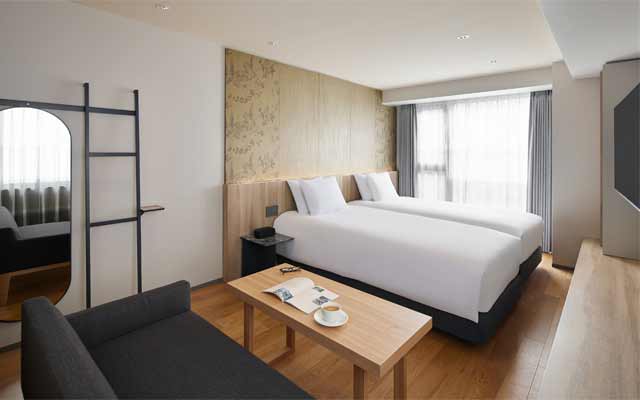
Oakwood Hotel Oike Kyoto represents the brand’s 12th property in Japan as well as Oakwood’s debut in the former Japanese capital. The property showcases 120 rooms and studio apartments in the heart of the historic and cultural district. All 104 guestrooms are equipped with the latest in-room technology, including an air purifier, 55′ flat screen smart TV, tablet, press readers and complimentary Wi-Fi along with guest services. Sixteen studio apartments feature a well-equipped kitchen fitted with a refrigerator, microwave oven, cooking utensils, washing machine and dryer. Café O, an onsite dining establishment, will serve breakfast featuring local culinary specialties. Other facilities include a co-working space, smoking room, laundromat, housekeeping and multilingual guest relations for assistance such as limousine, taxi and airport bus arrangements.
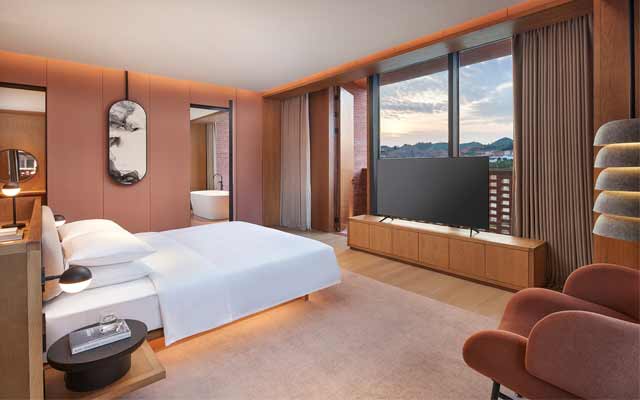
Taoxichuan Hotel, China
Hyatt Hotels Corporation has added the Taoxichuan Hotel to The Unbound Collection by Hyatt brand. The 196-room hotel has been developed as part of the Taoxichuan cultural and creative quarter in the heart of downtown Jingdezhen. Occupying three interconnected buildings and designed by Britain’s acclaimed David Chipperfield Architects, Taoxichuan Hotel houses 196 guestrooms, including seven suites. Guests can enjoy authentic local and regional Chinese cuisines at the Cobalt Restaurant, which has been conceived as an extension of an adjacent outdoor garden, providing a picnic-in-the-park dining experience. Elsewhere, Emerald Lounge serves light bites, afternoon tea and a selection of fine teas, wines and cocktails. Leisure amenities include a heated indoor pool and 24-hour fitness centre. Additionally, the hotel offers 1,360m2 of flexible meeting and event space, including a pillar-free ballroom and five meeting rooms in a variety of sizes.
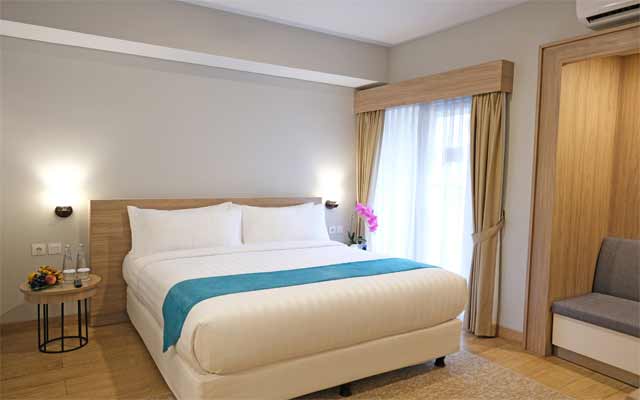
Vega Hotel Gading Serpong, Indonesia
Indonesia’s Parador Hotels & Resorts has rebranded its three-star Ara Hotel Gading Serpong to Vega Hotel Gading Serpong. The 145-room hotel, which opened in 2014, has become the first property under Parador’s new three-star brand after undergoing a renovation. The Vega Hotel brand was first introduced at the ground breaking of Vega Hotel Surabaya in January 2020, with the property targeted for a 2024 opening.
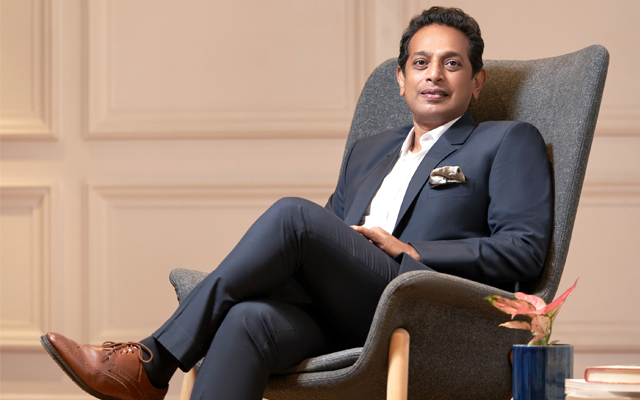
Gopinath Gopalan heads up Radisson Blu Hotel & Spa, Nashik

0

Radisson Blu Hotel & Spa, Nashik, in Maharashtra, India, has appointed Gopinath Gopalan as its general manager.

Gopinath has spent over two decades of his hospitality career in achieving milestones for several esteemed marques, having been responsible for overseeing multiple pre-opening hotels, and the repositioning of luxury brands. Luxury hotels he has played pivotal leadership roles in include Park Hyatt Goa, Grand Hyatt Mumbai, The Leela Palace Bangalore, and Oberoi Hotels & Resorts in Mumbai, Udaipur, and New Delhi.

BWH Hotel Group announces new president and CEO

0

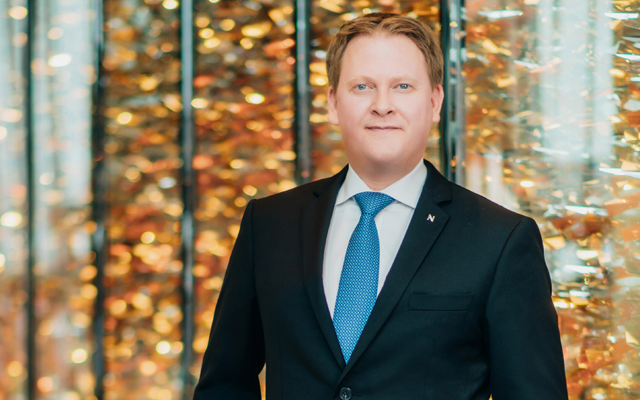
Lawrence (Larry) M. Cuculic has been appointed president and CEO by
BWH Hotel Group’s Board of Directors, taking over from outgoing president and CEO, David Kong.

Lawrence (Larry) M. Cuculic

Cuculic has been serving as senior vice president and general counsel for the company for 12 years and will assume his new role as president and CEO on December 1, 2021.

Prior to joining BWH Hotel Group, Cuculic was senior vice president general counsel and corporate secretary for Wabash National Corporation. Previously, Cuculic served as vice president legal and corporate secretary for American Commercial Lines, and was a partner in the law firm Gambs, Mucker & Bauman.

Tourism WA welcomes new managing director

0

Former Perth Airport executive Carolyn Turnbull has been appointed as Tourism Western Australia’s new managing director, for a five-year term that will commence October 18, 2021.

Turnbull brings 20 years of international leadership experience in the tourism and hospitality industry, and joined Tourism WA in 2020 as the executive director – industry, aviation and markets.

The industry leader’s experience includes senior executive roles with global hospitality brands including Aman Resorts.

Before joining Tourism WA, Turnbull was spearheading the development of the western gateway as chief aviation development officer at Perth Airport.

Kathy Fong leads Sabre’s HK travel agency business

0

Kathy Fong has been appointed as country manager of Sabre’s travel agency business in Hong Kong.

In this role, Fong will be responsible for leading sales, tracking performance, business development and agency engagement in Hong Kong, including customers in mainland China and Macau. She will also pursue key business opportunities in line with Sabre’s long-term strategic plan in these North Asia markets.

A veteran in the travel industry, Fong has spent more than 25 years with Sabre, with the past 20 years in various sales roles. Most recently, Fong served as leader of Sabre’s premier accounts team in Hong Kong.

Robert Cousins joins Niccolo Suzhou as GM

0

Wharf Hotels has appointed Robert Cousins as general manager of Niccolo Suzhou.

A 22-year hospitality veteran, Cousins has extensive hotel operations experience in China. Prior to Niccolo Suzhou, he was general manager of Waldorf Astoria Xiamen – which he successfully opened – and previously held leadership positions at Raffles in Hainan, and Fairmont Peace Hotel in Shanghai.
The Canadian began his hospitality career in rooms and expanded his experience in F&B, while working in Canada and the US.

Making positive changes

0

As coronavirus concerns continue to hamper business events, Kyoto is embracing online and hybrid hosting with new safety measures.

While this is happening, the city has also been busy launching new accommodations, activities and facilities for the eventual return of international arrivals.

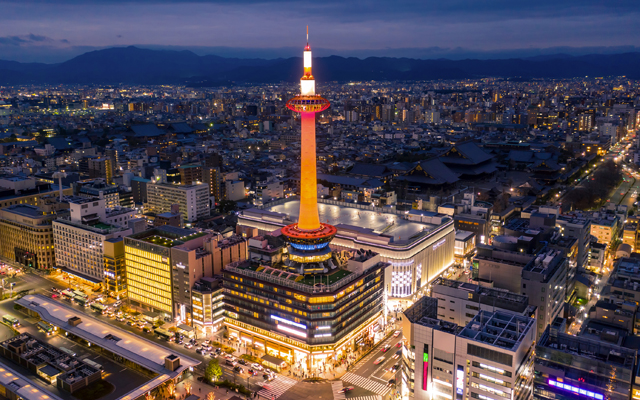
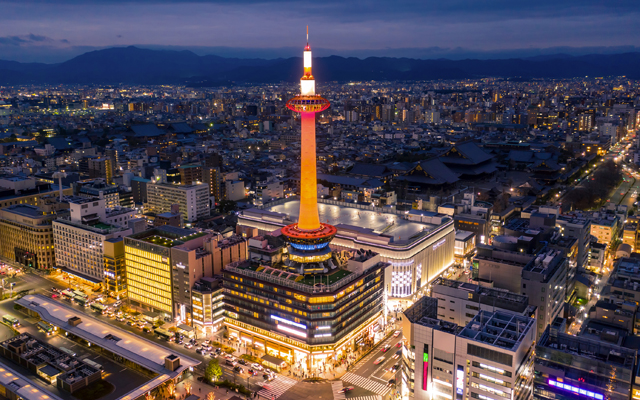
Kyoto Tower is the tallest building in the city, located close to Kyoto Station

In March 2021, the Kyoto Convention & Visitors Bureau (KCVB) and Kyoto City launched the second edition of MICE Kyoto Model: Coexisting with Coronavirus.

The comprehensive guide is designed “to ensure the safety and security of MICE organisers, participants and residents” while carrying out three objectives: achieving a high level of satisfaction with MICE events held in Kyoto, contributing to the community and revitalising the local economy. It features steps to prevent Covid-19 spread, based on guidelines issued by various industries, and offers suggestions and case studies of ways to utilise both technology and Kyoto’s traditional culture to hold a high-quality event.

Delivering an experience unique to Kyoto – whether for an on-site or hybrid event – is the ultimate goal, according to the guide. Online presentations by renowned speakers; online tours of event venues, sightseeing spots or traditional workshops; and the introduction of workation or bleisure options in coordination with business events are among the options available to organisers.

When borders reopen, the events industry remains confident that Kyoto will be an equally – or more – attractive destination for business events post-Covid.

“Kyoto has attracted more than double the number of international conferences in the past five years,” said Yoshiaki Matsui, deputy director of conventions and tourism at KCVB. “The city draws people because it is worth the trip, with World Heritage Sites and other places of historical and cultural significance on offer.”

Matusi pointed to Kyoto’s wide variety of accommodation, from global brands to budget hotels, as well as vast options in facilities and unique venues. Events can be tailormade to meet the needs of attendees, and there is truly something to appeal to everyone, he explained.

In 2020, Kyoto added another asset to its business events portfolio with the launch of KCVB’s Kyoto Unique Venues Guide. The directory outlines the city’s 46 unique venues in painstaking detail, from their history and unique value to capacity, opening times, location and contact details. The venues are divided into six categories: World Heritage Sites, Temples & Shrines, Museums & Tourist Attractions, Historical Buildings, Restaurants & Event Spaces, and Chartered Trains.

One of note is Kyoto City KYOCERA Museum of Art, which reopened in March 2020 after a three-year renovation. Dating from the 1930s, the building is the oldest public museum building in Japan, so the renewal involved preserving as much of the original structure as possible. New modern features include Higashiyama Cube, the wing for contemporary art, which includes a roof terrace overlooking a Japanese garden. For buffets, Higashiyama Cube accommodates 80 pax while the Japanese garden accommodates 60.

In the accommodations space, Asia’s first Ace Hotel opened in Kyoto, in 2020, in the former headquarters of Kyoto Central Telephone. The structure dates from 1926 and features vintage brickwork, with designs by renowned architect Kengo Kuma. Located centrally, the main hotel has 213 rooms, three F&B options, and a 24-hour fitness centre.

Kyoto City KYOCERA Museum of Art reopened in March 2020 with venues for private events

Situated near Nijo Castle, The Mitsui Kyoto, a Luxury Collection Hotel & Spa, also opened in 2020. The hotel boasts 161 rooms, alongside four F&B offerings including Gastronomy Teppan, and Shiki-no-Ma, a modern yet faithful reconstruction of the Mitsui home that has sat on the grounds for 250 years. This facility can be used for private dining or a tea ceremony, and is surrounded by a Japanese garden.

Despite a drop in visitors to the city due to the pandemic, activity and experience providers have continued to launch new offerings.

In spring 2021, the Lake Biwa Canal Cruise was unveiled. It explores the series of canals that began bringing fresh water to the city in 1890. Available for hire during spring (for cherry and plum blossoms appreciation) and in the autumn (for fall foliage viewing), the tours are ideal for laid-back corporate excursions.

For organisers looking to incorporate some teambuilding into corporate events, the KCVB has launched a programme that features attractions, including World Heritage Sites.

The KCVB is also continuing its subsidies for Kyoto Culture, which helps to cover the cost of including traditional Kyoto-style programmes, such as geisha dancing and wadaiko drumming, or purchasing local products as souvenirs for attendees. By supporting traditional industries and using providers with certified sustainable practices, the KCVB aims to boost the sustainability of business events, a priority for the city, which is listed on the Global Destination Sustainability Index.

Personalisation, AI can help hoteliers drive ancillary revenue

0

With the rise of more sophisticated online bookers, hotels can cut their reliance on OTAs and grow revenue by changing their marketing strategy through the adoption of a feature-based, AI hospitality system.

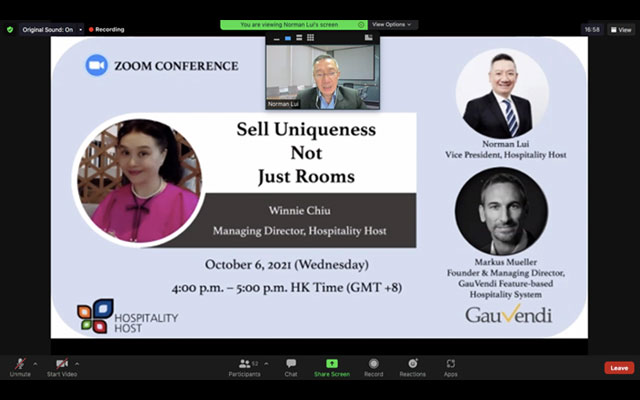
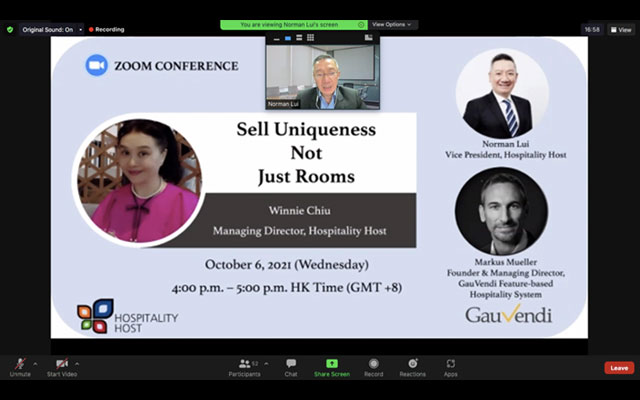
That was the premise of the Sell Uniqueness, Not Just Hotel Rooms webinar organised by Hong Kong-based Hospitality Host (HH), in partnership with GauVendi, a digital inventory sales engine headquartered in Frankfurt.

Hoteliers can improve business through personalisation and adoption of airlines’ ancillary strategy, say experts

HH managing director, Winnie Chui, cited surveys showing that bookers were willing to pay more for personalised products and services, and claimed this could result in a 20 per cent increase in revenue.

Unlike other players in the travel industry, like airlines which introduced ancillary fees, the hospitality sector is “lagging” in the online booking space, observed HH vice president Norman Lui.

GauVendi managing director and founder, Marcus Mueller, commented the industry had to take back control of how inventory is being managed and how to monetise categories beyond room type, such as room location, bathroom set-up, outdoor spaces, room design and function, and more.

Mueller said personalisation is just one aspect of creating an automated sales engine, which should also include AI to analyse data, look at customer history in context and to sell rooms with different features using labels like “lowest price”, “most popular”, “for families with children”, etc.

He explained: “With labelling, a hotel can sell a basic deal and upsell later, or show the same room from different angles, like how the retail industry does it – highlight different features and price points to elicit an emotion.”

The booking data is powerful, Mueller said, as it could, say, let a hotel know if it should “put more twin rooms on high floors” or what the “price difference break point” is.

Mueller pointed out version 3.0 of GauVendi is now being tested to further streamline how inventory in a resort, for example, can be allocated to suit the preferences of different international guests.

Why we must bake health credential checks into our travel ecosystem, everywhere

0

The welcome if gradual return of global air travel is placing significant strains on our industry’s infrastructure, caused by an array of disparate new passenger health requirements, such as Covid-19 testing and vaccine certificates.

The need for passengers to provide these credentials in many and varied ways is in effect reducing the actual capacity of airports. IATA says that average passenger processing and waiting times have doubled from what they were pre-crisis during peak time.

This is placing immense pressure on travellers and the industry at large, creating a cocktail of congestion and confusion, not to mention frustration all round.

We need to integrate health requirements now: digitally, globally
As we open up, it’s imperative we integrate the multiple different ways of sharing health credentials digitally and seamlessly into a single approach for the world’s travel ecosystem. We must do it for every industry player, so that health checks become fast and frictionless.

This is a crucial digital shift. In making it, we can tackle the wait times at check-in, restoring self-service to save time, confusion and congestion. We can move the job of health checks from airlines to governments, where risk-assessment and border management decisions lie for all other travel processes. And, crucially, we can give travellers the assurance that wherever they venture in the world, they’ll be allowed into the country and to return home.

Collaborative, open approaches are critical to the recovery: SITA Health Protect
Of course, baking health credential checks into the world’s travel infrastructure demands that we work with all players. We must collaborate to make sure that the necessary digital solutions can be put into place quickly and cost-effectively, anywhere in the world, according to open architectures and industry standards.

Such a collaborative and open industry approach is the thinking behind SITA Health Protect, which allows health status checks as part of the travel process. Its easy adoption creates little disruption to existing industry processes, regardless of carrier or mode of travel.

During airline check-in, be it by mobile or kiosk, traditional advance passenger process checks can now add accompanying verification of health declaration status. Airlines can issue a boarding pass via self-service prior to travel, without having to visually assess a printed Covid-19 test result at the ticket counter.

Based on a holistic process, airlines and border agencies can make board/no-board decisions that reduce the risk of inadmissible travellers being denied entry on arrival or being subject to quarantine or additional testing.

The essential digital shift at the border: pre-empting future lockdowns
Let’s remember, our industry has often used health-related questions on customs and immigration declaration forms, to obtain a traveller’s self-reported disclosure for possible exposure for various infectious diseases – such as SARS, MERS and H1N1.

We believe that given the Covid pandemic, and the need to ensure the recovery of air travel, few would question today’s imperative of integrating health-related processes into the world’s travel industry, digitally.

That’s why the continued digital shift to transform border management processes is essential. Only by digitalising border operations can we accelerate our ability to coordinate and manage a global response to threats of new epidemics before reaching pandemic-level crisis and, ideally, pre-empt the need to lock down borders.

Paving the way for passengers
SITA’s work with airlines, airports and governments around the world is paving the way for passengers to return to air travel in a safe and healthy way.

The Australian government, for example, uses SITA border technology to enable travellers to supply digital contact and journey information, and complete an electronic health declaration in advance of travel, via their mobiles if they wish.

In future we hope to take this a step further. Aruba’s Happy Traveler Card, introduced in 2021, uses a self-sovereign identity solution that supports Sovrin Foundation principles. Travellers receive a verifiable digital trusted traveller health credential issued by the Aruba Health Ministry, providing access to services, restaurants and other amenities throughout the island.

A second phase of the trial now in planning will address the safe and secure exchange of credentials across the journey. It includes issuance of a digital test and vaccine credential from the Health Information Exchanges in the US and Canada, with rapid credential verification from Aruba prior to travel, in the form of a trusted travel credential (Happy Traveler Card) sent to the passenger’s mobile wallet.

Integration with SITA Health Protect will enable self-service check-in – be it by web, mobile or kiosk – while advance passenger processing will verify that passengers have a trusted traveller credential and are allowed to board.

Accelerating digital progress – with health at the forefront
This year, we have seen an increasing focus on collaborative initiatives to introduce digital health credentials, or health passports, to reduce fraud and incorporate digital identity solution principles. To this end, SITA continues to work with many airline, airport and government customers on live projects and proofs-of-concept around the world.

The pandemic has had a devastating impact on our industry. Yet it has also focused minds on accelerating digital progress, with health in border management and international travel at the forefront of our efforts.

This is vital today, as we recover, and as we strive to enhance traveller convenience and operational excellence. But it will also increase the resilience of our processes should we face another epidemic or global pandemic in the future.

SLH curates new collection of sustainable hotels

0

Small Luxury Hotels of the World (SLH) has launched the Considerate Collection, a community of actively sustainable luxury hotels “going the extra eco-mile”.

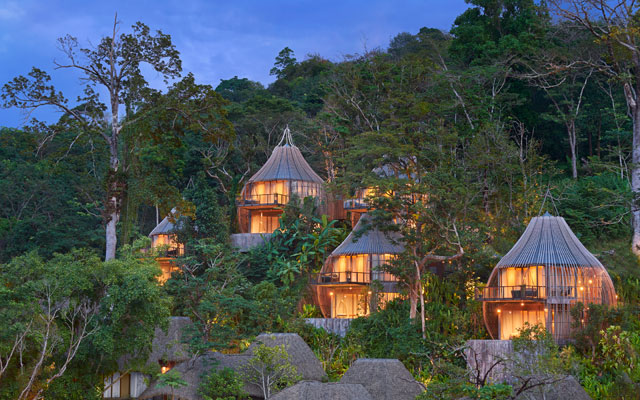
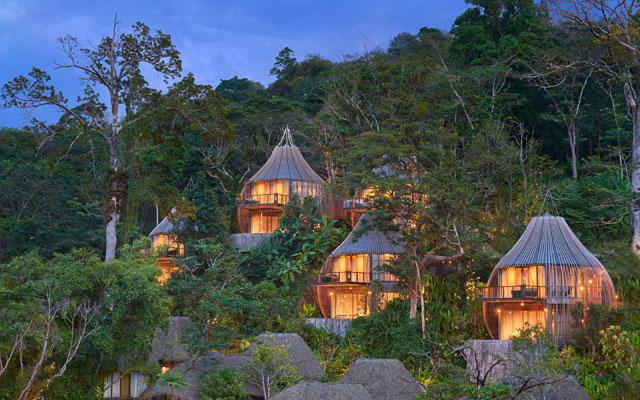
The collection debuts with 26 hotels in 16 countries, with seven in the Asia-Pacific region, including the biodiversity-promoting Keemala in Thailand and the culture-preserving Gangtey Lodge in Bhutan.

Keemala in Phuket, Thailand is among 26 properties under SLH’s new Considerate Collection

According to SLH, all 26 properties meet the highest criteria in sustainability, based on a framework created by the “most respectable” sustainable travel and luxury hospitality players, including the Global Sustainable Tourism Council (GSTC) and Greenview.

Criteria for the Considerate Collection align with the GSTC criteria across three key pillars, ensuring all the hotels are community minded, cultural custodians and environmentally conscious. These pillars are all underpinned by a strong sustainability management system.

Each hotel within the Considerate Collection either has been certified by a GSTC accredited certification body or certified to a GSTC recognised standard, or has passed an assessment by the SLH Sustainability Advisory Panel with review by the GSTC.

Daniel Luddington, vice president of development, SLH, said: “We’ve carefully curated the Considerate Collection to spotlight luxury boutique hotels exemplary in their sustainability efforts, making it easier for customers and the travel trade to make better-considered choices.

“Staying in small, independent hotels goes hand-in-hand with travelling sustainably and all SLH hotels are already steeped in the many facets of sustainable hospitality, so we haven’t had to look far outside of our portfolio for the launch collection.”

He added: “This is not about creating a new brand, but rather building on the strong brand values that have existed within SLH since inception – independent spirits, community-centric, questioners, storytellers and the ultimate belief that small is beautiful and a better way to travel.”

SLH hotels under the Considerate Collection are featured within a specific section on the website – www.slh.com/considerate. The hotel pages are also stamped with a sage leaf and include dedicated content outlining their notable sustainability initiatives.