
Asia/Singapore Sunday, 12th April 2026
Page 307

In nature’s embrace

0

Into Cambodia’s wild
Experience Cambodia’s rugged wild on one of Sam Veasna Conservation Tours’ (SVC) birding and wildlife adventures. The award-winning eco-tour operator has been running since 2003 and is continually adding new itineraries that venture into relatively untouched areas.

With the aim of sustaining Cambodia’s wildlife and communities through ecotourism, SVC has also formed a unique partnership with the Wildlife Conservation Society to access some of their unique sites in protected areas. These include overnight trips to six-day adventures across Siem Reap province and the Northern Plains that take in camping next to waterfalls, staying at lodges, safari camps and treehouses. Wildlife highlights include the critically-endangered Giant Ibis and feathered friends at Prek Toal bird sanctuary.

Another outstanding option takes visitors into Keo Seima Wildlife Sanctuary where they can spot gibbons in the conservation area, trace black-shanked douc langurs and Asian elephants, and visit Jahoo Gibbon Camp.

Hardcore adventurers can indulge in the legendary SVC Birding Super Tour. The 21-day excursion takes in Cambodia’s most important nature sites, home to critically-endangered and endemic species.
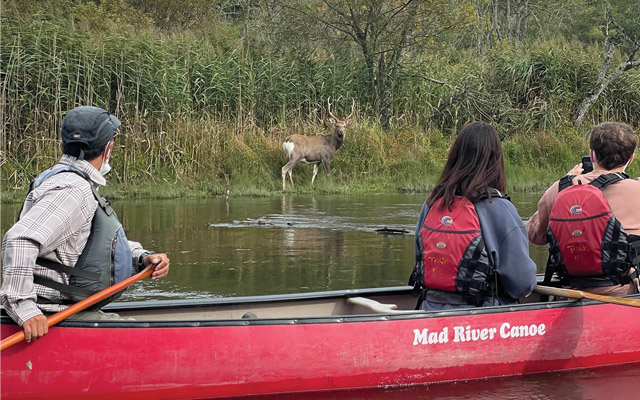
Kushiro-Shitsugen National Park, Japan

Cut a trail in Kushiro River
Kushiro-Shitsugen National Park is home to Kushiro Marsh, Japan’s largest wetland. The vast landscape remains untouched, and canoeing through it provides visitors with access to nature that is not possible by other means.

The 9km course from Lake Toroko to Hosooka along the gentle Kushiro River takes two to three hours at an easy pace and passes through a scenic area rich in biodiversity. An expert guide can share insights on the geography and environment while pointing out wildlife on the banks.

There are about 40 species of mammals and 200 species of birds including the Ezo red fox, Yezo deer and red-crowned crane, which is revered by the Ainu, Hokkaido’s indigenous people, as “the deity of the marsh.” So rare is the marshland and red-crowned crane that they are both designated special natural monuments by the Japanese government.

The park is home to 700 alpine and cold-climate plant varieties including a species of the phlox family thought to be a relic of the Ice Age. Stone Age artefacts have been found in hundreds of locations around the marsh.

Tropical Montane Orchidetum, Singapore

Floral delight
Tropical Montane Orchidetum is a new attraction that opened this year within Singapore Botanic Gardens, a UNESCO World Heritage Site. Part of the National Orchid Garden, the attraction simulates the experience of ascending through a tropical montane forest and showcases a diversity of orchids and other plants, such as bromeliads and gingers.

A highlight at the Tropical Montane Orchidetum is the Sembcorp Cool House, home to orchids from five biogeographical regions – Malesia, Continental South-east Asia and South Asia, Australasia, Afrotropics and the Neotropics. The temperature here is maintained at 16°C to 23°C, to emulate a high elevation forest. With some 1,000 orchid species and hybrids exhibited in the Cool House, this space brings pleasure to both floral enthusiasts and botanists.

Elephant Valley Project, Cambodia

Walk with giants
Cambodia’s Elephant Valley Project presents nature-lovers with a unique elephant experience in the remote mountainous province of Mondulkiri. The ethical sanctuary is home to both the country’s largest remaining wild and working elephants. It offers respite to overworked, injured or retired elephants belonging to indigenous bunong communities that populate the area. The elephants and their mahouts can freely roam the 1,500-hectare site.

While elephant riding is prohibited, visitors can stroll though ancient jungles alongside the giant beasts, watching as they forage for food, tear out young trees with their trunks, and wallow in natural mud baths. Options range from a half-day visit through to more than a week. Depending on the itinerary, guests can embark on a jungle hike to view elephants in their natural habitat and learn about elephant behaviour and forest ecology.

There is also the opportunity to meet bunong people to discover their rich culture and unique relationship with elephants and the forest, and their efforts to protect both from extinction.

Kamuy Lumina, Japan

Multimedia Ainu journey
An enchanted night walk around the shores of Lake Akan in eastern Hokkaido, Kamuy Lumina retells a traditional song of the indigenous Ainu people, via an immersive experience.

Multimedia entertainment creators Moment Factory and Akan Adventure Tourism combine the natural beauty of the forest, which is located in Akan Mashu National Park, with cutting-edge projection mapping, scenography and interactivity to create an otherworldly showcase of sound and light.

Akan is home to Hokkaido’s largest Ainu settlement and Kamuy Lumina is Moment Factory’s first multimedia production with indigenous people. It is also the first in a national park, making it a truly unique way to get up close to nature.

In the story, the kamuy (spiritual beings in Ainu mythology) have stopped sending deer and fish for hunting because mankind no longer respects the land. Two leaders of the forest, the owl and jay, are determined to give mankind a second chance by delivering a musical message to the kamuy on mankind’s behalf. Visitors take the role of rhythm keeper to help the jay deliver his lyrical song.

Masungi Georeserve, Philippines

Rizal’s regal reserve
Masungi Georeserve conservation area in Baras, Rizal – a few hours drive from Manila – invites city dwellers to commune with nature and enjoy sunshine and fresh air.

Set across 2,700 hectares of rainforests are 60 million year-old limestones that spike the tranquil landscape, 400 species of documented fauna and flora, and 40,000 native trees.

Highlights here are the sawa, snake-like hanging bridges that connect to limestone peaks; sapot, giant cobweb viewing platform; duyan, giant hammock of white braided ropes connecting the mountains; huts suspended in the air; and the meditation area called Liwasan. The Silayan Dining Room atop a hill is a fine dining, farm-to-table concept with menu that changes according to the local harvest season.

Tubbataha Reefs Natural Park, Philippines. Photo by Robert Yin

Deep dive
Tubbataha Reefs Natural Park is an extraordinary dive sites at the heart of the Coral Triangle, the global centre of marine biodiversity.

This 100,000-hectare marine protected area in Palawan, in the middle of the Sulu Sea, is one of the oldest ecosytems in the Philippines.

It treasures 10,000 hectares of coral reefs that support key marine species, among them 360 coral species or half of all the world’s coral species, 600 fish species, 11 sharks and rays species, and 13 species of dolphins and whales.

Accredited dive operators have a slew of activities for divers, while non-divers can take dive courses, snorkel, or watch birds – a new product that has been developed.

Tubbataha has 100 bird species, including endangered seabirds species, apart from two species of endangered green turtles and hawksbill turtles.

Tubbataha Reefs is open only three months a year – March to June – due to its remoteness and unpredictable weather. Tourists stay on the yacht or boat since there are no accommodations in the reserve. The gateway is the Puerto Princesa airport in Palawan before guests are taken to the nearby pier for the trip to the reefs.

Not your usual home
Akan Yuku no Sato Tsuruga on the shores of Hokkaido’s Lake Akan combines resort and ryokan.

The jewel in this hot spring inn’s crown is the collection of 33 public baths, including pools of hot, warm and tepid temperature, waterfall and whirlpool baths, and even a bath in a cave. The suite of outdoor baths on the eighth floor rooftop offers a commanding panorama of the lake, which is particularly striking in fall and winter. A secluded bath on the first floor sits along the shore and forested area.

Guests can choose from Japanese or Western-style rooms or opt for a suite that features a private outdoor bath overlooking Lake Akan.

Reconnecting people with nature

0

Singapore’s Gardens by the Bay has welcomed a new 15,000m2 nature sanctuary, Kingfisher Wetlands, along its waterfront. It features more than 200 native true mangrove trees and mangrove associates planted amid newly-created water cascades and streamlets, as well as a wildlife lookout that bird-watchers and nature photographers will enjoy. Educational signage helps visitors gain a greater understanding of frequently-spotted wildlife in the area.
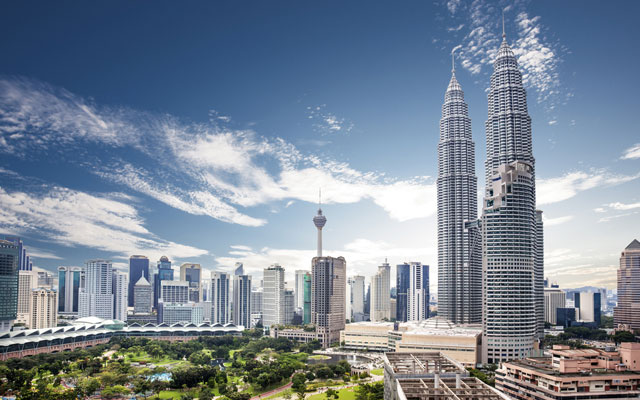
The Kingfisher Wetlands comes at a time when Gardens by the Bay is experiencing a spike in visitorship, as more people turn to nature for respite and recreation amid the pandemic. Gardens by the Bay has welcomed more than 10 million visitors since Singapore’s Circuit Breaker lockdown in April 2020.

Development of the sanctuary is made possible by a S$500,000 (US$371,978) donation from Kikkoman Singapore.

Malaysia to launch travel corridor with Indonesia, prepares to reopen to international visitors by January 1

0

The governments of Malaysia and Indonesia have agreed to implement a travel corridor between the two countries in stages.

Priority will be given to fully vaccinated individuals travelling for business, medical or humanitarian purposes, said Malaysia’s prime minister, Ismail Sabri Yaakob, in a joint press conference on Wednesday (November 10) with Indonesian president Joko Widodo at Istana Bogor in conjunction with his three-day inaugural official visit which began on Tuesday.

Malaysia prepares to reopen to foreign visitors by January 1

“Reopening borders in a safe manner is important in balancing between the need to open up and redevelop the economy and maintain aspects of public health security and control,” said Ismail Sabri.

He added that the travel corridor arrangement may start between Kuala Lumpur and Jakarta, as well as Bali.

Further details on the reopening of the border between Malaysia and Indonesia will be issued in a joint statement at a later date.

Earlier this week, Malaysia and Singapore agreed to launch a vaccinated travel lane (VTL) between the two countries, with six daily designated flights between Changi Airport and Kuala Lumpur International Airport, from November 29.

Under the VTL, fully vaccinated travellers will be able to travel between Singapore and Malaysia, and be subjected to Covid-19 tests in lieu of serving quarantine or stay-home notice.

Malaysian high commissioner to Singapore, Azfar Mohamad Mustafar, said the relevant agencies in Malaysia and Singapore are ironing out related issues such as Covid-19 testing regimes and cross-border processes, The Star reported.

Malaysia’s borders are also expected to reopen to foreign visitors from many more countries, latest by January 1, 2022.

National Recovery Council chairman, Muhyiddin Yassin, gave this assurance on Thursday, after taking into consideration the achievements of the Covid-19 National Immunisation Programme.

“In general, I’m satisfied with the development, particularly in the trend of daily positive cases, deaths, admissions of patients under Categories 3 to 5 in hospitals and the vaccination rate among the adult population, which have reached 95 per cent, along with 76.7 per cent coverage for adolescents,” he said, as reported in New Straits Times.

Leading hotel groups unite to build sustainability framework

0

An initiative to set a common definition of hotel sustainability to drive responsible tourism has been launched by several leading hotel companies, in cooperation with the WTTC and Sustainable Hospitality Alliance.

Developed in consultation with distribution partners and key tourism and travel stakeholders, the Basic Sustainability framework aims “to raise the global basic level of hotel sustainability in a clear and transparent manner for all travellers and stakeholders”.

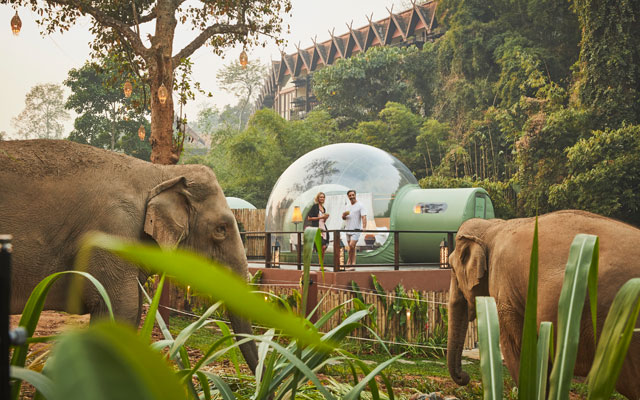
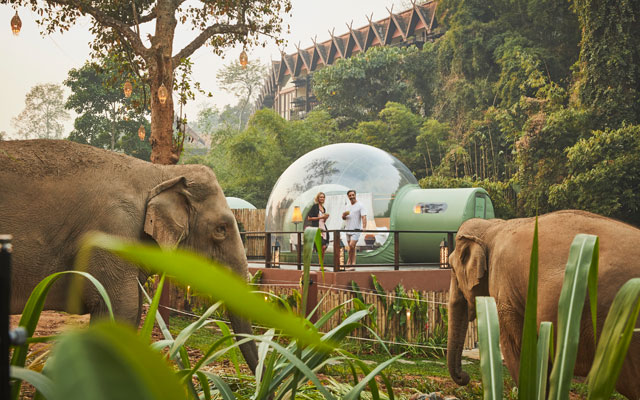
Sustainability initiative by leading hotel groups aims to drive responsible travel; Anantara Golden Triangle Elephant Camp & Resort pictured

The framework will critically deliver on a common starting point for hotel sustainability accessible to all hotel actors worldwide – whether they are part of a large international group or independents. It will encompass four clear stages and practical tools that guide the industry towards a regenerative impact on our planet.

In the coming months, the hotel groups in this initiative will work in close alignment with the WTTC, the Sustainable Hospitality Alliance and key stakeholders on finalising the essential sustainability actions with demonstrable positive impact. They will also collaborate to share tools and best practices with each other and the wider industry to ensure all hotels start on a pathway towards the targets of the COP 21 Paris Accord.

The sustainability basic framework is aligned with the main aspirations such as the UNWTO Glasgow Declaration and the UNSDG’s decade of action.

Current partner hotel groups include Minor Hotels, NH Hotel Group, Barceló Hotel Group, Huazhu including their affiliate Deutsche Hospitality, Accor, Indian Hotels Company, Jin Jiang International (Holdings) Co. including their affiliate Jin Jiang Hotels, Meliá Hotels International, Louvre Hotels Group and Radisson Hotel Group.

Currently in the development phase, the Basic Sustainability framework will be launched in March 2022.

Wild wonders

0

Hokkaido’s luxury travel sector is eyeing post-pandemic growth from Europe, North America and Australasia in hopes that these travellers are eager to experience outdoor adventures after months of staying home due to anti-Covid restrictions.

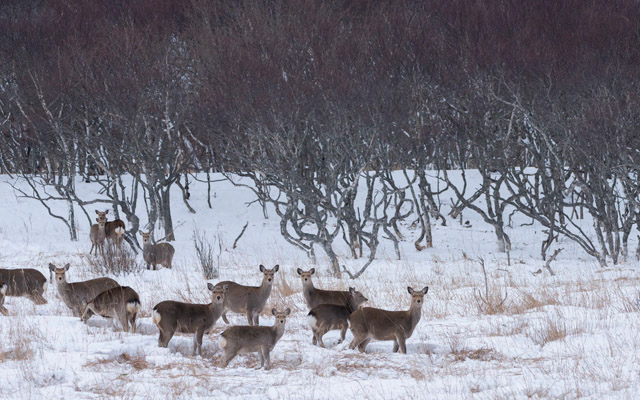
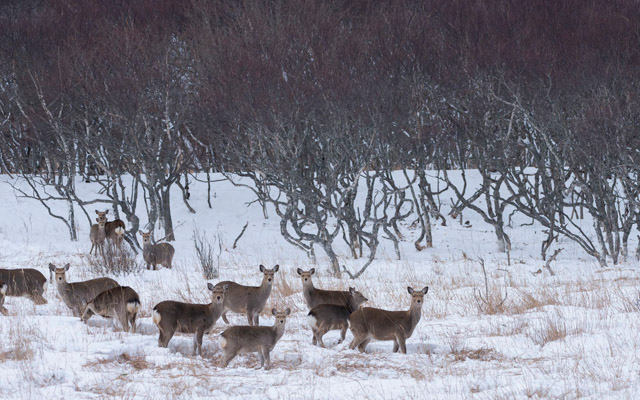
Much of Hokkaido’s central and eastern regions are untouched rugged wilderness

Hokkaido is well known for its high-quality powder snow, top-end onsen (hot spring) ski resorts as well as the Sapporo Snow Festival, which turns the prefectural capital into a winter wonderland every February. However, the travel industry is now hoping that an increased appetite for spending time outdoors and being active physically will put Hokkaido on the international travel map as “Japan’s northern frontier.”

Much of the central and eastern parts of the prefecture are rugged wildernesses largely untouched by man, including Daisetsuzan National Park. It is possible to see red-crowned cranes, among the rarest birds in the world, in the Kushiro marshlands or to spot whales and dolphins in the Sea of Okhotsk. One can even walk on the ice floes that gather there in winter.

It is these kind of experiences, unique to Hokkaido, that M Mizutani of the Hokkaido tourism board believes will attract a new kind of luxury traveller: someone who prioritises travel of immense value over lavish hotel rooms or fine dining.

“Hokkaido is unlike other parts of Japan,” Mizutani declared, pointing out its clearly defined seasons, wild scenery, adventure offerings, extremely high proportion of food sourced from within the prefecture, and cultural fusion of the Japanese and the indigenous Ainu people.

While Japan’s hosting of the Rugby World Cup in 2019 saw a record number of European tourists to Hokkaido, the tourism bureau’s Kaori Inoue said more is being done to raise awareness among the Western markets of everything the prefecture has to offer. Efforts include promoting places like the colourful Furano flower fields to show Hokkaido’s potential as a summer destination as much as a winter one.

Infrastructure is set to keep pace with promotion. March 2023 will see the opening of the Hokkaido Baseball Park, which will feature glamping facilities, hotels, hot springs and concert halls.

The Shinkansen line will also be extended from Shin-Hakodate Hokuto Station to Sapporo by fiscal 2030, reducing travel time from Tokyo to Sapporo to about five hours.

Indian tourists to be highly sought-after, says GlobalData

0

Indian tourists will be some of the most desirable travellers, given India’s growing economy, young population and rising middle class, according to GlobalData.

The analytics company noted that the country is projected to reach record levels of 29 million outbound trips by 2025 – a buoyant outlook considering the strains of Covid-19.

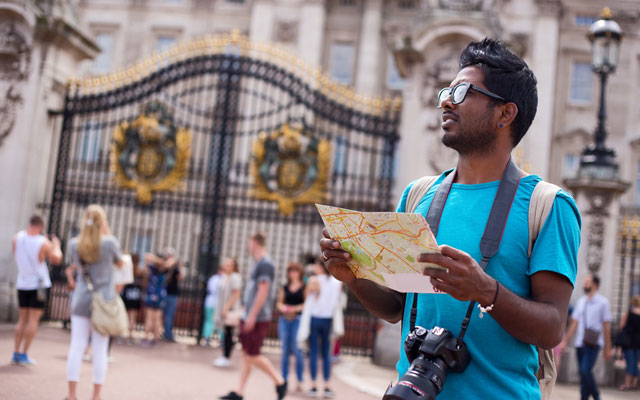
Indian travellers projected to make 29 million outbound trips by 2025; Indian tourist outside Buckingham Palace pictured

Craig Bradley, associate travel & tourism analyst at GlobalData, said: “Before the pandemic, India was one of the most important and sought-after tourism source markets globally, and was a key target for major players such as VisitBritain and Tourism Australia. While the Covid-19 crisis put considerable strain on the country’s economy and tourism industry, Indian travellers are expected to be ready to travel once more.”

India’s economy will continue to build on its success, after an initial lull in 2020. Current projections show the national GDP of India will reach US$4 trillion, 50 per cent higher than 2021 levels, according to GlobalData’s Macroeconomic database.

The growth within India’s economy will directly contribute to a boost in the middle-class population, resulting in increased wealth and disposable income for years to come.

“Tourism development typically thrives in developing economies, and India’s future looks bright – providing it can avoid further Covid-19 outbreaks and subsequent lockdowns,” Bradley commented.

Destination marketers can capitalise on the country’s growing population, comprising about 51 per cent of Gen Z and millennials, who are inclined to travel, he said, adding that India’s improving infrastructure and developing LCC market has made outbound travel both affordable and accessible.

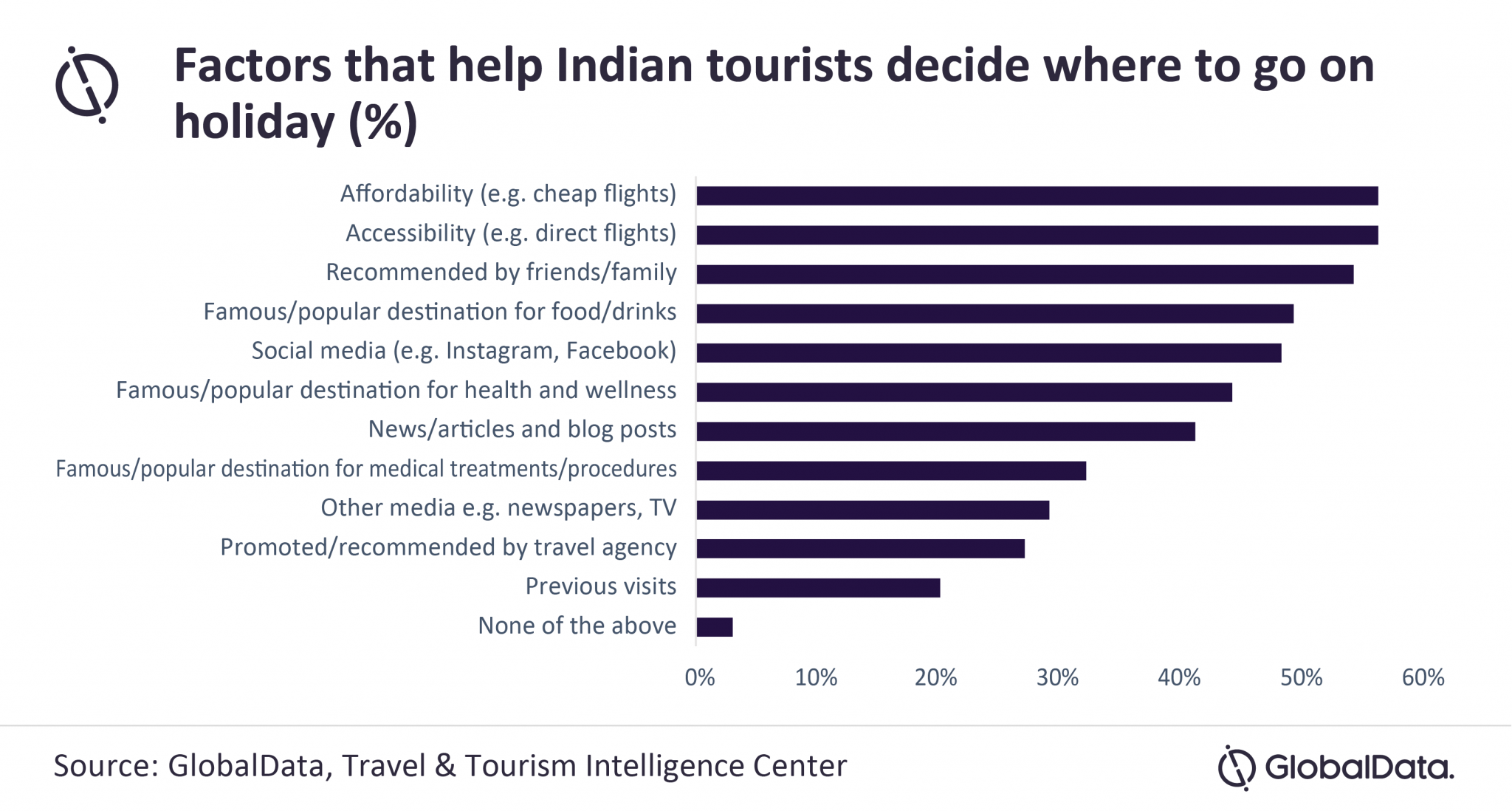
According to a 3Q2021 Global Consumer survey by GlobalData, 56 per cent of Indians said that ‘affordability’ and ‘accessibility’ were key considerations when purchasing a holiday. This underlines that simple, cost-effective travel solutions are the way forward, said GlobalData.

Bradley added: “India’s increased investment in budget airlines, as well as improving airport infrastructure, means better connections from regional and major airports. Therefore, international travel will be more straightforward and cheaper for Indian travellers. This will be essential to India’s success in the post-pandemic era.”

He observed that India’s budget airline industry has increased drastically over the past decade alongside its economy – in 2016, it surpassed full-service carriers by the number of passenger seats sold, and accounts for 51 per cent of all of India’s passenger traffic as of 2021.

Cristian Nannucci joins Pan Pacific Hotels Group

0

Heading PARKROYAL COLLECTION Kuala Lumpur and Pan Pacific Serviced Suites Kuala Lumpur is Cristian Nannucci, the newly-appointed complex general manager.

A 30-year hospitality veteran, Nannucci has held a number of hospitality positions across three continents in Europe, Asia and Middle East. He specialises in F&B and business restructuring, and possesses a background in rooms operations, and sales and marketing.

He most recently served as general manager of Shangri-La Mactan Resort and Spa in Cebu, the Philippines.

Shangri-La Singapore welcomes new GM

0

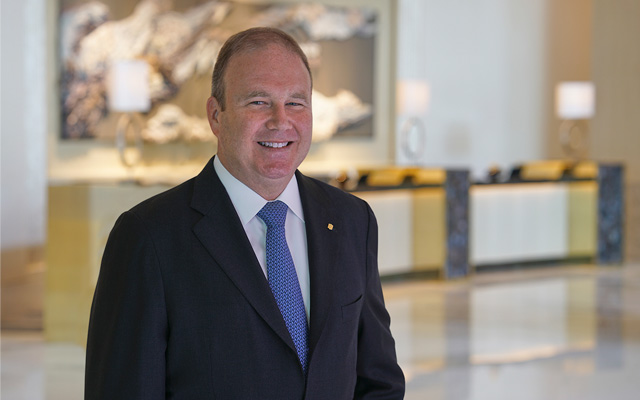
Shangri-La Hotels and Resorts has appointed John Rice as general manager of Shangri-La Singapore.

Rice will supervise the daily operations of the hotel including Shangri-La Apartments and Residences, and be responsible for driving commercial growth, inspiring service excellence, enhancing guest engagement, strengthening community partnerships and elevating the hotel’s luxury family positioning.

In addition to this new capacity, Rice also holds the position of vice president, operations (Philippines), and will continue to oversee all Shangri-La properties in the Philippines region.

The Australian brings with him extensive knowledge and expertise in the luxury hospitality sector, with senior Shangri-La leadership appointments in Mainland China and the Philippines.

Prior to his arrival in Singapore, Rice led hotel teams across six hotels and resorts in Manila, Cebu and Boracay; and played a pivotal role in leading the teams through the Covid-19 pandemic by identifying new revenue streams, launching new business initiatives and driving commercial results.

He was also responsible for spearheading the opening of Shangri-La The Fort, Manila.

UNWTO brings Instagram into tourism recovery picture

0

UNWTO and Instagram have joined forces to produce a tourism recovery playbook to help destinations and businesses harness the power of digital and visual storytelling to reach new audiences and return to growth.

This first-ever partnership with Instagram forms part of UNWTO’s wider shift towards harnessing the power of digital innovation to drive the restart of tourism, especially local and sustainable tourism.

UNWTO and Instagram partner to help destinations recover and rediscover

The recovery playbook provides insights into making the most of the platform, from producing reels to showcase destinations to using guides and other tools to illustrate how the sector is ready to welcome tourists back safely and responsibly. It also explores the best ways to encourage renewed local travel, while raising environmental awareness.

Alongside best practice and tips on effective tourism storytelling, the publication also features case studies of small businesses and destinations that have successfully used Instagram to connect with key audiences during the pandemic.

In his foreword to the tourism recovery playbook, UNWTO secretary-general Zurab Pololikashvili said: “As parts of the world begin cautiously opening up again, now is the time to be creative in showing why tourism matters – for individuals, for our communities and for our planet. UNWTO’s partnership with Instagram will show that safe, responsible travel is possible, and to illustrate how just one tourist can make a big difference.”

This collaboration with Instagram builds on UNWTO’s ongoing turn towards greater use of digital tools and visual storytelling to make clear the relevance and importance of tourism to economies, societies, and planet. The organisation has accelerated this shift in its efforts to scale up member support and enable them to better seize the advantages of digital communications platforms.

Millennials to lead the next wave of food tourism

0

Food will play a bigger role in travel as millennials quest for extraordinary culinary experiences and rediscover new eating trends in their own countries, according to Jean-Michel Petit, co-founder and CEO of social dining platform Eatwith.

Extraordinary food experiences are about preserving the social aspects of eating and seeing food as a communal experience so that the original social network is the table, not Facebook or Instagram, he explained at the recent ITB Asia.

Smaller and local food experiences set to be a growing trend; Thai street vendor selling food in Bangkok, Thailand pictured

Petit believes in the future of smaller and local food experiences; authentic sources of food ingredients from tradition, nature and local sources; close interaction also with food producers and “not the anonymous way” of experiencing food; and personalisation as people want experiences that match their expectations and aspirations.

Saying that “food is always a great travel motivator,” Petit cited recent polls showing that 81 per cent of the people ranked food and restaurant experiences as first motivation for travel, just above family and friends at 79 per cent. Moreover, 25 per cent of global tourism spending is one way or another related to food.

As tour operators and hotels look “to create activities through and around gastronomy” to meet millennials’ food expectations during vacation, Petit categorised gastronomy tourists as those who prefer to eat like a local; those visiting restaurants and private places serving innovative food; those whose main motivation in modern food tourism is for socialisation and real interaction; and those moving away from beaten tracks to discover new gastronomic paths on their own.