Chris Hall has joined Ponant as chief executive officer, Asia Pacific.
Formerly the boss of APT Travel Group, he is an experienced leader in the global tour operating, river cruise, expeditions and distribution space.
In his new role, Hall will work to accelerate the range of experiences across the Asia-Pacific business through additional ship deployment, including Ponant’s recently refurbished sailing yacht Le Ponant and the company’s newest vessel Le Commandant Charcot.
IHG Hotels & Resorts has announced the following senior leadership appointments.
From left: Emma Hynes, Joel Gordon and James Young
Emma Hynes is the new director of operations – Australasia & Pacific. With 15 years of leadership experience across large hotel estates, she will lead the bulk of IHG’s Premium & Essentials-branded managed estate in Australasia, including the Crowne Plaza, voco and Holiday Inn brands.
Joel Gordon will start as director of operations, franchised, Australasia & Pacific on February 20, and will look after the IHG’s Franchised estate in the region, as well as provide additional support to parts of its managed estate.
James Young will take on the role of director of operations, luxury & lifestyle, overseeing the Luxury & Lifestyle estate which includes the InterContinental, Kimpton, and Vignette brands across Australasia and the Pacific.
From left: Sam Swaffield, Malcolm Zancanaro and Cameron Burke
Sam Swaffield, director of performance – JAPAC, will act as a conduit between IHG and the DOPs, setting the strategy for performance that will be adopted and embedded across the estate, as well as reducing complexity by streamlining initiatives, creating tools and support services.
Malcolm Zancanaro is the new director, new hotels Australasia & Pacific, and will focus on opening new hotels according to schedule. He has over 30 years’ experience in the hotel industry.
Cameron Burke has been appointed director, development Australasia & Pacific and he will drive the execution of IHG’s portfolio growth strategy for Australasia & the Pacific.
Business Events Sarawak (BESarawak) has indicated that sustainability and legacy are key to driving its events strategy, while helping the state achieve its Post Covid-19 Development strategy (PCDS) 2030 for tourism.
Last November, association heads from Malaysia and Singapore, as well as local and regional business events industry players gathered in Kuching for the 3rd Business Events Tribal Meet.
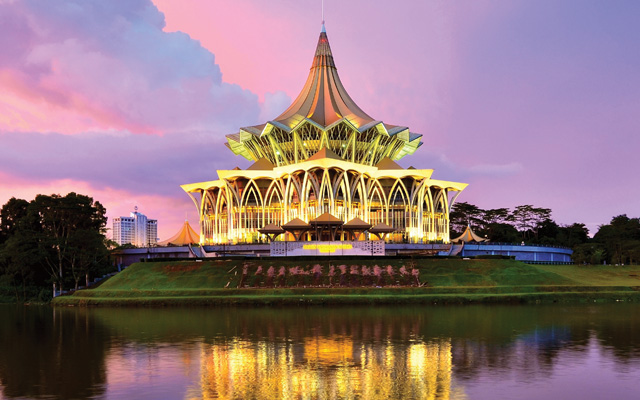
Kuching is the largest city in Sarawak
At the gathering, Amelia Roziman, CEO, BESarawak, introduced a sustainability starter kit, a reference for stakeholders to make conscious decisions to reduce the negative impacts of their events.
Sustainability plans are in the first phase, which will run up to 2025 and include a planning and development phase where partnerships are forged, and strategies, policies and guidelines are created.
This will be followed by the second phase, which is the implementation of all initiatives and action points with stakeholders, as well as further fine-tuning the initiatives.
With these efforts, Amelia envisions that by 2030, organising sustainable events with legacy impact will be second nature to all stakeholders.
In all, BESarawak’s target is to attract 1,245 business events to the state by 2030.Last year, BESarawak attracted 94 business events, surpassing its target of 90 events. Of the 94 business events secured, 81 business events have been assessed with a total of 570 impacts on the sector, economy, environment and political governance.
In 2023, plans are in motion to also create a legacy and sustainable event centre to further BESarawak’s objectives of driving legacy impact and sustainability forward. Specific programmes and initiatives will be announced in due time.
Another industry initiative by BESarawak – in collaboration with International Congress and Convention Association – was the inaugural launch of the International Journal of Business Events and Legacies (IJBEL). The objective of the journal is to widen the knowledge capacity of the global industry, ranging from practitioners and researchers to consumers and policymakers, by addressing real-world issues on business meetings, tourism, and legacies.
The 3rd Business Events Tribal Meet in November 2022
The first issue of 11 papers provides insights and knowledge into how global business event players are evolving and what impacts have been found until now, shared Amelia.
The biannual journal is also the world’s first to merge business events and legacy topics under one title, and is also the first journal in South-east Asia specifically for business events.
IJBEL is crucial in helping the Sarawak government achieve several PCDS-related objectives, by targeting specific economic sectors and enablers. Firstly, under the PCDS enabler of Education & Human Capital, IJBEL will help to optimise Sarawak’s human capital and produce an agile workforce that can excel globally. This also includes promoting entrepreneurship.
Secondly, under the PCDS enabler of Innovation, the journal is leveraging research and commercialisation to drive global innovation.
Thirdly, under the PCDS enabler of Sustainable Development, research will be used to make economic activities more environmentally friendly, so much so that it achieves global recognition.
In the longer term, BESarawak plans to introduce training programmes for stakeholders, as well as certification programmes to further develop its sustainability initiatives.
Amelia shared: “Restaurants, DMCs and hotels all require different training and certification. We will be looking into this in 2023.”
A restaurant owner in Kuching, Penelope Ling, hopes that BESarawak will also conduct programmes for those in the food business on how to minimise food wastage and hold have workshops on recycling food waste in an environmentally-friendly manner.
Gracie Geikie, chair, Malaysian Association Of Convention & Exhibition Organisers & Suppliers, Sarawak region, pointed out that the need for workshops on creating and designing legacy impact for business events targeted at PCOs and PEOs were necessary, as “some people still think that a CSR programme is the same as a legacy impact”.
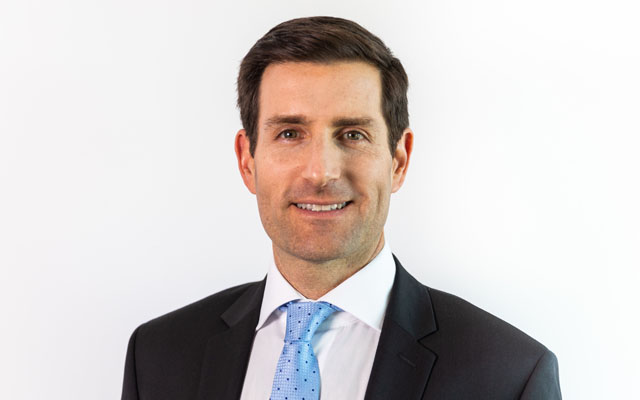
Jason Worth has been appointed vice president sales & general manager Asia Pacific of Oceania Cruises.
He will be responsible for the strategic expansion, vision and continued growth of the company’s presence in the Asia-Pacific market.
Worth joined Oceania Cruises in 2011 and was most recently vice president sales Australia & New Zealand. Prior to that, he was vice president finance & accounting Asia Pacific at Norwegian Cruise Line Holdings.
Regent Seven Seas Cruises has appointed Lisa Pile as vice president sales & general manager Asia Pacific.
In her new post, she will be responsible for the strategic expansion, vision and continued growth of the company’s presence in the Asia-Pacific market, and will lead the local sales team and outbound department across the region.
Pile was previously Regent’s vice president sales for Australia and New Zealand operations and has more than 25 years of senior leadership experience leading and managing both commercial and marketing teams for global luxury hospitality brands across the Asia-Pacific, Africa, China, Europe and the UK.
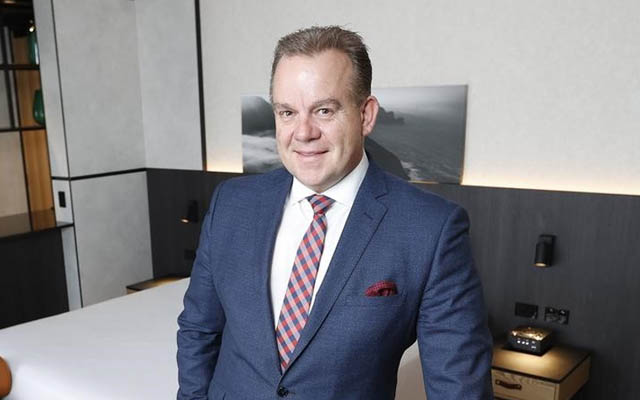
Jean-Pierre Joncas has been appointed general manager of Sofitel Bali Nusa Dua.
Hailing from Canada, he has amassed over 20 years of experience in international hospitality, and was most recently area general manager at Hotel Des Arts MGallery in Ho Chi Minh City, Vietnam.
In his new role at Sofitel Bali Nusa Dua beach resort, Joncas will continue to develop and strengthen the hotel’s successful positioning in the Bali luxury hospitality market, improve guest experiences, increase sustainability, and inspire his team to new heights of performance.
He was also recognised by Haute Grandeur in 2022 as the Best General Manager – Global level.
John Parker has been appointed general manager of Avani Chaweng Samui Hotel & Beach Club.
He has 15 years of hospitality experience and was recently at Mari Beach Club in Bali where he served as pre-opening general manager.
Parker will focus on positioning Avani Chaweng Samui Hotel & Beach Club as Koh Samui’s leading lifestyle resort, as well as elevating SEEN Beach Club Samui’s visibility, both regionally and internationally.
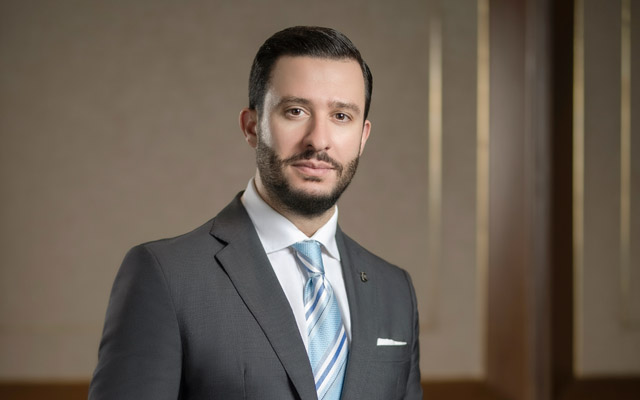
Alexis Rodriguez has been appointed general manager of The Ritz-Carlton Jakarta, Pacific Place.
Rodriguez brings with him 18 years of experience in luxury hotels, and in his new role, he will lead his team to ensure the embodiment of The Ritz-Carlton Gold Standards.
Previously the general manager of JW Marriott Zhengzhou, he is also able to communicate in multiple languages, including English, Spanish, Galician, among others.
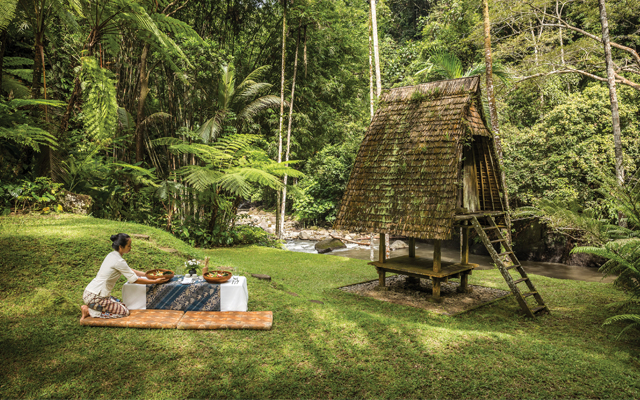
Wellness tourism, particularly based on local heritage and tradition, has been one of a major draws for travellers to Bali. Now, this segment is being expanded to include medical and sports specialisation.
Sandiaga Uno, Indonesia minister of tourism and creative economy said: “Indonesia Health Tourism is one of the national focus, developed jointly between the Ministry of Tourism and Creative Economy (MoTCE) and the Ministry of Health. This includes medical tourism, wellness tourism, sports (events) tourism and health-science based business events. Bali is one of the destinations with the potential to develop these four elements.”
Como Shambhala Estate takes a holistic approach to wellness
Besides Bali, the government has appointed Greater Jakarta and Medan for health-based tourism development. This will potentially generate a business value of US$11 billion and 2.3 million jobs.
Apart from improving Bali’s existing health facilities, including incorporating traditional healing services, the government has carved out a 40-hectare Health-related Special Economic Zone in Sanur.
Sandiaga said: “A number of health facilities will be built there, including a hospital that will partner with well-known international institutions such as the Bio Clinics of John Hopkins University.
“With this, we hope that not only (will) Indonesians (who favour health and wellness treatments overseas) get prime health services here, but international travellers can immerse themselves in nature and enjoy quality health-related services here too,” he said.
The Indonesia Health Tourism programme has been introduced to delegates of the B20 Indonesia Summit 2022 in November 2022, while the International Wellness Tourism Conference & Festival (IWTCF) was held in Solo, Central Java as a side event of the G20 Summit.
Sandiaga said these events pioneered Indonesia’s integrated wellness tourism sector, and MoTCE would organise the second IWTCF in 2023 in Bali.
In the meantime, new wellness resorts are opening in Bali while premium hotels are expanding their programmes.
Como Shambhala Estate, for example, recently launched the Integrated Wellness Programme, which is personalised for the guest with expert consultation, nutritional guidance, daily wellness treatments and access to all group wellness activities.
The Estate’s wellness manager and Ayurvedic consultant, Prasanth Vayanakathu said: “Our Integrated Wellness Programme is designed to address varying health conditions, goals and preferences, and we get increasing number of health seekers under this programme. We are also actively planning to incorporate new wellness strategies into this.”
Como Shambhala Estate is no stranger to guest wellness. It was launched as a well-being destination in 2005, long before wellness tourism become a trend. Its holistic approach to health is renowned.
The Asa Maia offers both local treatments as well as unique wellness experiences
Prasanth said: “Our wellness philosophy aims to assist our guests to have a transformational impact on their well-being by imparting a step-by-step actionable plan during their stay with us and beyond. This allows them to create their own wellness paths and we hand them the tools to suit their health conditions and goals.”
Over the years, the estate has witnessed a growing awareness of sustainable wellness – something that the team constantly incorporates into its practices.
Wellness-focused travellers to Bali can discover new experiences at The Asa Maia wellness retreat, which opened in November 2021 in Uluwatu, and Gdas Bali, which soft-opened in Ubud in October 2022. The latter aims to be fully operational in January 2023.
The Asa Maia is a 10-suite barefoot luxury wellness retreat that promises unique holistic wellness treatments. The property also highlights local arts and culture, such as through its villas that are old wooden Javanese houses called gladak. The spa also offers an array of Indonesian treatments as well as unique experiences through its infrared Himalayan salt sauna and specially-designed hot and cold plunge pools, whose contrast therapy can help quicken muscle recovery, reduce inflammation and improve immune function.
Guests can sign up for SOMA breathwork coaching to clear negative imprints and liberate themselves from their past, releasing trauma and increasing fitness capabilities. The programme can be customised.
Axel Jehanger, general manager of The Asa Maia, said: “Breathwork is for everybody, from bankers to corporate workers; you do not need to be a barefoot walker to do this.”
The wellness retreat was founded by Martha Booke, who had health issues and was inspired to create a space where people could heal and implement live-changing transformation that they could take back home, according to Jahanger.
Over at Gdas Bali, said to be the first health and wellness resort in Ubud that is equipped with modern facilities such as Cryotherapy, LiveO2, colonic hydrotherapy, salt therapy and IV drip treatment, guests can also heal their bodies through traditional rituals.
Rini Sekarani, sales and marketing manager, Gdas Bali said a herb garden is in development to house some 200 species that will be used for healing purposes.
Gdas Bali creates programmes according to individual needs, offering options such as plant-based diet, healthy drinks and spa treatments. Guests can also pick ready-made packages centred on sleep management and emotional healing.
A highlight at this 27-room retreat is hot yoga, conducted in a dedicated space heated with infrared technology to maximise detoxification. The UV-C lights also help to keep the space sterile and safe for guests.
The owner and director, Gary Foster, is an avid yogi who birthed Gdas Bali for his yoga community.


 In his new role, Hall will work to accelerate the range of experiences across the Asia-Pacific business through additional ship deployment, including Ponant’s recently refurbished sailing yacht Le Ponant and the company’s newest vessel Le Commandant Charcot.




 Worth joined Oceania Cruises in 2011 and was most recently vice president sales Australia & New Zealand. Prior to that, he was vice president finance & accounting Asia Pacific at Norwegian Cruise Line Holdings.
 Pile was previously Regent’s vice president sales for Australia and New Zealand operations and has more than 25 years of senior leadership experience leading and managing both commercial and marketing teams for global luxury hospitality brands across the Asia-Pacific, Africa, China, Europe and the UK.
 In his new role at Sofitel Bali Nusa Dua beach resort, Joncas will continue to develop and strengthen the hotel’s successful positioning in the Bali luxury hospitality market, improve guest experiences, increase sustainability, and inspire his team to new heights of performance.
 Healy has also worked with a number of Melbourne Hotels, including The Como Melbourne MGallery and Sofitel Melbourne on Collins.
 Parker will focus on positioning Avani Chaweng Samui Hotel & Beach Club as Koh Samui’s leading lifestyle resort, as well as elevating SEEN Beach Club Samui’s visibility, both regionally and internationally.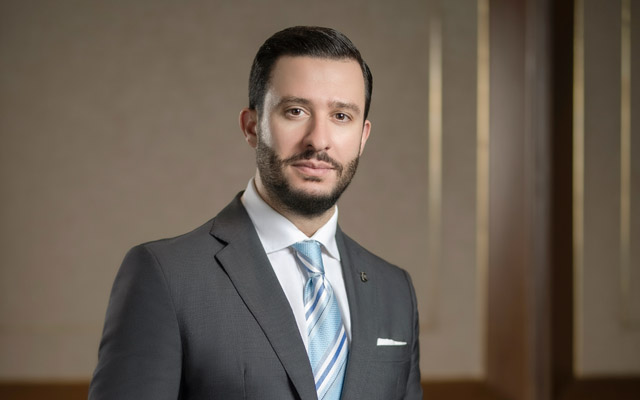
 Previously the general manager of JW Marriott Zhengzhou, he is also able to communicate in multiple languages, including English, Spanish, Galician, among others.