Asia/Singapore Monday, 27th April 2026
Page 232

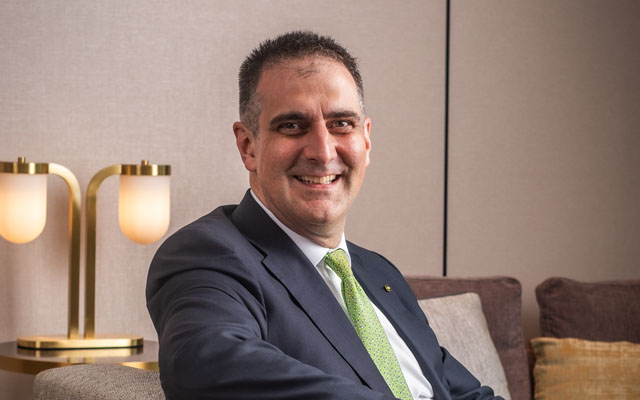
Xavier Pougnard returns to Shangri-La Singapore as hotel manager

0

Shangri-La Singapore has welcomed Xavier Pougnard back as its hotel manager.

With a career spanning 23 years, Pougnard brings with him a wealth of experience in operating international five-star luxury hotels in key cities across Asia, Egypt, and the US since 1996.

Previously at Shangri-La Singapore from 2014 to 2019, he returns to the hotel from his most recent role as store leader at Apple Singapore, and will be responsible for overseeing the daily operations of the hotel.

Doing tourism better

0

Regenerative tourism is the direction which New Zealand has taken coming out of the pandemic, where the country’s goal is to go beyond sustainable travel, and help visitors leave it in a much better place than when they first arrived.

Before the pandemic, New Zealand was at risk from overtourism, where in 2019, the country of five million was hosting 11 million visitors a year from 2016 to 2019, shared Cameron Hayes, marketing manager sustainability, Tourism New Zealand. While this meant that the tourism sector was thriving and there were many economic and social benefits, this enormous number was putting a strain on the environment and its people.

Springfield is a small town in the Selwyn District of Canterbury, in the South Island of New Zealand. Photo by Matt Crawford

This led to the creation of Tiaki – Care for New Zealand, as New Zealand sought to build back better after the pandemic. Tiaki, a Mãori word that loosely translates to care, conserve, and protect, is made up of five behavioural pillars (Protect Nature, Keep NZ Clean, Be Prepared, Drive Carefully, and Show Respect) that inspire visitors to travel safely and conscientiously.

Acknowledging the Tiaki promise is one thing; visitors are also encouraged to walk the talk, such as by giving wildlife space, not using a drone, keeping camping areas clean, not drinking and driving, paying attention to speed limits, not littering, and respecting Mãori sites.

Local tourism operators are making it easy for travellers to do the right thing.

Dale Burrows, director, Franz Josef Wilderness Tours, told TTG Asia: “One of our efforts includes a push for predator-free New Zealand, to give the kiwis (birds) a chance. We have partnered with Zero Invasive Predators and Predator Free South Westland initiative by assisting with transport to areas along the Lake Mapourika and Kiwi Sanctuary shoreline.

“We also assist with responses they have had through their network of AI Camera and monitoring systems in the surrounding rainforest.”

oraging for Māori ingredients. Photo by Miles Holden

One of the company’s achievements was working with the Department of Conservation on the Operation Nest Egg programme to bring back the rare Rowi Kiwi back from the brink of extinction into a stable pocket of 500 birds; and in the last year or so, Franz Josef Wilderness Tours has also achieved carbon zero.

Guests on their tours within the Westland Tai Poutini National Park will also be able to check traps, and learn about conservation efforts firsthand.

Burrows added: “Education is a very important part of Tiaki. We teach guests about the flora and fauna of New Zealand, and sustainable practices like leaving only footprints.”

Similarly, Darren Gamble, tourism manager of Mount White Station in Arthur’s Pass, is offering longer, immersive stays that show tourists how close the locals’ relationship with the land is.

Gamble elaborated: “Visitors get to learn about beekeeping through the three-hour pollen-to-plate experience. They go out with the beekeepers to harvest the honey, then to the extraction, before trying some honey paired with wines. We also can take guests to see the sheep, shepherds, and 15 dogs they work with. There’s also a deer paddock on-site.”

By revelling in these experiences, Gamble pointed out travellers will be able to learn about what farmers struggle with, and show them how much effort goes into shearing a sheep to produce enough wool to make a sweater, as well as reconnect with nature to boost mental health.

Further up on the North Island, Sam Sutton, director, Rotorua Rafting and Rotorua Ziplines, is on a mission to plant 100,000 native trees, which will in turn rid 90 per cent of gorse (a yellow-flowering shrub that is a major invasive plant species in New Zealand).

He told TTG Asia: “We have a whole pest control network set up, and it’s easy for clients to participate in. These include planting a tree, or supporting a programme that deals with predators. New Zealand has the fastest rate of extinction of our indigenous species more so than any other country (due to invasive flora and fauna introduced by early settlers).”

During the company’s rafting tours, guides take time to point out the different flora and fauna and explain their purposes. They also explain why rats and possums are killed – because these introduced animals are destroying New Zealand’s ecosystem. Possums consume 20,000 tonnes of foliage each night, while 68,000 native birds are eaten by introduced predators every night.

Sutton opined: “Honestly, I don’t think there’s another industry that’s got more focus and buy-in from the operators in all aspects. In New Zealand, regenerative tourism is at the core essence of what everybody does.”

experience culture at Te Pā Tū. Photo by Miles Holden

Rene de Monchy, chief executive, Tourism New Zealand, stated: “Our vision by 2030 is that we want all visitors to New Zealand to be of high quality, which will lead to a more productive and regenerative New Zealand.”

He noted that “high-quality visitors” go beyond “high net worth visitors”, and includes travellers who are engaged with New Zealand’s culture and nature, and undertake a range of experiences at different times of the year.

“Visitors to New Zealand who’ve been influenced by our work either on a consumer or trade level will spend more, visit more regions, and come in the off-peak seasons, and have higher efficacy for New Zealand after they leave.

“These visitors will enrich the wellbeing of New Zealand, help to create jobs, restore nature, and enhance our heritage building. That is very important to us,” said de Monchy.

Gearing up for success

0

Dubai is on track to becoming one of the most visited international destinations of 2023, welcoming 4.67 million overnight visitors in 1Q2023 – and it has its eyes firmly pinned on the Chinese rebound to further bolster arrival.According to figures from Dubai’s Department of Economy and Tourism (DET), this marks a 17 per cent uptick on the same period last year, positioning Dubai as the fastest recovering destination globally, with the nation achieving 98 per cent of pre-pandemic levels.

DET’s director general said this has been achieved by rolling out aggressive marketing campaigns worldwide, as well as attracting a string of major international business and leisure events.

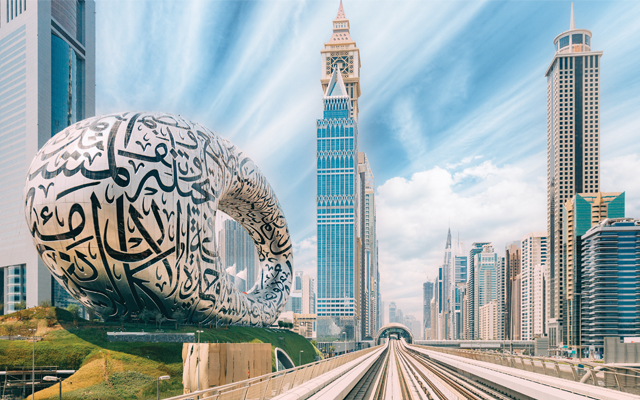
Dubai cityscape

“As we look ahead to further accelerating momentum in our tourism sector, the pillars of sustainability, gastronomy, trade, and technology will form the foundation of our future success,” said Helal Saeed Almarri. He added that as Dubai prepares to host UN climate change conference, COP28, Dubai is focusing on promoting sustainable tourism.

During 1Q2023, South Asia accounted for 16 per cent of total international arrivals, with North Asia and South-east Asia taking in six per cent, and Australasia one per cent. In fact, South Asian arrivals have almost reached pre-pandemic tourism levels.

India was Dubai’s top source market, attracting 612,000 visitors in the first three months of 2023. China came in at 11th place with 94,000, the Philippines 18th with 57,000, and Australia 19th with 56,000.

Mohamed Al Rais, deputy managing director of Al Rais Travel, said the Asian market continues to grow, with all eyes pinned on China’s full rebound, which is predicted for the 2H2023. He added that with Dubai slated to host COP28 from November 30 to December 12, the company’s main focus is on promoting sustainable tourism.

“We are trying to increase awareness of sustainable tourism, with a focus on sustainable travel, accommodation and other related segments within the market,” he said, adding this is also increasingly what travellers are demanding.

In addition to hosting the UN climate change conference, Dubai will welcome a series of major international events in 2023 that are expected to attract more international visitors to its shores. These include Dubai Summer Surprises, Dubai Esports and Games Festival, which Dubai Tourism expects to be a hit with Asian nations, and Dubai Fitness Challenge.

Anabela Radosevic, manager of B2B sales and service at Arabian Adventures, said desert safaris, private city tours and morning desert adventures remain popular activities with the Asian market, in particular Japanese, South Korean and Chinese visitors. Arabian Adventures has sales offices in Japan and China.

Tourists in the ancient covered textile souq Bur Dubai in the old city centre

“Asia remains a top source market for Arabian Adventures in its capacity as a DMC, offering end-to-end destination services to international travel trade partners, as well as Dubai desert safari and UAE city tour offerings, cruise handlings and events services,” said Radosevic. “Of all Asian markets, for Arabian Adventures, Japan has been showing the strongest recovery post-pandemic, followed by South Korea and China.”

Attractions are also eyeing up Asian visitors. Madame Tussauds Dubai, which opened in 2021, said India is currently its strongest market from the region, while Indonesia, Thailand and the Philippines are growing source markets.

“An increase in visitors from Asia is definitely evident since travel resumed. We are excited to welcome more visitors as this trend continues,” said Samantha Joffe, marketing manager at Madame Tussauds Dubai.

She added that visitors from the Asia region are excited to see international stars in the attraction, mainly Tom Cruise, Audrey Hepburn, and Taylor Swift’s wax figures, as well as the dedicated Bollywood Zone with figures of Shah Rukh Khan, Katrina Kaif, Salman Khan and Ranveer Kapoor, and wax figures of Xi Jinping and Jackie Chan.

“China remains an important source market for both Dubai as a destination and Madame Tussauds Dubai, with strong growth potential and focus as travel resumes,” she added.

In 2019, Dubai welcomed almost one million visitors, marking an almost 15 per cent year-on-year (YoY) increase.

In 2022, 177,000 Chinese visitors landed in Dubai. While this represents a 131 per cent YoY increase, China only lifted its Covid restrictions in January 2023 and tourism players are awaiting the big rebound.

Al Rais said that other than Dubai, AlUla in Saudi Arabia, Egypt and Jordan are destinations that are traditionally marketed to Chinese visitors – he anticipates these will be among the first to benefit from the Chinese travel rebound.

In a bid to cement its title as the most visited destination of 2023, Dubai is continuing to provide simplified entry and stay measures for international arrivals, such as the golden visa, five-year multi-entry visa, virtual working, and retirement in Dubai programmes.

Travel rewards most desirable among financial services users: Collinson study

0

New research from Collinson that looks at customer engagement and loyalty in Asia-Pacific has identified a strong lure of travel-related rewards or benefits, and the opportunities they bring to financial services brands that are keen to drive better commercial returns.

The New Rules of Engagement: Customer Expectations Revealed report, which surveyed 4,750 respondents across 10 markets in Asia-Pacific, saw mass consensus (93%) among respondents that the availability of such rewards is what encourages them to engage regularly with a brand. This sentiment is strongest among respondents in Vietnam (97%), Thailand (94%) and Malaysia (90%).

Collinson’s report showed that respondents in Asia-Pacific will engage regularly with a brand if there are rewards or benefits available to them

Most (78%) consumers are also motivated to use their payment cards for travel expenses if the cards offer travel-related rewards or benefits. This trend is especially apparent among consumers from Malaysia (84%), India (83%), Vietnam (82%), Thailand (81%), China and Hong Kong (both 80%).

Meanwhile, 75% are more likely to use their card for everyday expenses, when travel rewards and benefits are available. This sentiment is strongest among consumers from India (83%), Vietnam (82%), Hong Kong SAR (81%), Malaysia (81%) and China (79%). Within this group, millennial consumers make up the largest segment.

Among travel-related rewards, airport lounge access is the most appealing among Asia-Pacific respondents in the Millennials, Gen X and Boomer age segments; access to airport transit hotels placed first for Gen Z respondents.

Millennials, Gen X and Boomer respondents in the region identified access to airport transit hotels as their second favourite perk.

The appeal of airport lounge access strongly correlates with age and income, stated the report. For financial services’ consumers, for example, Collinson found that older and more affluent consumers are more likely to rank this benefit as most appealing – and are willing to pay more for it. 74% of Gen X consumers, for example, expect to be offered airport lounge access as a reward on a premium payment card.

Rohan Bhalla, vice president, business solutions, Asia-Pacific, Collinson, said: “Travel rewards have the power to impact across the entire customer journey from acquisition to engagement and even retention. The high perceived value associated with travel related rewards and benefits makes them a key strategic, value proposition to influence customer behaviour and drive long-term loyalty.

“By drawing on a deep understanding of their customers and key touch points along the buying journey, brands can tailor their communications, offers and rewards to ensure these are relevant. That way, they will be better able to build engagement and loyalty over time.”

When asked if travel perks have the same strong appeal for consumers engaging with travel and tourism companies, which are already selling the same experiences, Todd Handcock, global chief commercial officer and president Asia-Pacific at Collinson, answered in the affirmative.

Bhalla told TTG Asia that travel and tourism companies build status into their loyalty and reward programmes, with the pinnacle of most aspirational rewards often being a travel perk, such as an airline ticket redemption, room upgrade or access to an exclusive lounge.

“Travel and tourism companies are successfully building aspirational value into their travel benefits. The other thing they are doing, is to take the same aspirational value to the lower tier of programme status, the broader segments, and giving these customers a taste of (the top) experience at a price or as a surprise,” detailed Bhalla.

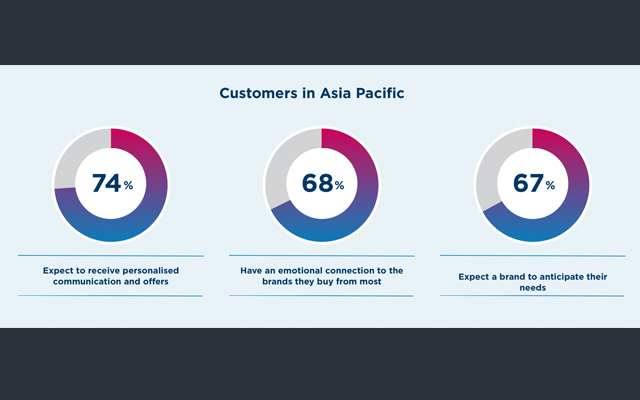
With consumers being part of seven different loyalty programmes on average, Bhalla emphasised the need for companies to continuously review their engagement strategy and pay heed to “predictable personalisation”, which he defined as knowing the customer, showing the customer that he/she is valued, and engaging the customer in relevant ways.

Gerhard Aicher leads as area GM of Marco Polo Hotels in Hong Kong

0

Wharf Hotels has appointed Gerhard Aicher as the new area general manager of Marco Polo Hotels in Hong Kong.

He will lead the teams at Marco Polo Hongkong Hotel, Gateway Hotel, Hong Kong and Prince Hotel, Hong Kong.

The Austrian national has more than 20 years of experience in the hospitality industry, having held the role of director of finance at several hotels. Prior to joining Wharf Hotels, he was CEO of the OTT hospitality division in Toronto, Canada.

Tourism Australia’s B2B event in India sees record participation

0

Tourism Australia’s Australia Marketplace India (AMI), held from July 23 to 25 in Bengaluru, marked an attendance breakthrough, with participation from 94 Indian travel agents.

The B2B event brought 86 Australian tourism businesses over to India, where they displayed their products and services to the Indian agents. Australian representatives included lodging and tour operators, attractions, experiences, cultural institutions, along with state and local tourism organisations.

AMI 2023 saw a 20 per cent increase in sellers as compared to AMI 2019

Compared to AMI 2019, this year’s event saw a 20 per cent increase in sellers. Indian travel buyers represented 94 companies from across eight Indian cities – Mumbai, Delhi NCR, Bengaluru, Hyderabad, Chennai, Pune, Ahmedabad, and Kolkata.

Andrew Hogg, executive general manager – eastern markets and aviation, Tourism Australia, said: “India has been Australia’s fastest growing source market and continues to be one of Australia’s most valuable and promising tourism markets now and into the future.

“Australia Marketplace India is our prime platform… we continue to receive outstanding support from our Indian travel partners, who are some of our biggest advocates in making Australia a preferred holiday destination for India’s High Yield Travellers.”

Tourism Australia’s distribution strategy in India includes dedicated trade engagement initiatives and a range of online resources such as the Aussie Specialist Program (ASP), Trade Resource Hub and Australia 365 On Demand.

To date, Tourism Australia has over 4,650 Qualified Aussie Specialists across India, who promote and sell Australian holidays. ASP agents receive special access to a resourceful online toolkit to sell Australian holidays and a chance to participate in innovative training programmes and remain updated on the destination through informative newsletters.

Tourism Australia has also introduced a second tier to its ASP in India, with the addition of the Premier Aussie Specialist Program. Up to 40 agents in India have been awarded the Premium Aussie Specialist title and are known to sell bespoke experiences across Australia.

In addition, there are opportunities for select frontline staff and product teams to gain a first-hand experience of Australia through global trade events like the Australian Tourism Exchange and G’day Australia.

Top incentive ideas, part 2

0

1. Eat well, be well
At the forested 51-hectare The Farm at San Benito in Lipa, Batangas – a 90-minute drive south of Manila, Philippines – treat your top achievers to a range of holistic, medically-guided, science-based retreats in a lush, natural setting.

With the aim of detoxing and recharging for a new year, groups will be able to stay in the property’s 60 suites and villas, and indulge in treatments at the award-winning spa that draws inspiration from the principles and practices of traditional Philippine Healing Art.
• Capacity: Any group size
• thefarmatsanbenito.com

2. Forest and folklore
Trek inside the old forest in Subic guided by the Aetas, one of the Philippines’ oldest indigenous tribes and gatekeepers of the forest land threatened by commercialisation.

The forest yields its secrets recounted in folklore and storytelling: groups will see endemic tall trees, rare plants, fruits and herbs, and edible insects; follow the scent of flowers abloom; and learn jungle survival skills. The experience is capped with a dip in the forest pools and waterfalls, and lunch prepared by the tribe.
• Capacity: Any group size
• madtravel.org/collections/tourpackages/tours

3. All aboard the train
This day trip with Canterbury Leisure Tours will take groups out of Christchurch onboard the TranzAlpine train that travels through the Southern Alps to Arthurs Pass. Along the way, groups will be treated to snow-capped mountains, turquoise-coloured rivers, and lush rolling plains. Groups will then be offered the option of a short tramp through old-growth mountain beech forest or to Devil’s Punchbowl Waterfall, before breaking for lunch.

On the return journey, groups will also get to experience an exhilarating jet boat ride through the spectacular gorges of the Waimakariri River. This is followed by a visit to a rural family-run farm for a sheep shearing and sheep-mustering demonstration, along with a spot of afternoon tea.
• Capacity: Any group size
• leisuretours.co.nz/day_tour/arthurs-pass-tranzalpine

4. Stay in a picture-postcard setting
Shirakawa-go in Japan is even more special in the stillness of evening and early morning. A number of the picturesque buildings, characterised by their thatched and steeply slanted roofs, are open as guesthouses, complete with historic beams, tatami flooring and sunken hearths. The village, located in one of the snowiest places in the country, is blanketed in white powder during January and February. There are more than 40 accommodation options for groups.
• vill.shirakawa.lg.jp/en

5. Wellness amid nature
Located near the hill station of Lonavala, Fazlani Natures Nest is easily accessible from both Mumbai and Pune. The sprawling property offers visitors a breathtaking view overlooking the majestic Sahyadri mountains, and serene backwaters of the Indrayani River.

Here, incentive groups can opt from a range of wellness therapies including Ayurveda, Naturopathy and Physiotherapy under its Conscious Change Retreats programme. Coupled with healthful energising activities and wellness cuisine, the programme aims to help groups reconnect and rejuvenate. Nature-trail walks, dynamic yoga, group exercise activities, and stretching sessions can also be incorporated during breakouts or pre- and post-meetings.
• Capacity: 80 pax
• fazlaninaturesnest.com

6. The world of wine
Monsoon Valley, Thailand’s leading wine producer, offers a range of activities for incentive winners, including a guided tour through the vineyard, cycling on the estate’s mountain trails, label painting workshops, and now, even a hot air balloon ride for an aerial view of the vines and surrounding area. And, of course, the opportunity to sample Monsoon Valley’s favourite tipples in the vineyard restaurant.
Travel planners can choose from three sites, Monsoon Valley Vineyard at Hua Hin, Tab Kwang Vineyard, and Chiang Mai Vineyard.
• Capacity: Any group size
• monsoonvalley.com/en

7. Soak up ethnic mountain culture
Delve into the unique culture of the Red Dao ethnic tribe in Central Vietnam’s Sapa. This provides a memorable adventure for top achievers as they dive into the fascinating world of one of Vietnam’s ethnic groups. Guests can take part in a Red Dao wedding, feed guardian spirits, play traditional games and be treated to the hospitality of the minority group by staying in their homes.
• Capacity: Groups of 20
• contact@makeyourasia.com

8. An island paradise
Get your top achievers out of the office and ship them off for a four-day trip to Belitung, Indonesia.

Being an island destination, winners will be able to snorkel at Kera Private Island, and participate in coral planting, while on a private boat trip to Kelayang Island. Island hopping can also be arranged.
Itineraries can also include a guided trek to look for various species of dragonflies, as well as an in-depth lesson on the island’s flora and fauna.

Aside from its natural riches, the east part of Belitung is home to significant sights such as the Rainbow Troops School, made famous by the home-grown Laskar Pelangi movie); Kirana Harbour; Museum Kata Andrea Hirata, Indonesia’s first literary museum; Bandung Lake; and Kwan Im Chinese Temple which is more than 250 years old.
• Capacity: 40 pax
• reservations@bluemind.co.id

9. Gems of Langkawi
The Essence of Asia provides a one-day wellness programme in Langkawi with a personalised guided tour by a local naturalist showcasing the flora and fauna of the sprawling Langkawi UNESCO Global Geopark.

Upon return to the hotel, top winners will be treated to an invigorating and revitalising traditional massage followed by a nutritious lunch. In the evening, they will be transferred to a secluded island where a four-course fine dining experience awaits.
• Capacity: 6 pax
• arokia.das@theessenceofasia.com

10. Desert discovery
Magic Camps can help to organise a memorable incentive trip in the heart of Oman’s desert, with a luxury camp experience curated to a group’s needs.

In keeping with Berber style, a majlis (sitting room) is situated at the heart of the camp, which can be transformed for an ultimate Arabian Nights adventure. Guests will get to stay in luxurious, eco-friendly tents, while a range of experiences includes stargazing with an astronomer, fire shows, a falcon show, and sandboarding.
• Capacity: Any group size
• camps-oman@magic-arabia.com

11. Walk on the wild side
Take an exclusive behind-the-scenes tour of Phnom Tamao Wildlife Rescue Centre in Phnom Penh and meet some of the 1,200 animal residents that have been rescued from the clutches of Cambodia’s illegal wildlife trade.

The day experience includes hand-feeding elephants, visiting clouded leopards, gibbons and otters, hanging out with baby macaques, and visiting the nursery to see how baby animals are cared for until they can be released back into the wild wherever possible.
• Capacity: Groups of 10 pax
• wildlifetourspt@wildlifealliance.org

Trip.com introduces AI travel assistant TripGenie

0

Trip.com has launched TripGenie, an enhanced version of its AI travel assistant previously known as TripGen, to create a more personal, intuitive and hassle-free travel planning experience.

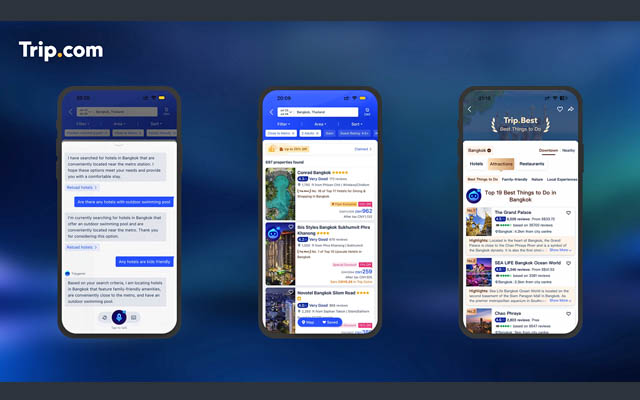
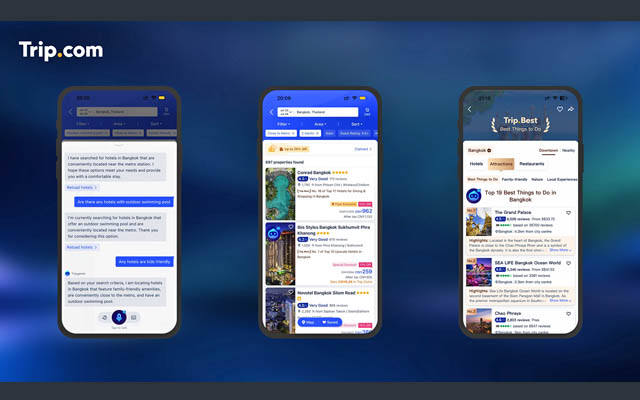
TripGenie leverages on large language model technologies to cover all aspects of travel, from detailed itinerary crafting to immediate bookings. It responds to text and voice commands, and enhances the user experience by displaying images, links, while swiftly directing users to relevant app results.

TripGenie will cover all aspects of travel, from detailed itinerary crafting to immediate bookings

“TripGenie has completely re-engineered how users interact with AI in travel planning and booking, creating a conversation flow that is human-like and intuitive,” said Amy Wei, senior product director at Trip.com and product owner of TripGenie.

Powered by large language model technology, TripGenie streamlines travel planning, offering personalised recommendations, comprehensive travel plans, and a consolidated booking service within the app. Queries such as “Can you suggest a cheap flight from Singapore to Bangkok?” instantly propels the user to the Flight Deals page, featuring the most cost-effective options. When requesting for hotels near Bangkok’s metro system, it will lead users directly to a curated list.

In itinerary planning, TripGenie is able to recommend tourist spots, shopping destinations, maps, as well as provide booking links and images. If the travel dates are not yet confirmed, TripGenie can save the interactive and structured itinerary in the My Itinerary section of the My Trip channel for later planning.

Furthermore, TripGenie integrates Trip.com’s travel ranking lists like Trip.Best, Trip.Deals and Trip.Trends for hotels, flights, and itineraries.

Transforming the way users interact with travel apps through the Language User Interface (LUI), TripGenie users can unveil a semi-transparent overlay to type or voice their queries, all without disrupting their browsing momentum. When inactive, TripGenie smartly tucks itself in the sidebar, maintaining a clean and uncluttered interface.

In addition, the data captured by the LUI blends into the existing user interface, auto-populates relevant fields, as well as offers contextual assistance throughout the journey. In the event of incomplete data, it will prompt follow-up questions to ensure all necessary details are collected.

TripGenie supports English voice and text input, as well as Japanese, Korean and traditional Chinese text input. Future TripGenie upgrades will include a virtual tour guide feature for an even more immersive travel experience.

7 Apple Hotel Pratap Nagar appoints new GM

0

Manvendar Singh Tomar has been named the new general manager of 7 Apple Hotel Pratap Nagar.

With over 25 years of experience in the field, he brings a wealth of knowledge and expertise – namely in management, operations, procurement, financial planning and guest services – to lead the hotel toward new heights of success.

Prior to joining 7 Apple Hotel Pratap Nagar, he has held positions at Choice Hotels, Mansingh Hotels, Sarovar Hotels and Hotel Park Prime.

Bali plans tourist fee from 2024

0

The Bali regional government has raised a proposal to implement a fee of 150,000 rupiah (US$10) for international travellers entering the destination from next year, with levies being directed to cultural preservation and tourist infrastructure development.

The proposal was presented by Bali governor I Wayan Koster in parliament earlier this month.

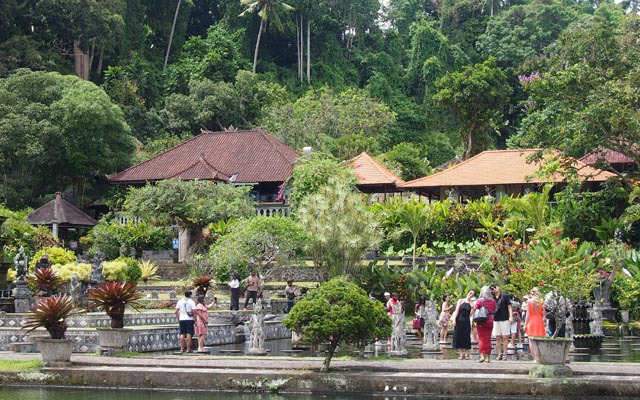
Tourists throng Tirta Gangga, Bali (Photo by Dhini Oktavianti)

Elaborating on the plan, Tjok Bagus Pemayun, head of the Bali Provincial Tourism Office, said the tourist fee was conceptualised to “maintain Bali’s nature, culture, and environment in a sustainable manner, ensuring that tourists can continue to enjoy Bali with a sense of security and comfort”.

While implementation details are still pending, the plan has attracted support from Bali tourism industry stakeholders.

Ida Bagus Agung Partha Adnyana, chairman of the Bali Tourism Board, told TTG Asia that the tourist fee is common in other countries and tourism players are unanimous about wanting the collection to support quality tourism development through improved infrastructure, raise service quality through training, and to promote sustainable tourism experiences.

He stressed the importance of transparency in money utilisation and the establishment of smooth collection procedures to avoid delays at airports.

When asked if the tourist fee would dampen travel interest, Hatta Pradhana, spokesperson of Dwidaya Tour, said: “Bali is one of the best tourist destinations in the world, so we believe the fee will not significantly impact arrivals to Bali.”

He quipped that the fee is equivalent to A$14 – the price of two cups of coffee in Australia. Australia is currently Bali’s biggest source market.

In response to concerns about other Indonesian destinations potentially adopting similar levies and resulting in various tourist fees across the country, Sandiaga Uno, minister of tourism and creative economy, said the government would look into regional regulation.

Sandiaga added: “Bali can pioneer this initiative because it is a top destination. If other destinations (achieve the same level of tourism success), we can consider (the application of a tourist fee). However, any tourism levy must be based on (thorough studies).”

.sister-sites .sites a { padding: 14px; }