

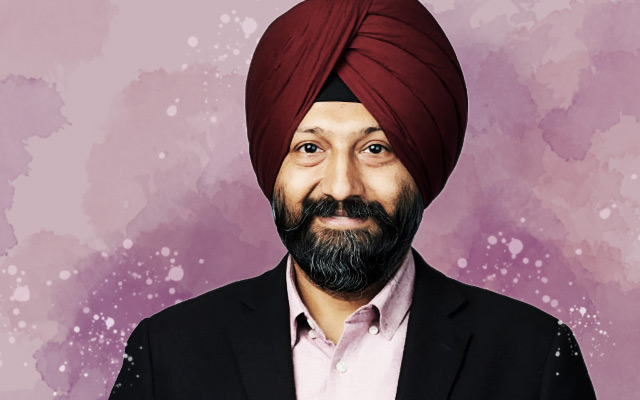
Founder and chief of guest experience at Travel Twist, Harjit Singh, outlines how the company is expanding its bespoke offerings, tapping into the rise of shorthaul getaways, wellness travel and multigenerational trips, while navigating geopolitical uncertainties and a changing competitive landscape
 Kindly share a brief about the latest happenings in your travel agency.
Over the past year, our focus has been on strengthening our portfolio of bespoke, experience-led journeys while deepening partnerships with leading luxury hotels and global travel partners. We have introduced curated shorthaul and high-impact getaways tailored for time-conscious travellers, alongside expanding our offerings in wellness retreats, private villas and multigenerational travel.
At the same time, we continue to prioritise personalised service, seamless execution and access-driven value, ensuring every journey is thoughtfully designed and aligned with evolving luxury travel expectations.
Which destinations are currently trending among Indian travellers and what factors are driving these choices?
Indian travellers are currently favouring a mix of shorthaul international destinations such as Sri Lanka, Vietnam, Laos, Japan, the Maldives and South-east Asia, alongside domestic regions like Kashmir, the Himalayas and emerging offbeat locations across the country.
This shift is largely driven by a preference for experience-led travel, ease of access and shorter, high-impact getaways. Improved connectivity, evolving visa policies and a growing interest in culture, wellness and nature-based experiences are also key factors influencing these choices. Overall, the focus has moved from traditional sightseeing to more personalised, meaningful and time-efficient travel.
How are changing traveller preferences shaping the kind of packages and experiences you offer?
Changing traveller preferences are driving a shift towards personalised, flexible and experience-led travel. We are increasingly designing bespoke journeys that prioritise authenticity, privacy and seamless execution over fixed itineraries.
This includes a stronger focus on short, high-impact getaways, wellness experiences, private stays and multigenerational travel. Overall, the emphasis has moved from standard packages to curated journeys tailored to individual lifestyles and expectations.
What impact have geopolitical tensions or global uncertainties had on outbound travel bookings?
Geopolitical tensions and global uncertainties have led to more cautious outbound travel behaviour rather than a decline in demand. Travellers are showing a clear preference for shorthaul and stable destinations, while longhaul travel has seen some moderation due to increased travel time, higher airfares and connectivity challenges. There is also a stronger focus on flexibility with clients prioritising refundable bookings and well-planned itineraries. Overall, demand remains resilient, but decision-making is more measured with safety, convenience and flexibility taking precedence.
Are you seeing a rise in luxury travel, experiential travel or niche segments like wellness and adventure tourism?
Yes, there is a clear rise across luxury, experiential and niche segments with experiential and wellness travel leading the shift. Luxury travel continues to grow but with a stronger focus on personalised and meaningful experiences. At the same time, demand for wellness, adventure and other niche segments is increasing, driven by a greater focus on well-being and immersive travel. Overall, luxury today is being defined more by experiences and personalisation than by traditional notions of opulence.
How important has digital transformation been for your business especially in terms of bookings and customer engagement?
Digital transformation is integral to our business, enhancing both operational efficiency and customer engagement. While luxury travel remains relationship-driven, digital tools enable seamless bookings, faster communication and more personalised service. The focus is on combining high-touch service with smart technology to deliver a more efficient and connected client experience.
What challenges are you currently facing as a travel agent in India and how are you addressing them?
Travel agents in India are currently facing margin pressures, rising costs and increasing competition from online and direct booking channels. At the same time, client expectations around speed, flexibility and personalisation continue to rise alongside regulatory and visa-related complexities.
We are addressing these by focusing on high-value, personalised services, strengthening global partnerships and leveraging digital tools to improve efficiency and responsiveness, positioning ourselves as trusted advisors rather than transactional providers.
How do you see the role of travel agents evolving in an era dominated by online booking platforms?
As I mentioned earlier, the role of travel agents is evolving from transactional booking providers to trusted advisors. While online platforms offer convenience, clients are increasingly seeking expertise, personalisation and seamless end-to-end support particularly for complex or high-value travel. The focus today is on delivering curated experiences, access and reassurance – combining high-touch service with smart technology.
What is your outlook for overall travel sentiment in India?
Travel sentiment in India remains strong and highly positive, with steady growth across both domestic and outbound segments. Demand continues to be driven by rising disposable incomes, increased global exposure and a growing prioritisation of travel as a lifestyle choice. While external challenges persist, overall momentum remains resilient with India expected to be a key driver of global travel growth.