

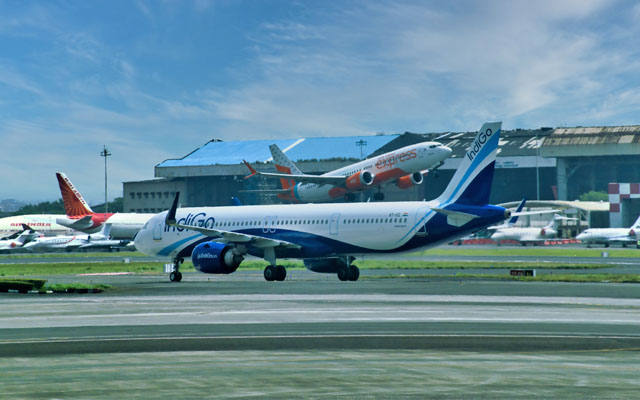
A hike in Aviation Turbine Fuel (ATF) prices effective April 1 is set to increase air travel costs in India, with airlines already passing on the impact to consumers through higher fuel surcharges.
Even though India’s Ministry of Civil Aviation has approved a 25 per cent increase in ATF prices for domestic scheduled carriers on domestic routes as a partial relief measure amid global energy volatility triggered by disruptions in West Asia, no such relief has been extended to international operations.
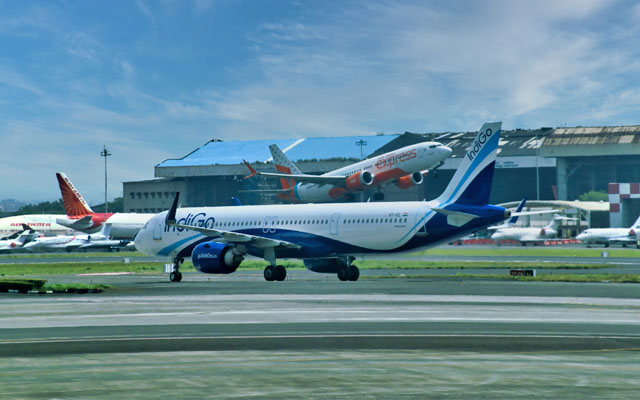
For airlines flying internationally from India, oil marketing companies such as Indian Oil Corporation have increased ATF prices in Delhi to US$1,690.81 per kilolitre from April 1, marking a steep 107 per cent jump compared to March 2026. ATF prices in India are revised monthly and vary across states due to differences in local taxation.
Airlines have begun adjusting fares accordingly. IndiGo has announced revised fuel surcharges effective April 2. On domestic routes, passengers will now pay 600 rupees (US$6.47) for sectors between 1,001 and 1,500 km, and 950 rupees for routes exceeding 2,000 km. For international travel, the airline has introduced a surcharge of 3,000 rupees for sectors up to 2,000 km and 5,000 rupees for routes beyond 2,000 km across the GCC and Middle East. For longhaul destinations such as the UK and Europe (excluding Greece and Turkey), the surcharge has been increased to 10,000 rupees.
Industry stakeholders warn that the hike could impact travel demand, particularly in the price-sensitive leisure segment. “For the price-sensitive Indian leisure travellers, especially families booking summer holidays, even a 500 to 1,500 rupees jump per ticket can shift decisions: from flight to train, from four-night trips to two-night trips, or from a distant destination to a nearby one, and this would impact domestic tourism,” said K Vijay Mohan, managing director of Holiday World.
Mohan added that outbound travel is likely to become more expensive, particularly for longhaul destinations. “The ATF hike will further increase the cost of travel to destinations such as Europe and the US, reinforcing the trend of travellers postponing outbound plans or switching to shorthaul Asian destinations, and in many cases, to domestic alternatives,” he said.
Echoing similar concerns, Harjit Singh, founder and chief of guest experience at Travel Twist, noted that even marginal increases in airfares could dampen discretionary travel demand. “Weekend getaways and short-break trips may see softer demand, while budget-conscious travellers are likely to postpone or scale back their plans,” he said.
Singh added that outbound travel behaviour is also expected to evolve. “Travellers are likely to shift towards shorthaul destinations such as South-east Asia and Sri Lanka, while longhaul leisure travel may be deferred or see a shift from premium cabins to more economical options,” he said.
According to Singh, while the luxury segment is expected to remain relatively resilient, albeit at higher costs, the broader outbound tourism market is likely to remain sensitive to pricing pressures in the coming months.