

As travellers seek deeper cultural context, Singapore’s food scene is evolving beyond dining into storytelling, with hawker stalls, heritage brands and hotels offering experiences linking cuisine with history, craft and identity
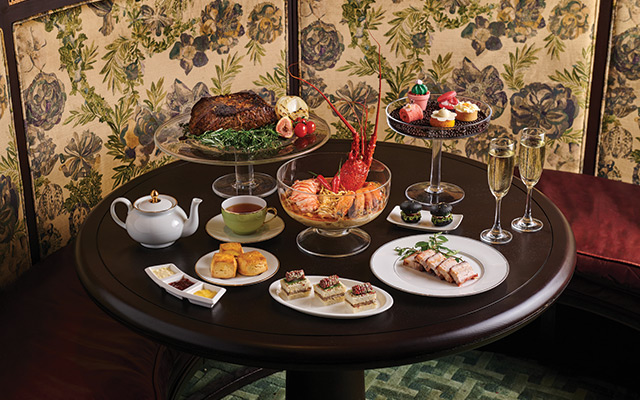
Singapore’s dining scene has long been a headline act, but travellers today are no longer satisfied with simply eating well. Increasingly, they want to understand what food means to the city.
The appetite has shifted from photographing chicken rice to learning who still stews stock at dawn, and from slurping laksa to hearing how a family continues to hand-make rempah.
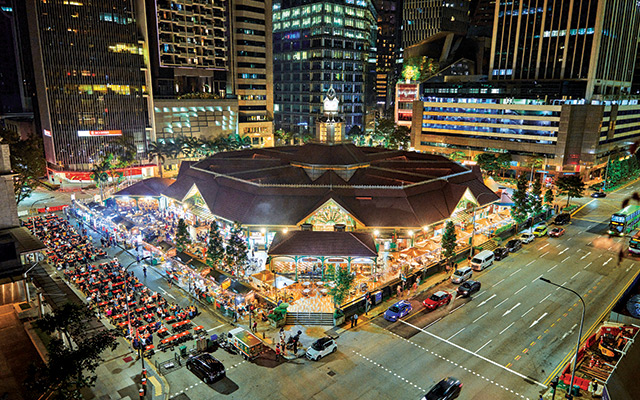
As visitors become more culture-led and experience-driven, the city’s culinary landscape is evolving alongside them, revealing flavours intertwined with history, identity and craftsmanship.
Tour operators, independent restaurants and hotels are tapping into this shift, creating tasting experiences that also function as cultural immersion. The rise of food-focused cultural tours has become one of Singapore’s stronger draws for inbound travellers seeking context behind the cuisine.
Operators such as Indie Singapore have built their reputation on going beyond the standard hawker crawl, weaving together wet-market rituals, neighbourhood histories and the personalities that keep the city’s food traditions alive.
According to Thiam Wei Toh, founder of Indie Singapore, a company specialising in immersive tours, food is used to tell a story.
“Normally, we curate the dishes based on certain narratives we have, or certain culture practices we want to spotlight. For example, on some tours, we meet the stallholders, hear the family stories behind recipes, and show how food is woven into rituals, work rhythms and neighbourhood identity,” said Thiam.
He added: “You can very well visit (some of) the food places based on online recommendations; you will be able to get the food from the menu on your own. However, we think this contextual storytelling will allow the guests to leave with names, faces and little anecdotes they can’t get from a menu alone.”
Another example is The Intan, a Peranakan home-museum where owner Alvin Yapp hosts small tea sessions and full meals set among heirlooms and family antiques.
“Food has always been central to Peranakan life,” said Yapp. “It’s how families connect, how traditions are passed down, and how guests are welcomed.”
As inbound travel continues to recover, he has noticed renewed interest in food-related tour experiences that extend beyond eating to include storytelling, history and hands-on interaction. He also views food as one of the most accessible entry points into Singapore’s multicultural identity.
“When guests taste ayam buah keluak or assemble their own popiah, they’re not just eating; they’re tasting a story of migration, adaptation, and harmony,” he explained.
“Each ingredient reflects a cultural dialogue. Malay spices, Chinese techniques, European influences are all blended into something uniquely Singaporean.”
Heritage brands such as Violet Oon and Jumbo continue to attract international visitors curious about classic flavours and festive dishes they have encountered on television or social media. Their appeal lies in familiarity and consistency, with guests knowing they will encounter recognisable Singaporean tastes.
At the other end of the spectrum, Michelin-recognised hawkers have become cultural reference points in their own right. Even without formal accolades, hawker culture remains central to the city’s culinary identity, turning modest stalls into direct connections to everyday food heritage.
Hotels are also being reshaped by shifting expectations around dining, with travellers increasingly seeking experiences that feel culturally grounded rather than generic.
Mett Singapore has responded by aligning its dining philosophy with this preference. Culinary and F&B director Daniele Sperindio shared: “The best memories are those made around the table. We want to be part of their weekly rhythm, not just a once-in-a-lifetime experience.”
In Singapore, that idea takes on a local rhythm. “We champion a Mediterranean soul blended with the island’s vibrant multicultural rhythm, an exciting and sincere, human approach to modern dining,” he said.
Beyond its restaurants, the hotel’s lifestyle programming incorporates wellness, fitness and park-based community events, strengthening its connection to the surrounding Fort Canning neighbourhood.
Conrad Singapore Orchard offers a different but complementary approach. General manager Thomas Hoeborn described dining as “one of the clearest ways travellers make sense of Singapore”, and sees the hotel’s role as helping guests understand the city “through food that reflects its culture, craft and neighbourhood character, and not just through variety”.
According to Hoeborn, international guests respond most strongly to “connection and credibility”.
While multigenerational travellers gravitate towards shared meals across the hotel’s dining venues, destination diners are drawn to its Michelin-starred and award-winning restaurants.
Across the hotel portfolio, local ingredients and storytelling remain central, from Summer Palace’s Cantonese techniques to Tea Lounge’s ethnobotanical-inspired afternoon tea. Together, these reflect a broader shift in how Singapore’s culinary culture is being interpreted for curious and hungry visitors.