
Uttarakhand is seeing rising tourism demand, driven by domestic travel and growing interest in wellness, adventure and pilgrimage, as the state looks to manage growth and expand year-round travel
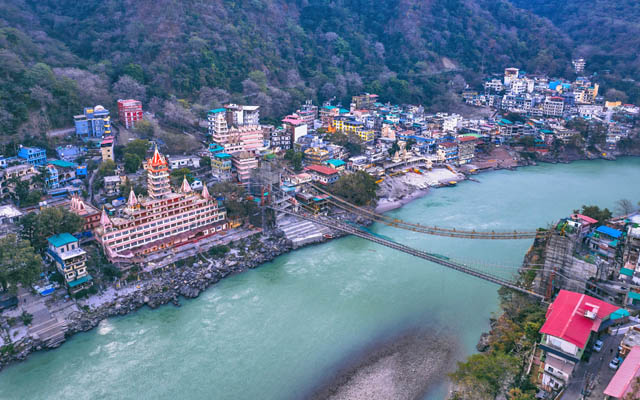
The northern Indian state of Uttarakhand, home to Rishikesh, widely known as the Yoga Capital of the World, is witnessing strong growth in tourism demand. This momentum is being driven by pilgrimage travel, shorthaul leisure visits from neighbouring states and rising interest in adventure tourism.
“Domestic demand in the state has reached record levels, recently crossing around 60 million visitors. While international arrivals still account for a small share of the overall volume, they are steadily increasing, supported by state and central government’s initiatives focused on yoga, wellness, wildlife and soft adventure experiences,” said Dhiraj Singh Garbyal, secretary, tourism and CEO of the Uttarakhand Tourism Development Board (UTDB). He further highlighted growing demand for boutique properties, homestays, glamping experiences, experiential treks and curated tourism circuits including spiritual routes and adventure corridors across Uttarakhand.
The state government has introduced a strategic roadmap to transform Uttarakhand into a global all-season tourist hub, aligned with its vision of becoming India’s tourism capital and supported by its Tourism Policy 2023.
“Strategically, 2026 needs to be a year where Uttarakhand moves from ‘more tourists’ to better-managed and higher-value tourism. There is going to be a stronger focus on sustainable infrastructure, dispersal to new circuits, climate resilience and product innovation in wellness, adventure and nature-based experiences,” added Garbyal.
Private industry stakeholders are noticing a growth trajectory towards shorter, curated getaways that combine adventure with wellness, private and family-friendly stays and immersive experiences beyond conventional sightseeing.
“Our property Summit by the Ganges Beach Resort & Spa, Rishikesh has seen consistent demand from both Indian and international guests, particularly those seeking yoga, mindfulness and nature-led escapes. Uttarakhand’s unique blend of spirituality, adventure and wellness makes it highly relevant for today’s experience-driven traveller,” said Sumit Mitruka, founder and CEO, Summit Hotels & Resorts. The hospitality chain is exploring opportunities to expand its presence in the state, with potential focus areas including Jim Corbett National Park, an additional hotel in Rishikesh, Nainital and the wider Kumaon region.
As per Anirudh Lakhotia, director of Ivory Destinations, Uttarakhand has significant untapped potential to attract international travellers, especially as it offers a mix of experiences ranging from adventure and spiritual to wellness and wildlife.
“There is a huge scope for improvement in road connectivity of Uttarakhand with other states as well as the number of trains and flight connectivity. While better highways and airports connect the Garhwal region of Uttarakhand, the Kumaon side of the state still doesn’t have wide highways and reliable air travel connectivity,” added Lakhotia.
The state government, on its part, is fast tracking a set of priority ropeway projects including Sonprayag–Kedarnath, Govindghat–Hemkund Sahib, Joshimath–Auli–Gorson and others to improve access, decongest roads and enhance the pilgrimage and hill experience.
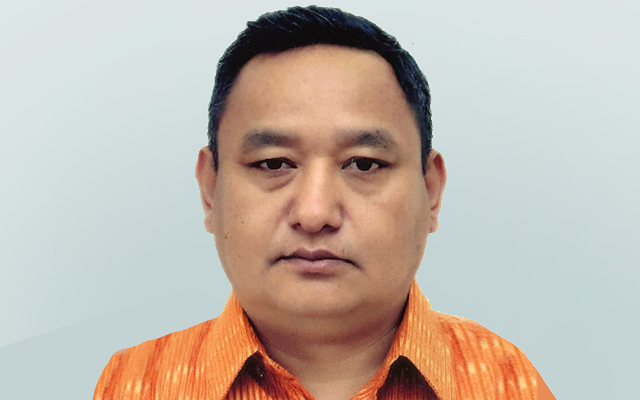
According to Sanjay Sharma, Sustainable Tourism Curator, Aramya Hospitality to promote lesser-known destinations, the state government should recognise and reward investment beyond the usual hotspots.
“Uttarakhand must move from generic promotion to circuit-based development and provide predictable, investor-friendly facilitation to strengthen international readiness. Better storytelling and B2B engagement beyond the big three hill stations (Rishikesh, Mussoorie and Nainital) and Char Dham (religious sites including Yamunotri, Gangotri, Kedarnath and Badrinath) would help shift global perception from a short religious or backpacker stop to a longer-stay destination,” said Sharma.
He also shared that there is already a visible movement beyond the big three hill stations towards offbeat, quieter locations and eco-stays. “Last year’s trends highlight growing interest in places like Kanatal, Peora, Pangot, Munsiyari, Almora and Mukteshwar for crowd free and nature centric breaks,” added Sharma.
Uttarakhand Tourism has launched pan-India roadshows to promote year-round travel and highlight new circuits and products beyond traditionally popular religious sites and hill stations.
Considering the ecologically sensitive geography of the state, both public and private stakeholders are placing greater emphasis on sustainable and responsible tourism goals. Sharma stated: “Uttarakhand’s fragile Himalayan ecology is already under pressure from waste, water stress and unplanned construction. Sustainability is central to Uttarakhand’s tourism future. Glamping or small boutique projects are in a good position to prove that low-impact tourism can still be aspirational and profitable.”
The state government is conducting tourist carrying capacity assessments for hill towns and religious hotspots to guide limits, visitor management and infrastructure investment.
“Solid waste management, water conservation, controlled vehicle access, zoning and stricter norms for construction in high-risk areas, alongside promotion of eco-tourism and community-based tourism products are other focus areas for us,” said Garbyal.
Lakhotia shared that as a stakeholder his company is actively working towards reduction and processing of waste, minimising its reliance on firewood, monitoring and reducing water requirement and using treated wastewater.
In order to promote community participation in tourism activities, the government of Uttarakhand is also emphasising projects that embed local villages, guides, homestays, crafts and agriculture into the overall visitor experience.
“Homestays, village stays and glamping are gaining popularity in Uttarakhand especially in Kumaon and peripheral valleys. These accommodation facilities offer authenticity, scenic views and simplicity while also supporting local women and communities,” concluded Garbyal.