
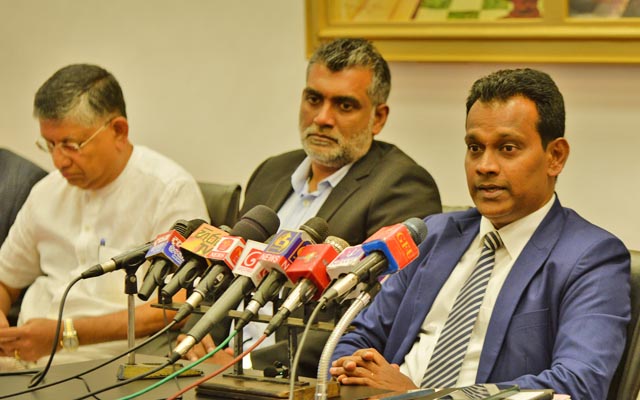
Sri Lanka is targeting three million tourist arrivals in 2026, up from a record 2.36 million in 2025, but hoteliers have expressed caution, citing the absence of a long-delayed destination marketing campaign as a potential constraint on growth.
Hiran Cooray, chairman of Jetwing Symphony group of hotels, stated it would be better to aim for a 10 per cent increase this year to about 2.6 to 2.7 million, as the main obstacle to achieving a higher figure is the delay in launching the long-awaited destination marketing campaign.
Last week tourism minister Vijitha Herath said the industry’s 2025 performance resulted in record arrivals, exceeding the previous high of 2.33 million recorded in 2018, while tourism revenue in 2025 was recorded at US$3.2 billion, lower than the US$4.48 billion achieved in 2018.
The lower revenue in 2025, despite higher arrivals, was attributed to a decline in daily tourist spend. Average daily spend was US$170-180 in 2018, compared with US$148 in 2025. The growth of guesthouses and low-cost Airbnb-type accommodation in recent years, often priced below US$50 per day compared with US$125-150 at higher-end hotels, has contributed to this decline. The informal sector is estimated to account for close to 40 per cent of the industry.
“We have not had a marketing campaign for years which if done sooner than later, will propel tourism revenue, increase prices not only for the big hotels but also smaller guesthouses. A positive impact will be felt across the board,” Cooray reiterated, adding that his company spends heavily on its own marketing in the absence of a national campaign.
There are two main issues in finalising a destination marketing campaign. The preparation process is subject to a lengthy state procurement procedure, and even once approved, a change of government can result in plans being dropped, as political considerations often influence such campaigns.
Herath noted the higher arrivals target was intended to boost tourism revenue and support the country’s recovery from Cyclone Ditwah in late November, which killed more than 600 people and caused damage to buildings, property and infrastructure.
Authorities are also examining tourism leakage, based on a survey conducted with the support of a consultant from UNWTO, according to Udana Wickramasinghe, director of research and international relations at the Sri Lanka Tourism Development Authority. Tourism leakage refers to revenue that does not remain in the local economy because of reliance on imported goods and services rather than local products.
“We are planning to have a workshop for all stakeholders to discuss these findings and see where we can enhance the local component in the industry; for instance, hotels using local wines and alcohol, local meat and cheese, local furniture and fittings instead of importing these items, which can help to save foreign exchange,” he pointed out.
He cited the Maldives as an example of tourism leakage, where most goods, including labour, are imported.