
Kerala aims to attract a broader range of visitors through new offerings and strategic partnerships
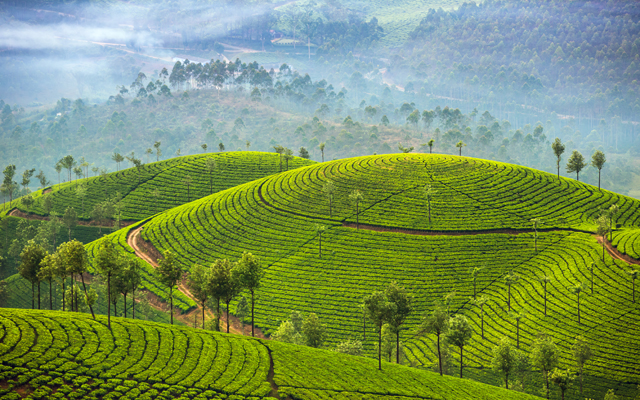
Kerala, one of India’s most renowned tourist destinations, is expanding its tourism offerings beyond its traditional backwaters, beaches and houseboats by focusing on new segments like adventure, heli and caravan tourism. This strategic shift aims to attract a wider range of visitors and enhance the state’s global tourism appeal.
Under the public-private partnership (PPP) model, Kerala Tourism is facilitating private operators in establishing heliports at key locations to boost heli tourism. Caravan parks are also being developed in destinations like Palakkad and Munnar in collaboration with private players.
“We are focusing on heli tourism with the objective of providing easy and quick access to tourist destinations, especially to remote locations. For adventure lovers, the state offers trekking, rock climbing and camping in the hills. A host of events are lined up to promote Kerala as a destination for adventure tourism,” said Sikha Surendran, director of Kerala Tourism. Some of the adventure sporting events planned for 2025-2026 include the Malabar River Festival, Chaliyar River Paddle and Tour of Thekkady.
E M Najeeb, chairman of ATE Group of Companies emphasised the importance of diversifying Kerala’s tourism offerings. “Introducing new tourism products such as heli tourism and caravan tourism is essential to boost tourist numbers as visitors who have already experienced the existing products seek new experiences,” he said.
To enhance heritage tourism, the Kerala government has announced plans to organise heritage walks, engaging students and local communities in promoting the state’s rich cultural legacy. These walks will bring historical landmarks to life, offering tourists an opportunity to deepen their understanding of Kerala’s traditions and heritage sites.
Sejoe Jose, chairman of the Indian Association of Tour Operators (IATO) southern region welcomed these initiatives.
“It is good to see that Kerala is looking beyond its usual tourism products to grow the sector. Once these plans are effectively implemented, they will greatly improve the visitor experience and boost Kerala’s tourism reputation,” he noted.
Despite strong growth in the domestic tourism market, international arrivals have yet to reach pre-pandemic levels in the state. Kerala welcomed approximately 1.19 million international tourists in 2019 but this number declined to 0.65 million in 2023. On the other hand, Kerala recorded 21.87 million domestic tourist arrivals in 2023 compared to 18.83 million domestic tourist arrivals in 2019.
Rama Mahendru, country general manager for India at Intrepid Travel, said: “We have seen a steady demand from our source markets including the UK, Australia and North America. However, it will take another year for us to reach pre-pandemic growth levels. Kerala is often marketed as ‘God’s Own Country’, but it is high time to shift from traditional promotions to more authentic and experience-led storytelling. The state government should focus on digital campaigns, influential collaborations and immersive videos that showcase real traveller stories, cultural depth and sustainable tourism efforts.”
Giving an example of Cochin International Airport, which is the world’s first airport fully powered by solar energy, Mahendru said there is a need to create awareness about such sustainable tourism practices undertaken by the state.
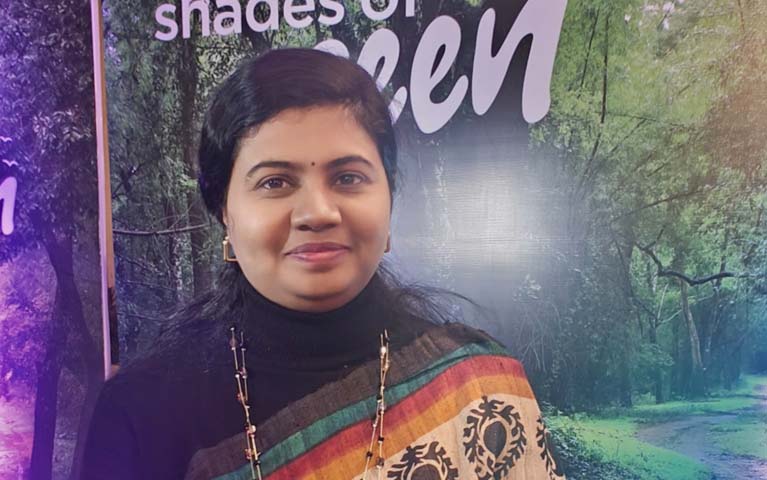
To spur international arrivals, Kerala Tourism is expanding its focus to South-east Asia alongside key markets like Europe and North America. “We have already done a roadshow in Malaysia and plan to organise similar roadshows in other South-east Asian markets,” Surendran added.
For The Fern Kochi, international travel demand is trending up. General manager Anoop Peter told TTG India that “strong demand” is coming out of Arab markets, including Saudi Arabia and Dubai, Russia, and European countries like the UK and Germany.
He added that guests from Italy and the Netherlands have started to arrive – something not seen previously.
“In fact, demand is so strong that we have international bookings extending until 2027,” stated Peter.
Kerala’s travel and tourism industry stakeholders also see potential in growing the destination through medical tourism and destination weddings.
Ayurveda, in particular, deserves more promotion, they say.
Abhilash K Ramesh, executive director of Kairali Ayurvedic Group, said: “Last year, we recorded a healthy 80 per cent occupancy, with domestic markets contributing 70 per cent and international visitors 30 per cent. I believe that much more can be done to attract international visitors. It is high time we start promoting Kerala as a medical tourism destination, especially for Ayurveda. Enhancing direct air connectivity from Europe, the Middle East, and South-east Asia will go a long way in boosting the medical tourism sector.”
As for destination weddings, Kerala’s strengths lie in its “wide range of wedding venues including serene backwaters, pristine beaches, lush hill stations and charming village properties,” opined Kerala Tourism’s Surendran.
“We also have expert wedding planners and exceptional hospitality service providers to ensure a stress-free and memorable experience,” she added.
Meanwhile, a key initiative introduced in the state government’s recent budget to further boost tourism is the K-Homes project, which aims to increase accommodation availability by utilising unoccupied homes near major tourist destinations.
Initially rolling out in Kovalam, Kumarakom, Munnar and Fort Kochi, the project will provide visitors with comfortable stays that offer an immersive cultural experience. Online booking facilities will be developed to streamline reservations for these stays, complementing Kerala’s existing hospitality infrastructure of five-star hotels, premium resorts and government rest houses.