Asia/Singapore Thursday, 9th April 2026
Page 89

Tourism Australia steps up efforts in India to boost tourist arrivals

0

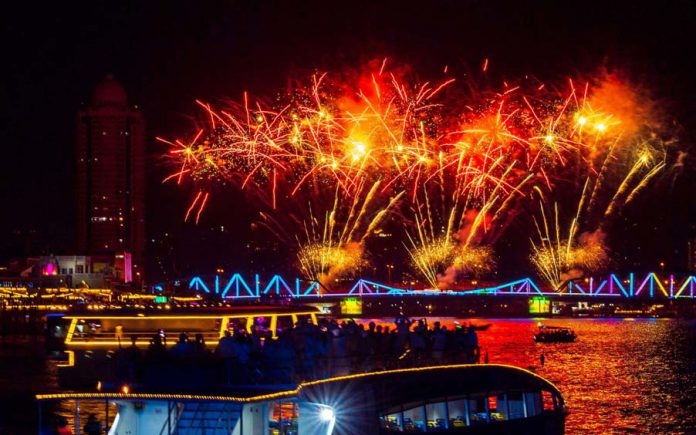
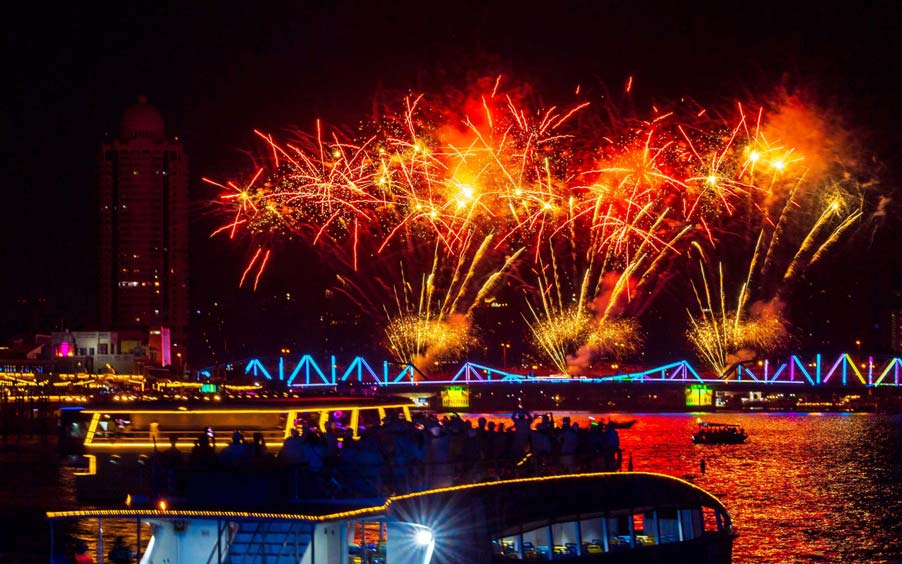
Chao Phraya River readies for month-long illumination festival

0

Asia-Pacific airlines resolve to advance responsibly by tackling sustainability, safety, and regulations issues

0

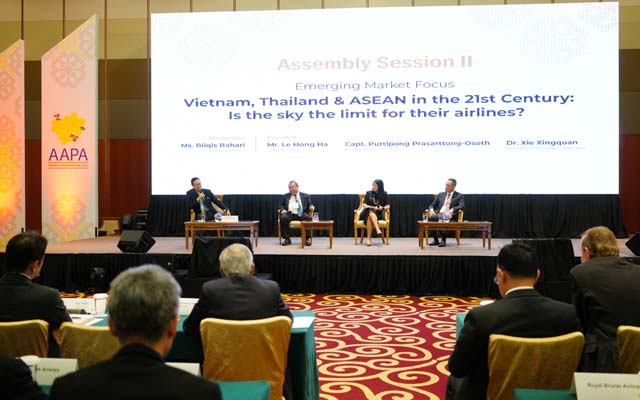
Airline leaders in attendance at the Association of Asia Pacific Airlines (AAPA) 68th Assembly of Presidents, which opened in Brunei Darussalam on November 14, have passed a series of resolutions covering sustainability, aviation safety, and the streamlining of regulations.

In a press statement, AAPA said airlines are firmly committed to reducing their carbon footprint. With extreme weather events on the rise, airline leaders are aware of the risks to aviation safety from climate change. With Sustainable Aviation Fuel (SAF) in short supply, AAPA believes that a multi-prong strategy in line with the International Civil Aviation Organization (ICAO) net zero emissions reduction roadmap, is critical to meeting the industry’s net zero emissions target.

AAPA’s 68th Assembly of Presidents opened in Brunei Darussalam with the theme, Jetting into 2050: Future Proofing Asian Aviation

The assembly passed a resolution calling on governments, suppliers, air navigation service providers, and airlines to deploy all aspects of the ICAO roadmap, namely SAF, breakthrough technology, Carbon Offsetting and Reduction Scheme for International Aviation (more commonly known as CORSIA) offsets, and operational efficiency, in pursuing the net zero emissions by 2050 goal.

In particular, SAF produced by co-processing sustainable feedstock together with crude fossil fuel in conventional aviation fuel refineries, is a cost-effective way to stimulate SAF supply.  Airlines and fuel suppliers could give impetus to SAF transition with co-processed SAF being made available at airports immediately.

Subhas Menon, AAPA director general, said: “Every new generation of aircraft and engine delivers 15 to 20 per cent more fuel efficiency.  The acceleration of plans for carbon-friendly aircraft and propulsion systems is an effective pathway to the common goal of net zero carbon emissions by 2050, starting with short-haul aircraft that currently account for some 28 per cent of industry emissions.  With delays in the delivery of new generation aircraft, airlines are extending the use of older equipment.  A strategy that prioritises technology alongside SAF, is a surer route to carbon neutrality, than one over-reliant on SAF.”

Aviation safety remains the number one priority of all airlines. The assembly adopted a resolution calling for civil aviation authorities, aviation safety agencies, and airlines to work closely together to share best practices through data analysis, to mitigate risks such as the loss of control in-flight. The resolution also called on all stakeholders to support the adoption of safety measures that address the most critical risk categories identified in the Asia-Pacific region.

The Assembly of Presidents acknowledged that supply chain disruptions and air space closures, are leading to more flight diversions, delays, and cancellations, while also inhibiting future growth.

A third resolution was passed calling on governments to refrain from introducing unilateral measures that would disproportionately inconvenience the travelling public and increase the cost burden on the airline industry, while achieving limited benefits. There needed to be greater recognition of the value of aviation to the global economy, and closer collaboration among governments, industry, and service providers, to streamline protocols for international travel.

Menon concluded: “The outlook for the region’s airlines is broadly positive, given the sustained demand for air travel and strong rebound in trade activity. It is a remarkable recovery on key metrics, considering that air transport ground to an almost complete standstill for two years during the pandemic. This is also a timely testament to the industry’s endurance and longevity as we commemorate the 80th anniversary of the ICAO Chicago Convention in 2024. By keeping the travelling public and the economies we serve at the core of our strategy, the industry is well positioned to tackle upcoming challenges and pursue sustainable growth in the years ahead.”

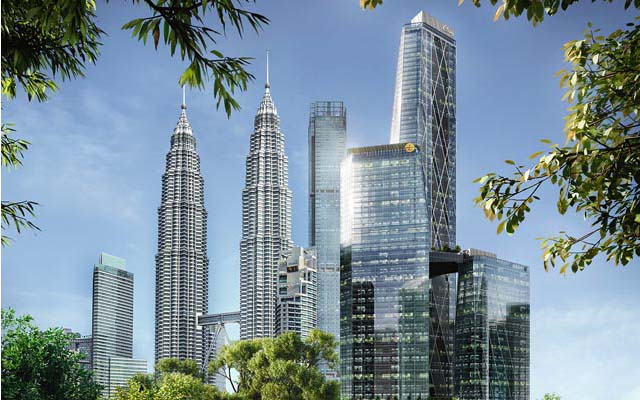
Langham Hospitality Group to open The Langham, Kuala Lumpur in 2027

0

IHG Hotels & Resorts signs first voco in Australia’s Sunshine Coast

0

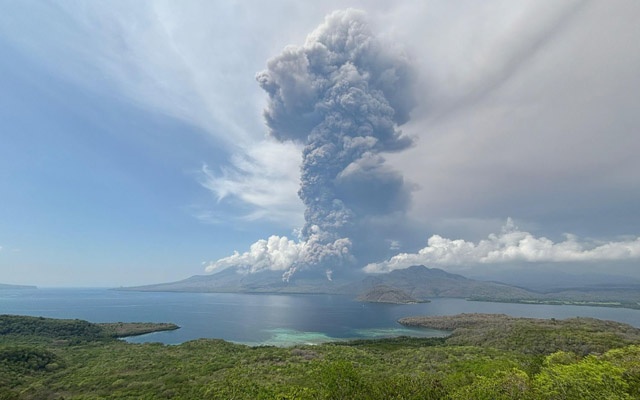
Mount Lewotobi eruptions cause flight cancellations and airport closures

0

Several airports in East Nusa Tenggara, Indonesia, have temporarily closed, and dozens of flights have been cancelled following eruptions from Mount Lewotobi Laki-Laki in East Flores.

AirNav Indonesia issued an update on the affected airports, confirming that Gewayantana Larantuka Airport, Wunopito Lewoleba Airport, Tambolaka Airport, and Waingapu Airport remain operational. However, H. Hasan Aroeboesman Airport in Ende, Frans Seda Maumere Airport in Sikka, Soa Airport in Ngada, and Frans Sales Lega Airport in Ruteng are currently closed.

Authorities have widened the exclusion zone as volcanic activity from Mount Lewotobi Laki-Laki remains intense

Komodo International Airport in Labuan Bajo, which was temporarily closed, reopened on Tuesday but is not operating at full capacity. Several airlines, including AirAsia and Lion Air Group, have cancelled flights.

The highest level aviation alert remains in effect, restricting flights below seven kilometres above the volcano and advising aircraft to remain prepared for potential ash interference, according to the Volcanology and Geological Disaster Mitigation Centre and local officials.

Continuous eruptions of Mount Lewotobi Laki-Laki, which began with a small eruption on November 3, have escalated into a major eruption. According to the disaster agency, the disaster has claimed the lives of nine people, left 31 severely injured, and forced more than 12,000 residents to evacuate.

On Tuesday, Mount Lewotobi Laki-Laki released an ash column reaching up to 9,000m above the crater. As volcanic activity remains intense, authorities have widened the exclusion zone, expanding the hazardous area around the crater from seven kilometres to nine kilometres.

“While several airports are temporarily closed, authorities have mobilised ferries and other sea transport options to facilitate the movement of people and goods until air travel resumes,” explained Budi Rahardjo, head of the Ministry’s Public Communication Bureau, in an official statement.

To address the airport closures, the government has adjusted the route of the KM Egon ferry, which typically operates the Waingapu-Lembar route, to now serve Labuan Bajo-Lembar. Additional vessels, including a roll-on/roll-off ferry from Dharma Lautan, have been deployed to boost passenger capacity for evacuations. These ferries are transporting passengers from Labuan Bajo to nearby unaffected airports, such as those in Bima and Lembar, for onward travel.

More than 15 speedboats have been activated to assist in evacuating tourists and local residents, directing them to unaffected airports such as Lembar or Lombok. Additionally, a coastal patrol vessel, the KNP Chundamani, set out from Surabaya early Monday morning, with an anticipated 30-hour journey to Labuan Bajo, to further support these operations. “To alleviate the disruption, discussions are underway to increase flight frequencies at nearby unaffected airports, such as Lombok International Airport,” shared Budi.

Meanwhile, the Ministry of Tourism has swiftly activated a Tourism Information Centre through the Labuan Bajo Flores Authority Agency to assist tourists affected by the eruption.

“We also opened an evacuation post for tourists affected by the closure of Komodo International Airport,” said Hariyanto, deputy for destination and infrastructure development of the Ministry of Tourism, in a press conference.

As part of the response, the ministry is coordinating with the Indonesian Hotel and Restaurant Association to provide discounted accommodation for tourists impacted by the disruption.

“We are working closely with local governments, the Regional Disaster Management Agency, and the tourism industry to ensure the safety and well-being of visitors and the surrounding communities near the mountain,” he added.

In light of the ongoing crisis, several key events, including the International Golomori Jazz Festival, have been postponed until early 2025. The ministry continues to prioritise safety and implement effective mitigation measures, according to Hariyanto.

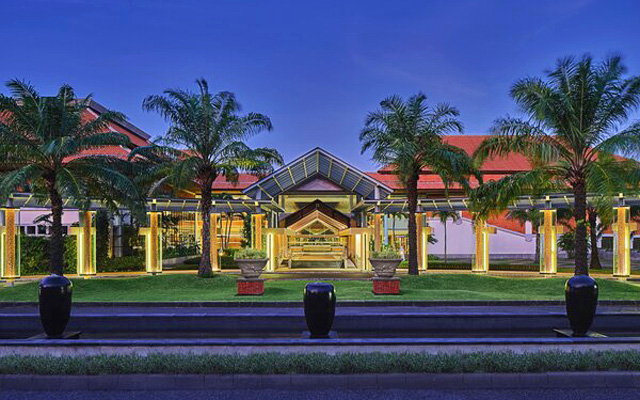
Bali International Convention Centre presents refreshed hardware

0

The Bali International Convention Centre (BICC), managed by The Westin Resort Nusa Dua, Bali, has completed extensive renovations which are expected to elevate its standing among other venues in the destination’s thriving business events scene.

BICC’s largest venue, Mangupura Hall, has undergone significant upgrades, including modern wall panels, cutting-edge LED installations on both sides of the existing stage, and a sleek, upgraded stage design. The hall now sports a new carpet that conveys a sophisticated look fit for high-profile conferences, exhibitions, and social events.

BICC’s various venues now sport new fittings

Nusantara Hall, BICC’s second largest venue, now boasts premium tiled flooring in its foyer, which creates a brighter and more exclusive ambiance. A new carpet and lighting system have also been installed to elevate the hall’s aesthetic and functionality. Meanwhile, Jakarta Hall has received similar upgrades, with new carpets and LED lights ensuring that every space at BICC aligns with modern standards of luxury and comfort.

Other parts of BICC have been dressed up with artistic enhancements, such as the Ramayana epic depicted in intricate wall reliefs, offering guests an authentic Balinese cultural experience.

LED signage throughout the venue ensures smooth navigation for attendees, while practical improvements like anti-slip flooring in the loading dock area provide a safer and more efficient environment for event organisers.

General manager of The Westin Resort Nusa Dua, Bali and BICC, Sander Looijen, said: “Our Bali International Convention Centre, with over 33 years of experience, continues to lead the industry with pride. Our strength lies in the expertise of our associates, many of whom have been with us for years, ensuring the highest level of service and professionalism. We are committed to preserving Bali’s rich culture, enhancing the guest experience through stories like the famous Ramayana, which adds a unique cultural touch to our events.”

As part of its transformation, BICC has launched a newly updated website, providing clients with easy access to venue details, floor plans, and booking options.

Stronger foundations for India

0

How does India’s events industry look today?
The MICE sector was the quickest to recover post-pandemic. All members of the ICPB have surpassed their 2019 business levels, whereas other segments, such as inbound leisure tourism, have been slower to rebound.

The Indian government leveraged its G20 presidency to highlight the country’s diverse tourism offerings and showcase its expanding MICE infrastructure. Notably, every Indian state and union territory hosted some of the G20-related events, providing nationwide exposure.

Another positive development in recent times has been the establishment of large convention centres across India, such as Bharat Mandapam and Yashobhoomi in New Delhi; Jio World Convention Centre in Mumbai; and Biswa Bangla Convention Centre in Kolkata. Previously, India received enquiries for conferences accommodating 600 to 2,000 attendees. Now, the country is attracting enquiries for groups of 7,000 to 8,000 participants. Thanks to these new, expansive venues, India is now capable of hosting events on a scale that was previously not possible.

India’s inbound events demand has traditionally been driven by conferences and exhibitions. Are there other interesting trends in this regard?
India’s strong consumer market, along with its expertise in sectors like pharmaceutical and information technology, has long attracted international conferences and exhibitions. However, there is now a growing demand for India as an incentive travel destination. Markets that previously did not consider India, such as those in South America like Argentina, Colombia, Chile and Peru, are increasingly showing interest. Demand from Europe for incentive travel to India is also on the rise.

India’s political and economic stability is a key factor in attracting international MICE events, especially at a time when global challenges like the Russia-Ukraine war, the Middle East crisis, and the economic slowdown in the US are impacting other regions. In contrast, India has emerged as a bright spot on the global stage.

At major industry events such as IBTM World and IMEX Frankfurt, India’s positive image as a destination is evident. The demand for India has significantly increased, with data from IMEX showing that interest in the country, which previously ranged between three to five per cent, has now surged to 12 to 15 per cent among buyers.

Prior to the pandemic, ICPB was looking to create a corpus fund in association with the government in order to bid for international conferences. What has been achieved so far?
We have been consistently advocating for a government-supported bidding process to attract international MICE events. At every opportunity, we emphasise to the government that it’s not just about having the infrastructure in place; marketing and bidding are equally crucial. To secure international conferences, a formal bidding process is essential.

Fortunately, the government is beginning to acknowledge the importance of bidding for bringing in international business. In a recent meeting with the secretary of tourism, V Vidyavathi, she expressed a positive outlook on the need for such a system. During the discussion, we presented data highlighting the events India could potentially bid for. Conversations are progressing at higher government levels, and we are hopeful that a formal bidding mechanism for international MICE events will be implemented soon.

What steps is ICPB taking to strengthen its functioning?
We are prioritising research and data management, aiming to strengthen ICPB’s role as a national convention bureau. One of our key objectives is to expand ICPB’s presence by establishing state chapters, as we have already done in West Bengal, Gujarat, and Madhya Pradesh.

Skilling is critical for the industry’s growth, and to address this, ICPB is launching the Certified Conference Specialist programme in collaboration with Amity University. This programme will cover essential areas such as RFP processes, bidding, project management, costing, presentation, and communication, with industry and academic experts leading the courses. Participants will receive a joint certification from Amity University and ICPB. Additionally, we are partnering with the University Grants Commission to introduce a four-month diploma course in conference management.

Tourism in India is a state subject. Do you think there is a need to engage more with different Indian states to grow the business events market?
As a bureau, we are actively engaging with states to raise awareness about the economic benefits of the MICE sector. We are encouraging individual states to develop their own marketing efforts to attract MICE events, and we are offering our support in creating comprehensive marketing plans, long-term strategies, and roadmaps for MICE promotion.

We are also guiding states on the appropriate budget allocations needed for activities such as roadshows, both domestic and international, and fam trips.

Additionally, we are working to establish offices within state tourism departments, where we aim to appoint senior-level bureaucrats as ICPB state chapter chairpersons, along with a representative from our team. This initiative will help us cover the entire country, promoting various states, and contributing to the growth of the MICE sector across India.

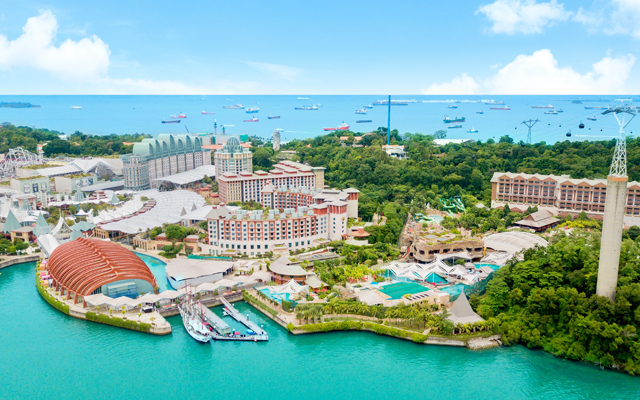
All Sentosa hotel rooms to achieve sustainability certification by 2025

0

Dusit Hotels and Resorts introduces its first holistic wellness retreat in India

0