Keraton at The Plaza, Indonesia
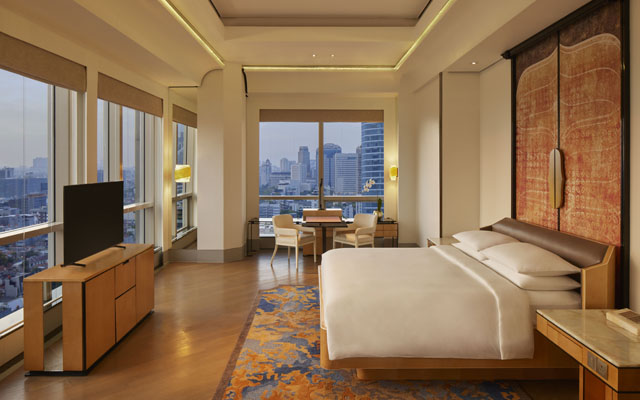
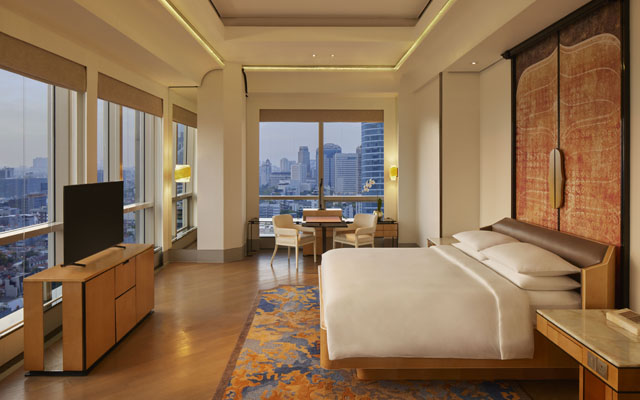
Keraton at The Plaza is located in the heart of Jakarta’s Plaza Indonesia complex, and boasts 138 rooms and suites that comes with floor-to-ceiling windows.
Guests enjoy exclusive access to The Club on the 7th floor, which offers à la carte dining, afternoon tea, evening canapés, and curated daily experiences. The Club also showcases Indonesian artwork, available for purchase, and provides a space for intimate gatherings with a chef’s table and boardroom.
Keraton at The Plaza also offers direct access to Plaza Indonesia Mall and the Grand Hyatt Jakarta’s facilities, including a fitness centre, pool, Balinese garden, and restaurants.
Four Points by Sheraton Nashik
Four Points by Sheraton Nashik, India
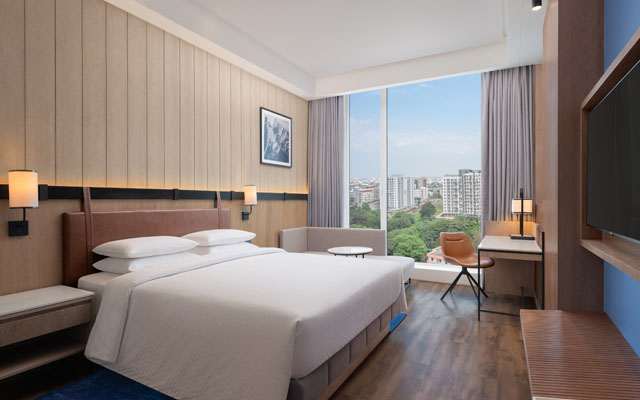
The 125-key Four Points by Sheraton Nashik offers guests a stay in the city that is known for its vineyards, historical significance, and natural beauty.
Just 30 minutes from Nashik International Airport, the hotel features a lounge bar with local craft beers, an all-day dining restaurant, and a nightlife hotspot with curated DJ performances and finger foods.
Facilities comprise an infinity pool, fitness centre, and event spaces.
Dusit Princess Chiang Mai
Dusit Princess Chiang Mai, Thailand
Located on Chiang Mai’s Chang Klan Road, Dusit Princess Chiang Mai has reopened after a three-year transformation.
The redesign features refreshed guestrooms and lobby, as well as upgraded facilities such as meeting spaces, swimming pool, and gym. Dining options now include Jasmine Restaurant, serving Chinese and Cantonese cuisine, and the new Casa Verde, offering a mix of international, Asian, and Mexican-inspired dishes.
Situated near landmarks like Wat Chedi Luang and the Night Bazaar, the hotel offers an ideal base for exploring the city’s vibrant culture.
The Postcard in the Durrung Tea Estate, Assam
The Postcard in the Durrung Tea Estate, India
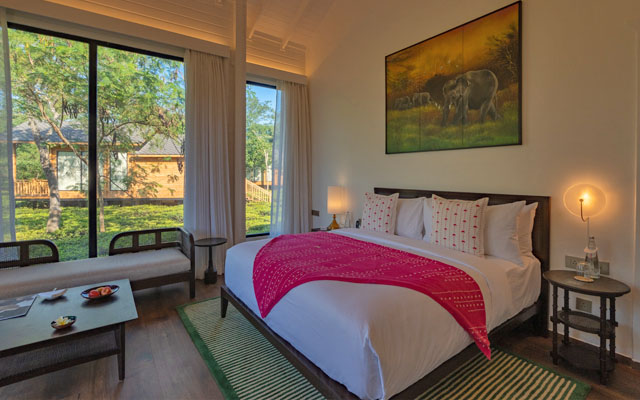
The Postcard in the Durrung Tea Estate is nestled in Assam’s lush tea gardens in India, where guests can choose between the colonial-style Planters’ Bungalow or contemporary Luxury Chalets, both offering views of the surrounding landscapes.
Guests can enjoy the hotel’s F&B offerings, go on guided trails, visit Kaziranga National Park, explore Nameri National Park, and try rafting on the Jia Bhoroli River.
India’s north-eastern region – home to seven states – is emerging as an important centre of tourism activities. Although domestic market demand is leading, there has been a gradual increase in the number of international travellers to the region.
Arun Srivastava, joint director general of India’s Ministry of Tourism, said growing interest in North-east India is no stroke of good luck; rather, it is a result of earnest destination promotions through roadshows and participation in international travel and tourism tradeshows.
Wildlife-spotting at Kaziranga National Park in Assam
Indian tour operators are waking up to the region’s shine. To cater to growing interested in North-east India among its international clients, Intrepid Travel launched a new product last year covering destinations like Guwahati, Darjeeling, Sikkim, Shillong and Kohima.
Rama Mahendru, country general manager – India, Intrepid Travel, said: “Destinations like Shillong and Cherrapunji (Meghalaya), Kaziranga National Park (Assam), and Tawang (Arunachal Pradesh) are frequently visited. Domestic tourists are particularly drawn to the region’s adventure options, heritage sites, and vibrant festivals such as the Hornbill Festival in Nagaland. Among international travellers, demand is rising but still represents a niche segment compared to domestic tourism.”
Travellers from Europe, Australia, and the US are particularly keen on the region, drawn to its cultural diversity, tribal heritage, and untouched natural beauty.
North-east India’s raw beauty also sets it up for success in adventure tourism. The Adventure Tour Operators Association of India (ATOAI) recently hosted its annual convention in Tawang, Arunachal Pradesh.
“I strongly believe that Arunachal Pradesh is the next big adventure destination, not only domestically but globally too,” remarked Ajeet Bajaj, president, ATOAI.
The region’s magnetism was also picked up by online travel platform Agoda. Its annual New Horizons ranking found that Guwahati is the fastest growing destination for international travellers to India.
Krishna Rathi, senior country director – India at Agoda, shared: “Guwahati, which is now in India’s top 20 rankings for international visitors, was not in the top 50 before. As a gateway to the north-east, Guwahati offers a unique blend of nature, culture, and modernity with highlights like the Kaziranga connection, river cruises, and nearby wildlife sanctuaries.”
Interest has been rising steadily, according to Agoda. Major events like the Hornbill Festival, Shillong’s Cherry Blossom Festival, and Ziro Music Festival have garnered much attention, as they feature diverse lineups of artists and performers such as Boney M, Akon, Clean Bandit and Lucas (NCT). Additionally, high-profile concerts such as those by Bryan Adams in Shillong in 2024, along with Ed Sheeran’s scheduled performance in Shillong on February 12, 2025, are contributing to the region’s growing reputation for hosting prominent musical events in India.
Intrepid Travel’s Rama Mahendru says international visitors are attracted to north-east India’s cultural diversity, tribal heritage, and untouched natural beauty
North-east India’s tourism potential has encouraged hospitality chains to invest in the region. Confident hoteliers said enhanced air, road and rail infrastructure, coupled with government initiatives like the Act East Policy, have significantly boosted the region’s economic potential and accessibility – and tourism is a beneficiary.
Currently, travel demand in the north-east is a well-balanced mix of leisure and business segments.
“We have seen strong recovery in both segments post-pandemic,” observed Manmeet Singh, general manager of Novotel Guwahati. “Domestic demand rebounded first, with leisure and business travel returning robustly. International demand has followed, supported by relaxed travel restrictions and a renewed interest in offbeat, less crowded destinations like the north-east.”
Singh added: “International arrivals have steadily increased to 11 per cent from previous nine per cent, supported by targeted government initiatives to promote the north-east as a global tourist destination. Travellers from South-east Asia, Europe, and beyond are drawn to the region’s unique blend of natural beauty, cultural diversity and adventure opportunities.”
Sarbendra Sarkar, founder and managing director, Cygnett Hotels & Resorts, told TTG India that there are plans to “strengthen our presence in North-east India by establishing properties in key cities and untapped destinations, focusing on eco-tourism and experiential stays”.
“We have our young and vibrant value brand Cygnett Style coming up in Dibrugarh, Assam in early 2025. We also have five more properties coming up in the region – Cygnett Inn – Golaghat, Cygnett Inn – Barpeta, Cygnett Park – Guwahati, Cygnett Inn – Tawang, and Cozzet – Itanagar,” detailed Sarkar.
Industry players believe that there is still some way to go for North-east India to realise its full tourism potential.
“Despite recent improvements, the region still lacks seamless international connectivity. While Guwahati and Imphal are developing as gateways, direct international flights remain limited, making it inconvenient for foreign tourists to access the region,” opined Mahendru.
She also highlighted that certain parts of the region, such as Arunachal Pradesh, require special permits for access and processes are lengthy, which can deter international travellers from visiting.
Please throw some light on the latest developments in your agency.
We are actively implementing significant changes in our operational strategies to align with the evolving dynamics of the travel trade industry, which has seen a substantial shift from offline to online platforms. In recent years, the growing preference for online channels among both consumers and businesses has redefined how the industry operates.
Travellers now rely heavily on digital platforms for information, bookings, and reviews, emphasising the need for a robust online presence. Recognising this shift, we are strategically focusing on enhancing our online systems to tap into the increasing demand for digital engagement. This includes investing in advanced technology, optimising digital marketing efforts, and creating compelling online content to reach a wider audience. Our aim is to ensure our offerings are easily accessible and appealing to modern, tech-savvy travellers.
Simultaneously, we understand the unique value that offline channels continue to offer, particularly in delivering personalised and exclusive experiences. Therefore, we are also exploring opportunities to create offline packages that provide added value and distinguish themselves from standard online offerings. By combining the convenience of digital platforms with the bespoke appeal of offline options, we aim to strike a balance that caters to diverse customer preferences and enhances our competitive edge in the market.
This dual approach ensures we remain agile and relevant in a rapidly changing landscape, while continuing to deliver exceptional value to our clients and stakeholders.
How will Indian outbound travel look in 2025? Which destinations will be in demand this year?
India’s outbound market will continue to grow strongly this year. I think the Indian mass outbound market will favour destinations like Singapore, Thailand, and Dubai due to their popularity and accessibility. Destinations like Malaysia, Sri Lanka, and Vietnam will also find many takers in 2025. These destinations offer excellent value for money, and with proper planning, can be much more affordable than expected.
What travel trends have you noticed in the Indian market?
India is a young and dynamic market, where the generational gap between older and younger travellers is increasingly evident. The new generation of travellers exhibits a more adventurous mindset, prioritising cost savings over premium quality and services. They are more inclined to book directly through various online platforms, motivated by the opportunity to save on costs – such as the five per cent goods and services tax and five per cent tax collected at source, which are perceived as an additional burden when booking through offline travel agencies. This shift reflects their preference for budget-conscious travel, even if it involves taking greater risks or compromising on personalised services.
If you observe the changing trends, regions like South India, Gujarat and Maharashtra, which traditionally preferred group travel, are now increasingly opting for bed-and-breakfast arrangements as FIT options. Moreover, they have shown a growing interest in purchasing travel services from offline agencies located outside their own regions, reflecting a significant shift in consumer behaviour.
As an offline travel agency, what are the key challenges you are facing and how do you keep your business relevant in such a competitive market?
Many travellers prefer to save 10 per cent of the cost by avoiding offline agencies and opting to book directly through online platforms. If this trend continues, it could significantly impact the offline travel business in India. However, the travel trade will remain viable in areas where online companies have yet to establish a strong presence. To stay competitive, offline agencies must step up and focus on creating niche market segments (where there is) less competition while strengthening their trusted B2C relationships.
Many NTOs are keen to court Indian travellers. What should they focus on?
Instead of relying solely on their regular travel agencies, I suggest that NTOs begin focusing on smaller agencies and those operating in Tier 2, 3, and 4 cities. Additionally, funds allocated to larger travel agencies could be utilised to host cocktails and dinners for smaller agencies, fostering stronger engagement and expanding the NTO’s reach.
The new crop of travel agencies should also focus on researching destinations so that they can offer more information to their clients rather than just depending on what’s available online.
Singapore-based The Traveller DMC has been awarded the GSTC (Global Sustainable Tourism Council) certification, signifying the company’s dedication to promoting responsible tourism practices within Singapore.
The GSTC certification, granted by Control Union Certifications, verifies that The Traveller DMC adheres to the stringent GSTC Tour Operator criteria. These standards ensure businesses operate with a focus on environmental well-being, cultural preservation, and fair economic practices.
The Traveller DMC pledges commitment to sustainable tourism in Singapore
The company has launched several initiatives to further solidify its commitment to sustainability. These include sustainable walking tours, prioritising hybrid vehicles, and implementing a CO2 tracking system to measure and analyse operational emissions
Moreover, the GSTC certification aligns with The Traveller DMC’s recently established three-year sustainability plan (2025-2028), which focuses on energy efficiency, waste reduction, and supporting local communities. Key initiatives include transitioning to LED lighting; promoting recycling and digital tools; collaborating with social enterprises; and contributing to impactful projects like the Garden City Fund and Sultan Mosque in Kampong Gelam.
Ryan Low, co-founder of The Traveller DMC, shared: “Achieving GSTC certification is a proud moment for us. It validates the hard work we’ve put into integrating sustainability into our operations. But more importantly, it’s a starting point. We’re committed to championing sustainable tourism practices that not only reduce our environmental impact, but also create meaningful experiences for travellers and support local communities.”
A private sector driven B2B travel fair focusing on the South-east Asian region will make its debut this June in Kota Kinabalu, Sabah.
ASEAN Travel Exchange (ATE) 2025 is an initiative led by ASEAN’s travel champions, namely the ASEAN Tourism Association (ASEANTA), Federation of ASEAN Travel Associations (FATA), Malaysia Association of Tour & Travel Agents (MATTA), and AirAsia Group.
The three-day event from June 19 will offer both conference and travel exchange components, and is supported by Sabah’s Ministry of Tourism, Culture and Environment.
ASEAN Travel Exchange (ATE) 2025 will make its debut in Kota Kinabalu from June 19 to 21; Sipadan island, pictured
Sabah’s rich culture, heritage and tourism products will be highlighted at ATE 2025, which will also serve as a platform to showcase Sabah as a preferred destination for business events and leisure travel.
FATA president Tan Kok Liang emphasised the strategic importance of ATE 2025, aligning with the ASEAN governments’ preparations for the implementation of ASEAN Protocol 5 on Own Stopover Rights.
Expected to come into effect this year, Protocol 5 will grant South-east Asian airlines the ability to make stopovers at ASEAN member airports en-route to other destinations within the region. This landmark development is anticipated to significantly bolster intra-regional travel and connectivity.
Tan noted: “Protocol 5 will be a game-changer for air connectivity in ASEAN, benefiting both main and secondary cities across the region. We urge the travel trade across the region to seize the opportunity that ATE 2025 presents, leveraging the expanded air access to promote tour packages, destination experiences, and unique product offerings.”
He added that the increased accessibility provided by Protocol 5 is likely to trigger a surge in both leisure and business travel – segments that are aligned with ASEAN’s broader goals of fostering regional integration and driving economic growth through tourism.
Tan encouraged travel trade players to collaborate across borders to create innovative and competitive offerings that meet the needs of the expected influx of travellers.
He added: “Hosting ATE 2025 is especially fitting for Malaysia as we take on the ASEAN chairmanship this year. We will also invite Malaysian prime minister Anwar Ibrahim to officiate the event.”
ATE 2025 will target 230 hosted buyers from South-east Asia as well as China and India, underscoring the travel trade’s commitment to engaging with key markets outside region. Some 100 sellers from ASEAN member nations, including hoteliers, tour operators, product owners, and travel technology providers, will also participate.
Tan revealed plans for ATE to become an annual event, rotating among ASEAN member countries, to ensure consistent engagement and long-term growth of the region’s tourism sector.
He added that the initiative complements government-led efforts, such as the ASEAN Tourism Forum, which advances regional tourism cooperation.
Through its annual format and rotating host cities, the event aims to ensure consistent engagement and highlight ASEAN solidarity and commitment to advancing tourism and economic cooperation in South-east Asia.
The Tourism Promotions Board (TPB) Philippines and the Department of Tourism (DOT) will showcase the country’s tourism offerings at this year’s ASEAN Tourism Forum (ATF), which kicks off on January 15 in Johor Bahru, Malaysia.
The Philippines will showcase what the country has to offer at this year’s ATF; Coron, Palawan, pictured
“We are excited to present the Philippines as a leading travel destination within ASEAN and the broader international market at ATF 2025,” said TPB chief operating officer Maria Margarita Montemayor Nograles. “This forum is an invaluable opportunity to strengthen our partnerships with ASEAN neighbours and highlight the unique, world-class offerings of the Philippines in a global tourism landscape.”
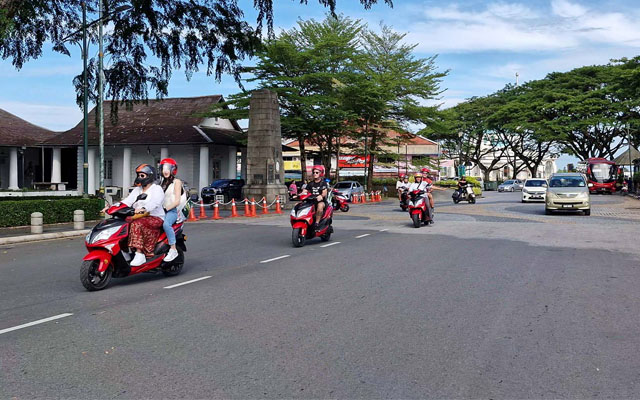
Tourism Malaysia has launched the Borneo Green Bike Tour, an eco-friendly initiative by Smart Leisure & Travels that offers a zero-emission experience, allowing travellers to explore Kuching’s rich biodiversity and cultural heritage while minimising their environmental impact.
Tour around Kuching’s heritage and cultural sites in a sustainable way
Visitors can explore iconic landmarks in Kuching on electric motorbikes, enjoying a scenic and sustainable journey that promotes responsible travel practices, preserves the environment, and offers a deeper connection to the culture and landscapes of Sarawak.
The Borneo Green Bike Tour is a 3.5 to four-hour journey suitable for all fitness levels, with English and Mandarin-speaking guides leading guests through Kuching’s iconic landmarks.
The tour covers a wide array of sights, including the historic Brooke Monument, Kai Joo Lane, the Chinese History Museum, and the Kuching South City Council, and much more.
The tour offers two options: the Self-Riding option, priced from 150 ringgit (US$33) per person, allows travellers to ride the bikes themselves, while the With Rider option, starting at 290 ringgit per person, includes a driver. Both options come with a knowledgeable guide and feature eco-friendly electric motor bikes that provide a comfortable and sustainable way to enjoy sightseeing while reducing carbon emissions.
India’s Cygnett Hotels & Resorts, which operates in the mid- and upscale segments, is now entering the luxury hospitality market with the brand Anamore. The group’s first Anamore property is set to open in Pushkar, Rajasthan, in December 2025, featuring a 250-room inventory.
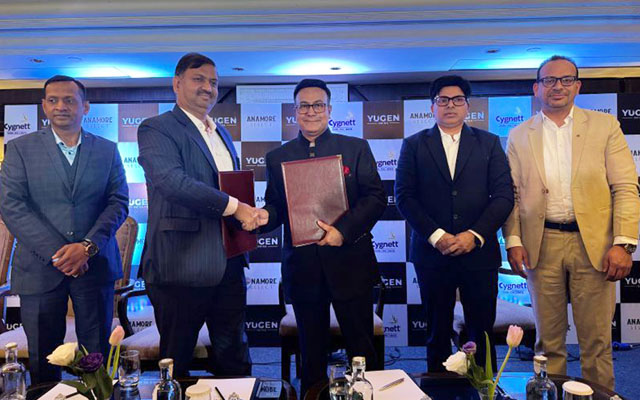
The company officially signed another property under the Anamore portfolio in New Delhi on January 8. In partnership with real estate developer Yugen Infra, Cygnett will launch Anamore Select Resort & Wellness in Goa. This 150-room property, expected to become operational within the next 18 to 24 months, will include a dedicated wellness wing, Bluum Mudra by Ayurvyaas, offering holistic well-being services.
The launch event of Anamore Select Resort & Wellness in Goa, which took place in New Delhi
Speaking to TTG Asia at the signing event of the Anamore property in Goa, Sarbendra Sarkar, founder and managing director of Cygnett Hotels & Resorts, shared the company’s vision for the Anamore brand. “Overall, there are six properties under the Anamore brand in the pipeline, translating into 1,600 keys. Wellness will be an integral part of the Anamore brand. These properties will be thoughtfully designed to provide guests with a complete wellness experience alongside luxury and comfort. We have long aspired to enter the luxury space and aim to open 20 Anamore properties within the next three years,” Sarkar said.
The other upcoming Anamore properties will be located in destinations including Karjat, Murud, and Khalapur in Maharashtra, as well as Srinagar in Uttarakhand.
“In terms of demand for Anamore properties, we are concentrating more on the domestic markets because the Indian economy is rising compared to other countries,” added Sarkar.
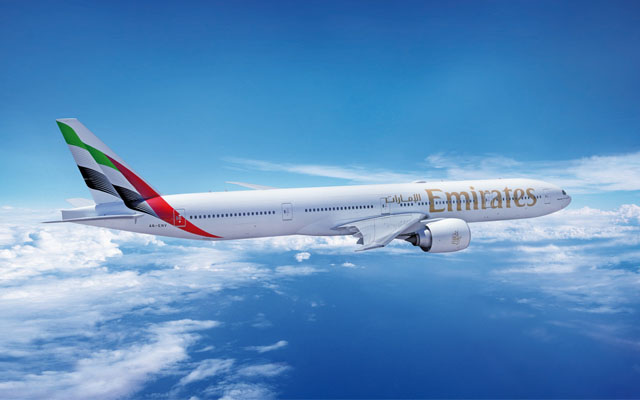
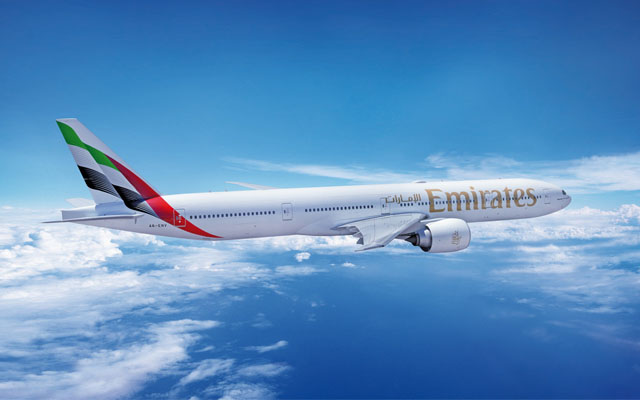
Emirates is working towards becoming the world’s first Autism Certified Airline, enhancing accessibility for customers with autism and sensory sensitivities.
This certification, to be awarded by the International Board of Credentialing and Continuing Education Standards (IBCCES), will be granted once over 30,000 Emirates staff complete the required training.
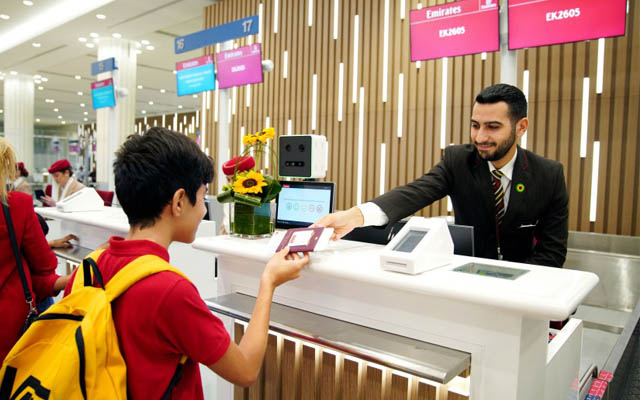
Emirates is aiming to become the world’s first Autism Certified Airline by introducing comprehensive training and services to support neurodiverse travellers
As part of its commitment to making travel more inclusive, Emirates plans to introduce new services and standards later this year to improve the experience for passengers on the autism spectrum and their families. A survey on AutismTravel.com revealed that 78 per cent of families hesitate to travel, and 94 per cent would take more vacations if staff were trained in autism awareness.
To drive this initiative forward, Emirates has partnered with IBCCES, a leading organisation in autism and neurodiversity training. Together, they conducted an on-site review and comprehensive audit, gathering feedback from over 14,000 individuals with disabilities, including those with autism, and industry professionals. This data, alongside flight audits of Emirates’ routes, helped shape a new set of standards to support passengers with sensory sensitivities.
Based on these findings, Emirates is implementing the new standards across the entire journey. At least 80 per cent of customer-facing staff will undergo training, with a commitment to ongoing education and continuous improvements. Emirates’ ground staff and cabin crew will be trained on autism and sensory awareness, focusing on strategies to assist individuals based on their unique needs.
From 2025, Emirates will also introduce new services, including sensory guides, which are digital tools that help travellers navigate sensory environments based on factors such as sound and lighting. Additionally, sensory products like fidget toys will be available on flights to help reduce stress and improve focus.
In April 2024, Emirates achieved Certified Autism Center status for its Dubai check-in facilities, following Dubai Airport’s recognition as the first international airport to receive this certification in December 2023. The new training and protocols set for 2025 will further enhance accessibility for neurodiverse passengers, supporting Dubai’s goal to become the first Certified Autism Destination in the Eastern Hemisphere.
Emirates restarts Copenhagen service, adds flights to Colombo
Emirates has resumed its A380 service to Copenhagen, offering daily flights between Copenhagen and Dubai. The A380 features 58 Business Class lie-flat seats and 557 Economy Class seats.
Additionally, Emirates has introduced an extra daily flight between Dubai and Colombo. This new service will complement the existing flights and provide more choices for travellers.
A seventh weekly flight will operate from April 2025.
The added flight to Colombo will accommodate up to 360 passengers across First, Business, and Economy Classes, supporting Sri Lanka’s tourism growth with more than 2,800 seats available daily.
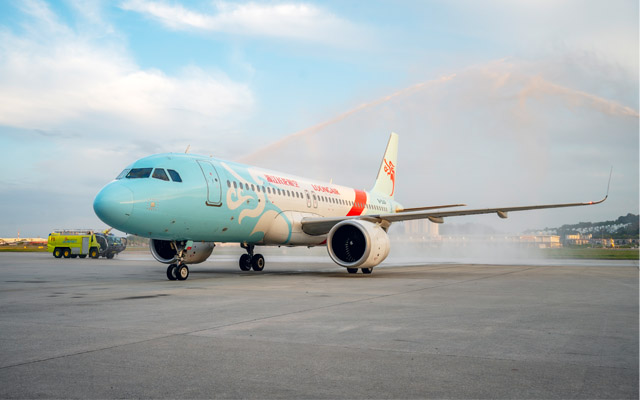
Loong Air
Loong Air launches flight from Xi’an to Penang
Loong Air has commenced its new route connecting China’s Xi’an to Malaysia’s Penang.
The flight will operate twice weekly, every Monday and Friday, using an Airbus A320 with a 168-seat capacity.
This new route supports the objectives of Visit Malaysia Year 2026, and comes as Malaysia sees a significant rise in tourist arrivals from China. The extended visa-free policy till December 2026, along with improved connectivity between Malaysia and China, is expected to further boost tourism and cultural exchange.
Cathay Pacific
Cathay Pacific returnsto Rome this summer
Cathay Pacific will expand its global network with direct flights between Hong Kong and Rome, commencing June 5, 2025.
The new service marks the airline’s second direct connection between its home hub and Italy, and will operate on Mondays, Thursdays, and Saturdays as a summer seasonal route.
Cathay Pacific currently operates five weekly return flights to Milan, which will increase to daily this summer.
The route will be serviced by the airline’s Airbus A350-900, offering fully flat beds in Business Class, Premium Economy seats, and Economy cabins.
In addition to Rome, Cathay Pacific is launching new routes to Hyderabad, Dallas, Munich, and Brussels in 2025.
Jetstar Asia
Jetstar Asia flies direct from Singapore to Labuan Bajo
Jetstar Asia will begin direct flights between Singapore and Labuan Bajo, Indonesia, starting March 20 this year.
The new service, operating twice weekly on Thursdays and Sundays, expands Jetstar’s growing Indonesian network, which already includes Bali, Surabaya, Medan, and Jakarta.




 Please throw some light on the latest developments in your agency.