Asia/Singapore Tuesday, 7th April 2026
Page 63

Brightsun Travel: Eyes on India

0

Can you talk about recent developments in your travel agency?
Brightsun Travel is entering a milestone year as we will be celebrating 40 years of operations in the UK market next year. We initially launched our India operations in 2006 to support business from the UK, but over time, the potential in India itself has become too significant to ignore. Our UK business is currently valued at around US$500 million and our goal now is to replicate that success in India but on a much faster timeline.

India is central to our expansion strategy because of its growing travel population. So, we are not only increasing manpower at our existing Gurgaon base, but we have also opened satellite offices in cities like Mumbai, Chennai, Kolkata, Hyderabad and Amritsar to get closer to the market and understand regional preferences.

What’s truly fascinating is just how diverse India is. We are learning every day. Our aim is to convert these satellite locations into full-fledged offices, where customers can walk in and interact with our teams. Ideally, we would like to create seamless experiences such as connecting a traveller in Ahmedabad with our team in the UK to plan a customised Scottish holiday.

Beyond India, we have also established new offices in Ireland and most recently in the UAE, which opened on March 1. Having a physical presence in the Middle East is strategic, especially with tourism booming in the UAE and growing interest in destinations like Saudi Arabia.

How do you plan to drive your business in India?
Brightsun Travel has three arms or three verticals of getting in business. We have our B2B arm, along with a holidays and flight division that serves customers through tele-sales, and an online division for digital bookings and services. Each vertical has dedicated teams.

Additionally, we have what we call our SME and Concierge division, which targets corporate clients. A recent highlight is our partnership with HCL in India – a major win that showcases the robustness of our systems. To meet the expectations of companies with tens of thousands of employees, we must ensure our systems can effectively handle their queries and requirements.

What kind of travel trends are you currently noticing from the Indian market?
When we first focused on tourism in India around 2021, the domestic market was booming. We built strong local networks in different places like Mysore, Tirupati and Amritsar – but post-lockdown, outbound travel has surged. With new international routes and competitive airfares – for example, it is sometimes cheaper to fly to Vietnam than from Delhi to Mumbai – more Indians are exploring global destinations. The young Indian traveller is keen on engaging in diverse tourism experiences, from religious tourism to eco and sustainable travel. Our focus is to align with these evolving preferences and help travellers find holidays that truly resonate with their interests.

The inbound tourism market in India has been slow to recover post-lockdown. How do you see the demand for India in the UK, where you have a strong presence?
To be frank, the issue isn’t with the Indian government per se, but with the lack of a strong global tourism voice for India. Compared to countries like the UAE which expects to receive 24.5 million visitors in 2025, India’s inbound numbers are relatively low despite its rich culture and history. In fact, when you are visiting India, it is like seeing six or seven different countries. India has a lot to offer but I think the country has lost its share of voice in the global market. Currently, tourism promotion is managed by the Indian High Commission in the UK, which has its limitations. Such diplomatic missions have their own challenges and protocols. So, things like these need to change if India expects to grow its share in the global tourism market.

Indian outbound tourism, however, is booming. Which destinations do you think will be most popular in 2025?
The biggest hurdle remains the visa process. Destinations with easier or visa-free access, such as Thailand, Vietnam, and the Maldives, are seeing strong interest, while Turkey is also experiencing growth. Mini-breaks of four to five days are becoming popular due to India’s demanding work culture, leading last-minute travellers to favour visa-friendly destinations. Countries like Nepal and Singapore are also doing well. Interestingly, Japan is now gaining traction, attracting a large number of customers. Japan, to me, would not typically be an Indian-centric holiday, simply because it is an expensive place to visit. One week in Japan is equivalent to almost one and a half weeks in Europe, but the Indian traveller wants to explore new things. And, because there are fewer visa implications, they are choosing these destinations more and more.

How do you see the domestic tourism market evolving in India?
The domestic market will be shaped by hotel infrastructure. Airline capacity is increasing with new airports, but more hotel rooms are needed – especially in the three- and four-star segments, which account for 75 to 80 per cent of domestic demand.

Cities like Bangalore, Jaipur and Delhi are adding new room inventory, which will naturally boost tourism there. Seasonal hotspots like Kashmir, Leh and Kerala will always remain popular. Destinations like Jaipur, Jodhpur and Udaipur are seeing growth in the number of high-end weddings which often turn into extended holidays. Wildlife tourism, especially in places like Ranthambore, is also trending.

Do you see the limited number of hotel rooms in India as a challenge?
Absolutely. It is one of the biggest challenges we face. To put it in perspective, the UAE has more hotel rooms than all five major metros in the UK combined. India needs to scale up its hotel capacity drastically. However, it’s not just about the number of rooms – the type of hotels being built is equally important. The demand lies in the three- and four-star accommodation, and that’s where development should focus to effectively meet the growing tourism demand.
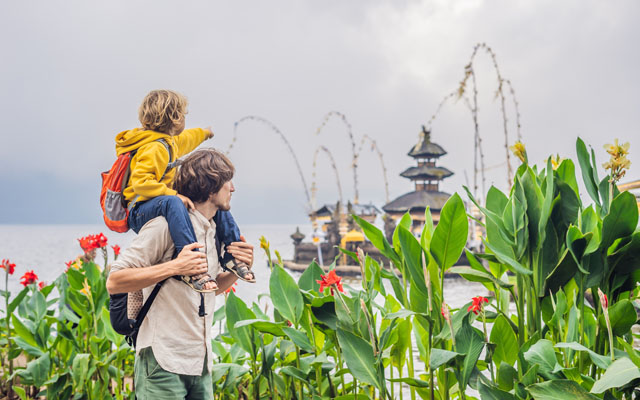
Bali tightens tourist rules to protect traditions

0

Bali’s governor, Wayan Koster, has issued new regulations for foreign visitors to protect the island’s cultural practices and maintain respectful and sustainable tourism.

Under the rules, visitors must respect sacred sites, religious symbols, and Balinese customs. They are required to wear appropriate clothing in public areas and tourist spots. Proper behaviour is expected in temples, restaurants, and on the streets.

The new regulations aim to enforce respectful conduct and revive cultural education across Bali

The circular lists specific prohibitions, such as entering temples without traditional Balinese clothing, climbing sacred trees, and behaving disruptively at spiritual sites. It also bans littering, single-use plastics, and unsuitable behaviour, both in person and online.

This circular replaces one from 2023, which introduced similar rules but had limited effect. Implementation was affected by leadership changes and a lack of public education. The new version uses firmer language, clearer duties, and wider outreach, including through schools and traditional village networks.

Industry representatives have largely supported the measures but emphasise the need for enforcement.

I Putu Winastra, chairman of the Association of the Indonesian Tours and Travel Agencies (ASITA) Bali Chapter, stated: “The key challenge lies not only in having regulations in place but in ensuring their proper enforcement. Clear penalties for violations are crucial to making these rules effective.”

Nyoman Subrata, managing director of Bali Bedira Anugrah Tour & Travel, said education was essential for preserving culture: “Education and outreach about the new rules must get to not only tourists but also local residents. Communities, traditional leaders, and local authorities are the front line. Their discipline in upholding cultural values is vital.”

Sugeng Suprianto, managing director of Top Indonesia Holidays, suggested improving surveillance. “Increasing the number of CCTV cameras across Bali would provide a simple yet effective way to monitor compliance,” he said, adding that it would enhance both security and public trust.

The Eastern & Oriental Express welcomes new GM

0

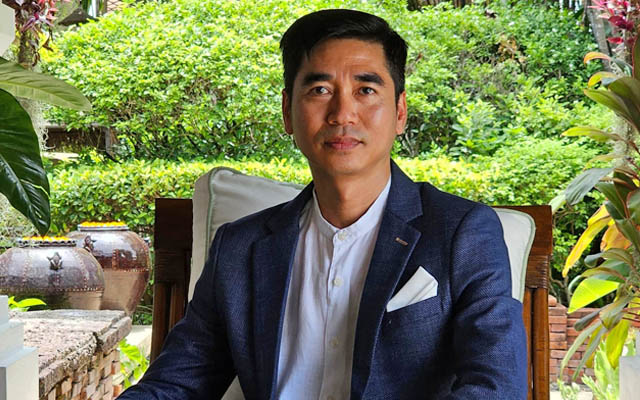
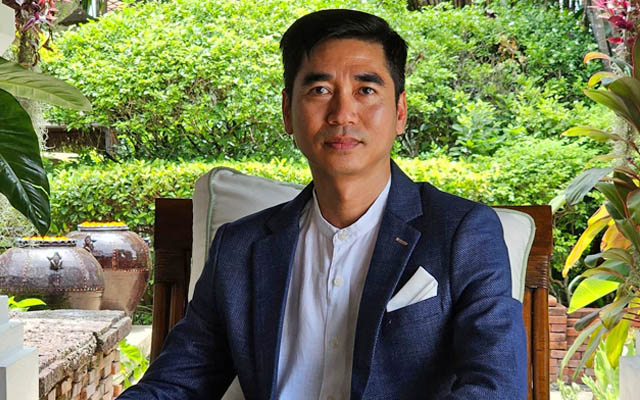
The Eastern & Oriental Express, A Belmond Train, Southeast Asia, has named Win Min as general manager, effective immediately.

Win’s journey with Belmond began in 2013 in Myanmar, where he was hotel manager on the Orcaella, a former Belmond river cruise. In 2017, he took on the role of hotel manager, overseeing both The Governor’s Residence hotel and the Road to Mandalay river cruise, also former Belmond properties.

With a demonstrated track record of leadership and adaptability, Win Min joins E&O from Residence Phou Vao, where he was interim general manager.
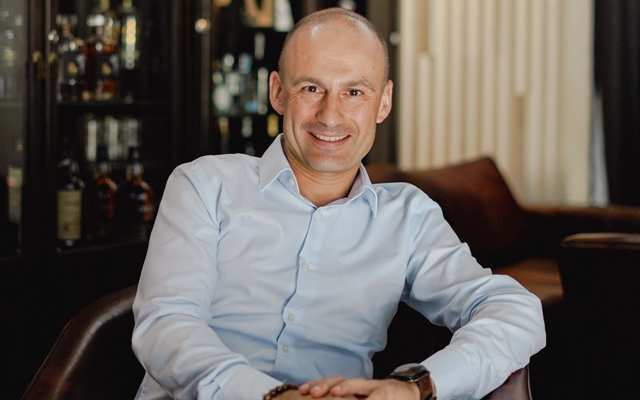
Vincent Durier leads as GM of Alila Villas Uluwatu

0

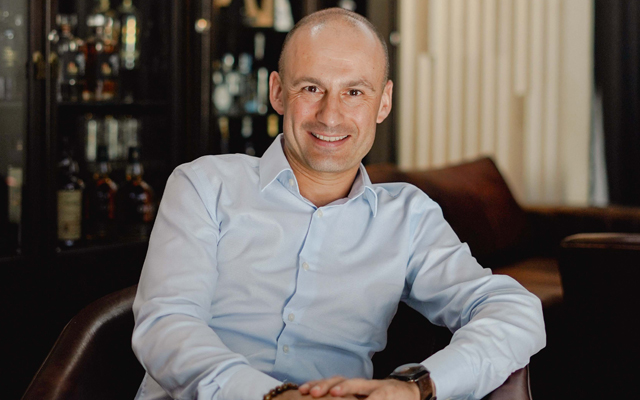
Alila Villas Uluwatu has appointed Vincent Durier as general manager.

He has over 20 years of experience in international hospitality, covering all areas of operations, including rooms, F&B, and finance.

In 2021, he was general manager at COMO Cocoa Island in the Maldives, followed by a role at Nawa Bajo in East Nusa Tenggara, Indonesia in January 2024.


He aims to positively impact people, the community, and the environment, and strengthen Alila Villas Uluwatu’s position as a leading resort in Asia.

Travel therapy for all

0

Scott Dunn’s 2025 Luxury Travel Trend Report identifies some interesting trends. Which excite you most, especially when considering the Asia-Pacific traveller profile?
One is eclipse chasing, where travellers venture to remote corners of the world to witness celestial spectacles. We have some big itineraries for Greenland over the August 12 period when the eclipse will be happening. Eclipse chasers will camp around Greenland and spend time in the destination before taking cruises into the High Arctic, to Svalbad, Norway.

This has given us an exciting opportunity to design itineraries around eclipse chasing. It is not just Greenland, Iceland and the High Arctic where one can catch the eclipse; the northern parts of Spain and Portugal are likely to see it too, so we’re working on some itineraries around that area for the same period.

Another hot trend is the growing number of guests who are willing to travel outside the peak periods. With climate change, we are seeing that shoulder seasons and even low seasons are proving to be a valuable time for travel, from a weather perspective. Obviously, travellers can make the most of the better value and lower costs when travelling (during shoulder and low seasons), but this trend also corresponds with our luxury guests not wanting to feel that they are contributing to overtourism.

As a result, Scandinavia countries (usually associated with winter travel) are becoming really popular during the summer. Finland, Norway, and Iceland have all picked up for summer travel.

We are also seeing greater interest in all-inclusive options. The luxury travel sector isn’t as largely affected by inflation and economic pressures on cost of living as other parts of the market, but there is still a strong demand for travel value. Families heading to resorts prefer all-inclusive options. They can enjoy the resort and not have to worry about how their children are getting and paying for their drinks and food.

We have seen a 24 per cent increase in all-inclusive travel bookings from the Asian market, comparing July 2022 to June 2023 with July 2023 to June 2024.

In fact, this all-inclusive preference lends to the increasing interest in cruising. We recently launched a Journeys by Land & Sea offering, which combines highly designed land itineraries with some of the best-in-class cruising and yacht options.

Another trend we are seeing is people wanting to go away for longer, slower travel and spending more time in destinations.

There are not many all-inclusive options within our region, so does that mean luxury travellers here wanting this option would have to holiday more in the West?
Yeah. I think that’s fair to say. Well, the resorts in the Maldives do, but the all-inclusive concept is generally more of a European offering. Travellers here wanting an all-inclusive holiday could go to Europe, or the Maldives, or get on a cruise. Greece has good all-inclusive offerings.

Your report also highlighted the strong appeal of China as a destination. Why has attention shifted to China?
Bookings for China are up from Singapore and from across our group. Based on Scott Dunn’s global data, bookings for China travel increased by 400 per cent between 2023 and 2024. This is a comparison between bookings from July 2022 to June 2023 with July 2023 to June 2024.

I think the strong attention on China is driven partly by the fact that Japan is so busy and popular. People have either been to Japan and want to do something else or have struggled to get the availability they want in Japan and South Korea.

For the Singapore traveller market, that interest may be due to ancestry – some guests (of the Chinese race) are wanting to go back to regions where their families were from and to immerse in the history and culture.

There was also a lot of tourism infrastructure development and investment in different parts of China over the pandemic period, especially in Yunnan and Sichuan provinces, and in particular the rise of luxury hotels. That has an impact on tourism and we are seeing people going into these regions as well as the usual Beijing and Shanghai.

Where else in China is Scott Dunn researching to ensure the well-travelled customer has somewhere fresh and not-so-commercialised to brag about?
We have just started to map China out properly. We’re seeing things in Chengdu that we want to explore, and there are parts of Yunnan’s Tibetan Plateau that we are looking to expand (our itineraries) into. We are still in the early stages. We see China as a big opportunity.

Travellers want to get off the beaten track to discover lesser known destinations. Does the world have enough hidden gems, and does it matter to luxury travellers if the tourism infrastructure isn’t so well developed but the sights are incredible?
I do think there are lots of hidden gems around the world. However, I see it this way – there is a younger demographic of luxury travellers coming through now, they are aspirational and interested in destinations like Laos and Cambodia, which the travel and tourism industry no longer regards as off-the-beaten-track.

To your question about destination infrastructure, luxury travellers are fine as long as they know there is security behind them, the programme is well organised, they are staying somewhere comfortable and of a certain quality, and they have good guides on the ground to give them the experiences they want.

Our travellers are not concerned about going to destinations that are remote.

You’ve raised an interesting observation about the young and aspiring luxury travellers and those with old money. Do you mean that the young and aspiring ones tend to go for familiar destinations whereas the rich and well-travelled are more explorative?
That’s broadly right. We are seeing the well-travelled older generations spending more time in destinations, and taking things slower. They are taking river cruises and ocean cruises. Train journeys are becoming popular again, so we’re seeing demand pick up (among this traveller segment) for Belmond predominantly in Europe and a little bit in South Africa.

We have just signed on with the Golden Eagle Luxury Trains that go across China, and are looking to do more of the Silk Road over the year ahead.

Young and aspirational travellers are a bit more of a typical traveller. They have short periods of time that they can go away for, and would cram as much in as possible. They are also that Instagram generation, so they like staying in places with rooftop pools, dining at The World’s 50 Best Restaurants – all to be seen travelling well.

Let’s talk about meaningful travel – how can travel designers ensure programmes are truly meaningful to the host community and the explorers, and not exploitive of locals?
That’s a great point. Organically, we are seeing that luxury travel is moving away from high tourist destinations.

We’ve just employed somebody to look at our overall sustainability strategy. Our focus is on understanding the impact our guests and therefore what we do have on the local communities. In line with that, we’ve just started to identify some global partners that we want to work with on our sustainability push, where we can positively and meaningfully support the communities of places where our travellers are visiting.

The great thing about tourism is that it can be such a huge economic driver. We are making sure (that our itineraries) contribute to local communities (that need more tourism earnings) by keeping guides and drivers busy so that they have work and can invest back into lifting their communities up economically.

At what point would you say that a hidden gem is no longer hidden?
Probably once the destination starts getting cruise liners with 10,000 people coming off?

The definition can be quite a personal thing. There are a lot of islands around South-east Asia that are relatively remote and are considered hidden gems for every generation of travellers that visits.

Perhaps hidden gems could be defined by the balance of tourism. Once big crowds set in and the authenticity of the destination evolves, then it is no longer a hidden gem.

However, changes caused by tourism is not always a bad thing. Asia is not the same as it was 10 years ago, but as it evolves it grows while still offering plenty of hidden gems.

As a luxury travel specialist who must have experienced so much, where in the world stokes your interest today?
I’ve got a young family now, so our ability to go far and off the beaten track is somewhat limited. We enjoy our beach resort holidays, as it gives us a real chance to spend some quality time together. We are big fans of Krabi in Thailand, and are off to Soneva Fushi and Soneva Jani in the Maldives in May. We are also going to New Zealand for a couple of weeks.

I’m very keen to climb Mount Kinabalu (in Malaysia) and hope to do that with a friend. I’m also keen to experience China at some point this year. I intend to stay put in Asia-Pacific this year.

Well, there are a lot of places in our region for us to play.
Absolutely, you don’t need to go far.

Explore a different side of South Korea

0

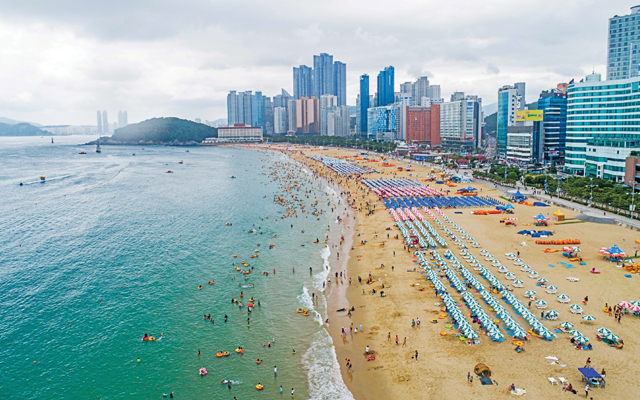
Famous for its beaches, seafood and international film and art festivals, Busan is one of the country’s most popular tourist destinations.

However, beyond Busan, the surrounding south-east region is considerably less well known. Working to change that, the Korea Tourism Organization (KTO) is promoting the cities of Busan and Ulsan, and Gyeongnam province – or conveniently referenced as BuUlGyeong – as a combined destination.

Haeundae Beach is one of Busan’s famed beaches

To promote BuUlGyeong, KTO is organising fam trips, engaging in digital advertising and social media marketing, launching initiatives to attract business events, conducting training and detailed itineraries for the travel trade, and partnering OTAs, shared Park Chul-ho, senior director of regional tourism promotion at KTO.

Busan’s excellent international connectivity is a natural jumping point for visitors to travel to other parts of the region. The new Gadeok International Airport that is being planned for construction in Busan’s Gangseo district will handle international passengers, further complementing efforts to boost tourism.

The focus is on Busan’s oft-overlooked neighbour to the west, Gimhae, which is connected by the Busan subway and its northern neighbour, industrial Ulsan, the home of Hyundai.

Further inland, the Gyeongnam province is home to various towns, each with their own appeal where visitors can experience South Korea’s traditions and culture at various heritage sites, museums and attractions, activities, and outdoor landscapes.

“Ulsan offers a wealth of natural attractions like Daewangam Park and Taehwagang National Garden, ideal for ecotourism. Gyeongnam, with its scenic islands and coastal regions, is perfect for marine tourism, offering a peaceful and immersive experience in nature,” Park added.

Traditions and culture
The mountainous Sancheong county is known for traditional Korean medicine, including the legacy of Donguibogam (a classical Korean medical text), its herbal medicine-themed attractions, and natural healing resources like medicinal herb gardens and therapeutic facilities.

Home to Jiri mountain, which is rich in medicinal herbs, one can indulge in nutritious meals at homely restaurants featuring predominantly vegetarian dishes made from the local produce. With a long history of Buddhism, South Korea is home to many magnificent temples. One of the country’s three largest is Haeinsa Temple in Hapcheon, Gyeongnam province. Built in the 9th century, it is a UNESCO World Heritage Site that houses the Tripitaka Koreana, the most complete collection of Buddhist texts engraved on 80,000 woodblocks.

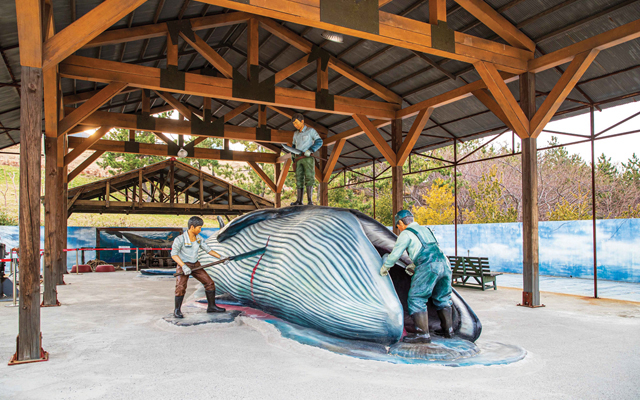
Jangsaengpo Whale Culture Village in Ulsan; photo by Audrey Ng

Other cultural highlights include the Ulsan Onggi Museum where traditional earthenware pots called onggi used for fermenting foods such as kimchi, are made. Over 50 per cent of the country’s earthenware pots are crafted here.

Another highlight is the Clayarch Gimhae Museum, the world’s first architectural ceramics museum, where the annual Gimhae Buncheong Ceramics Festival takes place. Gimhae has a long tradition of craftsmanship in Gaya pottery and Buncheong ware, with the traditional craft fast developing into a creative sector through modern projects.

Another venue worth visiting is Jangsaengpo Whale Culture Village in Ulsan, which showcases a controversial tradition. Before whaling was banned, Ulsan had a long history of whaling that dates back to prehistoric times, as evidenced by the petroglyphs that depict scenes of whale hunting carved into the ancient rocks at Bangudae Terrace.

These days, there are whale watching cruises and Jangsaengpo that gives visitors an insight into the evolution of whaling through life-sized retro-style exhibits of an old whaling village. At the Ulsan Petroglyph Museum, a fascinating insight into Korea’s prehistoric heritage can be found through archaeological exhibits and an interactive children’s area.

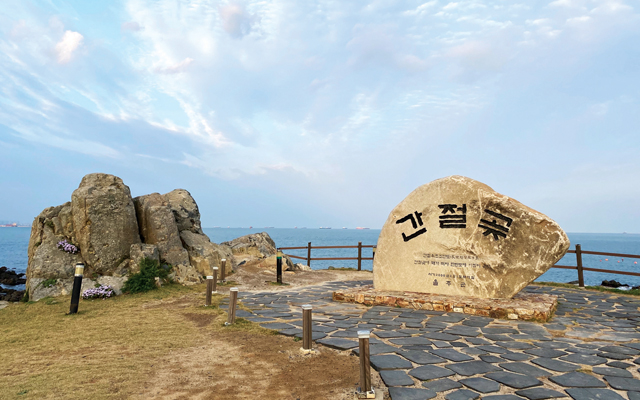
Ganjeolgot Cape is South Korea’s first place to see the sunrise; photo by Audrey Ng

Natural beauties
Busan’s port location has earned it a reputation for its scenic beaches, notably Haeundae and Gwangalli. Along the coast, endless ocean views and rugged coastline make for picturesque walks, with sites such as the Oryukdo Skywalk often regarded as the dividing point between the East Sea and the South Sea; Songdo Cloud Walk, the largest in Busan; and Cheongsapo Daritdol Observatory offering various options to appreciate the sights.

Neighbouring Ulsan in the north also claims several scenic spots as its own.

Ganjeolgot Cape, a new tourist attraction, is the first place in South Korea to see the sunrise. Unsurprisingly, it is a popular site for New Year’s Eve fireworks.

Another coastal attraction in Ulsan is Daewangam Park, which offers a walking trail through a pine forest with various flowering trees including cherry blossoms. Marked by a lighthouse, there is a suspension bridge that offers views of the ocean and city, and another bridge leading to coastal rock formations.

Outdoor fun for all
Travellers of all ages can also experience outdoor leisure activities. Opened in December 2023, the Taejongdae Ocean Flying Theme Park is home to a 653m zip line that offers stunning views of the Yeongdo Coast and Taejongdae Jagalmadang Beach.

For a mix of culture and outdoor fun, Gimhae Gaya Theme Park is an edutainment park built to celebrate the iron-rich Gaya Kingdom. Activities include archery, pottery, rail bike, zip line, and high elements course, among others.

Singapore Airlines embarks on million-dollar transformation of Changi Airport lounges

0

Singapore Airlines (SIA) will transform its SilverKris and KrisFlyer Gold lounges at Singapore Changi Airport Terminal 2 over the next two years, investing S$45 million (US$) to elevate the on-ground customer experience at its main hub.

Renovations will progress in phases, with works starting first on the First Class SilverKris Lounge and ending by 4Q2025. Construction of the new Business Class SilverKris Lounge is expected to begin in 4Q2025, and the new KrisFlyer Gold Lounge in 1H 2026. Full completion is expected around mid-2027.

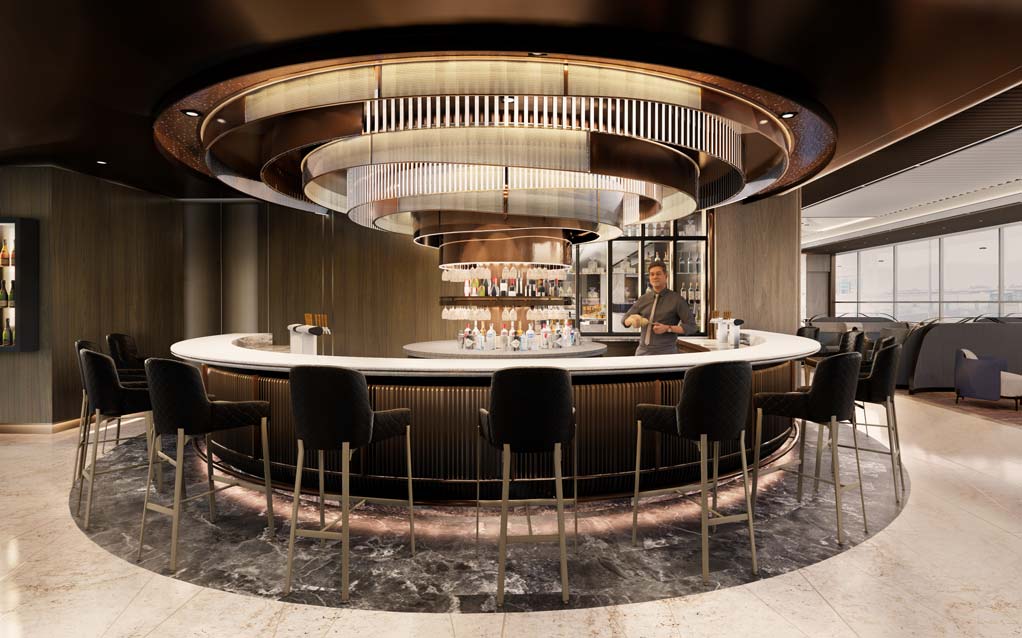
An artist impression of the future SilverKris First Class Lounge Bar at Singapore Changi Airport Terminal 2

The revamped lounges will boast 50 per cent more space and seating capacity, and feature upgraded facilities, signature elements from SIA’s flagship lounges at Changi Airport Terminal 3, and an enhanced variety of F&B options.

The all-new First Class SilverKris Lounge will feature a spacious area with increased capacity, higher ceilings, and floor-to-ceiling windows. The renovated bar will offer a premium experience, including barista services in the morning.

The live cooking stations in the First Class SilverKris Lounge will serve a wide range of popular Singaporean, Asian, and Western cuisine of dishes, while the self-service buffet will also be expanded to mirror the offerings available at the SilverKris Lounge in Terminal 3.

The Business Class SilverKris Lounge will expand by 30 per cent, providing customers with more space and comfort. It will include a quiet rest area and a redesigned living room area with diverse seating options. The expanded self-service buffet, featuring both Asian and Western cuisines, will be complemented by a new full-service bar.

The KrisFlyer Gold Lounge will double its capacity, offering various seating options. New amenities will include in-lounge restrooms and shower suites, enabling customers to freshen up before their flights.

Yeoh Phee Teik, senior vice president customer experience, Singapore Airlines, said: “Building on the success of our Terminal 3 lounges, we are extending our signature hospitality and thoughtfully curated offerings to Terminal 2. This upgrade reaffirms our continued dedication to providing a seamless, world-class experience that meets the high expectations of our discerning customers.”


Conrad Centennial Singapore gets a new name

0

Conrad Centennial Singapore hotel has been renamed Conrad Singapore Marina Bay on April 15 April to reflect its connection to Marina Bay.

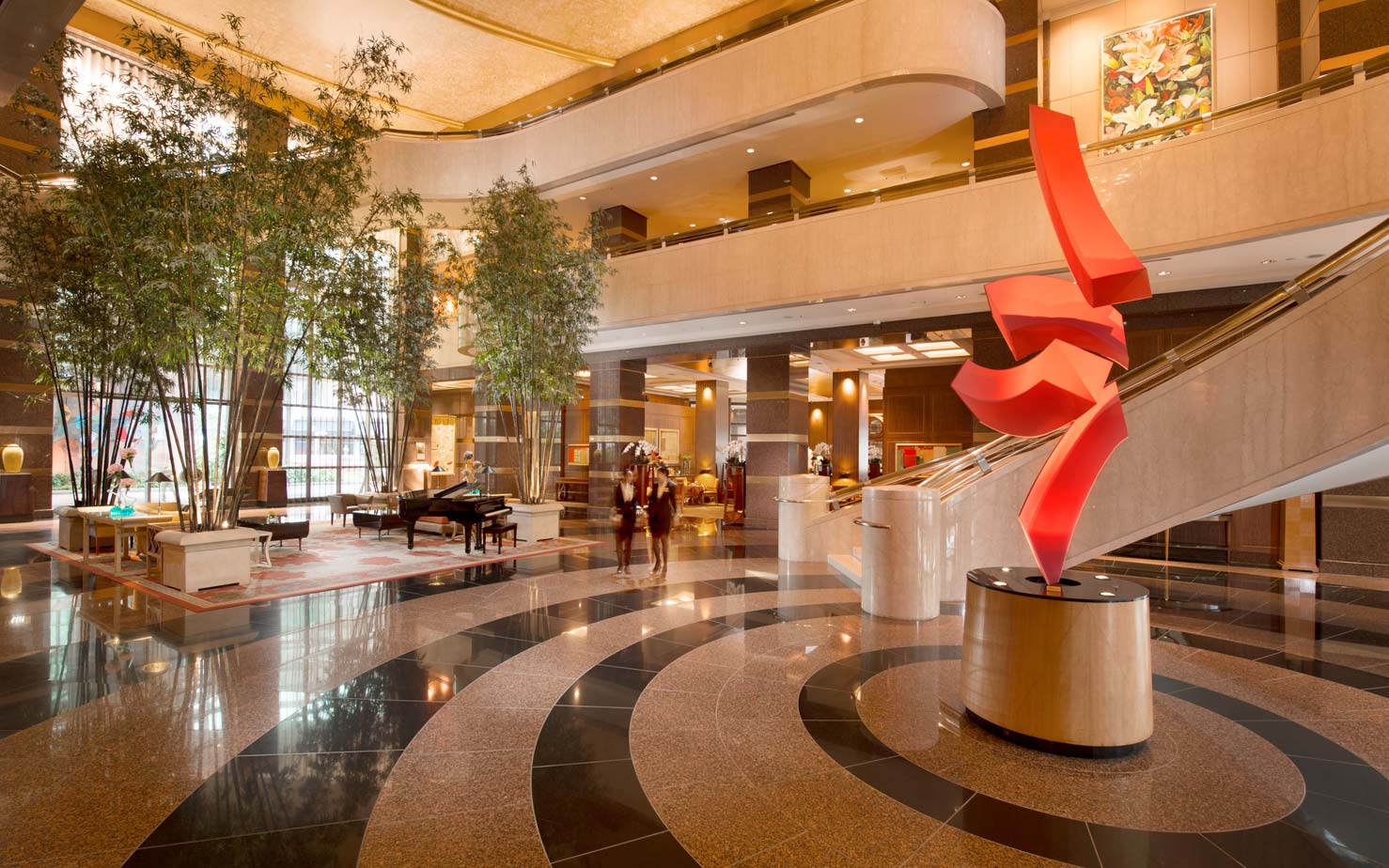
Conrad Singapore Marina Bay will unveil a refreshed lobby and new dining concept in early 2026

The name change will be followed by transformations of dining venue Oscar’s, which will adopt a new concept, and of the lobby to offer a new arrival experience. These changes are set to debut in early 2026, and be complemented by guest programming that offers deeper connections to Marina Bay’s cultural, artistic, and culinary vibrancy.

The Conrad brand, which is part of the Hilton portfolio, is represented by two properties in Singapore, with the other being Conrad Singapore Orchard.

Aman names its first luxury sea vessel

0

Amangati, which means ‘peaceful motion’ in Sanskrit, is Aman’s first luxury motor yacht, which will launch in 2027 to offer a summer season of private sailing around the Mediterranean.

Amangati will mirror Aman resorts’ tranquil land-based sanctuaries

The vessel is now under construction by T Mariotti in Genoa, Italy. The final product will feature 47 spacious luxury suites, each with its own private balcony, as well as four international dining concepts, a Jazz Club, a spacious Aman Spa, and an expansive Beach Club with direct access to the water at the stern of the yacht.

Amangati will be powered by a suite of green technologies, such as utilising battery power, to provide a more sustainable way of travel

The group’s chairman and CEO Vlad Doronin, said: “Naming Amangati marks a pivotal and inspiring milestone for Aman. The vessel will embody the very essence of our brand’s DNA, providing exceptional privacy, best in class amenities, now synonymous with Aman, and our signature unparalleled service not yet experienced on the water.”

Radisson Hotel Group gets its game face on with esports-ready programme

0

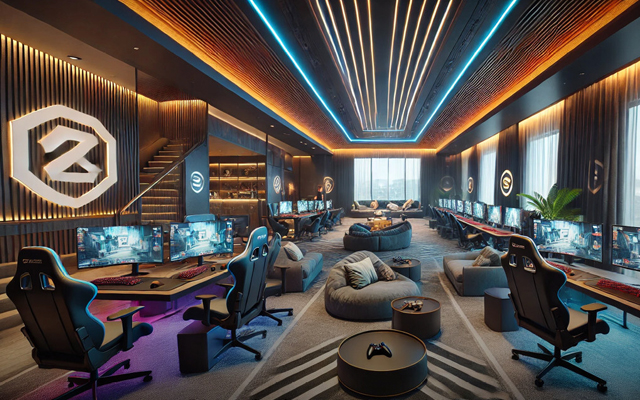
Radisson Hotel Group has unveiled Esports Ready by Radisson Hotels, a new programme to offer esports teams, players and organisers carefully curated services and amenities designed to keep them focused, motivated, and prepared to perform at their best.

Developed in partnership with Spacefwd, a leader in esports and gaming expertise, the Esports Ready by Radisson Hotels programme includes features such as seamless connectivity through 500/500 Mbps symmetric internet with 100 per cent uptime, cabled connections, and backup lines for flawless gameplay and broadcasts; flexible services to match the demanding schedules of esports athletes; team-centric spaces like accessible private gaming rooms, lounges, and secure storage; and exclusive perks like 15 per cent discount on Best Available Rates and flexible cancellation.

The Esports Ready by Radisson Hotels programme caters to specific needs of esports travellers

Radisson Hotel Group expects the programme to place it in the lead in the race for the growing esports industry. Reports indicate that the global esports market is rapidly expanding, with projections expecting the market to surge to US$13.7 billion by 2032 globally, and particularly in the Asia-Pacific and Middle East & Africa regions.

The groups has already lined up over 100 esports-ready properties, including Radisson Blu Plaza Hotel, Delhi Airport and Radisson Blu Plaza Hotel, Bangkok in Asia.

Angela Graun, vice president sales operations, Radisson Hotel Group, said: “The high-stakes world of esports means every second counts, and every detail matters. Radisson Hotel Group understands the unique challenges the industry faces when it comes to demanding travel schedules, unpredictable practice times, the need for seamless and reliable connectivity and secure, functional spaces to strategise and unwind.

“With Esports Ready by Radisson Hotels, we can help overcome these hurdles impacting performance and event success. Thanks to our diverse global portfolio of thoughtfully designed properties, Radisson Hotel Group can cater to the specific needs of esports travellers and create seamless experiences that facilitate esports success.”