Asia/Singapore Sunday, 5th April 2026
Page 56

Novotel marks one-year WWF partnership with new sustainability initiatives

0

Novotel is celebrating the first anniversary of its partnership with the World Wide Fund for Nature (WWF) by launching two new food initiatives ahead of World Ocean Day on June 8.

The hotel brand has introduced Sustainable Seafood Principles developed with WWF France and a global Plant-Forward ambition across its 600 hotels.
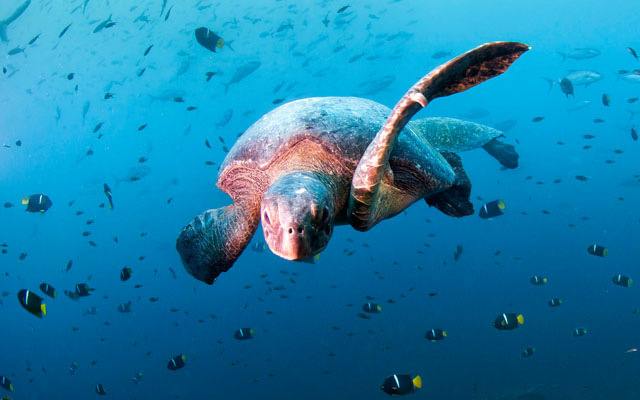
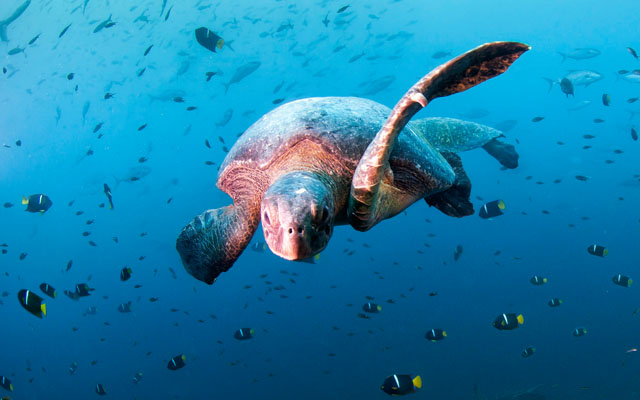
Protecting marine turtles is one of Novotel and WWF’s many initiatives to protect the oceans and promote sustainable tourism; photo by Antonio Busiello, WWF

Novotel’s global brand president, Jean-Yves Minet, highlighted the partnership as a key driver in promoting responsible sourcing, reducing ocean impact, and encouraging sustainable choices that benefit the planet and future generations.

The Sustainable Seafood Principles include banning 350 endangered seafood species, promoting MSC-certified wild-caught fish, and requiring ASC- or organic-certified farmed seafood such as salmon and shrimp. These guidelines will be supported by a global training programme for chefs and procurement teams to improve traceability and responsible sourcing. Meanwhile, Novotel aims to have at least 25 per cent of its menu offerings plant-based by 2026, with 39 per cent of hotels already meeting this target.

Recognising its role as a family-friendly hotel brand, Novotel is also launching two educational games developed with WWF France to engage children in ocean conservation. These interactive games aim to inspire young guests to learn about marine life and the threats facing oceans through fun and engaging activities.

Since launching its ocean impact strategy in 2024, Novotel has taken concrete steps to reduce its environmental footprint by phasing out single-use plastics, installing refillable dispensers, piloting microplastic filters in hotel laundry, and minimising food waste. The brand has also launched a global Fishery Improvement Project in partnership with WWF, supported seafood traceability efforts in the Middle East, and formed a seafood procurement taskforce in Europe to collaborate with suppliers on sustainability.

To further raise awareness, Novotel will introduce Ocean Awareness Training for its teams and Sustainable Seafood Training for chefs and procurement staff, developed in partnership with WWF and AXA Climate. The hotel also supports several WWF France conservation projects, including protecting Posidonia seagrass meadows in the Mediterranean, removing abandoned fishing gear (ghost gear), supporting the Blue Panda educational boat campaign, and tracking and protecting threatened marine turtles across Asia-Pacific and the Western Atlantic.

Looking forward, Novotel plans to expand its sustainable seafood efforts, grow its Plant-Forward menu offerings, introduce new guest engagement programmes focused on ocean preservation, and actively participate in the upcoming UN Ocean Conference in Nice.

Minet said: “Our well-being is deeply tied to the health of the ocean. Protecting the ocean isn’t just about the environment, it’s about supporting human health and longevity too.”

“Protecting the ocean also means protecting our common future. Faced with the growing threats of overfishing, pollution and loss of biodiversity, economic players have a key role to play. We welcome Novotel’s commitment to integrating the preservation of marine ecosystems into its strategy,” added WWF France’s ocean programme manager, Ludovic Frère Escoffier.
StarCruises extends Hong Kong summer sailings through autumn

0

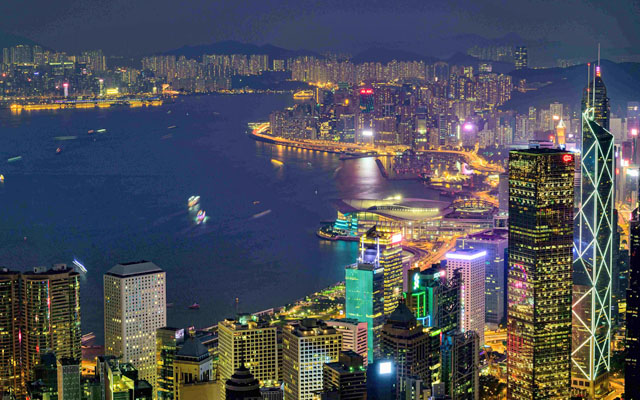
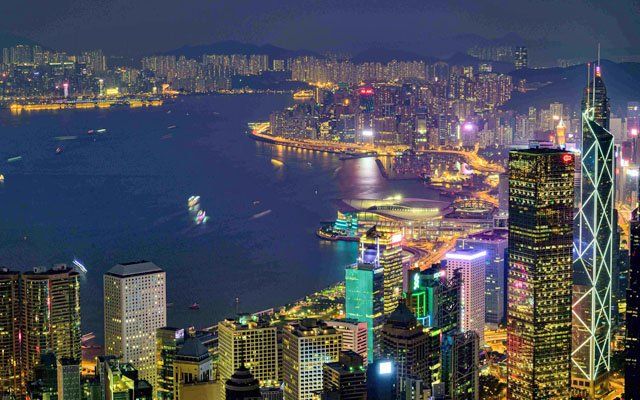
StarCruises will homeport the Star Voyager in Hong Kong starting June 27, 2025, with sailings extended through to November 14, 2025. Departing from Ocean Terminal, a central location with strong transport links, Star Voyager offers two-, three- and five-night cruises to Japan and Taiwan, including Okinawa (Naha and Ishigaki), Keelung, Kaohsiung and Penghu.

The deployment includes roundtrip Taiwan cruises from June 29 to August 13, with three-night Kaohsiung-Penghu sailings on Sundays and two-night Kaohsiung sailings on Wednesdays. Three five-night Okinawa cruises depart July 20, August 3 and 17, calling at Naha and Ishigaki. Two exclusive five-night sailings to Ishigaki, Keelung and Penghu depart on July 27 and August 24, offering access to both Japan and Taiwan on a single itinerary.

Explore Japan and Taiwan with Star Voyager sailings extended from Hong Kong

A two-night High Seas Cruise departs every Friday for a short weekend escape. Onboard, passengers have access to a range of amenities, including suites with private facilities and butler service, plus leisure options such as a water park, rock climbing, live shows and dining choices.

For more information, visit StarCruises.

Marriott introduces Series by Marriott to target midscale growth globally

0

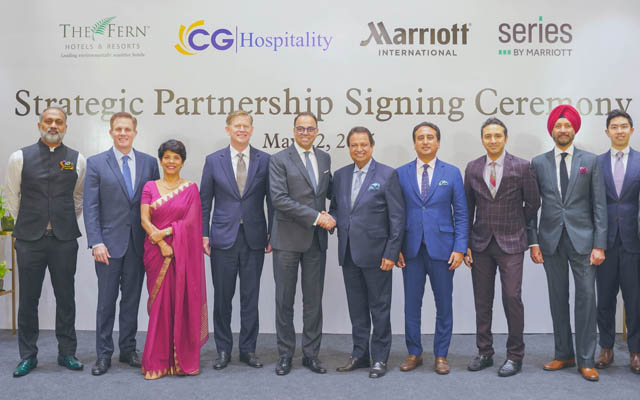
Marriott International has launched a new brand, Series by Marriott, targeting the midscale and upscale lodging segments. The move is part of the company’s strategy to broaden its global footprint by incorporating established regional hotel brands that adhere to consistent service standards into its Marriott Bonvoy portfolio.

Series by Marriott aims to offer standardised accommodation across a wider range of locations while giving regional hotel owners access to Marriott’s global platforms, including the Marriott Bonvoy loyalty programme. The brand is structured to allow participating hotels to retain their independent identity.

Series by Marriott aims to integrate regional hotel brands into Marriott’s global system, expanding access to its loyalty programme and digital platforms

The brand’s initial rollout begins through a strategic agreement with Concept Hospitality in India, one of Marriott’s priority growth markets. Founded in 1996 by Param Kannampilly, Concept Hospitality manages more than 100 hotels across six brands in 90 locations. Under the agreement, Concept’s core brands – The Fern, The Fern Residency, and The Fern Habitat – will exclusively join Series by Marriott in India. Marriott has also taken a minority equity stake in Concept Hospitality.

The Fern’s current portfolio includes 84 operational properties and 31 pipeline deals, totalling approximately 8,000 rooms. These hotels are expected to join Marriott’s portfolio over time, subject to agreements with third-party owners and the signing of long-term franchise contracts. Concept Hospitality’s majority shareholder is CG Hospitality, the hospitality arm of CG Corp Global.

Series by Marriott properties will focus on essential services and standard amenities, including functional rooms, free Wi-Fi, daily coffee or tea, and breakfast. Select locations will also offer fitness centres and event spaces. The hotels will reflect local character while conforming to Marriott’s global standards for safety and cleanliness. Guests will be able to earn and redeem points through the Marriott Bonvoy programme.

The brand is positioned to integrate regionally relevant hotel brands into Marriott’s system, offering cost-efficient affiliation and access to its global distribution, digital platforms, and a loyalty base of nearly 237 million members.

Beyond India, Marriott is in active discussions with hotel owners in the US, the Caribbean and Latin America, Europe, the Middle East, and Africa regarding future Series by Marriott partnerships.

Anthony Capuano, president and CEO of Marriott International, commented: “Creating a new, regional collection brand will further Marriott’s reach among value-conscious travellers, provide additional choice for our existing Marriott Bonvoy members and guests, and offer more affiliation opportunities for local owners.

“This deal will help meaningfully expand Marriott’s leading position in India, a key market for the company.  We see this multi-unit conversion deal as a strong foundation as we look to accelerate growth of the Series by Marriott collection in additional markets around the world.”

“This strategic collaboration underscores our commitment to expanding access to quality hospitality, fostering local economies, and meeting the rising demand for sustainable, comfortable, and accessible stays in emerging markets,” added Param Kannampilly, chairman, Concept Hospitality.

Tourwala Enterprises: Looking beyond the usual

0

How do you view the present growth of domestic tourism in the country?
We all know that the domestic tourism in the country is growing strongly and the tourist arrivals statistics from various departments of tourism of different states reflects the positive demand the segment is recording. However, when it comes to the ‘celebrated’ destinations in the country, I would say, they are overcrowded now. I think we should understand the responsibility of discovering lesser-known destinations or developing newer destinations for domestic tourism. Both the state governments and industry stakeholders need to work together to ensure a more balanced growth of the domestic tourism market. A lot of Indian states are now focusing on home stays to give tourists a more authentic experience. So, these lesser-known tourist destinations are well positioned for promoting home stays as well as various experiences be it nature based, wildlife or cultural tours.

Can you name some of these unexplored or lesser-known destinations which need to be promoted in the domestic tourism markets?
There are many hidden gems in India. Tourists have a mindset to explore popular domestic tourism destinations like Goa, Kerala or Himachal Pradesh but there is a lot to explore in other parts of the country too. It is also important for sustainable tourism that the demand is not just confined to a few locations and is evenly distributed across the country. Tripura is one small state which has a lot of potential. In fact, there is a need to promote the entire north-eastern region for domestic tourism activities. If we talk about the eastern Indian state of Odisha, its destinations like Puri and Bhubaneswar are popular but what about places like Gopalpur? These new destinations have to be promoted more for domestic tourism.

How do you think that the state tourism boards and departments can work towards promoting new destinations and engage with domestic tour operators?
Today, the governments of the majority of Indian states are keen to promote the tourism sector and highlight various tourism products and experiences which they have to offer. The focus is not just on popular choices but also on newer experiences like promoting their rural landscape or cuisine. ADTOI has been collaborating with different state tourism boards and departments to educate its membership about different destinations which can be promoted among their clients. Skilling of tour operators is also an aspect for which we have been collaborating with various state governments. These kinds of activities and engagements take place across the year.

Do you consider the shortage of hotel rooms a challenge, given the rising number of domestic tourists while the supply of branded hotels remains limited?
Yes, it is certainly a challenge. We often find hotel prices to be exorbitantly high, especially in popular tourist destinations due to the clear mismatch between demand and supply. Since the pandemic, many hotels have adopted a pricing strategy where rooms are not sold below a certain rate. The fact that they can maintain these high tariffs and still attract guests willing to pay a premium shows that pricing is unlikely to come down anytime soon.

Rather than focusing solely on building more hotels in already saturated destinations, I believe hotel chains should shift their attention to developing new and emerging tourist locations. Take places like Mussoorie, Nainital or Shimla, for instance they are frequently overcrowded during peak seasons. The surrounding areas of such destinations should be developed with proper hospitality infrastructure to offer attractive alternatives. Tourists need more viable options, which will not only ease the pressure on established hotspots but also promote balanced regional tourism growth.

How challenging is it for traditional brick-and-mortar domestic tour operators to compete with OTAs?
OTAs have already captured a significant share of the domestic tourism market, so it is certainly not easy for traditional tour operators to reclaim that space. This competition has been ongoing for over 15 years now. To stay relevant, traditional agents must be well-versed in social media and have a strong online presence. We cannot operate the way we did in the past; we need to evolve in response to changing market dynamics and consumer behaviour.

That said, one key advantage brick-and-mortar agents still have is the personal connection with their clients. Our deep knowledge, personalised service and the human touch we offer distinguish us from the largely automated experiences provided by OTAs. Traditional tour operators need to focus on highlighting these unique strengths while also embracing modern tools and adapting to ever-evolving customer preferences.

Arunachal Pradesh: A new approach

0

The Government of Arunachal Pradesh recently introduced its new tourism policy with a vision to position the north-eastern Indian state as a preferred destination for both domestic and international markets. Alongside this policy, the state has also revealed a new logo and brand identity – Arunachal: Beyond myths and mountains.

With the help of the new policy, Arunachal Pradesh aims to double its domestic tourist footfall and increase international arrivals tenfold. The state government is prioritising the upgrade of wayside amenities, transport facilities, and tourist signage to enhance the visitor experience. Additionally, the state aims to expand its accommodation capacity by 50 per cent. Currently, Arunachal Pradesh has 793 registered home stays and 237 registered hotels.

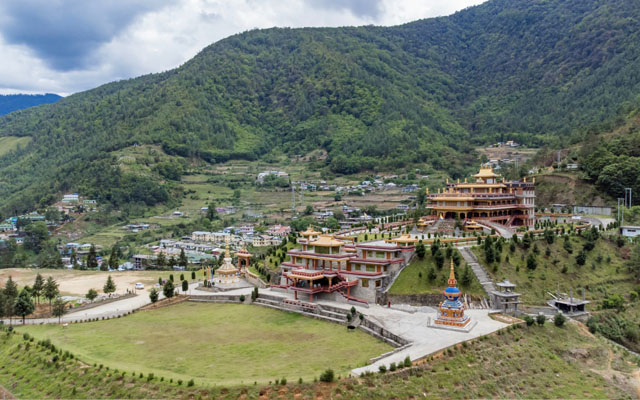
Arunachal Pradesh aims to become a top tourism destination, focusing on adventure and eco-tourism; Thupsung Dhargye Ling in Dirang in Arunachal Pradesh, pictured

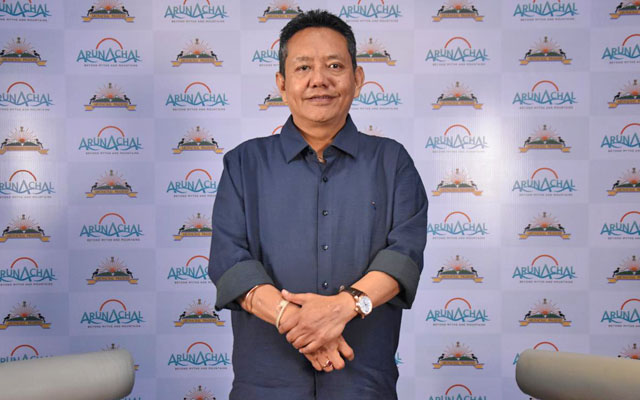
“With the help of our new tourism policy, we are aiming to promote Arunachal Pradesh as an experiential tourism destination. The focus segments include farm tourism, wine tourism, ecotourism, adventure tourism, film tourism, tribal tourism, MICE, wellness and spiritual tourism. We are focusing on aspects like strengthening our road network, improving air connectivity and working closely with key OTAs to promote alternative stays including homestays, farm stays and tented accommodation,” said Pasang Dorjee Sona, minister for tourism, government of Arunachal Pradesh.

“Arunachal Pradesh is witnessing a steady rise in demand as travellers increasingly seek offbeat, immersive and nature-rich destinations. Improved connectivity, infrastructure and focused government promotions have further enhanced its visibility. Key segments include young adventure travellers exploring trekking and biking routes, cultural enthusiasts and spiritual tourists visiting places like Tawang. Moreover, Arunachal Pradesh is well-positioned to become one of India’s most sought-after experiential travel destinations,” added Sarbendra Sarkar, founder and managing director, Cygnett Hotels & Resorts.

The department of tourism of Arunachal Pradesh is keen to enhance the skills and employability of the local workforce in the tourism sector through targeted training, industry collaboration and inclusive initiatives.

“To promote the state as an attractive tourist destination, we will be leveraging a multi-pronged strategy including offline marketing, digital marketing, social media marketing and event marketing,” explained Sona.

Adventure tourism is another niche segment the state’s tourism department is keen to promote. In a boost to these efforts, the Adventure Tour Operators Association of India (ATOAI) held its annual convention in Tawang, Arunachal Pradesh, in December last year. “Arunachal Pradesh is India’s ‘Last Shangri-La’ and our next big adventure tourism hotspot. The state’s pristine forests, snow-capped peaks and winding rivers are perfect for adventure enthusiasts. Travellers visiting the state can engage in adventure tourism activities like trekking through the remote Ziro Valley or rafting on the roaring Siang River,” said Ajeet Bajaj, president, ATOAI.

Adventure @ Mechukha – 3rd National Champs India 2025 took place April 17-20, 2025 in the valley of Mechukha in Arunachal Pradesh. Positioned as ‘India’s First Border Adventure Race’, the sporting event was a part of the Adventure Racing World Series (ARWS) – Asia Series.

Sona: we are aiming to promote Arunachal Pradesh as an experiential tourism destination

Manjunath R, director of the department of tourism, government of Arunachal Pradesh said: “Arunachal Pradesh, which shares borders with Tibet, Bhutan and Myanmar as well as Indian states Assam and Nagaland, offers vast opportunities for border tourism. For travellers looking for adventure, they can explore a range of activities, from hiking and mountain terrain biking to jungle safaris.”

Arunachal Pradesh is also looking to form a Strategic Tourism Growth Council which will oversee the overall growth and strategic direction of tourism in the state. The chairperson of this council will be the chief minister of the state and will have members including tourism minister, chief secretary and secretary – tourism among other high ranking government officials.

“The state will have a single window clearance mechanism to provide all kinds of clearances at one single point instead of investors having to go to multiple offices for various clearances and permissions. This will save them a lot of time and hassles and enhance the competitiveness of the state’s tourism sector,” said Sona.

Hospitality players like Cygnett Hotels & Resorts are also looking to expand their presence in the state. “We already have a presence in Arunachal Pradesh with our Cygnett Inn brand in Itanagar and Tawang. We have a couple of additional properties in the pipeline in the state. We see significant untapped opportunities, especially in emerging destinations like Ziro, Bomdila, and Pasighat. We definitely see Arunachal Pradesh as a strategic growth destination, given its rising appeal among domestic and international travellers,” added Sarkar.

As outright purchase of land in Arunachal Pradesh for commercial and industrial projects by investors from outside the state is restricted, the state government is also exploring long-term leases as a way to attract investment.

“Investors were reluctant due to the lack of clear land ownership or long-term leases, creating uncertainty about the land’s future and the status of their projects. However, the new policy proposes long-term leases, which will be as good as ownership, effectively removing a major bottleneck,” shared Sona.

In Arunachal Pradesh, foreign tourist arrivals grew by 300 per cent to 4,496 in 2023, while domestic tourist visitors increased 368.91 per cent to 1.04 million in the same year.

Aviation roundup: Qantas, Cathay Pacific and more

0
Qantas opens new Domestic Business Lounge in Adelaide

Qantas adds Adelaide-Auckland service, opens new lounge
Qantas will begin direct flights between Adelaide and Auckland from October 31, 2025, marking the return of non-stop international flights from South Australia.

The new route will operate four times a week until May 3, 2026, using Boeing 737-800 aircraft. It will provide connections to North America through Qantas’ Auckland-New York service.

The airline has also opened a new Domestic Business Lounge in Adelaide. The space can accommodate up to 190 passengers and completes the redevelopment of the Adelaide Lounge precinct.

The lounge features a Market Kitchen inspired by the Adelaide Central Market, with food by Qantas creative director Neil Perry and snacks by Maggie Beer. Design elements draw on local landmarks including the Adelaide Botanic Gardens and Kangaroo Island’s Flinders Chase National Park. Most seats have access to charging points, including USB and wireless charging.

Cathay Pacific

Cathay Pacific resumes direct flights between Hong Kong and Adelaide
Cathay Pacific will recommence non-stop flights between Hong Kong and Adelaide from November 11, 2025. The seasonal winter service will operate three times per week until March 27, 2026.

Adelaide becomes the airline’s eighth destination in the region, alongside existing year-round routes to Auckland, Brisbane, Melbourne, Perth and Sydney, and seasonal services to Cairns and Christchurch.

The route will be operated using Airbus A350-900 aircraft, offering fully flat beds in Business, Premium Economy seating and Economy class. Flights will depart Hong Kong on Tuesdays, Thursdays and Saturdays, and return from Adelaide on Wednesdays, Fridays and Sundays.

The announcement follows several new routes added to Cathay Pacific’s global network in 2025, including Hyderabad, Dallas and Urumqi, with Rome, Munich, Brussels and Adelaide still to come.

Emirates and Air Mauritius

Emirates, Air Mauritius renew codeshare and cooperation agreement
Emirates and Air Mauritius have renewed their partnership, which includes a reciprocal codeshare agreement, and coordination on frequent flyer programmes.

The renewed agreement, signed in Mauritius, formalises a collaboration that began in 2003 following Emirates’ launch of services to the island. The partnership was previously expanded in 2013 with an enhanced codeshare agreement.

Under the agreement, Air Mauritius will place its code on Emirates-operated flights to Cairo, Colombo, Karachi, Dammam, Jeddah, and Riyadh. Emirates, in turn, will place its code on Air Mauritius services between Mauritius and Antananarivo. Additionally, Air Mauritius can access Emirates’ broader network through interline arrangements.

Emirates currently operates 14 weekly flights between Dubai and Mauritius using Airbus A380 aircraft, and remains the only airline offering A380 services and First Class seats to the island.

Vietjet

Vietjet to link Chengdu and Xi’an with Hanoi from early July
Vietjet will launch two new direct routes connecting Hanoi with Chengdu and Xi’an in China. Flights to Chengdu will begin on July 1, 2025, and services to Xi’an will start on July 6, 2025. Each route will operate four round trips per week.

These additions increase Vietjet’s Vietnam-China direct routes to seven in 1H2025, following recent launches to Beijing, Guangzhou, and Shanghai.

Vietjet continues to expand its international network, including routes from Ho Chi Minh City and Hanoi to major Chinese cities such as Shanghai, Chengdu, Xi’an, Beijing and Guangzhou. The airline has also added flights to Indian cities Hyderabad and Bengaluru, Japanese cities Nagoya and Fukuoka, and a new service between Phu Quoc island and Singapore.

Big celebrations of love

0

The Indian destination weddings market is witnessing an unprecedented boom, intensifying competition between domestic and outbound destinations. According to the 4th Annual Wedding Report 2024 by WedMeGood, wedding planners are playing a crucial role in driving the popularity of destination weddings in India.

Wedding planners are rising in popularity, with 16.7 per cent of couples hiring them, marking a 15 per cent year-on-year increase. Destination weddings now account for one-fourth of all weddings planned.

Kerala offers a wide range of wedding venues like serene backwaters, pristine beaches, and charming village properties

Nearly nine per cent of Indian weddings have a budget exceeding 10 million rupees (US$116,690), and more than 60 per cent of these are destination weddings, the report states. The survey included over 3,500 engaged couples from tier-I and tier-II cities, with weddings planned until March 31, 2025.

Earlier, India’s Ministry of Tourism launched a promotional campaign India says I do, which showcases the country as a premier destination for weddings on the global stage. The campaign leverages digital marketing, website, social media campaigns, influencers, offline and online activations. Its thematic focus encompassed themes such as beach weddings, nature weddings, royal weddings, Himalayan weddings, and more.

Speaking on the focus of the Indian government to promote India as a weddings destination, Chetan Vohra, chair, Federation of Indian Chambers of Commerce and Industry (FICCI) Wedding Tourism Taskforce and co-founder, Wedding Line, said: “After a decade of development in infrastructure like hotels, roads and airports, the Indian government now views a significant opportunity in the weddings sector, targeting the US$50 billion market.”

The Ministry of Tourism, in collaboration with the Department of Tourism, Government of Rajasthan, and FICCI, also organised the inaugural Wed in India Expo alongside the Great India Travel Bazaar in Jaipur, Rajasthan last year. The event was attended by wedding planners from both India and overseas.

Celebrations at home
Indian states are actively promoting their destinations for both domestic and inbound weddings. According to the WedMeGood report, while Rajasthan, Goa, and Kerala continue to lead the way for destination weddings within the country, newer destinations such as Daman, Khajuraho, and Mussoorie are also gaining attention.

“Kerala offers a wide range of wedding venues. We are highlighting such locations in different international travel tradeshows besides promoting them domestically through roadshows and consumer campaigns,” said Sikha Surendran, director of Kerala Tourism.

Bidisha Mukherjee, additional managing director of the Madhya Pradesh Tourism Board shared that destination weddings have become a strong segment for the state, with locations like Orchha, Mandu, and Maheshwar gaining popularity.

She said: “Pre-wedding shoots have also seen a surge, with picturesque locations like Raneh Falls (Khajuraho) and Bee Falls (Pachmarhi) providing stunning backdrops.”

A boon for hospitality players
The destination wedding segment has become critical for Indian hospitality players too. Manuj Ralhan, general manager, Novotel Jaipur Convention Centre & Jaipur Exhibition and Convention Centre, both managed by Accor, stated: “The weddings industry has grown tremendously in the last few years. A typical hotel in Jaipur hosts between 25 to 30 weddings annually on average. Earlier, it would take hotels 10 to 12 years of market presence to reach this number.”

Somesh Agarwal, chairman and managing director of Radisson Blu Palace Resort & Spa, Udaipur highlighted that in 2024, the weddings segment outperformed all other segments, recording 
24 per cent growth over the previous year for the property.

“The outlook for weddings in 2025 is also very optimistic,” he added.

Indian couples are also looking at unique and immersive experiences while organising a destination wedding.

“Couples now seek unique experiences and are open to exploring unconventional venues, even those that are not traditionally established to offer their guests something different. A great example is the Rann of Kutch, where we have hosted nearly six weddings in the past two years. During these celebrations, hosts often organise a high tea at sunset amid the breathtaking white desert, creating unforgettable moments,” shared Bhavik Sheth, chief operating officer of Evoke Experiences.

According to Sheth, the length of stay for wedding guests is extending.

“Post-Covid, wedding stays were typically one or two days. Now, most weddings extend to nearly three days,” he added.

The demand for hosting destination weddings overseas has also grown rapidly over the years.

Rachit Jain, director of event management company Rashi Entertainment, said the majority of outbound Indian destination weddings are taking place in countries like Thailand, Turkey, the UAE, Indonesia, and Mauritius.

“At present, approximately 1,000 Indian weddings are going international annually,” he said.

NTOs are also keen to tap the potential vested in the Indian destination weddings market. Tourism Malaysia is an example.

Ahmad Johanif Mohd Ali, director, New Delhi at Tourism Malaysia, said his team is engaging with Indian wedding planners and participating in wedding-centric events to promote Malaysia.

“We will also host fam trips for wedding planners to attract more Indian weddings into Malaysia,” he said.

Criteo’s Spring 2025 Travel Pulse report highlights key travel trends in Asia -Pacific

0

Commerce media company Criteo has released key findings from its Spring 2025 Travel Pulse report, shedding light on emerging travel trends, booking patterns, and shifting traveller sentiment across Asia-Pacific.

The report, based on data from over 100 travel partners in the region, including approximately 20 from South-east Asia, provides valuable insights into travel demand and evolving behaviours as brands prepare for the summer holiday season.

Travel remains a priority for Asia-Pacific travellers seeking meaningful escapes and new experiences

In 1Q2025, travel demand in Asia-Pacific remained strong, with hotel bookings increasing by 10% and air bookings rising by 7%, outperforming the Americas and EMEA, where most categories saw declines. From July to October 2024, Asia-Pacific travel bookings exceeded retail sales by over 12 index points, indicating sustained interest in travel even beyond peak periods. Notably, South-east Asia saw a mid-year surge in bookings, with travel surpassing retail sales by more than six index points in June and July 2024. This suggests that travellers are planning further ahead, with multi-day stays being booked an average of 52 days in advance. This growing trend presents an opportunity for marketers to target high-intent travellers earlier in the year.

Despite rising costs, which have impacted 45% of global travellers, travel remains a top priority. Half of global travellers still view it as essential to their lifestyle, a sentiment that remains particularly strong in Asia-Pacific. This enduring passion for travel underscores its role as a vital source of new experiences and a change of environment, even as expenses rise.

The report also reveals evolving traveller interests and purchase behaviours. A significant 60% of Asia-Pacific travellers prioritise food-related attractions, providing an opportunity for marketers to highlight local cuisine, promote culinary tours, and create food-centric experiences. Affluent travellers in Asia-Pacific were found to be leading consumers in the Health & Beauty category, with South-east Asian affluent travellers 32% more likely to purchase makeup and 27% more likely to invest in skincare products.

Another notable trend is the increasing use of AI tools among Asia-Pacific travellers for itinerary planning and travel inspiration. Full trip planning and flight bookings showed year-on-year growth in 1Q2025, highlighting the importance for travel marketers to optimise content for AI discovery and ensure their product data is structured for AI-generated recommendations.

“Travel planning today is shaped by fast-changing trends, shifting consumer priorities amid macroeconomic changes, and the growing role of AI in decision-making,” said Taranjeet Singh, managing director, venture markets, APAC at Criteo. “The Spring 2025 Travel Pulse Report sheds light on how these dynamics are influencing traveller behaviour – helping travel marketers personalise experiences and reach the right audience, with the right message, at the moment it matters most.”

The full report can be viewed here.

Fairmont Hotels & Resorts rolls out new global brand campaign

0

Fairmont Hotels & Resorts has launched its latest global brand campaign, Fairmont Presents Make Special Happen, celebrating the brand’s century-long role as host to iconic events and everyday moments.

Paying tribute to its heritage and ties to the silver screen, the campaign tells the story of a build-up to a grand celebration, portraying how Fairmont colleagues and guests come together to make each moment meaningful.

Fairmont’s new campaign highlights a century of making everyday moments special

Created by King & Partners and directed by Jean Claude Thibaut, the campaign was filmed at Fairmont Royal York in Toronto. Inspired by classic cinema, it blends Fairmont’s historic role in major milestones with a modern outlook, featuring landmarks like Fairmont Doha and Fairmont Tokyo. Thibaut described his approach as rooted in Fairmont’s heritage, with inspiration from the Truman Capote era. His goal was to capture the spirit of celebration and togetherness that defines the brand, portraying Fairmont as the backdrop for both major events and meaningful everyday moments.

Through film and photography, the campaign follows a diverse cast of characters: The Celebrationist who sends out invitations; The Porter who delivers them; The Linksman, often found on the golf course; The Wellness Enthusiast, who frequents both the gym and dance floor; The Muse & Her Makers, a well-travelled family with their dog; and The Legends in Leisure, a couple who embrace life’s pleasures. The campaign culminates in a celebration with Tom Wolfe, America’s first concierge and chief concierge at Fairmont San Francisco, as preparations come together in anticipation of the big event.

The campaign launches with a 360-degree media rollout including print, online, and social channels across North America, Canada, Asia, the Middle East, and Europe, focusing on national, travel, and lifestyle outlets. Media activation will run in two phases: May to July and September to October 2025.

Alongside the campaign, Fairmont is also launching Special Happens…, a collection of immersive guest experiences designed to highlight how even small moments can be made special. These experiences fall into four categories: Special Happens… After Dark features night-time experiences such as private spa rituals under the stars at Fairmont Sonoma Mission Inn & Spa, or outdoor dinners at Fairmont Royal Palm Marrakesh. Special Happens… In the Wild includes nature-based activities like afternoon tea on the beach with Fairmont Empress or waterfall yoga after a seaplane journey from Fairmont Chateau Whistler. Special Happens… Around the Table focuses on culinary experiences, from chocolate-making at Fairmont Orchid to participating in traditional imu cooking with Fairmont Kea Lani, while Special Happens… In the Spotlight celebrates culture and the arts, including learning local crafts with Fairmont Jaipur or private visits to Claude Nobs’ home arranged by Fairmont Le Montreux Palace.

More offerings will be introduced throughout 2025 as the brand continues to explore new ways to create personalised and memorable guest experiences.

Make Special Happen isn’t just a campaign; it’s part of our brand DNA and is the sentiment we make our guests feel. Fairmont hotels are social epicentres that blend genuine encounters with the heart of the action, creating vibrant spaces where communities gather. Occasions are celebrated, milestones are marked, and history is made every day at our 94 properties in 30 countries globally,” said Omer Acar, CEO, Fairmont Raffles.

New hotels: Radisson Red Phuket Patong Beach, Tru by Hilton Hanoi Station and more

0
Radisson Red Phuket Patong Beach

Radisson Red Phuket Patong Beach, Thailand
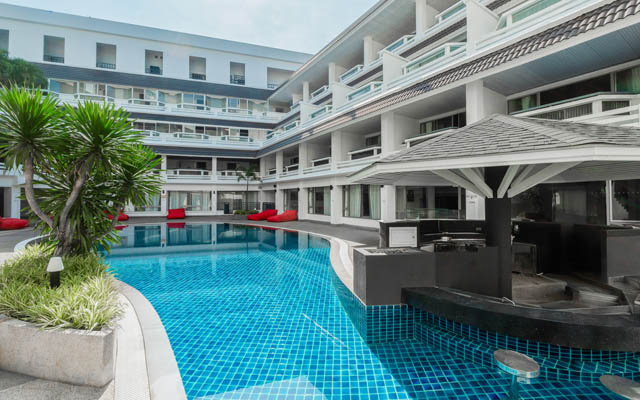
Just 200 metres from Patong Beach, Radisson Red Phuket Patong Beach is a 388-room lifestyle hotel blending art, music, and social spaces. Guests can enjoy a rooftop beach club, eight dining venues including Hard Rock Café Phuket, and wellness facilities such as the Atlas Gym and hydrotherapy treatments.

With co-working areas, a kids’ club, and five event spaces, the hotel caters to both leisure and business travellers. Its central location offers easy access to Bangla Road, Andamanda water park, and key cultural sites.

Tru by Hilton Hanoi Station

Tru by Hilton Hanoi Station, Vietnam
Hilton has introduced its Tru by Hilton brand to Vietnam with the launch of Tru by Hilton Hanoi Station, located in the heart of the capital city.

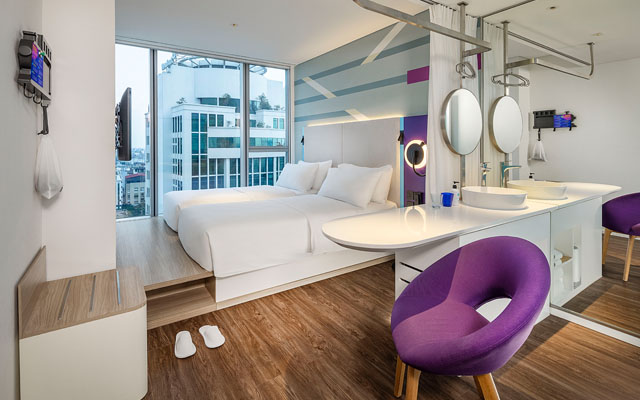
Just across from the historic Hanoi Railway Station, the 129-room hotel offers a range of room types including king, twin, king with sofa, and accessible options. It also provides easy access to popular attractions such as Hoan Kiem Lake, the Old Quarter, and Hanoi’s vibrant street food scene.

The property features the brand’s Top It complimentary breakfast bar, with options including a variety of dumplings. The 24/7 Eat. & Sip. market offers local snacks, drinks, beer, wine, and herbal-infused water made with local ingredients.

Amenities include a fitness centre, shared social spaces, and a local recommendations wall.

Dinso Resort & Villas Ko Chang

Dinso Resort & Villas Ko Chang, Thailand
IHG Hotels & Resorts has opened Dinso Resort & Villas Ko Chang under its Vignette Collection, offering a peaceful retreat surrounded by nature on the island of Koh Chang in Thailand.

The resort features 168 rooms and villas. Guests can choose from pool access rooms, family suites, ocean-view villas, or private pool villas. There are three dining options, a spa, and a kids’ club. The resort also supports local conservation efforts and promotes sustainable tourism.

Aaramgah Jawai Resort & Spa

Aaramgah Jawai Resort & Spa, India
Aaramgah Jawai Resort & Spa is a new property under the Radisson Individuals Retreats brand, located in Jawai, Rajasthan. Surrounded by nature and wildlife, the resort is close to Maharana Pratap Airport in Udaipur, and easily accessible from Sumerpur Bus Stand and Jawai Bandh Railway Station.

The resort features 32 rooms, including 22 premium rooms and 10 luxury villas, along with spacious event lawns, ideal for weddings and business events. Guests can dine at Amruttulya and Madira, enjoy spa treatments, and take part in adventure and wellness activities.

Nearby attractions include Jawai Dam, Leopard Caves, and Ranakpur Jain Temple. Guests can also join wildlife safaris and cultural tours.