IHG Hotels & Resorts has signed a management agreement with Kevit Retreats for the development of Holiday Inn Express & Suites Pithampur, scheduled to open in 1Q2028.
The project aligns with IHG’s strategy to expand in high-demand and secondary markets in India.
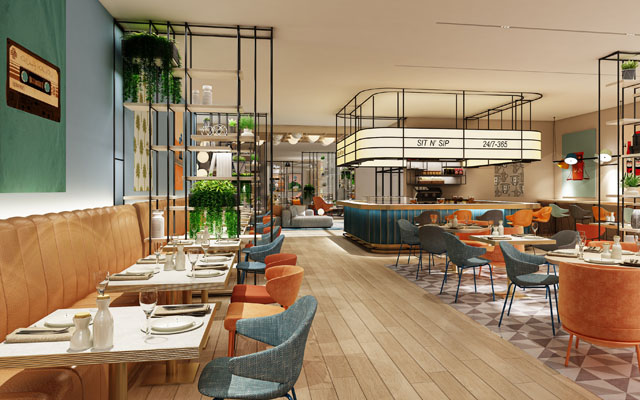
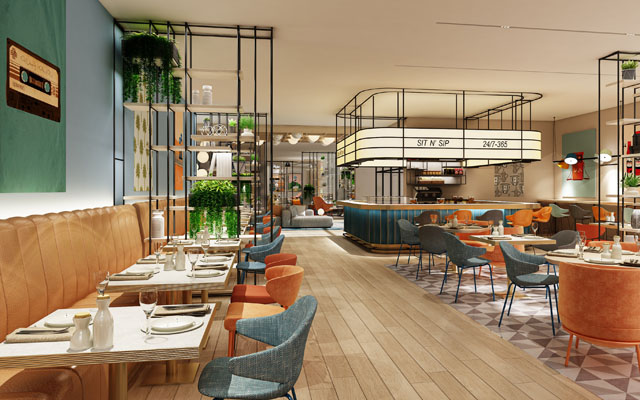
IHG will open Holiday Inn Express & Suites in Pithampur by early 2028 to serve growing business travel demand; rendering of Holiday Inn Express Generation 5 Express Café & Bar design concept, pictured
Holiday Inn Express, IHG’s largest brand with more than 3,200 hotels globally, aims to provide streamlined service and practical accommodation. The upcoming hotel will incorporate the brand’s Generation 5 concept, which includes flexible design elements tailored to meet the needs of business travellers.
The hotel will be located in Pithampur, part of the Indore Metropolitan Region, and integrated into a mixed-use development that includes industrial, logistics and warehousing facilities. It will feature 150 rooms, two dining venues, meeting spaces, a fitness centre and on-site parking. The location is expected to attract business travellers working in the area’s industrial and automotive sectors.
Pithampur, in Madhya Pradesh, is one of central India’s key industrial zones. It is home to major automobile and pharmaceutical companies, as well as NATRAX, one of Asia’s largest automotive testing facilities. The area also hosts India’s first greenfield Special Economic Zone, contributing to its status as a commercial hub.
Sudeep Jain, managing director, South West Asia, IHG, said the signing supports the group’s efforts to grow in untapped markets and meet demand for international-standard accommodation – Pithampur’s growth in the automotive and pharmaceutical sectors made it a strong fit for Holiday Inn Express.
Aditya Agarwal of Kevit Retreats added that the partnership with IHG aligns with Pithampur’s growth, noting demand for international-standard accommodation and IHG’s suitability to meet it.
The Board of Tourism Australia has announced that managing director Phillipa Harrison will leave in August 2025 to pursue a new opportunity overseas.
Appointed managing director in 2019 and reappointed in 2024, Harrison joined Tourism Australia in 2017 as executive general manager international, overseeing international operations, global distribution, and partnerships.
Penny Fowler, chair of the Tourism Australia Board, praised Harrison’s leadership, noting that under her tenure, Australia welcomed more than eight million visitors last year for the first time in five years.
Reflecting on her time at Tourism Australia, Harrison expressed gratitude to the 300,000 tourism operators across Australia and the 200 staff worldwide who support the industry and help deliver memorable visitor experiences.
The recruitment process to appoint a new managing director will commence shortly.
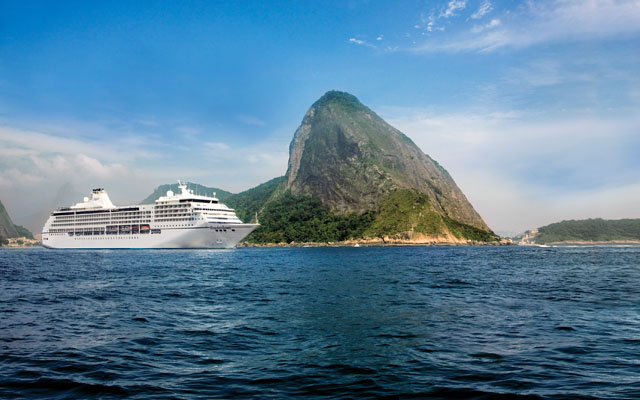
Oceania Cruises has revealed its 2026 Specialty Cruises, offering a combination of carefully curated itineraries and immersive onboard experiences led by renowned culinary experts and guest hosts.
These cruises offer culinary demonstrations, exclusive chef-hosted dinners, and hosted shore excursions that combine culinary expertise with cultural immersion, creating tailored experiences for travellers seeking deeper engagement with food, wine, and the cultures of the destinations visited.
Oceania Cruises’s 2026 Specialty Cruises combine expert-led culinary events with immersive journeys to iconic global destinations; Oceania Riviera in Monaco, pictured
The line will feature returning personalities including chefs Claudine Pépin and Sara Moulton, alongside Oceania’s executive culinary directors and master chefs of France: Alexis Quaretti and Eric Barale.
The 12-day Sara Moulton cruise, departing from Lisbon to Paris on May 12, 2026, offers guests the chance to enjoy specially selected dishes and participate in exclusive events both onboard and ashore.
The 12-day Claudine Pépin cruise, departing Seattle on July 2, 2026, includes culinary demonstrations, Q&A sessions, a Chef’s Market Dinner, and shore excursions accompanied by Pépin herself.
The 10-day Culinary Luminaries cruise from Belfast to Lisbon, departing September 15, 2026 focuses on food and wine with visits to vineyards near Bordeaux and the historic cellars of Cognac, complemented by live cooking demonstrations and panel discussions hosted by Quaretti and Barale.
Lastly, the 10-day Oceania Club Reunion cruise, departing Barcelona for Rome on November 5, 2026 offers guests a series of special events including visits to the Casino de Monte Carlo, gala brunches, cocktail receptions, and curated shore excursions highlighting key Mediterranean destinations.
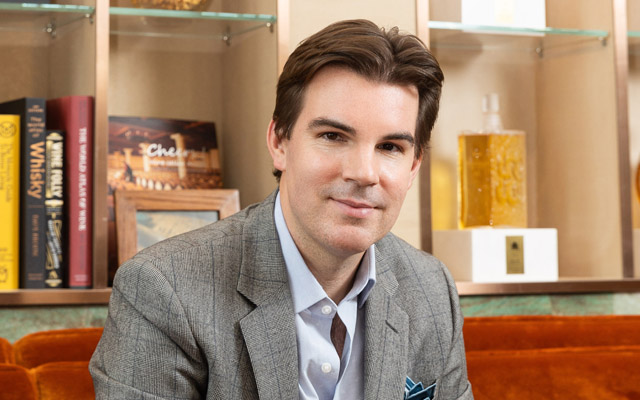
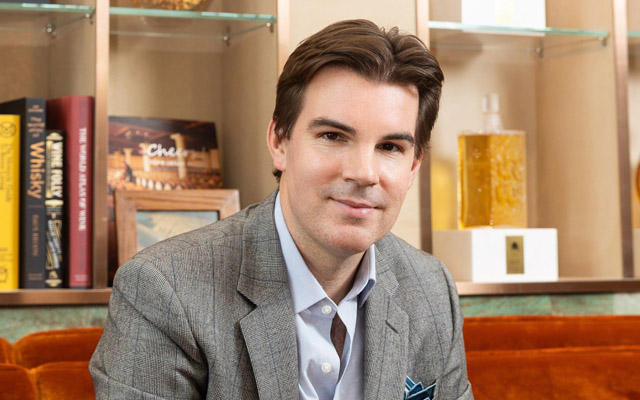
Preferred Travel Group has appointed Philipp Weghmann as chief development officer, a new role in which he will lead strategic growth and innovation across the company. He will also serve as president of Beyond Green, supporting the brand’s global expansion.
Weghmann will oversee the group’s global development, working with leadership teams to identify opportunities for brand growth and portfolio alignment. He will also manage the company’s Integrated Quality Assurance and Alliance Partner programmes.
With over 20 years in hospitality, Weghmann previously served as vice president and global brand leader for The Luxury Collection at Marriott International, leading brand strategy and growth for more than 120 hotels worldwide.
The International Air Transport Association (IATA) has forecast that sustainable aviation fuel (SAF) production will reach two million tonnes (2.5 billion litres), accounting for 0.7 per cent of airlines’ total fuel consumption in 2025.
IATA director general Willie Walsh noted that while the expected doubling of SAF production to two million tonnes is encouraging, it still represents a small fraction of aviation’s fuel needs. He added that the increase would add US$4.4 billion globally to the fuel costs, and stressed the need to accelerate production and improve efficiencies to reduce expenses.
The global SAF output is set to double in 2025, but IATA urges policy reform to avoid rising fuel costs and slow decarbonisation
Most SAF currently supplies Europe, where EU and UK mandates came into effect on January 1, 2025. Walsh highlighted concerns about the doubling of SAF costs to airlines in Europe due to compliance fees imposed by producers or suppliers. For the estimated one million tonnes of SAF to meet European mandates in 2025, the cost at market prices is projected at US$1.2 billion, with additional compliance fees adding US$1.7 billion. Walsh pointed out that this extra cost could have been used to reduce a further 3.5 million tonnes of carbon emissions. Instead, Europe’s SAF mandates have made SAF five times more expensive than conventional jet fuel.
He questioned the implementation of mandates ahead of adequate market conditions and safeguards, noting that increasing the cost of decarbonisation – already estimated at US$4.7 trillion – could hinder progress. Walsh suggested that Europe may need to reassess its current approach.
To support a global SAF market, IATA has developed two initiatives. The first is a SAF registry, managed by the Civil Aviation Decarbonization Organization (CADO), which provides a transparent, standardised system for tracking SAF purchases, usage, and emissions reductions in line with international regulations such as the Carbon Offsetting Scheme for International Aviation (CORSIA) and the EU Emissions Trading Scheme. The second initiative, the SAF Matchmaker, aims to facilitate SAF procurement by connecting airline requests with supply offers.
IATA has called on governments to take urgent action in three key areas. First, governments should create more effective policies by removing the disadvantages renewable energy producers face compared to fossil fuel industries, including reallocating some of the US$1 trillion global subsidies currently directed at fossil fuels. Second, a comprehensive energy policy is required, one that increases renewable energy production and ensures an appropriate allocation for SAF. This should include support for shared infrastructure and co-production to benefit aviation and other sectors. Third, governments should ensure the success of CORSIA by making Eligible Emissions Units (EEUs) available to airlines; to date, only Guyana has made its carbon credits accessible for this purpose.
India, the world’s third-largest oil consumer after the US and China, has launched the Global Biofuels Alliance to promote biofuels as a key component of its energy transition and economic growth. This includes a target of two per cent SAF blending in international flights by 2028, supported by policies such as guaranteed pricing, capital support for new projects, and technical standards. IATA is collaborating with the Indian Sugar & Bio-Energy Manufacturers Association and Praj Industries to provide guidance on global best practices for life cycle assessment of feedstocks in India.
As the third-largest civil aviation market globally, India is positioned to strengthen its leadership in biofuels by accelerating SAF adoption through progressive policies.
Marriott Bonvoy has launched a new promotion, Members Get Even More, offering exclusive discounted rates for members booking stays at its properties across India during the monsoon season.
The offer gives members 10 per cent off stays at 127 hotels nationwide and is valid for bookings made until July 30, 2025, for travel between May 27 and July 31, 2025.
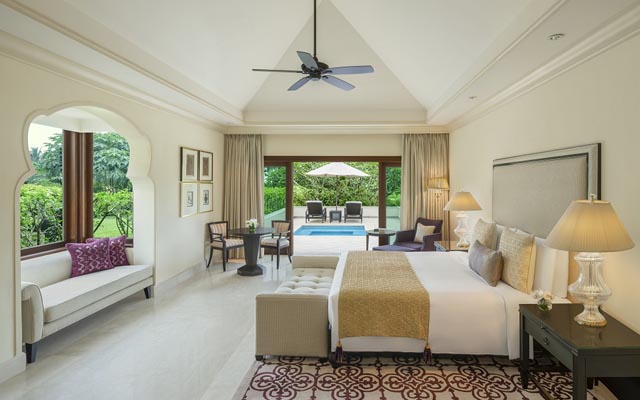
Marriott Bonvoy members enjoy 10 per cent off monsoon stays at 127 hotels across India; The St Regis Goa, pictured
The promotion can be combined with existing offers available through the Marriott Bonvoy app and website. Members also continue to earn points on their stays, which can be redeemed for future travel, along with regular benefits such as complimentary breakfast and high-speed Wi-Fi. Additional points are awarded based on membership tier.
Cardholders of the Marriott Bonvoy HDFC Bank credit card will earn an extra eight points for every 150 rupees (US$1.75) spent.
Participating hotels span a range of destinations, including JW Marriott Goa, The St Regis Goa, Le Meridien Mahabaleshwar, Westin Himalayas Resort & Spa, Jim Corbett Marriott Resort & Spa, Coorg Marriott Resort & Spa, and Udaipur Marriott Hotel.
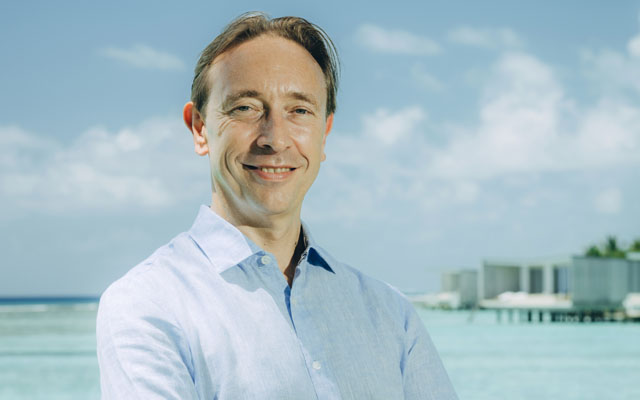
The Ritz-Carlton Maldives, Fari Islands has appointed Oscar Postma as general manager. He brings more than 25 years of experience in luxury hospitality across Asia, Europe and the US.
In his new role, Postma will lead all areas of resort operations and service delivery, working with the team to maintain the brand’s standards and enhance the guest experience.
He was most recently cluster operations general manager for Conrad Singapore Orchard and Conrad Centennial Singapore. He also served as general manager at Regent Singapore, where he led the hotel through a brand transition and achieved record food and beverage results.
Sabre has appointed Maneesh Jaikrishna as vice president and general manager, airline IT solutions, Asia Pacific.
With nearly 30 years of experience in airline and travel technology, Jaikrishna will lead Sabre’s airline IT operations across the region. He will focus on expanding Sabre’s presence in Asia-Pacific, driving the adoption of its technology solutions, and strengthening customer partnerships.
He has held senior roles at SITA and Vision-Box, and brings experience from both Asia-Pacificand wider markets including the Middle East and Africa.
Thomas Cook (India) and its group company SOTC Travel have released the India Holiday Report 2025, a study capturing changing travel aspirations and behaviours of Indian consumers. The survey, conducted over a month across digital platforms, received over 2,500 responses from both past customers and non-customers.
Findings indicate a strong surge in travel frequency and spending. Around 85% of respondents plan to take more holidays, with many intending to increase their travel budgets by up to 50%. The trend reflects rising disposable incomes and the aspirational value of travel. There is growing demand for experience-led holidays, including polar cruises, music concerts, global sporting events, wildlife safaris, stargazing, and phenomenon-based travel such as the Northern Lights and cherry blossom seasons.
Indian travellers are opting for longer holidays and immersive experiences
Respondents also showed increasing interest in spiritual trips, remote locations, and unique accommodation such as igloos, treehouses and chalets. Phygital travel – blending online research with in-person support – continues to drive bookings, while longer holidays are becoming more popular both domestically and internationally.
Key holiday drivers
Travel decisions are being shaped by a combination of social and practical factors. About 60% of respondents said that social media, streaming platforms and films influence their travel choices. Visa accessibility plays a key role, with 44% preferring destinations offering e-visas or visa-on-arrival facilities, such as Thailand, Malaysia, the UAE and Sri Lanka. Countries offering long-term visas, such as Australia, Japan and the US, are also seeing rising demand.
Improved flight connectivity is another driver, cited by 43%. Travel is no longer centred on metro cities, as Tier 1 and Tier 2 markets are contributing to increased outbound movement. Value remains important – 39% of respondents actively seek promotions, though there is a clear shift towards trusted travel brands. Word-of-mouth recommendations continue to be relevant for 30% of travellers.
Increased frequency of holidays and longer stay
A significant number of travellers are planning longer stays. About 54% said they now prefer to extend holidays by five to 10 days, resulting in average trip lengths of eight to 15 days. In parallel, 47% are using long weekends and public holidays to plan shorter getaways.
Travel spending is expected to rise, with 84% intending to increase their budgets by 20% to 50%. Of those, 18% will raise spending by over 50%. Budgets are being redirected towards food, unique experiences and shopping, including visits to premium outlets.
Evolving travel companion preferences
Travel preferences continue to evolve across demographics. Group travel remains the norm, with 90% opting to travel with others. Multigenerational families (65%) are most common, followed by couples (60%) and a growing segment of ‘frolleagues’ – colleagues who are also friends – at 28%. Solo travel accounts for 10%, with solo female and older travellers forming a visible segment.
Experiential holidays are a strong focus, with 75% showing interest. Phenomenon-based travel, such as the Northern Lights, midnight sun and cherry blossoms, is a major driver for 45%. Wildlife safaris, self-drive holidays and outdoor adventures account for 32%. Gastronomic travel (26%) is also on the rise, with preferences for France, Spain, Australia, Thailand, Malaysia, Japan and South Korea. Event-led travel, including concerts and global sporting events, appeals to 22%. Wellness tourism – spa and relaxation-based trips – has also seen demand, with 19% citing interest, particularly in Thailand, Bali and Kerala.
Premium and luxury holidays on the rise
Premium and luxury travel is expanding. Around 36% of respondents are choosing upscale options such as luxury cruises (Scandinavia, Mediterranean, the US), boutique and heritage stays, glacier landings in New Zealand, and travel by super cars or bikes. Private island dining experiences are also gaining traction.
In terms of destination preferences, Europe remains the most sought-after region (50%), led by Switzerland, France, Austria and Germany. Eastern Europe – particularly the Czech Republic, Hungary and Croatia – is emerging. South-east Asia follows closely (46%), especially Thailand, Malaysia, Indonesia and Singapore. The Middle East, including Dubai, Abu Dhabi, Oman and Ras Al Khaimah, attracted 37%. Japan and South Korea are preferred by 35%, while Australia and New Zealand draw 26%. Island locations such as Mauritius, Maldives, Bali and Sri Lanka attract 22%, and South Africa and Kenya draw 12%.
Shorthaul interest in Central Asia is rising, with Uzbekistan, Kyrgyzstan and Kazakhstan cited by 32%. Destinations like Morocco, Iceland and Greenland are beginning to appear on travellers’ radar (8%).
Domestically, Kashmir, Himachal Pradesh and Uttarakhand are top choices (55%), followed by the North East (25%), Bhutan (32%), Rajasthan and Kerala (21%). Beach destinations like the Andaman Islands and Lakshadweep (3%) are gaining momentum, while Goa accounts for 13%.
Increasing demand for new travel formats
There is growing interest in alternative travel formats. Cruises (45%), self-drive holidays (35%) and scenic train journeys (20%) are being chosen alongside conventional air travel. These formats reflect a move toward slow and immersive experiences, including sustainable options such as train travel in Switzerland.
Booking patterns show a continued reliance on human support, even as digital adoption grows. While 68% book online, 59% still use phone consultations or visit agencies in person. Phygital bookings, used by 58%, allow travellers to research online and receive personalised advice offline.
Travel styles are fairly evenly distributed. About 35% of respondents prefer partially guided tours, 33% choose fully guided packages, and 32% plan holidays independently.
Sustainability is increasingly important, with 37% prioritising eco-conscious travel practices. Technology is also playing a greater role, with 35% using digital platforms to research, book and plan itineraries.
The India Holiday Report 2025 reflects Indian travellers’ shifting expectations—more holidays, longer stays, and a clear emphasis on meaningful and tailored experiences.
Rajeev Kale, president & country head – holidays, MICE, Visa, Thomas Cook (India), said: “The Indian traveller story is no longer just about destinations – it’s a reflection of evolving lifestyles and rising aspirations.”
“Our Holiday Report 2025 reflects evolving travel formats, with Indians moving away from rushed itineraries in favour of comfort-first, immersive experiences. At SOTC, we’re proud to offer experiences to suit every Indian traveller segment, (ensuring) every journey is memorable and enriching,” added SD Nandakumar, president & country head – holidays & corporate tours – SOTC Travel.
Langham Hospitality Group (LHG) has appointed Kevin Robinson as chief operating officer. Robinson returns to LHG after previously leading The Langham, Chicago during its pre-opening phase in 2011. He has over 30 years of experience in hospitality, including building working relationships with hotel owners internationally.
He will oversee daily operations across the group, support preparations for managing a larger portfolio, and be responsible for future hotel openings.
Robinson’s career includes leadership roles with Westin and Four Seasons Hotels and Resorts, where he gained operational and strategic experience in markets such as Egypt, the Caribbean, and the US.


 Penny Fowler, chair of the Tourism Australia Board, praised Harrison’s leadership, noting that under her tenure, Australia welcomed more than eight million visitors last year for the first time in five years.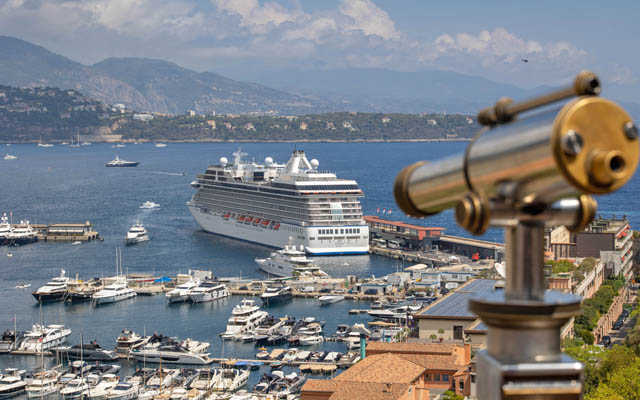

 With over 20 years in hospitality, Weghmann previously served as vice president and global brand leader for The Luxury Collection at Marriott International, leading brand strategy and growth for more than 120 hotels worldwide.
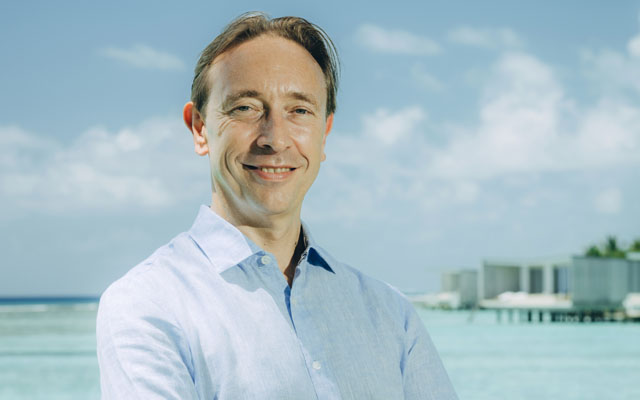 He was most recently cluster operations general manager for Conrad Singapore Orchard and Conrad Centennial Singapore. He also served as general manager at Regent Singapore, where he led the hotel through a brand transition and achieved record food and beverage results.



 Robinson’s career includes leadership roles with Westin and Four Seasons Hotels and Resorts, where he gained operational and strategic experience in markets such as Egypt, the Caribbean, and the US.