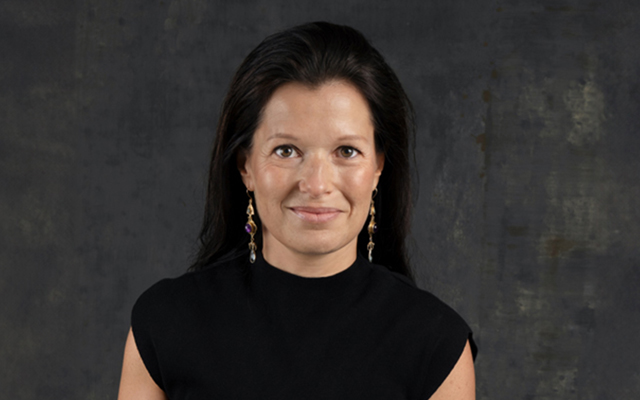
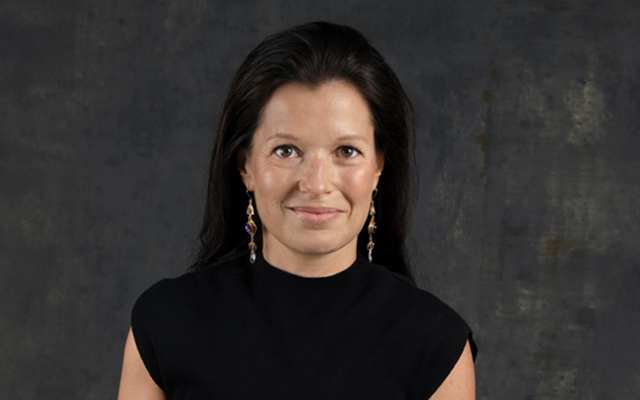
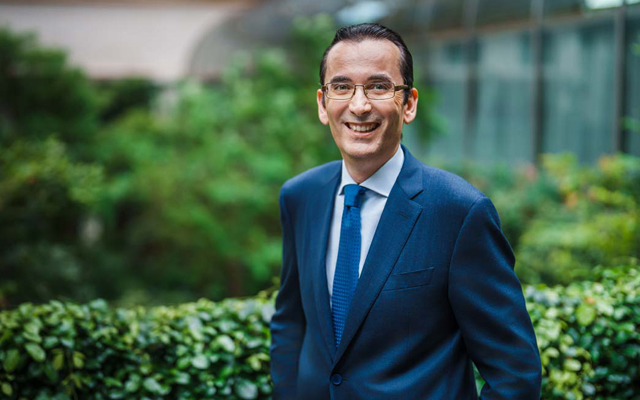
Travel loyalty subscription programme Accor Plus has named Emilie Couton as its new CEO. With over 24 years of experience at Accor and D-Edge Hospitality Solutions, Couton brings deep expertise in loyalty, digital marketing, distribution, and commercial strategy.
Based in Asia for more than two decades, she has played a key role in expanding Accor’s regional footprint and driving innovation across the group. Most recently, she served as managing director, Asia Pacific, at D-Edge. In her new role, Couton will lead Accor Plus into its next phase of growth, focusing on enhanced personalisation, value, and member experiences.
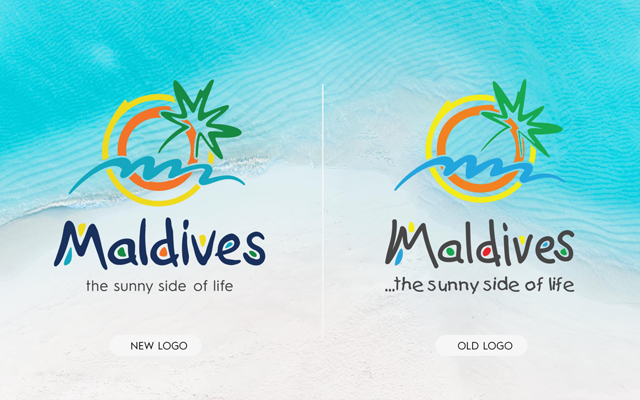
The Maldives Marketing and Public Relations Corporation (MMPRC/Visit Maldives) has introduced an updated logo and revised brand identity, reflecting a refinement of the Maldives destination brand. The changes, while minor, are intended to create a more consistent and unified visual presence across all platforms.
The revised logo features slight adjustments to colour tones and a more prominent logotype to improve visibility, particularly in high-exposure areas such as outdoor advertising. While the overall appearance remains familiar, the modifications aim to strengthen recognition and consistency.
The new brand guidelines prioritise clarity and destination-focused imagery
Accompanying the logo update are revised brand guidelines, which include updated fonts and simplified design elements. Greater emphasis has been placed on destination-focused imagery, with reduced use of additional graphics to support a cleaner and more cohesive visual style.
The updated logo and branding elements came into effect on July 6, 2025, across all platforms and mediums.
The Luxury Group by Marriott International’s latest research into luxury travel motivations, titled The Intentional Traveler, will influence the company’s decisions on staff training, the curation of guest experiences, and strategic decisions on property development.
The Intentional Traveler details how high-net-worth (HNW) travellers in Asia-Pacific are recalibrating how, where, and why they travel – prioritising well-being, immersive experiences, emotional value, and intentional design over volume and extravagance.
Montal: we are responding with efforts to introduce holistic wellness at our JW Marriott hotels
Discussing the findings with TTG Asia, Oriol Montal, regional vice president, luxury, Asia Pacific excluding China, Marriott International, said: “Our report helps us understand these behavioural changes, allowing us to then make the shifts that are necessary to better anticipate guest needs.”
Montal acknowledges that responding to these trends can result in both immediate outcomes and a harvest that requires time to show.
He said Marriott International has been able to respond quickly to the invaluable wellness tourism trend. It will launch in September a wellness series that will be led by wellness practitioners, allowing guests to enjoy a wellness retreat for a number of days.
“We are responding with efforts to introduce holistic wellness at our JW Marriott hotels. The JW Marriott Hotel Tokyo, for example, is exploring a Mindful Room concept designed to nourish the mind, body, and spirit through calming design, wellness rituals, and sensory experiences,” he revealed.
JW Marriott Hotel Tokyo, opening this October, will be the first JW Marriott property to offer this concept.
Quick action has also been possible with F&B trends. Having earlier observed the influential power of dining experiences in travel, the Luxury Group by Marriott International launched the Luxury Dining Series last year. It is a regional culinary programme held across six destinations.
The Luxury Dining Series returns this year with seven destinations – the new addition being South Korea, where the event will be held at JW Marriott Jeju Resort & Spa. The full series will run from July to September 2025.
Marriott International’s greater investments in F&B offerings are also in response to report findings that travellers are balancing high energy days with slow and relaxing nights.
The number of travellers who pack their days with activities has surged from 48 per cent to 61 per cent year-on-year. When evening arrives, more travellers now prefer to spend their time in their hotels – up from 19 per cent last year to 28 per cent in 2025.
“This encourages us to invest even more on F&B, particularly in creating phenomenal experiences with local chefs for our guests who are resting in our facilities,” he explained.
“Some decisions, however, can take years to materialise. One good example is the trend in multi-generational travel, which we saw years ago and reacted by planning new hotels with three- to five-bedroom options. That has allowed us to welcome multi-generational groups today,” he said.
Similar long-term development outcomes will be seen in the company’s move into the space of luxury lodges and camps – a reaction to the growing love for nature and wildlife among affluent travellers.
The report noted that luxury travellers in 2025 are increasingly prioritising meaningful connection to the outdoors. From vineyard retreats to remote safaris, nature-driven travel is evolving from a niche interest into a core pillar of the luxury experience. Twenty-eight per cent of respondents are planning such trips this year, up from just 19 per cent in 2024.
The appetite for natural beauty extends to safari travel, with 30 per cent of respondents planning a wildlife-focused adventure.
Montal said: “We extended our portfolio into tented camps and lodges, starting with JW Marriott Masai Mara Lodge in Africa, a couple of years ago. This was followed by the signings of The Ritz-Carlton, Masai Mara Safari Camp and JW Marriott Mount Kenya Rhino Reserve Safari Camp earlier this year. We are super excited about getting the first tented camps in The Ritz-Carlton portfolio as well as developing great hotels in the middle of beautiful nature.”
He added that Asia-Pacific’s outdoor-loving travellers need not travel far to enjoy nature in luxury – the new Ta’aktana, a Luxury Collection Resort & Spa, Labuan Bajo in Indonesia offers guests a chance to experience the traditions and culture of Flores island. Labuan Bajo is also a gateway to Komodo National Park.
A new study conducted by the Luxury Group by Marriott International has found that high-net-worth (HNW) travellers in Asia-Pacific are prioritising well-being, immersive experiences, emotional value, and intentional design over volume and extravagance.
The Intentional Traveler report, which surveyed 1,750 affluent travellers from Australia, Singapore, India, Indonesia, South Korea, Japan, and Thailand over a period from March 14 to April 17, 2025, picked up a luxury travel mindset that is marked by deeper cultural engagement, increased precision in itinerary planning, and rising expectations from brands and experiences.
Luxury travel in 2025 centres on purpose, personalisation, and meaningful emotional connection
Demand for personalisation has surged, with 93% of respondents expecting every detail of their trip to be tailored, up from 83% in 2024.
Planning is also prioritised, where 62% of respondents say they plan every detail of their trip in advance, up from 53% the year before. Bookings for long trips are made two to three months ahead, while short trips are locked in one or two months in advance. Solo travellers are the most methodical, with 73% booking well in advance.
In line with this shift, travellers are increasingly doing their own research, placing more trust in official and trusted sources like hotel websites, and less in personal recommendations, which dropped from 34% to 26% year-on-year. Notably, one in five travellers now turn to AI to help craft their luxury travel plans.
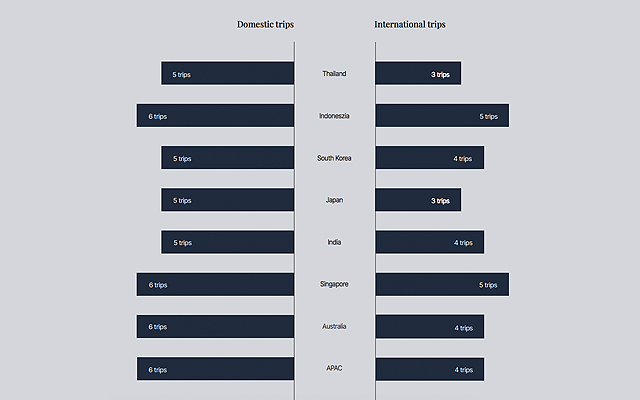
HNW travellers plan six domestic and four international trips this year – fewer than 2024, but with deeper purpose
Overall, travel has declined year-on-year, with fewer trips planned and shorter international stays. The average traveller is now planning six domestic and four international leisure trips in the next 12 months – two fewer international trips than in 2024.
While domestic sojourns have increased from three to four nights, long international stays have dropped, from 2.5 weeks in 2024 to just 1.5 weeks in 2025.
Despite the pullback in quantity, variety in travel types remains strong. Beach holidays remain the most popular type of vacation, holding steady at 37%. Cruises have seen a notable resurgence, climbing 11 percentage points to secure a spot among the top five travel choices. Wellness and spa getaways have also gained momentum, rising to 26% from just 19% in 2024. Travel for religious events is on the rise as well, now accounting for 17% of trips. Meanwhile, safaris continue to capture the imagination of adventurers, with 30% of travellers planning a nature-focused journey.
The longest domestic holidays are now being driven by a desire for personal growth, with top themes including medical tourism, religious events, and educational travel. Internationally, the longest trips are linked to cultural and spiritual enrichment as well as relaxation, with religious events, cultural festivals, and beach holidays topping the list.
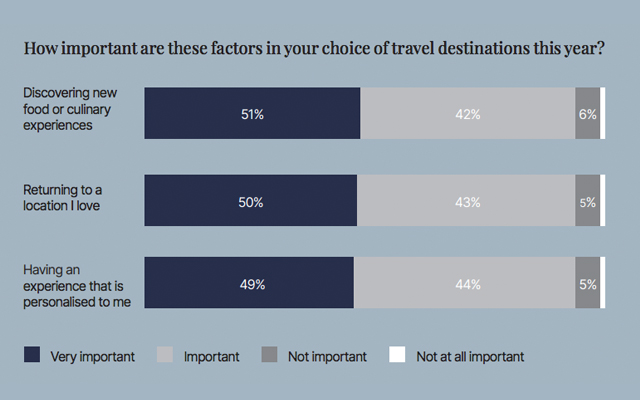
Affluent travellers are prioritising food experiences, emotional connections, and tailored itineraries when choosing where to go next
Changing dynamics
The report also notes that travel this year is being reshaped not just by where people go – but by who they go with and why they travel. Traditional groupings like family vacations continue to hold strong, but new dynamics are emerging, reflecting evolving lifestyles, priorities, and values among HNW travellers.
It identifies the Guardian Trailsetters segment – solo parents travelling with children. This group has grown from 15% to 24% in just one year, and is attracted to itineraries that offer opportunities to take their children out of their comfort zone, such as religious events (41%), educational trips (38%), and safaris or extreme adventures (both at 35%).
During these trips, HNW solo parents diverge from their usual habits when it comes to travel arrangements, seeking alternative accommodation including friends’ homes (37%), home stays (37%), and Airbnb (34%) over luxury hotels (27%).
Another notable segment is Impact Explorers – the Gen Z segment that pays attention to seamless tech integration, sustainability, experiential depth, and authenticity in their travel plans. Australia, Sri Lanka, and Thailand are highly favoured by this group, reflecting a craving for nature, culture, and adventure. Gen Z travellers are more motivated by meaningful, active pursuits: 47% prioritise being close to nature; 45% are eager to see wildlife, and 43% are drawn to active sporting holidays.
Solo travel is embraced by 31% as a path to independence and self-discovery, while small group trips (under five people) remain their preferred format.
The third traveller grouping is the Venture Travelist, a breed of traveller who blends business acumen with wanderlust. The report notes a rapid expansion of this segment – 86% of respondents now say they research business or investment opportunities while abroad, up from 69% last year. This trend is particularly strong in South-east Asia, where cross-border connectivity and entrepreneurial energy create fertile ground for new ventures.
At the same time, 78% of respondents say they combine leisure with business when travelling internationally, up from 71% in 2024. This style of travel is even more pronounced in domestic trips, with 86% of travellers mixing business and leisure within their home destinations, often using work commitments as a springboard for personal travel or family time.
Wellness investment
Wellness has become central to the luxury hotel experience, with 90% of respondents citing wellness offerings as a key factor in their booking decisions, up from 80% in 2024. In fact, 76% say they are likely to book a treatment during their stay.
Asia is the top destination of choice, with 67% of wellness-minded travellers planning their trips within the region. 75% are also booking their retreats three to 12 month ahead.
Luxury travellers seek wellness as a multidimensional experience – one that includes physical vitality, emotional balance, and mental enrichment.
According to the report, the modern wellness traveller from Asia-Pacific is 34 years old, gender-diverse, and likely to be in a relationship or married. Wellness travel is increasingly becoming a shared experience, with 55% of respondents planning to take a wellness retreat with immediate family, and 54% intending to do so with a significant other.
Back to nature
Luxury travellers in 2025 are increasingly prioritising meaningful connection to the outdoors. From vineyard retreats to remote safaris, nature-driven travel is evolving from a niche interest into a core pillar of the luxury experience. 28% of respondents are planning such trips this year, up from just 19% in 2024.
The appetite for natural beauty extends to safari travel, with 30% of respondents planning a wildlife-focused adventure.
Nature-based travellers are planners at heart, with most booking long trips two to six months in advance – and some as far as nine to 12 months out.
Family remains a key unit of travel, with 21-22% preferring to explore nature with immediate family.
Australia, Japan, China, and Singapore are favoured, drawing affluent nature lovers with a blend of natural beauty, safety, and refined hospitality.
Respondents who prioritise nature and wildlife often look for destinations that offer vegetarian or vegan menus (49%), healthy food options (48%), and eco-conscious practices (47%). For them, the luxury of nature is not just in the view, but in the values behind the experience.
Higher spend, higher demand
The choices of today’s affluent travellers reflect a new kind of luxury: one driven by authenticity, excellence, and a desire to make every moment – and every dollar – count.
72% plan to spend more on travel over the next 12 months, with the strongest intention detected in Australia (85%), Indonesia (81%), and Singapore (80%).
Notably, India, which previously topped the list, has seen a shift – now at 72%, indicating a more measured approach this year. Japan remains more cautious: 45% of respondents plan to spend the same or less, with one in five actively reducing their travel budgets.
Not only are affluent travellers prioritising luxury hotel brands over secluded villas or ultra-private retreats, they are also putting family first while on trips. 47% are most willing to invest in premium travel experiences when travelling with their families, outpacing all other group types.
They are also increasingly drawn to full-board, all-inclusive packages that offer convenience, consistency, and a sense of ease – especially when travelling with loved ones. Interest in all-inclusive options is strongest from Indonesia (66%) and Australia (53%), where travellers appreciate the predictability and comprehensive service such packages offer.
Return to familiarity
After several years of destination experimentation, the pendulum is swinging back towards the comfort, connection, and emotional resonance of familiar locales.
An overwhelming 93% of HNW travellers in the region say they prefer to return to beloved destinations, and 89% agree they are more likely to revisit places where they feel a genuine sense of connection.
The Intentional Traveler report notes that the return to familiarity marks a maturing of the luxury travel mindset. It is no longer just about where one can go, but where one wants to return – places that feel emotionally rewarding, culturally enriching, and personally significant. For brands and destinations, this means a greater emphasis on personalisation, continuity of service, and relationship-building with returning guests.
Although there is a return to familiar destinations, “new” options have also entered the top 10 chart. Bangladesh, New Zealand, and Cambodia are now among the top 10 destinations to visit in 2025.
High-energy days, soulful nights
A new travel rhythm is emerging – affluent travellers are filling their days with excitement and exploration, while reserving their evenings for rest, reflection, and refined experiences.
The number of travellers who say they pack their days with activities has surged from 48% to 61% year-on-year. The desire to bring home memories and experiences has also risen, from 54% to 64%, underscoring a growing emotional investment in travel.
Adventure is at the heart of this shift. A remarkable 80% of travellers now engage in high-adrenaline or sporting pursuits, up from 72%, while 87% are seeking out high-profile events, from international festivals to major sporting spectacles – up from 72% in 2024.
Deeper connections matter too: 42% want new connections while travelling, including shopping locally (46%), participating in meaningful cultural activities (42%), and exploring historical narratives (36%).
Nature also plays a central role: 92% want to be close to nature, 86% plan to see wildlife, and 49% prioritise being in breath-taking locations.
When evening arrives, more travellers now prefer to spend their time in their hotels – up from 19% last year to 28% in 2025.
Epicurean escapes
Gastronomy is unshaken as the leading travel motivation. HNW travellers are seeking immersive, story-driven culinary experiences that elevate travel into art.
93% of respondents want to discover new food or culinary experiences, with 51% describing it as “very important”, a significant rise from 40% in 2024.
The same percentage (93%) want to visit a new restaurant they have heard about, highlighting the influence of reputation and digital word-of-mouth in shaping dining choices.
44% strongly agree that dining in award-winning restaurants defines the luxury experience, while 29% are willing to spend more on a top-ranked meal, even if it means adjusting other aspects of their trip.
Oriol Montal, regional vice president, luxury, Asia Pacific excluding China, Marriott International, told TTG Asia that with affluent travellers cutting down on travel frequency, but intending to spend more on purpose-driven trips that truly count, Marriott International’s hotels will have a key role to play in helping their guests “get the most out of their trip through pre-arrival planning and customised arrangements”.
Royal Caribbean has taken delivery of Star of the Seas, the latest ship in its Icon Class, following nearly two years of construction at the Meyer Turku shipyard in Turku, Finland. The vessel is scheduled to debut in Port Canaveral (Orlando), Florida, in August.
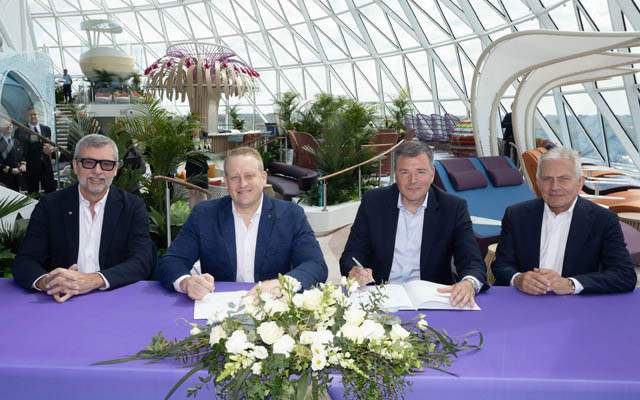
The delivery ceremony, held at the shipyard, was attended by more than 1,250 crew members and partners. Royal Caribbean Group president and CEO Jason Liberty, Royal Caribbean president and CEO Michael Bayley, Meyer Turku CEO Casimir Lindholm and Meyer Turku chairman Jaakko Eskola marked the handover.
Royal Caribbean welcomed Star of the Seas with a celebration at the Meyer Turku shipyard in Turku, Finland; photo by sbw-photo
The ship will sail from Turku to Cádiz, Spain, where final preparations will be completed before beginning seven-night Eastern and Western Caribbean routes. These include stops at Royal Caribbean’s private destination, Perfect Day at CocoCay in The Bahamas.
Star of the Seas includes eight areas across the ship, each offering a mix of recreational, dining and entertainment options. Thrill Island houses a waterpark with six waterslides, a skywalk, and a surf simulator. Chill Island features four pools, live music and multiple bars. Surfside is designed for families with children, offering splash zones, informal dining, and seating areas. AquaDome provides ocean views, live shows, and several dining and bar options. The Hideaway, an adults-only space, includes a suspended infinity pool 41 metres above the ocean, a bar and a terrace with ocean views.
Additional spaces include the Royal Promenade with ocean views and the kinetic art sculpture Pearl. Central Park includes more than 30,500 plants. Other areas include the Lincoln Park Supper Club, pick-up counters for items such as sushi and sparkling wine, and the Suite Neighborhood, which spans four decks and includes the Grove Suite Sun Deck and two-level Coastal Kitchen.
The ship will be Royal Caribbean’s third powered by liquefied natural gas (LNG) and includes energy systems such as waste heat recovery and shore power connection. The company aims to launch a net-zero cruise ship by 2035. A fourth LNG-powered vessel, Legend of the Seas, is expected in 2026.
Royal Caribbean is also planning new destination developments. Royal Beach Club Paradise Island in The Bahamas is due to open in December 2025. Royal Beach Club Cozumel will follow in 2026, Perfect Day Mexico in autumn 2027, and a beach site in Lelepa, South Pacific, also in 2027.
“The delivery of Star of the Seas marks another bold step forward in Royal Caribbean Group’s journey to reimagine the future of vacations. Star and the Icon Class are a symbol of what’s possible when innovation, imagination and our relentless focus on delivering exceptional experiences come together, ultimately creating unforgettable memories for millions of families and vacationers,” said Liberty.
“We’re incredibly proud to welcome Star of the Seas to the Royal Caribbean family as we continue to revolutionise how families and adventurers vacation,” shared Bayley. “It’s a true team effort with so many talented individuals coming together to make the new Icon Class vacation a reality, and we’re excited to debut this incredible achievement with a star-studded celebration this August.”
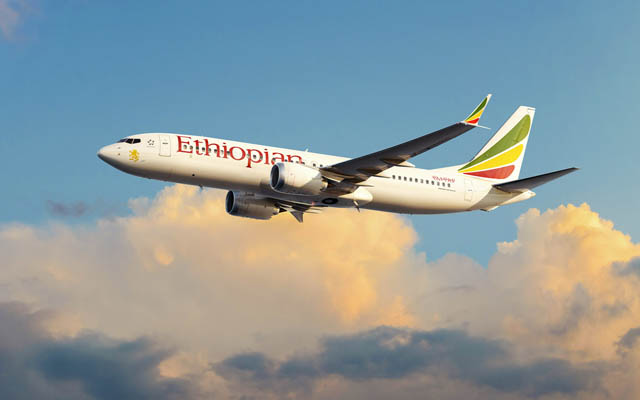
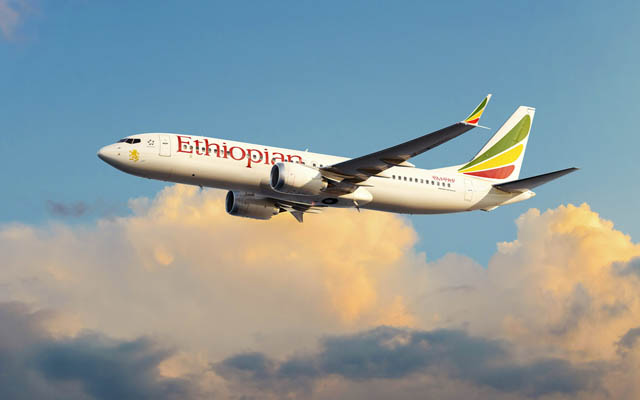
Ethiopian Airlines adds fifth weekly flight to Singapore
Ethiopian Airlines has launched its fifth weekly flight on the Addis Ababa-Singapore route, reinforcing its role as a key link between South-east Asia and Africa.
The new service also includes Kuala Lumpur, expanding travel options for Malaysian passengers and boosting the airline’s presence in the Asia-Pacific region.
Vietjet
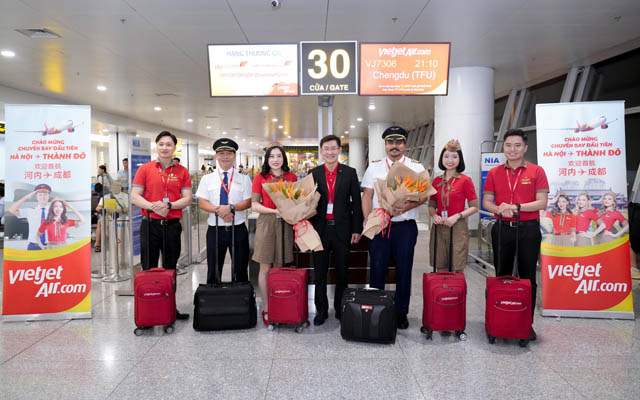
Vietjet launches Hanoi-Chengdu service
Vietjet has commenced direct flights between Hanoi and Chengdu, operating four round-trip services per week. The new route strengthens the airline’s presence in China and enhances regional connectivity by providing non-stop access to Sichuan province from both Hanoi and Ho Chi Minh City.
This launch is part of Vietjet’s broader expansion in China, which has seen the introduction of seven new routes this year. The airline now connects Hanoi and Ho Chi Minh City with major Chinese cities including Beijing, Shanghai, Guangzhou, and Chengdu. A new Hanoi–Xi’an service also began on July 6, further expanding Vietjet’s China network and boosting travel options across Asia.
Cambodia Airways
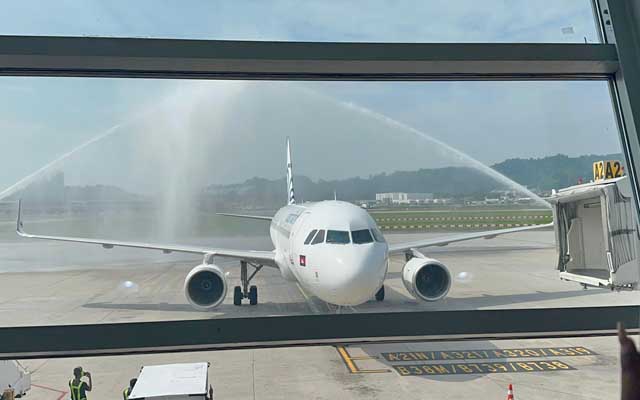
Cambodia Airways expands network with Phnom Penh-Penang route
Cambodia Airways has officially launched its inaugural direct flight from Phnom Penh to Penang, which landed at Penang International Airport on June 26.
Flights will operate every Thursday and Sunday on a 150-seat Airbus A319.
This new route reflects both nations’ commitment to improving accessibility and driving mutual growth in tourism and trade.
Hong Kong Airlines
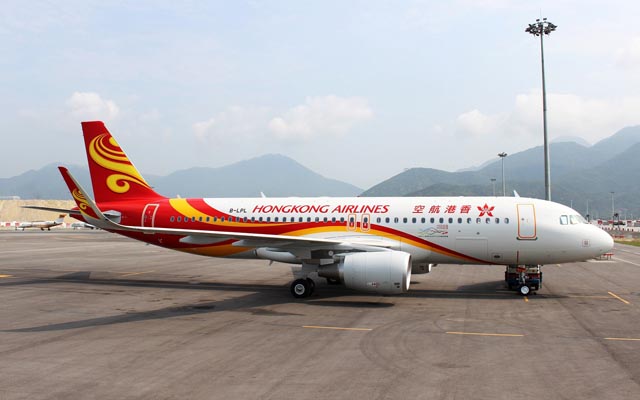
Hong Kong Airlines boosts connectivity with direct Hong Kong–Xi’an flights
Hong Kong Airlines will start flying non-stop between Hong Kong and Xi’an five times a week from July 18. This new route supports the Belt and Road Initiative by encouraging tourism, culture, and trade between the regions.
The airline has recently expanded its network to include inland cities such as Dunhuang, Xining, Vientiane, and Danang, with flights operated using Airbus A320 aircraft.
In addition, Hong Kong Airlines is increasing frequencies on several mainland China routes, offering two daily flights to Hangzhou and Nanjing, and four daily flights to Shanghai Pudong. These additions complement an extensive network that covers key cities like Beijing, Shanghai, Chongqing, Chengdu, and others, providing travellers with a wide range of options to explore China.
Centara Grand Lagoon Maldives, the Maldives
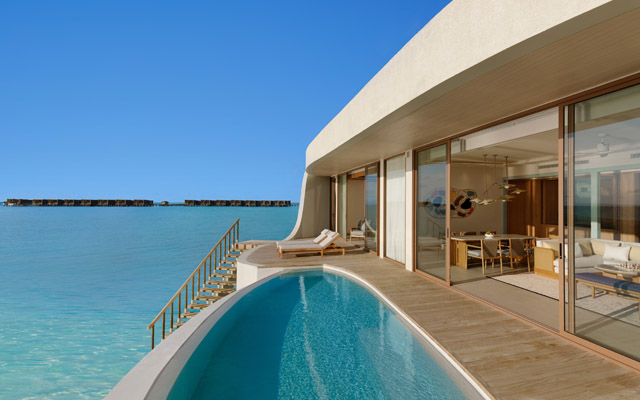
Centara Grand Lagoon Maldives, located within The Atollia by Centara Hotels & Resorts, comprises 142 beachfront and overwater villas and residences, each with direct access to either a private beach or part of the ocean.
Selected villas offer interconnecting layouts for families or groups, with some including private pools, Jacuzzis, or both. Options include the Grand Two Bedroom Beach Pool Villa, Three-Bedroom Sunset Beach Pool Residence, Grand Two Bedroom Overwater Pool Villa, and Three-Bedroom Sunset Overwater Pool Residence. These units include indoor and outdoor living and dining areas and a kitchenette. In-villa dining is available.
Dining options include an all-day restaurant, a Mediterranean seafood venue with live music, a swim-up bar, an overwater champagne bar, and a fine dining restaurant serving raw dishes, tapas, wines, and buffet meals.
Accessible by speedboat from Malé International Airport, the resort also offers a spa, marine activities, and children’s clubs for teenagers and younger guests.
City of Dreams Sri Lanka
City of Dreams Sri Lanka, Sri Lanka
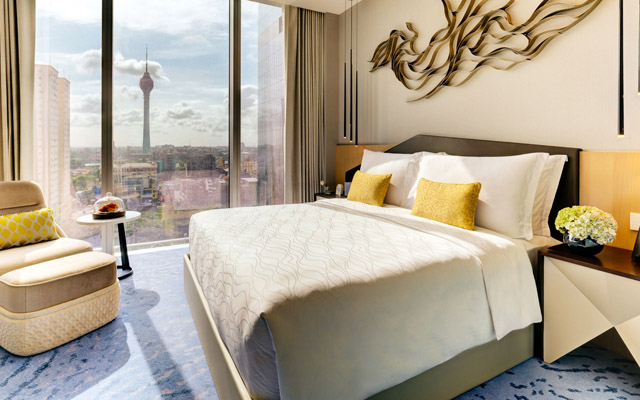
City of Dreams Sri Lanka will open on August 2, completing the final phase of the integrated resort. The launch includes the opening of a casino, the Nüwa hotel, and a retail mall.
Located in central Colombo, the development is South Asia’s first fully integrated resort and the largest private sector investment in Sri Lanka’s luxury tourism sector to date.
The resort features 800 rooms and suites, including the 687-room Cinnamon Life hotel, which opened in October 2024, and the 113-room Nüwa hotel operated under Melco’s flagship brand. The site includes dedicated MICE facilities, a casino and entertainment zone operated by Melco, a shopping promenade, and dining venues. Entertainment spaces will host both international performances and local cultural events.
Pattaya Marriott Resort and Spa
Pattaya Marriott Resort and Spa, Thailand
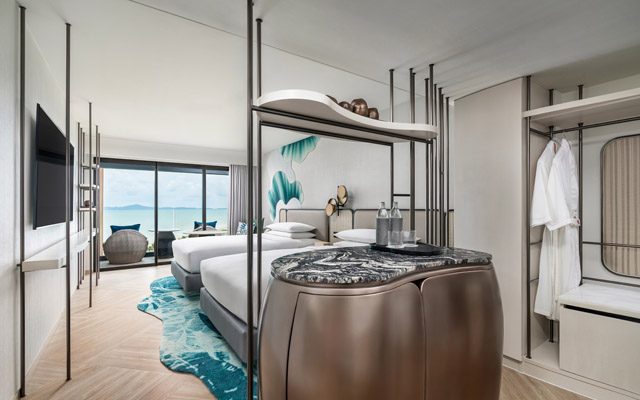
Pattaya Marriott Resort and Spa has opened near Jomtien Beach, just minutes from central Pattaya on Thailand’s Eastern Seaboard. The location is close to beaches, temples, water parks, shops, golf courses and other attractions. Bangkok is about a two-hour drive away, with three international airports nearby.
The property has 289 rooms and suites, ranging from 33m² deluxe rooms to 88m² suites. Family rooms feature bunk beds, while all units include modern amenities such as sofas and rain showers.
Facilities include six F&B venues, four meeting rooms, a spa, gym, kids’ club and three pools, including a children’s pool and water slides. For families, a package offers daily breakfast, free meals for children, a daily kids’ activity, and other benefits.
Fairfield by Marriott Bali Kuta Ngurah Rai
Fairfield by Marriott Bali Kuta Ngurah Rai, Indonesia
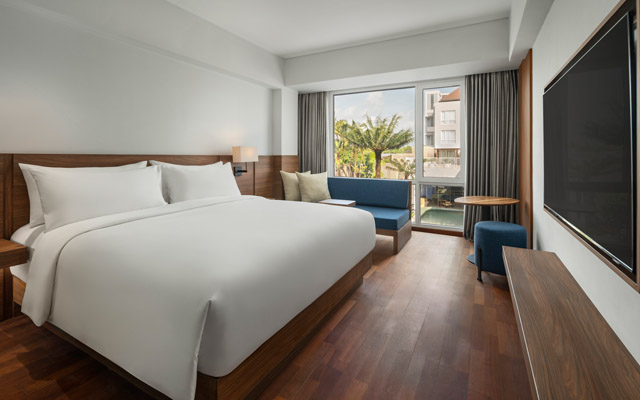
Fairfield by Marriott Bali Kuta Ngurah Rai is situated just minutes from Bali’s international airport and close to shopping centres and popular attractions like Kuta Beach and Uluwatu Temple.
The hotel has 166 rooms and suites with city or pool views. All rooms have a smart TV, sofa, worktable, and charging ports.
Dining options include an all-day restaurant serving international and local food, and a lobby bar with drinks and light snacks.
For events, the hotel has five meeting rooms, including a large ballroom for up to 500 guests, breakout rooms, and a boardroom. There is also an outdoor venue and a ballroom for weddings.
Facilities include a 24-hour gym, outdoor swimming pool, and children’s pool.
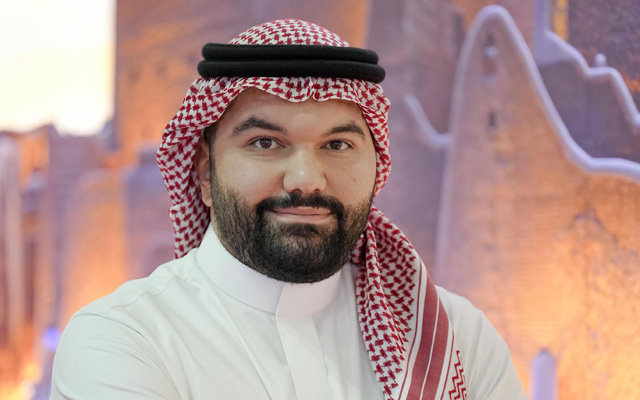
The Diriyah Company, responsible for developing the Diriyah project, is targeting key Asia-Pacific markets including China, Australia, Singapore, Japan, South Korea and India as it aims to attract approximately 50 million visitors annually by 2030.
“Apart from participating in trade shows like ILTM Asia Pacific, ITB China, SATTE and Tourism Expo Japan, we are organising regular webinars educating travel experts and advising them how to book our offerings. We are also engaging in media promotions trying to generate demand,” said Naif Awlia, director of tourism and engagement at Diriyah Company, speaking to TTG Asia.
Awlia: Diriyah is at the heart of the Saudi trip as the destination is the heart of our culture
The Diriyah project covers an area of 14km² and follows Najdi architectural principles, with an estimated budget of US$63.2 billion. The development includes mixed-use facilities, hotels, retail, an opera house, and residential units.
“The great thing is that we have opened multiple assets. Last year we opened Bab Samhan – a Luxury Collection hotel with 130 keys besides Diriyah Arts Futures which is part of nine museums that are opening within the development itself. The Zallal project, one of the most significant mixed-use developments, was also inaugurated recently this year,” he shared.
When completed before Expo 2030 Riyadh, the Diriyah project will include approximately 40 hotels with more than 6,000 keys, representing brands such as Anantara, Aman, Capella, Chedi, Raffles, Four Seasons and Six Senses.
Visitor numbers to Diriyah exceeded three million by the end of 2024. “This is a combination of domestic, regional and international visitors, where we have seen that a majority, around 80 per cent, is coming from the domestic and regional markets,” said Awlia.
Diriyah Company is working to attract a range of tourist segments from the Asia-Pacific region. He added: “We are open to all kinds of travellers as we always say that Diriyah is at the heart of the Saudi trip as the destination is the heart of our culture. It is the ancestral home of the royal family who established the first kingdom of Saudi Arabia. This is where you will understand the Najdi architecture and our hospitality.”
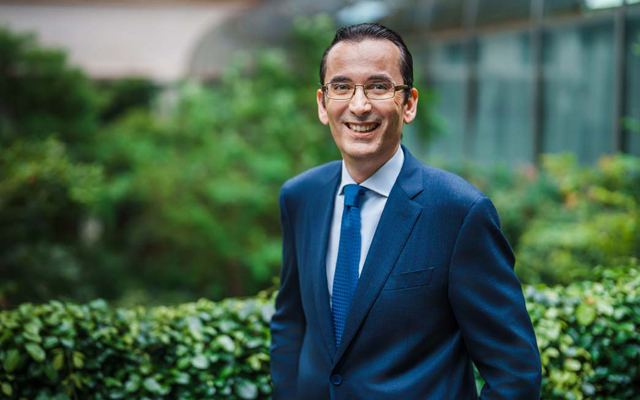
Langham Hospitality Group (LHG) has appointed Nick Downing as general manager of The Langham, Custom House, Bangkok.
He will report to Sherona Shng, regional vice president – operations, Asia.
Downing brings over 30 years of luxury hospitality experience across South-east Asia, Australia, and the Indian Ocean. He most recently led The Siam in Bangkok.
PATA has released the first edition of Tourism in Focus, a new monthly publication highlighting key tourism trends and developments across the Asia-Pacific region in a concise, accessible format.
Published under the tagline Insights for a Meaningful Pacific Asia Tourism Economy, the series delivers timely, data-driven intelligence on how travel and tourism is shaping national economies and industry priorities. It will inspect a wide range of tourism segments, including activity-based, cultural, experiential, health and wellness, special interest, and purpose-driven tourism.
Tourism in Focus offers monthly insights on emerging travel trends across the Asia-Pacific region
The debut edition, titled The Future of Travel is Personal, Playful, and Profound: What Marketers Must Embrace Next for Travel, was produced in partnership with Tripadvisor.
PATA CEO Noor Ahmad Hamid commented: “This initiative, crafted in alignment with the Association’s Strategy 2030, enhances PATA’s commitment to equipping members and the wider industry with knowledge of emerging trends, innovations, and opportunities that will shape the future of travel and tourism.”
He added that each edition would share insights from different PATA partners and experts, helping the industry stay informed and ready for what’s next.
The complimentary publication is now available on the PATA Catalog and can be accessed here.

 Based in Asia for more than two decades, she has played a key role in expanding Accor’s regional footprint and driving innovation across the group. Most recently, she served as managing director, Asia Pacific, at D-Edge. In her new role, Couton will lead Accor Plus into its next phase of growth, focusing on enhanced personalisation, value, and member experiences.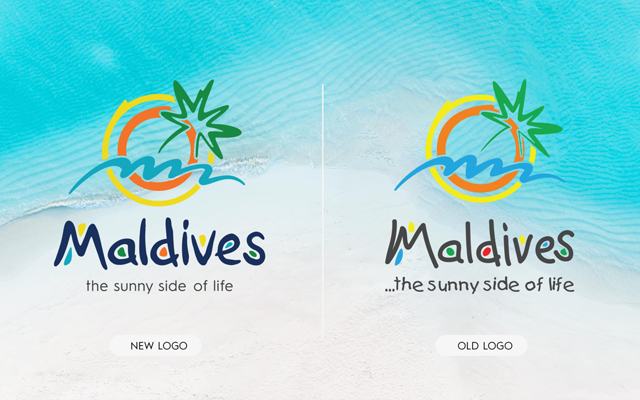




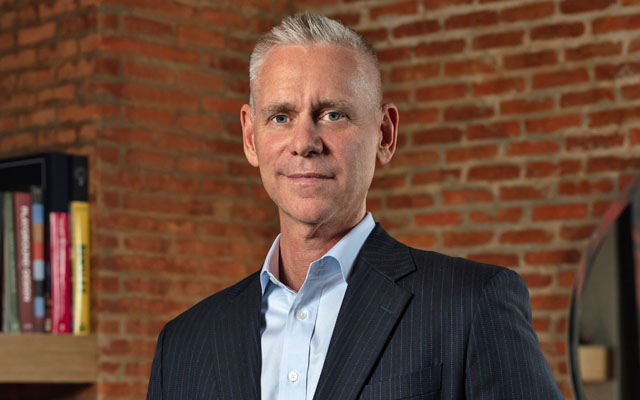
 Downing brings over 30 years of luxury hospitality experience across South-east Asia, Australia, and the Indian Ocean. He most recently led The Siam in Bangkok.