Asia/Singapore Saturday, 4th April 2026
Page 38

Young professionals spill travel and job expectations at PATA Knowledge Forum

0

As the next generation begins to explore more of the world, what they want from travel is markedly different from previous generations.

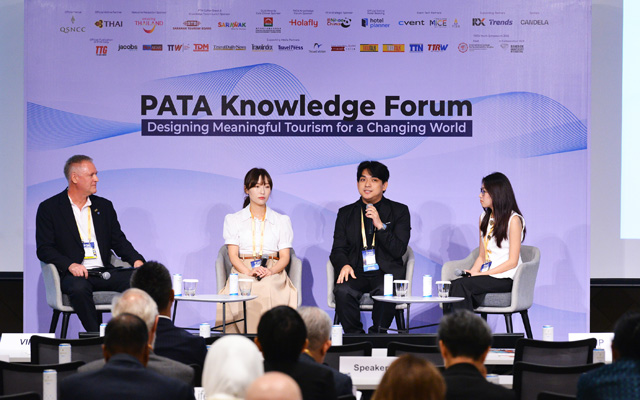
According to three young professionals on The Voices of the Future: Next-Gen Perspectives on Tourism’s Evolving Workforce panel session at PATA Knowledge Forum last week, what the younger generation wants from their travels has shifted from simple sightseeing to a desire for more meaningful experiences.
Young professionals share their perspectives on the future of tourism at the PATA Knowledge Forum

Moderator Mike Stewart, regional general manager South-east Asia, Intrepid Travel, posed the question of how the industry can deliver more meaningful travel for the younger generation.

Alice Thet Hnin Ko Ko, a hospitality management student at Dusit Thani College, said: “Travel is not about ticking the destination off our bucket lists. It’s about creating unforgettable memories and wonderful experiences.”

Aung Zwe Wint, intern at PATA, agreed, adding that people want a trip that matches their values such as sustainability and authenticity, for instance, by providing personalisation services before, during and after the trip.

On the subject of how the industry can better attract new blood, Aung Zwe Wint, said that among his peers, many see the hospitality industry as a place with long hours and low wages. As such, he opined that there could be better redesign of job roles – with the inclusion of data analytics and sustainability – to appeal to the values and skills of the next generation.

Yeji Cho, assistant manager, Korea Tourism Organization, added: “The most attractive industries will be those that guarantee personal and industry growth.”

Panellists agreed that work-life balance, flexibility, an environment that supports not just professional but also personal growth, were key factors that would make the industry more attractive.

Alice Thet Hnin Ko Ko added: “For us, money does not matter anymore. Our passions matter more. We prioritise our values and our motivations. As long as the workplace prioritises our well-being like mental health, we feel motivated and we feel a sense of belonging and we can grow as a person. We will be happy there and that’s how you can keep us in the workplace.”

The panellists also discussed ideas on how to solve tourism problems, to which Aung Zwe Wint suggested some form of community-based tourism where travellers could contribute their skills to help the local community, while Alice Thet Hnin Ko Ko suggested greening transport such as the local ferries that take hundreds of tourists to Thailand’s islands daily.
Aviation roundup: Pelita Air, Firefly and more

0
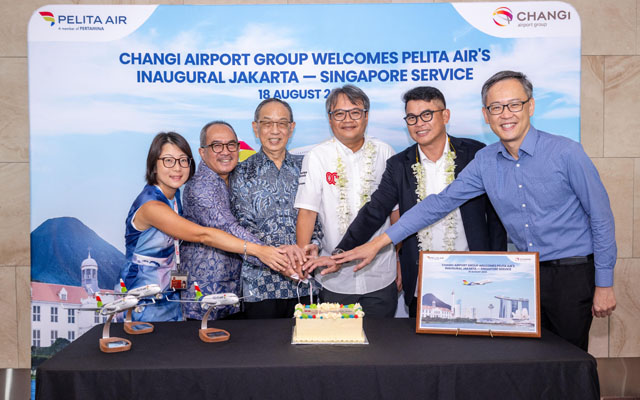
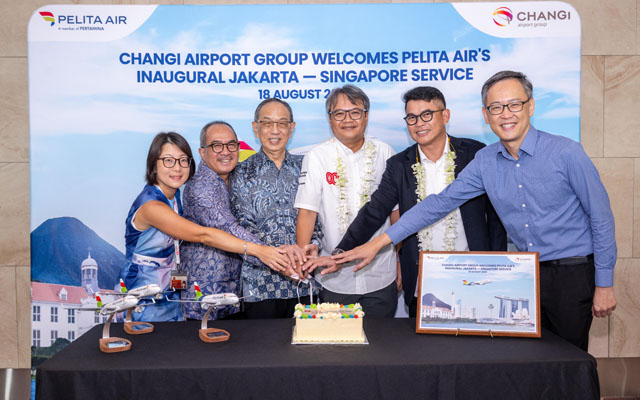
Pelita Air takes off to Singapore with its inaugural international flight on August 18, 2025

Pelita Air launches first international service to Singapore
Indonesian airline, Pelita Air, has commenced its first international route to Singapore, operating daily round-trip flights between Jakarta and Singapore.

Flights depart Jakarta at 07.10 and arrive in Singapore at 10.00 local time. Return services leave Singapore at 11.00, arriving in Jakarta at 11.55.

Passengers can connect from Singapore to Pelita Air’s domestic network, which serves 17 Indonesian cities including Banda Aceh, Medan, Yogyakarta, Surabaya, Denpasar, Lombok, Balikpapan, Makassar and Sorong.

Pelita Air offers complimentary onboard Wi-Fi with the PASflix in-flight entertainment app, featuring movies, TV shows, music, podcasts and an On-Board Chat function. Passengers can pre-book meals through the “Dine in the Air” service, with hot meal options and premium catering on medium-haul flights.

Firefly

Firefly commences jet operations from Kuala Lumpur International Airport
Firefly, a subsidiary of Malaysia Aviation Group (MAG), has launched jet services from Kuala Lumpur International Airport (KLIA) Terminal 1 to Tawau, Sabah (TWU), following the relocation of its jet operations from Sultan Abdul Aziz Shah Airport.

Daily return services will operate on the route, improving connectivity between Peninsular Malaysia and the east coast of Sabah for business and leisure travellers.

As part of its network expansion from KLIA, Firefly will also introduce services to Sibu, Kota Bharu, Kuala Terengganu and Johor Bahru.

Passengers receive 10 kg of checked baggage, in-flight snacks, and the option to change flights. Travellers connecting via Malaysia Airlines flights will benefit from checked baggage and a meal. In-flight meals can also be pre-booked, with options including Asian hot dishes and Malaysian treats. Additional items are available for purchase on board.

Philippine Airlines

Philippine Airlines expands access to Siargao via Clark and Cebu
Philippine Airlines (PAL) has added more flight options to Siargao via Clark and Cebu, complementing its existing Manila-Siargao route. The new routes improve connectivity for travellers to the island.

Clark International Airport is accessible from most areas of Luzon, while travellers from Metro Manila can reach it using available transport. Passengers can also fly Manila-Cebu and connect to Siargao, with Cebu providing fast and efficient transfers.

The Cebu-Siargao route targets travellers seeking quick access to the island’s surf breaks, natural attractions and community, whether for a short weekend or a longer holiday. Direct Manila-Siargao flights continue to serve residents and tourists from the capital and international connections.

VistaJet

VistaJet first to fly within the Kingdom of Saudi Arabia
VistaJet has become the first foreign operator to offer flights within Saudi Arabia. The service will provide private flights across the Kingdom, enabling clients to reach domestic destinations quickly and efficiently.

The company operates the Global 7500 aircraft, with Global 8000 jets soon to be added, allowing non-stop connections from Saudi Arabia to any international destination. Flights can be scheduled on demand, providing flexibility for both business and leisure travellers.

Saudi Arabia’s central location allows clients to connect easily to cities across Asia, Africa and Europe. VistaJet’s fully-owned fleet ensures immediate availability for domestic travel, with operational support across its global network.

Asia-Pacific seeks to restore connectivity through multilateral visa and passenger initiatives

0

The Asia-Pacific region has fewer international aviation routes now compared to before the Covid-19 pandemic, with a gross loss of 1,017 international routes, where a majority of the losses are from China, followed by Thailand and Cambodia.

These insights come from Thomas Pellegrin, Asia-Pacific aviation leader at Deloitte, and Mayur Patel, regional sales director at OAG Aviation, who spoke during the Aviation Outlook + Aviation Connectivity in 2025: Observations from the Post-Pandemic Recovery session at the PATA Knowledge Forum on August 26.

Reduced air connectivity isolates the region, affecting tourism and trade, while domestic travel and collaboration offer recovery opportunities

Pellegrin first presented a whitepaper, titled Asia Pacific Aviation Connectivity in 2025: Observations from the Post-Pandemic Recovery, which examined how international and domestic commercial aviation networks in Asia-Pacific evolved during two key periods – from December 2013 to December 2019, before the Covid-19 pandemic, and from December 2019 to the present, since its onset.

“We have seen an incredible contraction in the international connectivity of Asia-Pacific. The region is the only region in the world that has lost net international connectivity over the last six years,” he said.

This reduction of airline connectivity means that “that the region is far more isolated than it used to be and that has downstream effects on foreign trade, GDP growth and employment”, which impacts tourism and cultural exchanges and scientific programmes, he noted.

To reduce these effects, Pellegrin suggests that hospitality companies can capitalise on the robust growth in domestic travel in Indian and China to expand their offerings to previously underserved secondary and tertiary cities, while airports need to do more to attract airlines.

At the regional level, there needs to be stronger multilateral collaboration on passenger and visa facilitation, as well as broader open skies and air service agreements.

Patel then shared a broad overview of the global aviation industry, indicating how airlines in the region are reporting strong financials, while others are recovering. However, there are some “dark clouds in the horizon” to look out for, such as demand normalisation.

He highlighted that many European airlines are consolidating with acquisitions of smaller carriers – a trend that will continue to happen.

Meanwhile, the Middle East remains a key player, with passenger traffic expected to continue as the region connects the East and West. Türkiye’s aviation market is also expected to grow in a similar pattern.

Patel concluded that the industry faces many unknowns and a great deal of uncertainty moving forward, which he believes will be “very interesting” for how the sector navigates future challenges.

Overhaul needed for tourism measurement

0

Measuring tourism success has to go beyond simply tallying visitor arrivals or tracking tourism expenditure – a more holistic approach should take into account the impact of tourism on local communities, cultural preservation, and the environment.

These were the views of seasoned travel and tourism industry professionals who spoke at the PATA Knowledge Forum earlier this week.

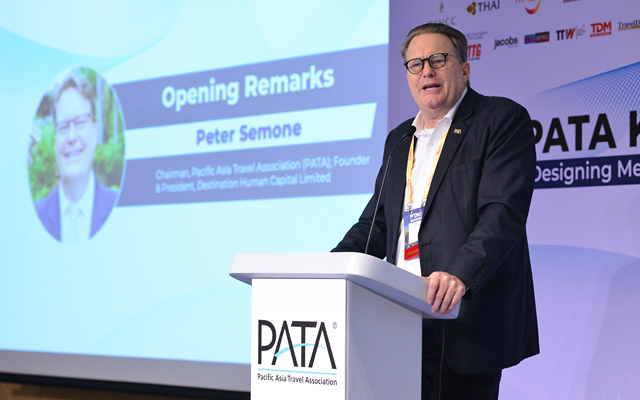
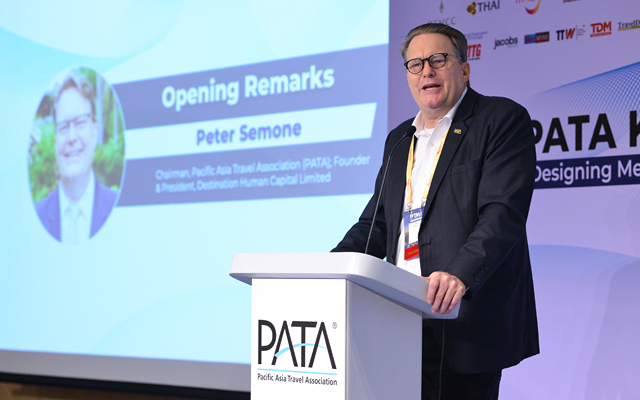
Semone: we have to find a way to cultivate better quality tourism that we can manage and report within the system

PATA chairman, Peter Semone, stressed that governments in Asia must rethink the way they evaluate tourism growth, which has traditionally been driven by destination marketing campaigns designed to attract ever-higher visitor numbers.

He pointed out that Asia has already experienced a burst of growth.

Semone opined: “I don’t think we can continue down that path for much longer. We have to find a way to cultivate better quality tourism that we can manage and report within the system.”

He sees PATA’s role as helping its clients, which are primarily governments, to identify innovative solutions and strategies that align tourism growth with broader national objectives, so that destinations can be better positioned to deliver tourism that benefits all stakeholders, not just the bottom line.

Wolfgang Georg Arlt, executive director of the Meaningful Tourism Center, indicated that in order to create a meaningful tourism economy, there must be transparency and unique Key Performance Indicators that demonstrate how tourism benefits the economy and local communities.

Equally important, Arlt added, is ensuring that local communities have a voice in shaping tourism development in their area.

Siripakorn Cheawsamoot, director general of the Designated Areas for Sustainable Tourism Administration, cited Phu Kradueng National Park in Thailand’s Loei Province as an example of how infrastructure development – when thoughtfully designed – can balance visitor demand with ecological preservation.

A new cable car project planned for the summit of Phu Kradueng, for example, aims to serve a dual purpose – boosting visitor traffic while also reducing environmental impact by minimising the trash left behind by hikers.

New hotels: voco Quang Binh Resort By IHG, Tantawan Tented Camp and more

0
voco Quang Binh Resort By IHG

voco Quang Binh Resort By IHG, Vietnam
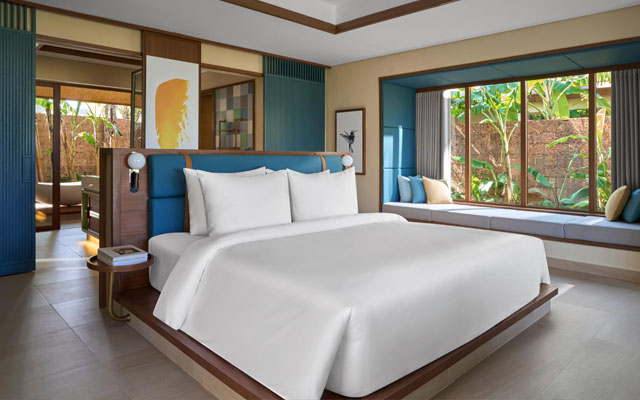
voco Quang Binh Resort by IHG has opened in Dong Hoi, Vietnam, offering 68 suites and beachfront villas with direct access to Bao Ninh beach. The suites and villas range from 43m² to 300m², blending Indochine-inspired design with natural light and locally crafted details.

The resort features a spa with treatment rooms, hydrotherapy pool, sauna, salon and foot spa, alongside indoor and outdoor pools. Guests can dine at Flamingo Restaurant, which serves Vietnamese specialities and international dishes, or enjoy cocktails at Oasis Pool Bar overlooking the sunset.

Located in Quang Binh, known as the “Kingdom of Caves,” the resort provides easy access to Son Doong Cave, Phong Nha-Ke Bang National Park, Mooc spring, and the region’s beaches including Nhat Le and Da Nhay. Guests can also experience activities such as kayaking, ziplining and mud bathing, or visit cultural sites like the Lieu Hanh Mother Temple.

Tantawan Tented Camp

Tantawan Tented Camp, Thailand
Dusit International has begun managing Tantawan Tented Camp, a sustainable retreat in the mountains of Chiang Rai, Thailand, featuring 10 safari-style tents with modern amenities and handcrafted teak furnishings. The tents include two-bedroom family options and a one-bedroom suite, each with a private bathroom.

Located 40 minutes from Chiang Rai International Airport, the camp offers valley views and experiences connecting guests with local culture and the environment, including trekking, cooking classes, meditation sessions, and tree-planting programmes.

The on-site farm supplies fresh produce, herbs, and free-range eggs to the camp’s restaurant, where northern Thai and international dishes are prepared with locally sourced ingredients.

Facilities include a central swimming pool with mountain views, an outdoor amphitheatre with a bonfire, and two covered, lighted pickleball courts. Guests can also visit nearby hill tribes and an elephant sanctuary, participate in archery, or book private forest and field picnics. Families can join creative workshops such as pottery, glass painting, and the making of Tung banners, traditional Lanna decorations with cultural significance.

Gurney Bay Hotel, A Parkroyal Hotel

Gurney Bay Hotel, A Parkroyal Hotel, Malaysia
Gurney Bay Hotel, A Parkroyal Hotel, has opened with 368 rooms, located 10 minutes from George Town, a UNESCO World Heritage site known for its shophouses, town houses, and cultural landmarks.

The hotel is part of the Gurney Bay lifestyle precinct, developed under the Penang2030 Vision, and offers unblocked views of the Penang coastline, George Town, and the Penang Hills.

Facilities include a 220-seat all-day dining restaurant, a lobby lounge and bar, a ballroom for up to 550 guests, four meeting rooms, kids’ club, gym, health club, outdoor tennis court, two swimming pools including a children’s pool, steam and sauna rooms.

Tui Blue Angkor Grace

Tui Blue Angkor Grace, Cambodia
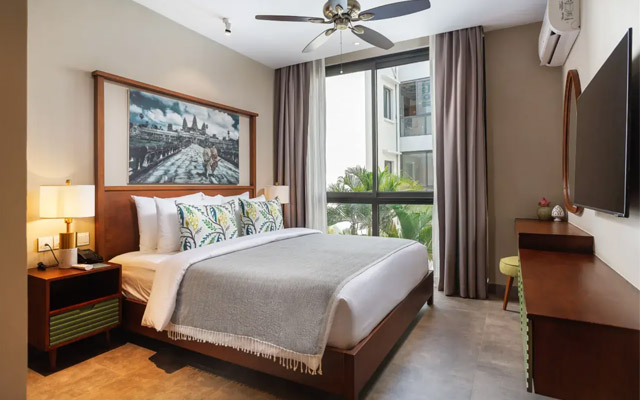
Tui Blue Angkor Grace has opened in Siem Reap, Cambodia, close to the Angkor Wat temple complex and Tonlé Sap Lake.

It offers hydrotherapy facilities including a magnesium-rich pool, onsen and ice baths, along with traditional healing therapies. The hotel also features a gym with certified instructors, the Aum Yoga Studio with daily classes, and the Amazing Grace Sound Healing Temple for sound therapy sessions. A kids wellness centre caters to children aged six months to 12 years.

The hotel works closely with the local community, sourcing ingredients from nearby farmers for its culinary offerings.

Revinate expands Asia-Pacific team with key leadership hires

0

Revinate, a direct booking platform for the hospitality sector, has appointed Jeff Hoh as APAC head of sales and Nick Ellis as Australia country director, strengthening its presence and capabilities across the Asia-Pacific market.

Ellis will report to Hoh, who reports to Doug Tilford, chief revenue officer.

From left: Jeff Hoh and Nick Ellis

Hoh brings over 18 years of experience in SaaS and travel technology, with leadership roles at Agoda, Bookaway, and Seatos, specialising in regional expansion and partner development across Asia-Pacific and Oceania.

Ellis has more than 25 years of hospitality leadership experience across brands including Accor, Ovolo, Spicers Retreats, and Salter Brothers Hospitality, with expertise in hotel launches, digital transformation, and commercial growth. He also serves as deputy chair of Queensland’s peak tourism body and is a senior judge for the Queensland Tourism Awards.

World Sustainable Hospitality Alliance bolsters Middle East Presence with UAE appointment

0

The World Sustainable Hospitality Alliance (WSHA) has appointed Radhika Arapally, founder and chief consultant of Sustainability Kiosk, as senior strategic representative for the UAE, advancing the industry’s shift towards net positive hospitality in the region.

In this role, Arapally will develop high-level partnerships, drive programme delivery, and increase engagement across the UAE hospitality sector, supporting the WSHA’s mission to create an industry that gives back more than it takes.

Arapally brings over 20 years of international hospitality and sustainability experience. She founded Sustainability Kiosk in 2022, a platform with more than 70 validated solutions that help hotels reduce waste, cut costs, and progress towards net zero while maintaining operational efficiency. The platform has worked with groups including Minor Hotels, The First Group, and Millennium Hotels.
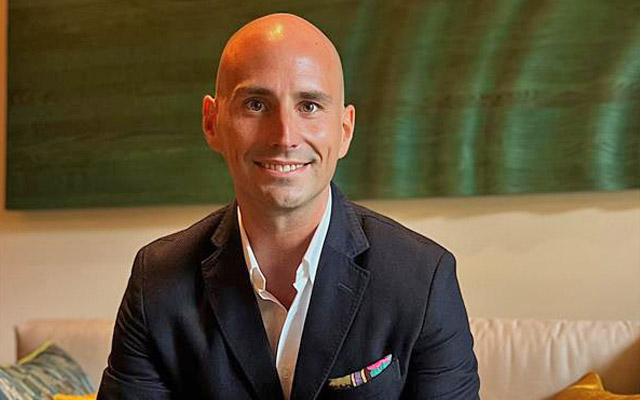
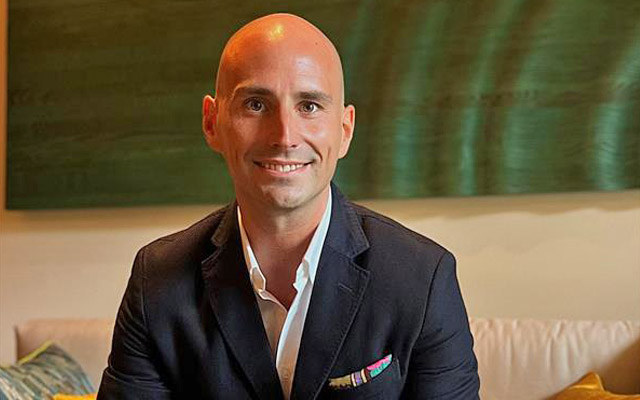
She also founded the Responsible Hoteliers Summit, the UAE’s first operational sustainability event, bringing together industry leaders and solution providers to share knowledge and foster collaboration.

Rosewood Luang Prabang appoints new MD

0

Jonathan Lallemand joins Rosewood Luang Prabang as managing director, where he will oversee operations, guest relations and strategic development at the resort in Laos.

Lallemand brings more than 20 years of hospitality experience, much of it in Asia. He was most recently resort manager at Regent Bali Canggu.

Gujju Tours: Technology and curated experiences drive growth

0

Kindly share the latest developments in your travel agency.
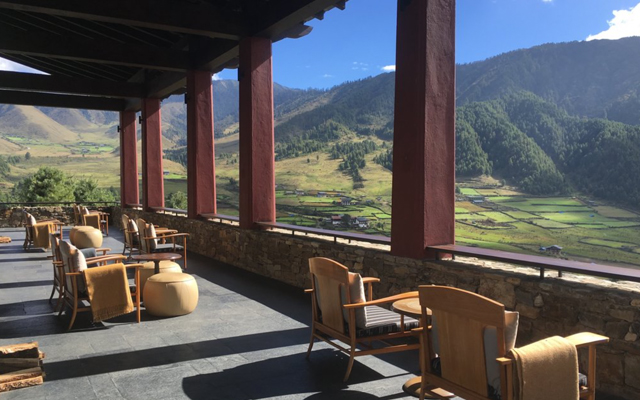
At Gujju Tours, we are continuously evolving to meet the expectations of modern travellers. Our focus is to lead and dominate the B2C travel market, where we don’t just create travel packages, but deliver memorable experiences that last a lifetime. Recently, we have enhanced our product portfolio with curated group tours, personalised holiday experience, and value-driven travel options designed to inspire every traveller. We are also investing in advanced digital tools to strengthen customer engagement, streamline bookings and make every journey more seamless and enjoyable for our clients.

What role do you see women playing in the growth of the Indian tourism sector? Do you see a need for greater participation of women in the tourism industry?
Women are playing an increasingly significant role in shaping the Indian tourism sector not only as decision-makers in families but also as entrepreneurs, travel professionals and thought leaders. Greater participation of women brings diversity, empathy, and a strong sense of community to the industry. I firmly believe that empowering more women in travel will accelerate innovation, create inclusive experiences and contribute to sustainable growth.

What kind of travel trends are you presently noticing in the Indian outbound sector?
Indian outbound travel is witnessing strong momentum with travellers showing growing interest in experiential holidays, cultural explorations and adventure-based itineraries. Destinations offering visa-on-arrival or simplified entry procedures are seeing increased demand. Additionally, we can see that there is a clear preference for value-added group tours, family travel and customised itineraries that combine leisure with unique local experiences.

Do you think that challenges like the recent India Pakistan skirmishes or the present high tariffs announced by the US may dampen the growth of the Indian outbound segment going ahead?
I think that global uncertainties such as geopolitical tensions, fluctuating currencies and changes in visa regulations can temporarily impact outbound travel from India. However, what we have seen is that the resilience of Indian travellers is remarkable. While certain markets may slow down due to high tariffs or policy restrictions, we see Indian travellers shifting to alternative destinations that offer value and accessibility. The industry’s adaptability ensures that overall growth continues despite such challenges.

How have you adopted technology to expand your business and improve operational efficiency?
Technology is at the heart of our expansion strategy. We have adopted advanced booking systems, CRM tools and automated operations to improve efficiency and reduce turnaround time. Our website and digital platforms are optimised for user-friendly bookings while data-driven insights help us personalise offerings for our clients. This tech-driven approach allows us to scale faster and deliver consistent, high-quality service.

Domestically, which are the destinations you have noticed a strong demand for this year?
As a PAN India travel agency, Gujju Tours has witnessed remarkable demand across diverse destinations this year. Kashmir, Himachal Pradesh, Rajasthan, Goa, and the North-east states like Sikkim, Assam and Meghalaya continue to be top choices, especially for families and group travellers. In addition, spiritual tourism is rapidly growing with destinations like Ayodhya, Kedarnath, Haridwar and Varanasi drawing significant interest. We are also seeing rising trends for Andaman and Nicobar Islands, Kerala backwaters, Ladakh, Rann of Kutch, the Statue of Unity and Uttarakhand hill stations as travellers seek a mix of cultural immersion, natural beauty, adventure and soulful experiences. These destinations reflect the evolving preference of Indian travellers for journeys that go beyond sightseeing and create memorable experiences.

Any other future plans you would like to share?
Looking ahead, Gujju Tours aims to further strengthen its outbound portfolio by adding new destinations and forging strategic collaborations with international partners. Our vision is to become the go-to B2C travel brand in India, offering travellers not just trips but experiences that connect them emotionally with every destination. We are also committed to expanding our digital footprint, enhancing customer engagement through technology and launching exclusive themed tours and niche group experiences. With this approach, every journey with Gujju Tours becomes more than just travel – it becomes a meaningful and memorable story.

Small Luxury Hotels of the World debuts Wellbeing Collection

0

Small Luxury Hotels of the World (SLH) has curated a new Wellbeing Collection, which comprises 15 luxury hotels that provide soulful sanctuaries designed to restore the body, mind and spirit.

These properties from around the world are qualified by wellness experts for presenting wellness not merely as a service or trend, but as a way of life.

Gangtey Lodge in Bhutan’s Phobjikha Valley is one of 15 founding properties in the SLH Wellbeing Collection

Noting that the world is overstimulated and meaningful rest has become both a luxury and a necessity, SLH commissioned OnePoll to conduct The Restless Traveller Report, a quantitative survey of 6,000 adults across the UK, the US and Australia to better understand what drives the need for profound rest.

Key findings show that 72 per cent of respondents reported feeling tired right now, with 60 per cent saying modern life does not allow for true rest. Yet, 89 per cent reported that they recognise travel as effective for achieving holistic rest – supporting emotional, physical and mental well-being. Furthermore, 49 per cent reported nature-based travel allows for the most rest, followed by wellness-focused trips.

Richard Hyde, chief operating officer of SLH, said: “Following an increased desire from guests for well-being and inner sustainability, we’ve created the Wellbeing Collection by carefully filtering the hotels in our portfolio to spotlight those that offer heartfelt hospitality somewhere peaceful, where they can immerse themselves in nature-based experiences, the local culture, educational workshops and wellness-focused facilities to feel enriched, unplug for their daily lives and truly relax.”

Of the 15 founding properties in the Wellbeing Collection, four are in the Asia-Pacific region: Bhutan Spirit Sanctuary and Gangtey Lodge, both in Bhutan; Keemala in Phuket, Thailand; and Namia River Retreat in Hoi An, Vietnam.

Each hotel in the collection is said to understand how to layer the process of improving health with practical advice for long-term sustainability, and is equipped with emotional intelligence, instinctive teams and exceptional locations to guide guests towards a complete recharge.

They are given a stamp of approval from well-being industry experts, including renowned spa editor Susan D’Arcy and well-being expert in Sophrology and founder of BeSophro, Dominique Antiglio.

Sophrology, a practice combining breathing, gentle movement, relaxation, visualisation, and meditation has been widely used across Europe for over 60 years in medical, educational, corporate, and sports settings. It supports a variety of wellness goals, including managing stress, improving sleep, reducing anxiety, easing pain, and preventing burnout.

In an earlier interview with TTG Asia, Mark Wong, senior vice-president, Asia Pacific, at SLH, said the founding properties in the Wellbeing Collection will act as best practice references for other hotels keen on developing a wellness forte.

He noted that the wellness tourism trend “has legs to go far”, as it speaks not only to travellers in need of a quality health recharge but also those determined to prolong their ageing process as the modern lifespan extends.

To celebrate the launch of the Wellbeing Collection, SLH Club members will gain exclusive access to the BeSophro app, featuring the new Travel Reset series, a collection of guided mind-body practices designed to enhance restful travel, from easing flight anxiety and jet lag to helping guests maintain that post-holiday sense of calm.