
Asia/Singapore Thursday, 9th April 2026
Page 359

Medical tourism generates over 30% of SE Asian private hospital revenue: new report

0

Medical tourism generates one-third or more of revenue for private hospitals in most South-east Asian countries, according to a new report by Zion Market Research, which found Asia-Pacific dominating the growing medical tourism market in 2017.

Zion Market Research projects that the global medical tourism market could generate revenue of around US$28 billion by the end of 2024, based on an estimated CAGR of around 8.8% from 2018.

In 2017, the global medical tourism market generated revenue of US$15.5 billion.

APAC dominated in terms of share of medical tourism revenue in 2017

Asia-Pacific dominated the medical tourism market in 2017 with “significant revenue share”, Zion Market Research said in its new report.

Private hospitals generate major revenue from foreign patients. In most ASEAN countries, medical tourism represents one third or more revenue of a private hospital, according to the report.

In India, medical tourism accounted for 25% of revenue, and in Taiwan, the Philippines, and South Korea, approximately 10-15%.

In the region, public healthcare reforms are rapidly expanding the private sector, which is expected to drive medical tourism market growth.

Europe contributed to significant revenue share in 2017. The growth is attributed due to the increasing flow of patients, healthcare experts as well as advancement in medical technology in the region.

In particular, the report noted that people in Germany, Great Britain, and the Scandinavian countries use services provided in Polish medical institutions frequently.

However, it foresees that the lack of implementation of the European Directive on the application of patient’s rights in cross-border healthcare may impede industry growth.

In 2012, Passport2Health was the first health insurance plan launched in the UK based on medical tourism; it offers a private diagnosis for patients at home, private treatment overseas in Europe in the selected network hospitals, and follow-up care and rehabilitation in the UK. The policy was provided for small and medium-sized businesses and individuals

Latin America market is projected to experience lucrative growth during the forecast period. Market growth is particularly expected in Brazil and Mexico.

According to Zion, various companies are engaged in building and operating hospitals in Mexico that meet American standards, mostly for American and Mexican patients. Prices in Mexico is around 40% less than the US. Cash-paying, uninsured Americans have benefits for treatment procedures in Mexico, including price quotes and package prices.

Overall, Zion Market Research attributes medical-based migration to low-quality healthcare infrastructure and services and high treatment expenditure. Rising awareness level among people regarding advanced medical facilities are the foremost factors expected to drive medical tourism market growth over the forecast period.

Developing countries are increasingly focussing on technological advancement and quality services in the medical and healthcare sector.

However, the global market research firm said tourists are associated with a wide variety of health risks after they return.

Medical conditions include deep vein thrombosis, TB, amoebic dysentery, paratyphoid, and many others; caused due to poor post-operative care and inadequate rest.

Additionally, stringent documentation processes, visa approval issues, and inadequate insurance coverage are some of the factors which impede the growth of the medical tourism market.

Increasing investment in healthcare by various government and private sectors is anticipated to further drive industry growth.

At present, more than 700 hospitals and medical departments across the globe are accredited by Joint Commission International (JCI) in the US. The number of accredited facilities is projected to increase by 20% almost every year.

Based on treatment type, the medical tourism market is segmented into cancer treatment, orthopaedic treatment, fertility treatment, cardiovascular treatment, neurological treatment, and others.

The report includes profiles of end players such as Fortis Healthcare, Bumrungrad Hospital Public, Bangkok Dusit Medical Services, Asian Heart Institute, Prince Court General Hospital, Apollo Hospitals Enterprise Limited, KPJ Healthcare Berhad, Samitivej Sukhumvit, Spire Healthcare, Medanta, Min-Sheng General Hospital, IHH Healthcare Berhad, Raffles Medical Group, and others.


C9 warns of stress in Phuket hotel market with pipeline set to spike

0

Phuket’s accommodation market is predicted to face stress in the short- to medium-term with soaring hotel supply expected to be challenged by declining tourism demand, according to new analysis by C9 Hotelworks.

The Thai resort destination has a development pipeline of 15,348 keys set to enter the market over the next five years, which represents an 18% push in total supply, C9’s Phuket Hotel Market Update Mid-Year Edition revealed.

Villas near Patong beach in Phuket

During the first four months of 2019, considered a high season, year-on-year international passenger arrivals at Phuket International Airport slipped by 3%, while the domestic segment was down 6%.

A boat accident in Phuket that claimed the lives of Chinese tourists had prompted a sharp decline in arrivals in the second half of 2018 after a record first half of the year.

Mainland China remains at the forefront of any discussion about Phuket and the segment continues to be volatile with a 19% decrease registered this year from January through May. Russian arrivals have also declined.

On the upside, the fast-growing Indian market tripled its tourism arrival trajectory during the same period versus 2018.

Hotel performance has mirrored the current trend. Citing STR data, C9 says there is a 12% retraction of RevPAR, driven largely by lower market occupancy.

While May and September are the two lowest months for Phuket hotels, July and August are projected to experience boosts in occupancy. But the reality remains that non-high season attracts significantly lower room rates. This, C9 predicts, will undoubtedly suppress overall rate growth during the year.

The C9 report also highlights the growing influence of hotel branded residences on the Phuket accommodation market. Over 50% of the incoming pipeline or 8,337 units are being developed. Majority of these are condominium properties, with many affiliated to international hotel groups via management or franchise agreements. Despite the drop in Chinese tourists, a number of Mainland real estate conglomerates have entered the island property sector.

Still, C9 maintains that the development of the new Greater Phuket airport by AoT in Southern Phang Nga bodes well for the destination’s long-term tourism performance. C9 surmises it is probable that the current hotel sector will experience a similar cycle that Bali saw between 2014 through 201, and that new supply will eventually be absorbed on a medium-term basis. In the shorter term, however, demand remains a key risk factor impacting operators and owners.

From urban planner to tour guru

0

An urban planner by profession, Manuel Wu gave up his government job and started Macau Explorer Cultural Travel in 2014.

At that time, nobody believed the travel agency could survive in what’s regarded as a sunset industry with online travel habits at the fore.

However, Wu felt there was still a market for offline booking of in-depth local cultural tours that deviated from mainstream sightseeing-and-shopping tours.

Wu mused: “What prompted such a career shift was my passion for travel. It was nurtured during my stint with the Land, Public Works and Transport Bureau. One of my duties was to receive overseas diplomats or consuls who came to the enclave for exchange. I showed them around the city and observed numerous fast-paced sightseeing tours and hop-on, hop-off coaches in the market, which did not immerse visitors in the local culture.”

He then became determined to walk visitors into Macau’s 400-year history.

Being new to the business, he skilled himself by enrolling in an inbound tour guide course before leaving his full-time job.

He recalled: “I also volunteered to take groups in my leisure time to really feel the pulse of tourism. The experience was rewarding and reinforced my decision to join tourism.”

The company began with two cultural routes before custom-made tours took off in recent years. Today, itineraries cover history, nightlife, the Historic Centre of Macau and gourmet themes.

Apart from leisure, overseas MICE visitors also opt for local experience outside of meetings, leading the company to create tour ideas like DIY Portuguese egg tart classes.

He observed a gap in the market when it comes to one-stop services for both business events, as well as tours that fit with the specific interests, needs and schedules of delegates.

“That’s why many come to us for new ideas when planning overseas exchange or study tours. We do all the sourcing including for (special) requests i.e. incinerator visits and childcare services.”

Wu has kept his head down in the past five years to build the business and a professional team, with special emphasis on tour guides. The company started to break even from last year, and Wu now sees ‘intangible’ services and professionalism as key assets to sustain business.

Wu explained: “It might be very easy to copy our itineraries but not our software like intangible services and professional standards.”

Priority Pass owner triples investment in Indian market

0

Global loyalty and benefits firm Collinson has announced a multimillion-dollar investment in India to fuel the growth of its Priority Pass airport experiences programme, as well as to boost its technology capability with the help of local partners.

Priority Pass will see a doubling of its lounge portfolio in India over the next three years, building on its current portfolio of 45 airport lounges in 20 Indian cities. Globally, Priority Pass has a network of more than 1,200 lounges and airport experiences.

The Plaza Premium Lounge at Hyderabad Rajiv Gandhi International Airport, one of the lounges Priority Pass holders can use in India

Collinson’s wholly-owned and operated airport infrastructure business, Airport Lounge Development (ALD), is also working with airports across India to identify opportunities to open its own exclusive lounges and airport amenities. Already established in the airport lounge space in US and Europe, ALD will be bringing its business model to the Indian market.

The company’s investment in Indian airport experiences is part of a global vision to enhance its offering to more than 30 financial services clients in India and more than 1,400 banks globally.

David Evans, joint CEO of Collinson, said in a statement: “India is a vital market and one we see on a par with China in terms of growth potential. With 1.7 billion domestic passengers having flown in 2017 and outbound travellers expected to reach 50 million by 2020, the influence of the Indian traveller is only going to increase.

“We look forward to building out our lounge inventory and our own airport infrastructure, creating more locally relevant propositions and further strengthening our team on the ground with additional skilled local resource, and partnering with Indian businesses to redefine the airport experience for the benefit of domestic and international travellers,” he added.

Gen Z more eager to travel than owning homes or buying goods: Booking.com

0

The next generation of global travellers Gen Z (aged 16-24) have ambitious bucket lists, travel itineraries packed with adventure, and overall, cannot wait to experience the world, according to global research undertaken by Booking.com.

With almost 22,000 respondents across 29 markets, the research further revealed that this is the generation that is most excited and optimistic about their future travel plans, are prepared to go at it alone, and prioritise travel spending over material possessions.

Ambitious Adventurers
While many Gen Zers have only just come of age they most certainly already know what they want when it comes to their travel plans.

  • Gen Z have an optimistic outlook on travel, with 67% excited for all the places they’ll travel to in the future
  • Four in ten (39%) plan to have visited at least three different continents over the next 10 years and 30% intend to have studied or lived in a different country (34% female vs 26% male)
  • Gen Z is a daring bunch with 56% wanting an adventure experience from their travels, such as paragliding or bungee jumping and 52% planning on visiting or trekking to an extreme location
  • Gen Z is also the generation most likely to enhance their skills by learning something new while travelling in the next 10 years (33%)
  • And it’s not just new skills they’ll be looking to learn, for 55% of Gen Z travelling in their own country helps them to learn and discover more about themselves

Ready to Go Solo
Many young travellers are already stepping out into the world with their family, with two fifths (42%) of Gen Z travellers indicating that they mainly do it because it allows them to go on trips that they would not otherwise have the funds for. But as Gen Z looks to fly the nest, they’re keen to do it alone.

  • Independence is a priority for this generation. Over the next 10 years, a third of Gen Z (34%) plan to have travelled on their own at least once (36% women vs 32% men)
  • Gen Z’s passion to fly solo is further revealed with a third (33%) saying they prefer to be alone when they travel (more so than all other age demographics) and 18% wanting to take a solo backpacking trip / gap year

Already Champions of the Bucket List
Over two thirds (69%) of Gen Z have already compiled a travel bucket list (a list of things to do or see before they die), with this figure rising to 74% across Gen Z females (vs 64% men).

Reasons for having a travel bucket list are varied:
– Daydreamers: Over two fifths (44%) say it’s because they enjoy thinking about all the places that they’re going to travel to in their life
– A never-ending list: Nearly one quarter (23%) say they get satisfaction from travelling to places on their bucket list as soon as possible so they can begin adding more new places. In fact, nearly a third (32%) of Gen Z plan to have checked at least five epic trips off their bucket list in the next 10 years
– Keeping on top of great destinations: Nearly one quarter (23%) say that having a bucket list helps them keep track of amazing places to travel to that they’ve never heard of before
– Inspired by Instagram: 44% have been inspired to make their own adventures by seeing influencers’ trips online

Having a travel bucket list doesn’t just reveal an intention to travel to new places, it also provides a deeper insight on the generation’s broader travel behaviours. For the 31% of Gen Z without a bucket list, the reasons also vary:

  • 22% feel their preferences change too frequently which is bound to affect their travel destinations
  • One in five (20%) say it’s because they opt to travel impulsively and don’t plan in advance
  • Surprisingly though Gen Z are the least likely of all age demographics to say they don’t have a bucket list because they like to travel impulsively
  • In fact, of the 49% of Baby Boomers (those 55+) who don’t have a bucket list, three in 10 say they prefer to travel impulsively (30%) – the highest of all generations surveyed. Millennials (those aged 25-39) also travel more impulsively than Gen Z (26%)

Travel vs Life Goals
Gen Z have grown up in a world where over the last decade or so, global financial and economic turbulence has become almost the norm, and so understanding their stance on finances (specifically how they plan to spend their money over the next five years), is a useful barometer for their overall outlook on life.

Six in 10 (60%) Gen Zers think that travel is always worth investing in. And when it comes to prioritisation, “travel and seeing the world” is ranked as most important to this generation when thinking about how they spend their money (65%). Saving for ‘life’s biggest investment’ (property) came a close second and interestingly, more material possessions ranked lowest.

Unpacking Gen Z priorities
When questioned about how they’d prioritise spending their money, travel came out top in five out of seven choices for Gen Z, especially when compared to material possessions or more fleeting experiences. Travel ranked above the likes of furniture and homewares, clothes and fashion, tech and gadgets, eating at restaurants and spa and beauty treatments.

Out of office: on
Whether still contemplating their future vocation, or have just ventured into the workforce, the notion of a career is still pretty fresh, so its unsurprising that Gen Z rank getting a job as their most important life experience (80%).

But with travel being such a passion point for this generation, prospective employers should take note, as 54% of Gen Z say the opportunity to travel for work is important when selecting a job and nearly six in ten (57%) say a job where they get to experience other cultures is attractive to them.

“As the first generation of digital natives comes of age, it’s exciting to see this research reveal that Gen Z travellers are a determined generation whose excitement to explore means that they have mapped out many of their future travel plans already,” said Ram Papatla, vice president of global experiences at Booking.com.

Chiang Mai needs to diversify to fill hotel rooms: C9

0

After seeing record arrivals in 2018, Chiang Mai is now grappling with a 5.1% drop in market-wide hotel occupancy for the first five months of 2019, compared with the same period last year, according to hospitality data provider STR.

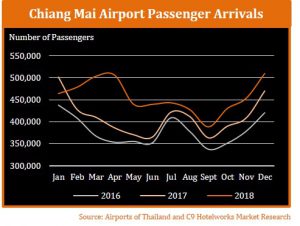
The comparison between 2018, when the gateway airport surpassed a record-high five million passenger arrivals, and now in 2019 as haze and air pollution strongly impacted tourism, “are reminders how fragile travellers shifting appetites can be”, said C9 Hotelworks in its newly released Chiang Mai Hotel Market Update.

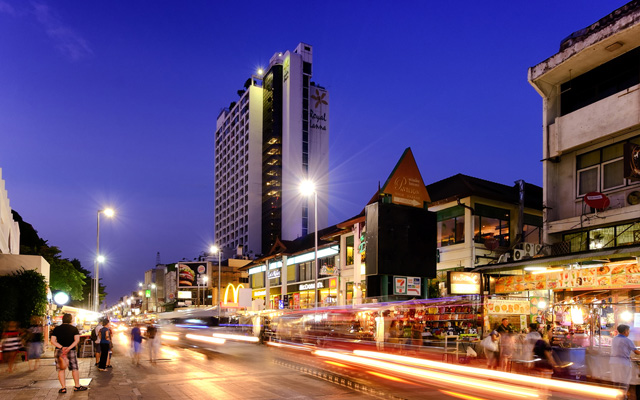
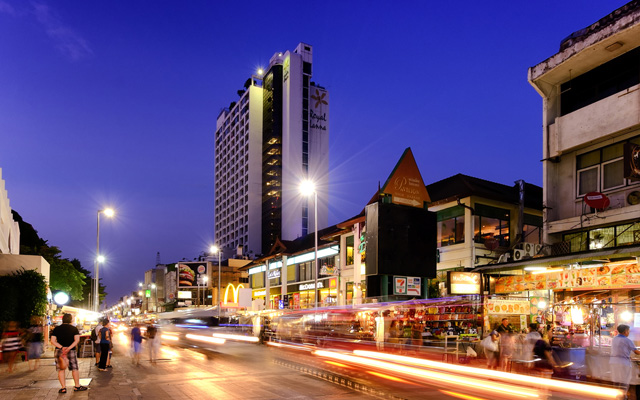
Night Bazaar Road in Chiang Mai, with the Royal Lanna Hotel Chiang Mai in the background

International arrivals increased by more than 17% in 2018 on the back of increasing flight connections. Taiwan was one notable growth market, as the number of Taiwanese passengers rose from 2,773 in 1H2018 to 30,660 in 1H2018 with the launch of direct daily flights AirAsia and Eva Air.

Although hotel supply increased by 33% in 2018, both occupancy and ADR were fairly stable with RevPAR standing at 2,417 baht (US$78).

There are five hotels in the pipeline with the majority in the upscale tier and most with brand affiliations, as owners look for a competitive edge. The recent opening of the Novotel Nimman Journeyhub is one example of a Bangkok developer looking to diversify into more affordable hotel assets outside of Thailand’s capital.

However, with 2019 expected to bring challenging trading conditions for hotels and tourism across the board, the total hotel supply of 48,000 keys makes it necessary for Chiang Mai to step outside its boutique image and find ways to fill rooms with more mainstream offerings, C9 recommended.

C9’s research also highlighted Chiang Mai’s mounting reliance on the mainland Chinese sector – which is in the midst of a slowdown – as a cause for concern. In 1H2018, China was the number one international source market, holding a 14% share in hotel guests.

Moving past pollution, Chinacation and over-development issues in the longer term, the bigger issue is how will Chiang Mai evolve from a headlong dive into a far bigger tourism pool and still retain the destination’s long-lasting image as a cultural icon.

Read the complete C9 Hotelworks full Chiang Mai Hotel Market Update here.

APAC travel bookers moving from mobile first to mobile only

0

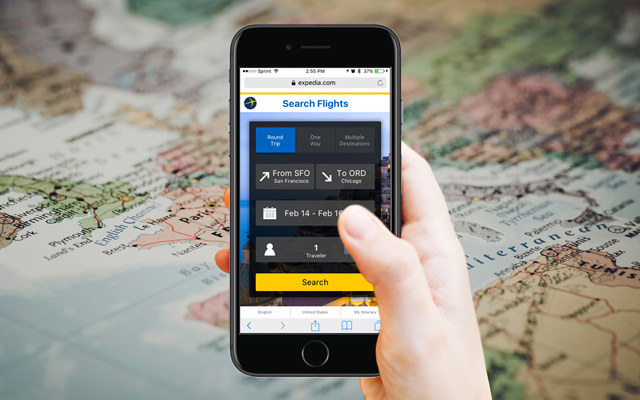
Travellers are moving beyond using their mobile devices for trip planning and inspiration, to now also making bookings on the go, according to Expedia.

Travellers in particular Asian countries are showing high willingness to make bookings on mobile, with India, Thailand, South Korea, Hong Kong, and Taiwan in the top five, a recent study conducted by Northstar Research Partners on behalf of Expedia found.

More and more travel bookings are being made on mobile devices today

In Thailand for example, of the 600 respondents surveyed, 67% said that they are extremely likely to book their flight tickets on a mobile device, 18% are somewhat likely and 15% least or not likely to do so.

When it comes to hotel bookings, 70% of the respondents indicated that they are likely to book their hotel using a mobile device, 18% are somewhat likely and 12% least or not likely to do so.

Moreover, Expedia said that approximately one in three global hotel room nights are booked via mobile. More than 50% of global traffic on Expedia Group sites are via mobile devices.

Expedia also cited new market research by AppsFlyer that showed that mobile users in Asia-Pacific will account for 50% of global app installs by 2020 – three times more than in any other region.

While growth is forecasted to gradually decrease as the market matures, Expedia expects it will be sustained by “substantial increment in media costs and mobile usage, as well as the overall number of paid campaigns, apps available, and mobile users”.

“The mobile booking findings from the study is an indication that our travellers are looking for speed, travel choices and mobile savings when they plan and book for travel. We continue to work on the areas that need improvement to knock down the barriers to travel,” said Lavinia Rajaram, APAC head of communications, Brand Expedia.

Air passenger demand slows with global trade slump, trade tensions

0

International traffic demand is showing signs of slowing growth amid slumping global trade and rising trade tensions, with US-China trade tensions weighing on the Asia-Pacific region in particular, according to IATA’s latest data.

IATA’s global passenger traffic results for May showing that demand (measured in RPKs) rose 4.5% compared to the same month in 2018. This was in line with the revised April traffic growth of 4.4% and above the recent trough of 3.1% year-on-year growth recorded in March.

International passenger demand stays solid but trend has slowed

However, it remains below the 20-year average growth rate of around 5.5%. Capacity (available seat kilometres or ASKs) climbed by a modest 2.7% and load factor rose 1.4 percentage points to 81.5%, surpassing last year’s record load factor of 80.1%.

“Passenger demand growth has slowed compared to the past two years. This is in line with slumping global trade, rising trade tensions and weakening business confidence. In this challenging environment, airlines are managing capacity carefully in order to optimise efficiency,” said Alexandre de Juniac, IATA’s director general and CEO.

Asia-Pacific airlines saw their traffic rise 4.0% in May compared to the year-ago period, an improvement over the 2.9% increase in April. Capacity increased 3.0%, and load factor edged up 0.8 percentage point to 78.6%.

This is the second consecutive monthly increase in demand, but IATA notes that this still represents a soft outcome in a region that in recent years regularly saw double-digit growth rates. US-China trade tensions continue to weigh upon growth in the region.

Overall, international traffic demand rose 4.3% in May over the year-ago period, which was down from 5.1% growth in April. All regions recorded growth, led by airlines in Latin America. Total capacity climbed 2.1%, with load factor jumping 1.7 percentage points to 80.4%.

European carriers’ May demand climbed 5.4% over May 2018, a deterioration from the 7.7% year-over-year growth recorded in April. Capacity rose 4.6% and load factor was up 0.7 percentage point to 84.2%, which was the highest among regions. Most of the region’s growth, however, occurred in the first half of 2018, with demand moving broadly sideways since then.

Middle East carriers’ May demand growth decelerated to 0.8% compared to a year ago, from 3.3% annual growth recorded in April. This partly reflects the impact of the structural changes that are underway in the industry in the region. May capacity plunged 6.1%, and load factor soared 5 percentage points to 73.0%.

North American airlines’ traffic rose 4.8% in May compared to May 2018, a slowdown from 5.6% annual growth in April. Capacity climbed 2.7% and load factor strengthened 1.7 percentage points to 83.6%. The comparatively strong US domestic economy, and US dollar is helping to offset any trade-related softening in international travel.

Latin American airlines experienced a strong 6.7% increase in traffic in May compared to the same month last year, which was well up from 5.1% growth in April. Passenger demand is currently holding up well, despite a challenging economic backdrop in a number of countries. Capacity climbed 4.0% and load factor jumped 2.1 percentage points to 84.0%, second highest among the regions.

African airlines posted a 2.1% traffic rise in May compared to the year-ago period, which was up from just 1.1% growth in April. Capacity climbed 0.1% and load factor increased 1.3 percentage points to 67.0%. Traffic between Africa and Europe continues to expand strongly, but economic growth in South Africa – a key regional economy and air transport market– contracted sharply in the first quarter and this is adversely impacting air passenger demand.

Meanwhile, domestic traffic increased 4.8% in May compared to May 2018, well above the 3% year-over-year rise recorded in April. Russia was the only market to see double-digit demand growth. Domestic capacity rose 3.8% and load factor climbed 0.8 percentage point to 83.4%.

Russia’s domestic traffic rose 10.6% year-over-year, which is up slightly from the 10.4% year-over-year growth recorded for April. Russia continues to benefit from favorable economic conditions and lower airfares.

Japan’s domestic traffic rose 6.6% in May, up from 4.1% growth in April and the strongest performance since summer 2017. Fare stimulation, combined with robust economic growth, contributed to the result.

“While aviation is the business of freedom, connecting people and trade and creating new opportunities for growth and development. But to be effective, the business of freedom relies on borders that are open to the movement of people and goods—and aircraft. In recent weeks, we have seen extensive airspace closures owing to political tensions. These closures have contributed to longer and less efficient routings, higher operating costs and increased carbon emissions. Without any compromise on safety, it is vital that governments work to minimise airspace closures so that the Business of Freedom can continue to deliver its benefits as efficiently as possible,” said de Juniac.

Influx of luxury hotels yet to spur international demand to Jakarta

0

In its transformation into an Asian megacity, Jakarta has been slow to increase its mix of international visitors, an imbalance that international-brand luxury hotels alone cannot correct, C9 Hotelworks argues.

In 2018, the city’s hotels hosted over 13 million guests, yet 86% were from the domestic segment.

According to the newly released the Jakarta Hotel Market Review by C9 Hotelworks, over 2.7 million overseas passengers arrived at the gateway Soekarno-Hatta International Airport last year. Over a 10-year period the compound annual growth rate hit an impressive 7.4%.

Yet, the reality is that Indonesia’s largely domestic economic marketplace remains the key spotlight as public sector infrastructure is playing catch up with ongoing mass transportation developments trying to link the city’s spread of mini-metros, C9 Hotelworks observes.

A key outcome of the domestic feeding frenzy is that Indonesian conglomerates and real estate groups are developing massive integrated mixed-use properties with global luxury operators. Jakarta’s accommodation pipeline includes well-known names such as Park Hyatt, Waldorf Astoria, St. Regis, W, Regent and Langham.

Historically the influx of overseas guests are business travellers during peak mid-week periods who leave the city in advance of the weekend. C9 surmises that this leaves hotels with the choice of either lower room rates for the domestic market or empty beds.

Jakarta’s international geographic source of business profile has seen mainland China in the top position since 2015, with a five-year CAGR of 9%. Rounding out the top five are Malaysia, Japan, Singapore and Saudi Arabia. There have been few surprises during the past few years yet two international sporting events, the 2018 Asia and Para Asian games pushed market-wide demand higher.

Looking forward, C9 Hotelworks managing director Bill Barnett said: “It’s unclear if the new luxury pipeline will dramatically induce the overseas market. Until there are broader economic reforms that will positively impact FDI (foreign direct investment) and improvements in commuting to CBD areas, the domestic segment is likely to remain firmly entrenched in the driver’s seat of Jakarta hotel performance.”

Travelport reveals top longhaul destinations for Australian travellers this winter

0

The UK, the US and China are among the most popular longhaul destinations for travellers in Australia this winter holiday, according to Travelport’s analysis of GDS bookings.

As of June 14, 2019, over 39,000 advanced bookings had been made in Australia through all GDSs for return flights to the UK scheduled between June 28, 2019 and July 21, 2019. Flight bookings to the US, the second most popular destination, stood at 35,340, while bookings to China, in third place, were at 22,828.

The UK (London pictured) is the top winter destination this year for Aussies

Globally in 2018, Travelport alone processed one trillion transactions through its platform.

Scott Barber, Travelport’s managing director for Australia and New Zealand, said: “It’s been the second consecutive year for the UK, the US and China to top the chart, showing a consistent pattern in people’s travel preferences for the winter holidays.

“Despite the large number of expatriates living in Australia from these countries, their long-lasting appeal to tourists and affordable flights have also made them ever-popular choice for travellers in Australia.”



Barber added that travellers in Australia are also seeking destinations known for their sunny skies, beaches and cuisine, such as Thailand, Italy, Greece and Vietnam.