
Choice Hotels joins forces with Hotelbeds

Hotelbeds has signed an agreement with US-based lodging franchisor Choice Hotels International (CHH) that will allow the latter access to the bedbank’s distribution network of B2B travel trade buyers.
Hotelbeds’ network includes more than 60,000 tour operators, retail travel agents, airlines and loyalty programmes across more than 140 source markets worldwide.

Under the agreement, Hotelbeds will now be recognised as a Preferred Wholesaler by CHH.
Hotelbeds’ portfolio of travel buyers will offer CHH with incremental, high-value bookings from non-domestic markets that typically book further in advance, pay more per room, cancel less and spend more at the property. At the same time, Hotelbeds’ customers will have access to participating Choice Hotels locations worldwide.
As part of this agreement, CHH will distribute its hotel rooms through Hotelbeds’ two main channels: its wholesale distribution channel that operates under the Hotelbeds brand and its retail channel, Bedsonline, that exclusively caters to retail travel agents.
Virtual IT&CM and CTW China conclude with strong business exchanges
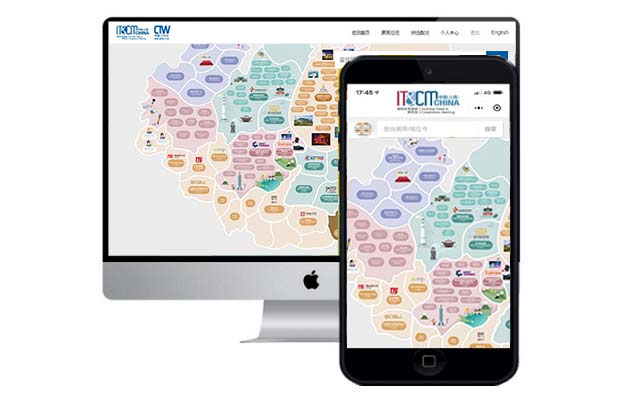
The inaugural Virtual IT&CM China and CTW China, held from August 3-5 this year, have reported a successful conclusion, with a high percentage of fulfilled scheduled appointments and strong buying intention for the next two years.
Post-show statistics revealed that over 800 validated and qualified unique delegates had participated in the three-day event, with 242 exhibitors from 26 territories/countries meeting with 383 buyers from 38 territories/countries, and 20 hours of business activity being conducted at 130 virtual exhibition booths.

The event organiser, TTG Asia Media, has also found strong business and lead generation throughout the MICE and corporate travel event.
Close to 3,000 pre-scheduled appointments and walk-in meetings were conducted in 15 hours, with 90 per cent of pre-scheduled appointments being fulfilled.
Ninety-four per cent of exhibitors have rated buyers a minimum of three stars and up to five full stars, indicating a high level of satisfaction with the buyer community.
Noteworthy during the ongoing travel and tourism crisis is that 94 per cent of exhibitors and buyers expect to receive or place MICE and corporate travel orders over the next 12 to 24 months.
Eighty-seven per cent of delegates said they have achieved their objectives of attending Virtual IT&CM China and CTW China 2020, while 86 per cent stated that the event outcome has either met or exceeded their expectations.
The post-show study has also found that delegates were most impressed by the Appointment Scheduling Process, Pre-scheduled Appointments system, Walk-in Meetings, Brand Showcase Presentations, and the Buyer Procurement Showcases which is a new addition for the virtual format.
Erlinda Tan, past president/president of NAITAC/JLT Travel & Tours, Philippines, remarked that it was her first encounter with such a well-integrated virtual business event.
“I’ve joined a few virtual events and this is one of the best. Well planned event with interesting interaction capability,” agreed Stanley Yew, MICE sales, Pacific Arena, Singapore.
IATA helps airlines navigate new norms with health checklist
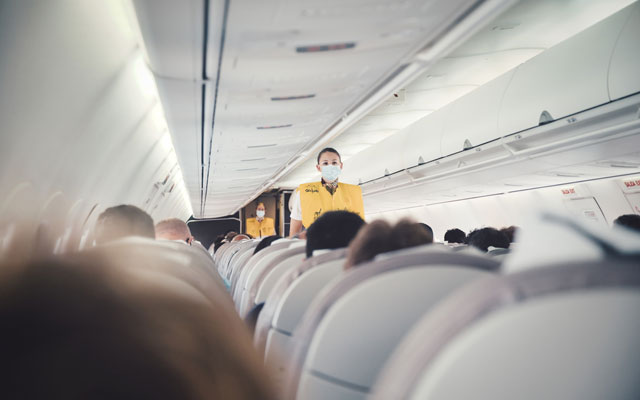
IATA has released an airline self-assessment health checklist designed to assist operators in implementing new health and safety requirements in a post-Covid world.
The 30-page checklist is intended to support the ICAO’s Take-off: Guidance for Air Travel through the Covid-19 Public Health Crisis, a global standard framework of risk-based temporary measures for governments and the air transport value chain to safely operate during the global crisis.
IATA’s director general and CEO, Alexandre de Juniac, said: “Safety is always the number one priority for air transport. And the challenges of Covid-19 have added a new dimension to our efforts. Developed with input from industry, public health authorities and governments, ICAO’s Take-off guidance is the global standard for safe operations. IATA’s self-assessment checklist is a practical implementation guide to help airlines comply.”
ICAO’s council president, Salvatore Sciacchitano, added: “A harmonised approach to health is key not only to the recovery of civil aviation but also to ‘building back better,’ which is crucially important to ensuring the future resilience of the aviation network. IATA’s health checklist for airlines will be of importance in terms of providing momentum for the implementation of the ICAO Council Aviation Recovery Task Force (CART) recommendations, of which harmonisation and resilience are the guiding principles.”
The IATA Health Safety Checklist for Airline Operators provides the standards and recommended practices, associated guidance material and other supporting information necessary for an operator to self-assess.
Sections cover pre-arrival notification, check-in, embarkation and disembarkation, aircraft cleaning, onboard air quality, in-flight operations, flight and cabin crew – general, crew layover, and airport facilities.
The checklist is available here, and can be used free of charge by interested airlines.
Taking tours online
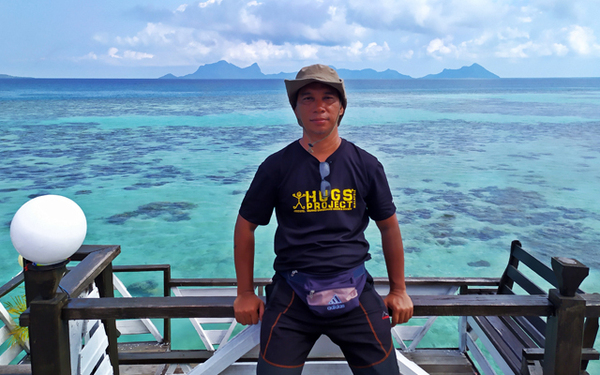
When tourism activities in Malaysia came to a standstill during the almost-three-month-long movement control order period from March 18, imposed to stem the spread of Covid-19 in the country, tour and event specialist Laili Basir found his business rudely terminated.
Laili, who has been running traditional tours since 2010 and is the founder of Laili Basir Event Adventure, made the decision to use his expertise in a different way.

He moved online to sell virtual tours to anyone who is keen to experience destinations and attractions through their screen.
He told TTG Asia: “Selling virtual tours allowed me to build my customer base. I am certain that people would want to physically travel and visit those destinations at a later period, at their convenience. When they do, they can contact me for my tour services.”
While he started the initiative off with Whatsapp videos, he soon moved to the Malaysia Virtual Experience platform developed by Tourism Productivity Nexus as well as Zoom. These platforms allowed him to conduct pre-recorded virtual tours that showcase off-the-beaten-track destinations such as Semporna, Taman Negara National Park, Merapoh Caves and Ulu Baram in Sarawak, as well as extreme activities such as paragliding, free diving and rope swing, to a wider audience.
He said: “My intention is to offer the audience insider information that they will never find on Google or from travel agents.
“For instance, I provide live commentary during the viewing of my pre-recorded videos (and invite) participants to ask questions as they would on an live tour.”
While domestic travel is now possible and encouraged in Malaysia, Laili continues to conduct his virtual excursions as they provide his clients with an opportunity to learn about destinations before they commit to a paid physical tour sold by him.
Next on his cards is to offer virtual tours of Malaysia to foreign visitors keen on the country, through international travel platforms such as Airbnb Online Experiences.
“I am identifying unique experiences and destinations to offer which are currently unavailable on the platform,” he said.
Singapore works to preserve mindshare among Indian travellers

The Singapore Tourism Board (STB) has partnered with India-based travel platform Tripoto to launch a microsite within Tripoto’s website, as part of efforts to keep Singapore top-of-mind among Indian travellers even as Covid-19 travel restrictions prevail.
Designed as a one-stop guide for Indian travellers, the microsite boasts content encouraging them to “Rediscover Singapore Now, Travel Later”. Besides being able to virtually experience Singapore’s attractions like Sentosa and Gardens By The Bay in the Singapore@Home section, users can also try their hand at whipping up Singapore delicacies like kueh dadar and chwee kueh with the stay-at-home recipes.
To appeal to kids, there is also a Fun@Home series of interactive games with Merli, a character illustration of Merlion, Singapore’s most famous icon. The microsite also links to STB’s website containing its latest Covid-19 travel advisory information for visitors and tourism businesses.
GB Srithar, regional director – India, Middle East & South Asia, STB, said: “Although travel restrictions are still in place, it is important for destination brands to continue with engaging consumers creatively and staying connected. Over the last few years, the STB has increasingly used digital marketing in our destination promotion efforts. We are happy to collaborate on this endeavour – a first-of-its-kind microsite by a National Tourism Organisation on the Tripoto’s platform.”
This marks the second collaboration between STB and Tripoto, following the travel web series Trails 2 Passion – Singapore Redefined in 2019, which showcased the experiential exploration of Singapore by actors Naveen Kasturia and Veer Rajwant Singh.
India was the third-largest visitor source market for Singapore in 2019, with 1.42 million visitors, after China and Indonesia. A recent global survey conducted by Blackbox Research, Dynata, and Language Connect showed that Singapore is the top outbound destination for Indians when it comes to post-pandemic travel.
Open to work

Hospitality and tourism companies returning to business in a post-lockdown world are driving a growing demand for talents equipped with knowledge in health and safety as well as technology, with new positions opening up to support fresh or evolved revenue streams.
Patrick Basset, Accor’s chief operating officer for upper southeast & northeast Asia and the Maldives, said the company has created a new role for an ALLSAFE officer as a part of its new global safety and sanitation label.

An ALLSAFE officer will be positioned at all Accor’s properties to ensure that the hotel abides by best practices in terms of cleanliness and safety, and covers the 16 main areas of focus under the programme.
Along the same lines, housekeeping and operational roles may require more resources as recovery begins, opined Andrew Chan, founder and CEO of ACI HR Solutions.
“At Marriott International, digitally-savvy individuals are increasingly relied upon for certain functions as a result of travel in the new normal,” added Regan Taikitsadaporn, chief human resources officer – Asia Pacific. “As guests are increasingly looking to minimise physical interactions when they book and travel, tech-savvy teams will help make such transitions seamless.”
New F&B services such as home delivery and takeaway programmes are also presenting new roles that must be filled, shared Regan.
At the same time, hirers are paying greater attention to specific traits like adaptability, resilience, empathy and an ability “to maintain a sense of infectious positivity even when things look bleak”, shared Arthur Kiong, CEO of Far East Hospitality.
“Other new skill sets needed in the hospitality business include creative thinking, market and financial planning, communication, social sciences, data analysis, basic understanding of law,” added Kiong.
However, Chan pointed out that talent requirements by hotels would likely continue to evolve as operations return to normalcy.
Readying new blood
Kaye Chon, dean and chair professor of The Hong Kong Polytechnic University’s School of Hotel and Tourism Management (SHTM) as well as professor in international hospitality management with Walter and Wendy Kwok Family Foundation, believes his students have little to worry about fitting into a hospitality world of tomorrow.
“This crisis presents an opportunity for us to reorient our curriculum and the way we teach, but the hospitality and tourism industry has already been moving towards technology and digitalisation in various aspects, from marketing to HR and finance management. The crisis has merely forced the industry to speed up its technology revolution.

“Our school has been ahead of this trend and we have added courses that focus on digital management, marketing in a digital age, and big data analytics, among others (to prepare our students for future employment),” said Chon.
Even with the enhanced curriculum on technology capabilities, Chon emphasised that “hospitality is a spirit”, and so the need for soft skills “will never grow out of trend”.
“It is important that we strike a balance between imparting soft skills and service philosophy, and technology know-how. We are not grooming students in computing, we are not raising technocrats, and we don’t want to lose our versatile students to the technology industry,” he remarked.
Echoing similar beliefs, Somkiat Wongjeeraphat, head of the president office at Bangkok’s International Hotel and Tourism Industry Management School, said the pandemic would not completely alter basic human needs, and therefore “all of the traditional roles in the hotel and tourism sector will still be needed”.
Weak hiring appetite
What worries academic chiefs is the poor job market in the hospitality and tourism industry, which has seen many companies imposing pay cuts or laying off staff.
Chan shared that more retrenchments than recruitment are happening today, and hiring demand is down across the region and sector.
Naturally, graduates of James Cook University (JCU) are today most concerned about their employability, said Abhishek Bhati, campus dean and head (Singapore) learning, teaching and student engagement.
And with many organisations turning to digitisation and technology to reduce human reliance, especially in back-office operations, fresh graduates will face an even tougher job market.
“We are preparing JCU students and graduates to be resilient and to (be) innovative to improve business outcomes. They will be welcomed in different roles as long as they can add value to businesses,” said Abhishek, adding that he has advised his students to “consider all opportunities without being too picky and be prepared for unconventional roles”.
To help place JCU graduates, the school relies on its local and regional alumni networks, and offers networking opportunities through virtual platforms. These efforts are paying off, as several students are in discussion with JCU’s industry partners for careers and assignments immediately or in 4Q2020.

Despite the state of the hospitality industry, Kiong emphasised that employment could still be found, especially with companies that were savvy enough to turn crises into gold.
“For many local or regional hospitality companies, the pandemic presents opportunities to pick up new management’s contracts, sell auxiliary services, or acquire hotel assets that are strategic to their brand expansion. Such companies will have a better crop of hospitality graduates to choose from since the usual international brands may not be recruiting as aggressively,” opined Kiong.
Chan also encouraged job seekers, be they fresh graduates or displaced professionals, to cast their eyes – and curriculum vitae – towards the luxury travel sector, which is primed to be the first to rebound once international borders reopen.
“Also, I’m seeing more tech-related start-ups in the industry that could potentially offer some relief to displaced talents in the short to medium term,” he added.
Training gaps
Another problem presented by the pandemic and tourism crisis is a weakened corporate appetite for interns. Ten SHTM students who were on an internship programme between January and July this year were let go before the completion of their stint. The school had to step in with alternative arrangements with other employers.
Chon said internship programmes during these challenging times must be flexible, so students are allowed to take on remote projects with relevant companies.
The school is also relying on close relationships with industry leaders to lend support in internship and job placements.
Far East Hospitality, which has been an active contributor to hospitality education, has maintained its internship programmes with hospitality and tourisms schools it supports. Kiong said: “We have always played an active role in nurturing young industry professionals. Even during this pandemic, we did not stop the programme, as we know that this is an important part of (education). In fact, we have several ex-interns whom we have hired as permanent staff after they graduated.
“We also have a well-resourced Learning and Development Team which reports directly to me. This makes a difference as I take personal responsibility for how many new graduates we recruit each year, the content of our management development programmes, and their progress and promotions into leadership positions. This is the core of what makes us different and manifest into the brand of hospitality we ultimately deliver – Singapore-inspired.”
Far East Hospitality’s training emphasis has, however, shifted in response to the crisis – from customer experience focused to crisis, safety, and hygiene management.
The company’s commitment to grooming talents extend to its existing team, with the down time now used to provide staff with cross-training between departments. “(We also) take the approach of train-the-trainer to continue building up staff capabilities,” shared Kiong.
PATA Youth Ambassador, Aletheia Tan, urged hospitality and tourism companies to not freeze their internship and talent development programmes now, even though times are difficult. Doing so would create a dearth of talents in the future, when the industry is ready to return to business.
Exacerbated talent drain
The job crisis in the hospitality and tourism industry is likely to force new graduates to consider alternative career paths, exacerbating a talent drain that the industry already suffers.
“We have found over the years that our students do not necessarily move on to jobs in this industry. Some who find immediate employment in hotel and tourism may also not stay on,” he shared, adding that hospitality knowledge is a tool that helps students open doors to many other industries, particularly that of luxury retail.
Skipping the beleaguered industry for greener pastures now is a practical approach that must be taken by anyone who dreams of a career in tourism, opined Tan.
“Students, youths and fresh graduates…are passionate but due to the current situation the industry isn’t hiring. (They) are facing one of the worst job markets in history, so they are taking the skills they have learnt and applying them in other ways and pivoting to different industries. They don’t really want to, but they have to,” she said.
However, Tan believes that the truly passionate would eventually return to fulfil their dreams.
Sharing a similar view, Kiong regards the pandemic as a test of one’s dedication to the hospitality industry, saying that it would “attract those with the genuine aptitude and passion for it”. – Additional reporting by Anne Somanas
40% of destinations have now eased travel restrictions: UNWTO

A growing number of destinations around the world have restarted their tourism industries while adapting to the new normal, with the latest analysis from UNWTO showing that 40 per cent of all destinations worldwide have now eased Covid-19 restrictions on international travel.
This latest outlook, recorded on July 19, is up from 22 per cent of destinations that had eased restrictions on travel by June 15 and the three per cent previously observed by May 15. It confirms the trend of a slow but continuous adaptation and responsible restart of international tourism.
However, of the 87 destinations that have now eased travel restrictions, just four have completely lifted all restrictions, while 83 have eased them while keeping some measures such as the partial closure of borders in place.
Destinations with a higher dependency on tourism are more likely to be easing restrictions on travel, according to the UNWTO report. Of the 87 destinations that have eased restrictions recently, 20 are small island developing states (SIDS), many of which depend on tourism as a central pillar of employment, economic growth and development. The report also shows that around half (41 per cent) of all those destinations that have eased restrictions are in Europe, confirming the leading role of the region for the responsible restart of tourism.
UNWTO secretary-general Zurab Pololikashvili said in a statement: “The restart of tourism can be undertaken responsibly and in a way that safeguards public health while also supporting businesses and livelihoods. As destinations continue to ease restrictions on travel, international cooperation is of paramount importance. This way, global tourism can gain people’s trust and confidence, essential foundations as we work together to adapt to the new reality we now face.”
In addition, this latest edition of the UNWTO Travel Restrictions Report shows that 115 destinations – 53 per cent of all destinations worldwide – continue to keep their borders completely closed to international tourism.
Of those 115 destinations, the majority (8 per cent) have kept their borders completely closed to international tourism for more than 12 weeks, found the report.
The cost related to the travel restrictions introduced in response to Covid-19 has historic dimensions. Last week, UNWTO released the data on the impact of the pandemic on tourism, both in terms of lost tourist arrivals and lost revenues. The data shows that already by end-May, the pandemic had led to US$320 billion in lost revenues – three times the cost of the 2009 global economic crisis.
Japanese restaurateur uses AI to stay ahead of the game and drive sales
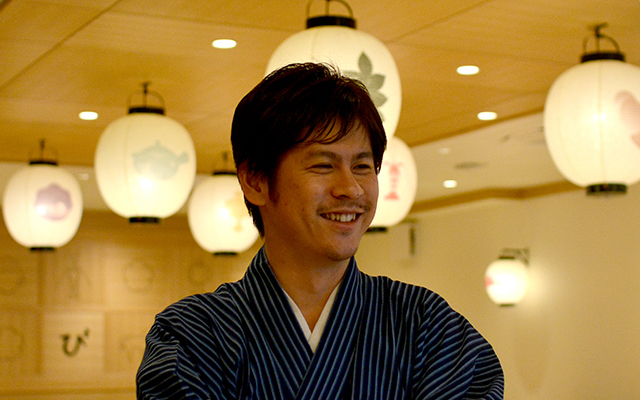
A restaurateur in one of Japan’s hardest hit tourism spots is leveraging technology to limit financial losses induced by the pandemic.
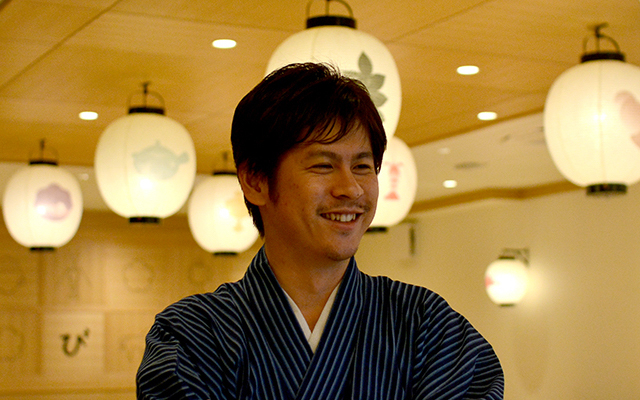
Haruki Odaijima is utilizing AI and other innovations to generate sales and diversify his business, Ebiya, located near popular tourist attraction Ise Grand Shrine in Mie Prefecture.
Odaijima’s AI system tracks foot traffic levels and demographics in the vicinity of his restaurant to assess customer visit rate, with 95 per cent accuracy.
Pre-Covid-19, the system had tripled Ebiya’s productivity, grew profits fivefold and reduced its food waste by more than 70 per cent.
In early April, it alerted him to the sharp drop in visitors to Ise Grand Shrine, prompting him to temporarily close Ebiya on April 7. Other local restaurants stayed open hoping for patrons, resulting in greater losses, until the government asked businesses to suspend operations on April 20.
Now, with lower footfall in the area, one of the system’s key benefits is assisting with targeted marketing.
“If the customer visit rate is low, we can change the signboard in front of the restaurant or give out promotional flyers (to attract the different demographics)”, said Odaijima. Examples include student discounts, which have increased student customers to 18.4 per cent, up from 4.6 per cent.
“We believe that we need to make decisions based on statistical data, instead of intuition and experience like in the past. By doing so, we can operate in the best way,” he said, adding that Ebiya used an abacus and handwritten accounts when he assumed ownership in 2012.
“By relying on data management, statistics and technology, we can take more time to improve our services and develop new products – work that only humans can do.”
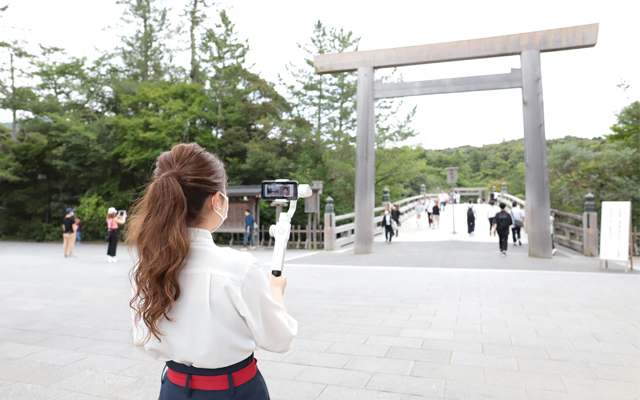
With visitor numbers unlikely to return to normal for some time, Odaijima has also introduced an online shopping experience and a virtual tour of Ise Grand Shrine, both delivered by staff via video conferencing.
He is also selling the concept to other businesses, like factories, so they can also offer online tours or demonstrations.
Emirates rolls out bespoke portal for travel trade partners
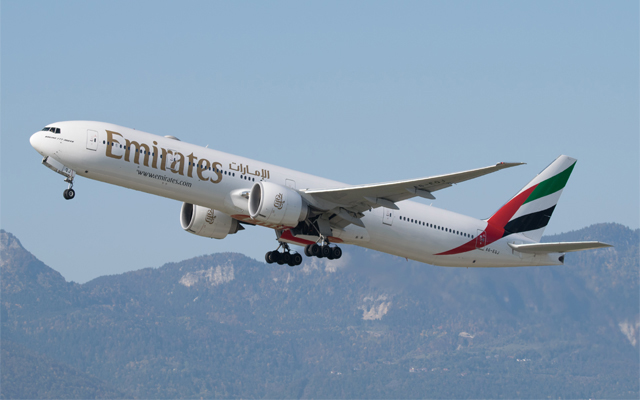
Emirates has launched a new online platform that will allow its travel trade partners around the world to have easy access to the airline’s full range of products.
Specifically tailored for each trade partner, the Emirates Partners Portal is a one-stop shop showcasing the carrier’s latest products, services and policies, while also providing technical support.
The portal also offers a range of functions including self-service tools and support, and in-built automation of business processes, all aimed at delivering efficiency for travel partners, as well as providing transparency and clarity on the status of transactions.
Emirates’ CCO, Adnan Kazim, said in a statement: “This is a bespoke platform which is unique in the industry, and it allows us to offer a truly personalised experience based on our partners’ profiles and needs. We invested in listening to our agents and partners, and then we built the Emirates Partner Portal to address their needs whether for information, training or technical support.”
The portal is designed “to offer unmatched flexibility and empower (Emirates’) travel partners so that they can confidently provide even better services to their customers, and help them to fly better with Emirates,” he said, adding that its launch comes at an especially critical moment in the industry, where the need for the most updated travel information is an essential business enabler.
Built on the latest technology, on NDC/IATA standards, the portal will provide access to Emirates’ rich content, alongside critical operational updates, 24 hours a day, seven days a week. The platform will be available in multiple languages. Registration and enrolment is quick and secure, and linked to each agent’s Emirates registered identification.








Qatar Airways has paid out over US$1.2 billion in refunds to almost 600,000 passengers since March, after the Covid-19 pandemic disrupted their travel plans.
This comes amid widespread complaints over airlines refusing refunds to passengers and travel agents over cancelled flights, after the global crisis forced carriers worldwide to ground fleets and suspend operations.
Having received “unprecedented numbers of refund requests”, Qatar Airways said that it has processed 96 per cent of all refund requests since March 2020. The airline is now processing all new refunds back to the original form of payment in less than 30 days.
Qatar Airways Group CEO Akbar Al Baker said: “The amount we have paid out in refunds has undoubtedly had an impact on our bottom line, but it is our duty to do the right thing by our customers and trade partners, and as an airline, we are strong enough to mitigate the impact of this.”
To manage the high volume of refund requests, which the airline said reached over 10,000 per day at the height of the crisis – Qatar Airways had to increase its automation capabilities, so customers could request their refund online, after which it can largely be processed automatically. The airline also automated travel voucher requests, so that passengers were able to receive a voucher within 72 hours of requesting it online.
The airline also redeployed employees from other departments, such as its cabin crew and ground services staff, to join the airline’s global network of customer contact centres to help manage the large volume of online requests and customer phone calls.
As well, the airline said that it has made the refund and rebooking process as easy as possible for its trade partners, continuing to use the industry standard global distribution system to pay out refunds.