
Asia/Singapore Saturday, 11th April 2026
Page 311

Luxury travellers desire the meaningful and memorable

0

Around the world the desire to travel is palpable. Research from McKinsey puts travel as the most desired activity by consumers right now, just behind eating out. And the prediction is that luxury travel will lead the way.

We see this manifest itself in markets that are normalising, such as China and the Maldives. A recent American Express poll of global travellers notes that 61 per cent plan to spend more than they usually would, while online trends show searches for “luxury hotels” are at their highest level since before 2006.

We see two key trends that will define the future of luxury travel experiences. These will require travel service providers to rethink and continually innovate offerings and capabilities.

Purposeful luxury is increasingly top of mind
The 2021 Global Affluent Tribe Study by Team One suggests that modern luxury should be understated, less formal, and more meaningful. The “global affluent” is seeking more rewarding and purposeful luxury experiences. Seventy per cent of respondents feel travelling sustainably enhances the leisure experience. The desire for meaningful vacations means luxury travellers are seeking to positively impact the people and communities they visit. To connect with the pursuit of purposeful experiences, Good Travel with Marriott Bonvoy was launched recently and provides guests the opportunity to connect with local communities to create a lasting positive impact and indelible memories.

Hyper-personalisation coupled with well-being continues to be a strong focus
The quest for luxury continues to drive hyper-personalised, curated, and intimate travel experiences. Seventy-one per cent of luxury travellers desire more personalisation and customisation. This is even stronger in Asia with China at 91 per cent and India at 92 per cent. With a “buy fewer, buy finer” mindset, luxury travellers are now prioritising values like privacy, well-being, and family. We predict wellness to be the new luxury, as our research shows that three out of four travellers intend to travel to enhance well-being and reconnect with the world. Expect a spike in longer stays, exploration of emerging domestic and regional destinations, and spiritual retreats.

We believe that the future of luxury travel will focus on empathy, warmth, highly personalised, anticipatory service and emotional connections. To continue to spark wanderlust, The Ritz-Carlton recently revealed its A Gift Like No Other campaign in Asia Pacific. Through this campaign, we encourage travellers to journey to less-travelled destinations, delight in friends’ and family celebrations, enjoy spiritual wellness or simply give back.

As we look to the future, the desire to travel and explore the world will be stronger than ever, and help us all rediscover what truly matters in life.
Royal Caribbean debuts 274-night world tour

0

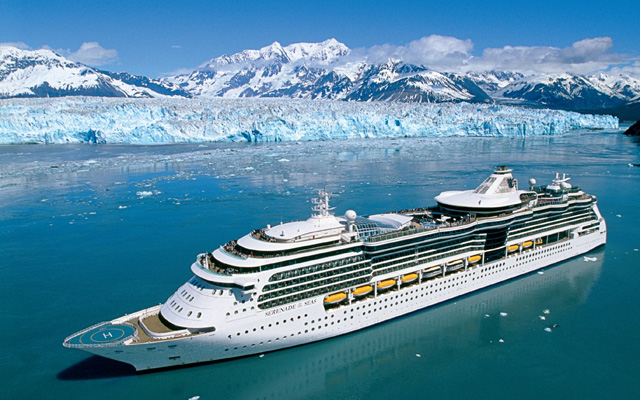
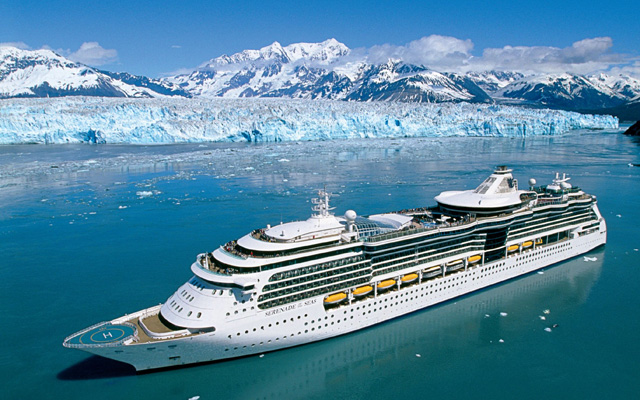
Adventurers seeking to travel far and wide can now set off on a world tour of their own, when Royal Caribbean International debuts the 274-night Ultimate World Cruise on the Serenade of the Seas.

The roundtrip from Miami on December 10, 2023 and through September 10, 2024, will visit all seven continents, more than 150 destinations in 65 countries, and place guests among 11 great wonders of the world including Peru’s Machu Picchu and India’s Taj Mahal.

Serenade of the Seas will take travellers on a world tour in 2023

Fifty-seven of the destinations are new to the cruise line and exclusive to the cruise itself. Highlights include Casablanca, Morocco; Qaqortoq, Greenland; and Shimizu, Japan.

Bookings for the full Ultimate World Cruise open on October 21, with an exclusive one-week window through October 26 for Royal Caribbean’s Crown & Anchor Society Diamond status members and above.

“This is the world cruise of world cruises,” said Michael Bayley, president and CEO, Royal Caribbean International.

“Now more than ever, people have resolved to travel the world and make up for lost time. Royal Caribbean is making that a reality with the ultimate vacation that welcomes those seeking adventure and exploration to taste, dance and dream with us around the world. To travellers asking themselves where they should go next, we say everywhere.”

Besides the complete Ultimate World Cruise, guests can also pick from four expeditions that will sail to the Americas, Asia-Pacific, the Mediterranean and Northern Europe.

Round the Horn: Americas and Antarctica Expedition, which sails from December 10, 2023 to February 11, 2024, calls at 36 destinations across three continents. Guests will celebrate New Year’s Eve in Rio de Janeiro.

Wonders of Asia and the Pacific Expedition, which sails from February 11 to May 9, 2024, takes guests through 40 destinations, with calls at French Polynesia’s Moorea and Tahiti, Indonesia’s Bali, Japan’s Osaka and Okinawa, and more.

Middle East Treasures and Marvels of the Med Expedition, which sails from May 9 to July 10, 2024, kicks off in Dubai and covers 43 other destinations including Egypt, Turkey, Italy, Croatia and France.

Capitals of Culture, from July 10 to September 10, 2024, is the final leg of the Ultimate World Cruise. It promises an immersive, cultural experience that begins in the Mediterranean and takes guests through Barcelona, Morocco, St. Petersburg in Russia, Norway, Iceland and more.

From start to end, guests on the full Ultimate World Cruise can expect a world-class travel experience that includes business class airfare, premium transportation as well as an evening of festivities and accommodations at a five-star hotel before setting sail. Crown & Anchor Society Platinum status members and above will receive a bonus Seven New World Wonders shore excursion package in addition to other perks, including a Deluxe Beverage package, VOOM Wi-Fi, laundry service and more.

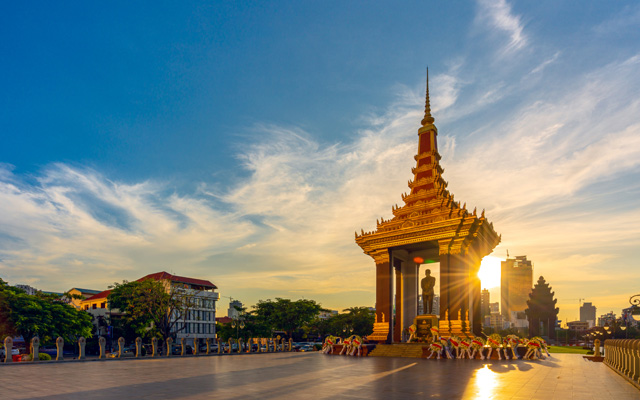
New mandatory seven-day quarantine trips up Cambodia’s tourism recovery potential

0

Australian tourism stakeholders demand clear date for international reopening

0

New South Wales’ (NSW) decision on October 15 to lift quarantine requirements for overseas arrivals from November has made clear Australia’s imminent full opening of international borders, however the country’s export tourism industry is still short of a clear date for the reopening.

The Australian Tourism Export Council (ATEC) has urged the federal government to provide a date and framework for reopening that tourism businesses across the country can use to plan, rebuild distribution partnerships, lock in bookings for 2022, and “help breathe life back into our A$45 billion (US$33.7 billion) industry sector which was crippled by the pandemic”, said ATEC managing director Peter Shelley in a press statement.

Shelley: Australia cannot miss critical booking windows and lose out to other competing destinations

ATEC noted that the country’s export tourism industry has suffered 18 months of no revenue.

“Since the announcement by the NSW government last Friday, our members have been fielding enquiries from intending travellers looking to book an Australian holiday or visit their family, but they still can’t make these bookings with any certainty,” said Shelley.

“We simply can’t afford to continue to keep our borders closed to high spending international travellers and miss critical ‘booking windows’ as these people simply will choose to holiday in other competing destinations, putting Australia at the bottom of their bucket list,” he added.

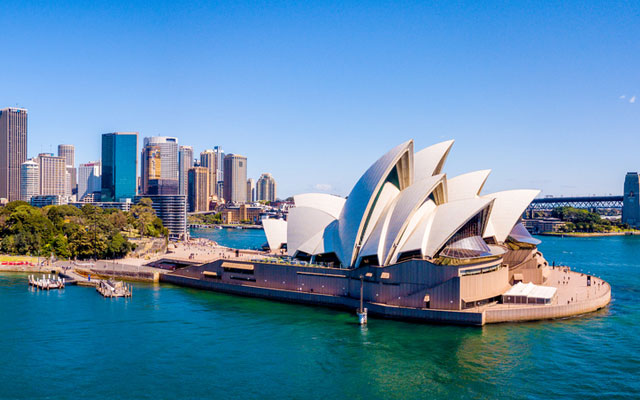
New South Wales will lift quarantine requirements for overseas arrivals from November; capital Sydney pictured

Booking season for the northern hemisphere is fast approaching, with travellers from the US, Europe and the UK looking to escape winter by heading to warmer destinations.

“If we miss this booking window, it will not surface again for another 12 months,” Shelley warned.

He reflected that Australia’s tourism players have a “hard road ahead” to rebuild connections with international markets and reestablish the destination’s presence. A certain “date for the reopening of our international border is therefore both urgent and critical”, he emphasised.

“Now is the time to provide clarity about Australia’s reopening to the world, and offer certainty to our industry, providing a much-needed opportunity for our financially fragile and work-depleted industry to commence the long road to rebuilding what was once Australians second largest export industry,” he said.

Uniplan promotes Judd Christie to MD

0

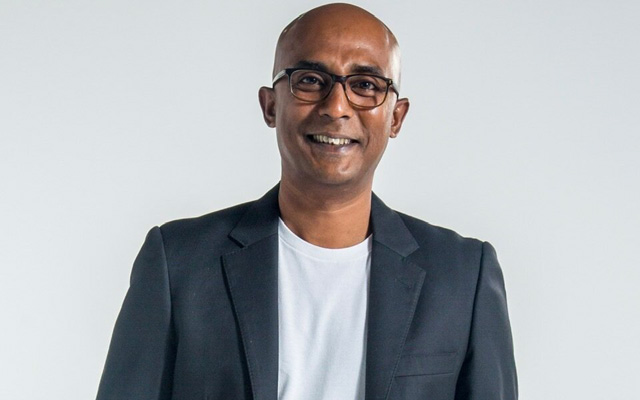
Uniplan has promoted Judd Christie to managing director, Hong Kong with immediate effect.

In his new role, Christie will lead the growth and development of Uniplan Hong Kong office and continue pushing forward the agency’s transformation process from a live communication to a full-service brand experience agency. He will be reporting directly to Geraldine Chew, CEO, Greater China.

The creative professional possesses over 20 years of experience working across the Asia Pacific region. Since he joined Uniplan in 2018, Judd has achieved great results in leading the team to create unique brand experiences for diversified clients.

With Christie in this new role, the company is currently in the recruitment phase for a new lead for the creative team in Hong Kong.

AirAsia takes on new name for business clarity

0

As AirAsia’s rapid transformation from an airline into a digital travel and lifestyle services group continues to gain strong momentum, the holding company for the airline group has been officially renamed AirAsia Aviation.

Bo Lingam, formerly president (airlines) for AirAsia Group, takes over as group CEO of AirAsia Aviation, overseeing the four airlines – AirAsia Malaysia, AirAsia Philippines, AirAsia Thailand and AirAsia Indonesia.

Lingam: new entity paves the way for new airline ventures to be formed in due course

AirAsia Aviation is part of the portfolio held by AirAsia Group Berhad (AAGB), the investment holding company, joining other companies – the airasia Super App, cargo and logistics venture Teleport, BigPay financial services, the edutech arm AirAsia Academy, engineering company Asia Digital Engineering, ground services division GTR, and the restaurant chain and food group called Santan.

Commenting on the move, Lingam said: “This structural change helps facilitate strong projected growth in both airline and non-airline portfolio businesses.

“The AirAsia Aviation entity holds our existing airline investments and paves the way for new airline ventures to be formed in due course. We have also established a new AirAsia Consulting division tasked at reviewing new airline partnerships and franchise opportunities.

“By creating this airline holding company we can focus on continuing to be the world’s best low cost airline. We have spent the past 18 months reviewing every aspect of the operation to ensure that our airlines will return stronger than ever before. The world is finally opening up and we foresee a V-shaped rebound in air travel in the near future.”

Lingam shared observations of “huge pent up demand for air travel” in Malaysia as interstate travel resumed on October 11.

“We are operating over 60 daily flights to 16 key leisure destinations, and more frequencies and routes will continue to be added in response to significant consumer demand,” he said.

Services in Thailand, Indonesia and the Philippines are also resuming in line with accelerated vaccination rates and the easing of travel restrictions in our key markets.

“We look forward to the opening of international borders as the next key milestone. We will continue to review new markets to operate from in the future, like Cambodia for example, when we can connect (South-east Asia) once again with the best value fares and lifestyle offerings,” said Lingam.

Strong travel intentions across nine key markets

0

A survey of 9,074 consumers across France, Germany, India, Spain, Russia, Singapore, the UAE, the UK, and the US shows the appetite to travel is high.

At the same time, it reveals that greater clarity on restrictions and guidelines will be key to unlocking increased traveller confidence. Over a third (35%) of travellers said the current international guidelines around where and how to travel are confusing, making them less likely to book business and/or leisure travel. In Asia-Pacific, 37% of travellers in India and 40% of those in Singapore shared the same sentiment.

Travellers are willing to share personal health data, and welcome technologies that will bring travel convenience

At the same time, travellers are exhibiting increased openness to embrace technology and a willingness to share health data so they can start traveling again.

When asked about the receptiveness to share personal health data, the survey results show:

  • 93% of travellers globally would be willing to provide personal data for the effective use of digital health passports or certificates, a slight increase from 91% in February 2021. In both India and Singapore, the figure was slightly higher than the global average at 95%.
  • Almost half (48%) of business travellers worldwide would be willing to provide their health data to visit a conference or event, compared to 53% in India and 54% in Singapore. Meanwhile, 36% of leisure travellers would be willing to share such information for an excursion or activity at destination, versus 35% and 38% of Indian and Singaporean leisure travellers respectively.

When asked which technology would increase confidence to travel in the next 12 months, mobile solutions continue to be the most popular, with the top technologies including:

  • Mobile applications that provide on-trip notifications and alerts (44%) (India: 55%; Singapore: 45%)
  • Self-service check-in (41%) (India: 49%; Singapore: 53%)
  • Contactless mobile payments (e.g., Apple or Google Pay, Paypal, Venmo) (41%) (India: 47%; Singapore: 47%)
  • Automated and flexible cancellation policies (40%) (India: 42%; Singapore: 45%)

A majority 97% of travellers say that technology will increase their confidence to travel, up from 91% in February 2021 and 84% in September 2020, showing a growing sense of confidence in technology.

When considering the future of travel and sustainability, the survey highlighted what solutions travellers believe might help the industry to become more sustainable long-term. The results showed:

  • Nearly half (46%) of travellers said greater availability of green modes of transport, e.g., electric planes or trains. The figures in India (51%) and Singapore (53%) were slightly higher.
  • A similar percentage (44%) believe making sustainable travel more cost effective would be beneficial. Exactly half (50%) of the respondents in Singapore, and 49% in India, felt this way.
  • 41% say transparency around travel companies’ sustainability policies would help. Here, too, the numbers were higher for Asia-Pacific travellers, with 54% in India and 50% in Singapore rating this a priority.

Although receptiveness to travel in the next year is high, the travel industry needs to consider how to respond to changing traveller concerns as the travel environment continues to adapt. The three main concerns travellers have are:

  • Fears of catching Covid-19 while traveling (41%) (India: 54%; Singapore: 54%)
  • Self-isolation or quarantine before and after travel (41%) (India: 42%; Singapore: 44%)
  • Changing restrictions resulting in last minute cancellations (37%) (India: 29%; Singapore: 41%)

In comparison to the previous studies, fears of catching the virus maintain a top concern for travelers, alongside self-isolation, or quarantine.

Jonathan Tong, vice president, Airline Solutions & IT Sales, Asia Pacific, Amadeus, said: “As countries in Asia-Pacific achieve higher vaccination rates, they are beginning to reopen their borders and restart international travel. However, it’s becoming increasingly clear that for international travel to restart in a meaningful way, technology will need to play a central role.

“For example, biometric and contactless solutions can help reduce transmission of the virus, while digital health passes will help create a more frictionless and stress-free experience for travelers. Amadeus continues to advocate for closer collaboration between stakeholders across the industry including, airlines, hotels, technology providers and governments, to expedite the industry’s recovery.”

Ovolo appoints two new GMs in Australia

0

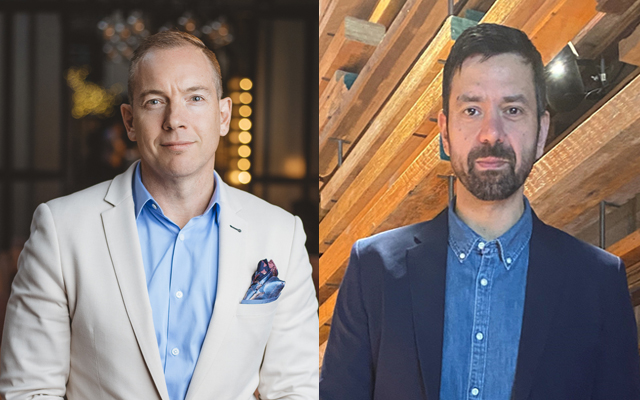
Ovolo Hotels has appointed two new general managers for its two Australian properties, Ovolo Woolloomooloo and Ovolo Nishi.

Ovolo Woolloomooloo bridges heritage and modern luxury, allowing guests to indulge in the rich history of the Woolloomooloo wharf complemented by contemporary designs and tech-savvy inclusions.

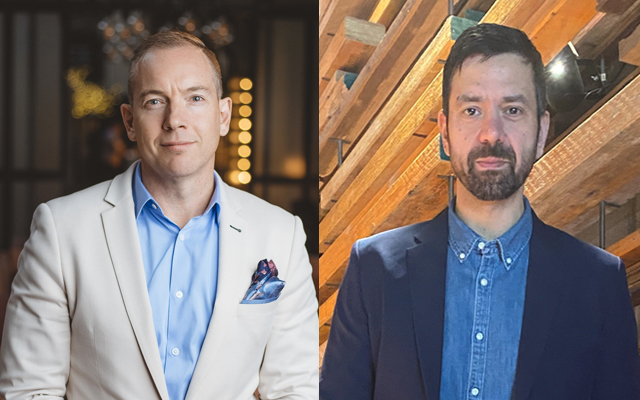
From left: Kieron Hunt; Gabriel Polias

Kieron Hunt has been appointed the general manager of Ovolo Woolloomooloo. Over two decades, Hunt has worked in locations around the world such as London, Dubai, China, and Japan, for hospitality brands such as The Murray, Peninsula Hotels, InterContinental Hotels, Hilton Hotels and Chelsea Football Club.

Down south in Ovolo Nishi, Gabriel Polias joins the property as general manager. His prevoiusly held positions such as hotel manager at luxury brands like the Sofitel, as well as director of operations at the Marriott.

Khiri Travel crafts new ecotourism experiences in Sri Lanka

0

Khiri Travel Sri Lanka has created four ecotourism tours in the country for visitors interested in respecting nature, going local and giving back.

From Mirissa on the southern tip of Sri Lanka, guests can sail in a catamaran with a marine biologist to spot blue whales and dolphins. The trip includes swimming, stand-up paddling, and a seafood lunch on board.

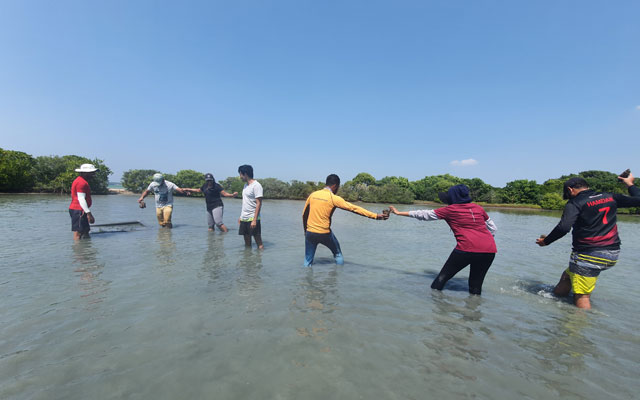
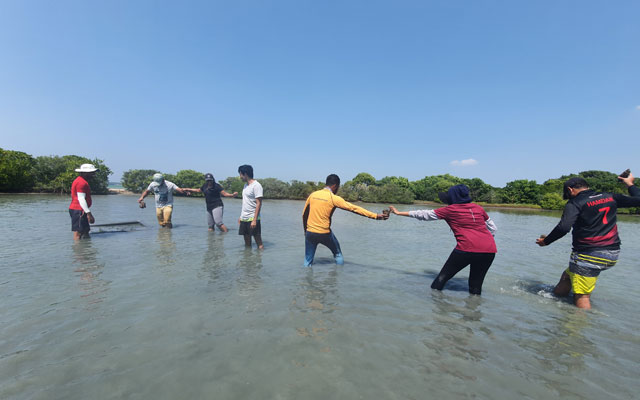
Guests can volunteer in a seagrass restoration project in Sri Lanka with Khiri Travel’s new ecotourism offering

In the Cultural Triangle of Sri Lanka, the Trails of Matale trip lets guests talk to villagers and hike through pepper, cinnamon and coffee plantations before savouring a banana leaf lunch.

In the Kandy hill country, Khiri has created an educational tour of herb gardens in the forest to show how spices such as cinnamon are cultivated. The trip includes a mug of locally grown “wild coffee”, a forest curry lunch and a donation to a reforestation foundation.

Guests can also help with a seagrass restoration project in the Puttalam/Kalpitiya area in the north-west of the country. The experience involves getting muddy and wet in a lagoon planting seagrass, which is an important breeding ground for sea life; followed by a Sri Lankan meal.

Khiri has since January 2021 been offsetting guests’ holiday carbon emissions by charging US$1.50 per person per day. The process is being carried out in cooperation with ClimateCare which helps companies such as Khiri Travel with the technical fulfilment of carbon offsetting.

Since October 7, fully vaccinated tourists can enter Sri Lanka without quarantine, and they only need to present a negative Covid-19 PCR test result taken within 72 hours of embarkation for Colombo.

Switzerland Tourism, Kuoni Tumlare go big on small group tours via train

0

With small group travel poised to gain traction post-pandemic, Switzerland Tourism, Kuoni Tumlare and Swiss Travel Systems have joined hands to launch a joint campaign promoting mini group tours via train in Switzerland among South-east Asian markets.

Two years in the making, the initiative promotes guided tours using only public transport options such as trains, ships and buses.

Tripartite partnership between Switzerland Tourism, Kuoni Tumlare and Swiss Travel Systems taps on trend for small group travel post-Covid

Reto Kaufmann, vice president – sales & operations South-east & South Asia, Kuoni Tumlare, shared that this new product rollout is “timely” as it taps into the post-pandemic preference for travelling in small groups to limit potential risk exposure.

“The underlying concept is to offer visitors to Switzerland a more sustainable way to explore Switzerland using the Swiss public transportation network,” he said, adding that the exclusive itineraries offer “a value-for-money proposition” for certain travellers.

The mini group tours leverage the Swiss Travel Pass which offers unlimited journeys by train, bus and boat for consecutive days; and includes free travel for children up to 16 years and reduced cost for young adults.

“The need for more private and tailor-made travel coupled with an increasing desire to reduce one’s impact on the environment were the triggers for this project,” said Batiste Pilet, director South-east Asia of Switzerland Tourism.

“With the progressive recovery of the industry, the whole supply chain needs to reboot, and for us, as an NTO, it is a great opportunity to exploit new trends and rebuild better the industry, with a stronger focus on the customer experience and towards more sustainability.”

Reto added: “As a matter of fact, we have received first requests for incentive groups that aim for a more sustainable way of travel with the goal to reduce their carbon footprint while in Switzerland.”

While the ideal group sizes for these small guided tours are two to nine persons, larger groups can also be accommodated, Reto said. He pointed out that as reservations can be made on most of the trains and lake cruises, travellers need not worry even when travelling in a larger group.

Switzerland Tourism and Kuoni Tumlare are working with travel agencies in the region to promote exclusive itineraries for these mini group tours by co-financing the marketing efforts.

Said Batiste: “In the early stage of the recovery, we wanted to support our key agents to regain visibility in their market and reconnect with their customers. After the (travel) disruption, we believe that this will speed up the recovery of their sales channels.”

Moreover, by partnering with Swiss Travel Systems, the initiative offers clients door-to-door baggage handling services, with two options available. Travellers can have their luggage transported from their departing country direct to their first overnight hotel and subsequently for every hotel booked in the programme, or hand over their baggage at the arriving airport in Switzerland to be sent to their first overnight hotel and to the rest of the hotels based on their itinerary.

Batiste believes that the demand for this mode of travel spans across the different markets in South-east Asia.

“The product itself is customisable to accommodate the clients’ preferences; however, the trends towards smaller groups and sustainability are global and should find resonance in every market in the region,” he said, adding that by working with agents, they can better meet each market’s specificities.

Reto said they have seen a gradual take-up of bookings right after the product’s soft launch in all South-east Asian markets as well as in India, and expects demand to further grow towards the year-end holiday season as travel restrictions ease across Asia.

He added that given Switzerland’s reputation as “an extremely reliable and safe destination”, they are projecting an “over-proportional buy in” into these packages.