New Zealand’s tourism industry is putting on a brave face amid the pandemic, working to have the country’s borders open soon to revive its number one trade export.
Tourism bodies have been lobbying the government for international borders to reopen sooner than the current working timeline of end April 2022 with a seven-day isolation requirement, especially after Australia opened her borders at the end of 2021. However, there are no signs at press time of a change in policy direction.
Queenstown, New Zealand
The impact of closed borders has been far-reaching. Prior to the pandemic, the industry generated NZ$40.9 billion (US$27.6 billion) and employed one in eight people. In tourism regions like Queenstown, 50 per cent of residents depend on tourism for their livelihoods.
On a positive note, industry advocates say the downtime is being used to re-imagine the meaning of tourism and its contribution to the country through a Tourism Industry Transformation Plan, which is part of a NZ$200 million support package for the sector. The move reflects a push by New Zealand’s government for the industry to be more environmentally regenerative and to give back to its communities in cultural contributions.
Simply put, the plan “has a dual focus on ensuring the tourism workforce is fit for purpose as well as ensuring that tourism’s impact on the environment is sustainable,” said Gregg Wafelbakker, Tourism New Zealand’s general manager international markets.
This is expected to enhance the visitor experience when borders finally reopen.
“(Visitors) will probably see a greater focus on environmental values and cultural values coming through, and (experiences) telling more of that inclusive New Zealand story rather than just the activity itself,” Paul Abbott, CEO of Destination Queenstown told TTG Asia.
“It’s always been there to a degree but this would be refining and amplifying (those values). This is the fundamental thing we are working on at the moment,” he said.
Queenstown, which has an over 90 per cent fully vaccinated population, has also shifted from seasonal to segment-focused marketing.
“Previously, in winter, we promoted the ski market and in summer, the biking, golf or the leisure market,” said Abbott. “Now we’re getting a bit more scientific in terms of the segments that we’re keen on, so we have done a biking market development plan that looks at the biking market across the downhill, adventure, trails and recreation segments, and are selling it as a year-round product to those people.”
“Likewise, skiing will be more focused on two key segments based on passion points. These would be winter lovers and ski enthusiasts that better encapsulate the market rather than families, singles and couples.”
Further south, the city of Christchurch has been going through its own evolution, emerging as a restored and improved version of itself post its devastating earthquake more than a decade ago.
The city centre has been rebuilt around the river and now thrives with hospitality venues in its vicinity. Key urban regeneration projects have been completed with brand new retail, arts and entertainment precincts.
“The city has really changed gear in recent years and has become quite funky,” commented David Simmons, emeritus professor of tourism at Lincoln University.
“The natural attributes of the river are beautifully positioned to the sun and the area has vibrancy with a whole range of shopping and eateries in a very attractive setting. After the earthquake, we have a better designed city which is much more pedestrian-friendly. A big sports stadium for the Crusaders Rugby Team is also being finished so there’s a change in the city and a change in the attitudes of the locals,” he added.
In Queenstown, tourism operators are raring for tourism to return, having been re-energised from hosting a number of familiarisation programmes with other regional tourism organisations.
“We’re over this downtime,” asserted Abbott. “You’ll see a high level of excitement from our people here to deliver a first-class experience. They will just be over the moon in terms of being able to expose people to the wonderful environment and activities we have, and they are seriously hanging out to have fresh faces here that they can tell the story to.”
While waiting for international borders to reopen, New Zealand will be counting on its domestic tourists to sustain the industry. But Simmons reckon that is a good thing.
“Our tourism has always been so focused on international travel that very few people knew anything near enough about the domestic market or how to leverage or add value to it… But some destinations have really worked on their storytelling and narratives, and the bringing forward of history, and are achieving better results than they did in 2019,” he noted.
But Tourism New Zealand is not resting on its laurels, knowing fresh challenges await once their wish for a change in border policy comes true.
“If we thought it was competitive before, it’s fair to say we now face our biggest battle – to remain desirable as borders start to reopen and every country competes for people who are keen to travel post-Covid,” said Wafelbakker.
“A significant focus area (in our strategy) has been upweighting brand dream activity in priority markets including in Asia,” he added.
Domestic cruises have resumed in a safe and calibrated manner in some parts of Asia like Singapore, Hong Kong and Taiwan, following the pandemic fallout. However, international cruising is still off the table in the region. How is CLIA working with governments to address new challenges relating to Covid-19 and facilitate a responsible return to international cruising in Asia, and when do you foresee that happening?
Asian markets like these have not only been pioneers in establishing their own cruise revival, but they have also provided enormous insight that is helping our industry to progress resumption in other countries. Our industry is closely engaged with governments and health authorities in many locations to help implement the health measures that will make further resumptions possible.
It’s difficult to predict exactly when developments like international sailings might return to Asia, but there are already positive signs like the recent announcement that Singapore and Malaysia will collaborate on cruise operations between the two countries. This is the sort of phased, regional approach to resumption that we have seen as a precursor to entire markets opening.
What is your main focus for 2022?
To date, cruising has resumed in more than 80 countries worldwide and around 72 per cent of the global CLIA cruise line ocean-going fleet is now back in operation, with stringent new health measures in place.
Our focus in 2022 will be on extending this revival into other countries and regions, while at the same time, remaining responsive to the latest developments in the pandemic and the most current medical insights. Health and safety will remain our primary objective.
At the same time, we will also work to address other challenges and responsibilities in areas like environmental sustainability and destination stewardship. Once again, our partnerships with governments, destinations and other stakeholders will be key to our success in these areas.
What are your predictions for the future of the cruise industry, both globally as well as in Asia?
Almost 30 million people sailed on ocean cruises globally in 2019. We have some work ahead to return to these sorts of numbers, but I think we have the ability to achieve this sooner than many people realise. Our capacity projections already suggest a return to pre-pandemic levels in a relatively short time.
We are a resilient and responsive industry, and we have proven that we are a highly responsible industry when it comes to upholding the health and safety of our guests.
We also have an extraordinarily large and passionate following of cruise fans who are keen to sail whenever they have the opportunity.
Given the growth we have seen in Asia in the years before the pandemic – and the sizeable markets that still hold great potential – I think we have excellent long-term prospects in this region.
Several cruise lines have noted that the cruise rebound has been driven by not just experienced cruisers, but also first-timers. Is this a trend that you see continuing into 2022, and what more can be done by the industry and travel agents to tap into this segment of consumers?
Restrictions and difficulties around other forms of travel have created a great opportunity to attract new-to-cruise guests, and there’s certainly a lot of anecdotal evidence to suggest this has been very successful in markets like Singapore. We may indeed see this continue in 2022, not only locally but in other markets around the world.
As international travel has become more complex and difficult, there is an excellent opportunity to highlight the ease and care that guests experience aboard a cruise. From room service and daily housekeeping to the highest levels of Covid-19 mitigations, including state-of-the-art medical facilities on board, cruising is the best way to see the world.
What positive changes has the pandemic brought about for the cruise industry that you foresee will prevail in the long run?
Without doubt, the past two years have created an extraordinary resilience and spirit of collaboration that runs through all areas of our industry – from the cruise lines to travel agents, ground operators, ports, destinations, suppliers and many other stakeholders in the cruise economy. This unity and ability to rally around common goals will be our strength in the future.
The pandemic is still hampering normal business events, but Tokyo is stepping up to meet changing needs and offer innovative and sustainable solutions.
For the past two years, event organisers and hosts have been embracing new operations while continuing to implement rigorous protocols to prevent the spread of Covid-19. Approaches taken include using technology to bring people together more easily and efficiently while keeping them safe.
Tokyo Portcity Takeshiba is an event venue that supports biodiversity in its buildings
“Tokyo has been focusing on promoting Smart City initiatives, and technology such as robots and AI are becoming standard,” said Kana Nomoto, director of sales at Business Events Tokyo, Tokyo Convention & Visitors Bureau (TCVB).
“Avatar robots, in which meeting participants can log in from their computers and communicate with colleagues onsite, is one way to enhance the delegate experience. The robots make face-to-face networking a lot easier for both online and onsite delegates.”
Telepresence avatar robots made by Japan-based firm iPresence were used during the 9th Union of International Associations’ (UIA) Round Table Asia-Pacific, which was held in hybrid format in October 2021, with TCVB as the local host partner.
The robots allowed participants to move around during coffee breaks and interact with in-person attendees.
Chris Christophers, founder and CEO of iPresence, said this technology offered a “more complete interactivity to remote participants, creating truly hybrid experiences”.
Tokyo-based event facility and organiser Happo-en has also devised ways to improve hybrid events.
In November 2021, the company launched an online event platform called We Room, to enhance communication among digital and in-person attendees. The platform places up to 16 pax on “tables” where they can watch a livestream of the event and communicate with each other at the same time. Digital attendees can move freely among the “tables” to talk and meet others, just as they would do at an in-person event.
Rosa Aldridge, brand communication and design manager at Happo-en, says the platform aims to combine the “real” and “online” worlds and is “a way to provide a new level of flexibility and freedom for event organisers and participants”.
The company has also adopted the use of Servi, a non-contact hospitality system to serve guests food. QR codes on the items presented by the robots contain the names of the dishes and their ingredients. Launched in April 2021, these two new initiatives are part of Happo-en’s Future of Communications Project.
Aldridge explained: “The role of the hospitality industry as business event organisers goes beyond just facilitating gatherings and providing cuisine. We must actively contribute to the building of new relationships, the creation of business opportunities and the fostering of corporate – as well as organisational engagement – through people-to-people interaction.”
With safety still top of mind for the industry, Japan’s technology firms are stepping up too.
In November 2021, Panasonic launched its latest anti-infection technology for use at the entrances and exits of venues. Named Anshin Gate, it measures the participant’s temperature and sanitises their hands and feet simultaneously. A related system tracks the movement and number of participants in the space to predict congestion levels so as to reduce the chances of lines or crowds forming.
Beyond improving in-person and hybrid events, Tokyo’s business events industry is preparing for the future of green events.
Following the 2019 release of Sustainability Guidelines for Business Events in Tokyo, TCVB’s Business Events Tokyo team launched the Sustainability Experience in Tokyo in 2021. The programme offers ideas for international conference organisers that are keen on engaging their delegates in nature, food, crafts and physical activities.
“We are confident that these (sustainability experiences) will make the guests’ stay in Tokyo most satisfying and meaningful,” said Nomoto. “We also hope meeting organisers will make good use of these programmes that aim to contribute to the achievement of UN Sustainable Development Goals while offering the opportunity to experience unique activities and be immersed in the traditional culture of Tokyo.”
The guidelines and experiences are part of TCVB’s wider efforts to “raise awareness of the importance of sustainability in the business events industry”, she elaborated.
Firms are heeding the advice. Tokyo’s newest destination marketing organisation, DMO Shiba, Tokyo Bay, is among those with a green mission. Launched in autumn 2021 and covering the areas of Hamamatsucho, Takeshiba and Shibaura, the DMO supports members that have a high level of interest in the environment.
For instance, event facility Tokyo Portcity Takeshiba supports biodiversity in its buildings using onsite rice paddies, vegetable patches, and a beehive. Its Port Hall and Port Studio offer a CO2 Zero MICE Initiative for organisers to replace the electricity used for their event with renewable energy.
Meanwhile, DMO member Waters Takeshiba is restoring the tidal flats along Tokyo Bay where it offers experiences and tours, so visitors can better understand and appreciate the valuable ecosystem there.
Hotel X Brisbane Fortitude Valley, Australia
Hotel X Brisbane Fortitude Valley has opened as the world’s first hotel in IHG Hotels & Resorts’ Vignette Collection. Located in the heart of Fortitude Valley in Brisbane, Hotel X boasts 146 rooms and suites, a rooftop swimming pool, and three meeting spaces, including an open terrace overlooking Brunswick Street. F&B venues include Iris, a Mediterranean rooftop bar and restaurant; and Bisou Bisou, a bistro dishing up French delicacies.
Avani+ Koh Lanta Krabi Resort, Thailand
Avani+ Koh Lanta Resort debuts 92 guestrooms, suites and private pool villas nestled on a private peninsula overlooking the Andaman Sea. The resort redesign is led by a Thai-based PIA design studio that drew inspiration from the heritage of Sriraya or the Lanta Old Town. The all-new Avani Room offers three categories of a pool view, pool access or sea view that has been redesigned with an in-room pantry; while the private pool villas offer a blend of reimagined Thai style living spaces with modern amenities. Elsewhere, the Grand Ocean Residence features a private garden area, living room, as well as dining and kitchen facilities.
The resort presents three dining and drinking spots. Pantry by Avani serves freshly brewed coffee and pastries within café-style indoor settings that open up into an outdoor garden. The main poolside restaurant, The Cliff, provides a range of fresh catch sourced from the local fishing villages, while the Reggae Bar showcases views of the Andaman Ocean. Other amenities include a spa, and gym offering a boot-camp programme.
Oakwood Hotel & Apartments Azabu Tokyo, Japan
The opening of Oakwood Hotel & Apartments Azabu Tokyo represents the brand’s 13th property in Japan. Each of the 171 apartments, ranging from studio to three-bedroom configurations, features a private balcony and fully-equipped kitchen. Anchored in Tokyo’s Azabu-Juban embassy district, the hotel is situated near to cafes, restaurants and bars, boutiques, as well as a famous traditional shopping street lined with ancient architecture and shops. A 15-minute stroll or two-minute train ride will also bring guests to Roppongi, Japan’s epicentre for nightlife and the arts.
With the pandemic heightening demand for tech-driven guest experiences, the hospitality industry has been forced to accelerate digital adoption to drive recovery. From smart room keys to AI-powered chatbot services, investments made by hoteliers into building an automated ecosystem will go a long way to future-proofing businesses.
Hotels in Japan, for instance, have been leveraging local start-up Kotozna’s tech solutions to boost their operational efficiency and enhance customer experience.
Goto: Multilingual solutions will help hotels to increase revenue from overseas travellers
The company’s SaaS solutions, Kotozna Live Chat and Kotozna In-room, are live chat and digital in-room services equipped with high-level multilingual translation features, enabling hotels to deliver high-touch customer service to their guests.
The former is a live chat widget that can be embedded in the hotel’s website, allowing visitors to start a live chat with customer assistance ahead of their trip or before making a purchasing decision.
The latter, which functions as a digital in-room concierge in the form of a QR code found in the guest’s hotel room, helps gather in-room requests in a timely and systematic fashion.
Language barriers are removed as chats are automatically translated at an accuracy rate of 80-90 per cent, higher than those of mainstream translation engines, according to Genri Goto, founder and CEO of Kotozna, Inc.
Such real-time multilingual solutions will play a more vital role in supporting hotels in the recovery phase as there will be a rise in the number of travellers from non-English speaking countries, projected Goto.
“After Covid-19, we are optimistic that international travel will come back, and travel figures may potentially transcend pre-pandemic levels. More non-English speakers will travel the world. Language barriers should be eliminated in the hospitality sector to increase revenues from overseas travellers,” he said.
Goto also highlighted how the solutions will help hotels cope with the manpower crunch. “During the pandemic, hotels were forced to cut a sizeable proportion of their staff, and rehiring will not be an easy task,” he said. “Hence, there is a need for hotels to adopt solutions such as ours, which enables hotels to have smooth and mostly automated operations despite having fewer staff on the ground.”
More than 200 hotels in Japan are currently using Kotozna In-room, which helps hotels to save costs as “they no longer need to hire multilingual staff” and also to shorten queues in their lobbies, thus reducing waiting times for guests, said Goto.
After establishing a foothold in Japan, the Tokyo-headquartered company is making advances this year into the South-east Asian market using Singapore as a gateway. Next, it is targeting hotels in Hawaii and Los Angeles.
As part of its regional expansion plan, Kotozna recently joined the fourth cohort of the Singapore Tourism Accelerator (STA) programme, an initiative by the Singapore Tourism Board to support tech companies to develop industry solutions that drive innovation in the tourism sector.
Under the programme, Kotozna partnered with Marina Bay Sands (MBS) to pilot a multilingual live chat product.
The companies are currently in the pilot phase of that initiative, due to complete by the end of March. Presently, Kotozna’s multilingual live chat widget is on the Japanese site pages of MBS, ready to receive enquiries from Japanese guests.
“MBS was impressed with our translation accuracy, and this was the main reason that they decided to do a pilot with us,” shared Goto.
Speaking of his company’s involvement in the STA programme, Goto said: “As a start-up that aspires to expand our business beyond Japan, Singapore is a strategic and conducive place for it.
“Conducting a pilot in Singapore with the support of the Singapore Tourism Board allows us to design and test our solution based on actual market needs and conditions. The programme has also given us valuable connections in Singapore’s tourism and business landscape.”
Accor has promoted Sarah Derry to the role of CEO Accor Pacific, effective February 1, 2022, taking over from Simon McGrath.
As CEO Accor Pacific, Sarah will continue Accor’s growth trajectory in the Pacific, build Accor’s brands, its loyalty network and bring together talent in the region.
Derry is currently senior vice president talent and culture, and joined Accor in 2017 after having owned and operated her own business for over 10 years. She has close to 30 years of hospitality experience, working for international hotel companies in a number of areas such as operations, talent and culture, business, strategy, and development.
Flight Centre Travel Group (FLT), the parent company of FCM Travel has appointed Michelle Degenhardt as its global sustainability officer.
She is based in FLT’s global head office in Brisbane, Australia.
In the newly-created role, Degenhardt will work closely with teams from FLT and its corporate brands across all levels to help ensure the company’s business practices are economically, environmentally and socially sustainable.
Her job scope includes collaborating with FLT and its subsidiaries’ various stakeholders including senior leadership team, employees, leisure and corporate customers, suppliers and partners to further develop and oversee the execution of strategies to deliver on the organisation’s environmental, social and governance objectives.
Degenhardt has worked for FLT for 17 years and was formerly the company’s culture and employee engagement leader, a role that included oversight of the Flight Centre Foundation in Australia. During her career with FLT, she has been involved in a number of sustainability-related issues and areas, including the development of the company’s Responsible Travel charter and the creation of a head office recycling and waste reduction programme.
Content push
Australia’s international borders have only just started to reopen in stages but its tourism body has been hard at work during the pandemic, with initiatives that inspire continued holiday dreams in the country.
Tourism Australia launched an immersive virtual travel activation called Live From Aus in May 2020, which saw some of Australia’s best tourism offerings streamed in real time to millions around the world, featuring Australian personalities, advocates and tourism operators.
The 48-hour event showcased something new every hour for an entire weekend while most of the world was locked down, far exceeding their initial exposure target across various channels to reach 34 million online views from 40 countries and multiplied tenfold the immediate number of searches for Australian holiday experiences on booking.com.
Tourism Australia next ran an Australia in 8D content initiative in October 2020 as an online series on YouTube, Instagram and Facebook. The videos blended footage of Australian landscapes and moments using innovative 8D audio technology to create a 360-degree dreamlike soundscape of the country.
According to Tourism Australia, the campaign was watched by 74 millions viewers across Australia’s key markets including China, Singapore, Indonesia, the UK and the US.
In March 2021, Tourism Australia announced yet another content creation initiative, this time supporting tourism businesses directly through a programme to help them stand out more in online search results by assisting with improved market collateral for their attractions, including video.
More than 50 operators have been featured so far in the National Experience Content Initiative, a plan that aims to provide new visual assets for up to 1,800 tourism experiences from 57 regions. Each operator receives 40 still images, a 60-second edited video and 10 minutes of B-roll footage.
It is also expected that Tourism Australia will have a role in the National Indigenous Tourism Mentoring Program, which the government opened for tender in October 2021. It aims to provide one-on-one support to indigenous tourism business owners by building business skills and developing new products to attract visitors as the industry begins to recover. – Adelaine Ng
Tourism Australia’s National Experience Content Initiative programme generates new destination visual assets for local tourism operators to help them stand out in their marketing efforts
Be at home
Recognising the significance of domestic tourism in a post-pandemic travel era, India’s ministry of tourism and its field offices launched the Dekho Apna Desh campaign, which translates to “explore your country”. The initiative sees the ministry promoting domestic destinations and developing skills of local tourism and hospitality stakeholders.
An extension of this strategy, the tourism board introduced Incredible India Mega Homestay Development & Training Workshops to sharpen hospitality understanding among homestay owners across the country so as to ensure a better guest experience. Kochi and Darjeeling were among the destinations to benefit from these workshops. Organised with Eastern Himalayas Travel & Tour Operator Association as a resource partner, the three-day-long workshop in Darjeeling was attended by some 725 homestay owners from Darjeeling, Kalimpong and the foothills of Dooars.
The Incredible India Mega Homestay Development & Training Workshops also sought to raise awareness of lesser-known regions like Eastern Himalayas and Dooars among domestic and inbound tourists. Such efforts not only pave the way for future tourism development, they also contribute to the Sustainable Development Goals of India’s ministry of tourism and the UNWTO.
The focus on homestays coincides with the ministry’s intention to promote astro tourism. Trained on basic astronomy and telescope operation, homestay owners – mostly women – conduct night-sky gazing sessions for guests. This creates a new revenue channel for the locals, encourages entrepreneurship, reduces migration of community youths, and preserves Himalayan heritage. – Rohit Kaul
India is roping in womenfolk to support the destination’s astro tourism ambition
Local support
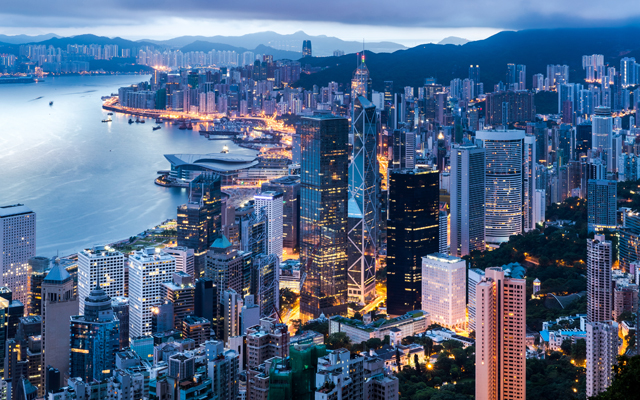
With international borders snapped shut, Hong Kong Tourism Board (HKTB) shifted its gears to the domestic market and launched its first domestic tourism campaign, Holiday at Home, in 2020.
The campaign, which is on-going, calls on Hong Kong residents to play tourists and rediscover the tourism appeal of their home city. Through six themes – Scenic Harbour, Lively Culture, Wellness Retreat, Endless Entertainment, Gastro-fantasies and Shopping Fiesta – and itineraries covering 120 points of interests, the campaign also drives much-needed income to local merchants. The platform functions as a collective marketing channel for local businesses to promote their products and offers.
Holiday at Home offers invaluable support for merchants at a time when business is decimated and marketing budgets are no more.
In October 2020, HKTB boosted efforts with three rounds of spend-to-redeem programmes, which incentivised consumers to head out and spend with local merchants. Discounts on hotel staycations and free city tours were up for grabs with every HK$800 (US$102) in expenditure at participating physical retail or dining outlets.
The spend-to-redeem programmes were a big hit, with redemptions claimed very swiftly. HKTB likened the programmes to “a stone that kills many birds”, as they satiated residents’ desire for travel and hospitality experiences, drove patronage to retail and dining sectors, supported local tourism sectors, and uncovered new tourism assets for development.
Besides raking in HK$40 million in local tourism spend, the spend-to-redeem free tours created jobs for more than 45 travel agencies that have been strickened by a lack of business since the pandemic hit. The programme’s staycation redemptions also facilitated some 20,000 room occupancies and resulted in HK$25 million worth of sales for 140 participating hotels. – Prudence Lui
Night sky over Namgyal Tsemo Gompa in Ladakh, India; Hong Kong Tourism Board’s Holiday at Home domestic tourism campaign provides marketing relief for struggling local businesses
People power
Macao Government Tourism Office (MGTO) has chosen to harness the power of travel and tourism professionals whose jobs have been affected by the global travel freeze, leveraging their hospitality expertise to create improved traveller experiences while providing relief to unemployment woes.
MGTO’s many Tourist Information counters established across the destination sought the employment of displaced tour guides.
Its new Incubation Plan for Macao’s KOL in Tourism, coordinated with the help of the Macau Live Streaming Association, also prioritised placements for tourism industry professionals, especially tour guides. The training programme encourages Macau residents to promote the destination through their social networks, and courses acquaint participants with content planning and creation, short video production, social media familiarity, and more.
The programme helped tourism industry professionals to combine their understanding of Macau’s best experiences with newfound creative production skills for the greater good of destination promotion.
Among the 35 trainees that completed the programme, 13 were tour guides. Four tour guides also stood out in their video entries and analysis of platform data, attaining honorary certificates for Outstanding Content Creators on Tourism. – Prudence Lui
Mind matters
Safeguarding mental health has become a priority for Philippine travel and tourism stakeholders who are more susceptible to depression, stress, and anxiety brought about by the consequences of the prolonged lockdown.
The extent of their suffering is gleaned from Nikkei Asia’s Covid-19 Recovery Index (as of September 30, 2021), which ranks the Philippines as the worst among 121 countries in responding to the pandemic. Bloomberg’s Covid-19 Resilience Ranking classifies the Philippines as the worst place to be among 53 countries in containing the pandemic.
Addressing mental health concerns, the Tourism Promotions Board (TPB) and stakeholders’ online meeting every Wednesday has evolved “into a period for retooling and relearning,” pep talks and motivational talks, said chief operating officer Anthonette Velasco-Allones.
The simple act of guesting clinical psychologist Joanna Herrera, who discussed mental health and mindfulness during one of the meetings, inspired and “(kept) hope alive in the hearts of our stakeholders, including tour operators and travel agents”.
In the predominantly Catholic country where people find solace in spirituality, TPB’s wellness and work-life integration programme for its staff has online fellowship “to keep the team connected” that includes a virtual holy Mass every first Friday of the month and bible studies, Velasco-Allones said.
A Think Talk initiative was also rolled out, offering refresher courses on writing, productivity, powerpoint presentation, Zoom set up, and work-from-home set up. A recent course featured a mindfulness session led by a yogi.
It is understood that the Department of Tourism (DoT) will be adopting most of the mental health safeguards being practised by TPB.
Besides the mental well-being focus, both the DoT and TPB have been using the past two years of travel downtime to improve the employability of the local travel and tourism community.
A five-year industry manpower development plan (2021-2025) was launched in June 2021 to retool, reskill and upskill the tourism workforce, which ensures a steady supply of trained manpower and addresses the challenges facing human capital development in the industry.
Various online and hybrid seminars have been held, including two editions of Tourism and Technology Forum in 2021, to empower, educate and improve the skills of Philippine tourism stakeholders.
Furthermore, several virtual job fairs were held in 2021 to help displaced tourism workers regain their livelihood and resume their career growth. – Rosa Ocampo
Business smarts
When it comes to supporting the local tourism sector through the pandemic, Singapore Tourism Board (STB)’s initiatives go far beyond financial support measures.
STB has worked with government agencies to roll out targeted initiatives to help tourism businesses tide through this challenging period.
With the aim of equipping tourism businesses and workers with new capabilities to prepare for the road ahead, and guide them in exploring various business models, STB has accelerated the pace of innovation and transformation, especially in manpower-dependent industries such as hospitality.
In partnership with the National Trades Union Congress and tourism associations, STB developed the Tourism Sector Capability Development Roadmap, which sets out longer-term plans to help local tourism businesses transform to meet the demands of post-Covid consumers.
Amid the pandemic, STB has also powered through with its Singapore Tourism Accelerator programme, which was launched in October 2019, and has since been extended until 2023.
The Accelerator acts as a platform for global tech companies to collaborate with tourism businesses in Singapore, driving innovation and future-proofing the tourism industry. Across its four cohorts, the programme has supported 34 tech companies to develop 45 industry solutions.
“In a Covid-resilient Singapore, our tourism businesses need technological innovations that reduce the friction of travelling to and around our city,” said Ong Huey Hong, executive director, industry technology transformation, STB.
Through the Accelerator programme, STB has supported various start-ups in the following areas: creating contactless transactions and experiences to boost consumer confidence, enhancing visitor experience with digital tools, real-time monitoring of tourism establishments to improve crowd management, and tapping technology to raise cleanliness and hygiene standards.
In addition, industry partners are also working with Accelerator start-ups to build their data management and analytics capabilities as well as technology capabilities to improve processes and reimagine product offerings to increase revenue opportunities.
To speed up the use of augmented reality experiences from pre- to post-trip, STB is developing a library of up to 1,000 3D assets over the next three to four years to supplement the current lack of such content in the market, and will make these assets available via the Tourism Information and Services Hub without additional charge, shared Ong.
As well, STB launched the Tour Experience Innovation Lab (TEIL) in March 2021 to encourage travel agents and tour operators to reimagine tour experiences in Singapore and provide more compelling and attractive offerings.
Under TEIL, STB works closely with travel agents and tour operators to provide mentorship and consultancy support, drive partnerships, support product development, and facilitate relevant regulatory approvals – to address gaps in Singapore’s tour landscape, while developing future-ready tours that can continue to draw both local and international visitors. – Cheryl Ong
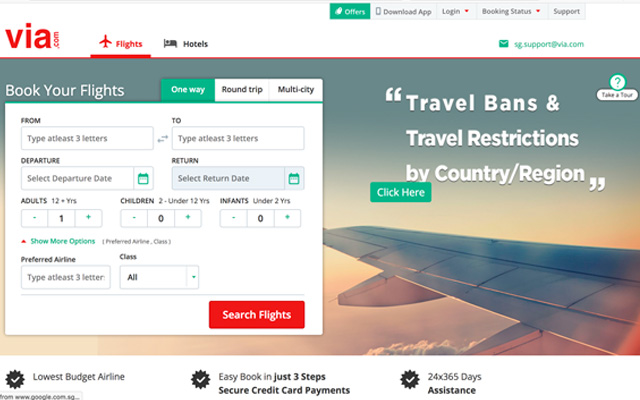
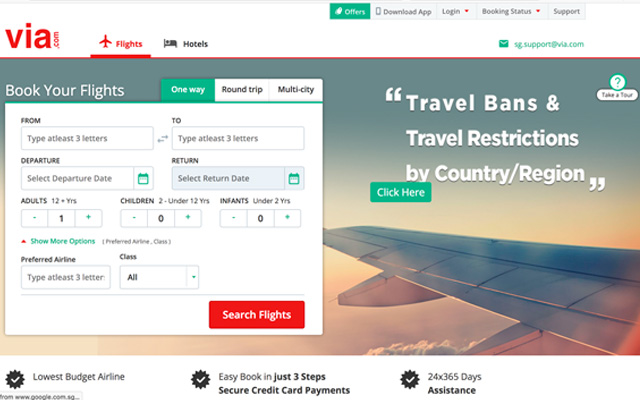
India-based Ebixcash Travel Services’ online travel platform Via.com has expanded into Malaysia through the recent appointment of B2B wholesaler, Universal Holidays Travel and Tourism, as its general sales agent.
Universal will distribute airline inventory on the platform, making it easier for Malaysian travel agents to book directly from Via.com. Transactions will no longer have to go through agents in China and other parts of Asia.
Malaysian travel agents can now book direct on via.com and pay in ringgit
Malaysia based agents can also pay in ringgit, allowing them to avoid international transaction charges.
Universal Holiday’s founder and CEO, Zahira Tahir, said her immediate plans were to create better awareness of Via.com’s B2B online travel booking platform solutions, which offer both low-cost carriers and full-fledged airline inventory, and are on a pay-per-transaction basis, even for non-IATA agents.
Roadshows and product presentations aimed at agents based in Kuala Lumpur, Penang, Johor, Kota Kinabalu and Kuching are scheduled to take place after the Chinese New Year season.
“I am also in the midst of hiring a dedicated sales team,” Zahira added.
Both Ebixcash Travel Services and Universal Holidays Travel and Tourism share a familiar business relationship, as the latter has been the former’s ground-handler for both leisure and business travel for many years, revealed Zahira.
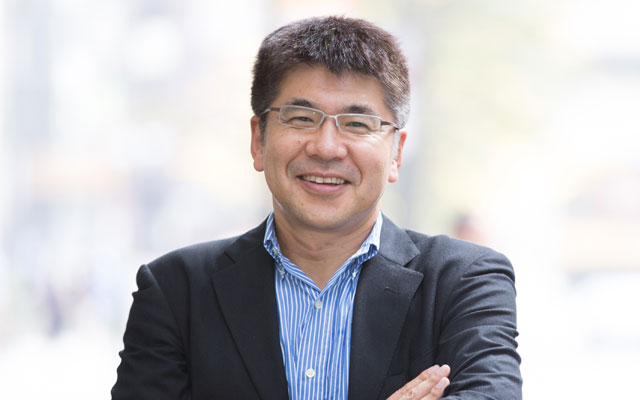
Naveen Kundu, managing director, Ebixcash Travel Services, said: “We identified the potential Malaysia has to offer for online travel bookings and we believe the travel and tourism business is on the verge of coming back. The partnership will add to the organic growth of our travel business and further strengthen our business purpose which is empowering small- and medium-sized travel agents with technology and airline inventory.”
The Fairmont Hanoi will open in the Vietnamese capital come 2024, making it the first Fairmont brand in the country.
The 241-room luxury hotel will take design inspiration from the art of lacquer with the traditional colours of Vietnam, the Indochinese style from the French colonial period, and draws motifs from Vietnam’s dynasties.
The Fairmont Hanoi will open in 2024
Positioned as an urban resort, guests will be able to enjoy a wide range of offerings such as six dining and bar venues including a rooftop restaurant, as well as two indoor and outdoor swimming pools, an extensive gym, wellness spa and bathhouse. For corporate groups, the hotel will offer a 1,000m2 grand ballroom as well as nine meeting rooms, making it an outstanding destination for meetings, conferencing and events.
The hotel will sit close to governmental and business districts of the city.
Garth Simmons, CEO of Accor Southeast Asia, Japan and South Korea, said: “The signing of the first Fairmont city hotel in Vietnam is a significant step forward in Accor’s development within the country. Our ambition is to debut a greater collection of premium and luxury offerings to meet the rapidly growing demand for high-end hospitality in the market.”