

What does recovery look like for the global incentive travel sector for 2022?
Following the initial positive traction in early 2021 with the advent of the vaccine, we’ve been knocked off course again with the onset of new variants. Programmes planned for late 2021 have now been pushed into 2022, causing even more congestion there.
As of late November in Europe, we’re in a precarious situation filled with uncertainty, with a stop/start momentum once again dominant. Many corporations have extended their work from home edict well into 2022, and this will definitely impact resumption of corporate travel and incentive trips.

Assuming case numbers stabilise as booster jabs are more widely administered, some programmes will certainly operate in 2022 but we’ll continue to see business events recover first locally, then nationally, then regionally. International travel will only revert to pre-pandemic levels in 2023/2024.
Meetings, incentives and events are already taking place in domestic contexts around the world, and this will continue with restrictions and interruptions likely for as long as variants persist.
Singapore, in particular, has played a leading role in allowing events to continue with Covid-19, providing realistic, workable guidelines to ensure stakeholder and delegate safety. In many ways, this is the way forward – managing and living with Covid – and Asian countries have shown great global leadership in demonstrating how this can be done.
How much has the pandemic changed the value organisations and travellers attach to incentive travel?
Scarcity drives value, and the value and appreciation of a travel reward has undoubtedly sky rocketed as a result of its scarcity.
As humans, being denied something makes us want it even more and travel, for most of us, has not been possible for 20 months or more, meaning that since we want it desperately, we yearn for it.
Travel has always been prized as part of a corporate reward and recognition programme, but it’s more prized than ever now and will play an even more effective role for corporations in ensuring that their associates are engaged and motivated.
What trends do you foresee in the incentive travel industry in the next few years?
As expected, there will be a focus on safety, and massive attention will be paid to travel risk management. There is also a rise in reluctance to commit and sign contracts due to the uncertainty of travel rules and restrictions that constantly change.
Domestic incentives, or motivation travel experiences in one’s own backyard, will still remain as top choice, alongside smaller groups of participants per trip, and the increased use of individual incentives.
There will also be preference for rural over urban, resorts over city hotels, and the great outdoors over metropolises.
What keeps you awake at night in relation to the pandemic, and its impact on incentive travel?
The biggest challenge is uncertainty. It was almost easier to deal with outright lockdowns, as you knew there was nothing you could do for a given amount of time. Uncertainty means you need to have a number of backup options available at any given moment.
I’m also concerned about building back better. I believe the pandemic has given us an opportunity to reset and I hope we take this opportunity to do so, guided by a clear vision for how things should be.
What is SITE doing to rebuild the incentive travel sector?
For the past 20 months our focus has been
entirely on our members. We’ve worked hard to keep them engaged and implemented initiatives to help fund their ongoing participation in the association.
Through SITE Foundation, we’ve extended our research docket significantly in the belief that data is vitally important for resumption. We’re in the midst of a serial piece entitled Corporate inSITEs, and have just embarked on a joint research project with Southern Methodist University in the US called Leadership inSITEs. Both of these will also contribute to getting the incentive travel engine started again.
We will continue to run association events, obviously respecting the protocols of the destinations where they take place, but also asking for additional measures to ensure the safety of all participants.
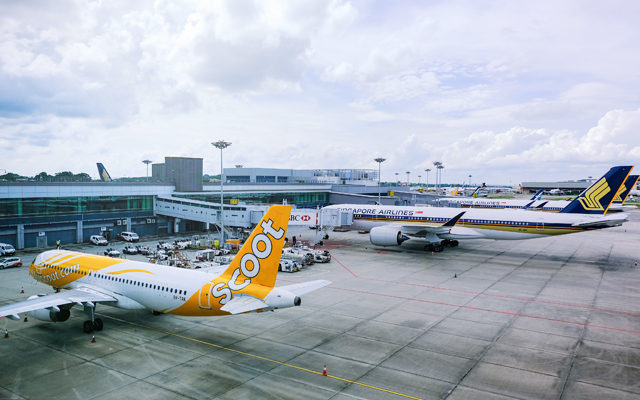
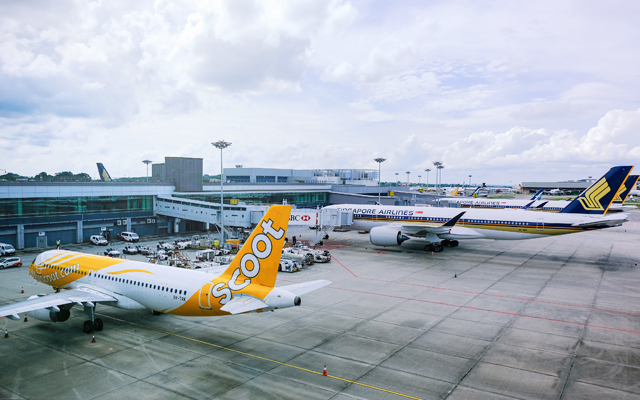



















The PATA Asia Pacific Visitor Forecasts 2022-2024 Full Report released on February 15 is predicting international visitor arrivals (IVAs) growth rates of 126 per cent to 84 per cent for mild, medium, and severe scenarios in 2022 versus 2021.
The increase in the absolute number of IVAs is predicted therefore to range from 72.5 million to 175.7 million under the severe and mild scenarios respectively, lifting the total volume of visitor arrivals to between 159 million and 315 million, under those same scenarios respectively.
While it is a positive and welcome development after two years of extremely difficult conditions, the international travel and tourism sector of the Asia-Pacific region still has much to repair and revitalise.
The forecasted increases in 2022 arrivals, for example, still only return them to 23-45 per cent of the level of foreign arrivals received in pre-pandemic 2019.
Moving forward to 2024, IVA growth over the next three years is projected to be positive, with the volume of IVAs in 2024 being equal to, or better than that of 2019, under two of the three scenarios.
PATA CEO Liz Ortiguera said: “Our latest forecast report numbers, based on data as of November 2021 reviewed in conjunction with our recent research advisory panel updates provided on January 24, 2021, provide the definitive outlook for Asia-Pacific visitor arrival forecasts. As noted by our panel, the effect of the Omicron variant is projected to have a small incremental impact for now, with the key earlier assumptions still driving the forecast.
“Equitable access and deployment of vaccines plus a practical risk-based approach to health and safety protocols in travel is foundational to not only the travel sector’s sustained recovery but to the overall global recovery from the pandemic.
“We share the World Health Organization’s (WHO’s) view that the pharmaceutical sector must address barriers to access and affordability for all destinations. Furthermore, as acknowledged by the WHO, travel bans will not prevent international spread. Instead, travel channels should remain open with clear, practical guidelines as recently shared by the Centers for Disease Control and Prevention (CDC) and WHO.”
Ortiguera also noted: “Various research studies and early travel patterns indicate a heightened consumer interest in a pivot to the right side of travel – longer journeys, more authentic experiences, and nature-based, wellness-oriented, and socially-conscious travel offerings are among the key trends for today’s travellers.
“Destinations can expedite their recovery by staying top-of-mind with consumers, communicating requirements with clarity and consistency, and offering a sustainable, healthy destination experience.”