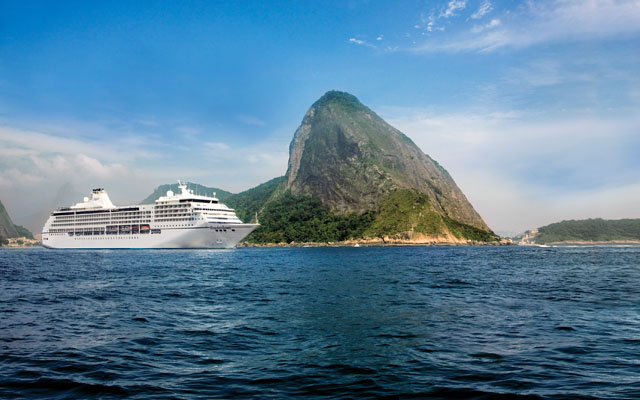
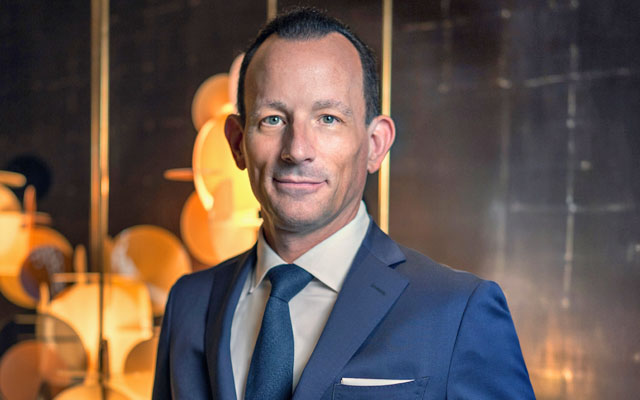
Benoît-Etienne Domenget has been appointed group CEO of Ponant, effective November 3, 2025, succeeding Hervé Gastinel, who is leaving to pursue new professional opportunities.
With 25 years in hospitality, luxury, travel, and tourism, Domenget will focus on driving the Group’s international growth while upholding Ponant’s maritime expertise, hospitality standards, and environmental commitments.
He most recently served as CEO of Sommet Education, leading its international expansion across Glion, Les Roches, École Ducasse, Indian School of Hospitality, and Invictus Education, establishing the group as a global leader in hospitality and luxury management education.
Emirates has introduced new services and products for people with disabilities at the 7th AccessAbilities Expo at Dubai World Trade Centre. The airline’s offerings include an Accessible & Inclusive Travel Hub on its website, providing information for travellers with varying accessibility needs and allowing journey planning by specific requirements.
Emirates also unveiled new onboard sensory products and fidget toys, enhancements across the in-flight experience, improved on-ground features at Dubai hub, and initiatives under development.
A new wheelchair-accessible Mercedes V250 joins Emirates’ Chauffeur Drive service, providing safer and more independent travel for passengers with mobility needs
The Accessible & Inclusive Travel Hub contains information on Mobility Assistance, Visual Impairment, Hearing Impairment, and Hidden Disabilities. Customers can explore sections by journey stage: Before your flight, Departure from Dubai, Onboard your flight, Connecting in Dubai, and Arriving in Dubai. They can also browse by specific needs, such as booking special assistance, autism-friendly travel guides, Dubai Airport maps, Be My Eyes support, and applying for a Sanad tourist card.
Other sections cover Travelling with a Wheelchair and Mobility Aids, Medical Travel, and Family Travel, including Travelling with Children, Travelling during pregnancy, and Unaccompanied Minors.
From November 1, 2025, sensory products and fidget toys will be available in all cabin classes. These include a tactile stress reliever, two types of fidget cube, and a rubber popper, provided to neurodiverse passengers, those struggling onboard, and nervous flyers if required. In Business Class, a new mattress hood secures the seat mattress, reducing disruption for customers with mobility disabilities.
Emirates’ in-flight entertainment system, ice, now offers more than 600 movies with closed captions and 200 with audio description. Headphones are compatible with hearing aids in the ‘T’ position. The Airbus A350-900 features a redesigned interface with audio cues, voice metadata, touch and swipe support, and access to audio-descriptive content.
At Terminal 3, Dubai International, barrier-free corridors with biometric access enable independent movement. Self-service kiosks have text-to-speech functionality, braille and tactile features, headphone jacks, and adjustable heights.
Emirates has also introduced a wheelchair-accessible Mercedes V250 van for its Chauffeur Drive service, with electric lift and safety restraints, available for First and Business Class customers in Dubai and expanding to 10 vehicles by early 2026.
Furthermore, Emirates has established an Office of Accessibility and Inclusion and became the world’s first autism-certified airline in March 2025. More than 35,000 staff have received training, and the Travel Rehearsal initiative has been rolled out in 17 countries.
The airline continues to develop policies, products, and processes to improve accessibility across online, call centre, airport, and in-flight services.
Guests can be among the first to experience South Palms Resort & Spa Panglao – MGallery Collection on Panglao Island with the exclusive Elite Access offer, available for stays until October 31, 2025.
The promotion includes 3,000 pesos (US$52) in resort credit for dining and leisure activities, with additional benefits for ALL and Accor Plus members.
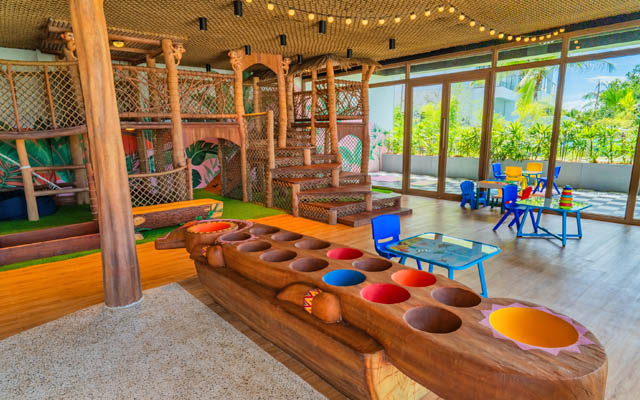
Aya Kids Club offers over 150m² of indoor and outdoor play space with cultural games, crafts and activities for younger guests
The 188-room luxury resort caters to families with cultural, wellness and island experiences. Villas and suites feature Visayan-inspired décor, while the Aya Kids Club provides indoor and outdoor play spaces with cultural games and crafts. Guests can snorkel or dive in world-class reefs, explore local farms, join cultural ceremonies, and relax on the beach.
Sirenna, a mythical sea guardian, inspires the nightly Sunset Ritual of music, light and storytelling that celebrates Boholano traditions. Families can take part in the South Farm Journey to learn organic farming and meet animals, or join the M Moment to craft rare Asin Tibuok sea salt with local artisans. Curated island excursions visit the Chocolate Hills, Tarsier Sanctuary, Loboc River cruise with cultural show, Baclayon Church and the Blood Compact Shrine, with guided trips to Balicasag and Pamilacan including dolphin watching and picnic lunches.
Lola’s Sanctuary offers farm-to-spa wellness treatments rooted in traditional Boholano practices, including hilot massage with coconut oil, lemongrass and Asin Tibuok. Guests can enjoy detox juices, herbal teas, and educational sessions, while the Mindful Walk combines meditation and discovery through gardens and coastal paths.
Dining ranges from UMA, serving Filipino cuisine, to Manja with international comfort food, and Sirenna beach bar with Mediterranean-tiki style meals. Water activities include a Maui canoe, kayaks, paddleboards, pedal boats, bamboo rafting and snorkelling.
South Palms also provides venues for celebrations, from the Acqua Pavilion for intimate gatherings to the Marcela Ballroom and beachfront lawn for weddings and multi-generational events.
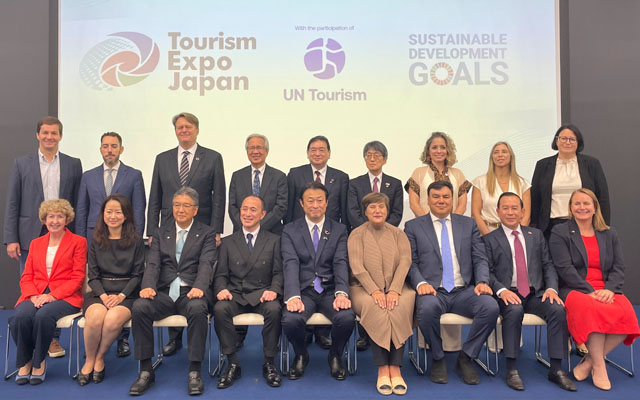
Sustainable tourism requires diversification of destinations alongside investment in human resources, infrastructure and technology, according to an international delegation who spoke at a ministerial roundtable at Tourism Expo Japan in late September.
Representatives from seven countries and six global organisations considered the topic “driving regional transformation” at the four-day event, Japan’s largest travel showcase for the trade and public, which was this year held in Aichi Prefecture to stimulate greater regional tourism.
International delegates call for sustainable tourism models that support local communities, cultural preservation, and regional development; photo by Kathryn Wortley
UN Tourism executive director Zoritsa Urosevic said: “Diversification is not only about creating new places to visit but about building authentic, inclusive and resilient tourism models that safeguard cultural values, generate stable employment and enhance the attractiveness of regions.”
PATA chair Peter Semone called on tourism stakeholders to stop “chasing numbers” of visitors but instead focus on tourism’s social, cultural, environmental and economic benefits, or “meaningful tourism”.
Addressing attendees via video message, Julia Simpson, CEO of WTTC, said regional tourism growth is possible only with strong partnerships between public and private organisations.
Miguel Gallego of the European Travel Commission introduced its Unlock an Unexpected Upgrade campaign, which was launched in July to promote responsible travel. The initiative calls on travellers to visit off-season and to off-the-beaten path places using eco-friendly options while supporting local businesses, thereby creating “a better way to travel that benefits travellers, local communities and the places they visit”.
At the country level, Australia’s representative said regional locations account for 51 per cent of its tourism employment and the country aims for 40 per cent of all tourism revenue to benefit regional areas by 2030. In Uzbekistan, the 2030 vision seeks to promote regional nature and village cultures under the campaign UzSustainable, shared its representative.
Skyscanner released its Travel Trends 2026 Report in New Delhi on Thursday (October 9), unveiling seven key travel trends along with the top trending and best-value destinations for the coming year.
Neel Ghose, Skyscanner travel trends and destinations expert, presented the findings, emphasising that 2026 will be “the year travel gets more personal”.
Ghose: people are using AI not just for destination research or comparing flights and hotels, but also for inspiration
“This is not just about where people are travelling but why they are travelling. Travellers are bringing their full personalities into their journeys, seeking authentic experiences that reflect their identities,” he said.
According to Skyscanner’s data, Indian travellers are planning to travel more in 2026, backed by higher budgets and rising disposable incomes. Three out of five Indian travellers have set higher budgets for flights while one in two have increased their accommodation budgets.
India leads globally in adopting AI for travel planning, with 86 per cent of travellers confident about using AI tools to plan their trips. “This is the highest global adoption rate across all Skyscanner countries. People are using AI not just for destination research or comparing flights and hotels, but also for inspiration,” noted Ghose.
The report highlighted a growing interest in destinations that reflect travellers’ desire for unique cultural and personal experiences. Jorhat in Assam topped the list with a remarkable 493 per cent year-on-year surge in searches. Jaffna in northern Sri Lanka followed, recording a 325 per cent rise in searches. Other trending destinations include Queenstown (New Zealand), Chiang Rai (Thailand), Manila (the Philippines), Ho Chi Minh City (Vietnam) and Varanasi (India).
The report underscored India’s shift from being a price-conscious to a value-conscious market. Tirupati topped the list of best value destinations, with airfares falling 18 per cent year-on-year despite growing demand. Langkawi followed with a 17 per cent drop while Berlin recorded a 16 per cent decline. Dehradun and Phuket also emerged as strong value destinations for 2026.
In terms of key travel trends the report highlighted growth of multi-generational travel with 47 per cent of adult Indians travelling with their parents while 38 per cent are travelling across three generations.
Mountains are also in demand.
“A staggering 92 per cent of travellers are considering or planning a mountain escape in summer or autumn 2026,” Ghose said. Rishikesh, Manali, the Swiss Alps and the Rockies are among the favourites.
Culinary exploration is moving beyond Michelin-starred restaurants. Over 75 per cent of Indian travellers always or often visit local supermarkets abroad, seeking authentic and everyday food experiences. Skincare and beauty rituals are shaping travel plans with 45 per cent of Indian travellers trying beauty treatments abroad.
Many Indian travellers are planning trips to meet people they connected with on dating apps. Forty-four per cent are more open to meeting new people while travelling, with 26 per cent saying they feel freer to be themselves on the road.
According to the report, 84 per cent of Indian travellers have booked or would consider a trip inspired by literature, highlighting a growing cultural curiosity.
Accommodation choices are influencing travel decisions like never before.
“More than ever, travellers are choosing where to go based on where they want to stay,” Ghose said. Eighty-two per cent of Indians have selected a destination purely because of accommodation.
The launch event was attended by Suryakumar Yadav, Skyscanner’s first-ever brand ambassador in India and captain of the Indian Men’s T20I cricket team.
Airfares in the Asia-Pacific and the Middle East regions have risen sharply, according to Airports Council International Asia-Pacific & Middle East.
The 2025 Airfare Trends report shows that increases are largely driven by inflation and reduced airline competition, rather than airport charges.
Travel demand surges across Asia-Pacific and the Middle East – but rising airfares are reshaping the journey
Oceania remains the most expensive region for air travel, while India and China continue to sit below the regional average. The report warns that lowering airport charges would have limited effect on ticket prices and could restrict airports’ ability to invest in capacity and technology.
Developed with Flare Aviation Consulting, the report provides a data-driven analysis of markets experiencing significant airfare increases and examines the factors behind these changes across two of the world’s most dynamic aviation regions.
Despite a substantial recovery in passenger traffic, airfares across the region have generally increased from 1H2019 to 2025, reversing the downward trend observed in pre-pandemic years. The rise is largely driven by inflation and reduced airline competition in certain key markets.
The Asia-Pacific region saw an average increase of 8% from 1H2019 to 2025, compared with an 18% decrease during 1H2014 to 2019. The increase has been more pronounced at the country level, particularly in Oceania and South-east Asia. The Middle East recorded a 15% increase over the same period, compared with an average 9% decline in 1H2014 to 2019.
The report confirms the limited role of airport charges in determining airfares. Airport charges and turnaround costs, including government taxes, have generally risen below Consumer Price Index levels. In markets where airport charges have fallen, airfares have continued to increase.
Airfares have risen across most markets, except China. South-east Asia and Oceania recorded the largest increases, with fares 20% and 30% above pre-pandemic levels, respectively. Oceania remains the most expensive region for air travel, while India and China are below the regional average.
International fares are up 17% above pre-pandemic levels, particularly in South-east Asia and developed East Asia. Domestic fares have surged over 30% above 2019 levels, especially on shorthaul low-cost carrier routes with reduced competition.
Economic travellers bear the largest share of these increases. Routes with low airline competition saw fares rise up to 13 percentage points above the regional average. The US-China market remained stable in 2025. Airfare shifts are largely determined by inflation and airline competition, factors beyond airports’ control.
Overall, fares increased by between 9% and 28% across the regions, even in markets where airport charges declined.
Stefano Baronci, director general, ACI Asia-Pacific & Middle East, said: “The objective of this analysis is to assess market dynamics and their impact on aviation, as well as provide transparency into the rising cost of air travel. This study also proves that lowering airport charges does not translate into a reduction in ticket prices; instead, it limits airports’ ability to invest in capacity and technology to enhance service quality.
“To make air travel more affordable for consumers, policymakers should focus on liberalising markets such as open skies, market access, and efficient slot policies, which can strengthen airline competition while ensuring airports can continue to invest to support growth in the coming years.”
Skip-generation holidays are gaining momentum across Asia-Pacific, according to Hilton’s 2026 Trends Report. Grandparents and grandchildren are increasingly travelling together – often without parents.
Families are also redefining travel with a stronger focus on time together and shared experiences that strengthen intergenerational bonds.
More families across Asia-Pacific are embracing skip-generation holidays as grandparents and grandchildren travel together to strengthen family bonds and create shared memories
Six in 10 respondents (60%) across the region say they have taken or plan to take a skip-generation holiday. The trend is most pronounced in China (86%) and India (79%), where it has moved from novelty to mainstream. In China, more than three-quarters (77%) expect to book at least one to two skip-generation holidays in 2026, suggesting such trips may soon rival traditional family vacations.
The desire to create lasting memories is the main motivation behind skip-generation travel. 58% of families across Asia-Pacific cite this as their reason for travelling, rising to 67% in India, 64% in Australia, and 63% in New Zealand. In Japan, nearly half of families (47%) and 50% of grandparents say the appeal lies in experiencing new things together.
Grandparents are also taking a more active role in shaping family travel decisions. In China, nearly half (46%) are initiating skip-generation trips, underscoring the growing influence of older generations and the importance of accommodation that meets all age needs.
Nearly nine in 10 (89%) respondents believe travelling with family supports grandparents’ health and well-being. For grandparents, time with grandchildren is the most valued part of travel (50%). Accessible facilities and wellness amenities are increasingly seen as essential to ensure comfort and inclusion for all generations.
While Hilton’s global research found that rest and recharge (56%) remain the main reasons to travel for leisure in 2026, in Asia-Pacific, priorities differ. 61% of travellers say quality time with family matters more than downtime, with the sentiment strongest in India (72%) and China (62%).
Families are choosing experiences that encourage shared discovery. Culinary exploration (69%) and visits to historical and cultural landmarks (63%) are the top activities, particularly in Singapore, where more than eight in 10 families (81%) cite food-related exploration as their preferred activity.
Multi-generational travel continues to expand alongside skip-generation holidays. Nearly half (48%) of families in Asia-Pacific take trips involving three or more generations at least once a year, led by China (78%) and India (65%). Strengthening family bonds (60%) and creating lasting memories (57%) are the key motivations.
Accommodation remains central to enabling inclusive stays. Nearly half of families (48%) prefer interconnecting rooms or family suites, while 42% prioritise senior-friendly facilities such as mobility aids, medical support, and accessible dining. Relaxation and wellness amenities (42%) also rank highly, highlighting the growing need for options that cater to every age group.
These findings form part of Hilton’s 2026 Trends Report, The Whycation: Travel’s New Starting Point, which examines how intergenerational and purpose-driven travel are shaping future travel patterns.
The report also identifies three additional trends: Hushpitality reflects travellers’ desire for peace and quiet in destinations that allow them to disconnect from distractions. Home Comforts are the New ‘Carry On’ shows that travellers increasingly seek familiarity and comfort while away, incorporating everyday routines into their trips. Inheritourism highlights how children continue to travel with parents as they grow up, maintaining preferences and habits shaped by family travel traditions.
Ben George, senior vice president and commercial director, Asia Pacific, Hilton, said: “The rise of skip-generation travel highlights a fascinating shift in how families are connecting. By designing experiences that anticipate the needs of multi-generational families, we aim to make every stay as seamless and memorable as possible, helping guests create meaningful moments together.”
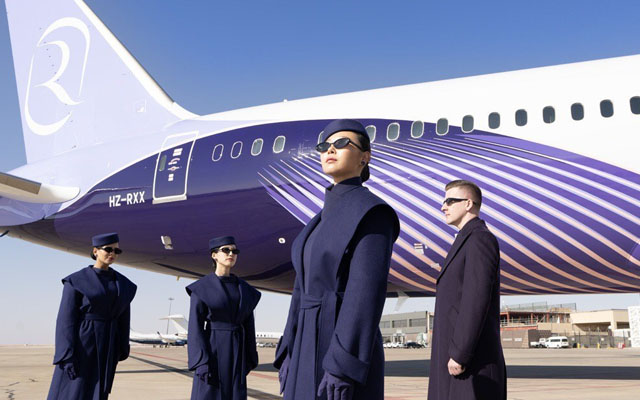
Riyadh Air launches daily Riyadh-London flights and new loyalty programme
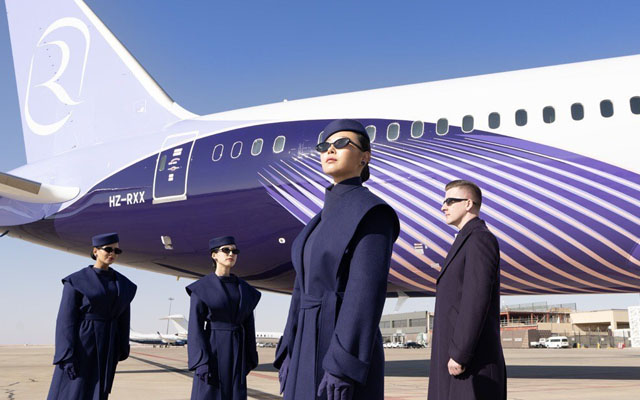
Riyadh Air will begin daily flights from Riyadh to London Heathrow Airport (LHR) on October 26, 2025, ahead of its official 2025 launch.
The initial flights, operated on the aircraft Jamila, will be used to test operational readiness and ensure reliability ahead of full commercial operations.
Riyadh Air has also launched Sfeer, its loyalty programme. Early members, designated as The Founders, will receive priority access to bookings on future flights. Sfeer allows members to share points within their community and offers a no points expiry policy. Membership also provides benefits including complimentary onboard Wi-Fi, with additional rewards and features available as the programme develops.
Etihad lands in Phnom Penh
Etihad adds Medan and Phnom Penh to network
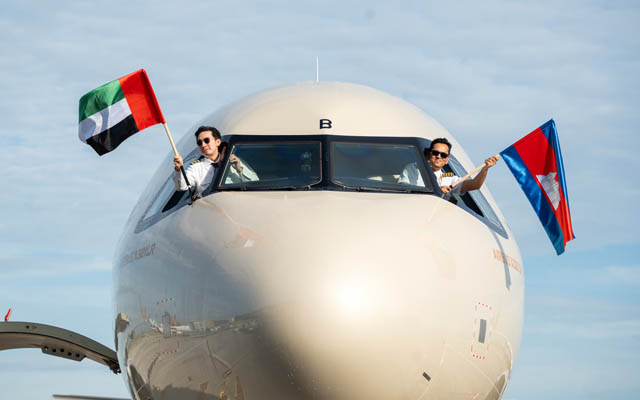
Etihad Airways has expanded its South-east Asia network with the launch of new routes to Medan in North Sumatra and Phnom Penh in Cambodia, bringing its total global destinations to 83.
The inaugural flights took off on October 2 and 3 respectively, making Etihad the only airline directly connecting the Gulf Cooperation Council to both Sumatra and Phnom Penh.
The services are operated by Airbus A321LR aircraft with a three-cabin configuration, including First, Business and Economy. Flights between Abu Dhabi and Medan operate three times weekly, while the Phnom Penh service operates four times weekly and will increase to six flights per week from November 1, 2025.
Lufthansa, SIA add Brussels Airlines to joint venture
Lufthansa-Singapore Airlines joint venture expands with Brussels Airlines
The Lufthansa Group and Singapore Airlines have expanded their joint venture with the addition of Brussels Airlines. From October 26, 2025, customers can book codeshare flights between Singapore and Brussels operated by Singapore Airlines, providing more travel options and seamless connectivity between Singapore, Belgium and onward European destinations.
The joint venture, now in its eighth year, offers joint fares across seven countries and 26 destinations. The expansion also includes intermodal feeder routes, allowing travellers to connect to the airlines’ European hubs via bus or train services, enhancing accessibility and travel flexibility across the region.
Emirates
Emirates expands London Heathrow services for Winter 2025
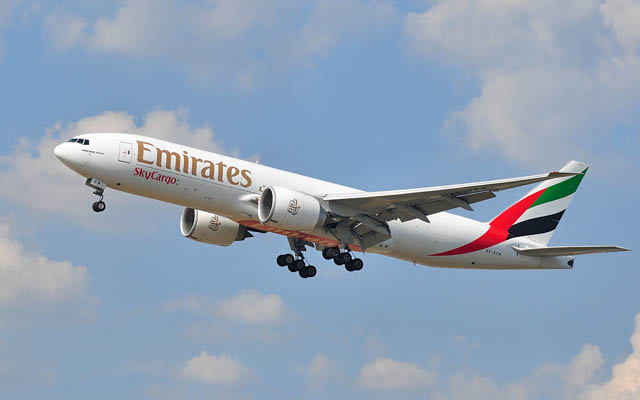
Emirates will add six weekly flights to its London Heathrow schedule from October 26, 2025, increasing travel options during the winter season. The additional services complement the airline’s existing six daily flights between Dubai and London Heathrow.
The new flights will operate on all days except Fridays using Boeing 777-300ER aircraft, offering over 350 seats across First, Business and Economy. Strategically timed departures provide convenient connections to destinations across Asia, including Durban, Phuket, Kuala Lumpur, Hong Kong, Beijing, Shenzhen, Guangzhou, Jakarta, and cities in West Asia and the Middle East such as Ahmedabad, Lahore, Maldives, Hyderabad, Chennai, Bahrain, Dammam and Riyadh.
As the year draws to a close, Minor Hotels invites travellers to celebrate the festive season with a curated collection of experiences across its properties in Asia and the Maldives. From cultural immersion to wellness journeys and island revelry, each destination offers a unique way to connect, reflect, and ring in 2026.
At Anantara Koh Yao Yai, guests explore Thai folklore through sound baths, batik painting, and cultural activities, culminating in a sunrise ceremony and island breakfast on New Year’s Day.
Wellness, creativity, and island indulgence come together for a festive season full of rhythm and renewal at Niyama Private Islands Maldives
Anantara Layan Phuket focuses on wellness with skin treatments, IV therapy, and detox journeys at its longevity centre, helping guests glow into 2026.
Anantara Bophut Koh Samui draws inspiration from The White Lotus, offering themed dining, family-friendly crafts, and a signature spa ritual with white lotus oil.
In Northern Thailand, Anantara Golden Triangle celebrates Mekong heritage with jazz mornings, Explorer Cocktails, and festive dinners featuring regional flavours and performances.
Avani+ Luang Prabang honours land, river, and spirit with Baci ceremonies, sunset cruises, market tours, and a climb up Phousi Hill in the UNESCO-listed town.
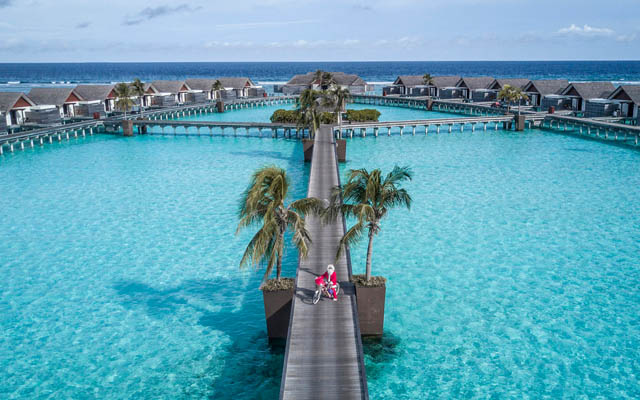
Niyama Private Islands Maldives delivers boho-luxe celebrations with visiting chefs, fitness experts, tattoo artistry, and daily island-inspired festivities.
Avani+ Fares Maldives blends heritage and fun with street food souks, pirate cruises, and tropical movie nights, all set to the rhythm of Bodu Beru beats.
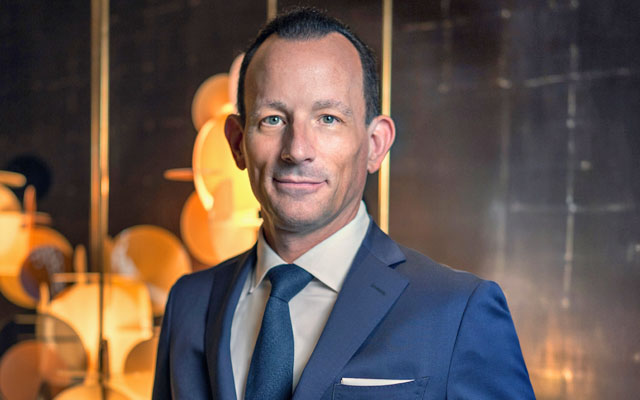
Hilton Singapore Orchard has appointed Michael Janssen as general manager,. He brings over 28 years of international hospitality experience to his new role.
Janssen previously served as general manager of ANA InterContinental Tokyo and held senior roles with InterContinental Hotels Group in Thailand, China and Indonesia. His career includes leadership positions across Asia, the Middle East and Europe.


 He most recently served as CEO of Sommet Education, leading its international expansion across Glion, Les Roches, École Ducasse, Indian School of Hospitality, and Invictus Education, establishing the group as a global leader in hospitality and luxury management education.









 Janssen previously served as general manager of ANA InterContinental Tokyo and held senior roles with InterContinental Hotels Group in Thailand, China and Indonesia. His career includes leadership positions across Asia, the Middle East and Europe.