Preferred Travel Group has appointed Christine Tan as area managing director for South-east Asia, effective October 29, 2025. Based in Singapore, she will oversee account management and business development across the region, supporting the growth and visibility of Preferred’s global portfolio of more than 600 independent luxury hotels and experiences.
Tan brings over 30 years of experience across the hospitality and technology sectors, with expertise in hotel distribution, sales strategy, and client relationship management. She most recently served as vice president of sales – APAC at Lighthouse, a SaaS platform supporting more than 75,000 hotels worldwide.
Carlton City Hotel Singapore has appointed Douglas Glen as general manager, marking his return to the property after previously leading the team through the pandemic period.
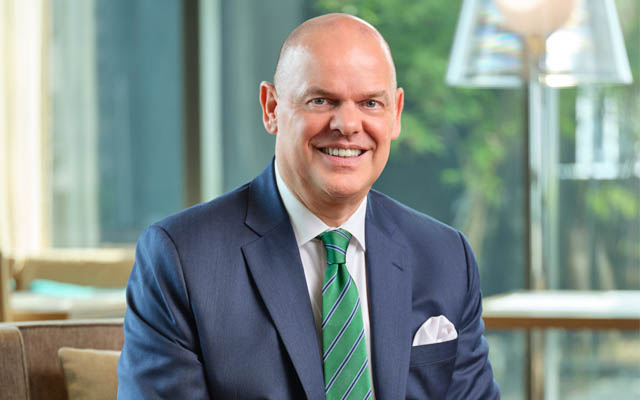
Glen brings over three decades of hospitality experience to his current role, and will oversee all operational and financial aspects of the 386-key business hotel, driving strategic growth while maintaining the property’s high standards of service and guest experience.
He previously held senior positions at The Regent Hotel Group in Hua Hin, The Royal Cliff Hotels Group in Pattaya, The Steigenberger Riverside Bangkok, The Landmark Bangkok, and The Landmark London.
Luxury travel is evolving, with high-net-worth travellers trading opulence for access to remote landscapes, authentic cultural experiences, and personalised journeys.
Hannah Pearson from the Adventure Travel Trade Association highlighted a US$1.16 trillion global market for adventure travel, noting a shift from passive sightseeing to purposeful, intimate experiences that connect visitors with nature, people, and place.
Panelists at ITB Asia 2025 highlighted a shift in luxury travel from opulence to immersive, high-value experiences in remote and culturally rich destinations; photo by Stephanie Zheng
“Luxury used to be opulence and being pampered,” said Willie Wibamanto, sales manager at Flywire, during a panel on luxury adventure travel at ITB Asia 2025. “These days, luxury means more access, reaching places we never dreamed of.”
Bhutan exemplifies this trend, positioning itself as a low-volume, high-value destination. By welcoming only those willing to pay a premium, the Himalayan kingdom preserves its environment, maintains traditions, and ensures tourism benefits local communities. Visitors can trek sacred valleys, explore centuries-old monasteries, and connect with artisans and monks without the distractions of mass tourism.
Joe Zou from HX Expeditions noted how their small hybrid vessels combine “comfort, science and sustainability” to bring guests face-to-face with penguins in Antarctica or glaciers in Greenland. “You want access to those places, and I guess luxury is taking (that access) to the next level,” he said.
Wayne Kum from the Japan National Tourism Organization added that travellers are spending more time in fewer locations to “immerse themselves in local culture and well-being”, signalling a shift from quantity to quality.
For a new generation of high-value travellers, ultimate luxury lies in intimacy: private onsens after limited-access mountain hikes, or stepping foot where few have gone before. The appeal is fewer people, richer experiences, and deeper connections.
Prince Hotel Da Nang, Vietnam
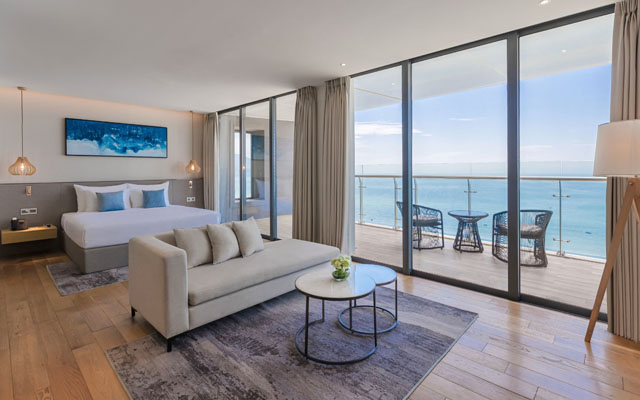
Prince Hotel Da Nang, formerly Sel de Mer Hotel Suites, features 164 rooms and suites with private balconies overlooking Danang city or My Khe Beach.
Facilities include multiple dining options, a rooftop bar with panoramic views, an infinity pool, a gym, and a spa with treatments inspired by Japanese techniques.
The hotel is located near My Khe Beach and provides easy access to the Son Tra Peninsula, Dragon Bridge, Marble Mountain, Hoi An Ancient Town, and the Golden Bridge.
Mett Singapore
Mett Singapore, Singapore
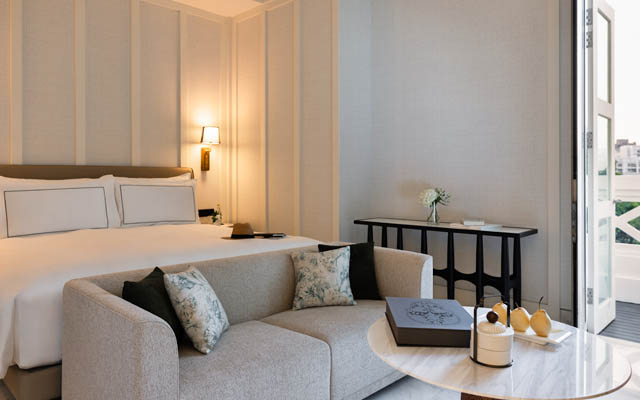
Mett Singapore, the brand’s flagship property in Asia Pacific, features 84 suites and rooms ranging from 35m² to 160m², overlooking Fort Canning Park or the city skyline.
Facilities include two outdoor pools, padel and pickleball courts, gym, fitness classes, a grand ballroom for 800 guests, and the upcoming Madison House members’ club with The Longevity Suite wellness centre.
The hotel offers multiple dining venues, including Italian, Korean, and contemporary concepts. Located within Fort Canning Park, guests have easy access to museums, live events, outdoor activities, and Singapore’s central city attractions.
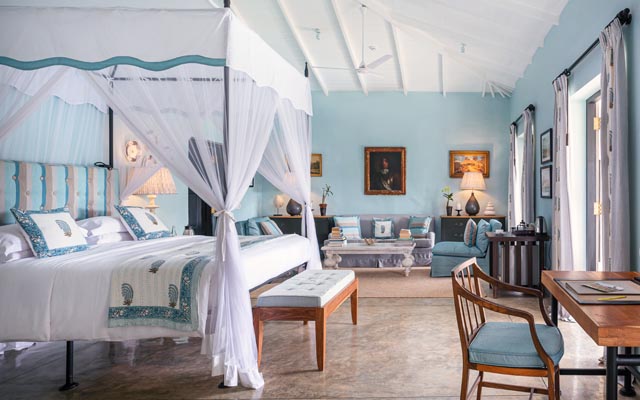
Kahanda Kanda
Kahanda Kanda, Sri Lanka
Kahanda Kanda has added five luxury pool villas and opened the KK Spa, offering private plunge pools and views over Lake Koggala and surrounding jungle.
Villas are designed for couples, honeymooners, and families, with access to guided jungle walks and the Cinnamon Experience exploring Sri Lanka’s spice heritage.
The treetop spa features treatments using local ingredients, including massages, steam sessions, Dead Sea mud wraps, and consultations with a Hela Vedakama healer, complemented by wellness retreats with yoga, meditation, and mindful dining.
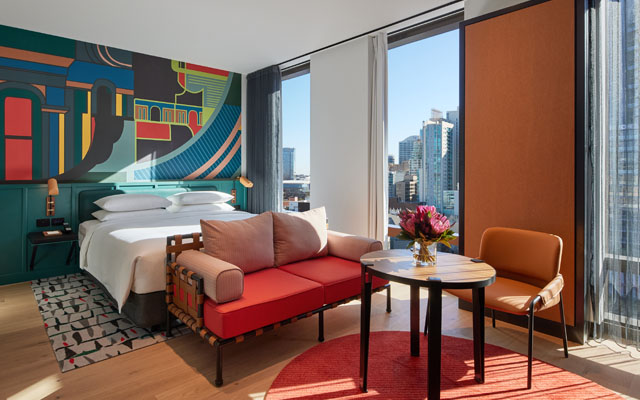
Caption by Hyatt Central Sydney
Caption by Hyatt Central Sydney, Australia
Caption by Hyatt Central Sydney offers 174 rooms from Standard to Premium with city and neighbourhood views. Facilities include a social hub combining café, bar, co-working space, and event venue, alongside curated programming and locally influenced dining.
Located in Haymarket, the hotel is steps from Central Station, the Light Rail, Capitol Theatre, and Chinatown, providing easy access to Sydney’s cultural and commercial attractions.
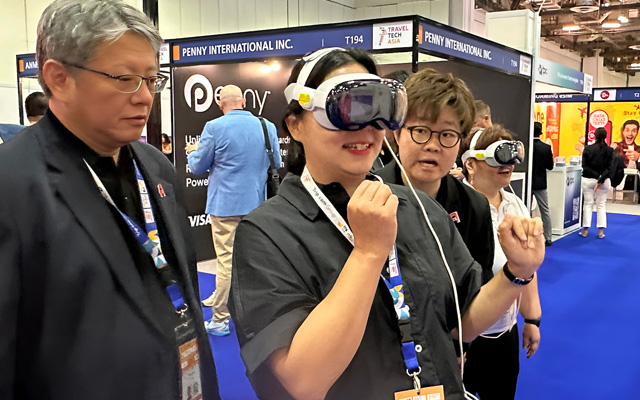
Imagine walking towards a dinosaur, its head tracking your every move with a level of realism that outshines any VR (virtual reality) or AR (augmented reality) demo. The lingering question: can immersive mixed reality (XR) experiences like this drive visits and bring genuine value to tourist attractions and destinations?
AStation, which made its global debut at ITB Asia last week, offers a compelling case study. Its Enterverse technology transforms outdoor spaces into interactive XR playgrounds.
Immersive XR experiences transform heritage sites into interactive, information-rich destinations without altering the physical environment
On the ground, creative development director Sion Yang explained how the company’s approach differs from traditional XR setups: “The biggest benefit is that it lets us add new information to heritage or protected sites, places where you can’t physically renovate or modify the environment, like Forbidden City (in Beijing, China) or Wugong Mountain (in Jiangxi, China).
“You can (instead) overlay digital content on top of what already exists.”
He added that, unlike location-based XR or location-based entertainment, “ours doesn’t need a huge physical space to operate”.
The optimal setup is a space of seven by 14 metres.
CEO Chris Chen highlights the use case in a press release: “Tourism needs AStation because destinations worldwide are searching for innovative ways to engage visitors and differentiate themselves.”
For tour operators, the benefits are clear. Immersive XR can elevate engagement at sites that would otherwise remain static, without major physical interventions.
The caveats? Investment in technology, equipment upkeep, and the constant need to keep experiences fresh for repeat visitors.
Still, as Yang noted, the goal is not to replace real-world exploration. The technology allows attractions to become “higher-density information hubs” that make trips more engaging.
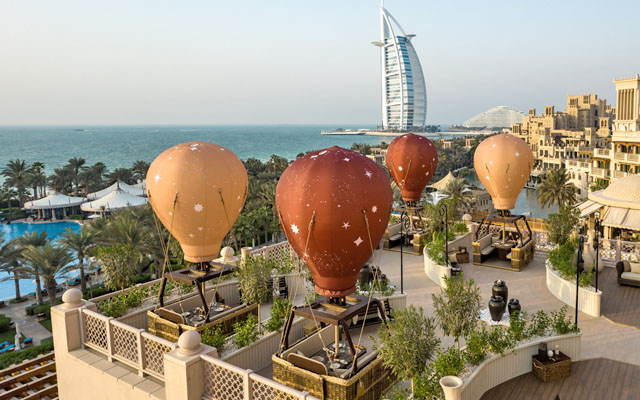
Balloons at the Palace has returned to Jumeirah Al Qasr with a new season titled Tales of the Arabian Skies.
With only four balloons and limited seats, this intimate dining experience invites guests to step into a floating majlis, where Arabian artistry meets panoramic views of the Gulf and Dubai skyline.
Dine among the clouds as Balloons at the Palace unveils a new season of Arabian elegance
New this year is Breakfast in the Clouds, served 09.00 to 11.00 on Fridays and Saturdays, followed by the Afternoon Tea in the Sky daily from 13.00 to 15.00 and 15.30 to 17.30.
As night falls, The Spice Route Journey offers a six-course dinner at 18.30 and 21.00, inspired by flavours from across the region.
Prices per person start from 195 dirhams (US$53) for breakfast, 295 dirhams for afternoon tea, and 395 dirhams for dinner, with festive rates from December 19 to 30 at 195 dirhams for breakfast, 345 dirhams for afternoon tea, and 445 dirhams for dinner.
Each balloon accommodates two to six guests for breakfast and tea, and two to four guests for dinner. Minimum age is eight years old for breakfast and tea, and 16 years old for dinner.
Balloons at the Palace is closed Mondays and on December 25 and 31, as well as January 1, 2026.
TFE Hotels has expanded its leadership team across New Zealand and its Rendezvous Hotels in Perth and Queenstown.
Stuti Kumar has been appointed director of people and capability, New Zealand. Kumar previously served as general manager of people and culture at Ezi Car Rental in Auckland and has over a decade of human resources experience across New Zealand.
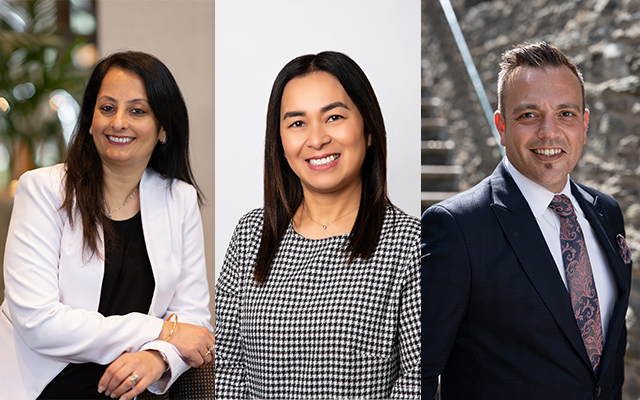
From left: Stuti Kumar, Lindsay David, and Joseph Stipo
Lindsay David joins as director of sales, New Zealand. She brings more than 20 years of hotel sales and business development experience, including senior roles with Millennium Hotels, IHG, and Rendezvous Hotel.
In Queenstown, Joseph Stipo has been named general manager of Rendezvous Heritage Hotel Queenstown. Stipo has spent 18 years with TFE Hotels, most recently as general manager of Rendezvous Hotel Melbourne, where he led a major refurbishment and rebranding.
In Perth, Thiva Kesavan has been appointed general manager of Rendezvous Hotel Perth Scarborough. Kesavan most recently served as general manager of Hyatt Regency Perth and has more than 20 years of hospitality experience across Australia and Asia-Pacific.
Supporting him, Lucy Ockleston has been named hotel manager. Ockleston has been with TFE Hotels for 14 years and previously held leadership roles across the Travelodge and Adina portfolios.
The International Air Transport Association (IATA) has launched Travel Smart with Lithium Batteries, a global campaign promoting safe travel with mobile phones, laptops, power banks, and other lithium-powered devices.
Running across IATA’s website and social media platforms, the campaign offers seven simple rules for handling these items safely when flying. Airlines, airports, and travel partners can also access white-label materials for use across their own channels.
IATA’s animated video demonstrates safe travel practices for lithium-powered devices
Recent IATA passenger survey results show that travellers are increasingly carrying multiple electronic devices – 83 per cent bring a phone, 60 per cent a laptop, and 44 per cent a power bank. Yet, despite 93 per cent claiming to know the rules, many misunderstand key regulations. Half incorrectly believe small lithium-powered devices can be checked in, while 45 per cent think power banks can go in checked luggage. A third are unaware of power limits for batteries or spares.
To address this, the campaign highlights seven key guidelines: carry all battery-powered items in hand luggage, never pack them in checked bags, protect loose batteries, check airline rules and battery watt-hours, and immediately alert crew if a device is hot or damaged.
The multilingual campaign will be rolled out industry-wide, with airlines and airports encouraged to share its digital assets. A short animated video has also been produced to communicate the rules in a clear and engaging format.
Common items powered by lithium batteries include mobile phones, laptops, tablets, cameras, e-readers, smartwatches, headphones, portable speakers, grooming tools, e-cigarettes, hearing aids, and small power tools.
“Lithium-powered devices are safe when handled properly, but they can pose a risk if damaged or packed incorrectly. As more travellers fly with these devices, our Travel Smart with Lithium Batteries campaign will help airlines educate their passengers on the simple rules they must keep in mind when travelling with the electronic devices that have become an essential part of their daily lives,” said Nick Careen, IATA’s senior vice president for operations, safety and security.
Spiritual tourism coupled with monuments like Taj Mahal in Agra are driving tourism growth in India’s northern state of Uttar Pradesh. As per industry stakeholders, the domestic arrivals have exponentially grown due to a huge surge of spiritual tourism.
“Three mega projects that became a game changer for tourism in Uttar Pradesh are Kashi Vishwanath Corridor, Ayodhya Development Project and Vindhyachal Corridor. All these are examples of urban planning with tourism in focus, proving that the Uttar Pradesh government sees tourism as an economic driver,” said Prateek Hira, president and CEO of Tornos.
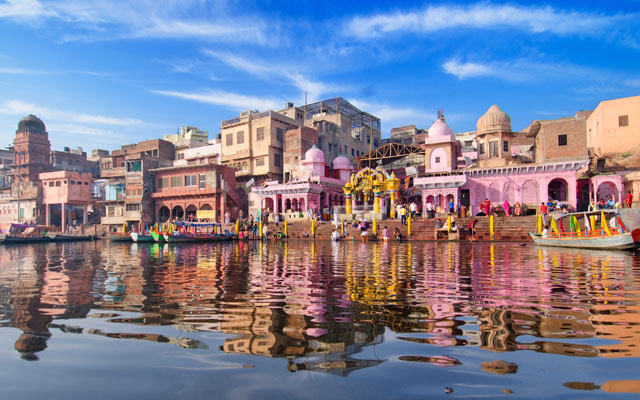
Varanasi’s riverfront ghats draw growing numbers of pilgrims and travellers, reflecting the rise of spiritual tourism across Uttar Pradesh
Hira added that the recent Maha Kumbh (a religious gathering held every 12 years) in Prayagraj recorded a footfall of 660 million visitors in just 45 days adding to the remarkable tally of tourist footfall in the state.
As per statistics available with India’s ministry of tourism, Uttar Pradesh recorded 478.53 million domestic tourist arrivals in 2023. The Taj Mahal remained the top visited Archaeological Survey of India ticketed monument, attracting 6.10 million domestic and 0.68 million foreign tourists in the same year,
“The state has consistently retained the top position in domestic tourist footfall, driven by its rich cultural heritage, pilgrimage circuits and large events like the Kumbh Mela. This growing inflow of tourists is also pushing demand for better infrastructure, including roads, airports, hospitality and urban facilities,” said Subhash Goyal, chairman, STIC Travel & Air Charter Group.
Agra and Varanasi remain the biggest magnets for inbound travellers while Ayodhya has emerged as a strong growth destination in recent months, attracting a surge in pilgrim tourism according to Akshay Thusoo, senior vice president, commercial, Sarovar Hotel.
“Domestic travel is also on the rise in Prayagraj, Mathura, Vrindavan and Lucknow, which are gaining popularity for their blend of heritage, cuisine and religious experiences. We are seeing a healthy uptick in occupancy and forward bookings across our properties in the state with strong interest from both leisure and MICE segments,” added Thusoo.
Uttar Pradesh Tourism is also showcasing its prominent sacred Buddhist sites like Sarnath, Kapilvastu, Sankisa, Kaushambi, Shravasti and Kushinagar in international travel trade events like the recently concluded PATA Travel Mart 2025. Post PATA Travel Mart, the Embassy of India in Bangkok also hosted a roadshow where the department of tourism, government of Uttar Pradesh delivered a presentation on the Buddhist circuit and the state’s diverse tourism experiences.
Mukesh Kumar Meshram, principal secretary, tourism and culture added: “The enthusiastic response at PATA has reaffirmed our vision to establish Uttar Pradesh as the global hub of Buddhist tourism. We expect that the partnerships created by our 20 co-exhibitors will strengthen itineraries, extend visitor stays and create shared opportunities for local communities and service providers.”
According to Goyal, Agra still draws many international tourists for the Taj Mahal, and places like Kushinagar and Kapilvastu are now becoming well-known as part of the Buddhist circuit.
“Gorakhpur is also seeing more pilgrims, especially at the Gorakhnath Temple. Together, these places are making Uttar Pradesh one of the fastest-growing tourism spots in India,” noted Goyal.
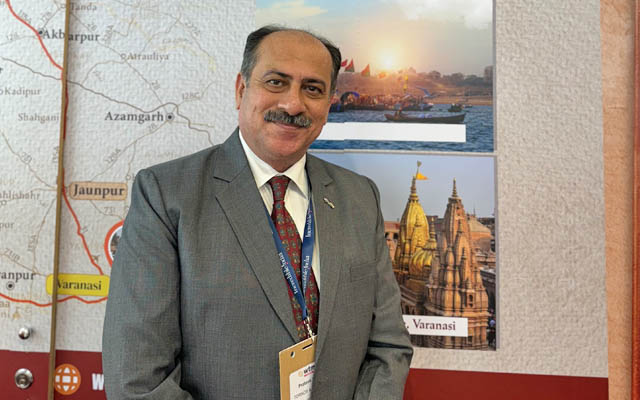
Hira: the Uttar Pradesh government sees tourism as an economic driver
The Uttar Pradesh government is also looking to develop rural tourism and home stays in the state. It recently unveiled Anand Bhawan Palace in Kannauj, which has been positioned as the state’s first luxury heritage home stay.
“With Anand Bhawan Palace opening as a heritage home stay, we are adding a new dimension to the tourism appeal,” added Meshram.
Sarbendra Sarkar, managing director and founder of Cygnett Hotels & Resorts, shared that the Uttar Pradesh government is actively enabling hotel expansion through high-impact measures in its tourism policy.
“The policy offers capital investment subsidies, stamp duty exemptions and waivers on land-use conversion charges for setting up or expanding hotels, especially in heritage or religious destinations. It also promotes adaptive reuse of pre-1950 properties, allowing forts, palaces and havelis to be converted into boutique hotels with financial incentives. Additionally, projects in Tier-2 and Tier-3 cities enjoy extra subsidies, encouraging hotels to move beyond metros. In my view, these targeted incentives are directly reducing costs and accelerating expansion,” said Sarkar.
Agreeing with Sarkar, Hira recalled that in 2018 and later in 2022, the Uttar Pradesh government came up with a forward-looking tourism policy that has attracted huge investments in the state.
“The policy not only incentivises tourism projects but also pays huge attention to quantifiable employment generation, participation of women in tourism and skilling youth for entering the sector,” said Hira.
Thusoo agreed, saying that the Uttar Pradesh government has been proactive in positioning the state as a leading tourism hub. “Infrastructure development – be it road connectivity, new airports or improved rail links – has been a game-changer for the hospitality industry. Initiatives such as developing tourism circuits (Ramayana, Buddhist and Braj circuits), heritage conservation and the promotion of cultural festivals are creating new demand drivers,” he added.
Industry stakeholders are also seeing new trends in the state’s tourism sector like religious travellers also exploring leisure activities.
“Visitors now look to extend pilgrimages with experiences like exploring heritage sites, indulging in local cuisine or visiting natural sites such as Dudhwa National Park which is steadily gaining visibility,” said Sarkar.
“This growth pattern is encouraging hospitality players to expand. We are strengthening our footprint in Uttar Pradesh with new signings in Kanpur and Vrindavan, adding to the existing presence in key destinations like Ayodhya.”
“There is also rising interest in experiential tourism with travellers eager to explore local culture, food and crafts beyond traditional landmarks. Short-stay travel and weekend getaways from nearby metros like Delhi and Lucknow are also on the rise, driving demand in Agra, Mathura, and Vrindavan,” concluded Thusoo.


 Tan brings over 30 years of experience across the hospitality and technology sectors, with expertise in hotel distribution, sales strategy, and client relationship management. She most recently served as vice president of sales – APAC at Lighthouse, a SaaS platform supporting more than 75,000 hotels worldwide.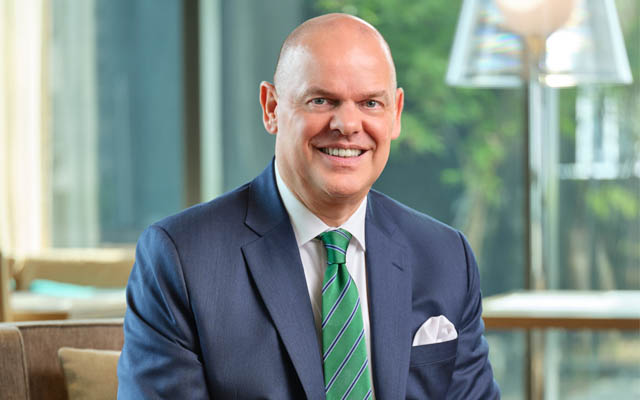
 He previously held senior positions at The Regent Hotel Group in Hua Hin, The Royal Cliff Hotels Group in Pattaya, The Steigenberger Riverside Bangkok, The Landmark Bangkok, and The Landmark London.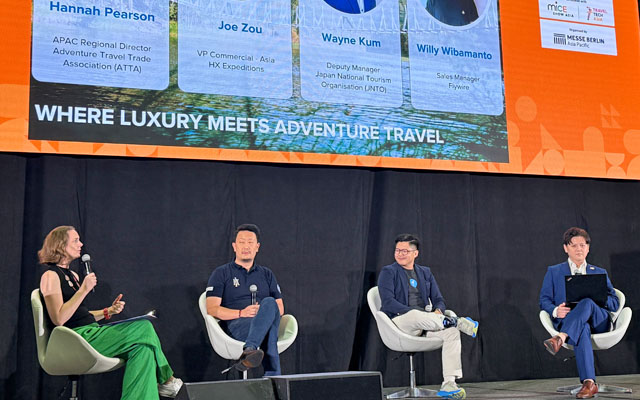





 Bourachi joins from The St Regis Al Mouj Muscat Resort in Oman, where she held the same role.