Asia/Singapore Saturday, 25th April 2026
Page 263

Emirates boarding pass unlocks winter offers in Dubai

0

Emirates is bringing back its popular My Emirates Pass. Starting from November 1, 2022 to March 31, 2023, My Emirates Winter Pass enables customers to get more from their trip with exclusive offers at over 500 locations in the UAE.

Emirates customers flying to or through Dubai can show their boarding pass and a valid form of identification to access discounts on hundreds of retail, leisure and dining outlets, as well as attractions and spas, throughout Dubai and the UAE.

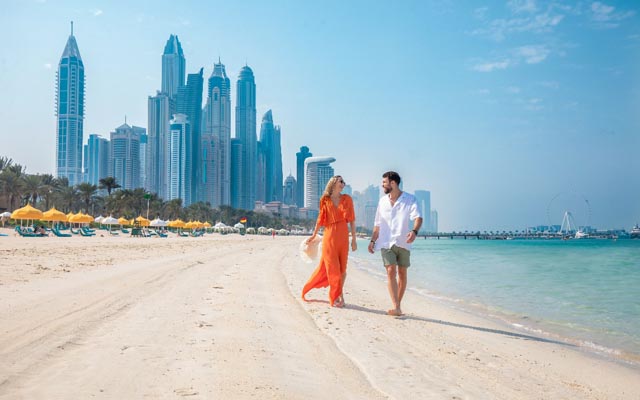
Emirates customers can get discounts throughout Dubai and the UAE with their boarding pass

In November, travellers can enjoy a complimentary Creek Sightseeing Cruise with Tour Dubai on a traditional dhow boat to see Dubai’s historic district.

Members of Emirates’ Skywards loyalty programme can earn miles on everyday spends at retail outlets in the UAE, and redeem these miles for reward tickets, upgrades, concert tickets and sports events tickets.

In addition, customers can browse, create and book their own customised itineraries including flights, hotel stay, visits to key attractions, and other dining and leisure experiences in Dubai and the UAE, through Emirates’ Dubai Experience platform, and enjoy even more benefits.

Tokyo plays up new highlights, lesser-known areas to bring back business events

0

Keen to pump up its pipeline of new inbound business events, Tokyo Convention & Visitors Bureau (TCVB) recently hosted its first two fam trips for meetings and incentive travel planners in three years.

Held from October 25 to 29, the fam trip welcomed some 20 international trade buyers who were split into two different tracks – one on Tokyo’s nature and wellness opportunities in Hachioji and Tachikawa, and the other on Tokyo’s waterfront developments in districts such as Shinagawa, Odaiba and Shiba Tokyo bay area.

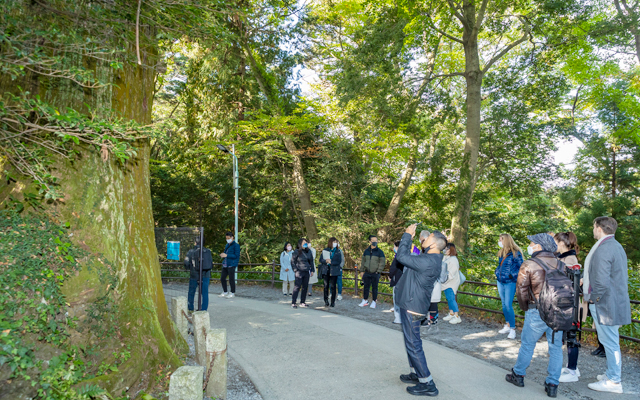
Business event planners were presented with destination ideas in Hachioji (Mt Takao pictured) and Tachikawa, both cities in Western Tokyo

The waterfront track featured some unique venues that were created for Tokyo 2020 Summer Olympics and are now available for event usage, such as Yumenoshima Park Archery Field and Canoe Slalom Centre.

TCVB will host two more in December.

Yuka Murata, representative of Business Events Tokyo, told TTGmice that the fam trips focus on nine MICE hubs across Tokyo, with the aim of introducing the events capabilities of the areas as well as new event ideas that have been developed there.

“There is more than just the familiar city centre of Tokyo for events. There is so much to do and experience across Tokyo,” said Murata.

“By educating planners on the versatility of the Tokyo Metropolis, we will not only inspire programmes to offer more variety but also encourage longer stays in the city and drive more tourism revenue deeper into the communities in the surrounding areas,” she added.

John Wee Tom, founder and managing director of Canada-based AreA, said the Hachioji and Tachikawa showcase had given him a new view of Tokyo even though he is familiar with the Japanese capital.

“It is quite a revelation for me. The selling point for both Hachioji and Tachikawa is their closeness to nature, which is something unexpected for visitors to Tokyo. Both areas are so accessible, and that has inspired me to consider using Tachikawa as the base for the main event and to plan activities around Hachioji,” he said.

Tom added: “The activities, such as rafting (in Okutama, which Tachikawa is an entry point) and dining at Ukai Toriyama in Hachioji, presented in the fam trip have incentive travel applications.”

Fioren Cahyadi, travel services manager with Destination Tour in Indonesia, who also participated in the same showcase, said the fam trip presented her with ideas for a more active programme.

“Indonesians are not used to walking long distances, but our hike up Mt Takao (in Hachioji) showed me that the activity can be quite comfortable in cooler weather, such as in autumn. The hike can be paired with the bonfire experience in Takaone Activity & Stay (an accommodation and cultural activity centre at the foot of Mt Takao) to satisfy clients’ need for unique and cultural experiences,” said Cahyadi.

In January 2023, TCVB will host fam trips with alliance cities, such as Okinawa, and Nagoya.

Murata said TCVB and the Tokyo business events community are well prepared for the return of events, while the destination’s delivery of the delayed games have demonstrated “our readiness to welcome large-scale events again, safely and securely”.

Going forward, TCVB will develop teambuilding programmes that satisfy Sustainable Development Goals.

Planners keen to take their events to the Tokyo Metropolis can qualify more easily for TCVB’s subvention programmes, as conditions have been adjusted to reflect current event needs and trends.

“Most post-lockdown event groups are smaller in size,” stated Murata.

Site visit support can now be obtained with just 500 visitor nights, down from 1,000 previously.

Tokyo’s Special Programs, which offer destination experiences perks, now cover smaller-scale events. Events with 70 visitor nights, down from 200 previously, can qualify for benefits such as an airport meet-and-greet, participant giveaways, VIP gifts, and a choice of entertainment activity.

Rewarding incentives

0

A stronger desire to build back lives better post-lockdown has influenced people to travel more responsibly, and this in turn has shaped corporate incentive trip programming.

Zaim Muhammad, managing director at Dubai-based Red Berry Travel & Tours, told TTGmice that he has noticed an uptick in clients’ requests for programmes that offer opportunities to preserve the local culture and to minimise negative impact on the destinations. There is also a preference for destinations where tours can directly support the local community. For instance, money will be spent at local restaurants, shopping will be made at small community shops, and local guides will be hired.

Along with conscious travel goals, big cities have fallen out of favour while requests for “mountain hiking and train journeys” having surged in recent months.

Sugeng Suprianto, managing director of Top Indonesia Holidays, echoes the shift away from big cities. His European and American clients are requesting for cultural experiences in Bali instead. In response, his agency has put forth walks in rice fields, where attendees can “burn some calories while learning about traditional rice farming”, as well as water blessing rituals “that is very famous in Bali to help wash the bad luck away”.

These activities are “immersive and meaningful”, allowing travellers to learn about the local culture and “providing the local community with a sense of pride that their culture is being appreciated by people from other countries”, Sugeng said.

“This is one way culture and traditions will continue to live on,” he added.

Petrina Goh, director at CWT Meetings & Events, observed: “As people return to travel, it is all about coming back better…as a more informed traveller that is more conscientious about their impact on the community.”

She has noticed a rise take up for farm-to-table activities, where attendees would forage for ingredients, prep the meal together, and dine with local hosts. Attendees take away a joyful memory, knowing that the activity is off-the-beaten-track, and the experience is local and meaningful.

Making the first move
For corporates wanting to be more impactful with their travel programmes but are unsure about taking the first step, incentive planners can provide valuable direction.

Singapore-based MICE Matters’ director Melvyn Nonis takes the initiative to discuss with clients how the content can be structured responsibly from the get-go.

He would recommend maximising the number of seats on coaches to save on costs and minimise carbon emissions; choosing set meals over buffets to reduce food wastage; providing reusable water bottles; and purchasing room drop gifts from locals.

On the travellers’ end, Nonis would “remind delegates to be courteous and respectful to both the hotel staff and local guides given the shortage in manpower, be generous in tipping for good service, as well as (support) green efforts like reusing towels in the room”.

While some clients like to visit orphanages and children homes, Nonis offers a more meaningful approach by planning lunch with the beneficiaries, making monetary donations, and bringing items the orphanage might need, such as stationery and clothes.

While conscious incentive travel is becoming more common, AB Sadewa, corporate secretary of Panorama and chairman of Panorama Foundation, found demand for sustainable travel to come mainly from “the US, Canada and Europe”. There have been few requests from the Asian market.

The Panorama Foundation is a social body that focuses on sustainable tourism growth. It ensures its own tourism products are developed in compliance with Travelife standards, which are acknowledged by the Global Sustainable Tourism Council. Travelife itself is a system that helps tour operators and travel agencies manage and improve social and environmental impacts by complying with sustainability criteria.

“One of the ways we can encourage our clients to think more about responsible travel for their future programmes is by doing a post-event campaign that shows what their efforts mean to local communities,” Goh suggested.

This can be in the form of farewell notes or pictures, or even a short study on how the trip has helped to boost the local economy or supported the charity.

Goh believes that tracking legacy is the responsibility of planners and event agencies “because this will help make their planning for future events be progressively more meaningful than the last”. – additional reporting by Mimi Hudoyo

Conscious cruising

0

One of the world’s leading cruise companies, the Royal Caribbean Group was in on the sustainability game 30 years ago, long before sustainable tourism became a trendy mainstream conversational topic. Its Save the Waves programme continues today, and is recently joined by Destination Net Zero, which aims to reach net zero emissions by 2050.

Commenting on the new announcement, Angie Stephen, vice president and managing director, Asia-Pacific, Royal Caribbean International, told TTG Asia: “This is a bold mission that will require a mix of solutions including rolling out new technology across our fleet, building more efficient ships, developing alternative fuel sources, and working across industries to develop new solutions that don’t even exist today.”

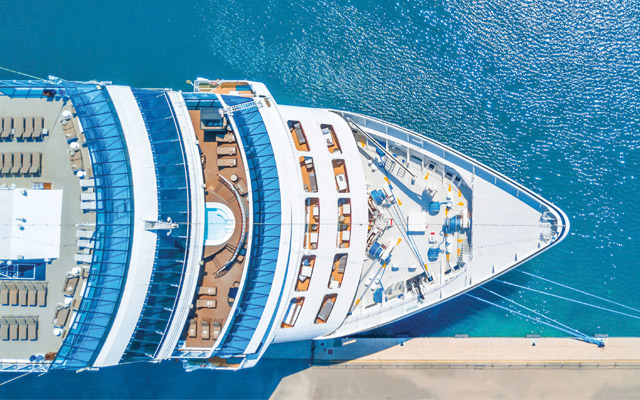
Leading cruise players have heavy investments in sustainable technologies and operations

Come 2023, the group’s Royal Caribbean International cruise brand will launch its first ship powered by Liquefied Natural Gas (LNG), Icon of the Seas. The second LNG-powered ship, Utopia of the Seas, will set sail in 2024.

Committed to building one new ship every year for the next decade, the group is future-proofing its portfolio through fuel flexibility, energy-saving technologies and innovation to ensure each new ship class is 20 per cent more energy-efficient than its predecessor.

Presently, it is already leveraging best-in-class technology such as AI-based engine optimisation to improve speed and fuel efficiency. The air lubrication system on its ships is also designed to reduce drag when sailing to augment energy efficiency.

Thanks to significant upgrades in its Heating, Ventilation, and Air Conditioning, vessels now also utilise 40 per cent less energy than previous iterations.

Apart from developing waste management technologies, the full fleet is equipped to be landfill-free.

Roughly 90 per cent of the freshwater used onboard is produced via desalination plants and processes, and the group is taking water conservation further by using aerators and low-flow showerheads to cut usage.

The group will also incorporate more sustainable fuels and use hybrid fuel cells that allow for zero emission.

In a similar green vein, Norwegian Cruise Line (NCL) drives positive impact on society and the environment through its global sustainability programme, Sail & Sustain.

Operating across all three brands within Norwegian Cruise Line Holdings (NCLH), the comprehensive initiative is centred on five pillars – reducing environmental impact; sailing safely; empowering its people; strengthening its communities; and operating with integrity and accountability.

Like Royal Caribbean Group, NCLH is also pursuing net zero emissions by 2050 across its operations and value chain. This year, NCLH joined the Methanol Institute to assess the feasibility of retrofitting existing engines to operate with dual fuels – diesel and methanol – with the aim of trialling methanol usage by 2025.

It has also established a target for approximately 70 per cent of the ships in its complete fleet to be equipped with shore power capabilities by 2025.

In the short term, the company has committed to offset three million metric tons of carbon dioxide equivalent over a three-year period to 2023 to bridge the gap in its decarbonisation efforts.

Identifying a tangible achievement specific to NCL, Braydon Holland, senior director, Asia, said 14 million single-use plastic water bottles and over 50 million plastic straws were removed from potential environmental harm through partnerships such as Flow Water, which uses sustainably produced paper-card packaging and a plant-based cap.

NCL’s brand-new Prima Class of ships offer a wide range of sustainability features, with technologies such as a nitrogen oxide reduction system (SCR) that cuts the ship’s overall environmental impact. They will also be equipped with an Exhaust Gas Cleaning System (EGCS), an Advanced Wastewater Treatment System to treat and clean all wastewater to meet stringent international standards, and Cold Ironing functionality to connect to onshore power grids to reduce emissions further while in port.

NCL’s responsible tourism efforts can be supported by guests when they patronise the sustainably-focused Metropolitan Bar onboard Norwegian Prima. It boasts zero-waste cocktails prepared with surplus ingredients, as well as a collection of sustainable spirits and biodynamic wines.

A recent survey among its guests revealed that up to 55 per cent rate environmental and sustainability policies as a very important factor when selecting a cruise line.

New-to-market Resorts World Cruises (RWC) also adheres to sound environmental practices in its operations, including increasing energy efficiency and recycling, conserving fuel and water, reducing solid waste generation, protecting marine life, and preventing oil pollution.

For instance, its ship is equipped with Eniram trim optimisation; and the exterior hull coating system incorporates the most advanced silicone-based paint to decrease drag for better fuel efficiency. The vessel also uses an EGCS to minimise emissions.

Besides, the company follows the highest marine industry standard where its bio-waste treatment system is equipped with dryers to incinerate or bag waste materials for offloading and disposal.

RWC president Michael Goh told TTG Asia: “Customers’ expectations of conscious travel and carbon impact are definitely shaping sustainable cruise operations. It’s important for cruise lines to be at the forefront in developing and executing responsible environmental practices, and to lead by example.”

Norwegian Prima’s Metropolitan Bar serves zero-waste cocktails prepared with surplus ingredients, and boasts a collection of sustainable spirits and biodynamic wine

Shore excursions that care
With shore excursions forming a big part of the complete cruise experience, cruise companies are also making sure that their sustainable cruising promises are kept on land.

To date, Royal Caribbean Group offers more than 2,000 Global Sustainable Tourism Council-certified tour destinations.

NCL’s new Go Local series of destination tours take guests into local communities and offer immersive experiences such as spending time at a goat farm to learn the generations-old way of making cheese, and fishing with residents.

A partnership with Alaska Native-owned Huna Totem Corporation has created authentic and sustainable ways to explore the region. This in turn provides jobs for the locals and maintains the area’s heritage and cultural values.

On RWC’s part, tour options with lower carbon footprint, such as touring on foot or on trishaws, are encouraged, and so are visits to nature and heritage sites.

Goh noted that there is heightened interest among cruise customers in such shore excursions, as well as those that are immersive and allow guests to interact with communities in the destination.

Dusit Thani Maldives welcomes new GM

0

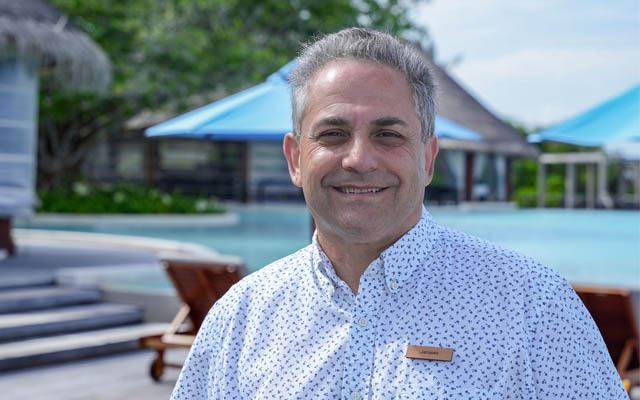
Dusit Thani Maldives has named Jacques Leizerovici as its new general manager.

He brings to the role more than 30 years of experience working in senior management positions for renowned hotel brands under the Accor group across South America, Malaysia, and Canada.

Most recently, he held the position of general manager of Pullman Vung Tau and Convention Center.

William Costley joins Minor Hotels as SVP of Asia operations

0

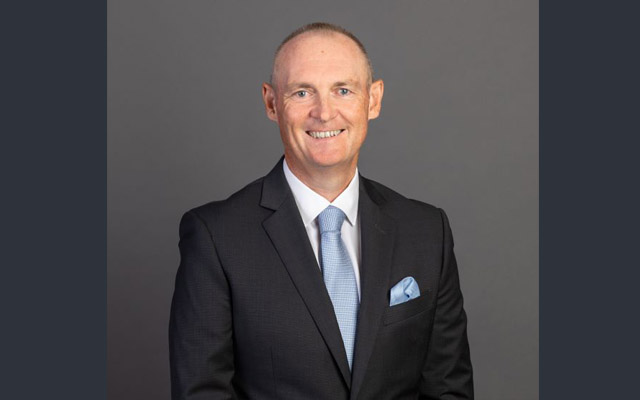
William Costley has been appointed as Minor Hotels’ new senior vice president of operations for Asia.

In this role, Costley will oversee all Minor Hotels brands, including Anantara, Avani, Oaks, Tivoli, NH Hotels and NH Collection throughout Asia.

Based in Bangkok, he joins Minor Hotels after 32 years with Hilton Hotels, where he previously served in the same capacity overseeing the group’s Arabian Peninsula and Turkey region.

La Vie Hospitality Group forms; eyes South-east Asia market

0

Sydney-headquartered independent hotel management company La Vie Hotels & Resorts has restructured its business and established an umbrella brand, La Vie Hospitality Group, to house all of the group’s business units.

The new La Vie Hospitality Group comprises six business units including La Vie Hotels & Resorts, Leadwell Asset Management, La Vie Hospitality Services, Marion Building Management, Paro Procurement Group, and a joint venture with hospitality training school Alliance College.

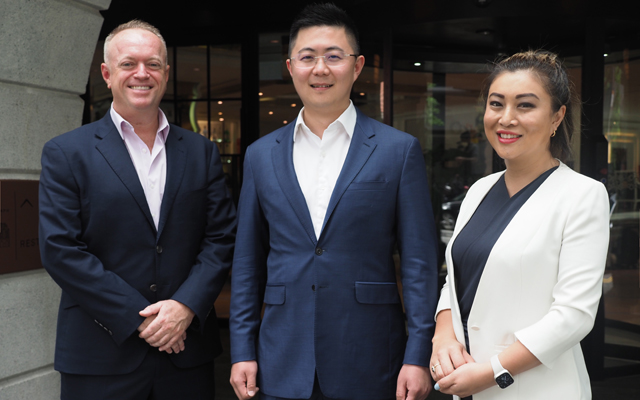
La Vie Hospitality Group’s Craig Bond, Jerry Xu, and Shellia Chang

Jerry Xu, founder and CEO, La Vie Hospitality Group, said: “This is an exciting evolution of our business and we’re proud to be one of the first Australian hospitality groups to launch a fully integrated offering that provides a one-stop shop for owners.”

Xu said La Vie Hospitality Group provides everything from managing hotels and procurement, to hiring and educating staff for its clients.

La Vie’s latest partnership with Small Luxury Hotels of the World (SLH) is a “strategic brand and distribution partnership”, Shellia Chang, group director of sales & distribution, La Vie Hotels & Resorts told TTG Asia, as La Vie has numerous upper upscale boutique properties that do not fit with big brands.

Chang added: “We are opening another 38-room sustainable hotel in Surry Hills in Sydney, and the Islington Hobart, both in partnership with SLH.”

“We are also launching our own brand, with the first resort due to open in the Maldives by the end of this year.”

Other fresh launches include a hotel in Patong, Phuket, in partnership with Choice Hotels, and The Motley Hotel in Richmond as part of a multi-partnership deal with Amber Property Group. Currently, La Vie Hospitality Group operates hotels across Australia, Bhutan, China, Maldives, Myanmar, Thailand, the UAE and Ukraine.

“We are growing rapidly. In addition to Australia, South-east Asia is going to be our key focus in the next 12 months,” Chang affirmed.

When asked how its offering differs from franchise management, she explained: “We are owner-centric and offer a 360 degree and tailor-made approach. We have a great relationship with big brands. While our hotels can be a franchise of a brand, we are the ones managing the hotel, and we ensure commercial delivery for the owners.”

For instance, La Vie Hotels & Resorts works with Radisson Hotels Group for three properties in Sri Lanka, as the latter is considered as the “best fit” for the region to “maximise financial returns” for owners.

Conscious and persistent

0

Marriott International has some very substantial sustainability and social impact goals to achieve by 2025. Can you shed light on how the company’s Asian divisions have been able to contribute towards Serve 360 in recent years?
Serve 360 is a critical framework developed to guide and track Marriott International’s sustainability and social impact efforts through 2025. It is aligned with the United Nations Sustainable Development Goals and outlines four priority areas – Nurture Our World, Sustain Responsible Operations, Empower Through Opportunity, and Welcome All and Advance Human Rights – each with its own set of 2025 goals.

Since the launch of Serve 360, our global operations have made significant impact across all four areas.

As part of Nurture Our World, our Asia-Pacific teams (excluding Greater China) launched a campaign in response to the humanitarian crisis in Ukraine. It sought to support those who have been affected, including our associates and their families. More than 2,000 associates contributed 3,500-plus volunteering hours to raise US$21,027 to the World Central Kitchen, which serves millions of fresh meals to Ukrainians fleeing their homes. Last year, when the pandemic devastated some of our markets, around US$660,000 was raised through the APEC Marriott Disaster Relief Fund to support associates who have been affected by the situation.

The Asia-Pacific (excluding Greater China) region is leading our international regions with a total contribution of 3.7 million volunteering hours to-date. Globally, our target is to contribute 15 million hours of volunteer service by 2025.

As part of Sustain Responsible Operations, one of our key programmes is the removal of tiny, single-use toiletry bottles. In 2019, we made a global commitment to replace these with larger, pump-topped bottles – ultimately preventing about 500 million tiny bottles annually from going to landfills. So far, 70 per cent hotels in my region have already implemented this change, and we are on track to fully comply by the end of 2022.

Food waste reduction is also one of our top priorities, and globally we have committed to reduce 50 per cent of our food waste by 2025. To support this ambitious target, more than two-thirds of Marriott hotels in our region are already enrolled in our environmental reporting platform. This is a crucial step because tracking will help our teams determine cost-effective solutions and avoid over-ordering. Studies have shown that Asia alone accounts for over 50 per cent of global food waste. We recognise the urgency of this issue and are working hard to enrol 100 per cent of our hotels by the end of the year, while continuing the expansion of our back-of-house food waste reduction programming.

Under our Empower Through Opportunity priority area, we have made Diversity, equity and inclusion integral to how we do business and interact with our key stakeholders. In Asia-Pacific (excluding Greater China), we’ve made significant progress towards gender parity for management positions. Around one-third of our hotel management positions are taken up by women, and there are 60 female general managers and hotel managers in the continent with a robust pipeline of top talent.

Supporting LGBTQ+ inclusion has also been a key priority for us. In this region, we created a formalised LGBTQ+ committee to increase visibility of the community and promote the importance of allyship within the workplace. Beyond the workplace, we partnered with external organisations…to raise awareness and demonstrate our full support towards LGBTQ+ inclusion.

And finally, for our Welcome All and Advance Human Rights priority area, Marriott International is committed to the fight against human trafficking, child sexual exploitation and forced labour. One of our 2025 targets is to have 100 per cent of on-property associates complete our human rights training. In my region, more than 55,000 associates from both managed and franchised properties have completed the training.

While this is by no means an exhaustive list, we recognise that there is still much work to be done. By leveraging the Serve 360 framework, we remain steadfastly committed to our goals as they guide our efforts to do good in every direction.

Did the pandemic disrupt Marriott’s ability to fulfil these goals?
To a certain extent, it did result in many of our programmes being put on hold. However, it is during these trying times that we also need to heavily rely on our core values to put people first, pursue excellence, embrace change, act with integrity, and continue to find the drive to serve our world.

Throughout this period, we are immensely proud of how our associates showed up for their local communities. Across the region, our hotels delivered lunch boxes, donated daily necessities, and collected unused linen for face mask production, just to name a few. There were many different efforts, but the outcome was the same – to help push through the crisis and serve our world.

Although the past few years have, arguably, never been more complex, global events such as the pandemic, increasing climate risks and humanitarian crises have led to significant increase in consumers prioritising purposeful brands. Challenging times like these have helped us reflect even harder on ways to advance sustainability and drive social impact around the world.

For example, last year we took the next step in our climate action journey with the announcement of our ambition to go net-zero, and commitment to setting a science-based target to aggressively reduce our environmental footprint. This year, we announced (our plan) to hire 1,500 refugees over the next three years.

Pioneered in Asia-Pacific, we have the Good Travel with Marriott Bonvoy programme which was designed to meet our guests’ concerns about their personal impact on the environment and their need for more meaningful travel.

As the largest hospitality company in the world, we believe we have the responsibility to make a positive and sustainable impact wherever we do business. We are optimistic about the future of travel, and ready to pick up where we left off, go further, and look for more suitable opportunities to do good.

How do Marriott’s Serve 360 goals influence its conversations with clients, be they corporate accounts, trade buyers or leisure travellers?
Sustainability has been a priority for our customers for some time. However, a heightened focus on sustainability has become clearer during the pandemic as the natural environment in destinations previously impacted by over-tourism begin to recover.

Our Serve 360 goals provide a framework for us to partner with our customers, who have their own sustainability goals in mind, and are looking to embed many aspects of sustainability throughout their operations and value chain. As we work to advance our sustainability journey, we support our customers to do the same. This is particularly important in the area of reporting. For over a decade, the hospitality industry has been using a standard way to calculate two key metrics – carbon footprint and water footprint per occupied room. This information, along with environmental practices such as sustainability certification, recycling, and more have been shared with our business travel community through RFPs, addendums and business sales channels.

On the leisure side, this information has also been requested to help influence purchasing decisions. Google, Booking.com and others are adding hotel-level sustainability criteria to their search options, and our own Marriott.com hotel websites now also feature a Sustainability section – with further enhancements and sustainability practices forthcoming – to help our consumers better understand the responsible operations at each hotel.

Let’s talk more about the Good Travel with Marriott Bonvoy programme, which has expanded from just 15 pilot hotels to nearly 100 hotels and resorts now across more than 50 destinations across Asia-Pacific in the span of a year. Where does it sit within the Serve 360 promise?
Our Good Travel with Marriott Bonvoy programme is an extension of our Serve 360 efforts to make a positive and sustainable impact wherever we do business. The programme invites guests to reimagine travel from a perspective of pure leisure to an opportunity to forge deeper connections with local communities and environments, and create a positive impact on the places they visit.

To create meaningful and purpose-driven experiences, we make a concerted effort to work closely with NGOs and local experts, such as marine biologists and artists. To qualify, each of the experiences must fall within the three distinct pillars: Environmental Protection aimed at supporting the resiliency of the natural environment due to environmental degradation, pollution, and climate change; Community Engagement aimed at creating a positive impact in the communities where Marriott hotels operate through cultural education or volunteerism; and Marine Conservation designed to restore and preserve marine ecosystems and species.

In addition, we have a cross-disciplinary governance committee that reviews each hotel application from the perspective of operational feasibility; local relevance; community/environmental impact; brand resonance. All experiences are further tailored to support resiliency in the individual environment and community surrounding each hotel and will vary from one another due to different location needs, partners engagement and programme design.

Has Good Travel with Marriott Bonvoy provided the company with new ways to engage its customers and to build valuable loyalty during the pandemic and now that travel has returned?
We are constantly finding new and meaningful ways to build emotional connections and engage with our close to 60 million Marriott Bonvoy members across Asia-Pacific. Our award-winning Marriott Bonvoy programme, in particular, offers guests the opportunity to unlock extraordinary experiences in appreciation for their loyalty. Members can redeem their points on getaways, vacations, flights and exclusive once-in-a-lifetime, money-can’t-buy experiences with Marriott Bonvoy Moments.

Now that travel has returned, we have observed that travel is becoming increasingly purpose-driven and impact-oriented. People are now looking to spend intentionally with the goal of leaving a positive impact whenever and wherever they travel to. According to the 2022 American Express Travel Global Survey, 83 per cent of millennials are considering the importance of purpose when they plan trips and decide which companies to work with, higher than 79 per cent of overall survey respondents.

Good Travel with Marriott Bonvoy offers specifically curated guest experiences for sustainability and social impact awareness and action, and empowers guests to make a positive impact on the environment or communities when they stay at Marriott International hotels.

Wyndham upgrades loyalty rewards for the holiday season

0

Wyndham upgrades loyalty rewards for the holiday season

0
.sister-sites .sites a { padding: 14px; }