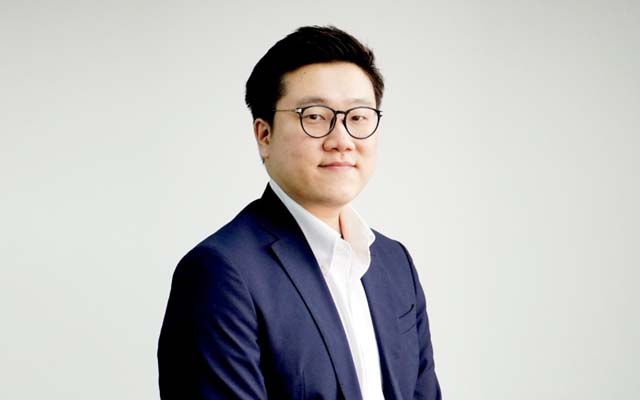
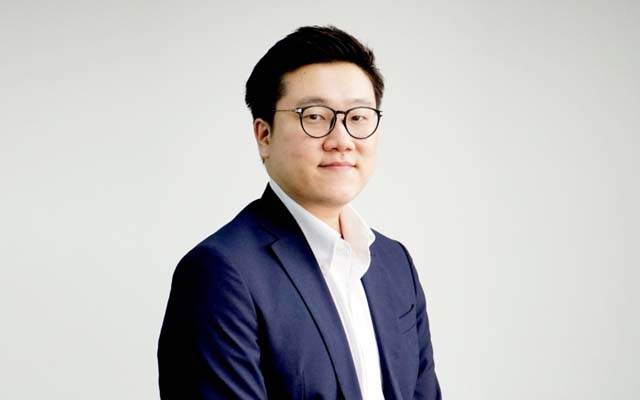
JLL Hotels & Hospitality Group has appointed Rathawat Kuvijitrsuwan as senior vice president, advisory & asset management, Thailand.
He will be responsible for advising both domestic and international clients through development advisory, feasibility assessment, investment strategies, operator selection and contract negotiation, and asset management.
He joins JLL from CBRE, where he was recently head of research and consulting, Thailand.
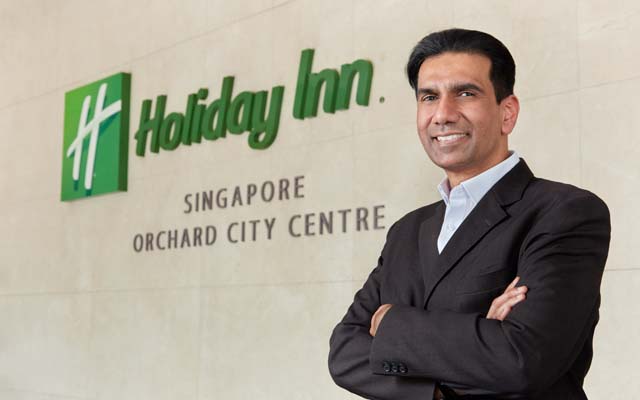
Olivier Monceau has been appointed as Club Med’s new general manager of Singapore and Malaysia.
His priorities will be to guide the team through the next phase of strategic brand growth within the region and lead his team to deliver effective and targeted end-to-end omni-channel experience to clients that synchronises consideration and conversion to grow top line and client acquisition.
The French national was previously general manager of Club Med Russia.
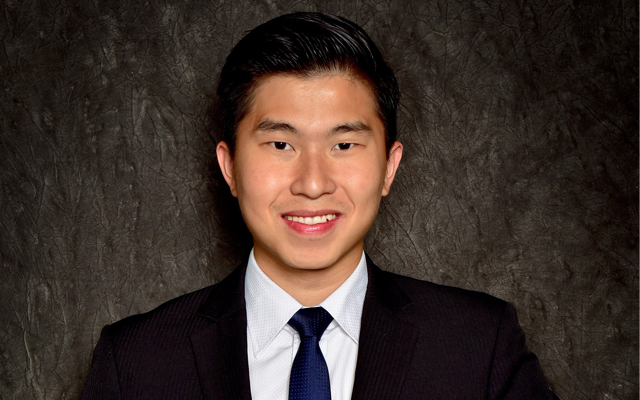
Dao by Dorsett has promoted Roy Liang to vice president of operations.
In his new role, he will head all Dao by Dorsett properties worldwide operationally as well as assist the owners in growing, developing and building the Dao by Dorsett brand and operational guidelines.
Liang will continue his role as general manager of Dao by Dorsett AMTD Singapore.
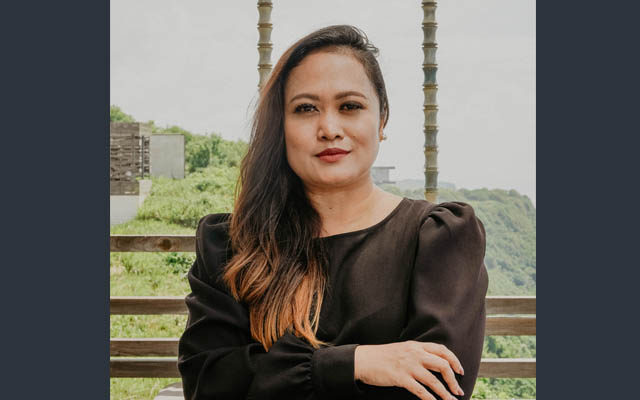
Alila Villas Uluwatu has named Dayu Susani as director of sales and marketing.
She brings to the resort almost 20 years of experience in the hospitality industry and will oversee all sales and marketing activities for Alila Villas Uluwatu in her new role.
She was previously with Raffles Bali in Jimbaran Bay where she led the pre-opening sales and marketing team.
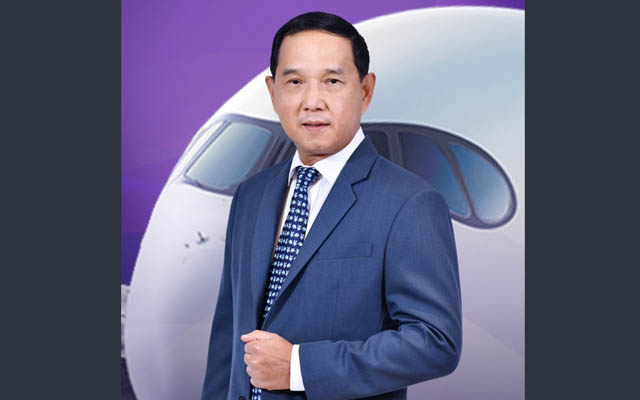
Thai Airways International Public Company Limited (THAI) has appointed Chai Eamsiri as its chief executive officer effective February 1, 2023.
Presently THAI chief financial officer, he has 37 years of experience and knowledge in Thai aviation industry and has played a vital role in the company’s Rehabilitation Plan implementation and transformation in the past two years.
In his new role, he will help THAI accomplish the Business Transformation and Rehabilitation goals with long-term sustainable prosperity.
IATA has reiterated the importance of keeping sustainable growth in sight as the air travel industry rises from the ashes of the Covid pandemic and travel disruption.
Speaking at the Association of Asia Pacific Airlines’ (AAPA) Assembly of Presidents in Bangkok last month, Conrad Clifford, IATA’s senior vice president and deputy director general, recalled IATA members’ unfaltering efforts towards achieving net zero carbon emissions by 2050 since 2021, despite the travel crisis, as well as the recent adoption of the Long Term Aspirational Goal (LTAG) at the International Civil Aviation Organization (ICAO) Assembly to achieve the same.
Airlines’ sustainability push is limited by Sustainable Aviation Fuels supply and high costs
“We are extremely encouraged by the LTAG agreement at the ICAO Assembly. With both governments and industry focused on the same goal, the significance of LTAG cannot be overstated. But to achieve net zero CO2 emission by 2050, government policy support in key areas of decarbonisation is critical. One such area is incentivising the production capacity of Sustainable Aviation Fuel (SAF),” said Clifford.
SAF is currently expected to account for 65 per cent of carbon mitigation in 2050. It will be the largest contributor to the industry’s sustainability. Airlines purchased all available SAF in 2021 and have committed to over US$17 billion of forward purchasing agreements.
“The problem is the limited supply and high costs. In 2021, only 125 million liters of SAF were available on the market. That was less than 0.05 per cent of the total fuel used,” explained Clifford.
“I urge Asia-Pacific governments to look at stimulating SAF production,” he said, adding that government incentives for SAF could result in 30 billion liters of production capacity globally by 2030.
He cited Japan and Singapore as exemplary in their approach to SAF, where governments actively involved the industry in the consultation process and promoted domestic SAF production.
“We urge other States to take similar steps, and to support the efforts to develop a global framework for a Book & Claim system for SAF,” he said.
The Book & Claim system enables travelling consumers to claim the CO2 reduction that their purchase achieves even if their aircraft lacks SAF access at the airport. This is achieved by directing their SAF purchase to another aircraft elsewhere with access to SAF.
Speaking to TTG Asia separately, Clifford said the Book & Claim system has been instrumental in enabling public participation in sustainable travel. Through the system, companies are able to support sustainable business travel and urge their airline vendors to use more SAF.
“But it is more than just the corporates that are driving the use of more SAF. In Europe, the general public demands that too,” he added.
Clifford: carbon offsets are not the answer but a necessary gap-filler when SAF supply is still lacking
Clifford acknowledged the benefits of having emissions listed with flight searches, such as on Google, as that has allowed consumers to make informed decisions on sustainable travel.
“We have developed a global standard for the industry to measure emissions, and that helps to reduce confusion when consumers look at different sites,” he shared.
The airline industry’s sustainable efforts are also supported by the ICAO Assembly’s reinforced commitment to the Carbon Offsetting and Reduction Scheme for International Aviation (CORSIA) as well as goal to stabilise emissions of international aviation at 85 per cent of 2019 levels.
When asked about the effectiveness of carbon offsets compared to emissions minimisation right from the start, Clifford told TTG Asia that air travel’s sustainable efforts currently could not be without carbon offsets.
“Carbon offsetting is important at the beginning, especially when we have this massive gap in SAF supplies. We need carbon offsets to ensure airlines are meeting their (emissions) targets. Carbon offsets is a gap-filler and certainly not the ultimate answer, but it helps at this point,” he explained.
Hyatt Hotel Corporation and Dream Hotel Group have announced an agreement for a Hyatt affiliate to acquire Dream Hotel Group’s lifestyle hotel brand and management platform including the Dream Hotels, The Chatwal Hotels and Unscripted Hotels brands, with properties in some of the world’s most prominent hotel markets across the Americas, Europe and Asia.
This asset-light acquisition will include a portfolio of 12 managed or franchised lifestyle hotels, with another 24 signed long-term management agreements for hotels expected to open in the future.
Hyatt Hotel Corporation’s acquisition of Dream Hotel Group will add over 1,700 rooms to the former’s lifestyle portfolio; The Chatwal Lodge, US pictured
Upon closing, this expansion will add over 1,700 rooms to Hyatt’s lifestyle portfolio and increase Hyatt’s room count in New York City by more than 30 per cent.
The acquisition continues Hyatt’s asset-light growth strategy following its transactions to acquire Two Roads Hospitality in 2018 and Apple Leisure Group in 2021 – and, most recently, Hyatt’s collaboration agreement with German Lindner Hotels to further grow Hyatt’s brand footprint in Europe.
Upon closing, Hyatt will pay a base purchase price of US$125 million, with up to an additional US$175 million over the next six years as properties come into the pipeline and open. Stabilised management fees associated with the base purchase price of US$125 million are anticipated to be approximately US$12 million and, to the extent the contingent purchase price of US$175 million is paid, additional stabilised management fees are anticipated to be up to approximately US$27 million. The total base purchase price plus the contingent purchase price represents an attractive acquisition multiple in the high-single digits on projected stabilised earnings.
Dream Hotel Group properties are known for their vibrant dining and nightlife experiences including hotspot restaurants, lavish entertainment venues and exclusive night clubs built on strategic collaborations with innovative and award-winning industry leaders.
“We have tremendous respect for what Dream Hotel Group founder Sant Singh Chatwal and CEO Jay Stein and their team have created and are grateful for the trust being placed in us by Dream Hotel Group to care for their brands and carry their success forward into the future,” said Mark Hoplamazian, president and chief executive officer, Hyatt.
The transaction is anticipated to close in the coming months, subject to customary closing conditions. Following completion of the transaction, Hyatt will work to welcome the new properties into the World of Hyatt loyalty programme.
Dream Hotel Group founder Sant Singh Chatwal will continue his commitment as an owner of four open and two future hotels that are expected to join the Hyatt portfolio. Dream Hotel Group CEO Jay Stein will join Hyatt as head of Dream Hotels to guide the integration of the Dream Hotel Group brands into the Hyatt portfolio, ensuring the unique DNA of each brand is preserved while leveraging Hyatt’s capabilities to optimise property performance.
Additionally, Dream Hotel Group’s chief development officer David Kuperberg will join Hyatt as head of development – Dream Hotels; chief operating officer Michael Lindenbaum will join Hyatt as global head of operations – Dream Hotels.
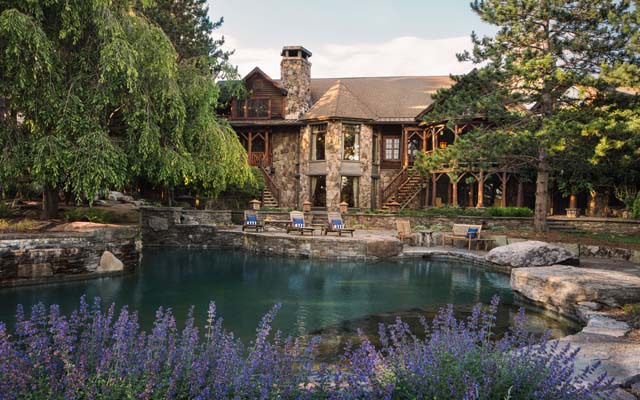
Mandarin Oriental Hotel Group will manage a new resort with branded residences in Phu Yen province, Vietnam, set for opening in 2026.
Mandarin Oriental, Bai Nom will sit on a beach, surrounded by raised plateaus with stunning views of the coastline and the ocean. The exclusive location and distinctive design of the resort will provide a perfect backdrop for a wide variety of personalised experiences, encompassing wellness retreats, cultural exploration and family-focused activities.
Developer Indochina Kajima and Mandarin Oriental Hotel Group will design and develop Mandarin Oriental, Bai Nom in a responsible
The architecture and design will incorporate many natural Vietnamese elements and local cultural references.
The property will take in 72 suites and villas, including 25 Residences at Mandarin Oriental, as well as three restaurant and bars, the Mandarin Oriental Spa, a 30-metre lap pool, a Children’s Club with a dedicated swimming pool, and more.
This will be the group’s third property in Vietnam.
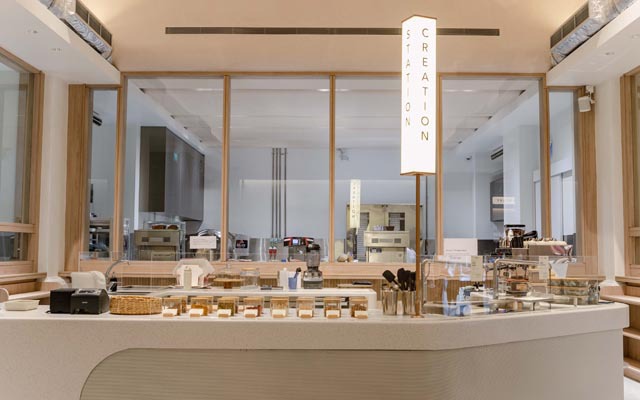
Homegrown bean-to-bar chocolate brand, Mr. Bucket, has launched Mr. Bucket Chocolaterie (Dempsey Factory) at Singapore’s lifestyle enclave, Dempsey Hill.
The attraction features Singapore’s first ever build-your-own chocolate slab station, an indoor and outdoor dining experience, as well as a new chocolate dispensary where guests can buy their favourite treats sustainably with their own containers.
Mr. Bucket Chocolaterie (Dempsey Factory) combines education and experience with chocolate appreciation
From bon bons and bars, to housemade bakes and entremets, to drinking chocolate and cacao wine, everything in Mr. Bucket Chocolaterie is made fresh daily, using only responsibly-sourced single-estate Asian chocolate.
Since establishing his chocolaterie in 2020, founder Jerome Penafort has remained committed to crafting chocolates from sustainably sourced cacao from Asia.
Mr. Bucket Chocolaterie (Dempsey Factory) allows Penafort to combine education and experience with chocolate appreciation, and to cultivate a deeper appreciation for cacao grown in Asia.

 He joins JLL from CBRE, where he was recently head of research and consulting, Thailand.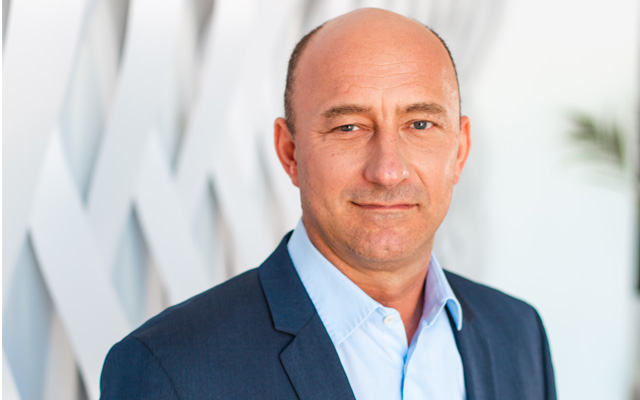
 He was most recently general manager of Crowne Plaza Bandung in Indonesia.
 Liang will continue his role as general manager of Dao by Dorsett AMTD Singapore.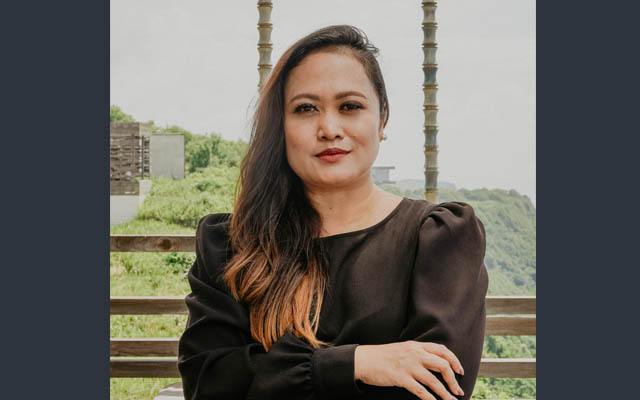
 She was previously with Raffles Bali in Jimbaran Bay where she led the pre-opening sales and marketing team.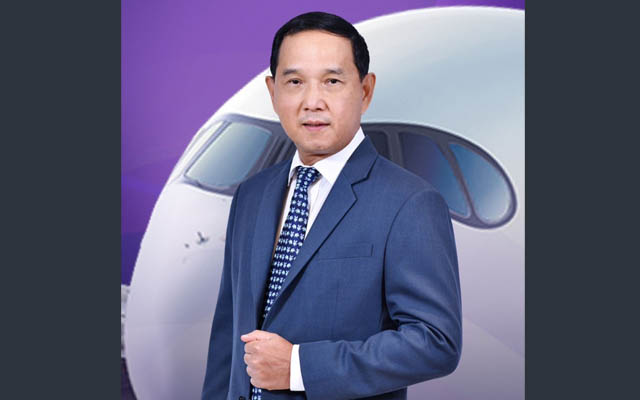
 In his new role, he will help THAI accomplish the Business Transformation and Rehabilitation goals with long-term sustainable prosperity.

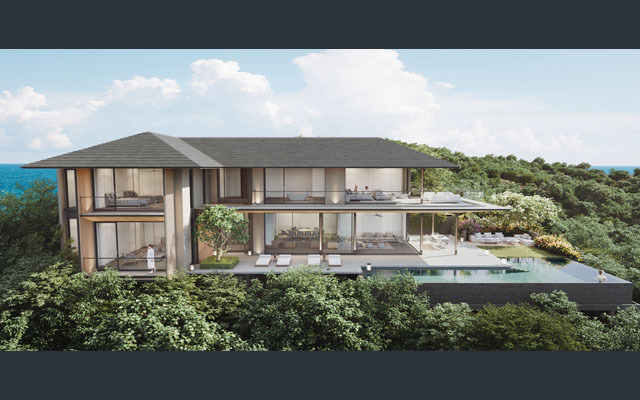




Mandarin Oriental Hotel Group will manage a new resort with branded residences in Phu Yen province, Vietnam, set for opening in 2026.
Mandarin Oriental, Bai Nom will sit on a beach, surrounded by raised plateaus with stunning views of the coastline and the ocean. The exclusive location and distinctive design of the resort will provide a perfect backdrop for a wide variety of personalised experiences, encompassing wellness retreats, cultural exploration and family-focused activities.
The architecture and design will incorporate many natural Vietnamese elements and local cultural references.
The property will take in 72 suites and villas, including 25 Residences at Mandarin Oriental, as well as three restaurant and bars, the Mandarin Oriental Spa, a 30-metre lap pool, a Children’s Club with a dedicated swimming pool, and more.
This will be the group’s third property in Vietnam.