Asia/Singapore Sunday, 26th April 2026
Page 255

Indian travel trade lauds government’s plans to develop tourism

0

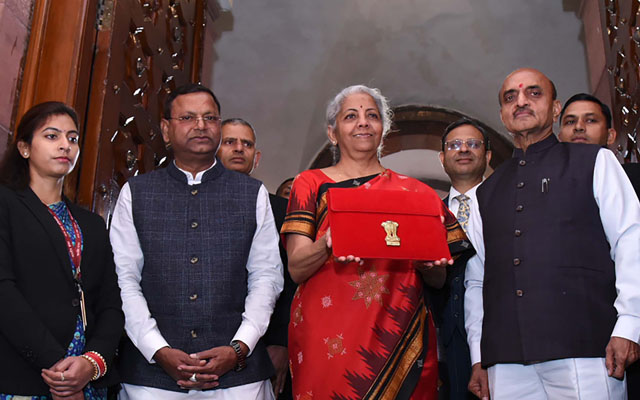
Around 50 new tourist destinations will be developed; a helpful tourist app; and Unity Malls selling local handicrafts are among the measures that were presented by India’s finance minister, Nirmala Sitharaman, as part of the Union Budget 2023-2024, on February 1.

In her budget speech, Sitharaman said that the promotion of tourism will be “taken up on mission mode”, with active participation from Indian states, as well as public-private partnerships.

Nirmala Sitharaman (centre) presents the Union Budget 2023-2024 at the Parliament House in New Delhi

This includes the development of 50 destinations for tourism activities with a focus on physical connectivity, trained tourist guides, enhancing food streets and tourist security.

An online application will also be developed to provide relevant information to travellers visiting these destinations.

Tourism stakeholders were largely positive about the possibilities.

Michael Jain, director of Belair Travel – The Global Travel Company, said: “Regional connectivity is key for helping India to showcase its diverse tourism experiences. With the government’s plans to renew 50 additional airports, helipads and advanced landing grounds, regional connectivity will improve strongly.”

Agreed, Sabina Chopra, co-founder & chief operating officer, corporate travel & head – industry relations, Yatra Online, added that the development will provide a “boost to niche segments like religious, spiritual and wellness tourism by easing passenger commute”.

The government will also encourage Indian states to set up a Unity Mall in their capital city or most prominent tourism area, and these will promote and sell handicrafts and products from the respective state.

“The government’s impetus on ‘Dekho Apna Desh’ (explore your country) will provide a further boost to the growth of domestic tourism in the country. The focus on setting up Unity Malls will help promote local handicrafts among both domestic and international tourists,” said Sarbendra Sarkar, founder & managing director, Cygnett Hotels and Resorts.

Under another scheme, the Vibrant Villages Programme, tourism infrastructure and amenities will also be facilitated in border villages as the government is looking to develop theme-based tourist circuits in the country.

New leadership team for La Vie Hotels & Resorts

0

La Vie Hotels & Resorts has created its newly bolstered leadership team with an experienced bench of international hoteliers.

La Vie Hotels & Resorts’ new leadership team

Shankar Sreekumar will helm as head of South & South-East Asia, while Rapeepohn Jamprapai is the new group director of finance in South & SEA Region.

Nelsy Zreik is group director of finance, Australia, and Russell Cool has been appointed as group director of operations, Australia.

Taking on the role of group director of sales & distribution is Shellia Chang, and Chris Batterham is the new chief development officer.

Rounding up the team is Jerry Xu, founder and chief executive officer; Craig Bond, managing director; and Priscilla Tran, chief financial officer.

Up close and personal

0

While Metro Manila and other parts of Luzon do not lack in historic and cultural sites, the challenge is making travellers appreciate them beyond mere cursory interest and obligatory social media photos and selfies.

The most basic route is by having well-trained and knowledgeable tour guides lead good tour itineraries.

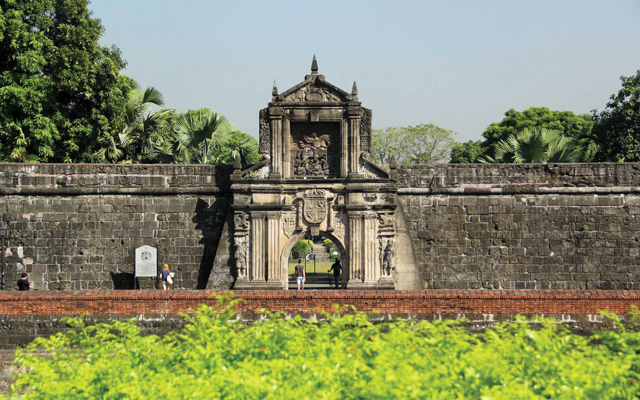
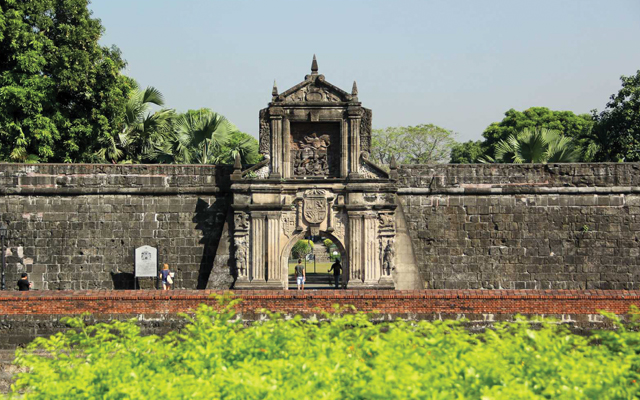
Fort Santiago in Intramuros, Manila

Department of Tourism-accredited tour guide, Marianito Malacaman, did just that by lapping up history books, researching and consulting with historians, including Anthony Feredo who specialises in military history, including the Second World War (WWII).

He then cobbled creative tours of the metro’s key tourist attraction, the centuries-old Walled City of Intramuros, that go well with both locals and foreigners.

Malacaman’s daytime walking tour, Intramuros Past and Present, appends interesting but forgotten areas of history, with a glimpse of the here and now thrown in. His Intramuros night walking tour, on the other hand, highlights the darkest moments of the city during the Battle of Manila, hewing as close as possible to the atrocities of WWII, packed with oft-neglected yet interesting itineraries and vignettes.

Metro Manila is awakening to the necessity of protecting, conserving, and restoring its historic and cultural heritage, as proven by the restoration of, among many others, the art deco Metropolitan Theater, a neo-classical building that is now the Museum of Natural History, 
and Ayuntamiento Building in Intramuros.

The 110-year old Manila Hotel, the country’s oldest, awes with MacArthur Suite, replicating the original design of the penthouse where American general Douglas MacArthur stayed. The hotel also has a museum of artefacts and memorabilia of centuries bygone.

Another historic gem, Luneta Hotel, the only building in the country with French Renaissance architecture that was left to rot for decades, is now a fully restored, functioning hotel.

Las Casas Filipinas de Acuzar, Bagac, Bataan, Philippines

Pairing two historic destinations make them more appealing, and with a variety of activities thrown in travellers will be motivated to stretch out their time in the destination, according to Angel Ramos Bognot, president of Afro Asian Travel and Tours.

Bognot referred to the twinning of Subic Bay in Zambales, once the biggest American naval base in the world, with Las Casa Filipinas de Acuzar, a unique 400-hectare living museum of 63 original heritage houses plucked and rebuilt from various parts of the Philippines and 34 replicas of vintage structures in Bagac, Bataan.

Apart from an engaging tour of the former naval base, Subic Bay also offers sand and sea, interaction with the indigenous Aeta people in the jungle, theme park visits and bits of duty-free shopping.

Accessible from Subic via yacht or overland which takes about two hours, Las Casas Filipinas de Acuzar is a class of its own, a step back in time that includes living in the vintage houses, riding the balsa or local boat to visit various structures in man-made islands, taking the tranvía, calesa or jeepney going around this vast living museum, and partaking of the meals of that era by the beach.

Added to the Subic Bay-Las Casas Filipinas tour are various WWII landmarks in Bataan, including the Zero Kilometer Death March Marker, the beginning of the 97km walk taken by almost 80,000 Filipino and American prisoners of war; 92m cross at the Shrine of Valor atop Mount Samat in homage to war heroes; Bataan WWII Museum; and the Japanese Friendship Bell Tower, a symbol of lasting peace and reconciliation.

In this land where fiestas, rituals and traditions are frequent celebrations, more and more destinations showcase their culture and heritage in songs and dances, gastronomy, legends and folklore, sports, handicrafts, and festivals religious, harvest, flower, summer, rites of passage – just name it, the Philippines has them.

Southeast Travel Corp general manager, Marlene Insigne, said tourists need not just see, but also feel, taste, smell and hear to better appreciate history and culture. This leads to the presentation of immersive and experiential tours, and in certain cases, the use of technology such as virtual augmented reality and light and sound.

“Let tourists mingle with the locals, especially with the elders who knew best the history and culture of the place not by the books but by experience,” Insigne said, pointing to the Subic Bay tour with a learning component from an Aeta elder who taught jungle survival skills to Americans who fought in the Vietnam War.

Another idea, Insigne said, is staying in a community for a night or a full day, sampling local food after watching a cooking demo, and witnessing festivities or rituals during their stay.

An example is a heritage trail of Malolos in Bulacan that included a culinary demo and a meal featuring the food served when the First Philippine Republic was proclaimed in Malolos in 1899; or a tour of the heritage town of Taal in Batangas, tailored to include a stay in an ancestral home, food and walking tour of old churches and vintage houses, and local flavours.

New roles announced for Indonesia tourism ministry

0

Sandiaga Uno, Indonesia minister of tourism and creative economy, has installed Vinsensius Jemadu as his new deputy minister for tourism products and events on January 30.

Vincensius, who was deputy of destination development and infrastructure, takes over from Rizki Handayani, who now leads as deputy for industry and investment.

Four other officials were also installed yesterday.

IHG names Patrick Finn as VP development (South-east Asia and Korea)

0

IHG Hotels & Resorts has appointed Patrick Finn as vice president, development for South-east Asia and Korea.

Based in Singapore, Finn will join the South-east Asia and Korea Leadership Team to spearhead strategic growth initiatives and oversee the expansion of the group’s brands in the region.

He brings more than 20 years’ hotel development experience to his new role. Most recently, Finn worked for Hyatt Hotels Corporation and was responsible for leading the company’s development function across Asia-Pacific.

Michael Robinson joins Anantara Riverside Bangkok Resort as GM

0

Anantara Riverside Bangkok Resort has appointed Michael Robinson as general manager.

In his new role, Michael will oversee all operations of the property, including accommodation, F&B, river cruise, spa, as well as meeting and event facilities.

The New Zealand national joins Anantara Riverside Bangkok from FCC Angkor by Avani in Siem Reap, where he worked as general manager from 2020.

Tourism Australia promotes Karen Saw to country manager Malaysia

0

Karen Saw has been promoted to country manager Malaysia, where she will take the lead in driving Tourism Australia’s local market strategy.

In her new role, Saw is responsible for aligning the marketing and promotion of Australian tourism in Malaysia with Tourism Australia’s strategy, driving tactical conversion with aviation and distribution partners to target leisure consumers and business events opportunities, as well as working closely with key stakeholders to develop products and experiences that drive tourism growth into Australia from Malaysia.

She joined Tourism Australia in 2009, and was most recently business development manager.

Utah woos India with new training platform

0

Utah Office of Tourism has stepped up its trade and consumer efforts in India by organising its first standalone tourism missions in the market from January 16 to 20, covering the cities of Mumbai and New Delhi.

With the pandemic situation improved, the tourism body aims to engage with Indian travel trade and media, as well as create awareness about the destination.

Bremer: travel agents here are ready to expand beyond East and West Coast of the US

Plans for the market include working with social media influencers, strengthening digital presence with OTAs, hosting fam trips for travel agents, and launching B2B as well as B2C marketing campaigns.

Rachel Bremer, global markets director, Utah Office of Tourism, shared: “Our interactions with travel agents have been positive. Travel agents here are ready to expand beyond East and West Coast of the US and sell more immersive and outdoor products, like Utah.”

In February, it will also introduce a new training platform, Utah Specialist Academy, for Indian travel agents, giving them an opportunity to be certified as Utah specialists and promote experiences like road trips, skiing and national parks to the Indian market.

Apart from leisure, luxury, and visiting friends and relatives, it is also targeting the Indian business events segment.

“We are looking to host incentive groups of 50 to 100 pax in strength. We have some interesting lodges that can host archery or horse riding for team-building activities. Incentive groups can also enjoy hiking in our national parks,” added Bremer.

Centara Mirage Resort Mui Ne appoints new GM

0

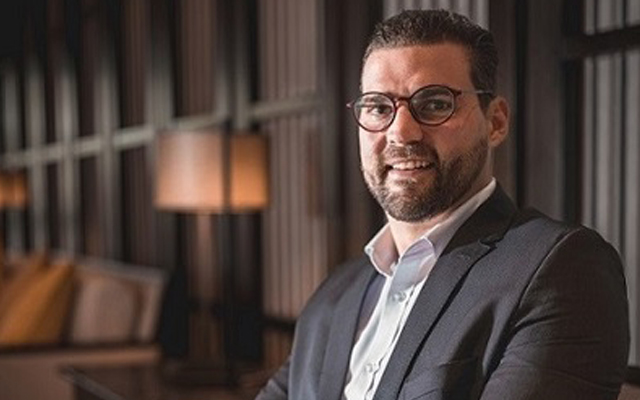
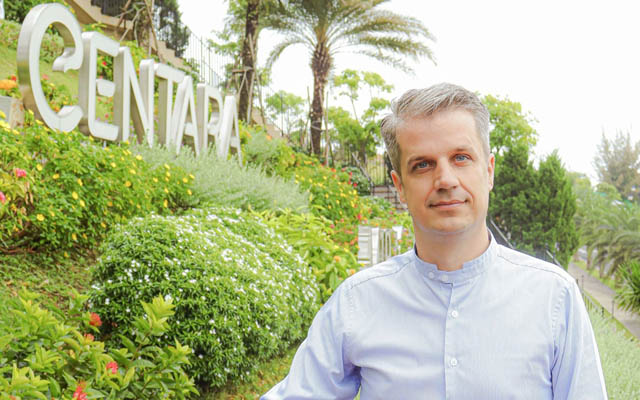
Tom Pieter Van Tuijl is the new general manager of Centara Mirage Resort Mui Ne.

With over 20 years of extensive experience in the luxury hotel management industry, he will be responsible for the strategic management and operation of the resort.

Prior to joining Centara Hotels & Resorts, he was general manager of FLC Hotels & Resorts, where he was responsible for FLC SamSon Beach & Golf Resort and FLC Halong Bay Golf Club & Luxury Resort.

Gems of the region

0

Saga, Japan
Saga prefecture has long been an important trading centre thanks to its location on the north-east coast of Kyushu, which has allowed green tea cultivation and pottery manufacturing to flourish.

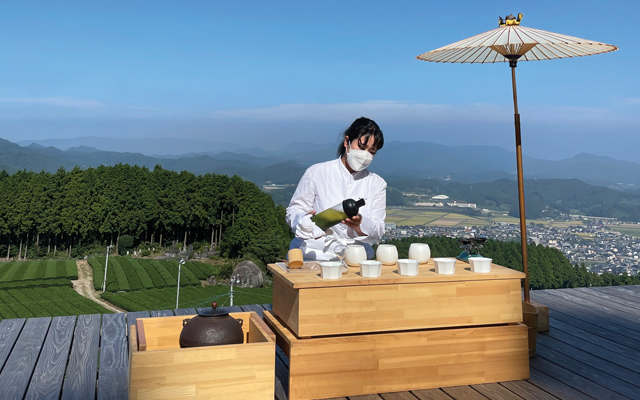
At Ureshino-Onsen, which is home to Japan’s oldest green tea tree, visitors can soak in that history with a range of green tea experiences, including a tasting on a tower in a tea plantation overlooking Omura Bay, a cycling tour through the tea fields or a workshop with a green tea sommelier.

Unique experiences also abound in porcelain-producing Arita, where it is possible to visit ceramics museums and theme parks, watch potters in their workshops and even throw your own pot.

From Fukuoka International Airport there are express buses to Ureshino and Arita. It is also possible to travel by train from Hakata Station, riding the bullet train from Takeo-Onsen to Ureshino-Onsen on the Nishi-Kyushu Shinkansen, which opened in September 2022. – Kathryn Wortley


Quang Nam, Vietnam
While the Central Vietnamese province of Quang Nam is famous as home to the ancient city of Hoi An and coastal resort of Danang, there is plenty more to enjoy. The year 2022 has seen authorities promote the area as a leading eco-tourism destination, full of immersive experiences that give a glimpse into local life.

For example, Bay Mau coconut forest close to Hoi An gives visitors the chance to set sail on a traditional basket boat to explore the lush coconut forest. At Tra Que vegetable village, also close to Hoi An, visitors can meet an agricultural community and learn first-hand about their livelihood.

Further afield, deep in the heart of Truong San mountain range, about a two-hour drive from Danang, indigenous community-based tourism is emerging.

Home to the Cotu ethnic people, the area offers the chance to check-in at a homestay before spending the day learning about the mountain forest people’s unique way of life. – Marissa Carruthers


Pulau Tuba, Malaysia
Pulau Tuba is the third biggest island in the 99 island chain of Langkawi. It is located just 15 minutes by water taxi from Kuah Jetty on the main island of Langkawi.

Home to some 3,500 people, the idyllic island charms with traditional kampong houses, vast expanse of paddy fields, and assorted farm animals including buffaloes and cows lazing on the roads or cooling in mud holes. The vibe harkens back to simpler times, three decades ago.
People on Pulau Tuba are primarily involved in fishing and farming. The fishermen will also occasionally go to the forest to gather herbs, medicinal plants, wild fruits and honey to sell.

Tourism on the island is new as it is only recently that water taxis with scheduled departures from Kuah Jetty have been made available.
Plans are underway to make the island Malaysia’s first low carbon destination. As most residents own motorcycles, the state government intends to replace combustion-engine motorcycles with electric ones.

At the same time, Friends of Langkawi Geopark (FLAG), a non governmental organisation, has implemented various projects to help improve the quality of life for the island community.

For instance, working with other non-profit organisations and institutions, FLAG organised a workshop last year to upgrade the services provided by 13 homestay operators on the island. FLAG hoped that the expertise provided would empower the operators and build their resilience and confidence.

Another project undertaken by FLAG in 2022 was the training of specialised Tuba and Geopark guides who were given further knowledge and understanding of the Geopark and the art of storytelling about attractions on the island. – S Puvaneswary


Camiguin, the Philippines
Camiguin is as exotic as it sounds. Dubbed the Island Born of Fire, this laidback coastal province in northern Mindanao was literally formed by volcanic eruptions.

Picturesque islands ringed by white beaches and seas teeming with marine life aside, Camiguin has seven volcanoes, natural hot and cold springs, waterfalls and forests waiting to be explored. Old Guiob Church Ruins and Sunken Cemetery literally under water were caused by volcanic eruptions.

Volcanic soil makes lazones (or longkong) fruit sweeter, giving birth to the tourist magnet lanzones festival during the September to November harvest season.

Bernadette de Leon, general manager of Amiable Intertours, agreed with guest reviews in giving the newest resort in town, 150-key Nouveau Resort Camiguin, high marks for aesthetics, cleanliness, food, service, facilities, location and view.

“Camiguin is a peaceful, compact destination with everything in there (so) we don’t want it to be very commercial” in expanding its airport and marine port and adopting a new tourism branding next year, said governor Xavier Jesus Romualdo. – Rosa Ocampo


Jember, Indonesia
Jember, a regency in the south-eastern part of East Java, is working its way to gain recognition as a destination from the national and international market.

The destination is a gateway to Meru Betiri National Park (the other gateway is Banyuwangi), popular among adventure travellers for its pristine jungles and beaches. The Sukamade Beach, for example, is known to have four of six turtle species in Indonesia.

Jember is also a producer of coffee, cocoa and tobacco, particularly the Na-Oogst type that is used for cigars. In fact, Jember is the top producer of this type of tobacco in Indonesia – between 8,000 and 9,000 tonnes are produced annually, and 90 per cent of which is exported. Data from BIN Cigar, one of the four cigar producers in the area, shows that Indonesia is the second world player after Cuba in the cigar market, with an export value of 1.5 trillion rupiah (US$98 million) per year.

So, it is no surprise that Jember offers Museum Tembakau, where travellers can learn about the plant and the cigar-making process.
The destination also organises the annual Jember the Cigar City of Indonesia (JKCI) festival, which comprises a tobacco and cigar mart for the local and international cigar trade community. The fourth edition of the festival was held in 2022.

The regency is also known for its Jember Fashion Carnaval (JFCC), a street carnival combining arts, fashion, culture, dance and music, since 2003. The event has won both national and international accolades.
Jember is currently accessible by car or train (3.5 hours) from Surabaya. Come January 2023, a twice-daily regular chartered flight will be available on that route, partly subsidised by the regency government. It is hoped that commercial airlines would follow suit when they see traffic flowing into the destination.

Plans for an airport runway extension to accommodate larger aircraft are in discussion.

Data from the Indonesia Hotel and Restaurant Association Jember Chapter shows there are around 2,500 rooms of all categories in the destination. Top brands include Dafam Fortuna, Aston and Java Lotus. – Mimi Hudoyo


Northern Tasmania, Australia
Blending nature, culture, history and cuisine, this northern part of Australia’s southmost location is a haven for the wild at heart.

Its towns are rich in Convict-era history, dotted with a trail of world-class wineries and waterways to explore. Visitors can also hike in a dramatic gorge, sled a river or fly between tall trees.

If that wasn’t enough, Northern Tasmania will more than satisfy foodies with Launceston, a UNESCO City of Gastronomy – one of only 36 world cities owning the title.

Traditionally recognised for its unique paddock-to-plate culture, Northern Tasmania offers a selection of dining venues, experiences like cooking workshops, vineyards, and the Cradle to Coast food trail – a popular gastronomic experience among visitors.

It also has Australia’s only floating wood-fired sauna and Tasmania’s first wabi-sabi-inspired stay, aptly named Sabi. This luxurious designer cabin opened in mid-2022.

Lucky ones can even catch the Southern Lights or Aurora Australis, especially in winter.

Visitors will need to travel via a connecting flight from a major Australian city into Launceston Airport or via the Spirit of Tasmania ferry that sails from Geelong (near Melbourne) to Devonport, where a new Novotel hotel has just opened. – Adelaine Ng

.sister-sites .sites a { padding: 14px; }