A combination of poor local economic performance in Sri Lanka and the lure of better paying jobs elsewhere has forced skilled hospitality staff to abandon the country.
Many have chosen to move to West Asia, Europe and North America in search of greener pastures, while businesses in Ireland, Japan, Australia, the UK and Canada are courting Sri Lankan hospitality talents.
Hospitality in Sri Lanka is facing a shortage of staff due to the pandemic and other crises in the country
Industry leaders say this is “crippling” Sri Lanka’s hotels.
M Shanthikumar, president of the Hotels Association of Sri Lanka, said the hotel industry is losing 20 to 25 per cent of its staff annually.
Rodney Armstrong, president of the Hotels Association of Kandy, said his hotel lost 15 chefs who went to Qatar to work during the FIFA World Cup last year.
“We have lost other skilled workers. Losing skilled workers is the biggest problem for hotels in Sri Lanka,” he remarked.
A chairman of a five-star hotel in Colombo city, who has asked not to be named, said the number of workers leaving the industry has increased during the pandemic and last year’s economic crisis.
The lack of skilled manpower to support operations and business recovery is especially worrying when hotel operators are also burdened by rising electricity rates and loan repayment pressures.
The anonymous hotelier told TTG Asia that electricity is the single highest cost for hotels in Sri Lanka, representing 30 to 35 per cent of total operational costs.
“We need space to recover. We need to rebuild the industry from the ongoing crisis since 2019, but costs are a deterrent,” he said.
Sri Lanka’s travel and tourism industry was given two moratoriums on loan repayments, but it is still challenged by a slow return in international tourists. The country welcomed 2.5 million visitors in 2018. In 2023, only 1.2 million are expected to have visited.
Japan’s travel industry is looking to language processing tools and other artificial intelligence (AI)-based technologies to support communication with international travellers in the face of rapid inbound tourism recovery and a shortage of English-speaking staff.
In Tokyo’s Seibu Shinjuku Station, a new AI-powered machine is being deployed at ticket counters. Developed by Toppan Printing Company, the device called VoiceBiz interprets speech in 12 languages, and displays the conversation in real time on a transparent screen so staff and customers can see each other and the translation.
Interpretation devices and AI-based technologies can support international visitors with communication in Japan
According to developer National Institute of Information and Communications Technology (NICT), the service is designed to maintain the human touch during interactions. The technology was tested at Kansai International Airport earlier this year.
The team is also developing a simultaneous interpretation system to be used at World Expo 2025, which will be held in Osaka.
Eiichiro Sumita, project leader at NICT, said progress in AI is driving the creation of the latest interpretation devices, which could advance Japan’s tourism industry by attracting visitors who were previously daunted by the language barrier.
Kotozna Inc., meanwhile, has been trialling its new ChatGPT-based service ConcierGPT this summer at Southern Beach Hotel & Resort Okinawa. The technology acts as a mediator between visitors and front desk staff, and is “capable of providing accurate, plain and multilingual answers for each accommodation’s specific information”, said Genri Goto, CEO of Kotozna.
ConcierGPT builds on the company’s information dissemination and communication tool In-Room, whereby guests scan a QR code that directs them to details on the accommodation’s offerings and to a chat service, both of which are available in multiple languages.
In-Room has been expanded to more than 300 hotels and ryokan inns nationwide so far this year, according to Kotozna, which claims it improves communication with visitors, addresses labour shortages, and promotes consumption of the facility’s F&B and souvenirs.
PATA’s Annual Tourism Monitor 2023 report showed that international visitor arrival (IVA) numbers in 2022 were the strongest since 2019, heralding the much-awaited resurgence of the international travel and tourism sector for the Asia-Pacific region.
The report revealed that 2022 saw 44 destinations across the region end with a collective annual gain of almost 124.2 million foreign arrivals, to return a collective inbound count of nearly 265.5 million.
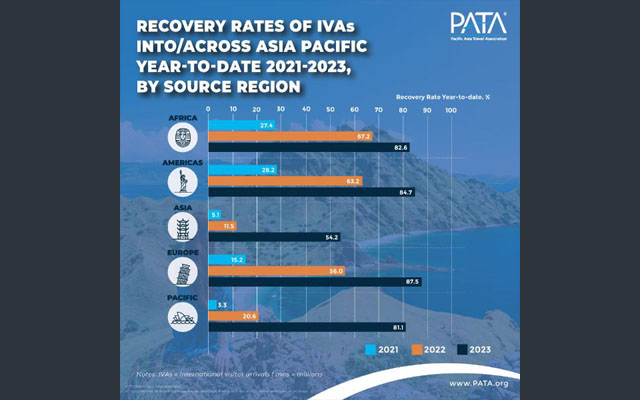
Recovery rates of international visitor arrivals into/across Asia-Pacific year-to-date 2021-2023, by source region
There were wide differences at the three Asia-Pacific destination region levels. The Pacific had the strongest growth rate in 2022 year-over-year, whereas Asia received both the largest number of arrivals and the greatest annual increase in absolute numbers from 2021.
Even so, the number of IVAs into and across Asia in 2022 reached only 27% of 2019 levels. The Americas had the strongest recovery in that regard, with 69%, followed by the Pacific, with over 57%.
These are generally very positive results, but even more heartening are those for the early periods of 2019 to 2023, where the strengthening of IVA numbers, which began in the first periods of 2022, continued in early 2023.
Every year-to-date figure is consistent for each of the 38 destinations with early period arrivals data and their respective months covered between 2019 and 2023. This data therefore gives a solid indication of how arrival numbers into and across Asia-Pacific are trending over time.
The IVA growth that began in early 2022 has gained momentum in early 2023, with the addition of more than 93.3 million foreign arrivals, a volume increase of more than double compared to the previous period. This has boosted the recovery rate for early 2023 to more than 68% of the early 2019 IVA levels.
Although Asia may have been slower in returning to growth up until 2022, the early 2023 figures show a very powerful return to dominance in the Asia-Pacific mix of arrivals. Asia had the strongest performance of the three destination regions against the metrics of IVAs year-to-date, period-to-period growth rate, and period-to-period increase in absolute numbers of IVAs. Even the recovery rate for Asia, while still the lowest at 62.4%, is a 35-percentage point improvement over 2022 and is only six percentage points below the Asia-Pacific average.
Of particular interest is the mix of source markets fuelling these recovery rates. Most source regions have achieved recovery rates above 80% in early 2023. The exception is Asia, which has improved its arrival numbers for the Asia-Pacific to just a little over 52%.
That raises a critical issue because in 2019, Asia was the dominant supplier of IVAs to the Asia-Pacific, accounting for nearly 63% of total arrivals in the region. Therefore, any decline in those source markets poses an obvious challenge for the region as a whole.
Although Asia’s recovery rate as a source region in early 2023 is relatively low, at just over 54%, it marks a dramatic improvement of almost 43 percentage points compared to early 2022, which demonstrates significant growth momentum.
Among all the source markets in Asia-Pacific, mainland China is the most significant in terms of volume – in 2019, the country accounted for almost 30% of the IVAs from Asia and 19% of the total aggregate visitor numbers to Asia-Pacific destinations.
In early 2023, visitor numbers from mainland China saw a dramatic increase, surpassing 23 million. This marks the strongest early-period performance since early 2019. However, it still represents only 34% of the early 2019 level of arrivals. With the recent relaxation of restrictions and the reintroduction of group travel, a significant improvement can be expected by the end of 2023.
Peter Semone, chairman of PATA, noted that “the overall growth in IVAs within the Asia-Pacific is primarily fuelled by Asia, serving as both a source and destination region, with mainland China playing a dominant role in visitor flows”.
He added: “Experience shows us that when change occurs in China, it is both rapid and impactful. The question, however, is whether the destinations in Asia-Pacific are prepared, as change involves not only an increase in visitor numbers but also evolving expectations and demands from these visitors.
He pointed out that PATA predicts international visitor numbers by the end of 2023 to exceed 516 million, approaching 76% of the pre-pandemic levels of 2019, which is expected to further increase to 107% in 2024 and 116% in 2025.
“The wave is coming, and we must prepare ourselves to ensure that we have a better, stronger and more resilient tourism and travel industry,” he concluded.
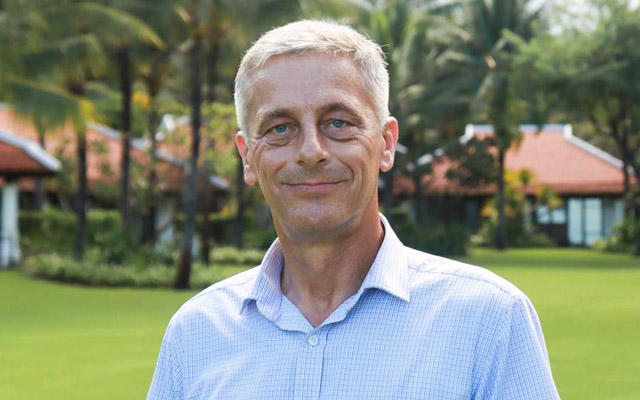
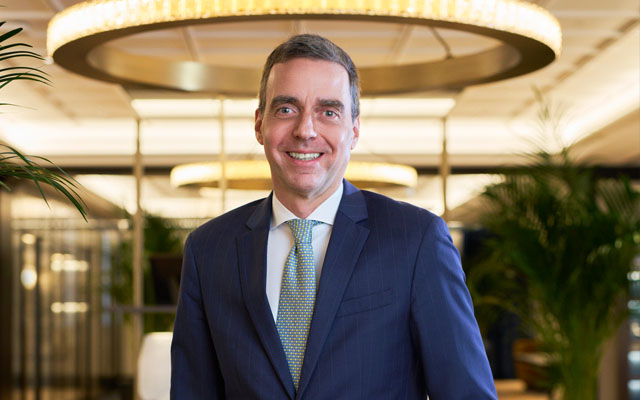
Anam Group has appointed Norbert Meyer as resort manager and Geoffrey Crabbe as culinary director at The Anam Cam Ranh.
German national Meyer has amassed more than 20 years of hospitality experience and returns to the resort where he was previously resident manager and acting general manager during his two years there starting January 2018.
His career has seen him work for major international hospitality brands in Europe, the Middle East, South-east Asia and mainland China.
In March, Vietnam announced that Binh Thuan province – home to Mui Ne and its stunning stretches of coastline, white beaches, sand dunes, and rich culture – will host the National Tourism Year 2023 initiative to boost tourism development in the region.
According to Vietnam National Administration of Tourism, the province still has strides to make to attract international visitors, with the campaign aiming to create “breakthroughs, contributing to further promoting tourism development in the south-central region”.
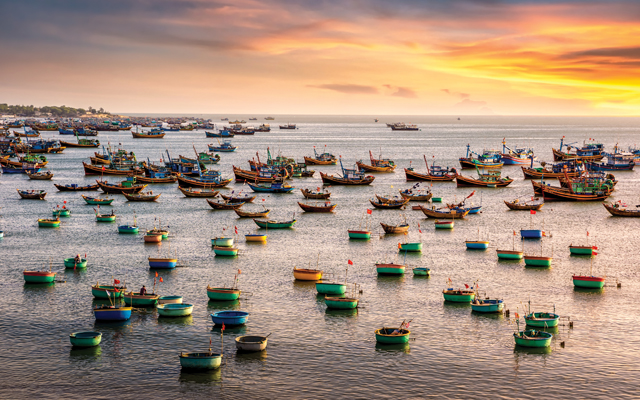
Fishing boats in Mui Ne
To aid this, authorities have developed a series of policies to support investors in the area. This includes shortening the time to process documents and provincial leaders inviting businesses to invest.
“This is contributing to promoting tourism in Binh Thuan in general, and Mui Ne in particular, quickly achieving the goal of turning tourism into a spearhead economic sector,” said Pham Ha, CEO and founder of Lux Travel DMC.
“Currently, the coastal areas have been heavily invested in with regard to infrastructure. High-end resorts have appeared more with a variety of services. This means tourists now have access to professional resort experiences instead of the lack of facilities before.”
These include the opening of The Anam Mui Ne, Azerai Ke Ga Bay, Centara Mirage Mui Ne and a range of projects developed by Novaland, such as Novaworld Phan Thiet, Novaworld Mui Ne, and NovaHills Mui Ne Resort & Villas.
Another game changer was the opening of the Dau Giay-Phan Thiet highway in April. This cut down transport time between Ho Chi Minh City and Mui Ne from 4.5 hours to two. An international airport is also slated to open in 2025, expected to further drive foreign tourists to the area.
“With the new highway and airport, travelling to Mui Ne will become easier and more convenient for visitors. This can enhance the attractiveness of the destination and attract more domestic and foreign tourists. When infrastructure is improved, Mui Ne tourism can attract more investors and businesses operating in this field,” noted Ha.
Mui Ne Red Sand Dunes
Currently, Mui Ne is developing a policy on the night economy to lure visitors, especially international. This includes the two-kilometre night street at Mui Ne Summerland. The pedestrian area takes in restaurants, entertainment and shopping facilities, with festival and art performances taking place weekly.
This is an area Peter Ye, resort manager at The Anam Mui Ne, said needs attention. “Mui Ne still faces some challenges that prevent it from reaching its full potential. One of these is the post-pandemic recovery, in particular of the secondary tourist infrastructure, such as restaurants, bars and entertainment places. We expect that to be over by next year.”
Linh Le, principal and co-founder of Luxperia, said the last few years have seen Mui Ne emerge as the “go-to beach destination” for local residents.
“From that, we are seeing more referrals and recommendations from our client base, as well as interest from foreign guests wishing to avoid another flight,” he added.
According to the official Department of Statistics figures, since April 30, the number of guests visiting the Ham Tien-Mui Ne area has increased, reaching high capacity at weekends when room occupancy hits about 80 per cent.
Mui Ne kite surfing
In May, Binh Thuan tourism continued to make an impression, welcoming more than 805,000 visitors. This marks an increase of 9.18 per cent compared to April 2023 and an increase of 66 per cent over the same period last year.
While pre-Covid, Mui Ne had established itself as a firm favourite with Russian visitors, with Russian-owned resorts, restaurants, and signage catering specifically to the market in abundance, Ha said the area is now rising in popularity with European tourists, as well as visitors from Australia, China, and nearby South-east Asian markets.
The Anam Mui Ne opened its doors in January and has played a significant role in raising the profile of the area, attracting high-end guests from various markets. It is the only affiliated member of Small Luxury Hotels of the World in Vietnam, offering prestigious recognition.
Ye said the main source markets have been locals and expatriates in Vietnam, South Korea and Europe.
“In the next quarters, we expect to see more guests from Australia, China, and other regions,” he added.
Fairmont Hotels & Resorts has appointed Nils-Arne Schroeder as the senior vice president of operations for the Asia-Pacific and Middle East regions.
In his new role, he will be responsible for the operational performance of 18 hotels across Asia-Pacific and the Middle East as well as lead the expansion of the Fairmont portfolio across gateway cities with the debut of hotels such as Fairmont Dubai Skyline, Fairmont Shimla Fagu, Fairmont Udaipur, Fairmont Mumbai Sahar and Fairmont Agra.
With a wealth of experience in luxury hospitality which spans over three decades, he has held leadership roles in commercial, hotel operations and luxury brand management across five countries in three continents including the UAE, South Korea, China, Malaysia, Indonesia and Singapore.
He joins Fairmont Hotels & Resorts from his position as vice president, luxury brands at Hilton, Asia-Pacific.
Ayana Komodo Waecicu Beach has named Dermot Birchall as its new general manager.
In his new role, he will work with the team to elevate the hotel’s reputation in Indonesia, as well as spearhead sustainability efforts in Labuan Bajo.
He has over 25 years’ experience in luxury hospitality, and was most recently general manager at Barcelo Mussanah Resort in Muscat, Oman.
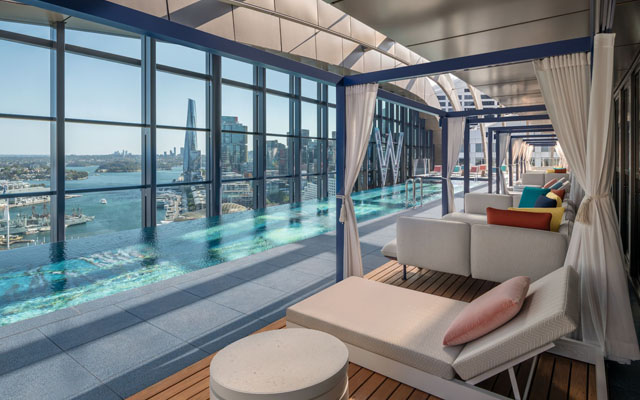
W Sydney, Australia
W Sydney is set on the city’s waterfront in Darling Harbour, and features 585 rooms and suites, restaurants, bars, a spa, fitness centre, and event spaces.
The hotel’s double-level bar 29/30 is a highlight, offering dress circle views of the harbour looking out across a 30m mosaic-inlaid heated infinity pool.
W Sydney is about a 15-minute drive from Sydney Airport, with immediate access to the CBD, International Convention Centre, and harbour entertainment precinct.
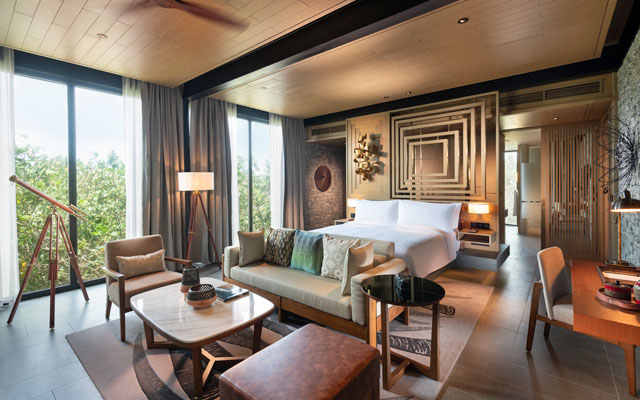
Hilton Yala Resort
Hilton Yala Resort, Sri Lanka
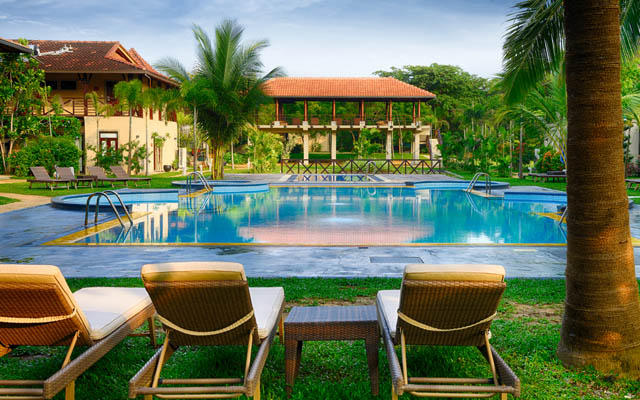
Nestled on the edge of Yala National Park, Hilton Yala Resort is surrounded by lush greenery and boasts a vast view of the Indian Ocean.
The resort offers 42 rooms, suites, and villas, with ground floor rooms featuring private pools, and those on the level above with private hot tubs. Facilities comprise three restaurants, outdoor pool, gym, and spa.
Promoting an elevated and environmentally responsible safari experience, guests can experience the best of Yala National Park through customisable, twice daily game drives with an experienced guide. Each safari tour delivers enlightening and impactful educational sessions to bring about a stronger sense of awareness and appreciation of the wildlife and ecosystem.
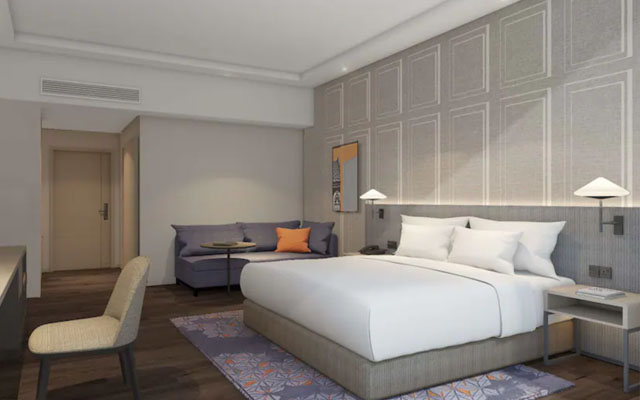
Seda Manila Bay Hotel
Seda Manila Bay Hotel, the Philippines
Seda Manila Bay Hotel is located in Paranaque’s Entertainment City just 15 minutes from the international airport. The new hotel offers 350 rooms ranging from deluxe to suites.
It features Seda’s signature dining outlet, Misto, and soon, Straight Up rooftop bar, perfect for catching the Manila Bay sunset. Other facilities comprise a 350-pax ballroom and smaller meeting rooms, a spa, gym, mini-golf area, children’s playroom, and game room outfitted with gaming consoles.
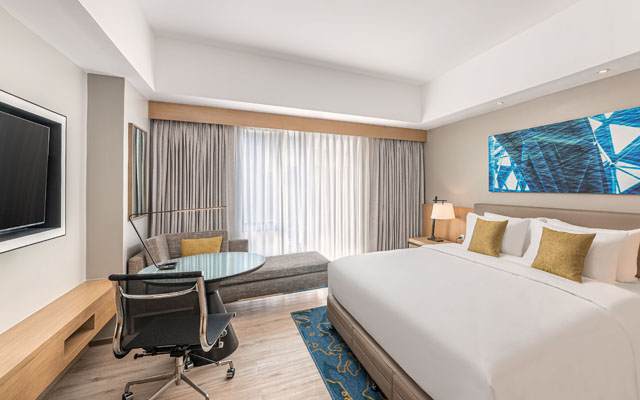
Hyatt Place Kuala Lumpur, Bukit Jalil
Hyatt Place Kuala Lumpur, Bukit Jalil, Malaysia
The 250-key Hyatt Place Kuala Lumpur, Bukit Jalil is situated in a well-connected area within reach of national stadiums, convention centres, golf courses, and a recreational park.
It offers direct access to major highways and is a 30-minute drive to Sultan Abdul Aziz Shah Airport, a 45-minute drive to Kuala Lumpur International Airport.
Onsite are an all-day dining restaurant, a grab-and-go corner, bars, fitness centre, yoga room, and event venues.
Traditionally perceived as a honeymoon destination, the Maldives Marketing and PR Corporation (MMPRC) has been hard at work for the last three years in pushing to show the world that island nation is also suitable for business events with a touch of leisure.
That is why Redefining MICE, Maldives’ global business events campaign launched in 2021, did not focus on merely event venues. Instead, it also played up Maldives’ natural beauty and activities, such as snorkelling with manta rays, to demonstrate the breadth of possible event ideas that offer planners a seamless transition between work and play.
Soneva Jani
“Redefining MICE has helped to raise awareness about MICE in the Maldives. Crossroads Maldives (an integrated entertainment destination developed and operated by S Hotels and Resorts) and other resorts with MICE facilities have enjoyed an increase in events since 2022,” Crossroads Maldives’ cluster director of sales & marketing, David Arul Pragasam, told TTGmice.
He is “confident that this positive trend will continue”, evident as “plenty of enquiries and quotes are being provided for 2024 and 2025”.
The recent Visit Maldives Storytellers’ Conference 2023 was a clear demonstration of both the destination and the integrated resort’s ability to welcome major business events.
CEO of Soneva, Sonu Shivdasani, has also observed a growing interest among corporate clients for at its two properties in the Maldives – Soneva Fushi and Soneva Jani.
He said: “We have seen a healthy surge of 40 to 50 per cent in enquiries and bookings specifically related to MICE from shorthaul markets such as Singapore, India and the GCC (Gulf Cooperation Council), and look forward to watching the segment grow further.”
Soneva is no stranger to large-scale events, as it runs JLF Soneva Fushi, a 10-day festival celebrating literature, art, culture and live performances.
“While this does not fall under MICE, events like these provide us with invaluable experience in hosting large-scale gatherings. The insights and expertise from efficiently managing logistics and delivering exceptional hospitality… strengthen our ability to handle large MICE groups effectively,” Shivdasani remarked.
Helen Bolton, director of sales and marketing, Mihiri Island Resort, is also seeing incentive requests filtering through to her property. She has put together targeted marketing plans to encourage island buyouts during the low season between May and October.
“Traditionally, our markets are Germany, Austria and Switzerland. But this year, we’re really focusing on Asia-Pacific, such as China, Hong Kong, Taiwan, Australia and New Zealand,” Bolton shared.
An outdoor gala dinner at Crossroads Maldives
Shivdasani added: “During the low season, we focus on attracting MICE-related business. We have designed three- to five-night packages that combine business and leisure, which includes F&B, wellness programmes, and excursions to showcase Maldives’ natural beauty.”
Suresh Dissanayake, assistant vice president – sales & marketing at Heritance Aarah & Adaaran Resorts, is similarly targeting Asia-Pacific groups and events.
“People may not travel all the way from Europe to Maldives for a conference. We’re focused on South-east Asia, where there are direct flights within a four- to five-hour radius, making it convenient for them to fly to the Maldives for a corporate event, and have leisure time,” he elaborated.
To get the word out, Dissanayake actively participates in tradeshows such as IMEX Frankfurt.
“It’s a big investment for us but we have to look at the long run. Companies don’t decide immediately whether they will hold an event in the Maldives, it usually takes six months. But we are patient, and I plan to grow the MICE segment,” he shared.
Crossroads Maldives has also joined forces with MMPRC to participate in key tradeshows like IMEX and ITB Asia, and uses business events lead generation tools such as 1000Meetings, Cvent and Meeting Broker.
“Having a strong presence at major tradeshows is crucial,” Shivdasani stressed.
But for the Maldives to establish itself as a recognised business events destination, Shivdasani said government support is vital.
He added: “It is also necessary to collaborate with renowned MICE associations like ICCA and MPI (Meeting Professionals International), as well as professional MICE chapters, DMCs, and event management companies. These collaborations can provide valuable expertise, resources, and networks that cater specifically to the needs of business events.”
Amari Raaya Maldives has launched three new wedding packages designed to cater to every budget and style, from simple and intimate laid-back luxury to the once-in-a-lifetime opulence of an underwater ceremony.
Equipped with a team of wedding planners and on-island caterers, the resort will plan everything – from room management to transport, concept, food, music and flowers – so that the bride and groom can relax and enjoy their moment in paradise.
Couples can relax and let Amari Raaya Maldives handle everything needed for their special day
Wedding guests can expect dining, activities and unobstructed ocean views from 187 luxurious beach and ocean villas – each offering direct access to the beach or ocean. For the couple, they can enjoy a private candlelit dinner on the beach, a couples’ spa treatment at the resort’s spa, a romantic sunset cruise, and more.
Starting from US$900, the three wedding packages include Vows on the Beach, Vows under the Trees, and Vows in the Ocean, where each offers distinct island locations for the wedding ceremony.
Vows on the Beach features an intimate bare-foot beach ceremony followed by a romantic beach dinner; Vows under the Trees is held near the lush forest reserved including a natural mangrove with forest trails for walking, with a BBQ in the jungle setting; and the Vows in the Ocean package lets the couple exchange vows while surrounded by the vibrant marine life of the Maldives, before relaxing and sipping champagne aboard a private yacht.
All ceremonies are purely ceremonial and not legally binding. Additional add-ons such as enhanced special dining experiences and photography services are available.




 His career has seen him work for major international hospitality brands in Europe, the Middle East, South-east Asia and mainland China.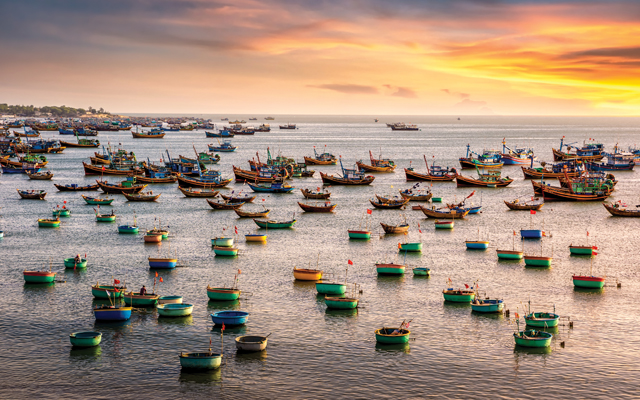


 With a wealth of experience in luxury hospitality which spans over three decades, he has held leadership roles in commercial, hotel operations and luxury brand management across five countries in three continents including the UAE, South Korea, China, Malaysia, Indonesia and Singapore.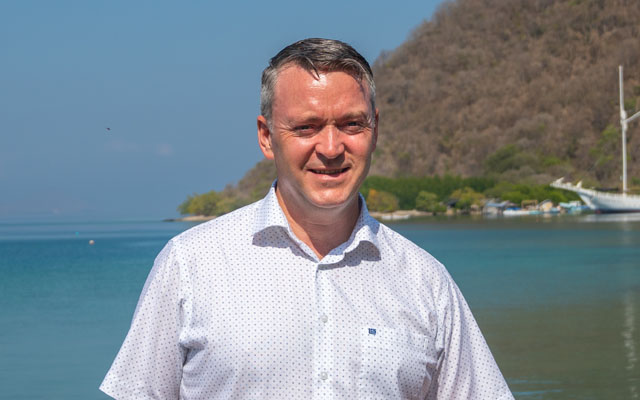
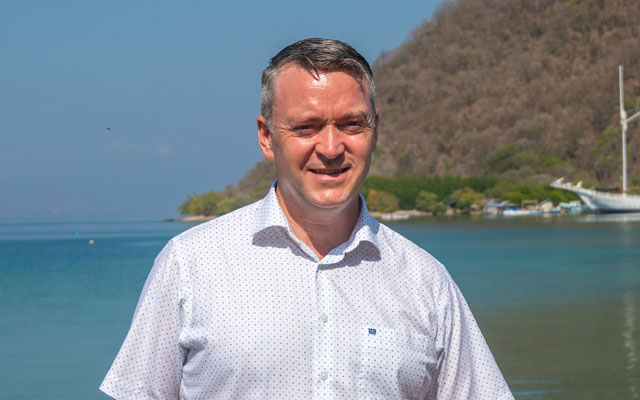 He has over 25 years’ experience in luxury hospitality, and was most recently general manager at Barcelo Mussanah Resort in Muscat, Oman.