

Japanese multi-brand hotel operator Hotel Management Japan’s (HMJ’s) plan for 2024 is to increase its banquet and events revenue, as well as focus marketing efforts on the Indian outbound market.
“Although our room revenue for 2024 has already exceeded 2019, our F&B, events, and banquet revenues are still lagging behind. This is what the MICE manager has been tasked to handle, to push these revenues back to 2019 levels,” Oriental Hotels & Resorts’ senior director, business development, Tsuyoshi Maeda, told TTGmice at ITB Berlin last week.

Maeda shared that the hotel group recently signed on the 11-villa Hakone Retreat Fore (another seven villas will be ready in August 2024), which will join HMJ’s portfolio next month. Located 1.5 hours from Tokyo, this hideaway is “suitable for luxury incentives or C-suite meetings”.
This year also marks the first time that the company is participating in ITB Berlin to deepen its brand awareness. Another show that Oriental Hotels & Resorts will most likely attend is ITB India.
When asked why India in particular, Maeda explained: “Taking into account the rising middle class, the Indian outbound market holds huge potential for us. It is not often that you hear a Japanese company actively court the Indian market, but if we (make inroads) early enough, this will bode well for us in the future.”
He referenced Suzuki as an illustration of how the automotive and motorcycle manufacturer successfully entered the Indian market ahead of its competitors, contributing to its substantial market share today.
Given the stark difference in culture and travelling styles, Maeda acknowledged that there will be challenges in dealing with the Indian market, such as the provision of vegetarian cuisine, and the approach to hospitality.
However, Maeda strongly believes that the rising Indian outbound market will play a large part in doubling the company’s portfolio in the next five years.

















Traveloka data has shown a spike in travel expenditure among Indonesian residents as travel resumes, with Vietnam being the destination that saw the biggest improvement in demand.
Expenditure on international products, ranging from flight tickets and hotels to attractions, has doubled in 2023 over 2022.
Singapore and Japan were most popular among Indonesians, but Vietnam has shown to be a strong contender, noted Traveloka’s CEO, Iko Putera.
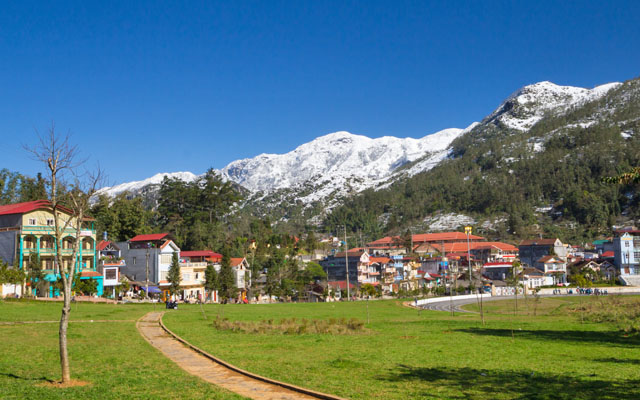
“The strong demand to visit Vietnam is because Sapa and Danang are becoming viral on social media – (this shows) that people always look for new experiences and are keen to (discover) new hidden gems,” said Iko.
He added that Vietnam’s affordability was also a key factor, especially as airfares and hotel rates are more affordable than that of other South-east Asian destinations.
Yento Chen, CEO, Destination Tour Indonesia, opined that Vietnam draws Indonesian travellers with its diverse offerings – from both green and snowy landscapes to culture and culinary – without the need to travel long distances.
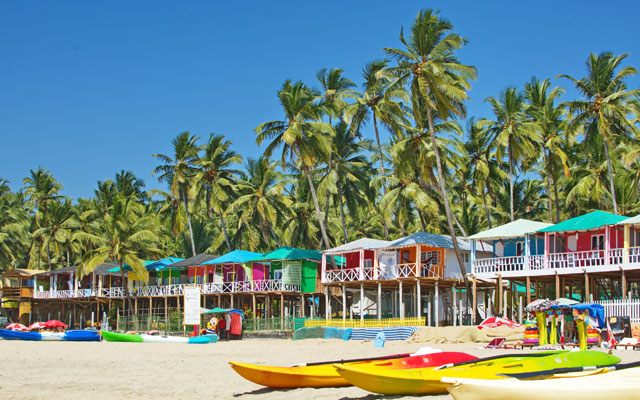
While tours to Halong Bay, Ho Chi Minh City and Hanoi were popular once, Sapa and Phu Quoc are now winning hearts, particularly for winter breaks, according to Yento.
He added that Vietnam “appeals to incentive groups as well as families and adventure travellers” as the country offers “more experiential travel”, which is highly sought after by Indonesians.
The five-day tour package to Sapa is the most popular at G-Tour, shared tour manager Angelina Samudera, with most bookings being made between December and February during the snow season.
“Sapa is the perfect destination for Indonesians who want to see snow because it is close by, (has) easy access, and (is) visa-free. The price is affordable but the facilities are quite complete,” stated Angelina.
G-Tour has seen a 20 to 30 per cent rise in bookings for Vietnam in 2023, and Angelina hopes to nurture this growth by creating attractive packages combining Hanoi, Halong Bay and Sapa. Setting its target on young travellers seeking adventure, the company is also developing new packages to Danang and its surroundings.