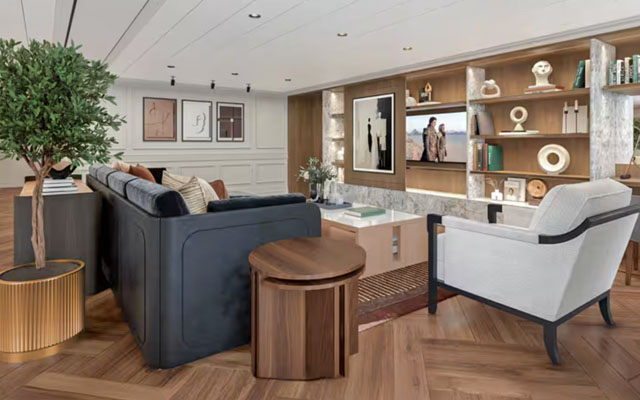
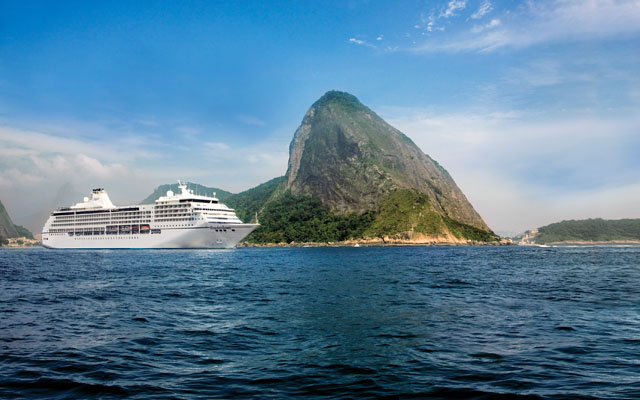
Mark Rohner has moved up the ranks at Far East Hospitality, and now holds the position of managing director.
Rohner was previously deputy managing director. He joined Far East Hospitality as chief operating officer on July 1, 2024, and has been driving operational excellence and enhancing standards across the portfolio.
Anantara Chiang Mai Resort has named Tudsaporn Jaiboonchuen as general manager.
She will be responsible for the resort’s overall operations and strategy, including performance, brand standards and team leadership.
With nearly 20 years’ experience with Minor Hotels, Tudsaporn joined the group in 2007, and her career includes senior operational roles in Thailand, Vietnam and the Maldives, most recently serving as resort manager at Anantara Chiang Mai Resort.
The World Travel & Tourism Council (WTTC) has appointed Gloria Guevara as president and CEO. She returns to the role she previously held from 2017 to 2021.
In her new term, Guevara will lead WTTC’s work with members globally, with a focus on advocacy, member engagement and sector development.
Guevara has more than 30 years of experience across government and the public and private sectors. Her previous roles include secretary of tourism in Mexico, chief special adviser to the Saudi Arabia minister of tourism, special adviser on government affairs at the Harvard TH Chan School of Public Health, and board positions at AMEX Global Business Travel, HSBC Mexico, Playa Hotels and Resorts and Palace Company. She also played a role in coordinating public and private sector efforts during the Covid pandemic.
Minor Hotels has appointed Karim von Alvensleben as general manager of Avani+ Lanexang Vientiane, ahead of the hotel’s opening in 2Q2026.
Von Alvensleben brings experience in hotel pre-openings and operations, having held senior leadership roles with Mandarin Oriental, Ritz-Carlton, Wynn, Regent, One&Only and Six Senses.
In his new role, he will oversee the pre-opening and launch of the 197-room Avani+ Lanexang Vientiane, with responsibility for operations, team development and brand positioning in the Lao capital.
Asia’s diverse cultures, heritage value, warm hospitality, and safety are expected to keep moneyed Europeans invested in exploring the region this year despite mounting global geopolitical issues that could impact travel confidence, opined Astrid Oberhummer, CEO and founder of Lobster Experience, a specialist in high-end tourism and organiser of B2B events for European luxury travel trade buyers.
In an interview with TTG Asia, Oberhummer underscored the value of safety among high-end European travellers.
Asia’s diverse cultures and heritage continues to fascinate high-end European travellers, especially those from German-speaking markets
“Asia is seen as being rather neutral in the current state of geopolitical affairs, and is therefore regarded as a safe region for holidays,” she stated, adding that modern airports with premium lounges, a well-established global air network, luxury hotels, and destination experiences that are aligned with Europeans’ travel motivations all come together to create an attractive region.
Oberhummer shared that well-heeled European travellers are incorporating wellness into their holiday, preferring traditional healing as well as science-backed treatments; prioritising sustainable and responsible tourism products; splurging on multi-generational trips; and demanding immersive itineraries that provide a deeper look into destinations.
While travel disruptions are more common in today’s volatile world, Oberhummer said high-net-worth travellers’ reliance on travel agents are helping to maintain travel confidence.
“You could hardly go anywhere today without something happening at the moment. And with the Europeans, especially those from German-speaking markets, being so driven by security, travel agents play such a big role in their travel (procurement) journey. Europeans need certainty that there is support in case of a flight disruption or situations in the destination,” she explained.
She believes that Asia can build on its enduring tourism appeal to attract even more European luxury travellers.
“Travel agents are really desperate for information about more Asian products. They have sold the Indian Ocean and the Middle East, which have been hot favourites post-Covid, and now need more options from this region,” said Oberhummer.
Oberhummer’s events team, which produces a series of Loop events connecting luxury travel agents from across various European markets with destination representatives, is now looking to expand the Asian seller community.
Asian sellers are guaranteed connections with “serious, discerning and educated buyers” with sustained outbound business appetite, especially travel agents from the affluent DACH region (Germany, Austria, Switzerland), as well as Central and Eastern European markets, and Northern Europe.
“It has become complex to define where European travel business is coming from. For example, some travel agencies serving the Russians are now based in Europe while some agencies operating in Vienna do not serve the Austrian market. When sellers attend our Loop events, we bring them clarity in connections,” she added.
Lobster Experience will host Loop Leisure Spring and Loop MICE Spring in Madeira, Portugal, from March 22 to 29, 2026. However, Asian sellers have year-round opportunities to connect with their desired European markets through other Loop events, such as Loop Beyond Borders in Baden-Baden, Germany and Loop Wellbeing in Mallorca, Spain, both in October.
Skyscanner has launched its Cheapest Destination Planner tool across 19 markets, including India, and in 13 languages. The feature aims to simplify travel planning by helping users make value-led decisions and compare options more easily.
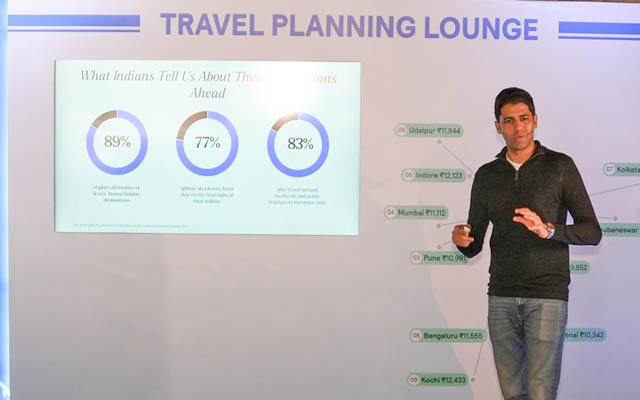
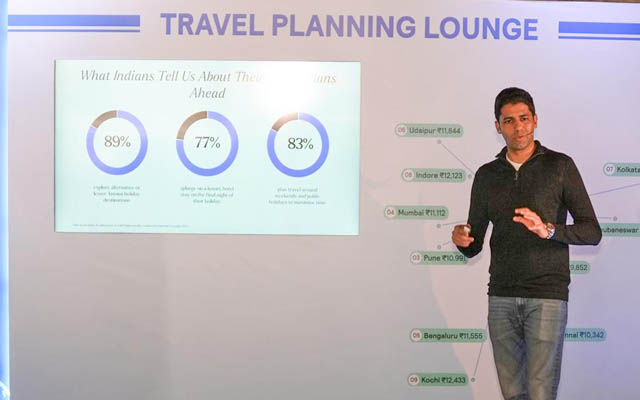
Speaking at a news conference in New Delhi on January 15, Neel Ghose, travel trends and destinations expert at Skyscanner, explained that the tool operates through three steps.
Neel Ghose speaking at the press conference in New Delhi during the launch of the company’s Cheapest Destination Planner tool
Users first select the month they wish to travel, which could coincide with a birthday, anniversary or school holiday period. The tool then identifies the 10 cheapest destinations from the chosen departure point, alongside information such as average return airfares and key reasons to visit each destination.
Travellers can then explore flight and hotel options to finalise their plans. Ghose said the goal is to reduce the complexity of travel planning and make it easier for users to act on insights and convert interest into bookings.
Skyscanner developed the Cheapest Destination Planner following research across several markets, including a survey conducted with OnePoll in November 2025 among 2,000 respondents in India.
“The first thing we are seeing is that, of all the people we surveyed, 84 per cent are considering international travel in 2026, which is significant and clearly reflects the growth of the Indian middle class,” said Neel Ghose.
The survey found that 89 per cent of Indian travellers are interested in visiting alternative or lesser-known destinations, while 77 per cent are willing to spend more on a luxury hotel stay on the final night of their trip. It also showed that 81 per cent of respondents find planning travel for 2026 daunting.
Cost was identified as the main challenge, with 46 per cent citing expenses as a factor that makes booking overwhelming, while 45 per cent said they were unsure when to travel this year.
The Cheapest Destination Planner has also been rolled out in other markets including Singapore, Japan, Australia, South Korea, the US, the UK, France and Poland.
Preferred Hotels & Resorts has identified a set of travel trends expected to shape demand in 2026, based on findings from its Luxury Travel Report and insights from its global portfolio.
The research points to sustained interest in travel linked to major sporting events, historic settings and science-led wellness, alongside growing demand for nature-based experiences, distinctive hotel identities, pet-inclusive stays and smaller-scale experiences at sea.
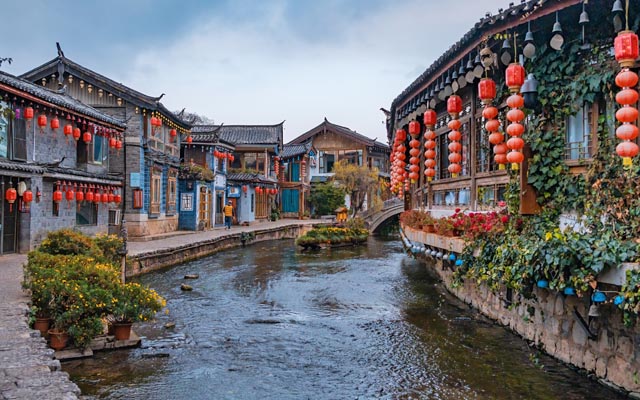
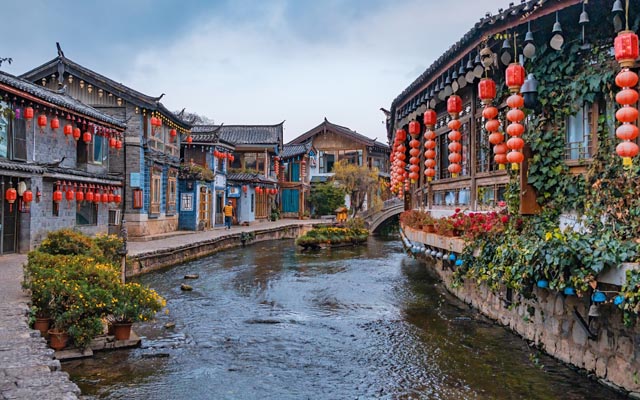
Heritage-focused travel continues to shape travel trends in 2026; Lijiang Ancient Town in China, pictured
Sport moves centre stage in travel planning Major sporting events such as Formula 1, the FIFA World Cup and the Olympics continue to attract international travellers, with sports tourism playing a more defined role in trip planning. Hotels are increasingly combining accommodation with access to live events and related services. In the US, some city hotels are offering short stays paired with premium seating at professional basketball games, lounge access and private transfers. In India, palace hotels are opening access to historic polo tournaments, including match viewing, opportunities to meet players, riding experiences, traditional dining and spa treatments linked to local heritage. Elsewhere, properties in major football cities are developing tailored packages around international tournaments, supported by on-site coordination, pre-match events and customised arrival services.
Heritage is the new frontier
According to Preferred Hotels & Resorts’ Luxury Travel Report, more than nine in 10 luxury travellers want historic elements integrated into their trips. This is reflected in hotel openings planned for 2026, many of which focus on restoring historic buildings for contemporary use. Several new openings in 2026 will centre on restored historic buildings, including early 20th century city properties, centuries-old palazzi and late 19th-century mansions in established cultural centres.
Rise of cognitive wellness
Wellness travel is increasingly shaped by scientific and medical approaches, with retreats combining technology-led assessments and treatments with established wellness practices. Often described as cognitive wellness, this approach focuses on longer-term health rather than short-term relaxation. Programmes are becoming more personalised, drawing on data such as genetic profiles, sleep patterns and stress indicators. In North America, some resorts now offer touchless therapies, hyperbaric oxygen sessions, red-light therapy, dry flotation and IV infusions aimed at recovery and immunity. In northern Europe, urban hotels are introducing sleep clinics that use targeted nerve stimulation to support rest. In the Alps, wellness programmes are combining Eastern wellness principles with technology-based interventions.
Breaking free from the beige
The Luxury Travel Report by Preferred Hotels & Resorts found that 83% of luxury travellers believe they can identify when a hotel is designed for mass appeal rather than individual character. The company refers to this uniformity as “beige-ification”. In response, some hotels are placing greater emphasis on local design, craft and culture. In North Africa, a resort draws on regional architecture and community-based experiences to reflect its setting. In Central America, a coastal retreat incorporates locally inspired décor alongside activities such as horseback riding, surfing and spa treatments. In Asia, a city hotel integrates national cultural references across its design, dining and guest programming. Properties described as “defying the beige” will be highlighted during Independent Hotel Week, running from January 26–30, 2026.
Pawsome adventures
Pet-inclusive travel is extending beyond basic accommodation policies to include more structured services for animals. Preferred Hotels & Resorts’ Preferred Pets programme includes features such as pet beds, bowls, toys and in-room dining menus. At large destination resorts, facilities may also include pet boarding, grooming and on-site veterinary services. In major cities, some hotels are collaborating with luxury brands on pet-related products. In Asia, urban hotels are offering services such as private dog parks, walking guides, pet sitting, grooming and prepared treats.
Communing with nature
Nature-based wellness experiences are becoming a core part of hotel programming, with activities such as forest bathing, outdoor meditation and barefoot walking. These experiences reflect wider interest in slower travel and time spent outdoors. In California wine regions, some resorts are offering guided sessions aligned with lunar cycles, combining breathwork, reflection and intention setting. In Mexico, nature-led programmes may include barefoot walks through botanical gardens followed by time by the sea, with rest periods and light refreshments included.
A shift to intimate seacations
Seacationing is evolving through smaller-scale experiences that contrast with large cruise ships. In Egypt, new Nile cruise offerings are focusing on limited cabin numbers, onboard dining, lounge areas, small pools and wellness facilities, with itineraries operating between Luxor and Aswan. In East Asia, a resort model based primarily on land is also incorporating sea excursions such as whale watching and private yacht trips, alongside supervised maritime activities for younger guests.
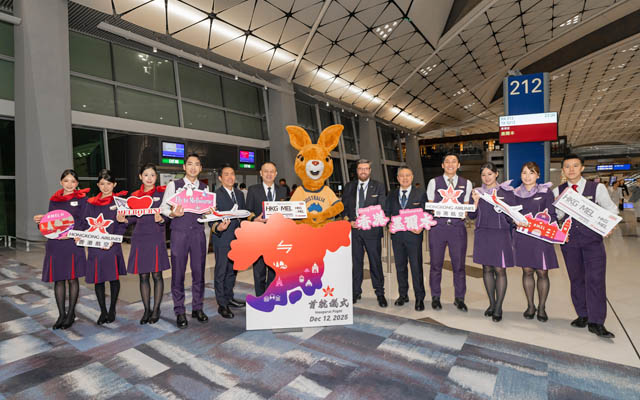
Hong Kong Airlines celebrates the inaugural Hong Kong–Melbourne flight
Hong Kong Airlines adds Melbourne as second Australian destination
Hong Kong Airlines has launched a new direct service between Hong Kong and Melbourne, operating three times a week. Melbourne is the airline’s second destination in Australia, following Sydney, and makes Hong Kong Airlines the second Hong Kong-based carrier in almost 20 years to operate multiple routes to the country.
The route is operated by Airbus A330 aircraft and supports business, leisure and transit travel, with onward connections via Hong Kong to destinations across Asia and North America. The launch follows the expansion of bilateral air services agreements between Hong Kong and Australia and strengthens connectivity between the two markets.
Malaysia Airlines
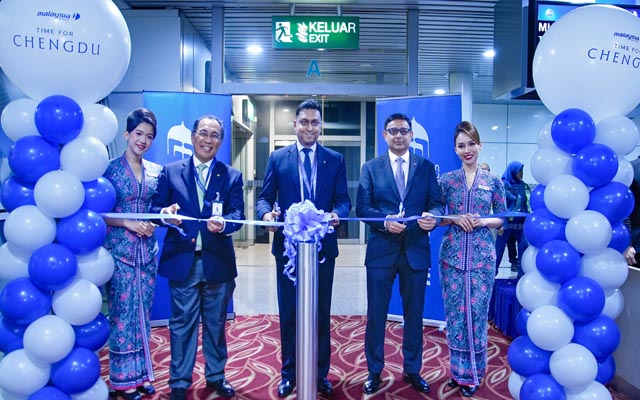
Malaysia Airlines restarts Kuala Lumpur-Chengdu flights
Malaysia Airlines has resumed flights between Kuala Lumpur and Chengdu, restoring a direct link with Western China and expanding its presence in the China market.
Operating up to seven times a week, the service aligns with extended mutual visa-free travel arrangements between Malaysia and China, which are expected to stimulate demand.
LOT Polish Airlines
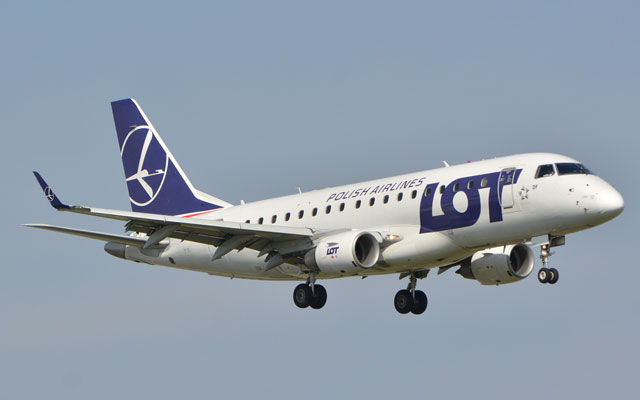
LOT Polish Airlines to launch Warsaw-Bangkok route in October
LOT Polish Airlines will introduce a new longhaul route between Warsaw and Bangkok from October 26, 2026. The service will operate year-round, with five flights per week in each direction.
The new route will provide a direct link between Poland and South-east Asia. Onboard, the airline will offer dedicated amenity kits for children, with different items provided for infants and older children.
Oceania Cruises has revealed its newly designed suites aboard Oceania Sonata, the first ship in the Sonata Class, set to debut in August 2027. The ship will carry 1,390 guests with 855 crew, dedicating 33 per cent of accommodation to suites.
The four Owner’s Suites, each over 232m², occupy the aft corners of Decks 10 and 11, offering 180-degree ocean views from wraparound verandas. Each suite includes a master bedroom with king-size bed and marble-clad bathroom, plus a guest bedroom with queen-size bed and private bath.
Vista Suites on Oceania Sonata offer expansive verandas, living and dining areas, and marble-clad bathrooms; photo by Oceania Cruises
Eight Vista Suites, ranging from 140m² to 177m², are terraced at the aft and offer ocean views from expansive verandas. Interiors feature living and dining areas, master bathrooms with double vanities, a rainforest shower and porcelain soaking tub.
The 16 Oceania Suites, from 93m² to 130m², combine living, dining and bedroom spaces with private verandas. Each includes a king-size bed and marble-clad bathroom.
Fifty new Horizon Suites, positioned between the Penthouse and Oceania Suite categories, offer over 56m² of space with distinct living and bedroom areas, a walk-through wardrobe and oversized veranda with lounging furniture.
The 63 Penthouse Suites and 82 Penthouse Deluxe Suites, measuring 40m² and 45m², feature oversized living areas and private verandas for panoramic views.
All suites include dedicated butlers, and guests will enjoy Tranquility Beds and Aquamar luxury bath amenities.
It is always fun and inspiring to check out travel trend projections for the new year, to understand what people will travel for and to see how many of those observations and predictions mirror my own motivations.
For the new year ahead of us, I delight at knowing that unusual hotel stays with attractive backstories as well as literature inspirations are shaping itineraries. They join familiar travel motivations – quest for quality time with family members, sports and festivals, and local food souvenirs – and inspire travel and tourism suppliers to get more creative with destination experiences.
Sydney, in particular, is working the sports travel trend well to its advantage. Its strong cricket culture is helping to grow Indian arrivals. Indian cricket fans, who descend on Sydney to catch their favourite teams and players in action, also go on to tour New South Wales, driving tourism benefits deeper into the Australian region.
I am also excited that the concepts of ‘live to travel’ and ‘live to eat’ are colliding. Travellers are not just bookmarking top-rated restaurants at their target destinations, but also expecting experiences that will allow them to peer into the soul of the dish. Young and multi-racial Singapore, often criticised for its lack of history and culture, is correcting this misconception through hawker stalls, heritage brands and hotels dishing out gourmet experiences that link cuisine with history, craft and identity.
Travel inspirations may first be borne out of trendsetting travellers, but experiences are refined by creative destination specialists and ideas amplified by media channels. Responsible interaction with local people and environments are, therefore, in our hands. As we seek out hidden gems around the world, may we always remember that being able to experience them is a privilege, not a right.
And now – Happy New Year! May we all have a peaceful and prosperous 2026.


 Rohner was previously deputy managing director. He joined Far East Hospitality as chief operating officer on July 1, 2024, and has been driving operational excellence and enhancing standards across the portfolio.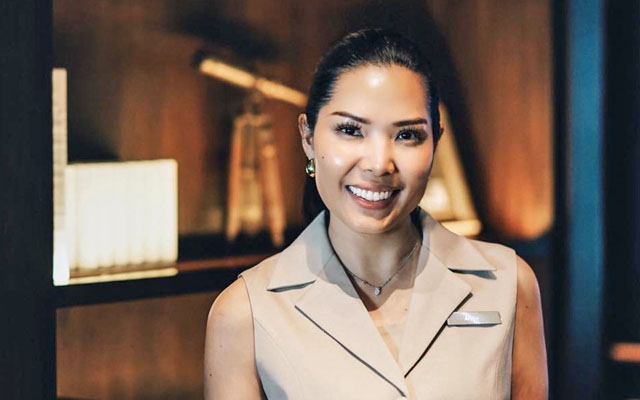
 With nearly 20 years’ experience with Minor Hotels, Tudsaporn joined the group in 2007, and her career includes senior operational roles in Thailand, Vietnam and the Maldives, most recently serving as resort manager at Anantara Chiang Mai Resort.
 Guevara has more than 30 years of experience across government and the public and private sectors. Her previous roles include secretary of tourism in Mexico, chief special adviser to the Saudi Arabia minister of tourism, special adviser on government affairs at the Harvard TH Chan School of Public Health, and board positions at AMEX Global Business Travel, HSBC Mexico, Playa Hotels and Resorts and Palace Company. She also played a role in coordinating public and private sector efforts during the Covid pandemic.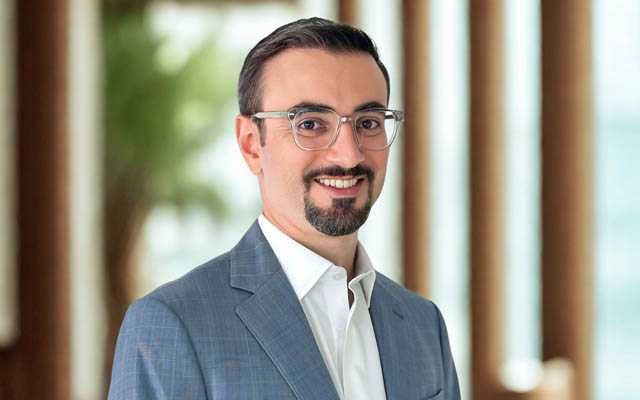
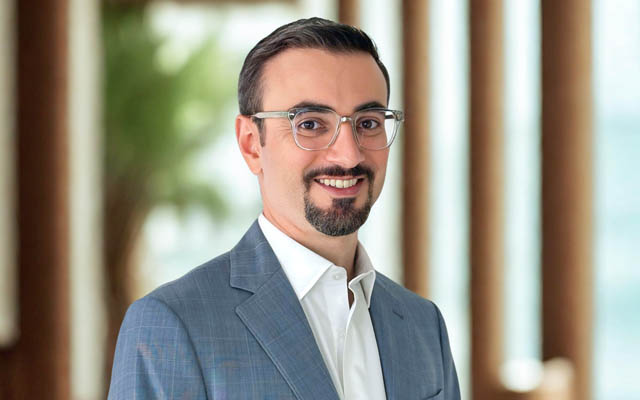 In his new role, he will oversee the pre-opening and launch of the 197-room Avani+ Lanexang Vientiane, with responsibility for operations, team development and brand positioning in the Lao capital.