Asia/Singapore Saturday, 4th April 2026
Page 14

PATA formalises collaboration with Asia Pacific Outdoor Lodging Association

0

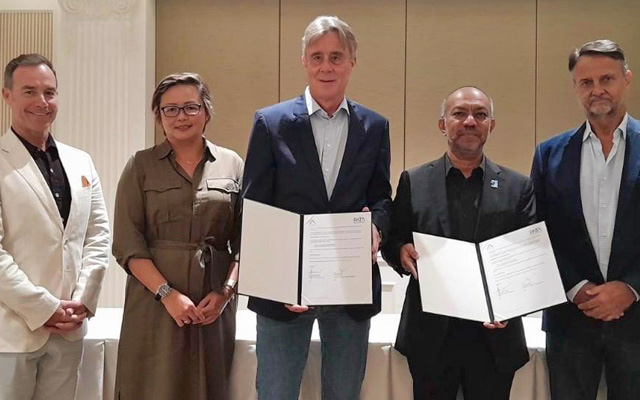
PATA and the Asia Pacific Outdoor Lodging Association (APOLA) have formalised a partnership through a memorandum of understanding (MoU).

APOLA is a not-for-profit organisation established to support the development of the outdoor lodging sector in the Asia-Pacific region, which includes accommodation formats commonly referred to as glamping. The association focuses on sustainability, sector standards and knowledge sharing.

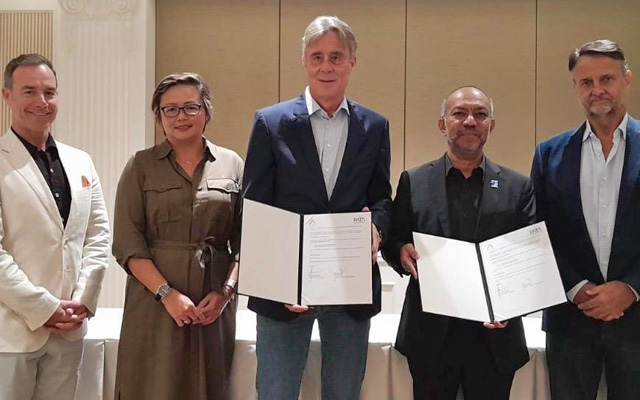
PATA and APOLA confirmed their partnership at the Thailand Tourism Forum 2026 in Bangkok

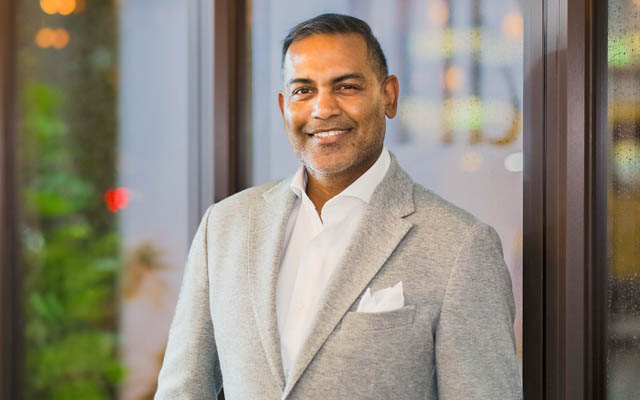
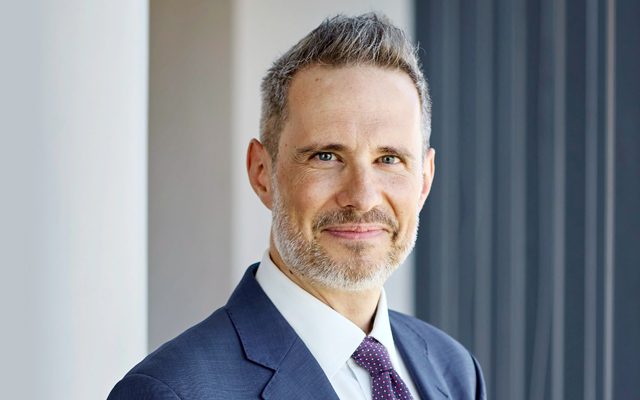
The MoU was signed on January 22, 2026, at the Thailand Tourism Forum 2026 in Bangkok by PATA CEO Noor Ahmad Hamid and APOLA executive committee member Willem Niemeijer.

Under the agreement, both organisations will provide reciprocal membership access, allowing each to extend selected member benefits at the association level. The partnership also includes cooperation on research and knowledge exchange, with APOLA contributing selected research findings, tourism insights and travel trend analysis on a quarterly basis through PATA’s members-only communication channels.

The agreement further outlines support for joint activities, including mutual promotion of events and participation by speakers where appropriate. Members of both organisations will have opportunities to engage through networking and annual events, with registration support provided in line with the terms of the agreement.

The partnership is intended to support information exchange and collaboration related to the outdoor lodging sector across the Asia-Pacific region.

Noor shared: “This partnership between PATA and APOLA will lead to a stronger foundation for international collaboration within the Asia-Pacific region, opening the door to effective exchange of best practices and meaningful collaborations. We look forward to jointly advancing responsible and sustainable tourism in the region alongside APOLA, and bringing value to our respective members.”

“Outdoor lodging is growing at around 11 per cent a year in the region. It is therefore fitting that APOLA works with PATA, the leading voice and authority on tourism in Asia-Pacific, to draw attention to the potential that the sector has to deliver quality, nature-based responsible tourism experiences,” added Niemeijer.

Iconic Group names executive assistant manager, sales and marketing

0

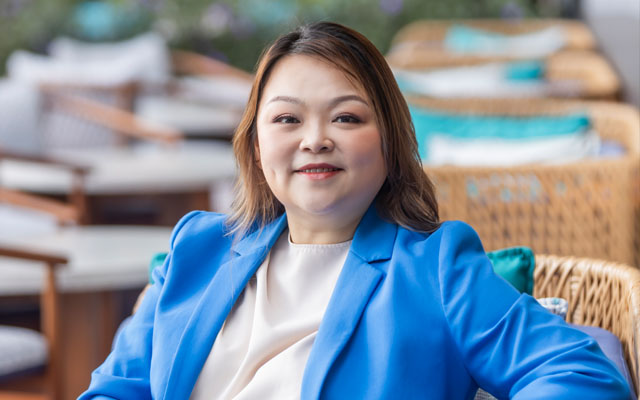
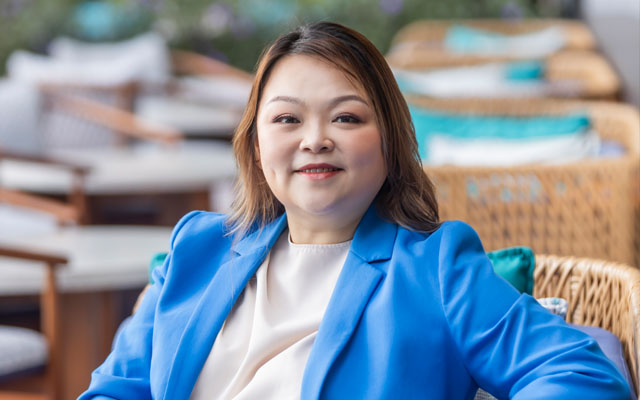
Catherine Ooi has been appointed executive assistant manager, sales and marketing at the Iconic Group. In this role, she is responsible for commercial leadership across Iconic Marjorie Penang, a Tribute Portfolio Hotel by Marriott International; Iconic Hotel Penang, Bukit Mertajam; and Iconic Regency Service Residences.

Ooi joins the group following her role as director of sales and marketing at Aloft Langkawi Pantai Tengah. She has more than 20 years of experience in hospitality and has held senior commercial roles with Shangri-La, St Giles and Hilton. She reports to group general manager Kevin Cheah.

Anne Newman to lead visitor economy at ChristchurchNZ

0

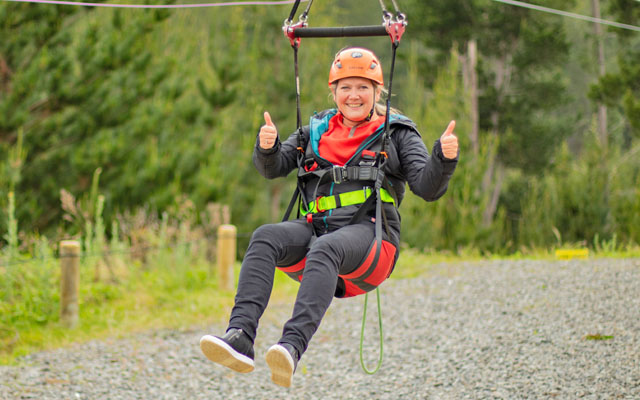
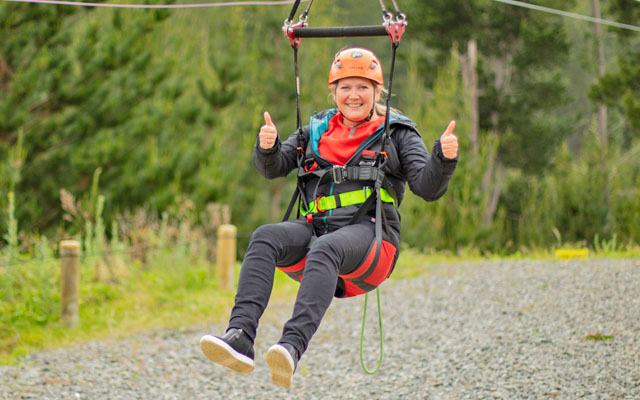
ChristchurchNZ has appointed Anne Newman as general manager of visitor economy. She starts in the role today and is responsible for leading the agency’s visitor economy function, including strategy and delivery across tourism and major events.

Newman was previously founding chief executive of Christchurch Adventure Park, where she led the operation through fires, flooding and the Covid pandemic. She was recognised with the Emerging Tourism Leader Award at the New Zealand Tourism Awards in 2024.

Sun Siyam Group promotes Deepak Booneady to group CEO

0

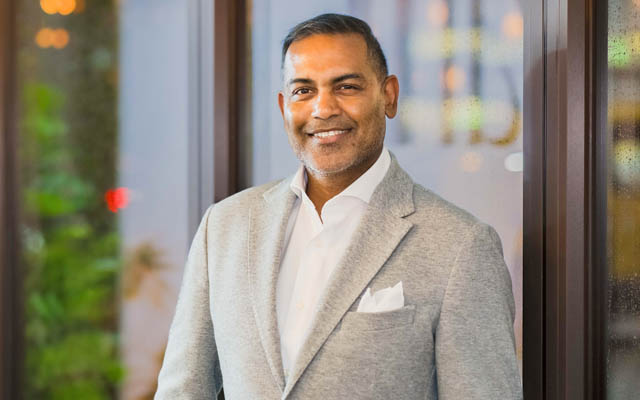
Sun Siyam Group has promoted Deepak Booneady to group CEO, where he will assume overall responsibility for Sun Siyam Group and its businesses, overseeing strategy, brand development and expansion into new markets and concepts.

Booneady previously served as CEO of Sun Siyam Resorts, where he led brand positioning and portfolio development across the Maldives and Sri Lanka.

RAS Travels: Turning passion into enterprise

0

What inspired you to start your own travel agency and what are your focus areas?
I have extensive industry experience spanning aviation, tourism representation and travel management companies, and I am deeply passionate about the tourism sector. With the objective of offering end-to-end travel solutions, I decided to start my own travel agency. My experience of travelling across the globe has given me valuable insights into the expectations and challenges faced by the average Indian traveller besides helping me to understand how the industry works.

Personalisation is central to our approach with every itinerary designed according to the client’s budget and interests. In today’s highly competitive market, succeeding as a new travel agency requires much more than selling airline tickets or hotel rooms. As a result, we have chosen to specialise in niche segments such as MICE and wedding groups.

We also place strong emphasis on building direct relationships with hotels, destination management companies and airlines which has enabled us to offer cost-efficient and well-curated travel solutions to our clients.

What were the biggest challenges you faced while setting up the business?
Starting a new venture is always exciting but it also comes with its share of challenges. While entrepreneurship may sound appealing, it is often easier said than done. Like most business owners, we faced several initial hurdles particularly in securing adequate funding to establish the business, and managing cash flow to ensure seamless operations.

Timely vendor payments and meeting monthly staff salary commitments were ongoing challenges, especially since most clients and corporate accounts operate on credit terms. Retaining skilled staff also proved to be a significant challenge in the early stages. Collectively, these factors can impact the growth, sustainability and long-term success of a new business.

What advice would you give to women who aspire to start their own venture in the travel and tourism sector?
My advice is to first identify their passion, skills and strengths. In the early days, tourism was largely categorised into inbound and outbound travel. Today, however, the industry has evolved into a vast ecosystem with multiple verticals including religious tourism, sports travel, health and wellness, culinary experiences and medical tourism, among others.

Rather than entering the market without a clear direction, it is important to conduct thorough market research, develop a strong business plan and carefully evaluate costing and financial requirements. Arranging sufficient backup funds is equally critical. Most importantly, aspiring entrepreneurs should focus on one segment to begin with, build expertise in that area and then gradually expand.

How are you differentiating your agency in an increasingly competitive travel market?
Our focus is firmly on quality rather than quantity. We are building a strong brand identity by specialising in specific segments and positioning our agency as an expert in that space. By concentrating on a specific market, we are able to deliver deeper expertise and more meaningful value to our clients.

We focus on market research and closely analyse competitors to understand their strengths and the value they offer customers. At the same time, we assess industry challenges, their impact on profitability and the strategies required to differentiate ourselves and stand out in a highly competitive environment.

What travel trends are you currently seeing among Indian travellers?
Travel preferences among Indian travellers are evolving rapidly with increasing emphasis on lifestyle-driven and personalised experiences. Many travellers are opting for solo trips while others prefer shorter getaways and mini-breaks instead of long holidays. Among young and middle-aged travellers, there is a growing interest in solo travel, adventure tourism, wellness retreats and exploring offbeat destinations. For new-age travellers, a comfortable stay alone is no longer sufficient. Factors like high-speed Wi-Fi have become an equally important consideration when choosing accommodation.

What are your goals for the agency over the next two to five years?
In the short term, our focus is on strengthening our digital and social media presence and building a robust supplier platform for both B2B and B2C partners. We also aim to expand our network of destination partners to offer more curated and differentiated travel packages. Over the long term, we also plan to diversify our portfolio by adding new travel segments.

Novotel places everyday well-being at centre of new brand direction

0

Novotel, Accor’s founding brand, has launched Longevity Everyday, a global brand strategy focused on integrating well-being into everyday travel and reframing the role hotels play in supporting guests’ quality of life.

Unveiled in Paris on January 20, the initiative comes as the longevity economy is forecast to reach US$27 trillion globally by the end of the decade, with US$4.6 trillion attributed to the travel sector.

Minet: longevity is not about tech – it’s about people living better, fuller, happier lives through simple, sustainable choices

Jean-Yves Minet, Novotel global brand president for midscale and economy, said during a live broadcast from Paris: “Longevity is a mega trend reshaping our world and our industry. The question is not about adding years to life anymore. Instead, we must be thinking about adding life to years.”

He noted that longevity has traditionally been framed as an exclusive pursuit focused on luxury wellness, biohacking and costly interventions.

“But longevity is not about tech. It’s about people. It’s about living better, fuller, happier lives through simple, sustainable choices that anyone can make.

Longevity Everyday is our promise to help people live better every single day. Not through perfection, but through progress. Not through grand gestures, but through small, meaningful steps.”

The strategy is structured around four pillars – Eat, Sleep, Move and Meet – which will be progressively rolled out across Novotel’s global portfolio of more than 600 hotels in 67 countries.

Under the Eat pillar, new menus will be introduced worldwide from April, with at least 25 per cent plant-forward options across all hotels by the end of 2026. This reflects survey data showing that 37 per cent of travellers are seeking healthier dining choices.

Novotel has also entered a multi-year partnership with British cook and food creator Alfie Steiner. The brand has developed Sustainable Seafood Principles and training in partnership with WWF and is implementing full traceability for priority species through partnerships with Seafood Souk and the Seafood Task Force.

Under Sleep, Novotel will upgrade bedding standards globally, introducing new eco-designed premium beds by 2030. The new Novotel Bed, which is 29cm deep and certified by Oeko-Tex and NF Environnement, has been designed to support rest and recovery.

The Move pillar includes global partnerships with Paris 2024 Olympic gold medallist Kauli Vaast and football club Paris Saint-Germain, offering practical guidance and tools to encourage physical activity. The Meet pillar focuses on rethinking business travel and family stays.

Aviation roundup: Air India, Singapore Airlines and more

0
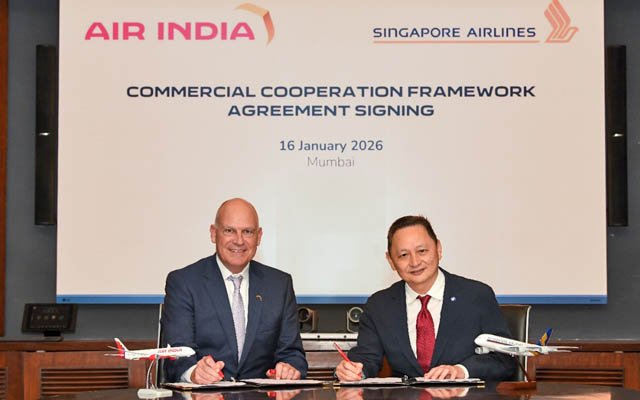
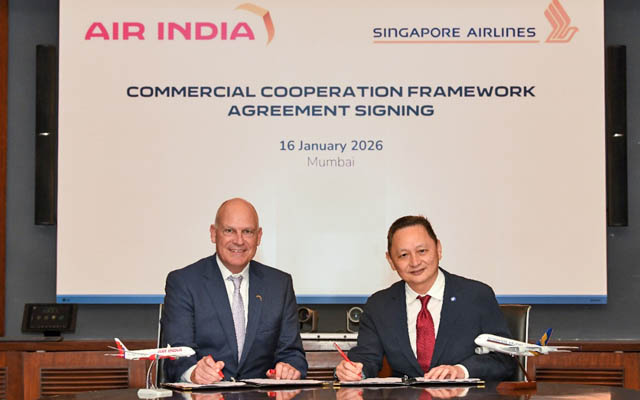
Air India and Singapore Airlines have signed a cooperation agreement on January 16, 2026

Air India, Singapore Airlines sign framework for expanded cooperation
Air India and Singapore Airlines have signed a commercial cooperation framework agreement to deepen their partnership, subject to regulatory approvals and final joint business agreements.

The agreement sets out plans to improve connectivity between Singapore and India through closer coordination of schedules, expanded route options and more seamless journeys across both airlines. Customers would be able to book unified itineraries and access enhanced product and service offerings.

The partnership may also extend to corporate travel programmes and expanded frequent flyer benefits beyond existing Star Alliance arrangements. The airlines currently codeshare on 61 points in 20 countries, following an expansion of their partnership in October 2024.

SWISS

SWISS introduces Airbus A350 on Seoul services
Swiss International Air Lines will deploy its new Airbus A350 on the Zurich-Seoul route from the start of the 2026 summer schedule on March 29.

Seoul becomes the airline’s second longhaul destination, after Boston, to be served by the A350. The aircraft introduces the new SWISS Senses cabin, offering redesigned interiors, increased privacy, updated lighting intended to reduce jet lag, and revised onboard service elements.

The route is currently operated by Airbus A340 aircraft. SWISS launched services to the South Korean capital in summer 2024 and continues to operate the route three times a week. The A350 will also reduce overall flight time compared with the existing aircraft.

Emirates

Emirates to launch daily Dubai-Helsinki service
Emirates will launch a daily, year-round service between Dubai and Helsinki from October 1, 2026, creating the only direct air link between Finland and the UAE. The route expands the airline’s Nordic network and will be operated by the Airbus A350.

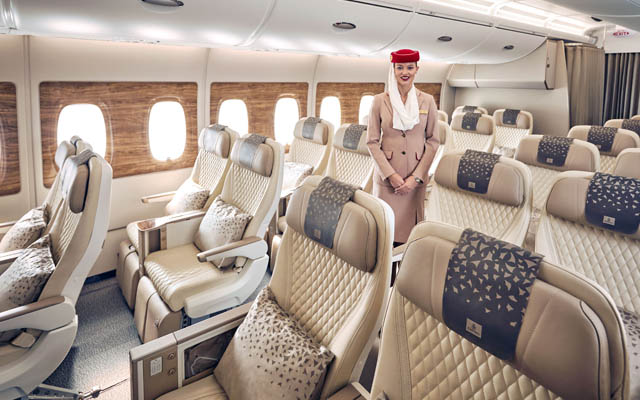
The aircraft features three cabins – Business, Premium Economy and Economy – with lie-flat seats in Business Class, upgraded seating in Premium Economy and the latest in-flight entertainment system. Helsinki will receive the A350 from the start of the service, introducing Emirates’ newest onboard products and cabin features to the Finnish market.

Vietjet

Vietjet to connect Hanoi with Shizuoka from April 2026
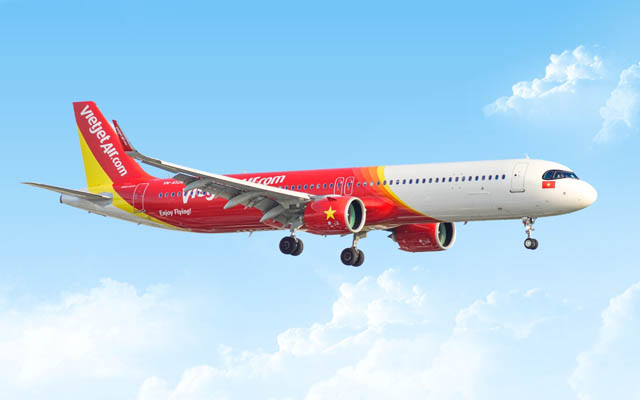
Vietjet will launch a new Hanoi-Shizuoka service on April 28, 2026, operating three times a week. With this addition, Vietjet will operate 11 routes between Vietnam and Japan.

The route marks the first scheduled air service between Shizuoka and Vietnam, and the first direct connection between Shizuoka and South-east Asia since the opening of Mt Fuji Shizuoka Airport.

Complex luxury trips keep travel advisors busy despite AI planning tools

0

Luxury travel advisors can continue to demonstrate their value in the travel and tourism landscape amid a rise in AI-led travel inspiration, with first-hand destination experience, agility in managing disruption and local human connections cited as key advantages.

Simon Cameron, founder and CEO of Lightfoot Travel, a bespoke travel company serving high-net-worth guests, told TTG Asia that while AI can generate a wide range of travel ideas, the complexity inherent in luxury itineraries often requires a high level of human involvement for successful delivery.

Luxury travellers are often drawn to off-the-beaten-track destinations that require complex arrangements and local connections

“Our clients are constantly drawn to off-the-beaten-track destinations and locations, and many of these places are not easy to reach,” Cameron stated.

An example he noted was that some African lodges cannot be booked online, as properties prefer to work with travel agents who manage guest arrangements. Certain locations or areas within attractions are only accessible through local connections. In addition, some destinations require multiple flight connections followed by long road transfers, increasing the risk of disruption at various points of the journey.

“AI does not show these details and will not step in to support the client when last minute changes are required on the ground,” he said.

Sophie Newland, head of Singapore at Lightfoot Travel, added that AI-driven content has resulted in a proliferation of heavily edited destination and hotel videos, which can mislead travellers.

“There are fake reels that show incredible drone shots. In reality, the hotel may not look that great, or it may not have any service standards, or is quite a mission to get to. Travel advisors with first-hand experience of the destination and hotels are needed to educate travellers,” she explained.

Furthermore, current luxury travel trends also indicate increasing itinerary complexity. Cameron pointed to an evolution of the wellness travel trend, with luxury travellers moving away from generic spa escapes towards precision wellness programmes offering “targeted outcomes for the individual”. Such programmes, he noted, require careful curation and cannot be booked online.

Multi-generational travel also continues to grow, with more affluent grandparents travelling with their children and grandchildren.

“Often, these trips involve family members who are residing or studying in various cities around the world. The chosen destination has to logistically work for everyone, which can be challenging. Such clients often rely on us, the travel advisor, for recommendations and to coordinate complex travel arrangements,” Cameron added.

He also noted that as more female travellers opt for solo travel, the role of a trusted and experienced travel advisor becomes increasingly important.

“I know clients still value that human judgment, the nuance, the insider access, and the local knowledge that we bring as travel advisors. You can get AI to plan your trip around Bolivia and Colombia, but it will not unlock doors to premium, behind-the-scenes experiences,” Cameron pointed out.

At the same time, Cameron acknowledged that AI is increasingly shaping how businesses operate and said there is a need to “understand and adopt it to help us work better”.

He expects AI to play a role in analysing client data and feedback to support more tailored customer service.

Minor Hotels sets 2026 growth priorities around asset-light expansion

0

Minor Hotels will adopt a more focused growth approach in 2026, following a year of increased development activity, with emphasis on portfolio diversification, geographic balance and capital efficiency.

The group signed 40 hotel contracts and master agreements in 2025, its highest annual total to date, and expects to complete a further 25 signings in 1Q2026. The company’s development pipeline now exceeds 640 properties globally, with future growth expected to rely primarily on managed and franchised models.

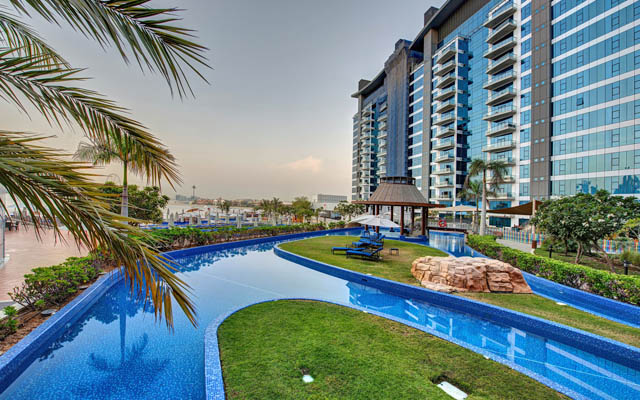
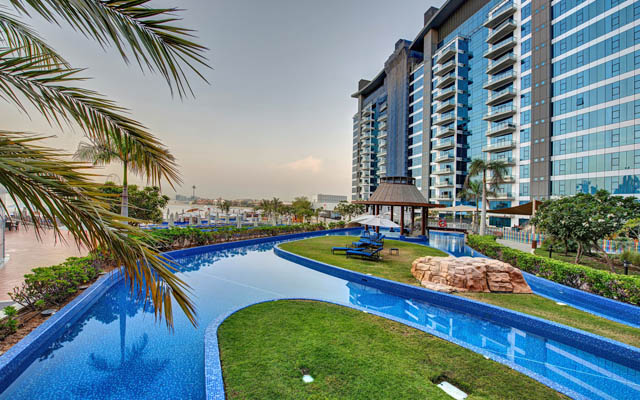
Minor Hotels’ asset-light growth strategy is reflected in properties such as Dukes The Palm, Dubai, pictured, which came under its management in August 2025

In 2026, Minor Hotels plans to concentrate investment in markets where long-term demand is strongest. More than 60 per cent of expected signings in early 2026 are located in the Middle East and Asia, increasing their contribution alongside Europe, which currently represents more than half of the portfolio.

Expansion is planned across North America, including New York and Miami, as well as the Caribbean, with selected brands entering these markets. Growth is also expected in Australia, where the group already operates more than 60 properties, and in London, supported by The Wolseley Hospitality Group, acquired in 2022.

In North Africa, development activity will focus on Egypt and Morocco, supported by European source markets. In Asia, Japan and India remain priorities, with projects underway following joint ventures and recent hotel openings. In Europe, Minor Hotels intends to increase its presence in resort destinations alongside its city hotel portfolio.

Franchising will form a larger share of future development, particularly in Europe, the US and Africa. Asset-light projects now account for 87 per cent of the group’s extended pipeline, compared with 70 per cent a year earlier.

The group also plans to introduce several new brands in 2026, including collection brands aimed at conversion opportunities and a limited number of luxury projects under The Wolseley Hotels name. Branded residences remain part of the growth strategy, with around 20 per cent of the pipeline incorporating residential elements. The first standalone branded residence project is scheduled to launch in 2026.

Minor International is also progressing plans for a hotel real estate investment trust, expected to list in mid-2026, comprising selected assets in Europe and Asia.

“The pace of recent signings reflects strong owner confidence in our brands and platform,” said Dillip Rajakarier, group CEO of Minor International. “As we add depth to our brand portfolio in 2026, this combination of global reach and an owner’s mindset gives us the insight needed to really tailor solutions to different assets and owner ambitions.”

New hotels: Modena by Fraser Shenzhen, The St Regis Singapore, and more

0
Modena by Fraser Shenzhen

Modena by Fraser Shenzhen, China
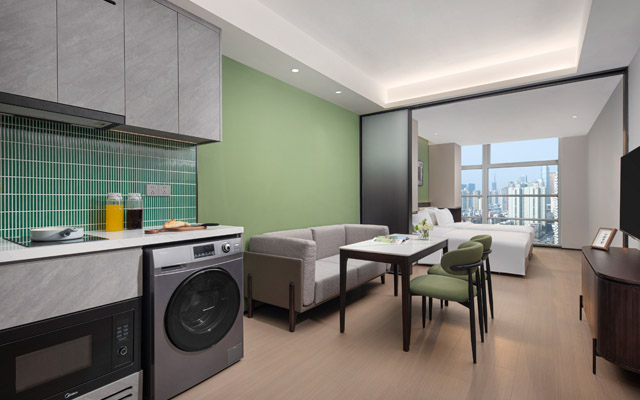
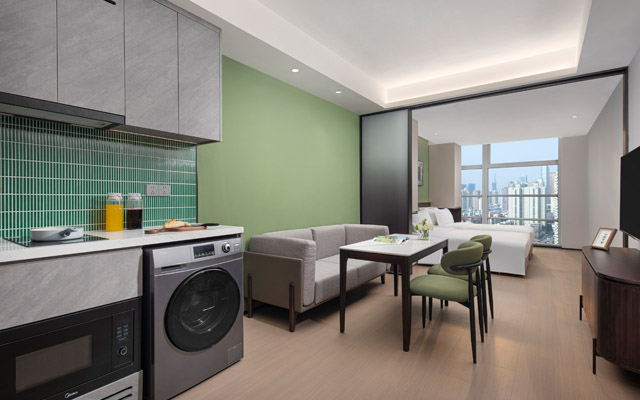
Nestled in the commercial core of Luohu District, Shenzhen, China, the newly opened Modena by Fraser Shenzhen is part of the Shennan 1001 mixed-use development comprising premium offices, retail and cultural spaces. It offers 325 apartments for long-term stays and exceptional connectivity with key business and lifestyle destinations in the city as well as Hong Kong.

There are a range of layouts to choose from: contemporary 31m² studios to spacious 103m² two-bedroom apartments, each with a versatile hobby zone intentionally left open-ended, allowing residents to make the space their own. Residents can also opt for units with flexible configurations that include transformable furniture or lofts.

Besides a variety of amenities that support active lifestyles and social engagements, such as an outdoor pickleball court and residents’ lounge, Modena by Fraser Shenzhen also presents curated neighbourhood walks that introduce residents to local experiences.

The St Regis Singapore

The St Regis Singapore, Singapore
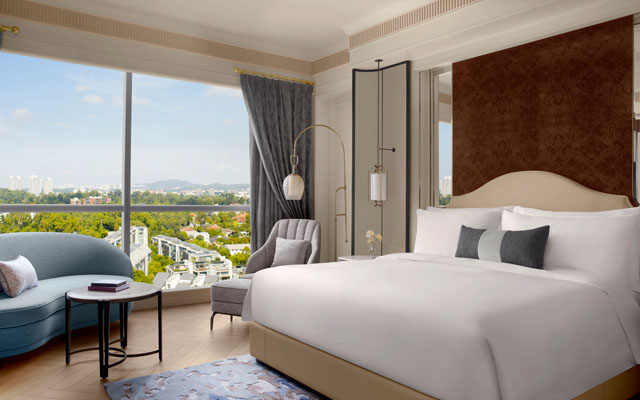
The St Regis Singapore has completed a multi-phase refurbishment that updates its 299 rooms and suites, dining venues and event spaces near Orchard Road.

Guestrooms have been refreshed with new interiors and energy-efficient lighting, while maintaining residential-style layouts. Facilities include a fitness centre, outdoor swimming pool, spa and a range of meeting and function spaces. Dining venues include an Italian restaurant, a bar and a tea lounge, along with a pâtisserie offering takeaway items.

Event facilities include a pillarless ballroom of about 710m², along with several smaller meeting rooms on the first floor.

The hotel is close to the Singapore Botanic Gardens, Orchard Road shopping areas and nearby embassies, with public transport links within walking distance.

Royal Garden Kowloon East

Royal Garden Kowloon East, Hong Kong
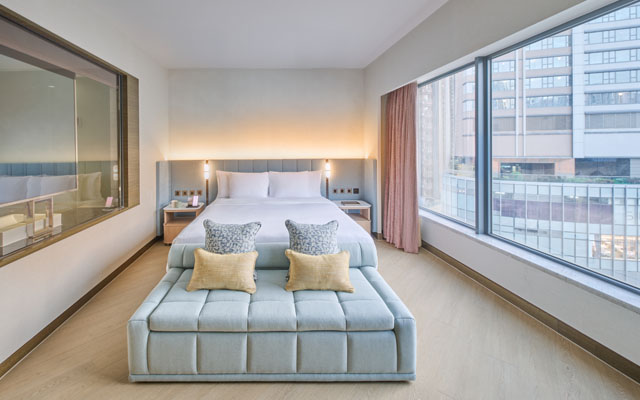
The 366-room Royal Garden Kowloon East has opened in Tseung Kwan O and is the first new property under the Royal Garden brand in 44 years. The hotel occupies the former Crowne Plaza Kowloon East following a full rebranding.

Accommodation includes standard guestrooms, family rooms with interconnecting layouts, bunk bed studios, multi-room suites and seven villas with private gardens, which are pet-friendly.

Facilities include an outdoor pool, fitness centre, children’s club, lounge spaces and meeting and wedding venues. Dining options include a lobby café and an Italian all-day dining restaurant, with a rooftop Italian venue scheduled to open in July 2026.

The hotel is close to Junk Bay, waterfront walking routes and nearby shopping centres.

Frasers House, a Luxury Collection Hotel, Singapore

Frasers House, a Luxury Collection Hotel, Singapore, Singapore
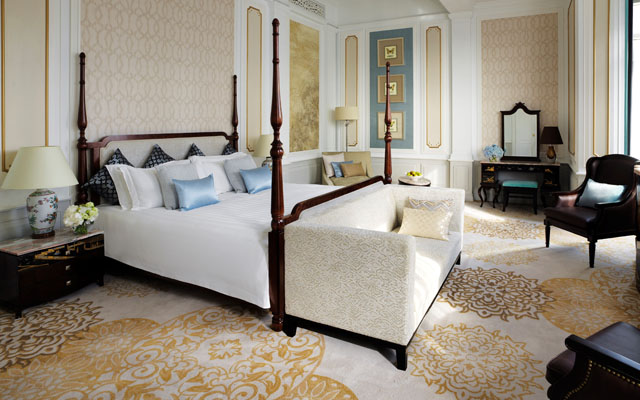
Frasers House, a Luxury Collection Hotel, Singapore is located in the Bugis precinct, within the Bugis Junction mixed-use development and nearby the train station. The property is set within a conserved historic building and includes more than 400 guestrooms and suites.

Facilities include an outdoor pool, fitness centre, wellness areas and about 1,000m² of event space, including a ballroom and smaller meeting rooms. Dining venues include updated concepts offering Cantonese and Western cuisines.

The hotel is within walking distance of Kampong Glam, Arab Street and the Bras Basah–Bugis arts district, with museums, shops and cultural sites nearby.

jüSTa Luxe High Point Jawai

jüSTa Luxe High Point Jawai, India
jüSTa Luxe High Point Jawai is a boutique wildlife retreat in Village Bijapur, in the Jawai region between Udaipur and Jodhpur. Set across about one hectare, the resort comprises 18 rooms and suites, including options with heated plunge pools.

Rooms are arranged to face the surrounding granite landscape, with select units including private gardens, outdoor showers and sit-out areas. Facilities include a swimming pool, spa with two treatment rooms and steam bath, a multi-cuisine restaurant with indoor and outdoor seating, and a banquet space of about 140m².

The resort is accessible by road from Udaipur and Jodhpur and is close to Jawai Dam, Ranakpur Jain Temple, Pola Lake and wildlife safari areas known for leopard sightings and birdlife.