
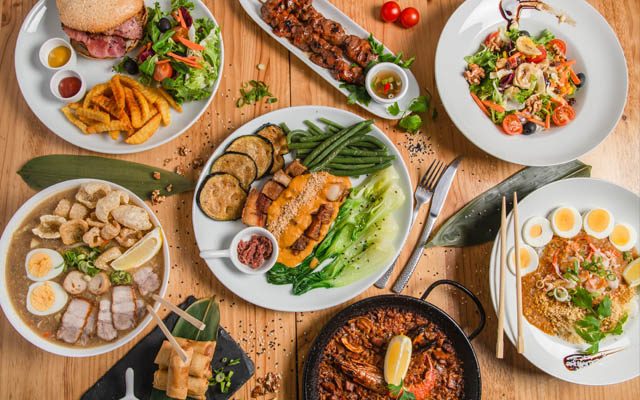
UN Tourism is organising its first-ever UN Tourism Regional Forum on Gastronomy Tourism for Asia and the Pacific from June 26 to 27 in Cebu, the Philippines.
Hosted by the Philippines through its Department of Tourism (DoT), the forum will be held at Shangri-La Mactan in Cebu City from June 26 to 27, alongside the 36th UN Tourism Joint Commission Meeting for East Asia and the Pacific and Commission for South Asia which is scheduled on June 28 at Sheraton Mactan.
Expecting to gather some 300 attendees including ministers from UN member-states, affiliate members, and tourism stakeholders from international organisations, the day-long forum will see delegates discuss the policy framework for the development and promotion of gastronomy tourism, value of land and products in the sustainable development of gastronomy tourism, cost-effective and environmentally responsible strategies for reducing food waste and promoting local sourcing, as well as best practices in gastronomy tourism in the Asia-Pacific region. They will also be able to sample the best of Philippine flavours through a showcase by top Filipino chefs, and get a glimpse of Cebu’s allure as a top tourist destination through a technical tour on June 27.
Christina Garcia Frasco, tourism secretary and chair of the UN Tourism Commission for East Asia and the Pacific, shared that the country’s hosting was a perfect opportunity for the Philippines to showcase its culinary treasures on a global stage. She noted that Filipino dishes have gained popularity around the world, which encouraged DoT to further promote culinary tourism, recognising the country’s vast potential as a leading gastronomy destination in Asia.
She said: “In addition to integrating food in festivals, arts and crafts, traditions, and practices, we are actively working towards supporting the development of halal/Muslim-friendly tourism, heritage villages for cultural communities, and the preservation of farms and heritage sites.
“The Philippines has a myriad of experiences in store for our delegates to offer tourists coming from around the world. Experiencing our food is on top of that list as it is rooted in our history and tradition. Just as the Philippines is a blend of various cultures, Filipino food mixes and melds different influences to come up with something for everyone.”
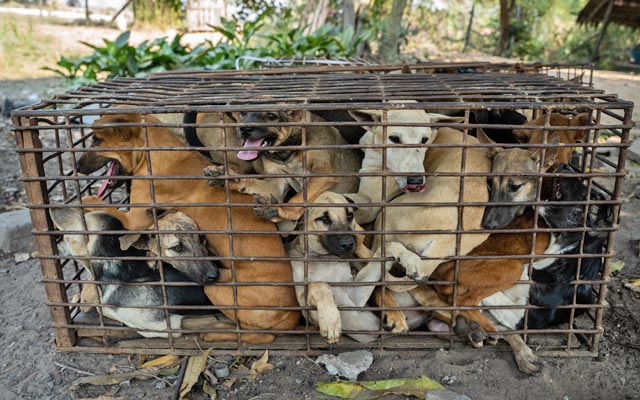























A campaign recruiting tourism players to join efforts to curb the dog and cat meat trade (DCMT) in Cambodia, Indonesia and Vietnam has reaped huge rewards, with several states and cities enforcing a ban.
In 2020, NGO Four Paws launched a collaborative effort to engage the global tourism industry in supporting its campaign to end the DCMT in the three countries. According to Four Paws, DCMT poses a threat to inbound tourism, undermining efforts to control the spread of rabies and other zoonotic diseases – this poses a threat to locals and tourists.
As part of the campaign, Four Paws piloted a DCMT reporting tool in Quang Nam and Danang in Vietnam. The tool enabled the public and tourism players to report incidents of dog and cat meat consumption.
Between November 2022 and December 2023, 288 DCMT-related activities were reported. A nationwide rollout of the tool is scheduled for this month. A raft of tour operators has also signed a two million-strong pledge to end the trade.
“Our guests overwhelmingly come from countries where pets are part of their daily life. The thought of some people eating dog and cat (meat) is enough to stop guests travelling to South-east Asia,” said Steve Lidgey, general manager at Travel Asia a la Carte, which has signed the pledge.
To date, in Indonesia, a total of 51 provinces, cities and regencies have committed to end the trade. Additionally, in December 2023, one of the last remaining dog and cat meat restaurants in Hoi An closed after a two-year campaign to phase the trade out of the Vietnamese city.
Suyin Lee, managing director of Discova, said: “We have signed the pledge because protecting animals and betterment of care is a key focus for Discova. We believe that animal-friendly tourism is both possible and necessary, and encourage others to support this initiative.”