Asia/Singapore Saturday, 4th April 2026
Page 13

ASEAN outlines tourism priorities for 2026-2030

0

The Declaration on the Implementation of the ASEAN Tourism Sectoral Plan 2026-2030 was unveiled on January 29, 2026 at the ASEAN Tourism Conference in Cebu, Philippines, marking a decisive move from post-lockdown recovery towards long-term transformation of the region’s tourism sector.

The declaration aligns with the ASEAN Vision 2045, the bloc’s long-term development blueprint endorsed by ASEAN leaders in May last year, which sets out a 20-year trajectory for the region’s economic, social, and institutional growth.
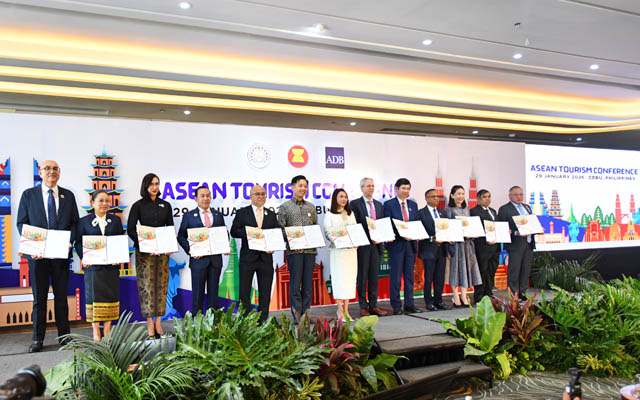
The declaration sets out five priorities to guide South-east Asia’s tourism development over the next five years

Under Vision 2045, tourism is positioned as a key driver of quality growth, resilience, and meaningful employment.

In 2024, tourism generated close to US$400 billion in 2024, accounting for almost 10 per cent of South-east Asia’s GDP and supporting about 42.5 million jobs, shared ASEAN deputy secretary-general, Satvinder Singh in his opening address.

In 2025, South-east Asia welcomed 144 million international visitors, a 13.4 per cent year-on-year increase, with nearly 48 million travellers coming from within the region.

He noted that South-east Asian tourism faces mounting pressures from climate change, digital disruption, geopolitical uncertainty, and intensifying global competition.

He shared that the ASEAN Tourism Sectoral Plan and the ASEAN Tourism Marketing Strategy for 2026-2030 is an opportunity for the region to move decisively from recovery to transformation.

The five-year sectoral plan is built around five interlinked priorities: resilient tourism, empowerment of the tourism workforce, accessible and seamless travel, digital tourism and product diversification, and sustainable tourism.

As host country and lead country coordinator for the ASEAN Tourism Sectoral Plan, the Philippines highlighted how national policies are already aligned with the plan’s five priorities.

Department of Tourism secretary, Christina Garcia Frasco said the Philippines’ experience, particularly in climate resilience, had helped to shape the plan’s direction.

She underscored the importance of resilience today, citing recent floods, earthquakes, and extreme weather events affecting Cebu and other destinations in the country.

She pointed to government initiatives that are currently underway, including large-scale skills training, emergency cash assistance for displaced tourism workers, visa liberalisation, as well as improved air connectivity.

Frasco shared that Cebu alone had gained 12 new international routes in 2025, thus strengthening its role as a regional gateway.

She also highlighted the Philippines’ digital nomad visa, expanded visa-free system for major markets, partnerships with global payment platforms, and the Philippine Experience Program, which is designed to promote culture, heritage, gastronomy and emerging destinations to ease pressure on overcrowded sites and raise visitor spending.

Asian Development Bank (ADB) vice-president for East and South-east Asia, and the Pacific, Scott Morris said South-east Asia’s tourism rebound has been driven by strong intra-regional travel and renewed long-haul demand.

“Countries are transitioning away from volume-led models towards higher-value and more diversified forms of tourism,” Morris said, adding that ADB has committed more than US$4 billion to tourism-related projects and has a US$3 billion investment pipeline through 2030.

An ASEAN Dialogue Partner, Igor Maksimov, deputy director general Department of Multilateral Economic Cooperation and Special Projects at the Ministry of Economic Development of the Russian Federation, said Russia is prepared to support ASEAN member states through technical cooperation and capacity building, including smart city management systems, large-scale tourism investment projects, and workforce training programmes.

Universal Studios, Pokémon level up theme park collaboration

0

Universal Studios Japan and The Pokémon Company have outlined plans to develop new Pokémon-themed experiences, with the first phase set to begin at Universal Studios Japan. The project forms part of the park’s ongoing strategy to expand its range of character-based attractions.

The collaboration aims to introduce new immersive experiences based on the Pokémon franchise. Universal Studios Japan has previously presented Pokémon parades and shows since October 2021, and the new project will build on these earlier initiatives.

Universal Studios Japan and The Pokémon Company plan new Pokémon-themed experiences, with the first phase launching in Japan; photo by The Pokemon Company

Following its debut in Japan, Universal Destinations & Experiences plans to introduce Pokémon experiences at other Universal parks worldwide. Further details, including timelines and formats, will be announced at a later date.

The project is positioned as a long-term collaboration between Universal Studios Japan and The Pokémon Company, marking the next stage in a partnership first announced in 2021. The new development coincides with Pokémon’s 30th anniversary.

Universal Studios Japan said the initiative is intended to expand the park’s portfolio of large-scale themed entertainment, while also serving as a foundation for future international developments across Universal’s global network.

Mark Woodbury, chairman and CEO of Universal Destinations & Experiences, said: “Collaborating with imaginative and inventive storytellers fuels our ability to create and deliver mind-blowing attractions and experiences that shatter guest expectations.”

“As Pokémon celebrates its 30th anniversary this year, we are thrilled to launch this new project at such a significant milestone. Our mission is to enrich both the real and virtual worlds through Pokémon, and with this project, we aim to create theme park entertainment that surprises and delights fans around the globe,” added Tsunekazu Ishihara, president and CEO of The Pokémon Company.

How are we travelling?

0
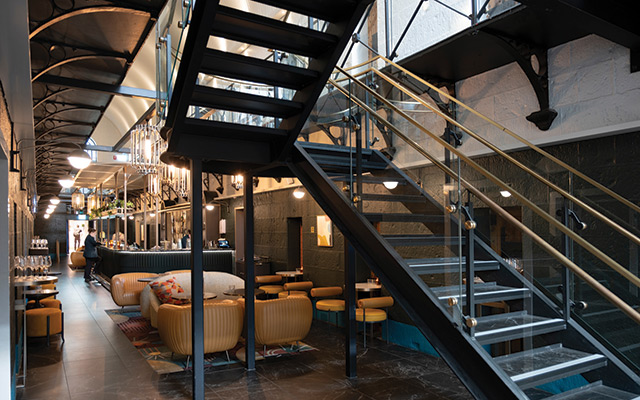
Melbourne’s Pentridge Prison joins the global trend of unique restored stays

Flavourful stays
Travellers are increasingly demanding that hotels are more than just a place to rest their heads.

Hotels.com’s contribution to Expedia Group’s Unpack ’26: The Trends in Travel report notes a rise in bookings for restored abbeys, schoolhouses and even prisons. Travellers in 2026 expect “culturally rich experiences by staying in places that tell a story through their architecture and past”.

Skyscanner’s Travel Trends 2026 report states that “hotels are the main event”, with immersive stays becoming more common among travellers who are choosing where to go based on where they want to stay.

Preferred Hotels & Resorts has also seen the rise of unique stays. The Luxury Travel Report, published in May 2025 by Preferred Hotels & Resorts in partnership with The Harris Poll, identifies travellers’ dislike for “sameness in design, service, and experience”.

Seventy per cent of surveyed luxury travellers find that modern luxury hotels have lost their soul to standardisation, and nearly three-quarters of them will not pay for luxury accommodation that feels generic.

Philipp Weghmann, chief development officer of Preferred Travel Group, said demand for independent hotels that offer creative guest experiences is, therefore, on the rise.

“Independent hotels have the flexibility to deliver unique experiences that are not tied to signature programming that comes with being part of a global hardware,” he said.

The power of unique hotels is also influencing travellers to book multiple hotels in one destination to allow them to explore different neighbourhoods, chase better deals, and keep things flexible, according to Hotels.com.

Capoeira showcases Brazil’s living culture as demand for local sporting experiences grows

Sporting magnets
Major sporting events are big tourism drivers, but this trend will intensify this year. More travellers are seeking out local sport experiences – not just soccer, cricket, hockey or tennis, which are the world’s most popular sports with billions of fans ­­– that offer a deeper connection to local culture, community, and tradition.

Expedia Group projects a surge in uniquely regional sporting experiences, with 57 per cent of respondents saying they are likely to attend one while on a trip. From capoeira in Brazil to sumo wrestling in Japan, travellers want front-row seats to the traditions, energy, and stories that make each place unique.

Fans of Thai kick-boxing, Muay Thai, can apply for a 90-day Muay Thai visa to stay and train in authentic Muay Thai camps across the country. The special visa was introduced in 2024, and a website, Now Muay Thai, was created to guide foreign fans to the best places in Thailand to train.

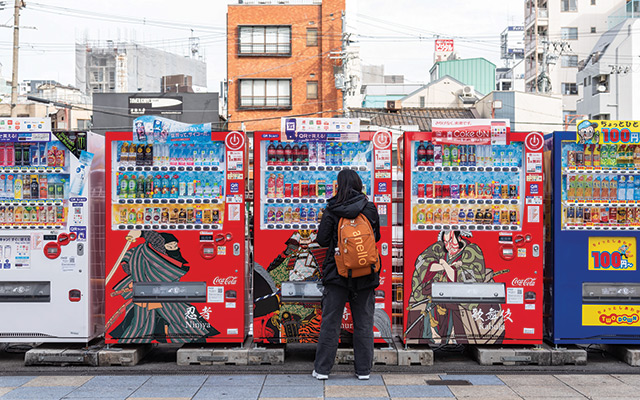
In Osaka, travellers sample local favourites from vending machines as part of supermarket safaris

Supermarket safaris
Travellers are swapping restaurant reservations for supermarket safaris, claims Skyscanner’s travel outlook. In its study, 38 per cent of Asia-Pacific travellers say they plan to explore local supermarkets or grocery stores while on holiday. They also look forward to picking out local favourites from the snack aisle and vending machines.

Skyscanner notes that how people travel for food is now part cultural deep-dive, part budget hack.

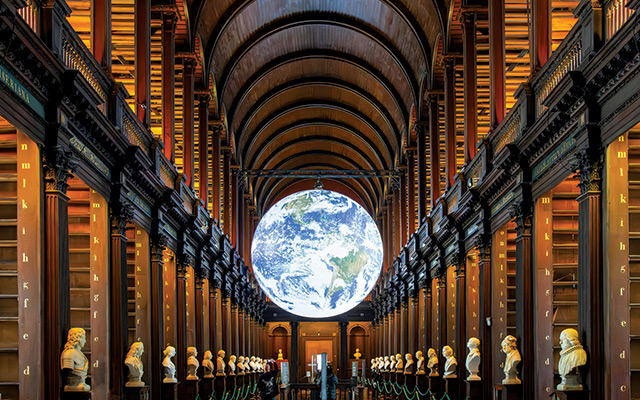
Travellers are visiting Dublin’s Long Room Library as literary‑inspired journeys grow

Literature inspiration
Respondents to studies conducted by Skyscanner and Vrbo holiday rentals have expressed a desire to go on a trip that is inspired by literature as well as to slow down and include time to read while travelling.

Skyscanner’s trend report finds that people are choosing travel and literature to escape, reconnect and restore, whether by tracing the footsteps of fictional heroes, planning a slow holiday around a reading retreat or chasing the world’s most beautiful bookshops and libraries.

Similarly, Vrbo reveals that 91 per cent of travellers are seeking getaways focused on reading, relaxation, and quality time with loved ones. The Booktok social media trend is fuelling interest in literary-themed travels, with reading-related terms in Vrbo’s guest reviews nearly tripling.

Family time
Quality time with the family on trips has risen in importance post-lockdown, but Hilton’s 2026 Trends Report has identified an interesting development.

Skip-generation holidays are coming up strong, where grandparents and grandchildren are travelling together.

Six in 10 respondents across Asia-Pacific say they have taken or plan to take a skip-generation holiday. The trend is most pronounced in China (86 per cent) and India (79 per cent), where it has moved from novelty to mainstream. In China, more than three-quarters expect to book at least one to two skip-generation holidays in 2026, suggesting such trips may soon rival traditional family vacations.

Families are choosing experiences that encourage shared discovery. Culinary exploration (69 per cent) and visits to historical and cultural landmarks (63 per cent) are the top activities, particularly in destination Singapore, where more than eight in 10 families cite food-related exploration as their preferred activity.

All aboard for a heritage train experience

0

The Blue Jasmine, a restored heritage train from the 1960s, has begun operating cultural rail journeys from Bangkok’s Hua Lamphong Station, travelling through key historical destinations across Thailand.

In a collaboration with DTH Travel, Jim Thompson has developed a series of travel experiences linked to the journey, including onboard design elements and pre-departure activities.

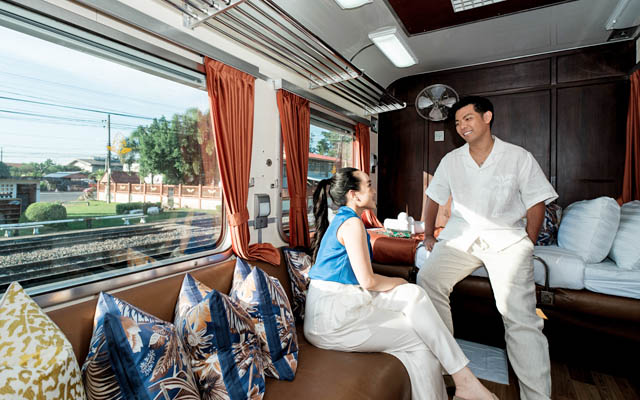
The restored 1960s train departs from Bangkok on curated rail journeys developed with Jim Thompson and DTH Travel

The Blue Jasmine consists of 10 wagons and accommodates up to 36 passengers. The route connects Bangkok with Ayutthaya, Uthai Thani, Sukhothai and Chiang Mai. The programme focuses on slower travel, with scheduled stops that allow guests to visit UNESCO-listed sites, meet local communities, observe craft practices and sample regional food.

The experience begins with a dining event at Jim Thompson, A Thai Restaurant, located within the Jim Thompson Heritage Quarter. A five-course menu presents dishes influenced by regional Thai cooking and seasonal produce. Guests also visit the Jim Thompson House Museum, which comprises six teak houses built in 1958, and the Jim Thompson retail store, before boarding the train at Hua Lamphong Station.

Onboard, the train interiors incorporate more than 2,000 Jim Thompson design items across all wagons. These include furnishings, textiles and accessories used in accommodation, dining and shared areas. Items include curtains, cushions, bed runners and table runners, as well as placemats, napkins, coasters and amenity kits. Designs reference botanical patterns and traditional weaving techniques.

The train also includes the first Jim Thompson showroom on a train, featuring silk products and selected fashion and lifestyle items. Purchases can be made via QR code, with delivery arranged at the end of the journey.

Following its first journey in November 2025, further departures are scheduled for January, February, July, November and December 2026.

Details for 2027 departures will be announced later.

For more information, visit The Blue Jasmine.

Thai operators cut new, deeper pathways into Thailand

0

Tour operators in Thailand are tapping into tertiary territories to ignite fresh appeal in the country amid a noticeable shift in visitors’ travel demand and desire to steer well off the beaten track.

Edwin Briels, managing director of Exploration Travel Thailand, said he launched the company three years ago with the “aim of doing things differently” in response to the need for the nation’s industry to endure a “shake-up”.

Thai tour operators turn to lesser-known regions as travel demand shifts

“Now, we have agents and clients who are more educated about Thailand and are looking for real experiences, not the staged Thailand,” Briels said, adding that it is important for tour operators to seek out tertiary destinations.

“We’re looking at more unexplored areas and how we can tell the story of that area to create unique itineraries. This paints a much nicer image of Thailand, as a lot of people now think of overtourism in some areas, like Phuket,” he stated.

Itineraries include less explored destinations such as Kaeng Krachan, Isaan, Chanthaburi, Sukhothai and Chiang Khong, which Briels said have piqued the interest of international tour operators that have grown tired of Thailand.

Briels added that this also taps into the community development element of tourism, with the company working with locals to curate tours and experiences, as well as training them to be skilled guides and hosts.

He noted: “Two tour operators from Europe and one from the US said they stopped selling Thailand for 10 years because everyone is doing the same thing, but have come back because we’re doing something different.”

Matthew Clancy, general manager of Khiri Travel Thailand, also highlighted a shift in demand for destinations beyond Thailand’s main hotspots. “Travel, once again, is becoming more and more about the journey and less about the final destination,” he commented.

“People want journeys that feel authentic, personal, and exploratory rather than commercial or overdeveloped, and there seems to be a growing appetite for places that still feel real, where culture, nature and everyday life have not been shaped primarily around tourism.”

Clancy cited Isaan, where a new Khiri Travel office has been launched in Khon Kaen to develop operations in the region, Lampang, Nan and Loei provinces, as well as Trang province and its islands, as destinations Khiri is developing.

New hotels: Kimpton Naluria Kuala Lumpur, Wyndham Goseong Gangwon and more

0
Kimpton Naluria Kuala Lumpur

Kimpton Naluria Kuala Lumpur, Malaysia
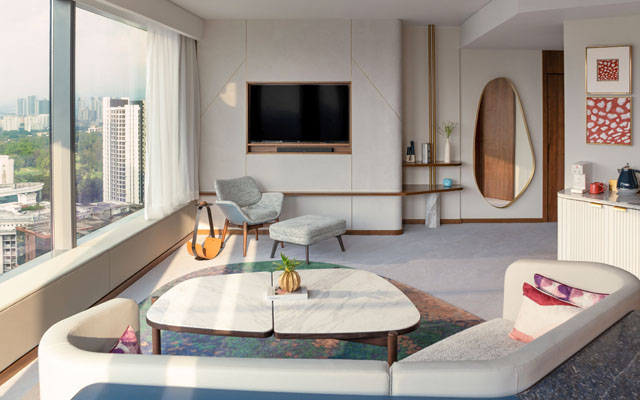
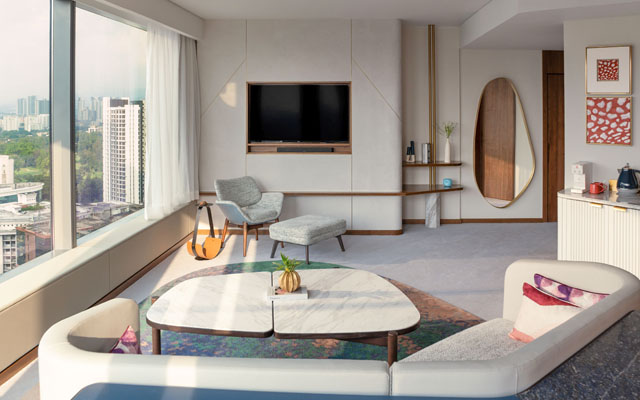
The 466-key Kimpton Naluria Kuala Lumpur is situated in the Tun Razak Exchange (TRX) district, above The Exchange TRX shopping centre. The hotel spans 26 storeys and includes guestrooms and suites with city views, including Merdeka 118 and KL Tower.

Facilities include a rooftop bar, dining venues, fitness centre and wellness spaces, with meeting and event rooms scheduled to open in early 2026.

The hotel is within Kuala Lumpur’s main business and retail precinct and is close to public transport, offices and cultural attractions in the city centre.

Wyndham Goseong Gangwon

Wyndham Goseong Gangwon, South Korea
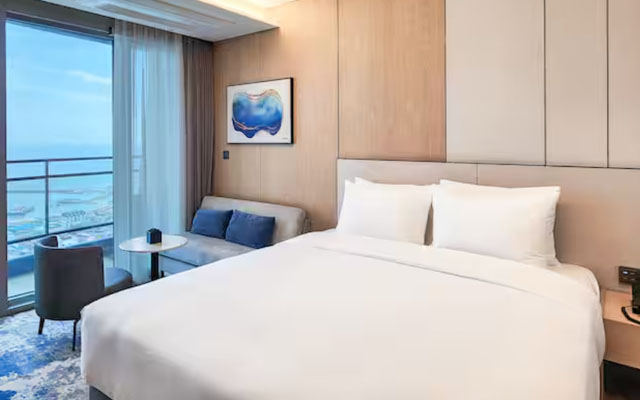
Wyndham Goseong Gangwon is a 529-room hotel on South Korea’s east coast, near Bongpo Beach and Seoraksan National Park.

Guestrooms include ocean-view options suited to leisure travellers, families and groups. Facilities include dining outlets, leisure amenities and event spaces designed to support meetings and group travel.

The hotel sits close to Seoraksan National Park, with access to hiking trails and coastal scenery. Bongpo Beach is within walking distance, while the surrounding Gangwon Province area is known for seafood markets, seaside towns and seasonal outdoor activities.

La Résidence Phou Vao

La Résidence Phou Vao, Laos
La Résidence Phou Vao has reopened following a full refurbishment and is set on Phou Vao Hill overlooking Luang Prabang and its UNESCO-listed old town. The property has 37 suites, including new connecting options, all with private terraces. Rooms have been reconfigured to increase natural light and views of the surrounding gardens and mountains, with updated bathrooms, walk-in showers and terrazzo bathtubs.

Facilities include a restaurant serving French and Lao cuisine, a bar, boutique and landscaped grounds. Accessibility upgrades have been introduced across pathways and guest areas. The hotel is a short walk from the historic centre and close to temples, the Mekong and Nam Khan rivers. Further additions, including a wellness centre and meeting facilities, are planned for 2026.

Nala Maldives by Jawakara Islands

Nala Maldives by Jawakara Islands, the Maldives
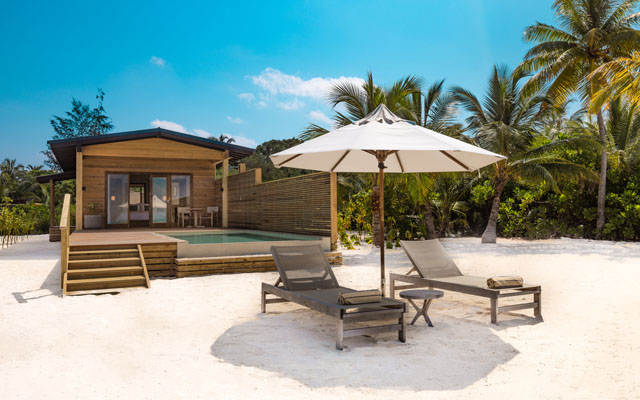
Nala Maldives by Jawakara Islands occupies a private 10-hectare island in Lhaviyani Atoll, a 35-minute seaplane journey from Velana International Airport. The adults-focused resort has 80 one-bedroom villas across beach and overwater settings, with selected categories including private pools or lagoon access.

A short speedboat ride links the resort to the neighbouring Jawakara island, allowing use of additional dining, sports and recreation facilities. On the island, guests have access to a spa with thermal facilities, a fitness centre, multiple dining venues and bars, and a wide range of water sports. The resort is also connected to marine conservation initiatives, with access to the Jawakara Atoll Research Centre and the Sea Turtle Health Institute.

An appealing region for travel

0

Despite ongoing global economic and political volatility, Asia-Pacific continues to demonstrate strong travel demand across both leisure and corporate segments.

Three sets of research by MMGY Global, Kearney, and FCM Consulting show travellers gravitating toward stable destinations and sustainability-aligned experiences, while the region’s competitive pricing continues to support corporate travel. Together, these insights highlight a sector that remains resilient and increasingly shaped by values, authenticity and cost competitiveness.

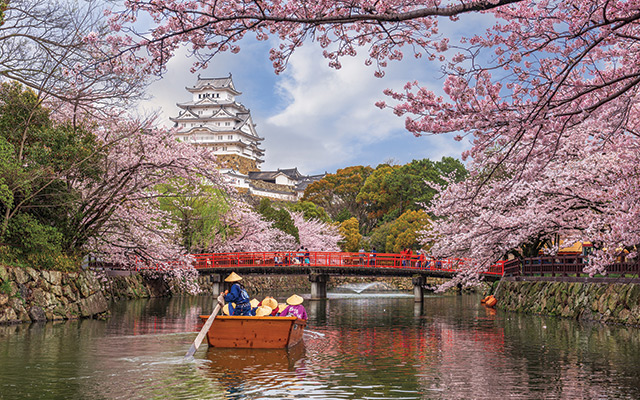
MMGY Global’s research found that Japan is most favoured by longhaul travellers; Himeji Castle in spring

PATA’s second Issues and Trends Report 2025, authored by Simon Moriarty, vice president, syndicated research at MMGY Global, identifies favoured destinations and the reasons why travellers are drawn to them. Through a survey with 2,534 respondents from Germany, the UK, Japan, Canada, Mexico, Saudi Arabia, India and China, it found Japan to be among the most favoured longhaul destinations.

Sixty-three per cent of American respondents and 59 per cent of Canadians expressed intent to visit Japan, while European interest rose from 51 per cent in 2023 to 55 per cent in 2025.

Japan’s combination of unique cultural, historical and modern attractions underpin its broad appeal for European travellers.

China, however, shows a more mixed demand profile. Travel intent rose 41 per cent among Saudi respondents and 36 per cent among Mexican respondents year-on-year, supported by simplified visa processes and perceptions of better value for money compared with the US or Europe.

In contrast, interest from Western markets remains subdued due to concerns relating to political safety, health risks and perceived restrictions on personal freedoms.

This divergence underscores how diplomatic ties and perceptions of political conditions shape traveller confidence.

India’s momentum is fuelled primarily by its domestic market. Moriarty shared that 53 per cent of Indians surveyed were more interested in travelling within the country compared to a year earlier, reflecting a growing middle class and rising confidence in domestic trips.

International intent to visit India is steady but moderated by a perception gap around safety and health.

Moriarty explained that as travel intent is influenced by perception, destination marketers have the opportunity to “develop conversations” with travellers to convey safety assurances.

He added that visitors want to experience India’s culture and landscapes “within the context of feeling safe, feeling comfortable, not going out of their comfort zone too much if they don’t want to”.

Affordability is another major draw, particularly for longhaul travellers, but Moriarty stressed the need to better communicate value. He noted that “cost effectiveness and affordability doesn’t mean a less important or less impactful holiday… it doesn’t mean a kind of cheap alternative”.

MMGY’s findings also show a shift away from traditional sightseeing towards deeper cultural immersion. Sustainability is also becoming a decisive factor in destination appeal, with travellers favouring businesses that demonstrate environmental responsibility and positive community impact.

Kearney’s 2024 report, In the Mind of Global Travelers, echoes these findings. Siddharth Pathak, senior partner and head of consumer industries and retail for Asia Pacific at Kearney, pointed out that 86 per cent of travellers globally, aged 25 to 34, favour eco-friendly options. Tourism players are responding accordingly – they are increasingly “educating travellers about the region’s sustainable ecosystem, showcasing locally-originated sustainable products, and integrating these seamlessly with the travel purpose”.

Pathak further observed that travel purpose strongly influences retail behaviour. Business travellers typically opt for click-and-collect or pre-order services, while leisure visitors prefer to browse and seek authentic local products or strong value buys.

He believes that this convergence of sustainability, local identity, and retail innovation is reshaping how travel retailers meet post-pandemic expectations.

Meanwhile, the FCM Consulting Insights Report identifies Asia as the world’s most cost-effective region for business travel. In the first half of 2025, the average hotel rate across Asia was US$170 per night, with total trip costs averaging US$972 – well below the global average of US$1,600.

This continues to fuel strong demand for corporate travel, meetings, and events across the region.

Domestic air travel capacity also remains high, led by China and India with passenger load factors of 84 per cent and 86 per cent respectively. Intense intra-regional competition is helping to maintain competitive fares, even as airlines face limited pressure to discount.

Bleisure travel – the blend of business and pleasure trips – continues to gain momentum, particularly in South-east Asia, as more business travellers extend work trips for short leisure breaks.

Bertrand Saillet, FCM Travel managing director, Asia, said: “Done well, this can be a positive win–win. Combining business with a leisure portion is a trend that is here to stay.”

He added that companies could support staff’s work-life balance while keeping costs in check by allowing leisure extensions – “provided the personal segment is cost-neutral for the organisation”.

The FCM Consulting Insights Report draws on corporate booking data from January to June 2025 from FCM Travel and Flight Centre Travel Group, supported by aviation data from Cirium.

Intrepid Travel appoints country GM

0

Intrepid Travel has named Ravindra Singh Shekhawat as country general manager, India.

With nearly 18 years’ experience in travel and hospitality, Shekhawat has been with Intrepid since 2008. He began as a tour leader in India and later held senior operational roles, including general manager in Nepal and most recently general manager at Intrepid DMC Indonesia.

In his new role, he is responsible for strategy, operations and performance in India, with a focus on sustainable growth, operational delivery and team leadership.

Thai AirAsia welcomes new GM

0

Thai AirAsia has appointed Phairat Pornpathananangoon as general manager, effective January 31, 2026.

He succeeds Santisuk Klongchaiya, who is retiring from the role and will continue with the company as adviser.

Pornpathananangoon has more than 20 years’ experience with AirAsia. He joined Thai AirAsia in 2004 as financial planning manager, was appointed chief financial officer of Thai AirAsia X in 2014, and returned to Thai AirAsia as chief financial officer in 2021.

Uttarakhand: In the foothills of growth

0
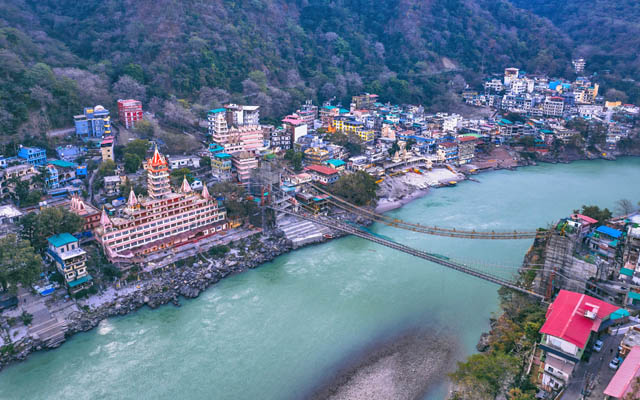
Uttarakhand is positioning itself for more balanced tourism growth, with a focus on sustainability, visitor management and development beyond traditional hotspots; Yoga Capital of the World, Rishikesh, pictured

The northern Indian state of Uttarakhand, home to Rishikesh, widely known as the Yoga Capital of the World, is witnessing strong growth in tourism demand. This momentum is being driven by pilgrimage travel, shorthaul leisure visits from neighbouring states and rising interest in adventure tourism.

“Domestic demand in the state has reached record levels, recently crossing around 60 million visitors. While international arrivals still account for a small share of the overall volume, they are steadily increasing, supported by state and central government’s initiatives focused on yoga, wellness, wildlife and soft adventure experiences,” said Dhiraj Singh Garbyal, secretary, tourism and CEO of the Uttarakhand Tourism Development Board (UTDB). He further highlighted growing demand for boutique properties, homestays, glamping experiences, experiential treks and curated tourism circuits including spiritual routes and adventure corridors across Uttarakhand.

The state government has introduced a strategic roadmap to transform Uttarakhand into a global all-season tourist hub, aligned with its vision of becoming India’s tourism capital and supported by its Tourism Policy 2023.

“Strategically, 2026 needs to be a year where Uttarakhand moves from ‘more tourists’ to better-managed and higher-value tourism. There is going to be a stronger focus on sustainable infrastructure, dispersal to new circuits, climate resilience and product innovation in wellness, adventure and nature-based experiences,” added Garbyal.

Private industry stakeholders are noticing a growth trajectory towards shorter, curated getaways that combine adventure with wellness, private and family-friendly stays and immersive experiences beyond conventional sightseeing.

“Our property Summit by the Ganges Beach Resort & Spa, Rishikesh has seen consistent demand from both Indian and international guests, particularly those seeking yoga, mindfulness and nature-led escapes. Uttarakhand’s unique blend of spirituality, adventure and wellness makes it highly relevant for today’s experience-driven traveller,” said Sumit Mitruka, founder and CEO, Summit Hotels & Resorts. The hospitality chain is exploring opportunities to expand its presence in the state, with potential focus areas including Jim Corbett National Park, an additional hotel in Rishikesh, Nainital and the wider Kumaon region.

As per Anirudh Lakhotia, director of Ivory Destinations, Uttarakhand has significant untapped potential to attract international travellers, especially as it offers a mix of experiences ranging from adventure and spiritual to wellness and wildlife.

“There is a huge scope for improvement in road connectivity of Uttarakhand with other states as well as the number of trains and flight connectivity. While better highways and airports connect the Garhwal region of Uttarakhand, the Kumaon side of the state still doesn’t have wide highways and reliable air travel connectivity,” added Lakhotia.

The state government, on its part, is fast tracking a set of priority ropeway projects including Sonprayag–Kedarnath, Govindghat–Hemkund Sahib, Joshimath–Auli–Gorson and others to improve access, decongest roads and enhance the pilgrimage and hill experience.

Garbyal: a stronger focus on sustainable infrastructure, dispersal to new circuits, climate resilience and product innovation in wellness, adventure and nature-based experiences

According to Sanjay Sharma, Sustainable Tourism Curator, Aramya Hospitality to promote lesser-known destinations, the state government should recognise and reward investment beyond the usual hotspots.

“Uttarakhand must move from generic promotion to circuit-based development and provide predictable, investor-friendly facilitation to strengthen international readiness. Better storytelling and B2B engagement beyond the big three hill stations (Rishikesh, Mussoorie and Nainital) and Char Dham (religious sites including Yamunotri, Gangotri, Kedarnath and Badrinath) would help shift global perception from a short religious or backpacker stop to a longer-stay destination,” said Sharma.

He also shared that there is already a visible movement beyond the big three hill stations towards offbeat, quieter locations and eco-stays. “Last year’s trends highlight growing interest in places like Kanatal, Peora, Pangot, Munsiyari, Almora and Mukteshwar for crowd free and nature centric breaks,” added Sharma.

Uttarakhand Tourism has launched pan-India roadshows to promote year-round travel and highlight new circuits and products beyond traditionally popular religious sites and hill stations.

Considering the ecologically sensitive geography of the state, both public and private stakeholders are placing greater emphasis on sustainable and responsible tourism goals. Sharma stated: “Uttarakhand’s fragile Himalayan ecology is already under pressure from waste, water stress and unplanned construction. Sustainability is central to Uttarakhand’s tourism future. Glamping or small boutique projects are in a good position to prove that low-impact tourism can still be aspirational and profitable.”

The state government is conducting tourist carrying capacity assessments for hill towns and religious hotspots to guide limits, visitor management and infrastructure investment.

“Solid waste management, water conservation, controlled vehicle access, zoning and stricter norms for construction in high-risk areas, alongside promotion of eco-tourism and community-based tourism products are other focus areas for us,” said Garbyal.

Lakhotia shared that as a stakeholder his company is actively working towards reduction and processing of waste, minimising its reliance on firewood, monitoring and reducing water requirement and using treated wastewater.

In order to promote community participation in tourism activities, the government of Uttarakhand is also emphasising projects that embed local villages, guides, homestays, crafts and agriculture into the overall visitor experience.

“Homestays, village stays and glamping are gaining popularity in Uttarakhand especially in Kumaon and peripheral valleys. These accommodation facilities offer authenticity, scenic views and simplicity while also supporting local women and communities,” concluded Garbyal.