Recent travel disruptions, including the severe floods that forced Dubai International Airport to halt operations, and the disastrous impact of severe air turbulence on Singapore Airlines and Qatar Airways, have highlighted the growing importance of business event (BE) liability insurance.
Frequent extreme weather due to climate change has been suggested as a possible reason for these occurrences. However, those seeking ways to mitigate risk find a significant gap in available solutions, and BE liability insurance remains a complex issue.

Michael Duck, executive vice president commercial development of Informa Markets and Informa Group explained that all insurance matters are handled directly from their head office in London. The group has a contract with Lloyds of London, which quotes for Informa’s global business every few years, and any claims are processed through the head office.
Duck shared that in the past, Informa made claims for the SARS outbreak (which occurred in Guangdong Province and spread to almost 30 countries, resulting in over 8,000 cases and nearly 1,000 fatalities in 2002) and the 2008 Mumbai terror attacks (which claimed the lives of more than 150 individuals and injured over 300). However, like many other event companies, Informa could not obtain coverage for the Covid-19 outbreak. Some smaller companies did get coverage, as they had not claimed for SARS.
Daniel Chua, CEO of experiential communications agency Aonia, called for “clear rules” on coverage required by suppliers, clients, and participants as part of a pre-event guide.
Chua, whose company specialises in branding and integrated marketing campaigns for meetings, incentives, and luxury product launches, opined that the mindset on BE liability insurance is “nice to have just in case.”
While shows like IBTM World in Barcelona feature BE liability insurance exhibitors, Chua commented: “There is no such thing as a chief risk officer in BE.”
He continued: “Insuring an entire event is very complex, and there is no guarantee it will be covered. As an organiser of small events, there have been no issues so far, but there are glaring gaps in BE liability insurance.”
Kenny Goh, founder of MICE Neurol, told TTGmice he sees an opportunity to add BE liability insurance as a new service his company can offer.
“Unlike the data available in the motor vehicle insurance industry, the BE industry is not mature. Actuaries, who develop methods to measure risks and analyse trends, do not fully understand the risks faced by the BE industry,” he explained.
Goh added that this is also true for underwriters who use actuarial findings to determine risk and decide if clients qualify for insurance policies. For example, Lloyds of London applies actuarial findings to determine client qualifications, but a lot of data is required to create these insurance packages.
He continued: “Insurance companies do not know what to cover and what event organisers want to be insured for. They also lack domain knowledge of BEs, which we possess, and we understand the complexities.”
As a starting point, Goh emphasised the importance of understanding the highs and lows of operational risk assessment when structuring an event, as dimensions of risk vary.
“If the insurance company cannot define the terms, write the policy, and set limits, then it does not know how much to charge. And if there are not many takers, the risk cannot be spread, and the buying fee will be high,” he added.
Goh believes that every organiser will face greater risk due to extreme weather, cybersecurity threats, and technology breakdowns.
“If you cannot define it, you cannot insure against it,” he stated. “The urgency is increasing because the range of problems is expanding.”
He also mentioned that MICE Neurol could provide a BE liability insurance service using generative artificial intelligence, which is relatively low in cost.
He urged industry associations, CVBs, and events stakeholders to take action and get the ball rolling to help develop comprehensive business event insurance solutions.

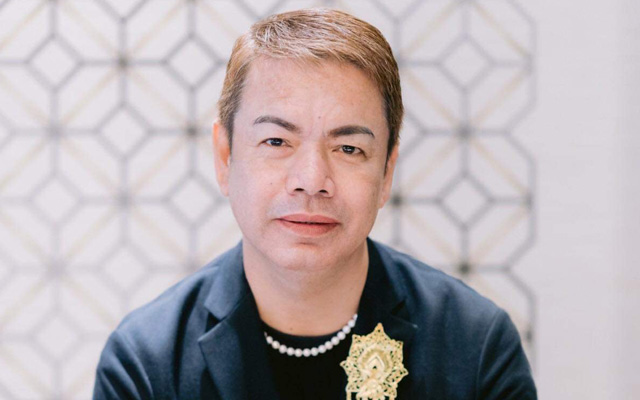
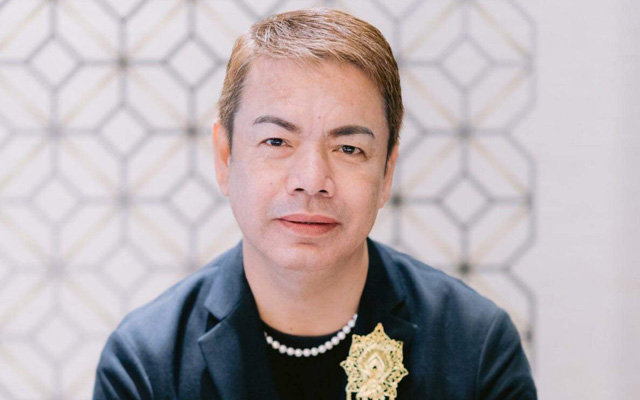 Espallardo was also the director of sales at Sunlight Hotels and Resorts which has three properties in Coron, Culion and Puerto Princesa, all in Palawan.
 Having worked with Alain Ducasse for seven years at the acclaimed Hotel de Paris in Monaco, and in London and Hong Kong, Gallas has a deep-rooted passion for all things culinary and has already been working with the Mondrian team on new menu offerings.
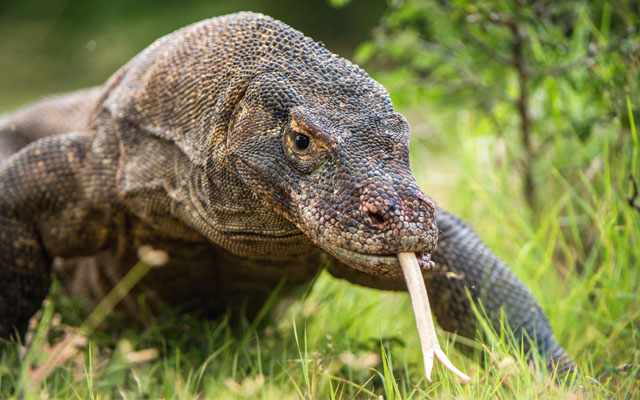









Indonesia’s Komodo National Park will implement periodic closures to protect its fragile ecosystem and ensure long-term sustainability, with these conservation cool-offs expected to start mid-2025.
The exact format of the closure has yet to be decided, stated officials.
Frans Teguh, CEO of Labuan Bajo Flores Authority Board, emphasised the need for the park to regenerate for sustainability, and the goal of the periodic closures is to minimise disruptions to both conservation efforts and the tourism industry.
Frans said efforts would be made to “manage the flow of tourists”.
Several factors have contributed to the decision for the periodic closures. Intense tourism activity has put significant pressure on the park’s natural resources, which need time for recovery.
Additionally, the government aims to diversify tourism within the region. It is promoting other attractions on Flores Island and creating economic opportunities for more local communities. Infrastructure and amenities in Labuan Bajo and Flores have been developing over the last few years, all to disperse travellers beyond the national park. Currently under development is the Parapuar Labuan Bajo, a 400-hectare green space that will comprise zones for culture, recreation, wildlife, and adventure.
Nia Niscaya, a senior advisor at the Ministry of Tourism and Creative Economy, acknowledged the challenges posed by the periodic closure, and stressed the importance of public education and communication to ensure understanding and support for the decision.
Nia said the initiative now would pave the way for something better in the future.
She is optimistic that the decision to close Komodo National Park periodically can maintain a healthier Komodo ecosystem in the future.
“This step is part of sustainable, inclusive, and quality development,” she remarked.