
US holds top position as world’s strongest travel and tourism market: WTTC
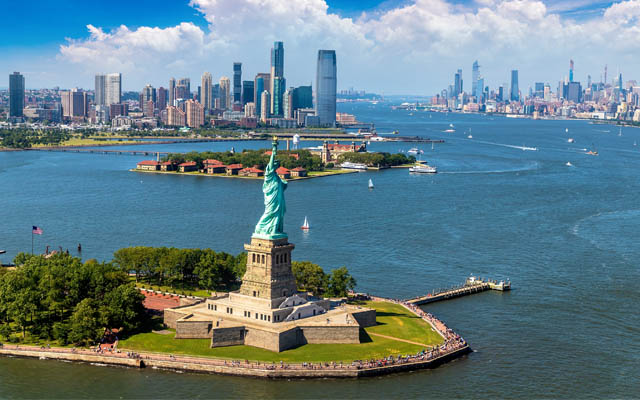
WTTC’s 2024 Economic Impact Trends Report has revealed the US as the world’s most powerful travel and tourism market, contributing US$2.36 trillion to the nation’s economy last year.
Despite the slow return of spending from international travellers, the US keeps pole position, with almost double the economic contribution of its nearest rival.

Following a record-breaking year for travel and tourism, the sector continues to be the backbone to many country economies, while supporting millions of jobs globally.
The latest report from the global tourism body reveals China as the world’s second most powerful market with a GDP contribution of US$1.3 trillion in 2023, underscoring its impressive rebound, despite the late reopening of its borders.
Germany secured the third spot with a US$487.6 billion economic contribution, while Japan, which in 2022 was in fifth place, jumped up to fourth position, contributing US$297 billion.
The UK completes the top five contributing US$295.2 billion.
France retained its sixth position with a contribution of US$264.7 billion, followed closely by Mexico at US$261.6 billion, while India came in eighth, rising from a previous 10th position, with US$231.6 billion. Italy and Spain complete the top 10, contributing US$231.3 billion and US$227.9 billion, respectively.
However, over the next decade, WTTC predicts China will become the biggest travel and tourism market with India moving up to fourth position.
These shifts illustrate the dynamic nature of the global travel and tourism sector, with emerging markets gaining ground and traditional powerhouses maintaining their strongholds.
The report also highlights the countries experiencing the highest annual growth rates in their Travel & Tourism contributions to GDP.
In 2023, China’s sector surged led with an astounding year on year growth of 135.8%, while other Asian countries, such as Hong Kong, Malaysia, and the Philippines recovered soon after the removal of travel restrictions.
According to the report, many key destinations will profit from a surge in international spending this year compared to pre-pandemic levels, with Saudi Arabia, up 91.3% compared to 2019%, Türkiye (+38.2%), Kenya (+33.3%), Colombia (+29.1%) and Egypt (+22.9%) leading the way.
Globally international visitor spending is set to grow by nearly 16% to reach US$1.9 trillion, while domestic tourists are projected to spend more than ever before, reaching US$5.4 trillion, an increase of 10.3% over 2019 levels.
Travel and tourism investment grew 13% in 2023 to reach more than US$1 trillion, with a return to pre-pandemic levels anticipated by 2025.
However, high interest rates around the world could create challenges for future investment. It is therefore crucial that the public and private sectors work together to innovate to ensure the continual strengthening of this vital sector.
The report also highlights the sector’s commitment to sustainability, showcasing the decoupling of growth from greenhouse gas emissions and the increasing opportunities for women, young people, and marginalised communities.
Technological advancements, particularly in artificial intelligence, are expected to further enhance the travel experience and drive future growth.
Julia Simpson, WTTC president & CEO, said: “As we look forward to a record-breaking 2024, it’s clear that travel and tourism is not only back on track, but also set to achieve unprecedented growth.
“We will continue to prioritise sustainability and inclusivity, ensuring that this growth benefits everyone and protects our planet for future generations. The sector’s resilience and potential for innovation continues to drive us forward.”
The WTTC 2024 Economic Impact Trends Report can be viewed here.
Dagmar Lyons joins Raffles Hotel Le Royal as GM
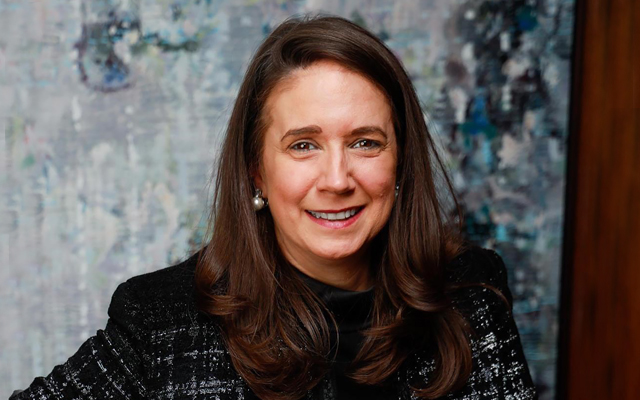
Raffles Hotel Le Royal, the 95-year-old luxury heritage hotel in Phnom Penh, Cambodia, has appointed Dagmar Lyons as its new general manager.
She joins Raffles Hotels from Fairmont Pacific Rim in Vancouver, Canada, where she served as hotel manager for the past two years.
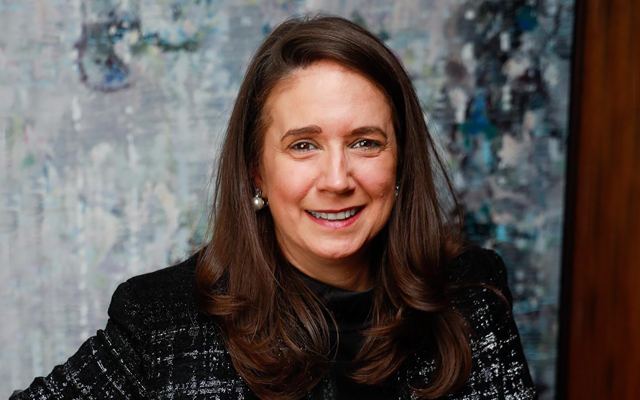 Her hospitality career has included postings at numerous luxury hotels and resorts around the world, including in North America, Asia, the Middle East and Europe.
Australia Next 2024 turbocharges recovery of country’s business events sector
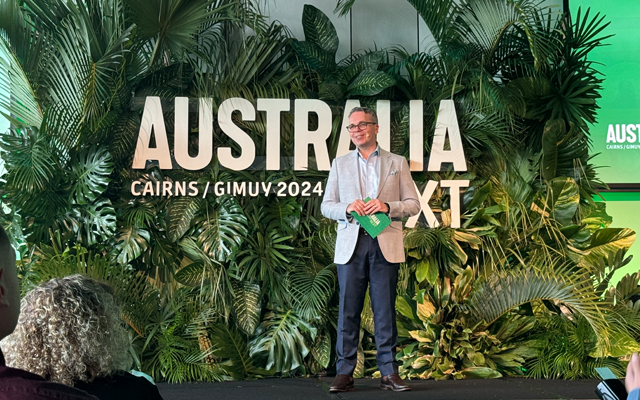
Business events in Australia have just surpassed pre-Covid levels, with spend reaching A$4.6 billion (US$3.1 billion) in the 12 months to March 2024, and is at 75 per cent recovery in terms of inbound event arrivals.
“We’re really happy with the performance of the business events sector overall, and will continue to focus on it,” Robin Mack, executive general manager of commercial and Business Events Australia, told TTGmice.
Mack said the business events sector is “such an important sector for Tourism Australia and Business Events Australia”, hence Australia Next 2024 has been “supercharged” to stoke buyers’ interest.
Previously known as Dreamtime, the incentive travel showcase is typically held once every two years, with the last edition hosted in Adelaide in 2023. Last year’s event generated 212 business leads across the country, worth A$192 million.
A decision was made to host the event this year as well to maintain the growth momentum.
Australia Next 2024 is taking place this week, with partner Business Events Cairns & Great Barrier Reef.
Australia Next 2024 is attended by 80 international buyers – a third of whom have never been to Australia, as well as 15 media representatives and 96 Australian industry sellers. International attendees will also join pre- and post-show fam trips around the country.
When asked if Australia was offering more subvention support to event groups to cope with the rising cost of travel, Mack said organisers already have plenty of support from the existing Bid Fund Program and subvention programmes led by various state and city bureaus.
He said: “It’s a hugely competitive market, and we have to stay relevant. Our campaign will not change, as it continues to perform really well for us, and people remain engaged.”
Overall, Mack is optimistic about the future of Australia’s business events.
“I think that sometime in the next 12 months we’ll be able to surpass pre-Covid numbers. I’ll be happy to move on and not to talk about 2019 stats ever again. We will continue to innovate and showcase what the destination has to offer, and keep Australia top of mind (for business events),” he said.
Khao Lak Marriott Beach Resort & Spa names new GM
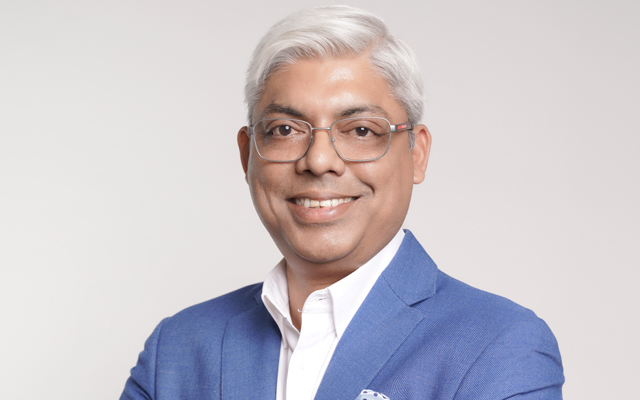
Marriott International has appointed Debdyuti Dasgupta as general manager of Khao Lak Marriott Beach Resort & Spa, which is set to open its doors in 4Q2024.
With 20 years of experience, he will lead Khao Lak Marriott Beach Resort & Spa through its opening phase.
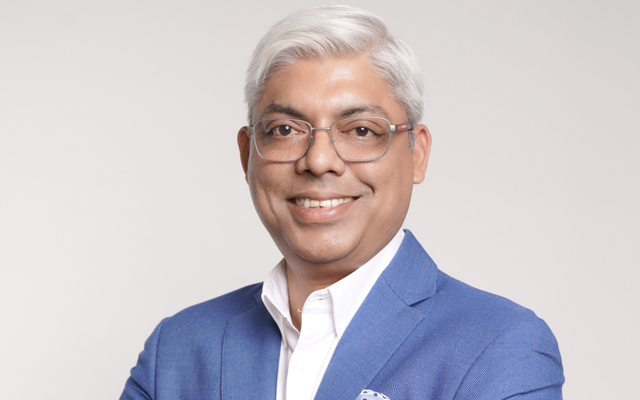 He joins the new resort from Courtyard by Marriott Bangkok where he served as general manager.
Affluent travellers drive nearly half of all spend on experiences: Arival

A new report from Arival, The Affluent Experiences Traveler, showed that high-net-worth travellers – with an annual income of US$150,000 or more – are the driving force behind the tours, activities, and attractions market, generating 50% of total traveller spend on day tours, and more than 40% of all spend on activities and attraction tickets.
The report uncovers the unique preferences and behaviours of this high-value traveller segment, which is increasingly placing experiences first in their travel planning and priorities. It highlights how hotels, destinations, airlines and travel agencies, as well as travel experiences companies, must pay close attention to this critical and growing segment of traveller population.

The report is part of the 2024 US Experiences Traveler study that surveyed travellers across various income levels to understand their behaviours and preferences when it comes to booking and experiencing tours, activities, and attractions.
The report unveiled the following key findings.
Affluent travellers account for a disproportionate share of bookings and spending in the experiences sector. While representing only 21% of all travellers, they are a third of bookings and 46% of total spending on tours and activities.
Young affluent travellers aged 18-44 are especially impactful, spending 50% more on activities than other travellers. Moreover, experiences play a crucial role in destination selection for the majority of affluent travellers across all age groups, with 77% of older affluent travellers and 74% of younger affluent travellers saying that available activities and experiences were a primary reason for choosing their holiday destination.
Affluent travellers are more likely to plan and book experiences in advance – often before booking other elements of their trips. 59% of younger affluent travellers and 27% of older affluent travellers plan and book experiences more than four weeks in advance, compared to 22% of middle-income travellers and 28% of lower-income travellers.
As for flights and accommodation, older affluent travellers (77%) prefer to plan and book these more than four weeks in advance, whereas younger affluent travellers (70%) wait to do this less than a week from the date.
Younger affluent travellers are particularly engaged in the experiences market and account for 67% of bookings and 70% of spending among affluent travellers. Furthermore, sustainability and personal values are key factors in experience selection for affluent travellers. 87% of younger affluent travellers prioritise brands and products that align with their values, compared with 56% in other income groups; 81% of young affluent travellers also say that sustainability influences their experience choices, compared with 44% of other travellers.
The Affluent Experiences Traveler report also highlights the growing importance of social media and online reviews in the decision-making process for affluent travellers. Younger affluent travellers, in particular, rely heavily on platforms like YouTube, Instagram, and TikTok for research and inspiration.
Douglas Quinby, CEO and co-founder of Arival, commented: “Creators and sellers of tours, activities and attractions must have a clear strategy to meet the expectations of an increasingly important affluent traveller, who is accounting for a greater share of overall travel and experiences demand. Every travel organisation – from accommodation and transportation to destinations and travel sellers of all shapes and sizes – must start thinking experiences first. Their most important customers already are.”
The Ritz-Carlton Yacht Collection debuts new superyacht
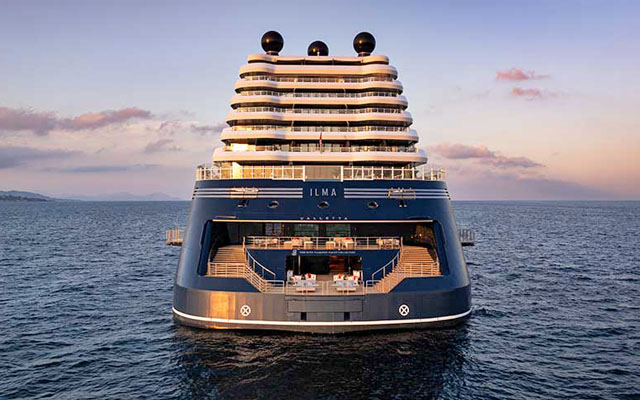
The Ritz-Carlton Yacht Collection’s latest yacht, Ilma, is its second new-build luxury superyacht, offering suites with private ocean view terraces, dining curated by Michelin-starred restaurant chefs, a pool deck, new itineraries, and more.
Accommodating up to 448 guests and offering among the highest space-to-guest and guest-to-staff ratios at sea, Ilma boasts 224 suites, all with private terraces providing direct access to the sea. Stopping at signature and intimate ports of call, Ilma takes guests on itineraries to destinations such as Santorini, Porto Cervo, and the historic sites of Valletta, before departing for the Caribbean to Virgin Gorda, Gustavia, and St. John.

Ilma will additionally sail the North and Baltic Seas of Northern Europe – a first for The Ritz-Carlton Yacht Collection – during the 2025 summer season, featuring immersive itineraries in destinations like Amsterdam, Stockholm, and Reykjavík.
Onboard are five dining venues, a refreshed in-suite dining programme, bars, and a signature wine vault. Debuting on Ilma is the extensive Marina and Marina Terrace, featuring large glass windows that draw in natural light, side doors that open and float above the water, and a hydraulic platform that connects guests directly with the sea when the yacht is at anchor.
There is also an open-air space for live entertainment and sunbathing, complete with the main pool, pool bar, and an outdoor LED screen. Additional experiences include The Ritz-Carlton Spa, and three fitness spaces: a movement studio, cycle studio, and fitness studio.
Reservations for Ilma are now open.
For more information, visit The Ritz-Carlton Yacht Collection.
Kuramathi Maldives welcomes new two new managers
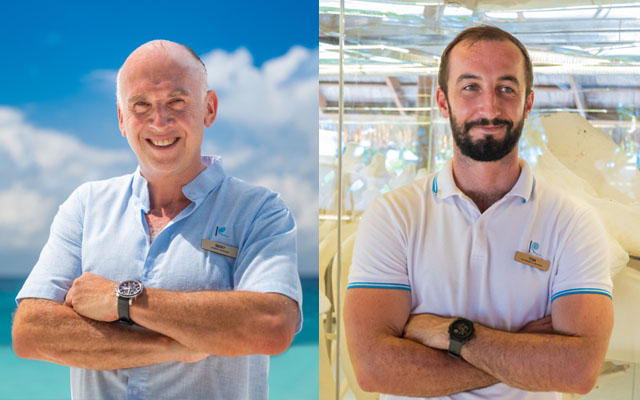
Kuramathi Maldives has made two new appointments: Bert Goebel as general manager, and Tom Osborne as sustainability manager.
With nearly 30 years of experience in the luxury hotel, resort, and cruise ship industries, Goebel brings a wealth of expertise and perspective to lead Kuramathi’s team. His extensive experience spans several countries and continents, where he has held influential roles at Sandals Resorts at different Caribbean Islands, and Oceania Cruise Lines in the US. Prior to joining Kuramathi Maldives, he was vice president of global hotel operations at Scenic Group in Zurich.
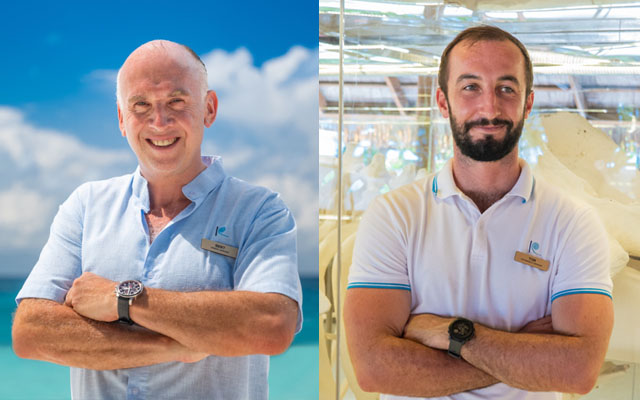
In his new role, Osborne will lead the resort’s sustainability initiatives, spearheading initiatives to reduce staff food waste and minimise single-use plastics through reusable bottles. His responsibilities include ensuring compliance with Travelife standards, collaborating with the engineering team to optimise energy use, and managing significant projects such as a new coral restoration programme on the resort’s house reef and the construction of a new facility for the Maldives Coral Institute.
Before joining Kuramathi Maldives, he worked for organisations in Costa Rica, Saudi Arabia, and Kenya, where he gained valuable insights into marine conservation. His education background in marine biology equips him with the expertise needed to address broader sustainability challenges and drive impactful environmental programmes at the resort.
Accor announces two global brand presidents
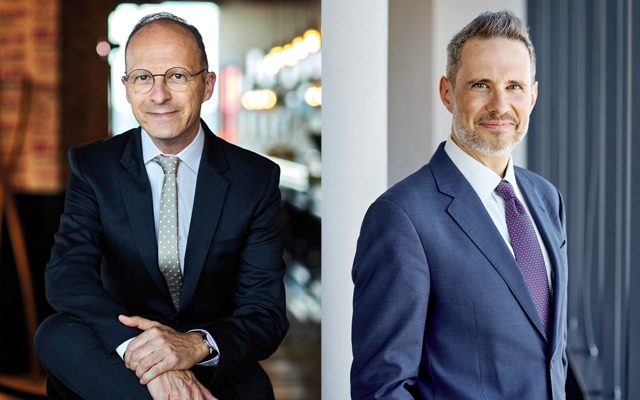
Accor has appointed two seasoned executives to helm its Premium, Midscale & Economy (PM&E) brands.
Benoît Racle joins Accor as the global brand president for Accor’s Premium brands, bringing with him over two decades of experience in hospitality, brand management, global operations, marketing and commercial ventures. Having honed his skills with Starwood and W, Racle will oversee the strategic direction and growth of the group’s premium brands in his new role.
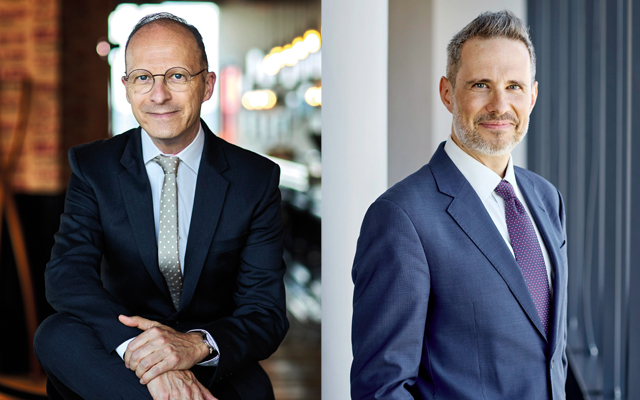
Jean-Yves Minet has been appointed global brand president for Accor’s Midscale & Economy brands. With over 25 years of executive and operational experience in brand building, Minet forged his career in the beauty industry. Joining Accor, he will focus on driving brand growth by leading the brand vision, positioning, and operating models of Accor’s economy and midscale brands.
Destinations set up mpox precaution at border controls
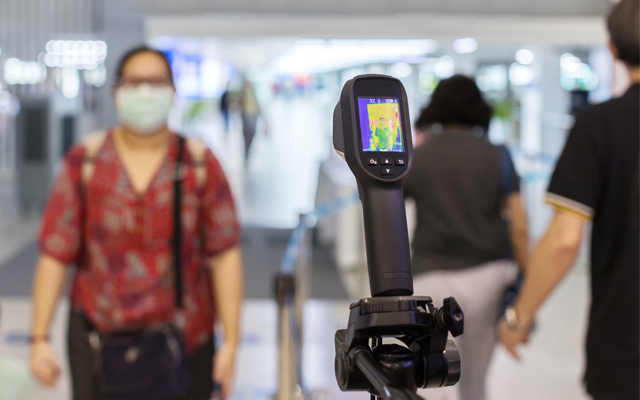
Authorities in Singapore, Malaysia, Indonesia, and Thailand, among others in the region, have established precautionary measures at borders against the import of mpox from abroad, following the World Health Organisation’s (WHO) declaration of mpox a global public health emergency on August 14.
A WHO statement cited a surge in cases of the new mpox clade 1b strain in Congo, Burundi, Kenya, Rwanda and Uganda.
Singapore started from August 23 temperature and visual screening at both air and sea checkpoints. The city-state does not have direct flights between Singapore and any country with an mpox outbreak, stated the health ministry. National Centre for Infectious Diseases, National University Hospital, and KK Women’s and Children’s Hospital are prepared to handle infected patients.
In Johor, the Malaysian state bordering Singapore, health authorities have stepped up public health screening activities at all international checkpoints – Bangunan Sultan Iskandar Customs, Immigration and Quarantine (CIQ), Sultan Abu Bakar Complex CIQ, Senai International Airport, and international ferry terminals.
Kuala Lumpur International Airport (KLIA) Terminal 1 has also tightened screening procedures. While most travellers and crew will pass through thermal scanners, those arriving from high-risk country – or those showing symptoms of illness – will undergo more thorough screening at a centre near gate C22.
Health minister Dzulkefly Ahmad said symptoms to watch for include high temperature, blistered skin, or swollen glands. People with these symptoms would be given a health alert card and referred to the nearest healthcare facility.
In Thailand, authorities now require people travelling from high-risk areas to register in the Thai Health Pass system, which will collect entry and exit dates and times to aid contact tracing where necessary.
International arrivals at Indonesia’s major ports of entry such as Soekarno-Hatta International Airport, Jakarta and I Gusti Ngurah Rai International Airport Bali will pass through thermal scanners and are required to fill out an online health declaration form. Symptomatic passengers will undergo checks in a private facility upon arrival.
During a press conference earlier this week, Singapore health minister Ong Ye Kung emphasised that “Mpox is a troublesome virus which we can manage”.
He noted that the new mpox strain was less transmissible than respiratory viruses such as influenza and Covid-19. An mpox infected person can spread it to an average of 1.3 persons, while the rate of infection is five for Covid-19 (Omicron) and 10 for measles.
As such, Ong said the state of disruption resulting from Covid-19 would unlikely occur with mpox.








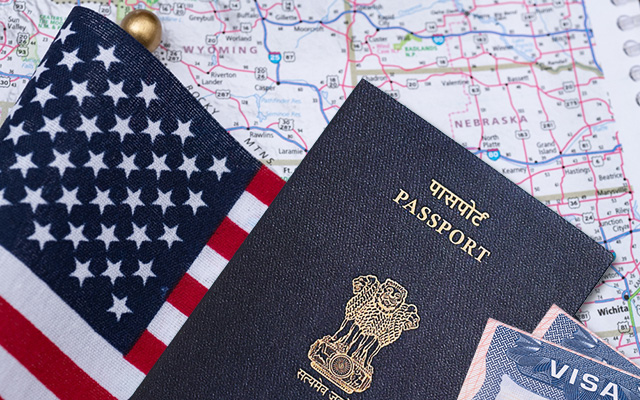
Outbound travel demand from India to the US is experiencing overwhelming growth. However, extended waiting times for visa appointments are hindering this momentum, according to industry stakeholders.
“As a DMC, we have been organising roadshows in different Indian cities including tier-II and tier-III markets. The outbound demand for the US from segments like families, students and MICE groups is growing across the country but visa appointments are not readily available. So, we are also noticing travel plans getting postponed to next year,” shared Veena Robinson, vice president – India sales, Discover Destinations.
Harvinder Singh, director Middle East & India, United Airlines said that three key segments of air travel – business, students and leisure – are leading the demand.
“We are also noticing that a lot of small and medium-sized enterprises from non-metro Indian cities are travelling to the US to explore business opportunities,” added Singh.
According to some Indian travel agents, visa appointment wait-times currently range from a minimum of six months to a year. These lengthy delays have also led some agents to resort to unfair practices to secure appointments for their clients. An agent, speaking on condition of anonymity, revealed that their company collaborates with a B2B partner who provides quicker visa appointments in exchange for a fee. “We are able to secure visa appointments for our clients in as little as a week. Clients are willing to shell out money for the ‘convenience’,” the agent remarked.
Rajesh Magow, co-founder and group CEO of MakeMyTrip, believes that to address visa challenges, innovations like the introduction of short-term tourist visas is needed.
“The demand for the US is only going to rise so there is a strong business case of increasing capacity and offering more and more visas. Short-term tourist visas could be an innovation to address the challenge,” added Magow.
Robinson also agreed that introducing short-term, tourist-centric visas could help companies like hers avoid losing business.
In 2023, the US Embassy and Consulates in India processed a record 1.4 million US visas. Presently, the US offers Indian travellers visas valid for 10 years.