Onyx Hospitality Group (Onyx) and eSIM marketplace Airalo have joined forces to enhance travel connectivity for Onyx Rewards members.
This strategic partnership integrates Airalo’s eSIM technology with Onyxs’s loyalty programme, providing members with seamless access to Airalo’s extensive global network of eSIMs.
Onyx Rewards members can now stay connected while travelling when purchasing eSIMs from Airalo
Onyx Rewards members can enjoy discounts when purchasing eSIMs from the Airalo website and app, allowing them to stay connected abroad, without worrying about roaming charges or physical SIM cards.
Pornthip Paothong, vice president of commercial marketing from Onyx, said: “Airalo’s eSIM technology will empower our members to stay connected effortlessly, enhancing their overall travel experience.”
A study by MMGY TCI Research has found that destinations hosting leisure and business events have been able to boost their presence in social conversations and drive positive engagement within communities.
In a PATA-led webinar last week on the topic of Event-driven Tourism: impact and opportunities, Olivier Henry-Biabaud, managing director and partner, MMGY TCI Research, shared that social conversations surrounding Asia-Pacific destinations doubled throughout the period of July 2023 to July 2024 when events tourism was taken into consideration.
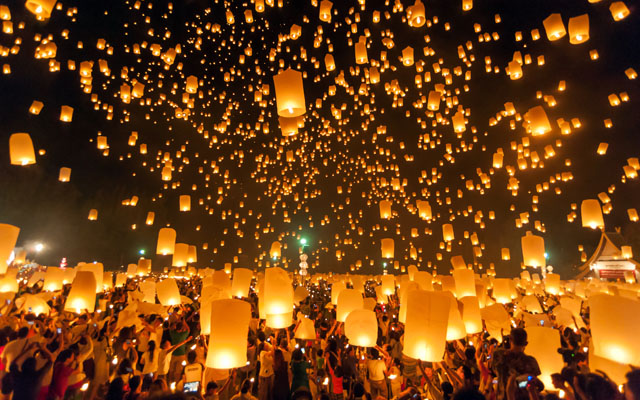
Cultural themes occur the most in social conversations related to festivals and events in Asia-Pacific; Yi Peng Lantern Festival in Chiang Mai, Thailand, pictured
In tracking Asia-Pacific events that triggered positive sentiments and engagement, the study named Yi Peng Lantern Festival in Chiang Mai, Thailand; the Lunar New Year in several countries in the region; Bali Arts Festival in Indonesia; and Formula 1 races in Abu Dhabi and Singapore; among others as those that were most impactful.
The study also found that culture (45 per cent) topped the list of topics associated with events and festivals in the region, with tradition and folklore (30 per cent), arts and handicraft (29 per cent), and food/culinary (24 per cent) following on next.
Henry-Biabaud remarked that festivals and their topics could help raise awareness of a destination that might not be a primary tourism choice among travellers. Destination marketers should leverage niche festivals and events to speak to and connect with specific communities.
Further underscoring the value of festivals and events, Henry-Biabaud said such activities ranked second on a list of top-rated destination experiences. Outdoor and nature takes the lead with a 9.3 out of 10 visitor sentiment score; festivals and events was second with a score of nine. Street food, and museums and galleries ranked third and fourth respectively.
He emphasised that events and festivals could be a way to connect locals with the visitor community, and demonstrate a warm welcome to visitors, especially as tourism phobia grows in some parts of the world.
He added: “We tend to forget that big events are an amazing opportunity for visitors to blend with local people. Many of these events are usually made for locals in the first place, allowing them to share their passion with the world and meet other people from all over the world.”
Fellow webinar presenter, Benoit Badufle, managing director of Singapore-based Horus Development & Consulting, which is engaged to market destinations like Monaco and Brisbane in this region, further elaborated on the influential power of events and festivals.
Citing Monaco as an example, Badufle said the destination set out to attract the rich and famous by curating unique and prestigious events, many of which were first in the world or in Europe when launched. The Rose Ball, for one, debuted in Monaco in 1920 as one of the first global philanthropic events supported by the wealthy; it endures to this day.
Many of Monaco’s events are now a regular feature on the calendar. “They are very famous locally and internationally, and attract people from all around Europe and the world every year,” said Badufle. “They are a vector of soft power.”
He explained that events curated at the Grimaldi Forum congress centre are exported overseas, contributing to Monaco’s reputation as an intelligent destination. Famous artists performing in Monaco also help to bring positive attention to the country.
Citing yet another example of the power of association, Badufle said the annual Ernst and Young World Entrepreneur of the Year awards ceremony in Monaco has built an impression of the destination being “a stage for entrepreneurship”.
Badufle told TTG Asia that festivals and events are also a useful way to shift arrivals into the quieter travel seasons, and many in Monaco are scheduled during the shoulder and low season.
While festivals and events have the power to cast destinations in a positive light, Henry-Biabaud emphasised that destination marketers must also ensure that other supporting aspects, such as hotel accommodation, transport services, tours and attractions, are well managed to deliver an easy planning and travel experience for visitors.
The Travel Corporation (TTC) has appointed Melissa DaSilva as interim chief executive officer of TTC Tour Brands.
DaSilva, who most recently served as president of TTC Tour Brands North America and brings over three decades of travel industry expertise to her new role, succeeds Gavin Tollman who will exit the business when the company sale closes later this year.
In her interim position, DaSilva will oversee TTC Tour Brands’ portfolio of six brands, which includes Trafalgar, Insight Vacations, and Contiki.
Gigi Cheung has been appointed as managing director of global marketing, products and partnerships of Plaza Premium Group.
She brings over 24 years of experience in business development, partnerships, sales and consumer experience, and will take the lead in developing and implementing strategies to establish the company’s global marketing standards in her new role.
She was most recently the vice president for the launch of K11 MUSEA in Hong Kong as a cultural destination, and prior to that, she had a nine-year tenure at New World Development.
Product and innovation experts from Google and Sabre have underscored the value artificial intelligence (AI) and generative AI (GenAI) brings to the technological transformation of the travel industry, and emphasised that AI will radically reshape the travel industry.
The discussion took place on September 12 over a virtual roundtable involving Carrie Tharp, vice president of global solutions & industries, Google Cloud; Garry Wiseman, chief product & technology officer, Sabre; Sundar Narasimham, senior vice president, labs technology & platform, Sabre; and Amy Read, vice president, innovation, Sabre Hospitality.
From left: Google Cloud’s Carrie Tharp; Sabre’s Garry Wiseman and Sundar Narasimham; and Sabre Hospitality’s Amy Read
Narasimham noted that more corporate boards are recognising the value of AI and investing in it, with 74 per cent of travel organisations currently re-working their strategy to incorporate AI.
He added that the value of GenAI in terms of increased global revenue for businesses could be over US$28 billion.
Both Google and Sabre caught on to the winds of change in 2020, and chose to work together to leverage Sabre’s data and travel-related domain knowledge and Google Cloud’s platforms and capabilities for innovation, so as to “provide AI-based, intelligent, personalised experiences to the end traveller”.
Narasimham explained that travellers desired the kind of seamless, personalised experiences that have become commonplace in other industries, such as retail.
Google and Sabre leadership said the partnership has helped to accelerate digital transformation in the travel industry. The partnership has so far resulted in the creation of Sabre Travel AI, which powers solutions such as the new Offer and Order platform for airlines, SabreMosaic.
The two companies shared previews of new use cases, including AI-powered prototypes set to launch this year, or already in the testing phase with customers. One of them is the SynXis Booking Engine Concierge.AI, a conversational tool for hoteliers that personalises guest experiences with tailored recommendations and itineraries.
Sabre is also using AI, and GenAI in particular, to improve customer care and boost innovation cycles with faster coding.
Narasimham emphasised that Sabre is accelerating its product innovation and implementation, with a focus on creating products for both the external marketplace and internal users.
Wiseman said during the roundtable that AI application could bring productivity gains and cost savings internally as well as potential improvements for travellers and advantages in marketing, sales, and service externally.
Google and Sabre panelists also discussed how AI and GenAI solutions are enabling greater personalisation to meet traveller expectations.
Tharp remarked that the travel industry has “gone from having an individual travel agent to the advent of platforms where you could book it all yourself”.
“(It is) now almost coming full circle where we are using technology to bring back a lot of that service level,” she said.
Both Narashimham and Tharp said AI has the ability to combine numeric or data intelligence with language intelligence to create levels of personalisation the industry has yet to see. Such high levels of personalisation, according to Tharp, would “break down the friction in a journey and not only lead to higher revenue but also potentially more trips and more things purchased during a traveller’s journey”.
Looking ahead, Wiseman said AI would be “table stakes for anyone in the industry”.
Meanwhile, Read shared that Sabre Hospitality is working with customers to “build foundations to understand their requirements and what we can do to solve for them”, adding that this effort is a “huge investment area for us”.
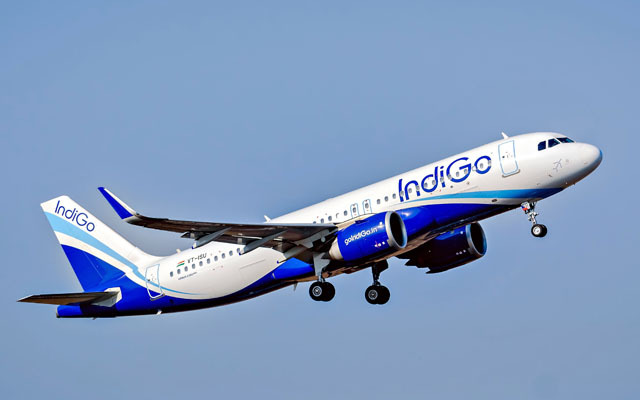
India’s IndiGo has reached an agreement with Amadeus to provide travel sellers in India and around the world with access to the airline’s NDC content via the Amadeus Travel Platform.
The airline, which will carry more than 110 million passengers in 2024 and has growth ambitions backed by one of the largest aircraft order books in the industry, will strengthen its competitive edge through access to new markets and customer segments, thanks to Amadeus’ 96 per cent global market coverage of NDC-ready travel sellers across the globe.
IndiGo will leverage Amadeus’ NDC capabilities to boost ancillary sales and optimise the customer experience
With Amadeus’ NDC capabilities and seamless integration with the airline’s IT systems powered by Navitaire, IndiGo is able to build dynamically price-tailored offers and expose them to customers – boosting ancillary sales and optimising the customer experience, regardless of which sales channel they choose.
Indigo has gone live with NDC booking and servicing capabilities in the UAE and Singapore, with other markets to follow.
Pieter Elbers, chief executive officer, IndiGo, said: “IndiGo celebrates its 18th anniversary this year and has introduced exciting new products, including IndiGoStretch and IndiGo BluChip. This is a part of our strategy, Towards New Heights and across New Frontiers, to address the evolving needs of travellers. This agreement with Amadeus will enable us to take our distribution strategy to the next level and provide travellers with our exciting new products on an even greater scale in India and around the world.”
Elbers added that Amadeus’ “deep integration into the ecosystem of travel sellers around the world (will allow) IndiGo to leverage IATA’s NDC and ONE Order visions while ensuring an exceptional travel experience for our customers”.
Decius Valmorbida, president, travel, Amadeus, said: “Amadeus is the world’s largest travel distribution platform and the largest provider of IT solutions to airlines, which puts us in a unique position to drive NDC forward. Our technology will enable the airline to easily tailor its offers using the latest merchandising capabilities, and efficiently present and distribute them in a way that enriches and enhances the shopping experience for both its passengers and travel sellers worldwide.”
The tapestry of Bali is changing. From sun-soaked beaches, big swells that draw surfers, majestic temples, and serene padi terraces, the Indonesian destination of leisure now dishes out a lot more choices for a holiday with variety.
Sanur, once regarded as a laid-back beach destination, has become more vibrant. New hotels, convention facilities, restaurants, trendy bars, and shops have sprung up over the last few years.
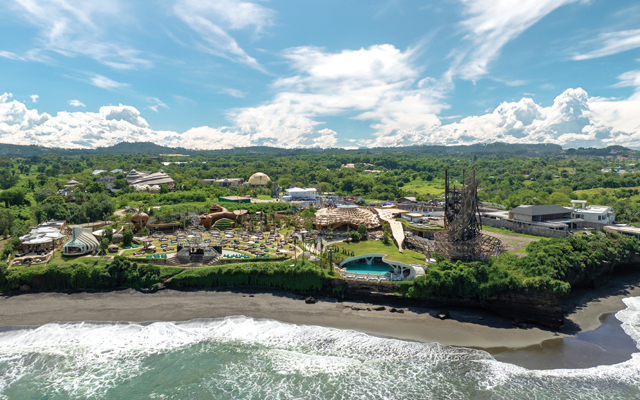
The new Nuanu integrated destination will boast numerous attractions that will serve to enrich the minds of visitors
One of the newest kid on the block is Icon Bali, said to be the biggest shopping and lifestyle mall in Bali. It houses the island’s first IMAX immersive theatre along with an indoor floating market that retails local foodstuff and knick-knacks. The mall boasts a four-storey vertical forest featuring local flowers and vegetation.An amphitheatre nearby stages periodic performances.
More than just a place for shopping and entertainment, Icon Bali and its surroundings pledge to offer visitor well-rounded recreation. Icon Beach Promenade is already popular for its sunrise views and draws active individuals with its cycling and jogging tracks.
More facilities will soon be added – a Butterfly Park and Edible Garden, where tropical fruits, vegetables and herbs will be grown.
Another prominent development in Sanur is the Bali International Hospital (BIH). Scheduled to open in September, the BIH will be the centre of health and wellness tourism development in the Sanur Health Special Economic Zone.
Erick Thohir, minister of state owned enterprises said in a statement that BIH will realise president Joko Widodo’s vision to make Indonesia a world health tourism destination.
“For this reason, BIH is expected not only to become a leading hospital in Indonesia, but also to be able to attract patients from abroad to seek treatment in Indonesia,” stated Erick.
BIH will serve the fields of cardiology, oncology, neurology, gastroenterohepatology, and orthopedics. It will have 250 rooms for patients and will work with neighbouring hotels, The Meru Sanur and Bali Beach Hotel, the Heritage Collection to house non-residential patients, such as those in town for check-ups or port-surgery rehabilitation.
Meanwhile, Bali’s family-friendly reputation will gain a notch up with the new AeroXSpace indoor adventure park. It is built for all ages, with facilities that encourage guests to disconnect from their devices and reconnect with their body and mind. Set over 6,000m² of space are 26 attractions, some of which are the first for Indonesia and all adhere to international safety codes.
Highlight attractions include Launch Pad slides, which offer the rush of a free-fall; AeroXCourt, which offer the sensation of walking on the moon while scoring a spectacular slam-dunk or kicking an intergalactic goal; and Space Coaster, swings that go 100 metres above the park.
AeroXSpace boasts 26 attractions for all ages
AeroXSpace also offers three party rooms for 10 to 120 guests.
Tourino Dilaga, general manager of AeroXSpace, said: “The visually striking imagery of planets, stars and rockets; the thrill of exploring the unknown; and inspiring astronaut role models have long captivated people of all ages. This is why we have chosen the space theme for the attraction. We are striving to be more than just an adventure park.”
Over in Tabanan, about 20 minutes from Canggu and an hour from the I Gusti Ngurah Rai International Airport, another new development has surfaced. Nuanu is an integrated area with a diverse range of facilities. The project will soft open in September, and aims to provide education, art and culture, wellness, entertainment and nature-inspired living.
Ida Ayu Astari Prada, brand & communications director at Nuanu, described: “The project is set in a unique coastal ecosystem where a river meets the sea, surrounded by lush greenery and bordered by a protective mangrove area.”
Nuanu will open progressively, with some of the first facilities to launch include Ash multifunctional venue, Aurora Media Park, The Art Village, Floating Market bar and restaurant, and Nuanu Magic Garden. The latter is an educational attraction with orchid and insect labs as well as butterfly and dragonfly domes.
Another highlight set to open early at Nuanu is the Luna Beach Club, which welcomes all ages.
Nuanu’s Astari told TTG Asia that phase two developments will be ready in 2025. These will include residential units, advanced cultural and wellness facilities, and the Eugene Museum.
Acadia, a vibrant hub where creativity, cuisine, and culture intersect, will also debut in this phase. It will house ethically curated F&B venues and boutique stores, and promises to foster a lively community atmosphere.
“We are committed to complementing our educational institutions while exploring creative ways to evolve and create new opportunities, staying true to our mission to search for the future,” she added.
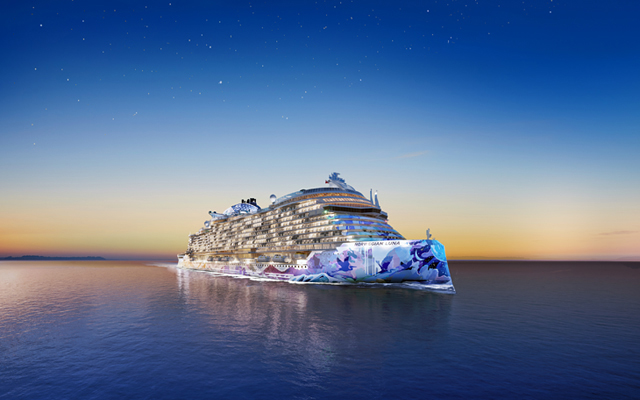
Norwegian Cruise Line (NCL) has opened its latest ship, Norwegian Luna of the Prima Plus Class, for sale, with a variety of roundtrip voyages from Miami to choose from. Voyages sail from April 4, 2026 through November 2026.
Norwegian Luna will kick off its inaugural Caribbean season with two western itineraries to Roatan Island, Honduras; Costa Maya and Cozumel, Mexico; and Harvest Caye, Belize, the brand’s resort-style destination. The ship will then sail seven-day cruises with calls to the beautiful Eastern Caribbean destinations of Puerto Plata, Dominican Republic; Tortola, British Virgin Islands; St. Thomas, US Virgin Islands; and Great Stirrup Cay, NCL’s private island in the Bahamas, which will feature a brand-new pier by late 2025.
Norwegian Luna will offer top-end accommodation options as well as new recreational and dining experiences
At almost 322 metres long and accommodating approximately 3,550 guests at double occupancy, Norwegian Luna boasts an overall 10 per cent size and capacity increase from Prima Class ships, Norwegian Prima and Norwegian Viva.
Onboard, Norwegian Luna promises to thrill guests with the NCL-exclusive Aqua Slidecoaster, a first-of-its-kind hybrid rollercoaster and waterslide; the Glow Court digital sports complex, where a variety of interactive guest activities are conducted by day and which transforms into a nightclub in the evening; The Drop, a 10-story free-fall slide; and Stadium, an outdoor space offering complimentary activities.
Norwegian Luna offers the luxurious Three-Bedroom Duplex Haven Suites in the keycard-access-only-complex, The Haven by Norwegian. Here, expansive two-story suites feature separate living and dining areas; three bathrooms; a balcony; and three bedrooms. Haven guests can enjoy 24-hour butler service and a dedicated concierge team as well as access to a sprawling sundeck; an infinity pool overlooking the ship’s stern; an outdoor spa complete with a glass-walled sauna and cold room; two hot tubs; a private lounge; and an exclusive bar pouring rare spirits and vintages.
New dining and bar experiences also await, such as Sukhothai, a Thai specialty restaurant, and Indulge Food Hall with 10 different food stations.
Norwegian Luna is designed as a twin sister-ship to Norwegian Aqua, which is due for delivery in March 2025. Both ships are currently being built by renowned Italian shipbuilder Fincantieri, with interior designs across the ship created by world-class architects AD Associates, Piero Lissoni, Rockwell Group, SMC Design, and Studio Dado.
David J Herrera, president of NCL, said: “The debut of Norwegian Luna truly showcases our ongoing commitment to providing guests more of what they enjoy and value – a brand-new ship with the latest, innovative offerings sailing to the beautiful, tropical destinations of the Caribbean. It’s important to give our guests more to see, more to do, more to enjoy on board, and ultimately more out of their cruise vacation.”
Ben Angell, vice president and managing director, NCL Asia-Pacific, added: “This Class offers everything Asian cruisers love – more space to relax, diverse dining options, upscale health and wellness facilities, and world-class entertainment venues. With the launch of Norwegian Luna, we continue to deliver more opportunities for our guests to embark on the holiday of their dreams across a choice of 400-plus destinations.”
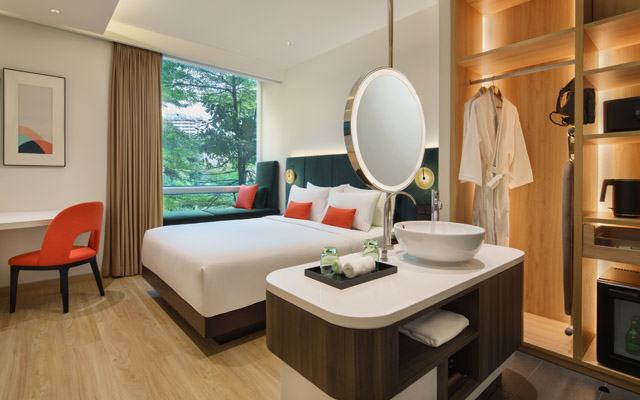
Park Regis by Prince Singapore, Singapore Park Regis by Prince Singapore features 203 guestrooms, including rooms with direct pool access. Here, guests can immerse themselves in lush greenery and a serene, minimalistic Japanese-inspired environment in the heart of Singapore.
Onsite are restaurants, outdoor pool, gym, business centre, event spaces, and self-service laundromat.
The hotel is situated along Merchant Road, surrounded by the bustling city nightlife in Clarke Quay and the cultural streets of Chinatown, while within walking distance to Clarke Quay MRT station.
Best Western Chaweng Samui
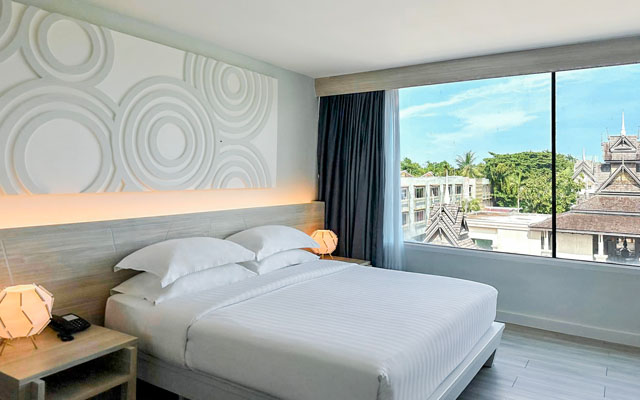
Best Western Chaweng Samui, Thailand Nestled in the centre of Chaweng, Koh Samui’s liveliest tourist district, surrounded by shops and restaurants and a short walk from Chaweng Beach, the Best Western Chaweng Samui offers 67 rooms and suites with modern amenities, an indoor swimming pool and an all-day dining restaurant.
The property’s central location also puts travellers on the doorstep of Chaweng’s many attractions and activities, from Chaweng Beach to Koh Samui’s famous nightlife. Samui International Airport is a 10-minute drive away and transfers can be arranged with the hotel.
Adelaide Marriott Hotel
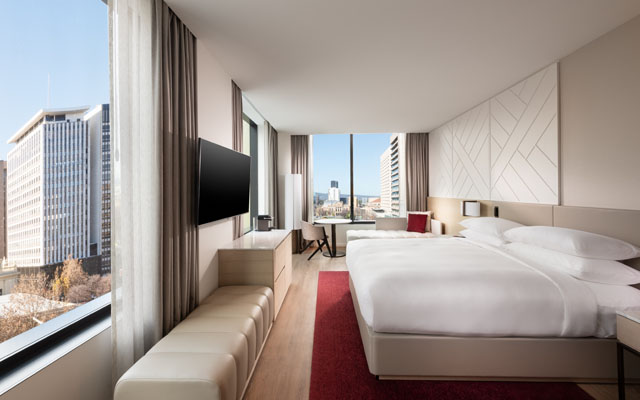
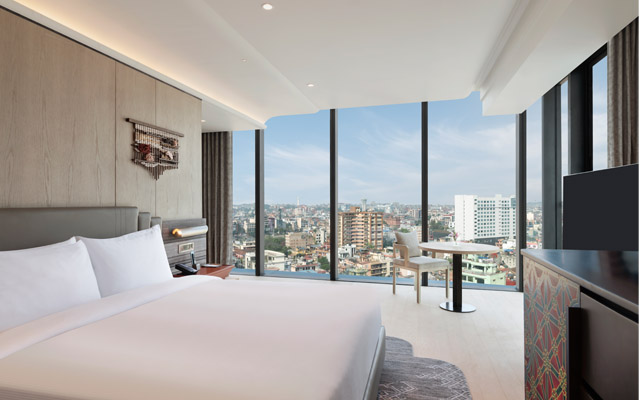
Adelaide Marriott Hotel, Australia Adelaide Marriott Hotel is housed in the 150-year-old landmark Adelaide General Post Office building and boasts a 14-storey tower with 285 guestrooms, including 12 suites with views of the city skyline. Facilities include two restaurants, a bar, fitness centre and indoor pool.
Located in the heart of the city overlooking Victoria Square and within walking distance of the Adelaide Oval, Rundle Mall, Central Markets and Her Majesty’s Theatre, the hotel is also just a 15-minute drive to Adelaide Airport.
Hilton Kathmandu
Hilton Kathmandu, Nepal Hilton Kathmandu is the tallest hotel in Kathmandu and the only one with a glass facade, featuring panoramic views of the Langtang Valley’s mountain ranges.
The hotel offers five unique dining venues, banquet spaces, rooftop bar, temperature-controlled rooftop pool, EV Charging Stations and a green fleet of electric vehicles.
Located in the heart of the Kathmandu Valley, the hotel is just four kilometres from Tribhuvan International Airport and minutes away from tourist attractions such as Thamel and Durbar Marg.
Booking.com has revealed its Gen.Voyage!research which highlights how families in Asia-Pacific are embracing intergenerational travel like never before, creating opportunities for richer connections and shared experiences across generations.
The report showcases insights garnered from over 8,000 travellers across 11 markets and territories in the region, and examines the prevalence of intergenerational travel where grandparents, parents, children and other extended family members travel together for leisure.
Family dynamics across generations can influence travel behaviour and decision making
In Asia-Pacific, multigenerational households are 43% more common than the global average. This cultural emphasis on extended family living significantly influences how families approach travel, with shared family values and close-knit relationships shaping their vacation choices.
Booking.com conducted this research to better understand how family dynamics across generations could influence travel behaviour and decision making, offering fresh insights into a travel approach that is particularly relevant in this region.
47% of travellers highlighted the joy of bonding and creating lasting memories with loved ones while on holiday, while 39% value reconnecting with family they rarely meet. 27% enjoy learning from different generational perspectives, and 26% cherish watching their children learn from different familial role models.
This trend varies regionally. In New Zealand, travellers focus on reconnecting with distant family members, while in India, the emphasis is on passing down traditions and cultural heritage. In Vietnam, families appreciate the support with childcare and the chance for children to learn from role models beyond their parents.
Planning a trip that delights every generation
Planning a family vacation that satisfies everyone – from grandparents to children – is no small feat. Families often grapple with increased safety and health concerns (30%), clashing interests (30%), and the challenges of diverse dietary needs (28%). Balancing energy levels (27%) and navigating family dynamics (25%) can further complicate the travel experience.
The secret to a successful trip is creating experiences that resonate across generations.
Over 27% of families enjoy travelling for reunions or special occasions, seeing these moments as a chance to unite and celebrate milestones together.
Visiting relatives (21%) is another favoured choice, allowing families to deepen their bonds and experience local cultures. Food experiences (21%) and sightseeing (20%) are also popular vacation activities, providing opportunities to explore new cultures and cuisines as a family.
Travel preferences vary with each region
Thai travellers favour beach and coastal trips, embracing the sun and sea; Taiwanese families are the biggest foodies, planning vacations centred on culinary experiences. Vietnamese families stand out for their interest in cruises, while Indian families show enthusiasm for major sporting events, concerts, and music festivals.
Millennials often take the lead in planning family trips, driving 48% of travel arrangements with their tech-savvy approach. Gen Zs are eager to chip in, with 47% co-planning and personalising itineraries. Baby Boomers, on the other hand, tend to take a backseat, with only 23% actively involved in planning.
When it comes to trip duration, most families find that four to six days is long enough to relax and short enough to avoid travel fatigue. In booking their adventures, families show a flair for spontaneity, with over half (51%) of travellers open to last-minute getaways and booking their trips with less than a month’s notice – this even extends to vacations longer than six days, with 40% also booking within a month.
A variety of accommodation choices
Hotels remain the go-to for 49% of families, with resorts following as the preferred option for 36%. A growing trend is emerging towards unique stays – around 25% of families are drawn to culturally immersive stays such as ryokans, hanoks, homesteads, treehouses, and longhouses, adding a touch of local flavour and adventure to their trips. Regardless of the type, practical considerations are paramount: affordability (41%), proximity to attractions (29%), and convenient on-site dining (27%) lead the decision-making process.
In China, families are drawn to culturally immersive accommodations like traditional homesteads and heritage-rich architectural gems. Thai families, on the other hand, gravitate toward seaside options, from luxurious villas to budget-friendly beach homes for their coastal escapes. In South Korea, families often prefer staying with friends or family for a personal touch, or opting for guesthouses that offer an authentic glimpse into local customs and lifestyles.
Destinations capturing the hearts of families
Safety (46%), affordability (39%), and accessibility for all age groups (30%) top the list of priorities when families choose their travel destinations. While environmental sustainability (13%) and cultural immersion (13%) are appreciated, they take a backseat to these core concerns.
42% of travellers prefer to travel to domestic destinations, benefiting from shorter travel distances and familiarity with local customs. Meanwhile, 39% crave the excitement of international travel, eager for new experiences and cultural encounters.
Some destinations are emerging as clear favourites among families for their blend of cultural allure, diverse activities, and family-friendly amenities.
Top and trending destination choices for families in the region
According to the Booking.com platform, top destination choices for families in Asia-Pacific include Tokyo, Japan; Gold Coast, Australia; Singapore; Seminyak, Bali; Osaka, Japan; London, the UK; Kuta, Bali; Dubai, the UAE; Paris, France; and Nusa Dua, Bali.
For trending destinations, the list comprises Urayasu, Japan; Ayodhya, India; Uluwatu, Bali;
Murcia, Spain; Leatherhead, the UK; Baku, Azerbaijan; Charlotte, the US; Nago-Torbole, Italy; as well as Ulverston and Haywards Heath in the UK.
Laura Houldsworth, managing director, Asia Pacific at Booking.com, said: “Our new research highlights the unique ways families are approaching their vacations, from balancing diverse needs to exploring new destinations.
“This study provides valuable insights into how Booking.com and the travel industry overall can support families in Asia-Pacific make the most of their adventures, across generations – and make it easier for everyone to experience the world.”



 In her interim position, DaSilva will oversee TTC Tour Brands’ portfolio of six brands, which includes Trafalgar, Insight Vacations, and Contiki.
 She was most recently the vice president for the launch of K11 MUSEA in Hong Kong as a cultural destination, and prior to that, she had a nine-year tenure at New World Development.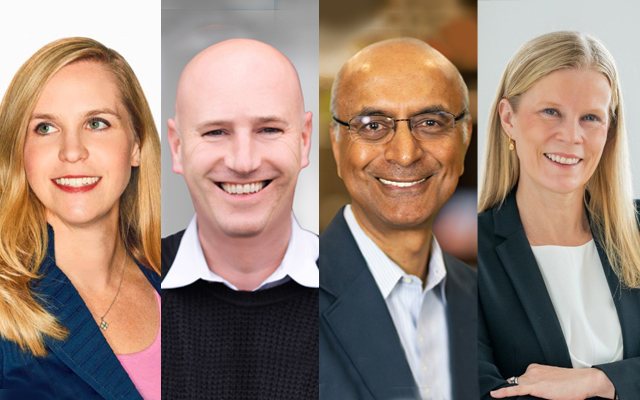











A study by MMGY TCI Research has found that destinations hosting leisure and business events have been able to boost their presence in social conversations and drive positive engagement within communities.
In a PATA-led webinar last week on the topic of Event-driven Tourism: impact and opportunities, Olivier Henry-Biabaud, managing director and partner, MMGY TCI Research, shared that social conversations surrounding Asia-Pacific destinations doubled throughout the period of July 2023 to July 2024 when events tourism was taken into consideration.
In tracking Asia-Pacific events that triggered positive sentiments and engagement, the study named Yi Peng Lantern Festival in Chiang Mai, Thailand; the Lunar New Year in several countries in the region; Bali Arts Festival in Indonesia; and Formula 1 races in Abu Dhabi and Singapore; among others as those that were most impactful.
The study also found that culture (45 per cent) topped the list of topics associated with events and festivals in the region, with tradition and folklore (30 per cent), arts and handicraft (29 per cent), and food/culinary (24 per cent) following on next.
Henry-Biabaud remarked that festivals and their topics could help raise awareness of a destination that might not be a primary tourism choice among travellers. Destination marketers should leverage niche festivals and events to speak to and connect with specific communities.
Further underscoring the value of festivals and events, Henry-Biabaud said such activities ranked second on a list of top-rated destination experiences. Outdoor and nature takes the lead with a 9.3 out of 10 visitor sentiment score; festivals and events was second with a score of nine. Street food, and museums and galleries ranked third and fourth respectively.
He emphasised that events and festivals could be a way to connect locals with the visitor community, and demonstrate a warm welcome to visitors, especially as tourism phobia grows in some parts of the world.
He added: “We tend to forget that big events are an amazing opportunity for visitors to blend with local people. Many of these events are usually made for locals in the first place, allowing them to share their passion with the world and meet other people from all over the world.”
Fellow webinar presenter, Benoit Badufle, managing director of Singapore-based Horus Development & Consulting, which is engaged to market destinations like Monaco and Brisbane in this region, further elaborated on the influential power of events and festivals.
Citing Monaco as an example, Badufle said the destination set out to attract the rich and famous by curating unique and prestigious events, many of which were first in the world or in Europe when launched. The Rose Ball, for one, debuted in Monaco in 1920 as one of the first global philanthropic events supported by the wealthy; it endures to this day.
Many of Monaco’s events are now a regular feature on the calendar. “They are very famous locally and internationally, and attract people from all around Europe and the world every year,” said Badufle. “They are a vector of soft power.”
He explained that events curated at the Grimaldi Forum congress centre are exported overseas, contributing to Monaco’s reputation as an intelligent destination. Famous artists performing in Monaco also help to bring positive attention to the country.
Citing yet another example of the power of association, Badufle said the annual Ernst and Young World Entrepreneur of the Year awards ceremony in Monaco has built an impression of the destination being “a stage for entrepreneurship”.
Badufle told TTG Asia that festivals and events are also a useful way to shift arrivals into the quieter travel seasons, and many in Monaco are scheduled during the shoulder and low season.
While festivals and events have the power to cast destinations in a positive light, Henry-Biabaud emphasised that destination marketers must also ensure that other supporting aspects, such as hotel accommodation, transport services, tours and attractions, are well managed to deliver an easy planning and travel experience for visitors.