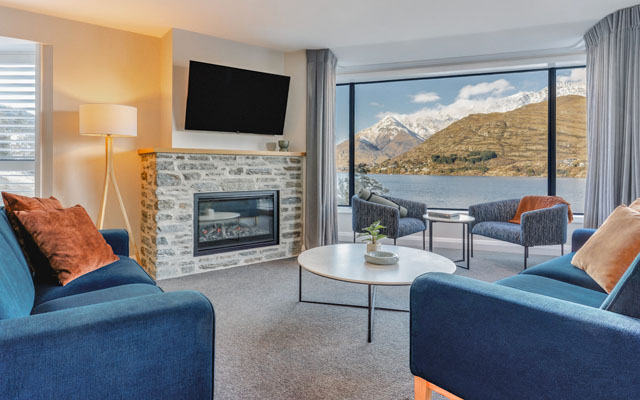

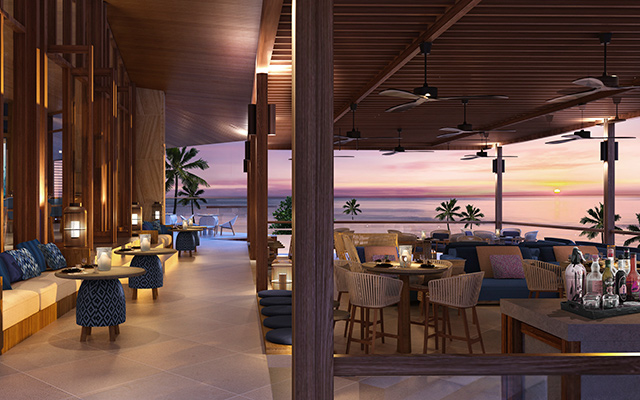
Club Med is on track with its global expansion ambition, which spells out a target of 100 resorts by 2035. Building towards this goal, the company has been accelerating the development of mountain resorts in North America, Europe and North Asia as well as sun resorts in the Mediterranean and South-east Asia.
Sharing an overview of Club Med’s expansion achievements, Rachael Harding, CEO, East & South Asia and Pacific, said many new properties will come into the marketplace over the next two years, rising in destinations such as Malaysia’s Sabah this year; the US’s St Croix, Senegal’s Cap Skirring and Brazil’s Gramado in 2027; Canada’s Mont-Tremblant, Italy’s San Sicario, Benin, Thailand’s Koh Samui and Indonesia’s Manado in 2028; and Oman in 2029.
Even more signings across Asia will soon come to light, allowing Club Med’s portfolio in this part of the world to grow in prominence.
“Capacity of our South-east Asia portfolio will grow at just over 13.5 per cent year on year. This is more than double of any other business unit growth worldwide. And it is about time, as we have not opened a new resort in South-east Asia for 20 years,” she said.
Along with the new properties, Club Med is lifting all existing resorts in South-east Asia with an intense asset enhancement investment. Thailand’s Club Med Phuket completed its renovations at the end of last year, while Club Med Kani in the Maldives and Club Med Bintan in Indonesia are progressively unveiling fresh features this year and the next. Club Med Bali is also undergoing major renovations, and will present its new look in 2027/2028.
Club Med Cherating Beach will close this October for a transformation that is expected to be done by December 2027, just in time for the festive holidays.
The transformation of Club Med’s legacy assets will see the creation of more defined zones with facilities and experiences that will appeal not only to the core family customer segment, but also to solo guests, couples, groups of friends, and even corporate groups.
“Travel agents and Club Med fans will continue to get the big, expansive resort grounds that they have known and loved for years, as well as architecture and design that continues to lean into the natural environment and culture of the destination. But in the next phase of our legacy assets, there will be new sporting facilities, new themed rooms, new water parks for children, additional work on our Zen zones, enhanced F&B concepts, and more,” detailed Harding, adding that guests can also expect elevated ambiance and entertainment.
Harding told TTG Asia that Club Med’s heightened development focus on Asia is a strategic decision that aligns with the “skyrocketing” demand for all-inclusive holidays in the region.
Club Med has seen demand for its resorts rising year on year at a rate that is “way above pre-Covid levels”.
Harding believes that the intense demand growth was triggered by the appeal of Club Med’s famed ski resorts in Asia. And as guests became fans of the all-inclusive product and experience in the snowy mountains, they started to seek out sun resorts in the group’s portfolio.
“Now, we have a big following for our sun resorts as well,” she said.
Club Med’s move to upgrade its properties also has a positive impact on business performance – its premium clientele is expanding and being converted into repeat guests.
“Asian travellers like refined properties. As we upscaled our current properties and rolled out new ones, Asian travellers got to see that we offer exactly what they needed,” stated Harding.
As Asian travellers benefit from easy access to Club Med resorts in South-east Asia, they are also encouraged to explore properties in other parts of the world.
Harding noted that there are many source markets in Asia worth courting. She pointed to Thailand, Indonesia, India, Vietnam, Cambodia and Myanmar as being attractive emerging markets for Club Med.