

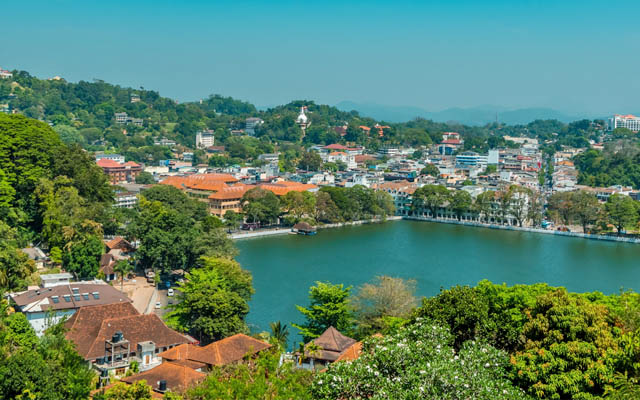
Sri Lanka is offering a free 30-day visa to nationals of 40 countries from May 25, providing a boost to the tourism industry amid the impact of the Middle East crisis on travel demand.
The countries include the UK, Germany, the Netherlands, Belgium, Spain, Australia, Poland, Kazakhstan, Saudi Arabia, the UAE, Nepal, China, India, Indonesia, Russia, Thailand, Malaysia, Japan, France, the US, Canada, the Czech Republic, Italy, Switzerland, Austria, Israel, Belarus, Iran, Sweden, Finland, Denmark, South Korea, Qatar, Oman, Bahrain, New Zealand, Kuwait, Norway, Türkiye and Pakistan. Travellers from these countries previously paid a visa fee of about US$50.
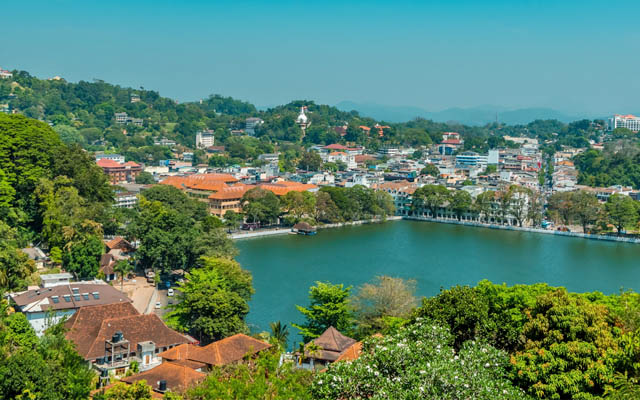
India, China, Russia, Japan, Malaysia, Thailand and Indonesia have been entitled to free visas since 2023 under a special arrangement. The broader free-visa scheme was first proposed in mid-2024 but was delayed due to administrative procedures.
Travellers are still required to obtain an Electronic Travel Authorisation (ETA) before arrival in Sri Lanka. Countries with bilateral reciprocal agreements, including the Maldives, Seychelles and Singapore, will receive a 90-day visa.
The move was welcomed by industry stakeholders.
“This is a good initiative. Look at how Singapore (for a long time) and Thailand have benefitted by free visas and visa-on-arrival,” said Devindre Seneratne, former president of the Travel Agents Association of Sri Lanka and a travel agent. “Many visitors will start talking (about this) helping to spread the message. It will also help to boost arrivals from Europe,” he added.
Seneratne noted that the scheme would strengthen ongoing destination marketing efforts and boost arrivals, while urging authorities to implement the long-awaited destination marketing campaign.
Hiran Cooray, chairman of Jetwing Symphony Hotels, said the move would support tourism growth, but cautioned that authorities should ensure the scheme does not attract undesirable activity.
Earlier this month, police arrested more than 120 foreign nationals, including Chinese, Malaysian, Vietnamese, Taiwanese, Filipino and Cambodian citizens, for overstaying visitor visas and allegedly engaging in business activities in the country, including financial fraud and website hacking.
In southern Sri Lanka, some tourists have reportedly been operating small businesses, including bars, through local partners to avoid detection.
Tourist arrivals have fallen by 20 per cent since the outbreak of conflict in the Middle East, a major transit hub for European travellers.